
 Business License
DN300 to DN5000: Diameter Range and Machine Configuration
A plant owner in Central Asia once asked for a line "up to DN5000" because a future tender mentioned large storage tanks. The shop's real orders, however, were almost all DN400 to DN1200 drainage pipes.
Specifying the full range meant buying mandrel capacity the business might never use, plus a larger bay and a bigger power feed. The headline number created cost the project did not need.
The smarter move is to define the true working diameter band, then configure the machine around it. Diameter is the single variable that reshapes the entire line.
This article explains how the DN300 to DN5000 range maps to machine configuration so buyers size equipment to reality, not to a brochure maximum.
1. Why Diameter Range Defines the Whole Line
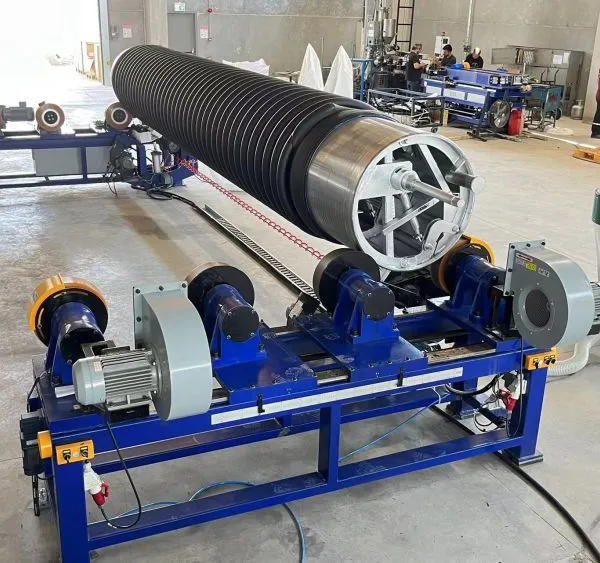
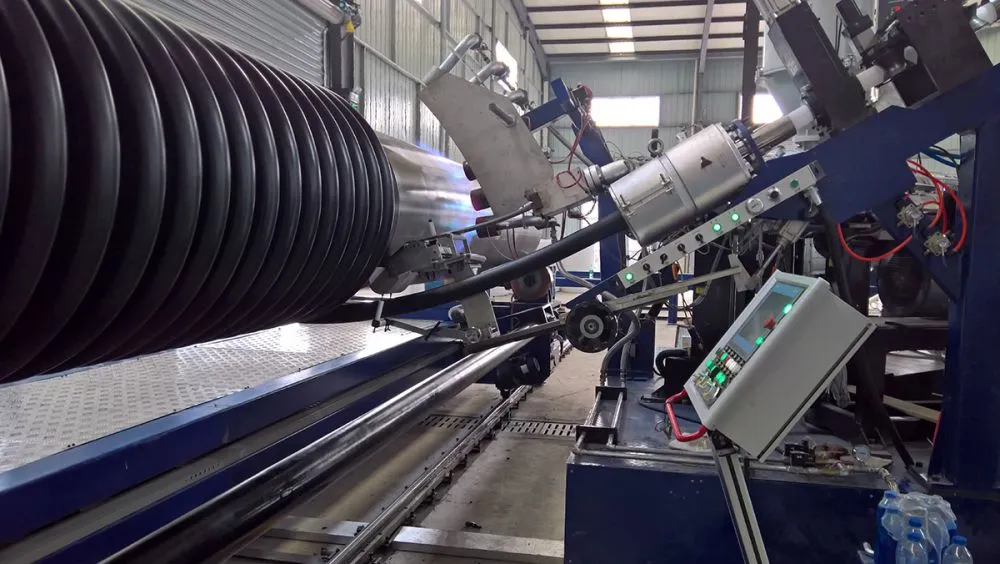
In spiral winding, the pipe diameter is set by the mandrel, not by a die. The mandrel is the physical form the strip winds around, so its size dictates the machine's footprint and handling needs.
Everything else scales from that: the winding head reach, the extruder output, the bay length, and the lifting gear. A DN5000 line is a different animal from a DN800 line even when the winding principle is identical.
Qingdao Yongke Machinery Co Ltd sizes each line to the customer's target band rather than quoting the absolute maximum. Yongke Machinery treats the diameter band as the first question in any quotation.
Getting this right is the foundation of a sensible capital request.
2. The DN300 to DN5000 Spectrum
The range spans more than an order of magnitude, from small culvert pipe to massive storage tanks. Each part of the range serves different markets and different wall engineering.
Below DN800 the work is light drainage and minor culverts. From DN900 to DN2000 sit municipal sewer trunks. Above DN2200 the products shift toward retention tanks and industrial outfalls.
Qingdao Yongke Machinery supplies modular mandrels that let one line cover a chosen sub-range without filling the floor with unused capacity. Our team maps the band to the customer's actual order book.
Most plants run a focused band daily and only occasionally reach the extremes.
Defining that band early also shapes the spare-part strategy, because mandrel sections and rollers differ across the range and the plant should stock the ones it will actually wear. Qingdao Yongke Machinery lists the high-turnover parts for the chosen band so the buyer is not left waiting on a component it rarely needs elsewhere.
3. How Diameter Changes the Configuration
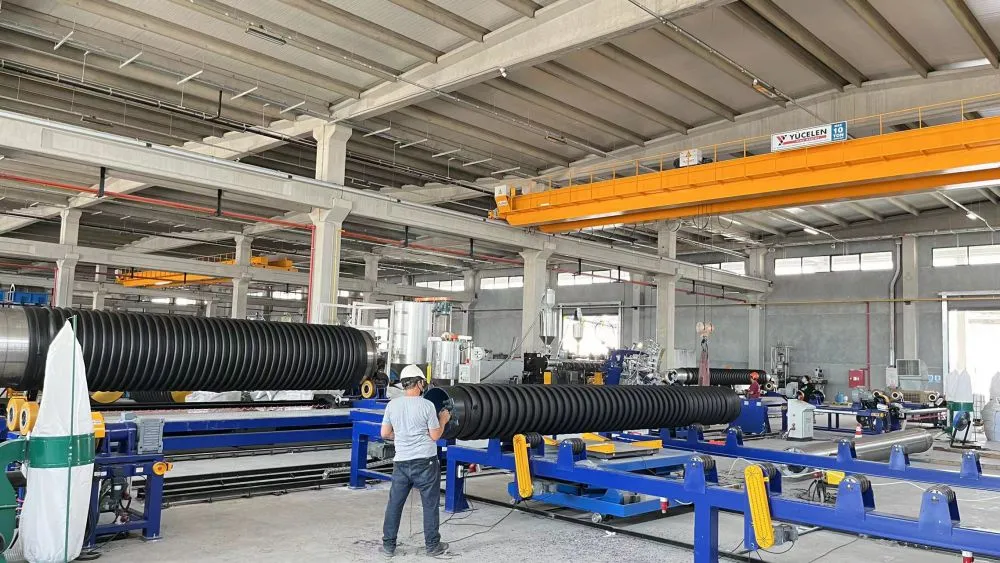
Three stations move when the diameter target changes: the mandrel, the winding head, and the extruder. The mandrel sets the size, the head must reach and fuse at that radius, and the extruder must feed enough strip.
Larger diameters need more strip per meter, so the extruder screw grows and the heating zones multiply. The winding head also needs a wider reach and steadier control at the larger radius.
Yongke Machinery configures these three together so the line stays balanced across the band. Qingdao Yongke Machinery documents the screw size and head reach for each configuration it ships.
A line where one station outpaces the others simply produces scrap or idle capacity.
4. Configuration by Diameter Band
The table below shows how a typical configuration shifts as the target diameter rises. Values are indicative for planning, not a fixed specification.
| Diameter Band | Extruder Screw | Mandrel Type | Typical Wall |
|---|---|---|---|
| DN300-DN800 | 75-90 mm | Compact modular | Single wall |
| DN900-DN2000 | 90-110 mm | Standard modular | Single or double |
| DN2200-DN3500 | 110-120 mm | Extended modular | Double wall |
| DN4000-DN5000 | 120 mm plus | Heavy extended | Reinforced double |
The screw size tracks resin demand, while the mandrel type tracks handling. Qingdao Yongke Machinery pairs these so capacity and footprint grow together rather than separately.
Buyers should read this table against their real order mix, not against the largest tender they hope to win.
5. Extruder Sizing Across the Range
The extruder must deliver enough melted strip to keep the winding head fed at the chosen speed. Small diameters need less per meter, so a modest screw suffices.
At DN4000 and above, the strip cross-section and the lineal length per meter both rise, pushing the screw toward 120 mm or more with extra heating zones. Under-sized extruders force the line to slow down.
Our team sizes the screw to the band's upper end with a margin for stable temperature. Yongke Machinery also tunes the screw compression ratio to the resin grade in use.
A correctly sized extruder is what keeps fusion temperature steady through a full shift. Yongke Machinery also confirms the screw compression ratio against the resin grade so the melt stays uniform at the chosen output.
6. Mandrel Modularity
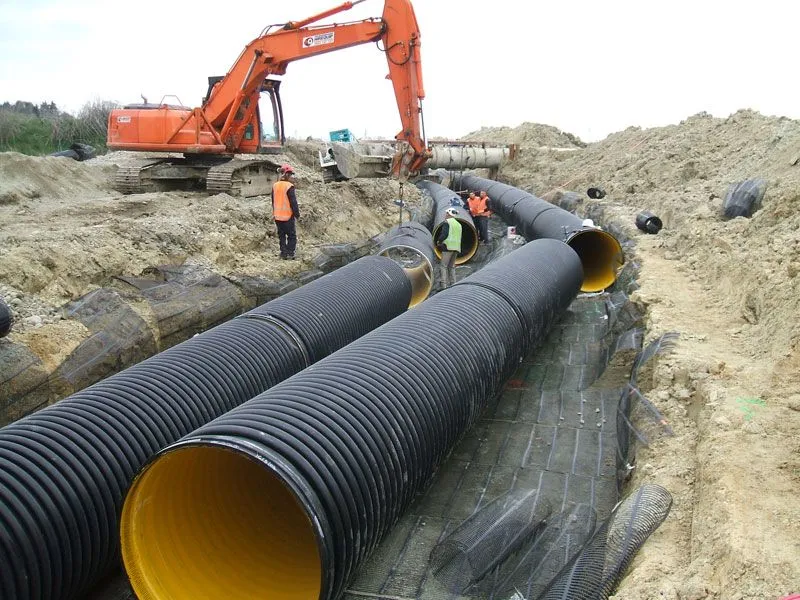
The modular mandrel is the feature that makes a wide band practical. Sections bolt together to reach a target diameter, then come apart for storage or transport.
A plant serving DN300 to DN2000 might hold three or four mandrel sets rather than one giant fixed form. This keeps the floor usable between jobs.
Qingdao Yongke Machinery supplies the mandrel set sized to the agreed band and provides the changeover sequence. Yongke Machinery labels each section so crews assemble the right diameter without guesswork.
Modularity is also what lets a later diameter extension be added without replacing the whole line.
The trade-off is storage and handling, because holding several mandrel sets takes floor space and a method to move heavy sections safely. Plants that plan the storage layout alongside the line avoid the bottleneck of a mandrel that cannot be reached when a job changes. Yongke Machinery includes handling notes in the changeover documentation.
7. Stiffness Classes and Wall Form
Ring stiffness class is the other axis that moves with diameter. Single-wall profiles suit lighter duty, while double-wall profiles trap an air channel that raises stiffness without much extra material.
Above roughly DN2000, buried service almost always calls for double-wall construction. The machine settings, and the mandrel support, change accordingly.
Our team confirms the required stiffness class with the buyer before tooling is cut. Qingdao Yongke Machinery selects the profile geometry that meets the class at the chosen diameter.
Matching wall form to diameter is what keeps the pipe safe under soil load without over-spending on resin. It also keeps the tooling list short, because the profile die is chosen once for the band rather than repeatedly for stray sizes.
8. Floor Space and Power Scaling
Both space and power climb with the maximum diameter. The table below gives the items that scale most directly.
| Item | Why It Scales | Effect at Large Diameter |
|---|---|---|
| Bay length | Mandrel and pipe grow | Much longer run |
| Power feed | Bigger screw, more zones | Higher current draw |
| Lifting gear | Heavy mandrel sections | Larger crane or hoist |
| Cooling capacity | More material to set | Bigger water system |
Qingdao Yongke Machinery issues a plant-layout drawing during quotation so the buyer can verify the bay and power against what is available. Yongke Machinery flags the lifting requirement early because it is easy to overlook.
A DN5000 line that cannot be lifted or powered on site is a line that cannot run.
9. The Output Trade-off at Large Diameters
Output per shift falls as diameter rises, because each meter uses more resin and needs more winding time. A DN600 line can deliver several hundred meters per shift; a DN3000 line delivers far less.
This is not a defect; it is geometry. Buyers should plan capacity against the diameters they actually sell, not the maximum.
Our team presents a diameter-versus-output curve so the trade-off is visible before purchase. Qingdao Yongke Machinery quotes realistic throughput rather than a single idealized speed.
A curve also helps the buyer defend the investment to its own management with honest numbers.
It is worth stating the inverse as well: a line sized only for the largest tender it hopes to win will sit partly idle on ordinary days, dragging return on capital down. Sizing to the daily band with modest headroom keeps the machine earning from the first month. Our team frames the capacity discussion around realised orders, not aspirational ones.
10. Two Field Lessons on Sizing
A North African producer some time ago specified a line to DN4000 to chase one large-tank tender that never materialised. The mandrel capacity and bay length sat partly idle while daily DN600 to DN1200 orders ran on only part of the machine.
Reconfiguring later to a tighter, better-balanced band improved utilisation, but the early over-specification had already inflated the capital cost. The producer learned to size to the order book.
In a separate instance, a Southeast Asian plant under-specified at DN2000 and later won a DN2800 sewer contract it could not fulfil without a mandrel extension ordered months out. The missed window cost more than the original saving.
Both cases show the same principle. Define the real band, then leave a deliberate, modest headroom rather than chasing the absolute maximum.
11. How to Specify Your Diameter Band
Start from the order book: the smallest and largest diameters you sell today, plus the band you expect within the next few years. Add a small, deliberate headroom rather than the full DN5000.
State the stiffness classes you must meet and the resin you will run, because those fix the wall form and the extruder size. Share the available bay length and power feed with the supplier.
Qingdao Yongke Machinery uses that input to propose a mandrel set, screw size, and winding head reach that fit the band. Yongke Machinery then issues a layout drawing so you can confirm the footprint before committing.
A clear band specification turns a vague "big pipe machine" request into a line that earns its floor space.
If the business expects to grow into larger diameters within a few years, say so at quotation, because a planned extension is far cheaper than discovering the limit after the bay is built. Qingdao Yongke Machinery can phase the mandrel investment so the floor is ready before the capability is needed. Stating the trajectory up front protects both the budget and the timeline.
![DSC00510[1]](https://img13.fr-trading.com/0/1_772_120920_800_600.jpg.webp?t=1787796654)
12. Frequently Asked Questions
12.1 Can one machine really cover DN300 to DN5000?
Technically yes, through modular mandrels and a sufficiently large extruder, but covering the full range means buying capacity and floor space you may rarely use. Most plants run a focused sub-range such as DN300-DN2000 or DN800-DN3500 daily. Qingdao Yongke Machinery sizes the line to your real band and adds modest headroom. Specify to your order book rather than to the absolute maximum.
The full range is possible; it is rarely the economical choice.
12.2 What changes most when I go from DN800 to DN3000?
The extruder screw grows to feed more strip per meter, the mandrel becomes an extended modular type, and the winding head needs a wider, steadier reach. Floor length, power feed, lifting gear, and cooling capacity all scale up as well. Qingdao Yongke Machinery rebalances these stations together so the line stays consistent. Expect output per shift to fall even as the machine gets bigger.
Plan the site, not just the machine, for the larger size.
12.3 Do I need double-wall profiles above DN2000?
In most buried applications, yes. Double-wall profiles trap an air channel that raises ring stiffness without much extra resin, which matters as soil load grows with diameter. Single-wall can still serve lighter-duty large pipe, but the standard practice for deep burial is double-wall.
Our team confirms the required stiffness class with the buyer before cutting tooling. Yongke Machinery selects the profile geometry to meet that class at the chosen diameter.
Match the wall form to the load, not to habit.
12.4 How should I plan capacity across diameters?
Ask the supplier for a diameter-versus-output curve rather than a single headline speed, because output per shift drops as diameter and wall thickness rise. Build your plan around the diameters you actually sell, then check the curve against your daily target. Qingdao Yongke Machinery quotes realistic throughput for the agreed band. A curve also gives your management an honest basis for the capital decision.
Recently Posted
-
Qingdao Yongke Machinery: Full-Category Spiral Pipe Equipment from China's Qingdao
September 1, 2026Choosing a machinery supplier for large-diameter plastic pipe production is a long-term decision, because the line you install wil Read More
 -
Quality Control in Spiral Pipe Machine Manufacturing
August 31, 2026A buyer in South America some time ago received a winding line that looked complete on the surface but suffered repeated seam defe Read More
 -
Spiral Pipe for Sewage and Drainage Networks: Production Notes
August 28, 2026A municipal contractor in Eastern Europe some time ago took delivery of spiral-wound sewer pipe that looked flawless on the line.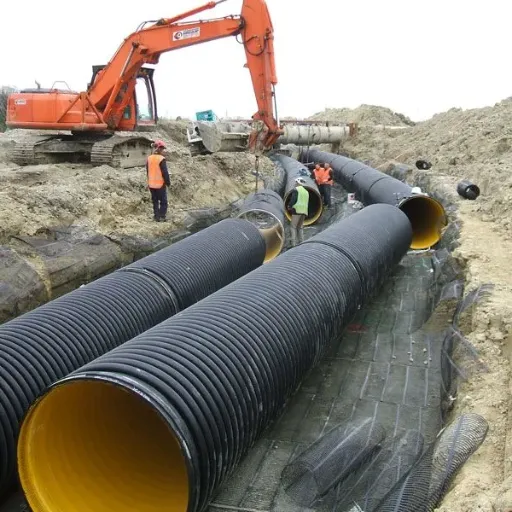 Read More
 -
HDPE vs PP Profile Strip: Choosing the Right Material for Spiral Pipe
August 26, 2026A procurement officer at a Middle Eastern utility once specified polypropylene for a drainage project because a competitor claimed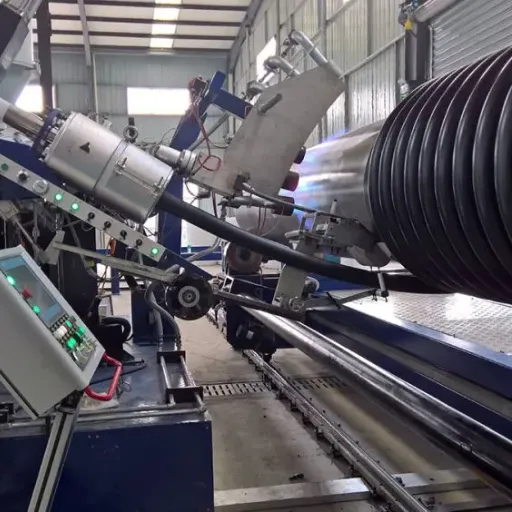 Read More

Contact Us
Recommended Products
-
 CIPP Glass Fibre Liner MachineNegotiableMOQ: 1 Set
 -
HDPE Helically Wound Tank MachineUS$ 10MOQ: 1 Set
-
CIPP Glass Liner MachineNegotiableMOQ: 1 Set
-
CIPP Felt Liner Manufacturing MachineNegotiableMOQ: 1 Set
-
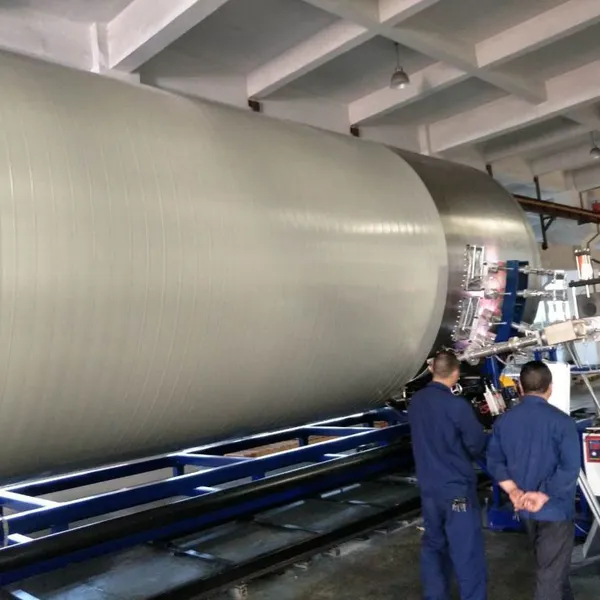
Large Diameter HDPE Sea Intake Outfall Structured Wall Pipe Making MachineNegotiableMOQ: 1 Set
-
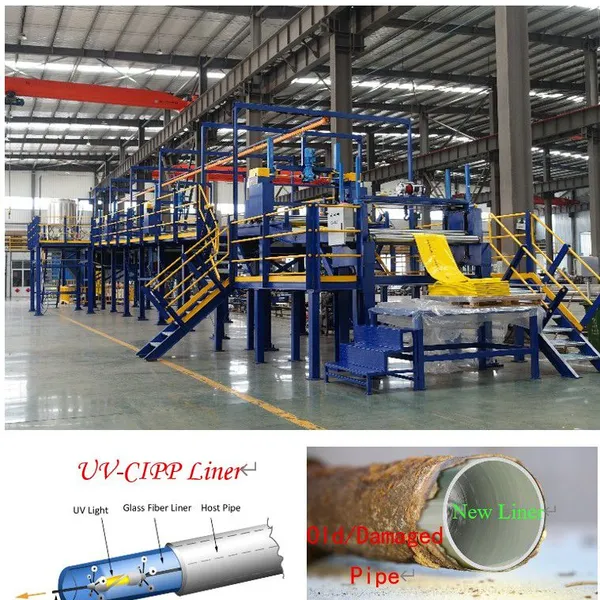
UV-CIPP Glass Fibre Liner Manufacturing MachineUS$ 1000 - 110000MOQ: 10 Meters
-
HDPE Pipe Extrusion Machine / PE Pipe Production Line With High OutputNegotiableMOQ: 1 Set
-
UV-CIPP Glass Fiber Liner Hose Production LineUS$ 1000 - 110000MOQ: 1 Set
-
HDPE Spiral Structure Wall Pipe MachineNegotiableMOQ: 1 Set
-
HDPE Spiral Pipe MachineNegotiableMOQ: 1 Set
-
HDPE Spiral Tank MachineNegotiableMOQ: 1 Set
-
Krah Pipe MachineNegotiableMOQ: 1 Set
-
Plastic HDPE PVC PPR Pipe Extrusion Making Machine Extrusion LineNegotiableMOQ: 1 Set
-
PVC Pipe Extrusion Production Line for Electrical Conduit and Water Supply PipesNegotiableMOQ: 1 Set
-
Hot Sell Single Wall Corrugated Pipe Extrusion Line With Competitive PriceNegotiableMOQ: 1 Set
-
HDPE Krah Profild Pipe MachineUS$ 10000MOQ: 1 Set
-
Plastic Tank CNC Holes Boring MachineUS$ 10000MOQ: 1 Set
-
Double Wall Corrugated Pipe Extrusion LineNegotiableMOQ: 1 Set
-
Single Wall Corrugated Pipe Extrusion LineNegotiableMOQ: 1 Set
-
Inversion CIPP Liner Tube Manufacturing MachineNegotiableMOQ: 1 Set