
 Business License
Spiral Pipe for Sewage and Drainage Networks: Production Notes
A municipal contractor in Eastern Europe some time ago took delivery of spiral-wound sewer pipe that looked flawless on the line. At the trench, however, the crew discovered the joints did not match the couplers the specification required.
The pipe wall was fine; the interface was wrong. The producer had built to a generic profile instead of the jointing standard the utility demanded.
Sewage and drainage networks are unforgiving about details like stiffness class, joint type, and chemical resistance. Producing for these networks is a discipline, not just an extrusion job.
This article collects the production notes that matter when spiral pipe is headed for sewers and stormwater drains.
1. Why Sewage and Drainage Are the Core Market
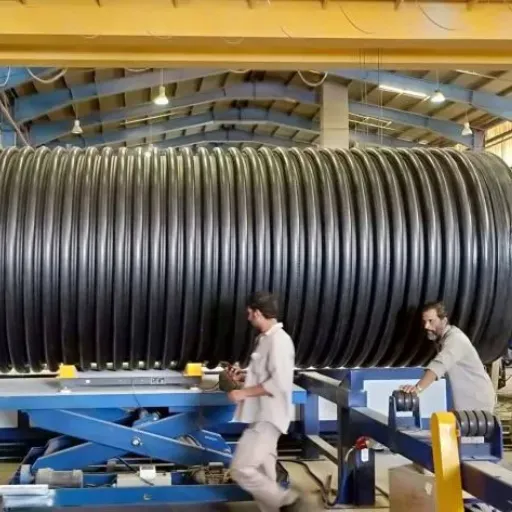
Spiral-wound HDPE pipe fits buried gravity networks better than most alternatives because it resists corrosion and survives ground movement. Concrete cracks and steel rusts; HDPE simply flexes.
Municipal sewers, stormwater drains, and industrial effluent lines make up the largest share of demand. The same winding line serves all three with minor profile changes.
Qingdao Yongke Machinery Co Ltd has supplied lines into these applications across many export markets since its founding in 2010. Yongke Machinery treats sewage and drainage as the baseline use case for its winding equipment.
Because the market is so large, small production errors multiply across long trench runs.
2. Ring Stiffness Requirements
Buried pipe must resist soil load without deflecting past the limit the standard allows. Ring stiffness class, not wall thickness alone, governs this.
Spiral profiles reach high stiffness through geometry, often with a double-wall air channel above DN2000. The producer must hit the class the local standard specifies, not an approximate value.
Our team confirms the required class before cutting tooling. Qingdao Yongke Machinery selects the profile shape that meets the target class at the chosen diameter.
A pipe that is stiff enough in the lab but under-class in the trench fails the same way: excessive deflection and joint stress.
Deflection also interacts with the bedding and backfill, so the producer's class declaration must match how the pipe will actually be laid. A stiffer class than needed wastes resin, while a weaker one risks the inspection. Qingdao Yongke Machinery helps the buyer pick the class that fits the installation method rather than a generic default.
3. Chemical Resistance in Sewage Service
Sewage carries a mix of water, organics, and occasional industrial discharge that attacks many materials over time. HDPE is inert to most of this, which is why it dominates sewer trunk lines.
The pipe wall also does not support microbial growth on its inner surface, helping flow capacity hold up. PP extends resistance further for broader chemical exposure.
Yongke Machinery advises matching the resin to the effluent table a project must meet. Qingdao Yongke Machinery keeps the outer skin virgin even when recycled content is used in the core for predictable long-term performance.
Material choice here is a twenty-year decision, not a purchase-order line.
4. Jointing Methods for Buried Networks
How pipe sections connect matters as much as the wall itself. Common methods include elastomeric ring joints, electrofusion couplers, and butt fusion depending on diameter and standard.
Each method demands a matching pipe end profile, so the producer must build to the coupler specification, not a generic lip. A mismatch stalls the trench crew and the inspection.
Our team documents the joint profile for every order. Yongke Machinery supplies the end-forming tooling that matches the selected coupling system.
Getting the joint right at the factory prevents the costliest field problem: a connection that will not seal.
It also pays to agree the joint standard before the line is built, because the end-forming tooling is specific to the coupler and cannot be swapped in minutes. A late change forces reworked ends and a second shipment. Our team locks the joint type in the quotation so the tooling and the pipe are designed together from the start.
5. Production Notes by Profile Geometry
The table below lists the production variables our team watches when building sewer and drainage pipe. Small drift in any one of them shows up as a field defect.
| Variable | What to Control | Why It Matters |
|---|---|---|
| Strip width | Hold to die tolerance | Seam closure |
| Fusion temperature | Narrow band per shift | Bond strength |
| Winding angle | Matched to profile | Geometry accuracy |
| Wall class | Meet standard | Burial safety |
| End profile | Match coupler | Joint seal |
Qingdao Yongke Machinery integrates these into the PLC so the line holds them automatically across a shift. Yongke Machinery reviews the control log monthly with buyers who want trend visibility.
Discipline at these five points is what separates a reliable sewer pipe from a risky one.
6. Installation Considerations
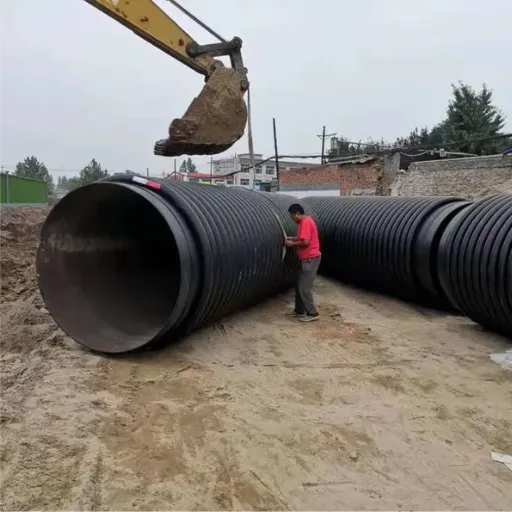
Light weight is a genuine advantage at the trench. Crews handle spiral HDPE without heavy lifting gear for smaller diameters, which speeds laying.
The flip side is buoyancy before backfill in wet trenches, so the specification often requires ballast or staged filling. The producer should note this on the delivery documentation.
Our team briefs buyers on handling and bedding so the pipe performs as designed. Qingdao Yongke Machinery includes installation notes with the line documentation where the customer requests them.
A pipe laid badly undermines even a perfectly wound wall.
Bedding selection deserves the same attention as the pipe itself, because the soil support distributes load around the wall. Specifying the wrong bedding can erase the benefit of a high stiffness class. Yongke Machinery notes the recommended bedding in the delivery documentation where the customer asks, so the trench crew lays the pipe to its design assumption.
7. Testing and Quality at the Pipe Level
Finished pipe should be verified, not assumed. Ring stiffness, flattening, and joint seal tests are the usual checks before sections leave the plant.
The producer benefits from a sample routine tied to each diameter and wall class, because stiffness can drift if fusion temperature wanders. A logged test history also supports warranty claims.
Yongke Machinery recommends a per-batch test record that travels with the order. Qingdao Yongke Machinery supplies the test jig references appropriate to the line's diameter range.
Testing is the cheapest insurance against a rejected trench load.
The test routine should follow the diameter and wall class, because stiffness can drift if fusion temperature wanders during a long run. A logged history also supports any later warranty question with evidence rather than memory. Qingdao Yongke Machinery supplies the test jig references suited to the line's range so the buyer can run the checks consistently.
8. Standards and Certifications
Drainage and sewer pipe are regulated, so the product must meet local or regional standards for stiffness, joints, and markings. Certifications on the pipe travel with the asset.
The machine builder's own quality system matters too; ISO and CE marks on the equipment support the buyer's own compliance story. Qingdao Yongke Machinery holds ISO9001, ISO14001, and ISO45001 certifications plus CE marking.
Our team aligns the line's output documentation with the standards the buyer must satisfy. Yongke Machinery helps map machine settings to the declared product class.
Compliance is easier when it is designed into the production record from day one.
The buyer should keep the equipment certifications on file alongside the pipe test records, because auditors often ask for both together. A missing certificate can stall a project acceptance even when the pipe itself is compliant. Qingdao Yongke Machinery supplies the certificates with the order so the paperwork is ready when the inspection arrives.
9. Two Field Lessons on Network Pipe
A drainage project in South Asia some time ago used a single-wall profile on a deep trunk where the standard required double-wall stiffness. The sections deflected beyond limit during a load test and were pulled back for rework.
The producer had built a cheaper wall than the specification allowed. Re-running in double-wall cleared the test but cost a return visit and a delay to the utility's schedule.
In a separate case, a sewer contract in Africa specified ring-joint couplers that did not match the pipe end profile the plant had tooled. The trench crew could not seat the seals, and the producer had to ship corrected ends before laying could continue.
Both failures were production-discipline gaps, not machine faults. Build to the joint and the class, every time.
10. Common Production Mistakes
The first mistake is treating stiffness as a thickness problem rather than a geometry problem, which leads to over-heavy or under-class walls. The second is ignoring the joint profile until the couplers arrive.
A third is letting fusion temperature drift across a shift, which weakens seams intermittently and evades simple visual checks. A fourth is skipping the per-batch test record.
Our team builds these checks into the line procedure. Qingdao Yongke Machinery documents them so a new operator follows the same discipline the original commissioning did.
Most field rejects trace back to one of these four habits.
The common thread is treating the pipe as a commodity rather than as a system with a declared class and a declared joint. When the producer designs to the specification from the first meter, those four habits rarely appear. Our team builds the checks into the line procedure so the discipline does not depend on any single operator's memory.
11. Matching the Machine to the Network
Choose the line around the diameters and stiffness classes your network projects actually require. A utility serving DN400 to DN1500 sewers needs a different configuration from a plant making DN3000 outfalls.
State the jointing system, the standard, and the resin up front so tooling matches. Share the expected order volumes so capacity is realistic.
Qingdao Yongke Machinery proposes a mandrel set, screw size, and end-forming tooling fitted to that brief. Yongke Machinery then issues layout and test references so the buyer can validate before committing.
A machine matched to the network produces compliant pipe from the first meter.
12. Frequently Asked Questions
12.1 What stiffness class do sewer pipes usually need?
It depends on burial depth, soil, and the local standard, but spiral profiles commonly target the stiffness classes that keep deflection within the permitted limit under soil load. Above roughly DN2000, double-wall construction is the usual way to reach those classes without excessive resin. Our team confirms the required class with the buyer before tooling is cut. Qingdao Yongke Machinery selects the profile geometry that meets the declared class at the chosen diameter.
Never assume a class; confirm it against the specification.
12.2 Which joint type should the pipe use?
The joint must match the coupler system the project specifies, whether that is an elastomeric ring, an electrofusion coupler, or butt fusion. The producer builds the pipe end profile to that coupler, not to a generic shape. Yongke Machinery supplies the end-forming tooling for the selected system so the seal seats in the trench. Confirm the joint type during quotation, because retrofitting it later means reworking the ends.
The joint is part of the product, not an afterthought.
12.3 Can one line serve both sewage and stormwater?
Yes, the same winding line builds both, since the difference is mostly in profile geometry, wall class, and sometimes resin rather than in the machine itself. Sewage may demand stricter chemical resistance and joint sealing, while stormwater leans on stiffness and flow capacity. Qingdao Yongke Machinery configures the line to switch between these with modest tooling changes. State both applications up front so the line covers them without a second purchase.
One line, two networks, if specified together.
12.4 How do I prove the pipe meets the standard?
Build a per-batch test record covering ring stiffness, flattening, and joint seal, and keep it with the order. Align the line's output documentation with the local standard from the start rather than after the fact. Qingdao Yongke Machinery supplies test jig references for the line's diameter range and helps map machine settings to the declared product class. Equipment certifications such as ISO and CE on the builder also support your compliance story.
Recently Posted
-
Qingdao Yongke Machinery: Full-Category Spiral Pipe Equipment from China's Qingdao
September 1, 2026Choosing a machinery supplier for large-diameter plastic pipe production is a long-term decision, because the line you install wil Read More
 -
Quality Control in Spiral Pipe Machine Manufacturing
August 31, 2026A buyer in South America some time ago received a winding line that looked complete on the surface but suffered repeated seam defe Read More
 -
DN300 to DN5000: Diameter Range and Machine Configuration
August 27, 2026A plant owner in Central Asia once asked for a line "up to DN5000" because a future tender mentioned large storage tanks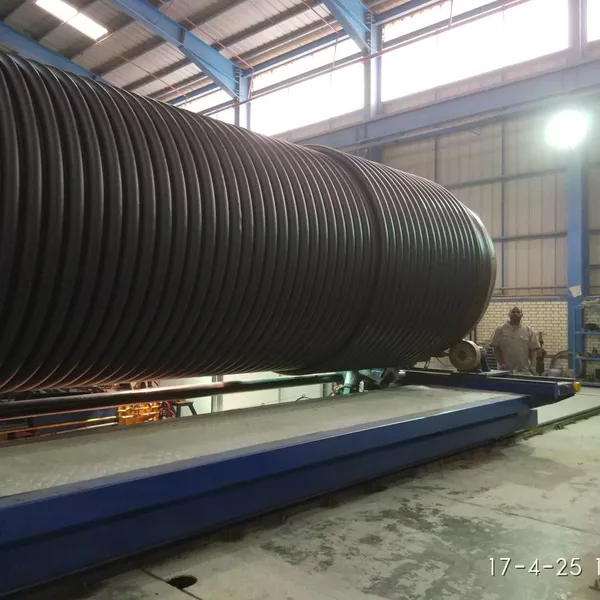 Read More
 -
HDPE vs PP Profile Strip: Choosing the Right Material for Spiral Pipe
August 26, 2026A procurement officer at a Middle Eastern utility once specified polypropylene for a drainage project because a competitor claimed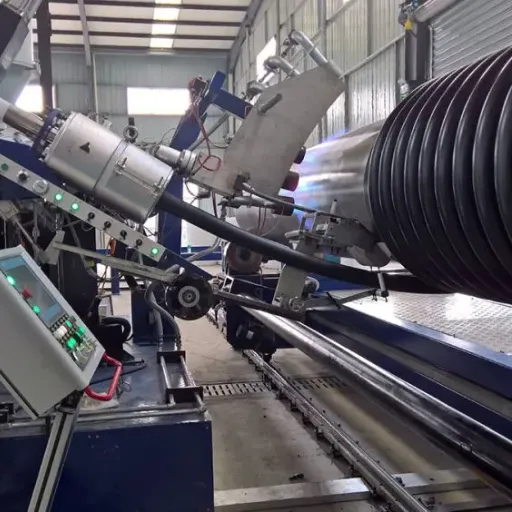 Read More

Contact Us
Recommended Products
-
 CIPP Glass Fibre Liner MachineNegotiableMOQ: 1 Set
 -
HDPE Helically Wound Tank MachineUS$ 10MOQ: 1 Set
-
CIPP Glass Liner MachineNegotiableMOQ: 1 Set
-
CIPP Felt Liner Manufacturing MachineNegotiableMOQ: 1 Set
-
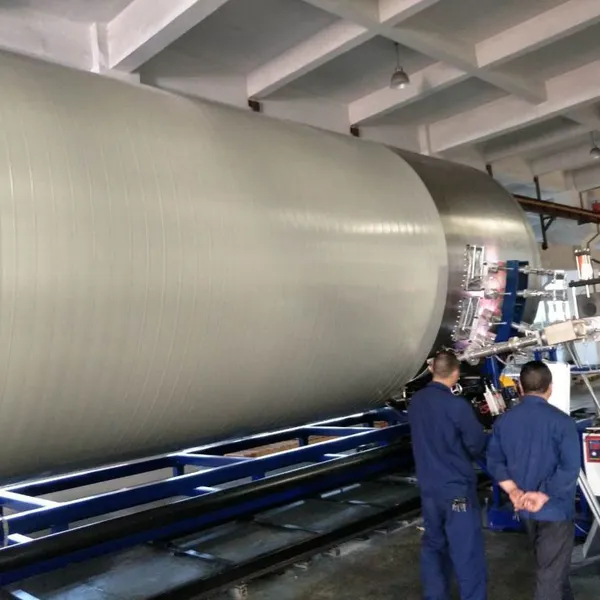
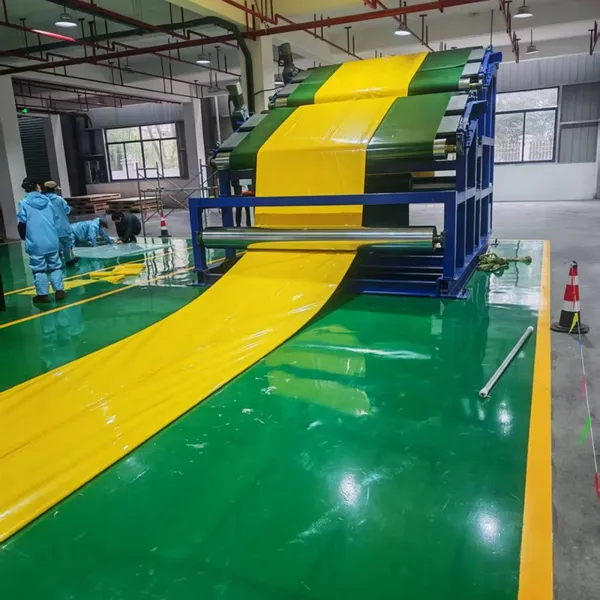
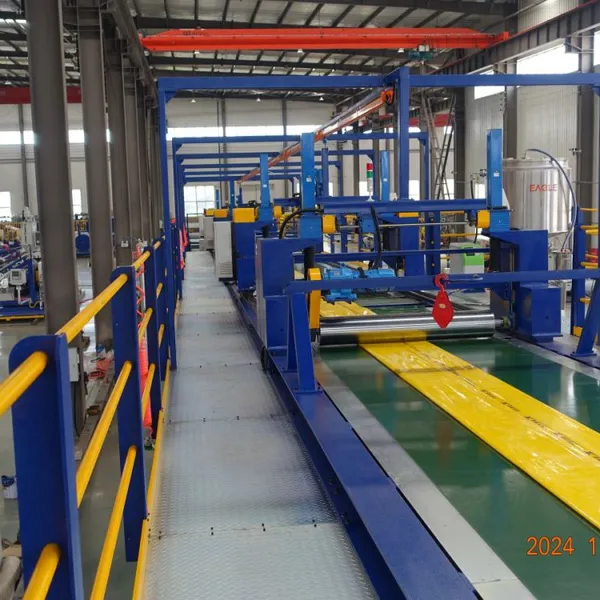
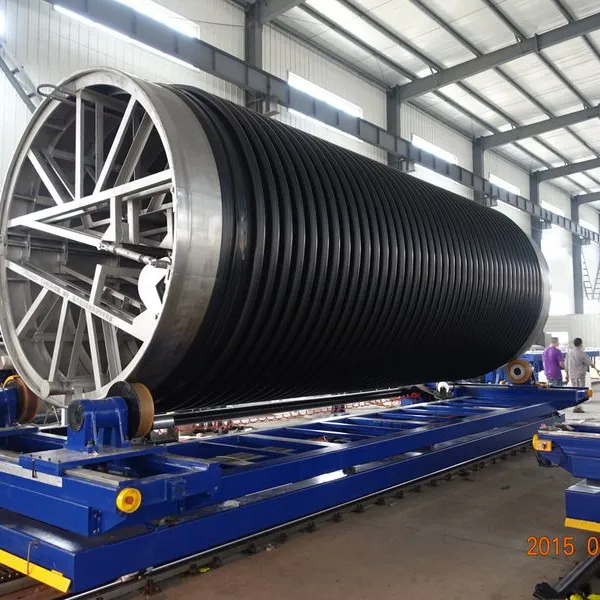
Large Diameter HDPE Sea Intake Outfall Structured Wall Pipe Making MachineNegotiableMOQ: 1 Set
-
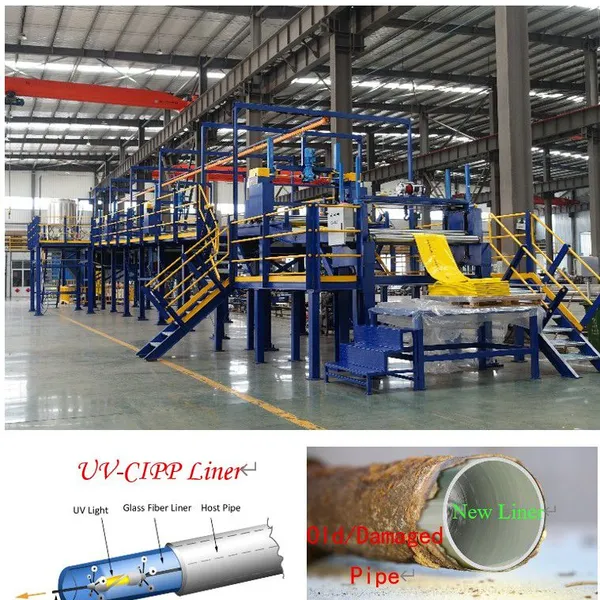
UV-CIPP Glass Fibre Liner Manufacturing MachineUS$ 1000 - 110000MOQ: 10 Meters
-
HDPE Pipe Extrusion Machine / PE Pipe Production Line With High OutputNegotiableMOQ: 1 Set
-
UV-CIPP Glass Fiber Liner Hose Production LineUS$ 1000 - 110000MOQ: 1 Set
-
HDPE Spiral Structure Wall Pipe MachineNegotiableMOQ: 1 Set
-
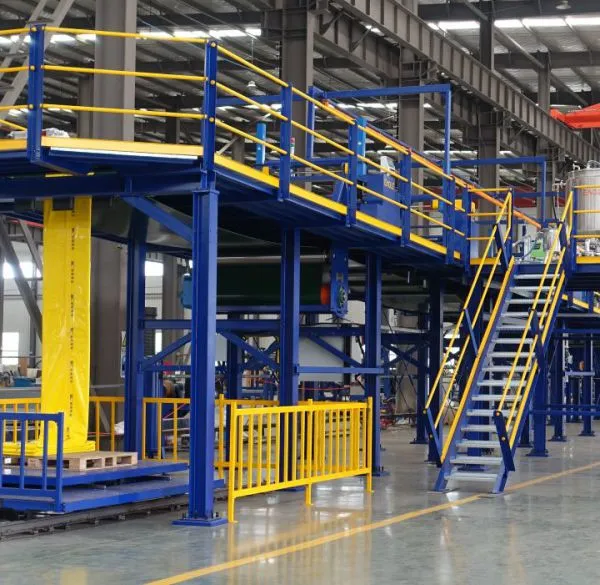
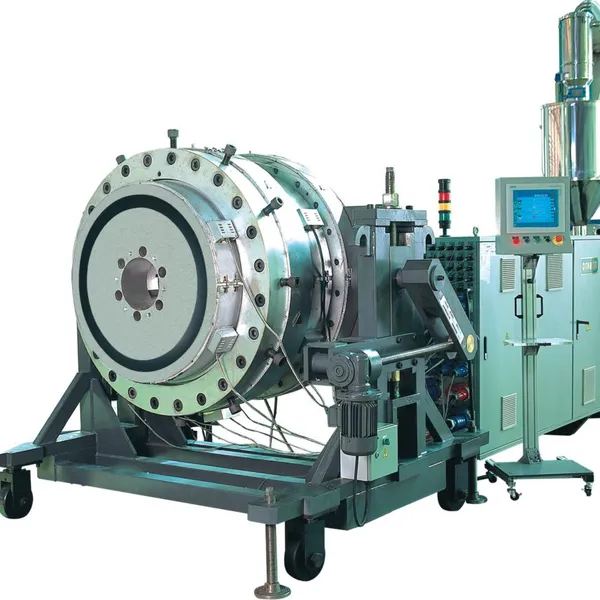
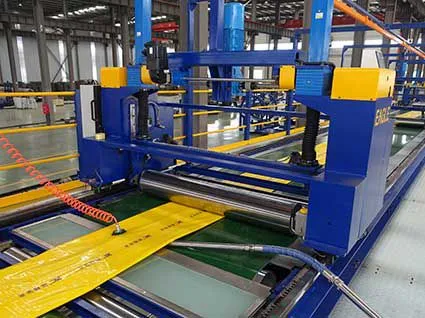
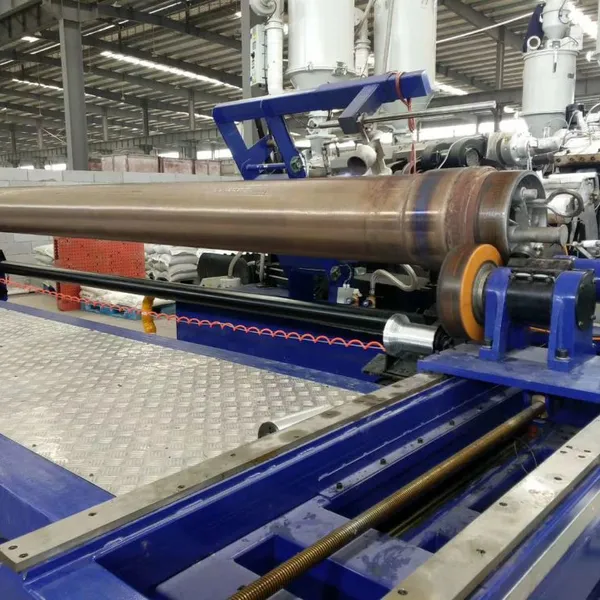
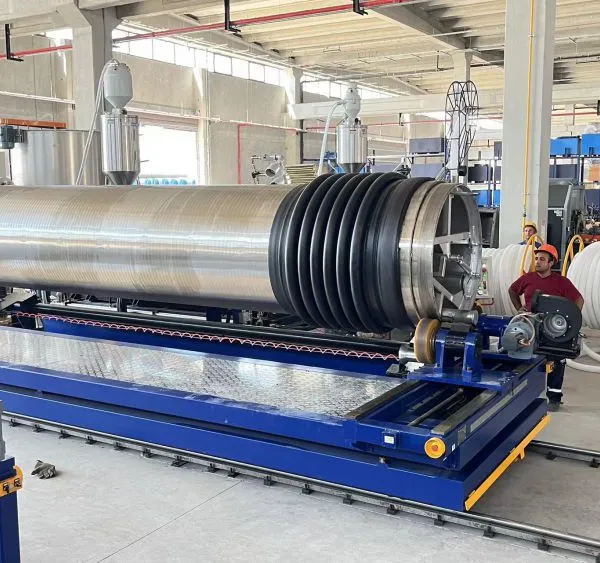
HDPE Spiral Pipe MachineNegotiableMOQ: 1 Set
-
HDPE Spiral Tank MachineNegotiableMOQ: 1 Set
-
Krah Pipe MachineNegotiableMOQ: 1 Set
-
Plastic HDPE PVC PPR Pipe Extrusion Making Machine Extrusion LineNegotiableMOQ: 1 Set
-
PVC Pipe Extrusion Production Line for Electrical Conduit and Water Supply PipesNegotiableMOQ: 1 Set
-
Hot Sell Single Wall Corrugated Pipe Extrusion Line With Competitive PriceNegotiableMOQ: 1 Set
-
HDPE Krah Profild Pipe MachineUS$ 10000MOQ: 1 Set
-
Plastic Tank CNC Holes Boring MachineUS$ 10000MOQ: 1 Set
-
Double Wall Corrugated Pipe Extrusion LineNegotiableMOQ: 1 Set
-
Single Wall Corrugated Pipe Extrusion LineNegotiableMOQ: 1 Set
-
Inversion CIPP Liner Tube Manufacturing MachineNegotiableMOQ: 1 Set