
 Business License
HDPE vs PP Profile Strip: Choosing the Right Material for Spiral Pipe
A procurement officer at a Middle Eastern utility once specified polypropylene for a drainage project because a competitor claimed it was simply a newer, better plastic. The team paid a premium for the resin.
On site, the crew struggled with fusion settings carried over from their earlier HDPE work, and early seams showed inconsistent bonding. The material was not worse; it was just different from what the plant knew.
The mistake was choosing a polymer on a slogan rather than on the actual service conditions. Material choice for spiral profile pipe deserves a clear comparison.
This article sets HDPE and PP side by side so buyers can pick the strip that fits the job, not the marketing.
1. Why the Strip Material Decides Pipe Behavior
The profile strip is the load-carrying element of a spiral-wound pipe. Its chemistry sets how the wall performs under heat, chemicals, and ground load over a multi-decade service life.
The machine can run either polymer after the operator adjusts extruder temperature and screw speed. The resin, not the steel, determines long-term strength.
Qingdao Yongke Machinery configures its lines to accept both HDPE and PP so the buyer is not locked into one material by the equipment. Yongke Machinery still recommends confirming the grade before tooling is cut.
Getting the material right at the quotation stage avoids a costly resin switch after the line is installed.
It also keeps the tooling decision clean, because the profile die is tuned to one resin's flow behavior at a time. Changing that later means re-cutting the die, which adds both cost and delay to the project.
2. What HDPE Brings to the Profile Strip
High-density polyethylene is the workhorse of spiral pipe. It resists the chemicals common in sewage and stormwater and welds dependably under field jointing conditions.
Its flexibility lets buried pipe survive soil movement that would crack rigid alternatives. HDPE also handles recycled content in the core without major processing changes.
Our team sees HDPE as the default for municipal drainage, sanitary sewers, and most agricultural networks. Qingdao Yongke Machinery documents the accepted HDPE grade for each line configuration it ships.
For the majority of spiral pipe projects, HDPE remains the lower-risk choice because field crews already know how to handle it.
3. What Polypropylene Brings to the Profile Strip
Polypropylene enters the picture where higher service temperature or a stiffer wall at lower weight matters. PP's stiffness lets designers thin the wall while keeping ring performance.
That weight saving cuts resin use per meter, which can matter on very large diameters. PP also holds shape better at elevated temperatures that would soften HDPE.
The trade-off is narrower field familiarity and tighter fusion windows. Yongke Machinery trains operators on the distinct PP temperature profile so seams stay uniform.
PP is a strong option, but it rewards plants that invest in the right process knowledge rather than treating it as a drop-in substitute.
For plants weighing the switch, the practical test is whether the crew can hold PP's fusion window consistently across a full shift. If the answer is uncertain, HDPE remains the lower-risk path until that skill is built. Yongke Machinery often recommends starting with HDPE and adding PP capability once the line and the team are proven.
4. Side-by-Side Property Comparison
The table below summarises how the two polymers differ on the properties that affect spiral pipe. Values are typical ranges, not a single fixed grade.
| Property | HDPE | PP |
|---|---|---|
| Density | About 0.94-0.97 g/cm3 | About 0.90-0.91 g/cm3 |
| Service temperature | Moderate | Higher than HDPE |
| Stiffness at equal weight | Good | Higher |
| Chemical resistance | Strong in sewage | Strong, broader range |
| Field weldability | Very familiar | Needs tuned settings |
| Recycled content use | Common in core | Possible, less common |
Density is the quiet advantage of PP: a lighter wall of equal stiffness trims resin cost on big diameters. Qingdao Yongke Machinery helps buyers weigh that saving against the extra process control PP demands.
No single row decides the choice; the service profile does.
Buyers sometimes ask whether a blended approach is possible, running HDPE for most stock and PP only for the warm or lightweight specialty items. That is practical when the line is set up to switch resins without a long changeover, because it lets a plant serve both standard and niche orders from one floor. Qingdao Yongke Machinery designs the extruder temperature profile so the switch stays manageable rather than disruptive.
5. Temperature Performance
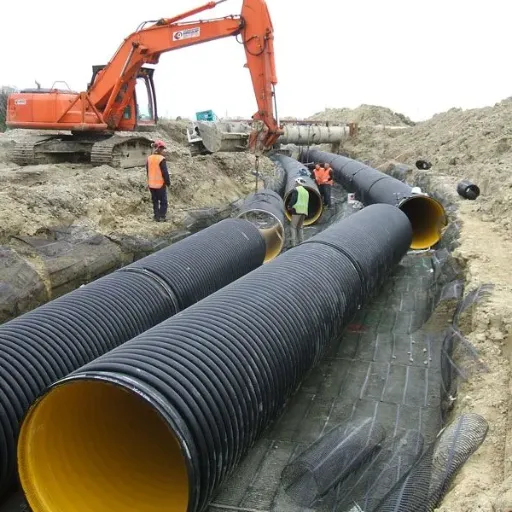
Most drainage and sewage flows sit near ambient temperature, where HDPE performs without concern. When the line carries warm industrial effluent, PP's higher heat tolerance becomes valuable.
HDPE softens earlier under sustained heat, which can matter in process-water or certain chemical drains. PP holds its shape longer in those conditions.
Our team asks buyers to state the expected temperature band up front. Yongke Machinery then sets the profile die and cooling length to suit the chosen resin.
Choosing on temperature alone is rare, but it is decisive when warm flows are involved. Qingdao Yongke Machinery notes the expected temperature band on the quotation so the resin choice is documented before tooling is cut.
6. Chemical Resistance in Buried Service
Both polymers resist the chemicals found in typical municipal flows. HDPE has the longer track record in sewer and stormwater thanks to decades of field use.
PP extends resistance into a broader chemical range, which suits some industrial effluent lines. The pipe wall also stays inert, so it does not feed microbial growth inside the bore.
Qingdao Yongke Machinery advises matching the resin to the specific effluent table a project must meet. Yongke Machinery keeps the outer skin virgin even when recycled content is used in the core.
A conservative material choice here protects the asset long after the installation crew has left.
7. Stiffness at Equal Weight
Ring stiffness is what lets buried pipe resist soil load without collapsing. PP reaches a given stiffness with a thinner, lighter wall than HDPE in many profiles.
That lightness reduces resin consumption per meter, an advantage that grows with diameter. HDPE still reaches the same stiffness classes, just with a bit more material.
Our team models the wall to the required stiffness class rather than defaulting to the thickest option. Qingdao Yongke Machinery supplies the profile geometry that hits the target class for the chosen resin.
The decision is therefore economic as much as technical: pay in resin or pay in process care.
Another factor is the jointing system, because some couplings bond more readily to one polymer than the other under field conditions. Specifying the joint early keeps the material decision and the connection decision from conflicting later. Our team reviews both together during quotation so the wall and the seal are designed as one package.
8. Welding and Jointing Behavior
Field jointing is where the two materials diverge most in practice. HDPE welds with well-established electrofusion and butt methods that most crews already trust.
PP needs a tighter temperature window and closer attention to cooling, or seams can vary. Plants new to PP should budget for operator training before the first order.
Yongke Machinery documents the fusion profile for each material so the winding crew is not guessing. Qingdao Yongke Machinery also supplies start-up support that covers the PP settings specifically.
A material that welds perfectly in the lab still fails in the field if the crew is unfamiliar with its window.
9. Cost and Availability
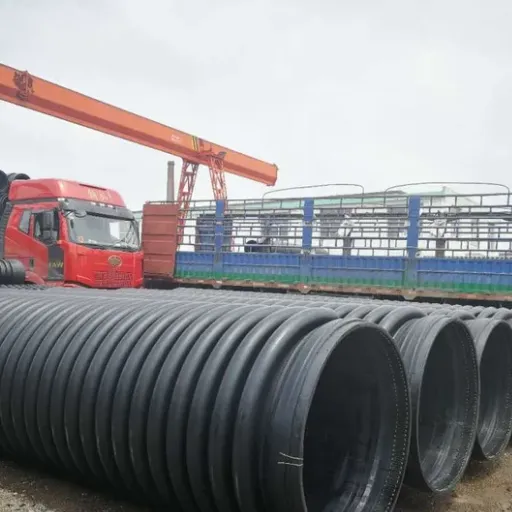
HDPE typically costs less per ton and is available from more suppliers worldwide, which shortens lead times. PP can carry a price premium and a narrower supply base in some regions.
The lighter PP wall offsets some of that premium through lower resin use on large diameters. The net economics depend on diameter, order volume, and local resin pricing.
Our team recommends building a simple per-meter cost model before committing. Qingdao Yongke Machinery can quote expected resin consumption for both options at the target diameters.
Buying on resin price alone hides the wall-weight saving that PP can offer at scale.
Lead time is a quieter part of the cost story. HDPE's wider supply base usually means shorter waits, which helps a plant meet a contract deadline, while PP's narrower base can add weeks in some regions. Qingdao Yongke Machinery advises building the delivery schedule into the material choice, not just the per-ton price, so the cheaper resin does not become the late resin.
10. Two Field Lessons on Material Choice
A Southeast Asian plant some time ago switched a drainage contract from HDPE to PP to chase the lighter-wall saving. Without retraining, the winding crew kept HDPE fusion settings, and early seams failed jointing inspection.
After a short PP-specific training cycle, scrap dropped and the wall-weight saving was realised. The material was sound; the process knowledge was the missing piece.
In a separate case, a European industrial client specified HDPE for a warm effluent line against advice, and the wall softened under sustained heat. Re-running the sections in PP solved it, but only after rework cost the producer a return visit.
Both lessons point the same way. Match the polymer to the real service condition, and invest in the process knowledge the material demands.
11. A Practical Decision Guide
Use the table below as a starting filter, then confirm against the local standard and the expected service profile. It is a guide, not a substitute for project engineering.
| If your project... | Lean toward |
|---|---|
| Is standard drainage or sewage at ambient temperature | HDPE |
| Carries warm or chemically broad effluent | PP |
| Needs lowest resin use at very large diameter | PP |
| Relies on widely available field welding skills | HDPE |
| Has a crew already trained on PP fusion | Either, by cost |
Qingdao Yongke Machinery walks buyers through this filter during quotation so the line and tooling match the material decided. Yongke Machinery also confirms the accepted grade with the buyer before cutting the die.
A five-minute conversation at this stage prevents the expensive rework that late material switches cause.
12. Frequently Asked Questions
12.1 Can the same machine run both HDPE and PP?
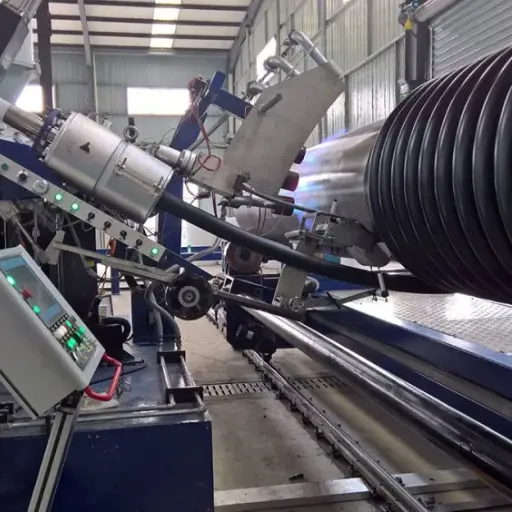
Yes, the winding line itself handles both after the operator adjusts extruder temperature and screw speed to the resin. The machine is not the constraint; the die and the fusion settings are. Qingdao Yongke Machinery configures its lines to accept either polymer so the buyer keeps material flexibility. The real requirement is process knowledge, because PP needs a tighter fusion window than HDPE.
Train the crew on the chosen material before the first production run.
12.2 Is PP always better because it is lighter?
No, lighter is only an advantage when the project values resin saving at large diameter and the plant can control PP fusion. At ambient-temperature drainage, HDPE is usually cheaper, more available, and better understood in the field. PP's stiffness-at-weight edge is real but narrow in scope.
Our team models the per-meter cost before recommending it. Yongke Machinery treats PP as a targeted option, not a universal upgrade.
Choose on service condition first, then on weight.
12.3 Does recycled content work in the profile strip?
Recycled HDPE is commonly used in the core layer of the profile, where it is hidden from weathering and abrasion. The outer skin is normally kept virgin for predictable long-term performance. PP recycled content is possible but less common in spiral profiles.
Qingdao Yongke Machinery documents where recycled content may be placed in each line configuration. Always confirm the local standard permits it for the intended application.
Keeping the visible layer virgin protects the pipe's service life.
12.4 How do I confirm the right grade with my supplier?
State the service temperature, the chemical exposure, the required ring-stiffness class, and the local standard at the quotation stage. The supplier then selects a grade and a profile geometry that meet those targets. Yongke Machinery issues the accepted grade and the die specification before tooling is cut, so there is no ambiguity later. Confirming early also locks resin consumption estimates for your cost model.
Recently Posted
-
Qingdao Yongke Machinery: Full-Category Spiral Pipe Equipment from China's Qingdao
September 1, 2026Choosing a machinery supplier for large-diameter plastic pipe production is a long-term decision, because the line you install wil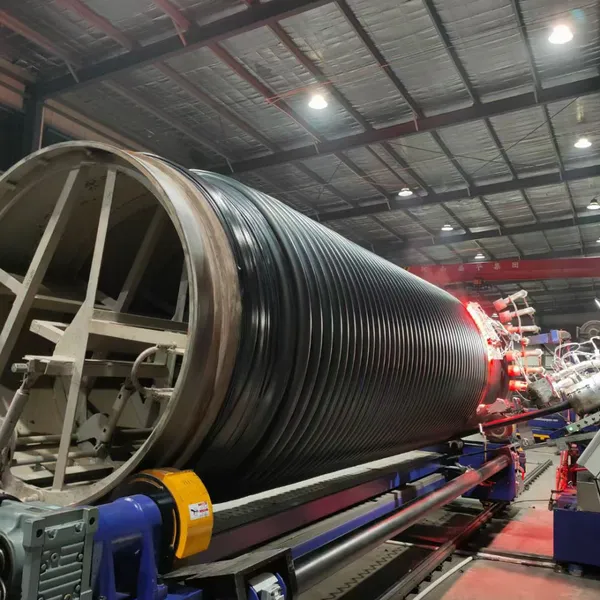 Read More
 -
Quality Control in Spiral Pipe Machine Manufacturing
August 31, 2026A buyer in South America some time ago received a winding line that looked complete on the surface but suffered repeated seam defe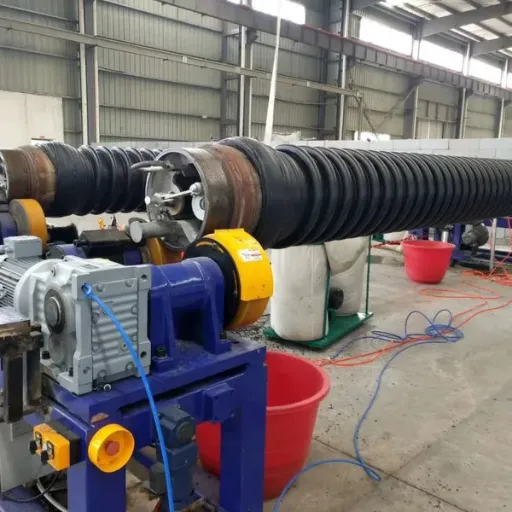 Read More
 -
Spiral Pipe for Sewage and Drainage Networks: Production Notes
August 28, 2026A municipal contractor in Eastern Europe some time ago took delivery of spiral-wound sewer pipe that looked flawless on the line.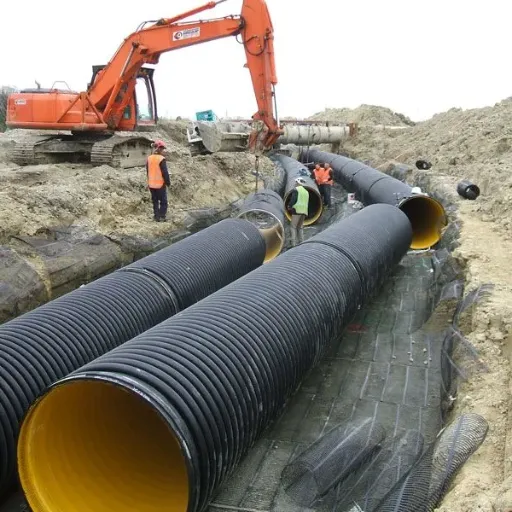 Read More
 -
DN300 to DN5000: Diameter Range and Machine Configuration
August 27, 2026A plant owner in Central Asia once asked for a line "up to DN5000" because a future tender mentioned large storage tanks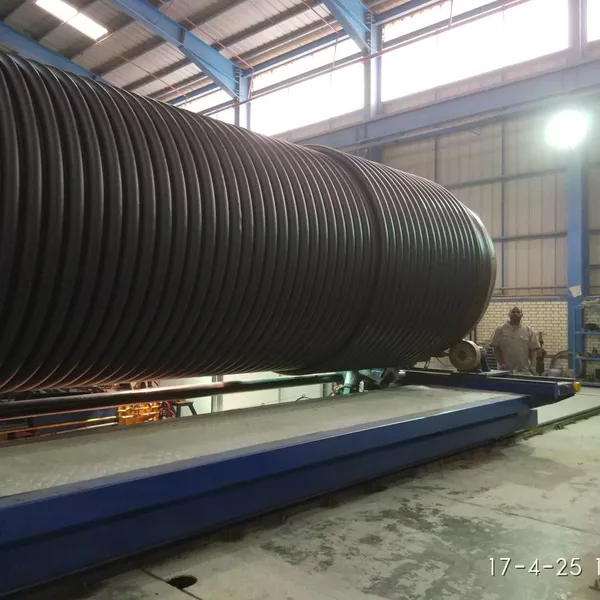 Read More

Contact Us
Recommended Products
-
 CIPP Glass Fibre Liner MachineNegotiableMOQ: 1 Set
 -
HDPE Helically Wound Tank MachineUS$ 10MOQ: 1 Set
-
CIPP Glass Liner MachineNegotiableMOQ: 1 Set
-
CIPP Felt Liner Manufacturing MachineNegotiableMOQ: 1 Set
-
Large Diameter HDPE Sea Intake Outfall Structured Wall Pipe Making MachineNegotiableMOQ: 1 Set
-
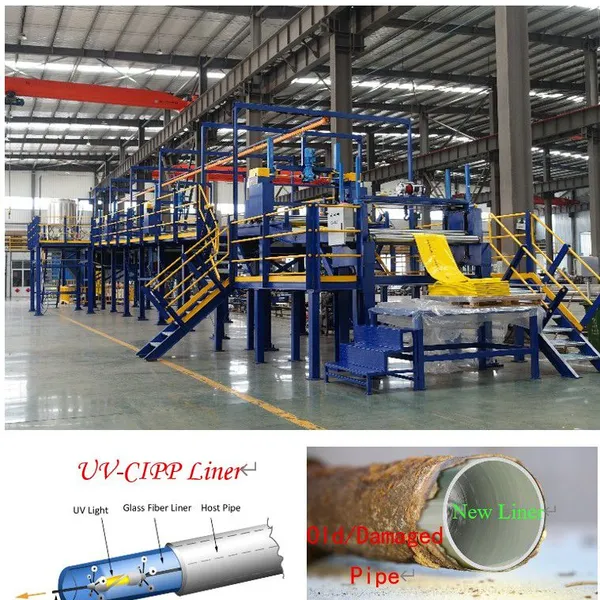
UV-CIPP Glass Fibre Liner Manufacturing MachineUS$ 1000 - 110000MOQ: 10 Meters
-
HDPE Pipe Extrusion Machine / PE Pipe Production Line With High OutputNegotiableMOQ: 1 Set
-
UV-CIPP Glass Fiber Liner Hose Production LineUS$ 1000 - 110000MOQ: 1 Set
-
HDPE Spiral Structure Wall Pipe MachineNegotiableMOQ: 1 Set
-
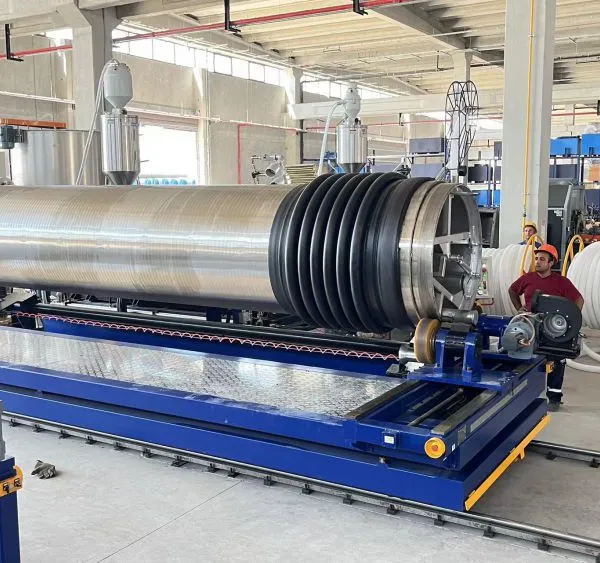
HDPE Spiral Pipe MachineNegotiableMOQ: 1 Set
-
HDPE Spiral Tank MachineNegotiableMOQ: 1 Set
-
Krah Pipe MachineNegotiableMOQ: 1 Set
-
Plastic HDPE PVC PPR Pipe Extrusion Making Machine Extrusion LineNegotiableMOQ: 1 Set
-
PVC Pipe Extrusion Production Line for Electrical Conduit and Water Supply PipesNegotiableMOQ: 1 Set
-
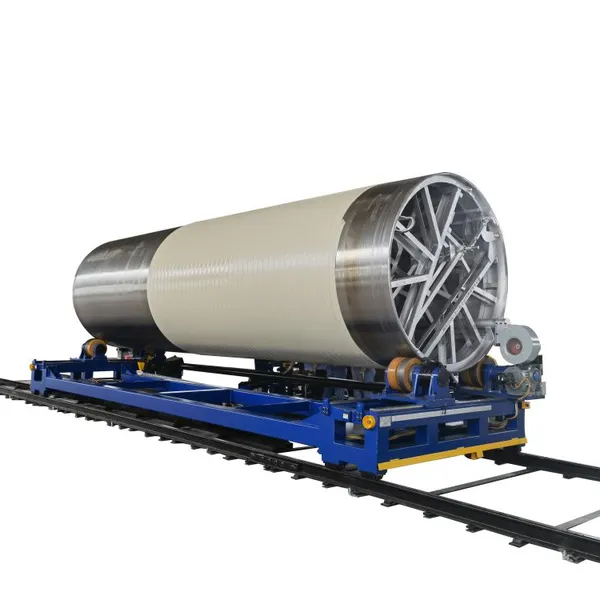
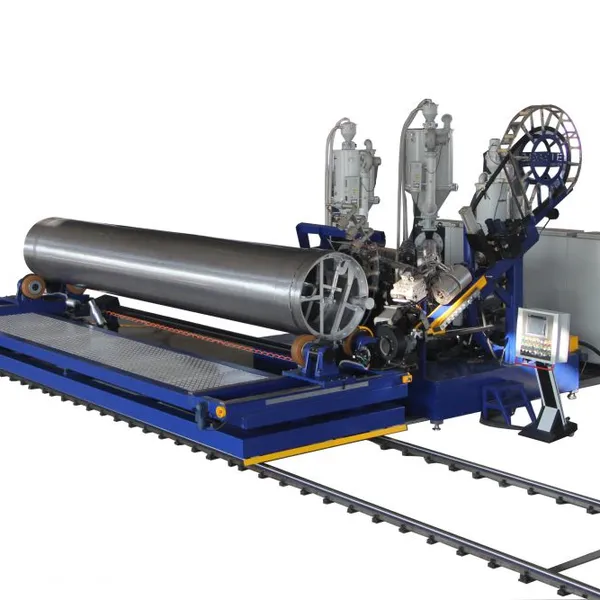
Hot Sell Single Wall Corrugated Pipe Extrusion Line With Competitive PriceNegotiableMOQ: 1 Set
-
HDPE Krah Profild Pipe MachineUS$ 10000MOQ: 1 Set
-
Plastic Tank CNC Holes Boring MachineUS$ 10000MOQ: 1 Set
-
Double Wall Corrugated Pipe Extrusion LineNegotiableMOQ: 1 Set
-
Single Wall Corrugated Pipe Extrusion LineNegotiableMOQ: 1 Set
-
Inversion CIPP Liner Tube Manufacturing MachineNegotiableMOQ: 1 Set