
 Business License
Trenchless Sewer Repair: A Complete Guide to No-Dig Pipe Rehabilitation
Trenchless sewer repair is a set of methods that fix or replace underground sewer and drainage pipes without open-cut excavation. The most common technologies are cured-in-place pipe (CIPP) lining, pipe bursting, and slip lining. Each method suits different pipe conditions, diameters, and defect types.
What if you could fix a collapsed sewer main beneath a busy city street without tearing up the asphalt? In 2024, a municipal contractor in São Paulo faced exactly that situation. A 600mm concrete sewer line ran under a major intersection.
Traditional open-cut repair would've closed two traffic lanes for six weeks. Instead, the crew installed a UV-CIPP liner through existing manholes. The road stayed open, and the project finished in eight days.
That's the practical value of trenchless sewer repair. This guide explains how the main methods work, when to use each one, and what equipment contractors and municipalities need to execute these projects efficiently.
Key Takeaways
Trenchless sewer repair includes CIPP lining, pipe bursting, and slip lining; each method matches different pipe damage and access conditions.
CIPP lining creates a new pipe inside the old one and is ideal for cracks, leaks, and root intrusion in pipes from 100mm to 1500mm diameter.
UV-CIPP cures with ultraviolet light and is faster and more controllable than hot-water or steam inversion CIPP.
Pipe bursting replaces the old pipe entirely and works best when the existing pipe is too damaged to line.
Slip lining is the simplest trenchless method but reduces pipe diameter because the new pipe is inserted inside the old one.
Qingdao Yongke Machinery manufactures CIPP liner production equipment for UV curing, inversion lining, and felt liner production.
Why Trenchless Sewer Repair Matters for Modern Infrastructure
Urban sewer networks are aging. Many cities operate pipes that are 50 to 100 years old. The American Society of Civil Engineers regularly grades wastewater infrastructure near failing levels. Replacing these systems with open-cut methods is expensive, disruptive, and slow.
Trenchless sewer repair solves these problems. It limits surface disruption, reduces traffic impact, and often cuts project duration by 50% or more.
If you've ever watched a city street get torn up for sewer work, you know why no-dig methods matter. Property owners avoid torn-up driveways and landscaping. Municipalities avoid lane closures and public complaints.
The U.S. Environmental Protection Agency documents how sewer overflows damage public health and waterways. Fast, reliable no-dig pipe repair reduces these risks. The National Association of Sewer Service Companies publishes standards and training for trenchless rehabilitation contractors.
For equipment manufacturers, the growth of trenchless technology creates demand for specialized machinery. CIPP liner production lines, calibration hoses, felt liner machines, and UV curing trailers all require precise engineering.
How Cured-In-Place Pipe (CIPP) Lining Works
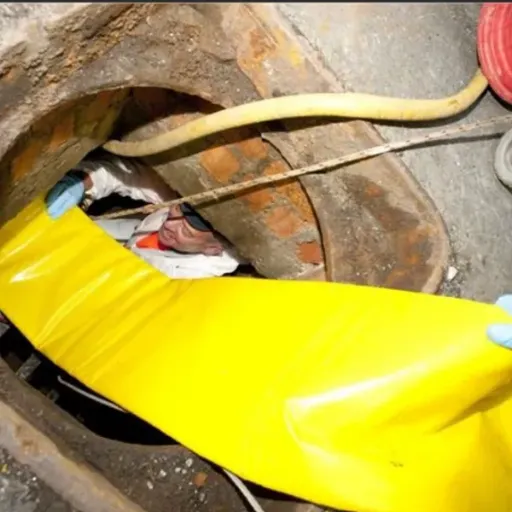
CIPP lining is the most widely used trenchless sewer repair method. It installs a resin-soaked flexible tube inside the damaged pipe. The tube hardens into a new structural pipe wall. The result is a stronger pipe inside the old one.
The CIPP Installation Process
First, the contractor cleans the host pipe with high-pressure water jetting or mechanical cleaning. Then a video inspection confirms the damage and measures the pipe length. Next, the team saturates the liner with resin, inserts it into the pipe, and cures it until hard. Precision matters at every step.
Curing methods differ:
Hot water inversion circulates heated water through the liner.
Steam inversion uses pressurized steam for faster cure cycles.
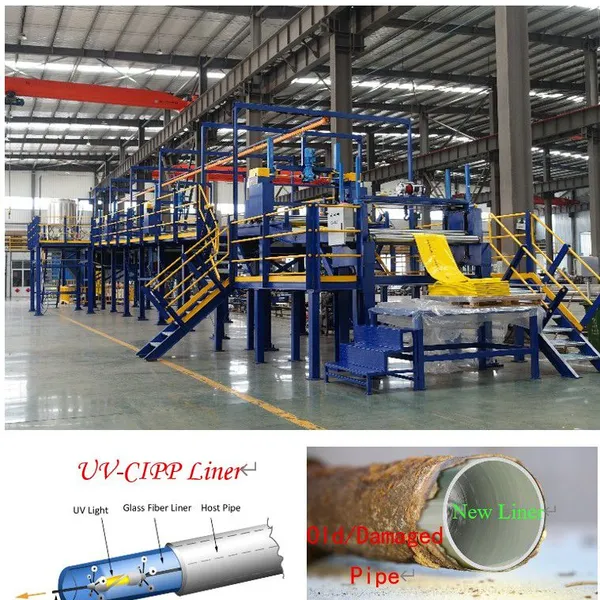
UV-CIPP pulls a liner with embedded glass fiber through the pipe and cures it with a UV light train.
UV-CIPP has become popular because cure times are predictable. The operator controls light speed and intensity, so the liner cures evenly even in variable temperatures. This matters in climates where hot water or steam cure times fluctuate.
When to Use CIPP Lining
CIPP lining works best when the existing pipe is structurally sound enough to act as a form. It repairs cracks, joint displacement, root intrusion, and minor corrosion. It isn't suitable for pipes that've collapsed or lost their shape.
Typical applications include municipal sewer mains, lateral connections, industrial process lines, and stormwater drains. Diameters range from small residential laterals up to large trunk sewers.
UV-CIPP vs Inversion CIPP: Choosing the Right Trenchless Sewer Repair Method
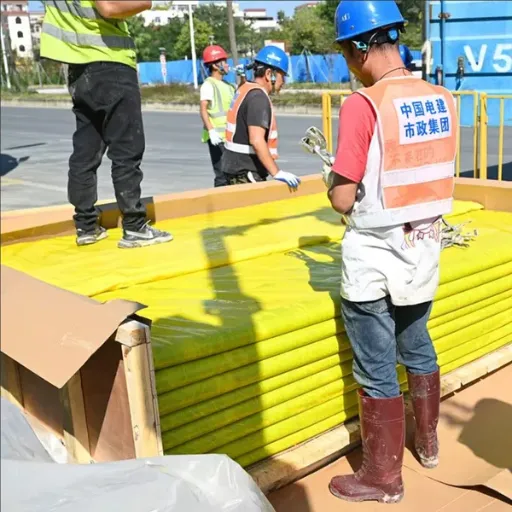
Both UV-CIPP and inversion CIPP create a new pipe wall inside the host pipe. The difference is in material handling, curing energy, and site logistics.
UV-CIPP Liner Characteristics
UV-CIPP liners are factory-soaked with resin and delivered in refrigerated transport. The liner contains glass fibers that give it structural strength. A UV light train is pulled through the liner at a controlled speed. Cure monitoring is continuous.
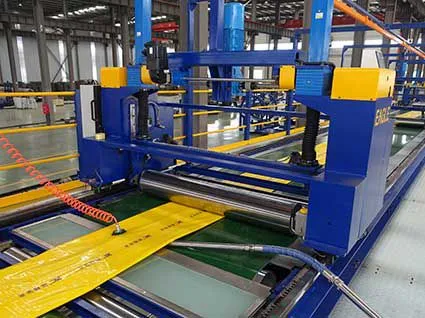
Advantages include no hot water boilers, no steam generators, and a small site footprint. The process is also cleaner because uncured resin stays inside the factory-soaked liner. If you're sourcing production equipment, a UV-CIPP liner hose manufacturing machine builds the calibration hoses and liner tubes used in these systems.
Inversion CIPP Characteristics
Inversion CIPP uses a flexible tube, usually polyester or fiberglass felt, that's soaked with resin on site. The liner is turned inside out as it's inserted into the pipe using water or air pressure. Once in place, it's cured with hot water, steam, or ambient temperature resin.
Inversion is flexible and works in pipes with bends and diameter changes. It's well established and widely understood by contractors globally. For this method, an inversion CIPP liner hose machine produces the coated hoses that withstand inversion pressure.
Selection Criteria
| Factor | UV-CIPP | Inversion CIPP |
|---|---|---|
| Cure control | High | Moderate |
| Site footprint | Small | Larger |
| Resin handling | Factory impregnated | Site impregnated |
| Cure speed | Fast | Variable |
| Best for | Long straight runs | Bends, variable diameters |
Qingdao Yongke Machinery's UV-CIPP liner hose manufacturing machine produces the calibration hoses and liner tubes used in UV curing systems. The inversion CIPP liner hose machine supplies the coated hoses used to invert liners into place.
Pipe Bursting: Full Replacement Without the Trench
Pipe bursting is a trenchless sewer repair method that fractures the old pipe and pulls a new pipe into the same path. It's used when the existing pipe is too damaged for lining or when the client wants a larger diameter pipe.
How Pipe Bursting Works
A bursting head is pulled through the existing pipe by a hydraulic winch or static rod system. The head breaks the old pipe outward and pushes the fragments into the surrounding soil. A new HDPE or PVC pipe is attached behind the bursting head and follows the same path. No trench is needed.
When Pipe Bursting Is the Better Choice
Pipe bursting is preferred when:
The existing pipe has collapsed sections.
The pipe material is brittle, such as vitrified clay or asbestos cement.
The owner wants to increase flow capacity with a larger pipe.
Lining would leave too much diameter loss.
The main limitation is proximity to other utilities. The ground movement from bursting can affect nearby gas, water, or electric lines. Pre-construction utility locating is essential, so don't skip this step.
Slip Lining: The Simplest Trenchless Sewer Repair Method
Slip lining is one of the oldest trenchless methods. A smaller-diameter pipe is inserted into the existing pipe. The gap between the old and new pipe is often grouted for stability. It's a simple idea.
Advantages and Limitations
Slip lining is simple and requires minimal specialized equipment. It works well for straight runs with uniform diameter. However, it reduces the internal diameter, which lowers flow capacity. It also can't handle significant bends or structural defects in the host pipe.
For these reasons, slip lining has been largely replaced by CIPP in many applications. However, it still has a role in large-diameter culverts and industrial pipelines where diameter loss is acceptable.
Trenchless Sewer Repair Methods Compared
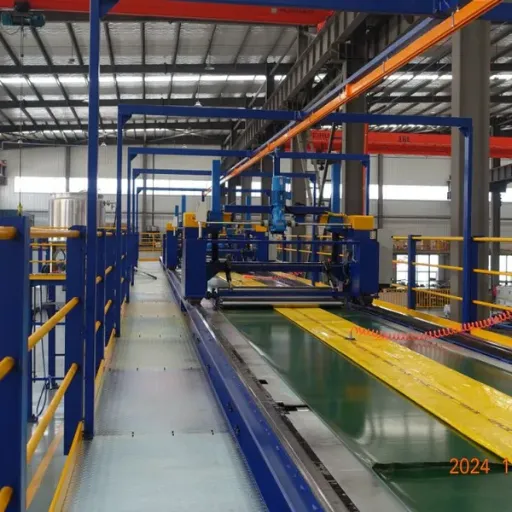
The table below summarizes how the three main trenchless sewer repair methods compare on common project factors.
| Factor | CIPP Lining | Pipe Bursting | Slip Lining |
|---|---|---|---|
| Best defect | Cracks, leaks, corrosion | Collapse, major damage | Straight, sound pipe |
| Diameter change | Minimal | Can increase | Always reduces |
| Site disruption | Very low | Low | Very low |
| Cure time | Hours to one day | Same day | Same day |
| Equipment need | Liner, resin, cure rig | Bursting head, winch | New pipe, puller |
| Typical life | 50+ years | 50+ years | 50+ years |
Use this comparison to narrow your no-dig pipe repair options before calling a contractor or sourcing equipment.
Trenchless Sewer Repair Equipment and Sewer Rehabilitation Equipment
Executing trenchless projects requires more than a good method. Contractors need reliable equipment. Manufacturers who supply the trenchless industry need production machinery that meets tight tolerances. Without the right sewer rehabilitation equipment, even the best liner design won't perform on site.
CIPP Liner Manufacturing Equipment
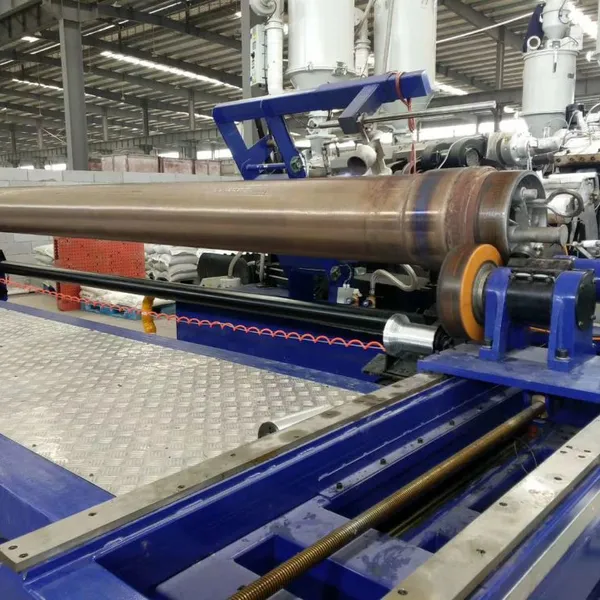
A CIPP liner manufacturing machine produces the felt, fiberglass, or coated fabric tubes that become the structural liner. Key machine parameters include:
Working width: Determines the maximum liner diameter.
Coating precision: Controls resin absorption and thickness.
Production speed: Affects daily output and project economics.
Calibration accuracy: Ensures the liner fits the host pipe correctly.
The right machine makes the difference.
UV-CIPP vs Inversion Equipment
UV-CIPP systems need liner production equipment that can embed glass reinforcement and produce smooth inner surfaces for light train passage. Inversion systems need coated hoses that withstand inversion pressure and resist abrasion during installation.
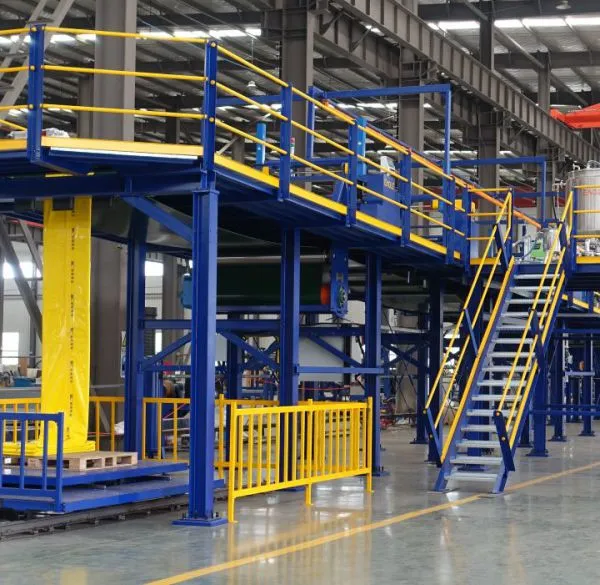
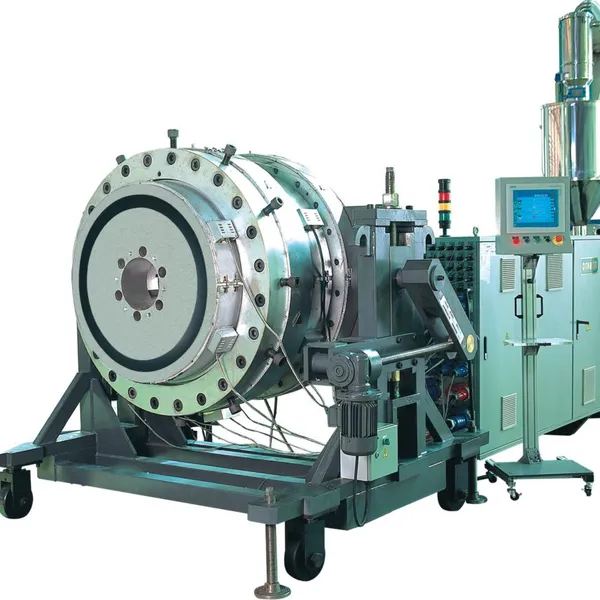
Yongke Machinery supplies both UV-CIPP liner hose manufacturing machines and inversion CIPP liner hose manufacturing machines for contractors and equipment suppliers entering the trenchless market. If you're ready to source production equipment, our team can help you match the machine to your target liner diameter and output.
Supporting Equipment on Site
Trenchless crews also use:
CCTV inspection cameras for pre- and post-repair surveys.
High-pressure jetting trucks for pipe cleaning.
Resin impregnation trailers for inversion CIPP.
UV light curing rigs for UV-CIPP.
Robotic cutters for lateral reinstatement.
A Real-World Selection Example
When Viktor, a project manager in Warsaw, evaluated repair options for a 900mm interceptor sewer, he first considered CIPP lining. The pipe had extensive cracking but was still round. However, a section near a railway embankment had a partial collapse.
Viktor's team used CIPP for the cracked sections and pipe bursting for the collapsed section. They avoided excavating under the railway. The hybrid approach cost 30% less than full open-cut replacement and shortened the schedule by five weeks.
This example shows why trenchless sewer repair isn't a single method. Successful projects match the technology to the defect.
Common Mistakes in Trenchless Sewer Repair Projects
Even experienced contractors make errors during trenchless sewer repair work. Here are the most frequent ones.
Skipping Proper Inspection
A CCTV survey isn't optional. Without it, crews miss collapsed sections, offset joints, or lateral connections. These surprises stop installation and inflate costs.
Choosing the Wrong Method
Lining a collapsed pipe wastes material and time. Bursting near unmapped utilities creates liability. Match the method to the pipe condition and site constraints.
Ignoring Bypass Pumping
Flow can't stop during sewer repair. Contractors must set up bypass pumping before lining or bursting. Inadequate bypass planning causes overflows and regulatory violations.
Underestimating Cure Conditions
Ambient temperature, humidity, and groundwater level affect cure quality. UV-CIPP reduces some of this variability, but every method needs environmental controls. Don't ignore manufacturer cure charts on site.
FAQ: Trenchless Sewer Repair
What is trenchless sewer repair?
Trenchless sewer repair rehabilitates or replaces underground pipes without digging a continuous trench. Methods include CIPP lining, pipe bursting, and slip lining. It's the core technique behind modern no-dig pipe repair.
How long does trenchless sewer repair last?
A properly installed CIPP liner can last 50 years or more. Pipe bursting installs a new thermoplastic pipe with a similar design life.
Is trenchless sewer repair cheaper than excavation?
In most urban settings, trenchless methods cost less when surface restoration, traffic control, and downtime are included. Direct pipe-for-pipe costs may be similar, but total project costs are often 30% to 50% lower.
What pipe diameters can be repaired with CIPP?
CIPP lining covers a wide range, from 100mm residential laterals up to 1500mm or larger municipal sewers. Equipment and liner production scale with diameter, so there's a solution for most sewer sizes.
Can tree roots grow through a CIPP liner?
No. A cured CIPP liner is a continuous, jointless pipe. Roots can't penetrate the resin-saturated tube, which eliminates the joints where roots typically enter.
What is the difference between UV-CIPP and inversion CIPP?
UV-CIPP cures with ultraviolet light and uses factory-soaked liners. Inversion CIPP uses water or air pressure to install a resin-soaked tube, then cures with hot water, steam, or ambient cure resin.
What equipment is needed to manufacture CIPP liners?
CIPP liner manufacturing requires coating or soaking equipment, calibration systems, cutting stations, and quality control testing. UV-CIPP and inversion systems use different liner constructions and curing accessories.
Conclusion
Trenchless sewer repair has become the standard for fixing aging underground infrastructure. It reduces disruption, lowers total project cost, and extends the service life of sewer networks without open excavation. Whether the right choice is CIPP lining, pipe bursting, or slip lining depends on pipe condition, diameter, access, and project goals.
For contractors and equipment suppliers, the growth of no-dig pipe repair and no-dig technology creates opportunities. Reliable CIPP liner manufacturing equipment, UV-CIPP systems, and inversion lining machines are essential to keeping pace with demand.
Key points to remember:
Match the repair method to the defect and site constraints.
CIPP lining is the most versatile trenchless sewer repair method.
UV-CIPP offers faster, cleaner curing than traditional inversion methods.
Pipe bursting is the right choice when the old pipe must be fully replaced.
Always complete a CCTV inspection and bypass plan before starting work.
If you're planning to manufacture CIPP liners or expand your trenchless equipment offering, contact Qingdao Yongke Machinery for a detailed quotation. Our engineering team will help you select the right CIPP liner manufacturing machine, UV-CIPP liner hose line, or inversion CIPP liner hose line based on your target diameters and production goals.
Recently Posted
-
HDPE Pipe Standards: A Practical Guide for Engineers and Buyers
June 30, 2026A municipal contractor in Southeast Asia once accepted a shipment of HDPE pipe based only on a supplier's diameter claim. Six Read More
 -
Wastewater Collection System Design, Operation, and Renewal
June 30, 2026In late 2021, a coastal city in Southeast Asia discovered that its oldest wastewater collection system had been losing capacity fo Read More
 -
Wastewater Infrastructure Design, Assessment, and Renewal
June 29, 2026In March 2023, a wastewater treatment plant serving 400,000 residents in Southern Europe suffered a cascade failure. A single inte Read More
 -
Combined Sewer System Design, Operation, and Rehabilitation
June 29, 2026In August 2021, a single storm dropped 175mm of rain on a midwestern U.S. city in less than 36 hours. The city's aging combine Read More

Contact Us
Recommended Products
-
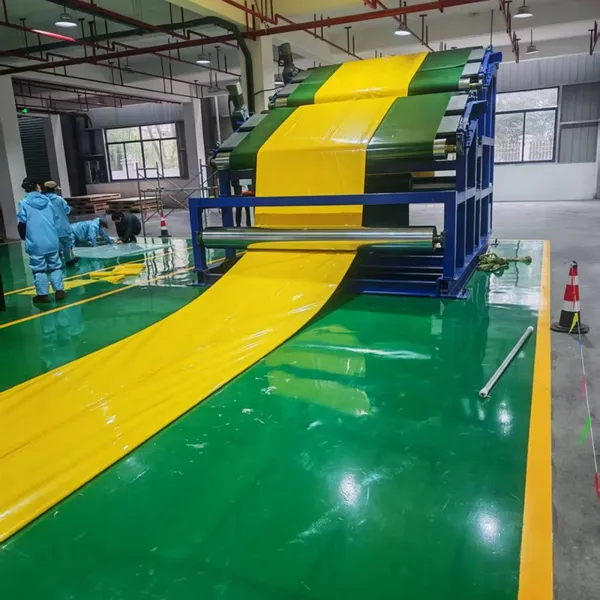
 CIPP Glass Fibre Liner MachineNegotiableMOQ: 1 Set
 -
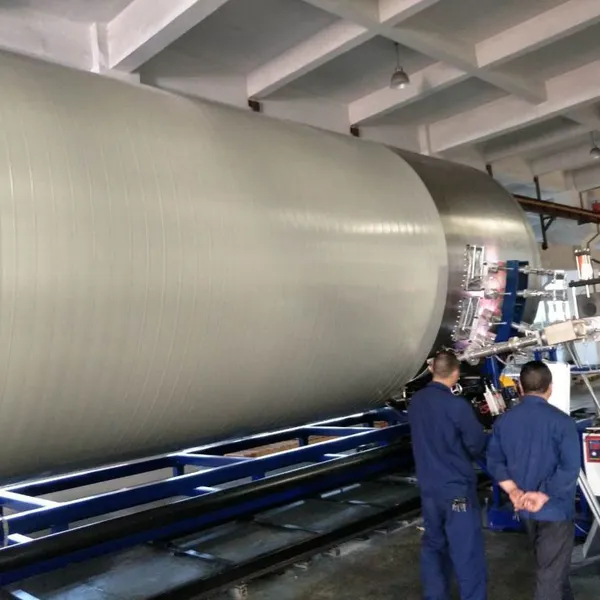
HDPE Helically Wound Tank MachineUS$ 10MOQ: 1 Set
-
CIPP Glass Liner MachineNegotiableMOQ: 1 Set
-
CIPP Felt Liner Manufacturing MachineNegotiableMOQ: 1 Set
-
Large Diameter HDPE Sea Intake Outfall Structured Wall Pipe Making MachineNegotiableMOQ: 1 Set
-
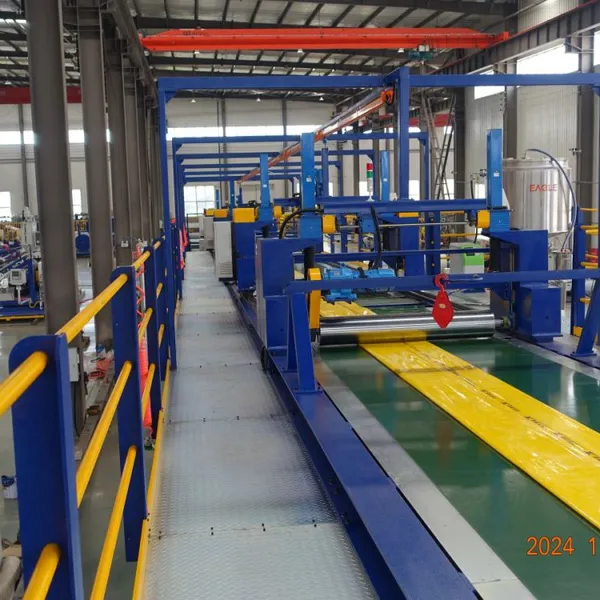
UV-CIPP Glass Fibre Liner Manufacturing MachineUS$ 1000 - 110000MOQ: 10 Meters
-
HDPE Pipe Extrusion Machine / PE Pipe Production Line With High OutputNegotiableMOQ: 1 Set
-
UV-CIPP Glass Fiber Liner Hose Production LineUS$ 1000 - 110000MOQ: 1 Set
-
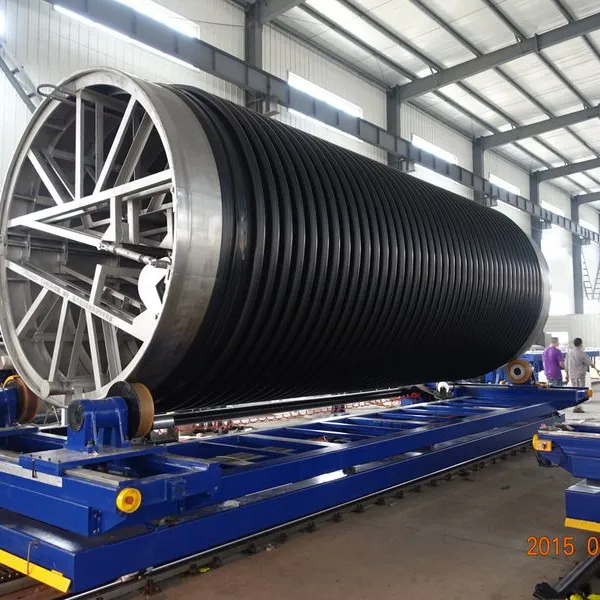
HDPE Spiral Structure Wall Pipe MachineNegotiableMOQ: 1 Set
-
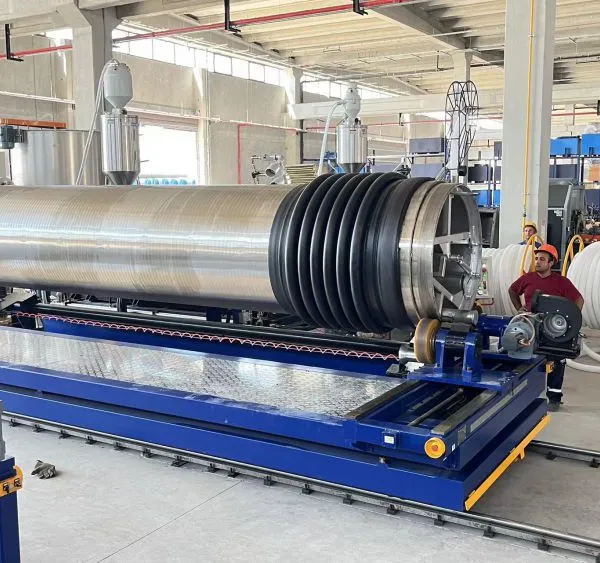
HDPE Spiral Pipe MachineNegotiableMOQ: 1 Set
-
HDPE Spiral Tank MachineNegotiableMOQ: 1 Set
-
Krah Pipe MachineNegotiableMOQ: 1 Set
-
Plastic HDPE PVC PPR Pipe Extrusion Making Machine Extrusion LineNegotiableMOQ: 1 Set
-
PVC Pipe Extrusion Production Line for Electrical Conduit and Water Supply PipesNegotiableMOQ: 1 Set
-
Hot Sell Single Wall Corrugated Pipe Extrusion Line With Competitive PriceNegotiableMOQ: 1 Set
-
HDPE Krah Profild Pipe MachineUS$ 10000MOQ: 1 Set
-
Plastic Tank CNC Holes Boring MachineUS$ 10000MOQ: 1 Set
-
Double Wall Corrugated Pipe Extrusion LineNegotiableMOQ: 1 Set
-
Single Wall Corrugated Pipe Extrusion LineNegotiableMOQ: 1 Set
-
Inversion CIPP Liner Tube Manufacturing MachineNegotiableMOQ: 1 Set