
 Business License
HDPE Pipe Standards: A Practical Guide for Engineers and Buyers
A municipal contractor in Southeast Asia once accepted a shipment of HDPE pipe based only on a supplier's diameter claim. Six months after installation, the pipe wall failed at a fusion joint because the material grade did not match the project specification. The replacement cost exceeded the original pipe purchase by a factor of four, and the project delay triggered liquidated damages.
That single failure illustrates why HDPE pipe standards exist. Standards translate vague marketing claims into verifiable material grades, dimensions, performance ratings, and test methods. For engineers specifying pipe, contractors installing it, and procurement managers buying it, standards are the only common language that ensures the pipe performs as expected for decades.
In this guide, you will learn which HDPE pipe standards apply to water, gas, drainage, and sewer applications. You will understand HDPE pipe classification, the difference between PE80 and PE100, how SDR and PN ratings work, and what ring stiffness classes mean for buried pipe.
You will also see how large-diameter spiral profile pipe fits into the standards landscape, and how Yongke Machinery's HDPE/PP spiral profile pipe production lines are engineered to produce pipe that meets recognized international standards from DN300mm to DN5000mm.
What HDPE Pipe Standards Cover
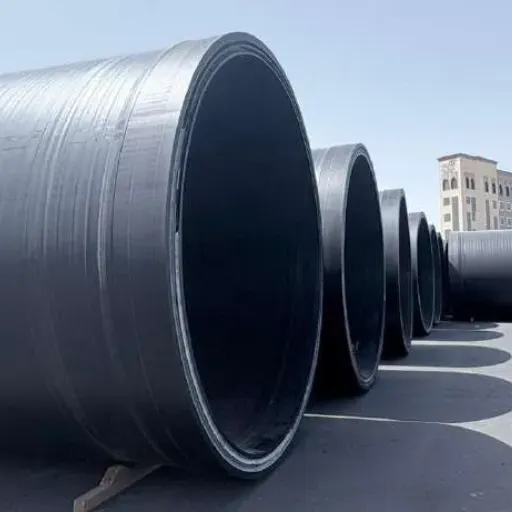
HDPE pipe standards are not arbitrary rules. They define the minimum properties that a pipe must demonstrate before it can be installed in critical infrastructure. The scope typically includes four areas:
Material classification: The base resin grade, density, melt-flow index, and slow-crack-growth resistance.
Dimensional consistency: Outside diameter, wall thickness, ovality, and length tolerances.
Mechanical performance: Pressure rating, ring stiffness, impact resistance, and long-term hydrostatic strength.
Quality assurance: Sampling frequency, test methods, marking requirements, and certification protocols.
When a pipe carries an HDPE pipe standards designation, it means an independent test protocol was followed. That designation allows an engineer in one country to specify pipe from a factory in another country with reasonable confidence that the product will perform.
The most widely referenced HDPE pipe standards come from ASTM International, the International Organization for Standardization (ISO), and the European Committee for Standardization (CEN). Regional standards such as AWWA C906 in North America and AS/NZS 4130 in Australia also play important roles. Understanding which HDPE pipe standards apply to your project is the first step in avoiding the kind of failure described in the opening scenario.
Learn more about our DN300-DN5000mm spiral pipe production capabilities →
Major International HDPE Pipe Standards
ASTM D3350 and ASTM F714
In North America, ASTM standards dominate HDPE pipe specifications. ASTM D3350 defines the cell classification system for polyethylene pipe and fittings materials.
It uses a six-digit code that captures density, melt index, flexural modulus, tensile strength, slow-crack-growth resistance, and hydrostatic design basis. A common cell classification for municipal pressure pipe is PE4710, where the first two digits indicate density, the middle two indicate slow-crack-growth resistance, and the last two indicate hydrostatic design basis.
ASTM F714 covers the dimensions and tolerances for HDPE pressure pipe based on outside diameter. It references ASTM D3035 for standard dimension ratio (SDR) pipe and ASTM D2239 for inside diameter controlled pipe. Engineers use these standards to specify SDR ratings such as SDR 11, SDR 17, or SDR 21, each corresponding to a different pressure capability.
For example, SDR 11 PE4710 pipe is commonly rated for 200 psi water pressure at 73°F. If the operating temperature increases or the design life extends beyond 50 years, the engineer must derate the pressure accordingly. These details matter because selecting the wrong SDR can lead to either over-specification and wasted budget or under-specification and premature failure.
ISO 4427 and ISO 4437
Outside North America, ISO 4427 is the leading standard for HDPE water supply pipes. It classifies materials by minimum required strength (MRS) rather than by the ASTM cell classification. PE80 has an MRS of 8 MPa, while PE100 has an MRS of 10 MPa. The higher MRS of PE100 allows thinner walls for the same pressure rating, reducing material cost and improving flow capacity.
ISO 4437 applies the same material logic to polyethylene pipes for gas supply. Gas distribution requires additional attention to rapid crack propagation resistance and fusion joint integrity. Because a gas leak can be far more hazardous than a water leak, ISO 4437 includes stricter testing protocols for notch resistance and long-term behavior under pressure.
ISO standards also define outside diameter series (SDR) and nominal pressure (PN) ratings. PN10, PN16, and PN25 correspond roughly to 10 bar, 16 bar, and 25 bar working pressures. When comparing an ISO-specified pipe to an ASTM-specified pipe, engineers must convert units and verify that the design stress basis is compatible.
EN 12201 and EN 1555
In Europe, EN 12201 governs HDPE water supply pipes, while EN 1555 governs gas distribution. These standards are technically aligned with ISO 4427 and ISO 4437 but include additional regional requirements for marking, traceability, and factory production control. Pipes sold in the European Economic Area often require a CE mark based on EN conformity assessment.
EN standards emphasize the concept of design stress. The design stress is derived from the MRS and a safety factor. For PE100 water pipe, the design stress is typically 8 MPa divided by a safety factor of 1.25, giving 6.3 MPa. This value then determines the required wall thickness for a given diameter and pressure class.
AWWA C906
The American Water Works Association publishes AWWA C906, the standard for polyethylene pressure pipe and fittings for water service. It references ASTM D3350 for material classification and covers diameters from 4 inches to 63 inches. AWWA C906 is one of the most widely used HDPE pipe standards among North American municipalities and utilities because it aligns with utility procurement practices and includes installation guidance.
AWWA standards are particularly relevant for large-diameter water transmission projects. A DN1200mm or DN1600mm HDPE line used for raw water intake must meet both AWWA C906 and project-specific fusion and testing requirements. Contractors bidding on these projects should verify that the proposed pipe carries the correct standard designation and that the manufacturer can supply test reports.
HDPE Pipe Classification: PE80, PE100, and PE4710
Not all HDPE resins are equal. The HDPE pipe classification system tells you how strong, durable, and crack-resistant the material is. Understanding these classifications prevents mismatched specifications.
PE80 was the dominant material for decades. It has good pressure resistance and is suitable for many water and gas applications. However, its lower minimum required strength means thicker walls for the same pressure rating, increasing cost and weight.
PE100 pipe offers a 25% higher minimum required strength than PE80. For the same pressure class, PE100 pipe uses less material and has a larger inside diameter. This improves hydraulic capacity and reduces pumping energy. PE100 is now the default choice for large-diameter pressure pipe in most markets.
PE4710 is the North American cell classification that combines high-density resin, high slow-crack-growth resistance, and a 1,600 psi hydrostatic design basis at 73°F. PE4710 is often described as the closest ASTM equivalent to PE100 pipe, though the two are not identical. PE4710 emphasizes resistance to slow crack growth, which is critical for trenchless installations and pipes subject to point loads.
When procuring HDPE pipe, always ask the supplier for the resin designation and the supporting test certificates. A pipe labeled only as "HDPE" without a PE80, PE100, or PE4710 HDPE pipe classification leaves too much room for interpretation.
HDPE Pipe Standards for Dimensions: SDR, PN, and Ring Stiffness
Standard Dimension Ratio (SDR)
HDPE pipe standards define SDR as the ratio of pipe outside diameter to minimum wall thickness. A lower SDR means a thicker wall and higher pressure rating. Common SDR values include SDR 7.4, SDR 9, SDR 11, SDR 13.6, SDR 17, SDR 21, and SDR 26.
The relationship is inverse: SDR 11 pipe can withstand roughly twice the pressure of SDR 21 pipe made from the same material. Engineers select SDR based on operating pressure, surge pressures, soil loads, and safety factors. For gravity sewer applications, SDR is less important than ring stiffness because internal pressure is minimal.
PN Rating
PN stands for nominal pressure and is commonly used with ISO and EN specifications. PN10 pipe is rated for approximately 10 bar, PN16 for 16 bar, and PN25 for 25 bar. The PN rating assumes a 50-year service life at 20°C. Higher temperatures require derating.
When converting between SDR and PN, engineers must account for the design stress defined by the relevant HDPE pipe standards. PE100 PN16 pipe typically corresponds to SDR 11, while PE100 PN10 pipe corresponds to SDR 17. Always verify the exact mapping with the manufacturer because safety factors vary by standard and application.
Ring Stiffness and Structural Wall Pipe
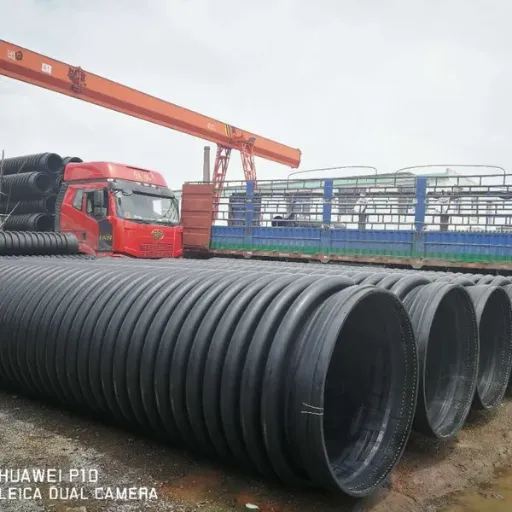
For non-pressure applications such as drainage and sewer, HDPE pipe standards shift focus to pipe ring stiffness as the critical parameter. Pipe ring stiffness measures the pipe's resistance to deformation under external soil and traffic loads. It is expressed in kilonewtons per square meter (kN/m²).
Common pipe ring stiffness classes include SN4 and SN8. SN4 pipe has a minimum ring stiffness of 4 kN/m², while SN8 pipe has 8 kN/m². Higher ring stiffness is required for deeper burial, poor soil conditions, and areas with heavy surface loads.
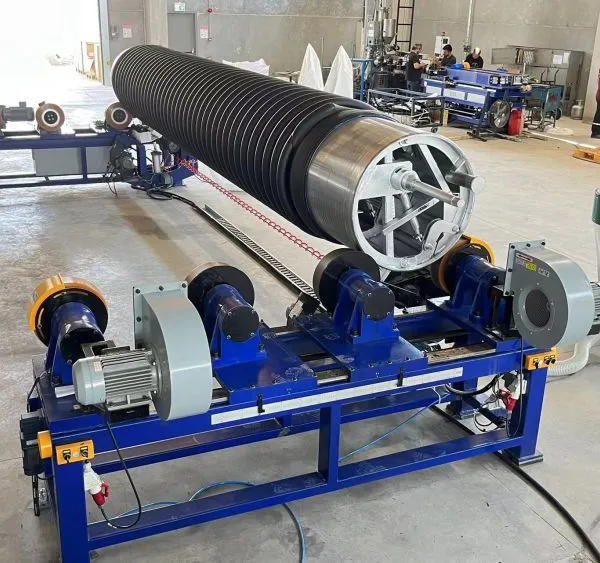
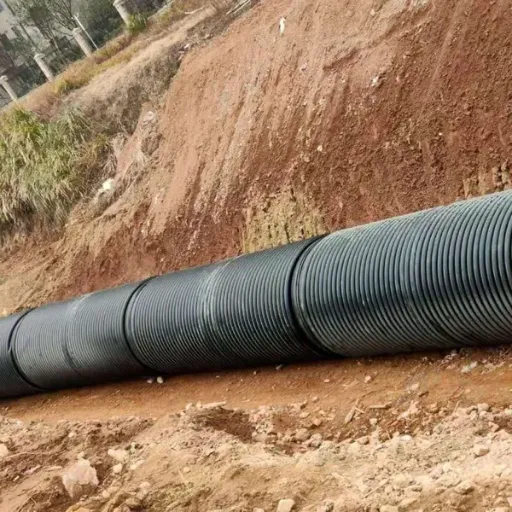
Structural wall pipe, such as HDPE/PP spiral profile pipe, achieves high ring stiffness through a corrugated or profiled wall rather than a solid thick wall. This design reduces material usage while maintaining structural performance.
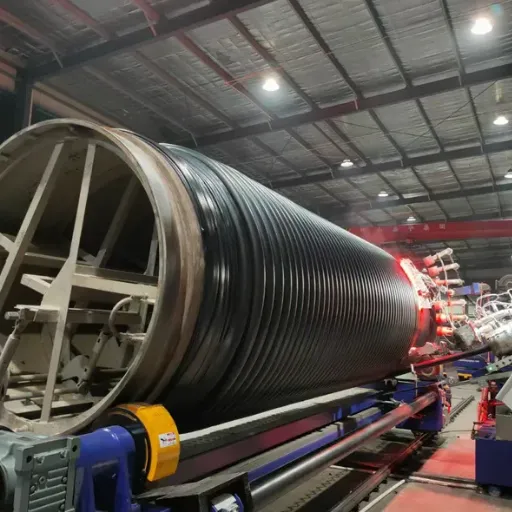
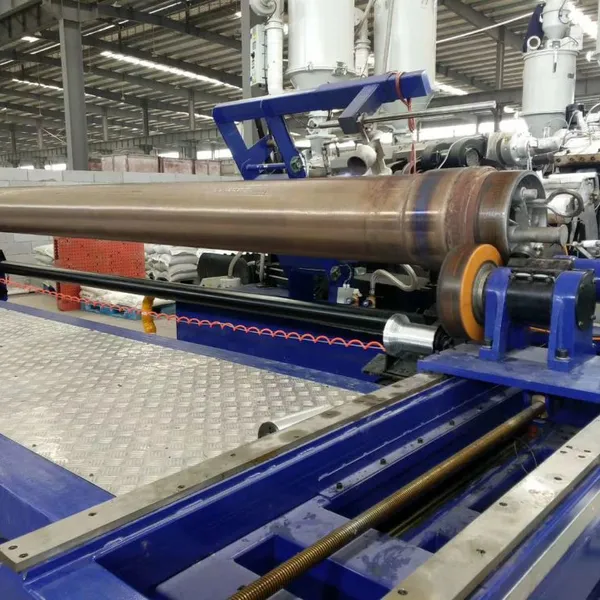
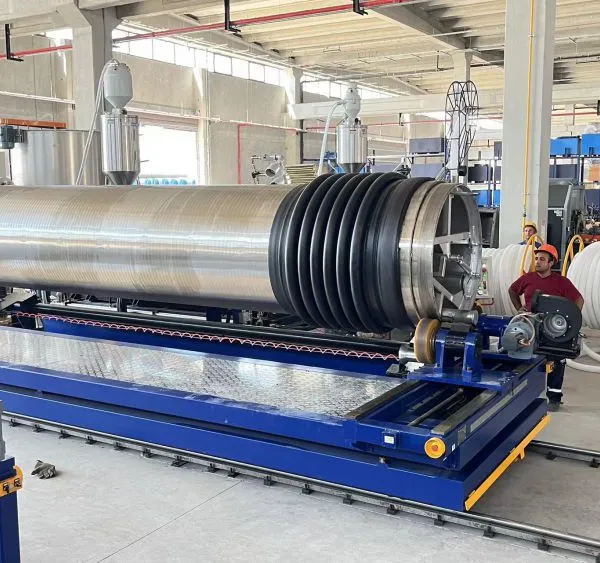
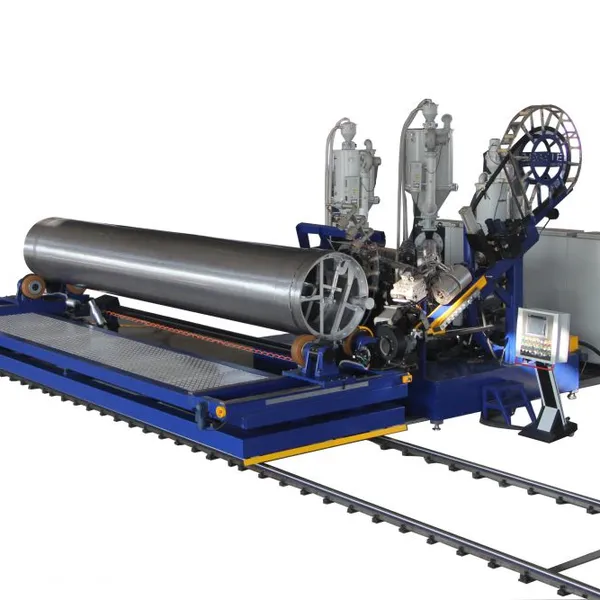
Spiral profile pipe machines produce these structural walls by extruding a profile strip and winding it onto a mandrel with controlled overlap and welding. The resulting pipe can meet SN4, SN8, or even higher stiffness classes depending on the profile geometry and material.
Compare HDPE and PP spiral profile pipe for your project →
Application-Specific HDPE Pipe Standards
Water Supply
Water supply HDPE pipe standards require drinking-water contact certification in addition to mechanical specifications. NSF/ANSI 61 in North America and WRAS approval in the United Kingdom certify that the pipe does not leach harmful substances into potable water. Always specify both the mechanical standard and the potable-water certification.
When a water utility in Eastern Europe replaced an aging asbestos-cement network, the engineering team specified PE100 pipe to ISO 4427 with PN16 rating and WRAS-equivalent local certification. The project reduced leakage by 40% within the first two years because HDPE fusion joints eliminate the bell-and-spigot leakage points common in older materials.
Gas Distribution
Gas distribution HDPE pipe standards prioritize leak-tightness and crack arrestment. ISO 4437 and EN 1555 require yellow or orange pigmentation for visibility, and they mandate electrofusion or butt-fusion procedures that are traceable and qualified. Never substitute water-grade HDPE pipe for gas service unless it explicitly carries the relevant gas standard.
Drainage and Sewer
Gravity drainage HDPE pipe standards such as EN 13476 and ASTM F2306 cover structured-wall thermoplastic pipe for drainage and sewer systems. These standards focus on structural wall pipe performance and pipe ring stiffness rather than pressure rating.
A contractor in the Middle East specified SN8 spiral profile pipe for a highway drainage project because the pipe would be buried under four meters of fill in sandy soil. The structural wall design delivered the required ring stiffness with less weight than solid-wall pipe, simplifying transportation and handling. The pipe was produced locally on a large diameter spiral pipe machine configured for DN800mm to DN2000mm.
Industrial and Mining
Industrial applications often require chemical resistance and abrasion resistance rather than potable-water certification. HDPE pipe standards for mining slurry lines focus on material compatibility and joint integrity rather than drinking-water contact. HDPE pipe resists many acids, bases, and slurries, but the specific chemical environment must be reviewed against the resin datasheet. Standards such as ASTM D3261 for butt-heat-fusion fittings or project specifications based on ISO standards are common in mining slurry lines.
Testing and Certification Under HDPE Pipe Standards
HDPE pipe standards are only meaningful if the pipe is tested against them. Reputable manufacturers maintain in-house laboratories and third-party certification. Common tests include:
Hydrostatic pressure test: Confirms long-term strength and resistance to slow crack growth.
Melt-flow index test: Verifies that the resin has not degraded during extrusion.
Ovality and dimension check: Ensures the pipe meets outside diameter and wall thickness tolerances.
Ring stiffness test: Measures resistance to external load for structural wall pipe.
Impact resistance test: Confirms the pipe can withstand handling and installation stresses.
Density and carbon black content: Verifies material composition and UV resistance.
Third-party certification bodies such as SGS, Bureau Veritas, and TÜV audit manufacturing processes and test records. When sourcing HDPE pipe machinery, ask whether the equipment supplier can support the test protocols required by your target HDPE pipe standards. An HDPE spiral profile pipe machine should produce pipe with consistent wall thickness, uniform profile geometry, and repeatable fusion behavior.
Large-Diameter HDPE Pipe Production and Standards
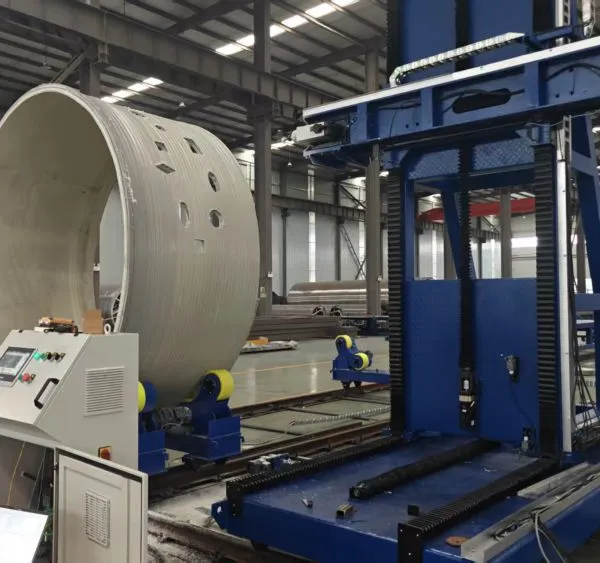
Producing large-diameter HDPE pipe to meet HDPE pipe standards introduces challenges that do not exist at small diameters. Wall cooling becomes slower, ovality control becomes more difficult, and ring stiffness distribution around the circumference must be uniform. For diameters above DN1200mm, spiral profile production is often more practical than solid-wall extrusion because the structural wall pipe design reduces material mass and improves stiffness-to-weight ratio.
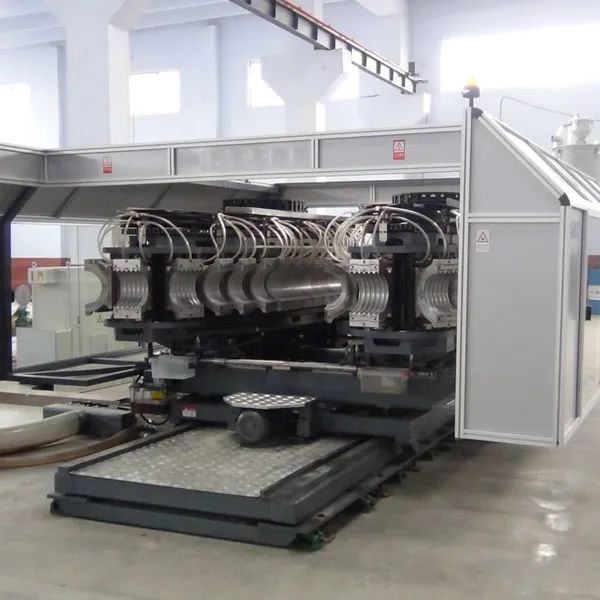
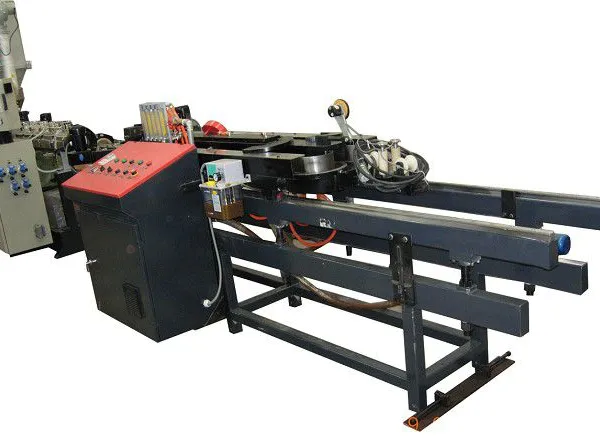
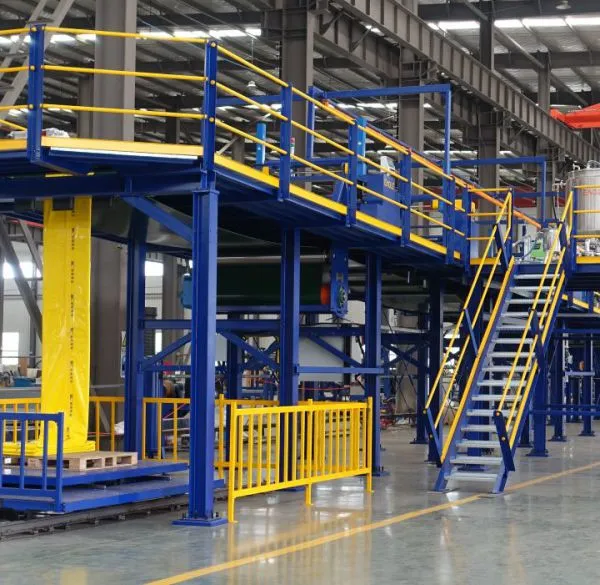
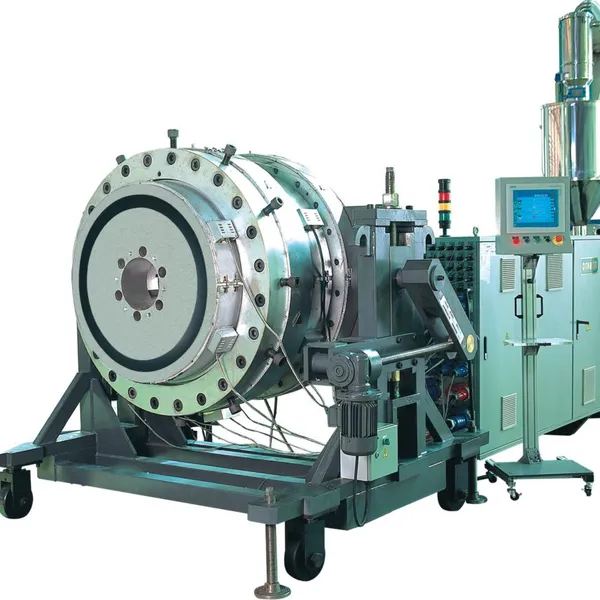
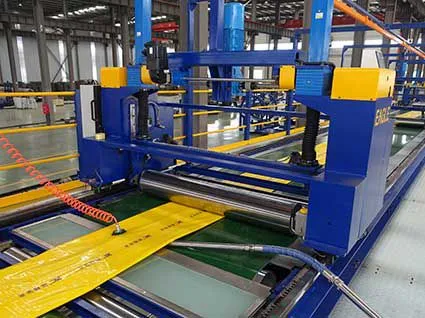
Yongke Machinery's HDPE spiral profile pipe machine and large diameter spiral pipe machine lines are designed for exactly this range. The equipment produces pipes from DN300mm to DN5000mm with controlled profile overlap, precision welding, and PLC-based process monitoring. Interchangeable mandrels and tooling from OD200mm to OD5000mm allow the same production line to serve multiple market segments.
For municipal contractors and pipe producers, in-house production offers several advantages over purchasing pipe from traders:
Direct control over resin grade and standard compliance.
Ability to produce custom lengths and diameters on demand.
Reduced transportation cost for large-diameter pipe.
Faster response to project schedule changes.
If your business serves water, drainage, or sewer markets, owning an HDPE spiral profile pipe machine or large diameter spiral pipe machine can transform pipe from a purchased commodity into a controlled in-house product that meets international HDPE pipe standards.
Request a technical quotation for your pipe diameter range →
Common Mistakes When Specifying HDPE Pipe Standards
Even experienced engineers can make errors when translating project requirements into HDPE pipe standards specifications. Watch for these common mistakes:
Mixing ASTM and ISO classifications: PE4710 and PE100 are not identical. Converting between them requires careful analysis of design stress and safety factors.
Ignoring temperature derating: HDPE strength decreases as temperature increases. A pipe rated for 50 years at 20°C may not last 50 years at 40°C under the same pressure.
Specifying pressure class for gravity pipe: Gravity sewer applications need ring stiffness, not pressure rating. Specifying PN16 for a gravity line wastes money.
Overlooking fusion standards: The pipe is only as strong as the joint. Specify fusion procedures that match the pipe standard.
Neglecting third-party certification: Factory self-certification is useful, but independent testing provides stronger assurance for critical projects.
When in doubt, consult the standard directly or request a compliance statement from the manufacturer. The cost of clarification is negligible compared to the cost of a field failure.
Conclusion
HDPE pipe standards provide the framework that makes modern infrastructure reliable. Whether you are specifying pipe for a municipal water network, a gas distribution system, or a large-diameter drainage project, the right standard ensures that the material, dimensions, and performance match the application.
Key takeaways from this guide:
ASTM D3350 and F714 are the primary North American references for material classification and dimensions.
ISO 4427 and EN 12201 define PE80 and PE100 classifications used worldwide for water pipe.
SDR and PN ratings describe pressure capability, while ring stiffness classes such as SN4 and SN8 describe structural performance for drainage and sewer.
Large-diameter structural wall pipe can meet stringent standards while reducing material and transportation costs.
Understanding HDPE pipe standards helps prevent costly field failures and project delays.
Always verify resin classification, dimensional tolerances, and third-party certification before accepting pipe for critical projects.
If your operation needs to produce HDPE or PP spiral profile pipe that meets recognized international HDPE pipe standards, Yongke Machinery can help. Our HDPE spiral profile pipe machine and large diameter spiral pipe machine production lines cover DN300mm to DN5000mm with turnkey delivery, installation support, and operator training. Contact our engineering team to discuss your target standards, pipe diameters, and production volume, and we will prepare a customized proposal.
Recently Posted
-
Wastewater Collection System Design, Operation, and Renewal
June 30, 2026In late 2021, a coastal city in Southeast Asia discovered that its oldest wastewater collection system had been losing capacity fo Read More
 -
Wastewater Infrastructure Design, Assessment, and Renewal
June 29, 2026In March 2023, a wastewater treatment plant serving 400,000 residents in Southern Europe suffered a cascade failure. A single inte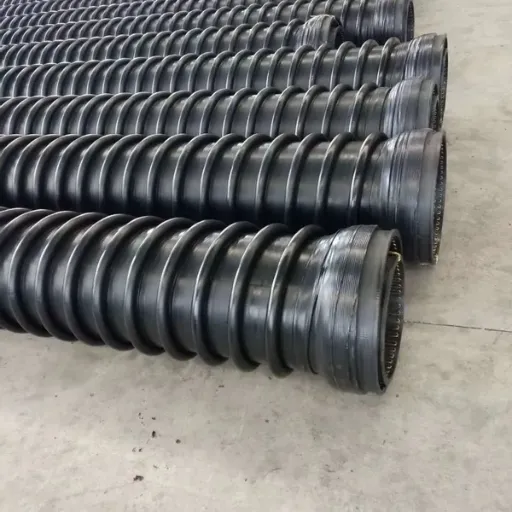 Read More
 -
Combined Sewer System Design, Operation, and Rehabilitation
June 29, 2026In August 2021, a single storm dropped 175mm of rain on a midwestern U.S. city in less than 36 hours. The city's aging combine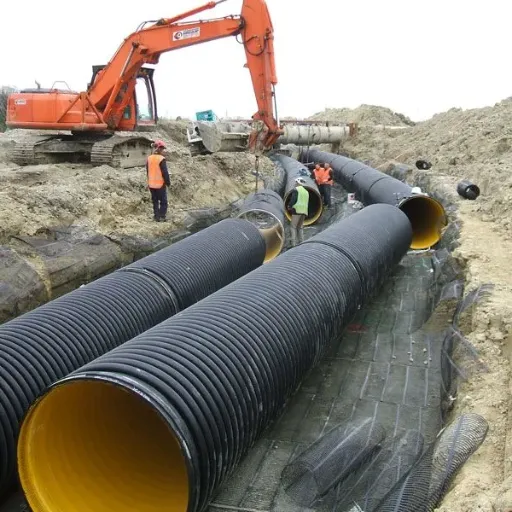 Read More
 -
Underground Drainage System Design: An Engineer's Guide to HDPE/PP Pipe Solutions
June 29, 2026A single storm in July 2023 dropped 180mm of rain on a mid-sized European city in 48 hours. The downtown drainage network, built m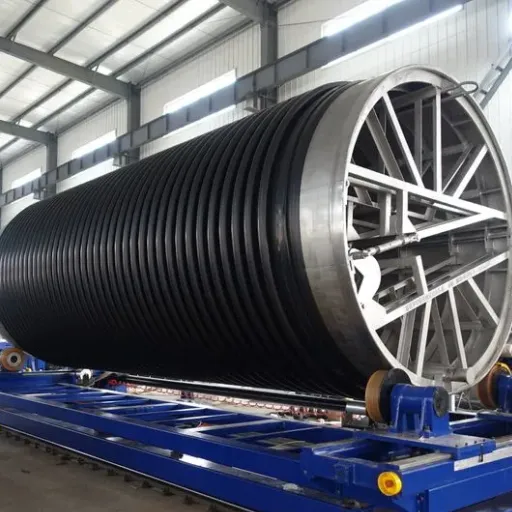 Read More

Contact Us
Recommended Products
-
 CIPP Glass Fibre Liner MachineNegotiableMOQ: 1 Set
 -
HDPE Helically Wound Tank MachineUS$ 10MOQ: 1 Set
-
CIPP Glass Liner MachineNegotiableMOQ: 1 Set
-
CIPP Felt Liner Manufacturing MachineNegotiableMOQ: 1 Set
-
Large Diameter HDPE Sea Intake Outfall Structured Wall Pipe Making MachineNegotiableMOQ: 1 Set
-
UV-CIPP Glass Fibre Liner Manufacturing MachineUS$ 1000 - 110000MOQ: 10 Meters
-
HDPE Pipe Extrusion Machine / PE Pipe Production Line With High OutputNegotiableMOQ: 1 Set
-
UV-CIPP Glass Fiber Liner Hose Production LineUS$ 1000 - 110000MOQ: 1 Set
-
HDPE Spiral Structure Wall Pipe MachineNegotiableMOQ: 1 Set
-
HDPE Spiral Pipe MachineNegotiableMOQ: 1 Set
-
HDPE Spiral Tank MachineNegotiableMOQ: 1 Set
-
Krah Pipe MachineNegotiableMOQ: 1 Set
-
Plastic HDPE PVC PPR Pipe Extrusion Making Machine Extrusion LineNegotiableMOQ: 1 Set
-
PVC Pipe Extrusion Production Line for Electrical Conduit and Water Supply PipesNegotiableMOQ: 1 Set
-
Hot Sell Single Wall Corrugated Pipe Extrusion Line With Competitive PriceNegotiableMOQ: 1 Set
-
HDPE Krah Profild Pipe MachineUS$ 10000MOQ: 1 Set
-
Plastic Tank CNC Holes Boring MachineUS$ 10000MOQ: 1 Set
-
Double Wall Corrugated Pipe Extrusion LineNegotiableMOQ: 1 Set
-
Single Wall Corrugated Pipe Extrusion LineNegotiableMOQ: 1 Set
-
Inversion CIPP Liner Tube Manufacturing MachineNegotiableMOQ: 1 Set