
 Business License
Combined Sewer System Design, Operation, and Rehabilitation
In August 2021, a single storm dropped 175mm of rain on a midwestern U.S. city in less than 36 hours. The city's aging combined sewer system could not separate stormwater from sanitary flow fast enough. More than 4.5 billion liters of untreated mixed wastewater discharged into the river through 42 overflow outfalls. The cleanup, fines, and downstream litigation cost the municipality over $180 million and forced a consent decree that will run for two decades.
That event illustrates why combined sewer systems are among the most challenging infrastructure assets in North America, Europe, and older industrial cities worldwide. They were engineered for a different era, built when urban populations were smaller and environmental regulations did not exist. Today they must handle larger populations, more impervious surfaces, and strict discharge limits.
This guide explains how a combined sewer system works, why overflows occur, what regulators require, and how municipalities can modernize these networks with large-diameter pipe replacement and cured-in-place pipe (CIPP) rehabilitation. Yongke Machinery manufactures both HDPE/PP spiral profile pipe production lines and CIPP liner hose machines, so the discussion below reflects practical equipment capabilities used in combined sewer renewal projects.
What Is a Combined Sewer System?
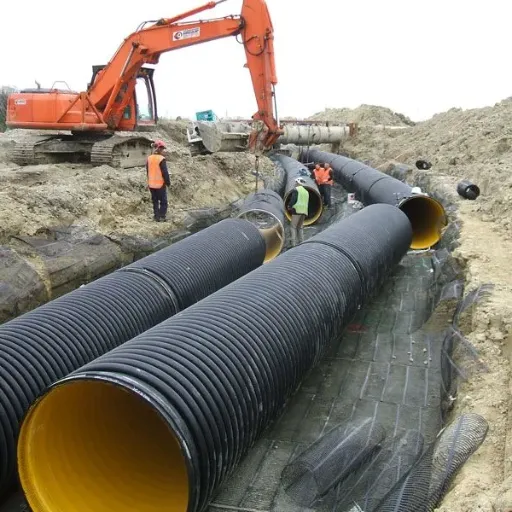
A combined sewer system is a single-pipe network that conveys sanitary sewage, industrial wastewater, and stormwater runoff in the same conduit. These systems were common in cities built before the mid-20th century, when separate sanitary and storm sewers were not yet standard practice.
In dry weather, a combined sewer system operates like a sanitary sewer. Wastewater flows to a treatment plant for processing. During rainfall or snowmelt, however, the additional stormwater can exceed the hydraulic capacity of the pipe or the treatment plant. When that happens, the system is designed to discharge the excess mixture directly to receiving waters through structures called combined sewer overflows (CSOs).
A typical combined sewer system includes:
Collection sewers: smaller pipes that gather flow from streets, buildings, and drains
Interceptor sewers: larger trunk lines that transport combined flow toward treatment
Overflow structures: regulator chambers, weirs, and outfalls that release excess flow during wet weather
Pumping stations: facilities that lift sewage where gravity flow is not possible
Treatment plant: the final destination for captured dry-weather and manageable wet-weather flow
Because one pipe carries everything, the design, maintenance, and rehabilitation of a combined sewer system require integrated hydraulic, structural, and environmental planning.
Engineering Note: A combined sewer system is different from a sanitary sewer system or a storm sewer system. Combined sewers carry both flows in one pipe; separate systems use dedicated pipes for each.
Why Combined Sewer Systems Still Matter
Many engineers and planners would never design a new combined sewer system today. Separate sanitary and storm networks are the modern standard. Yet hundreds of cities still depend on combined sewers because complete replacement is rarely feasible.
The American Society of Civil Engineers (ASCE) consistently grades U.S. wastewater infrastructure near the bottom of its Infrastructure Report Card, reflecting the scale of renewal needed.
There are three main reasons these legacy networks persist:
Massive embedded infrastructure: Some older cities have thousands of kilometers of combined sewer pipe beneath dense urban fabric. Digging everything up would disrupt traffic, businesses, and residents for decades.
Cost constraints: Full separation can cost billions of dollars per large metropolitan area. Ratepayers and municipalities often cannot absorb that cost in a single capital program.
Historical development patterns: Cities that industrialized early, especially in the Northeastern United States, Great Lakes region, Northern Europe, and parts of East Asia, were built around combined sewers before zoning separated residential and industrial drainage.
Modern combined sewer system management therefore focuses on control rather than elimination. The goal is to reduce overflow frequency, capture more flow for treatment, and extend the service life of existing pipe while avoiding catastrophic failures.
How Combined Sewer Overflows Happen
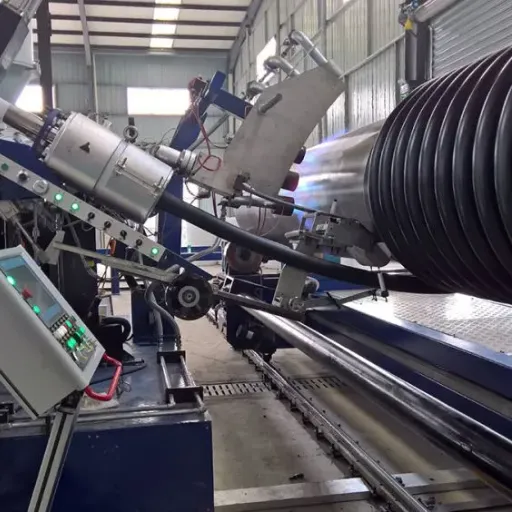
A combined sewer overflow occurs when the total inflow to the system exceeds the capacity of the pipe, interceptor, or treatment plant. The overflow structure then diverts the excess directly to a river, lake, or estuary to prevent basement flooding and sewer backups.
Several factors increase overflow risk:
Increased impervious area: Roads, parking lots, and rooftops generate more runoff than the original design assumed.
Aging pipe capacity: Sediment, grease, and structural deformation reduce the effective cross-section of older sewers.
Infiltration and inflow: Groundwater seeps into cracked pipes, and roof drains or foundation drains are illegally connected to sanitary sewers.
Treatment plant bottlenecks: Even if the pipe can convey the flow, the plant may not be able to process it without bypassing.
Climate-intensified rainfall: More frequent intense storms overwhelm systems sized for older rainfall records.
When Ana, a wastewater engineer in the Northeastern United States, modeled her city's combined sewer system after a 2023 storm, she discovered that 30% of the overflow volume came from just 8% of the outfalls. Those findings let her agency target the highest-impact trunk lines first, reducing overflow volume faster than a scattershot repair program could have.
Regulatory Framework for Combined Sewer Systems
Environmental regulators in many countries have imposed strict controls on combined sewer overflows because the discharged mixture contains untreated sewage, pathogens, industrial pollutants, and debris.
In the United States, the Environmental Protection Agency (EPA) regulates CSOs through the Clean Water Act. Municipalities with combined sewer systems must obtain National Pollutant Discharge Elimination System (NPDES) permits and develop long-term control plans. The EPA's combined sewer overflow control policy emphasizes nine minimum controls, including:
proper operation and maintenance of sewer systems
maximum use of collection system storage
review and modification of pretreatment requirements
maximization of flow to publicly owned treatment works
elimination of sanitary sewer overflows
control of solid and floatable materials in CSO discharges
pollution prevention programs
public notification of overflow events
monitoring to assess CSO impacts and control effectiveness
Many municipalities have entered into consent decrees with federal or state regulators. These legal agreements commit the city to specific overflow reduction targets, project schedules, and reporting requirements over 10 to 25 years.
In Europe, the Urban Waste Water Treatment Directive and Water Framework Directive impose similar obligations. Member states must limit pollution from sewer systems and achieve good ecological status in receiving waters.
Strategies for Combined Sewer System Control
Municipalities typically use a combination of gray infrastructure, green infrastructure, and operational controls to manage combined sewer systems. The right mix depends on local hydrology, urban density, regulatory requirements, and budget.
Gray Infrastructure Solutions
Gray infrastructure refers to traditional engineered structures such as pipes, tunnels, storage tanks, and treatment plant upgrades.
Sewer separation: converting combined sewers into separate sanitary and storm systems, often the most expensive option
Deep tunnels: large underground storage tunnels that hold excess flow until the treatment plant can process it
Interceptor relief sewers: parallel trunk lines that add conveyance capacity
Storage basins: offline detention tanks that capture and later return flow to the interceptor
Treatment plant expansion: increasing wet-weather processing capacity
Green Infrastructure Solutions
Green infrastructure reduces the volume of stormwater entering the combined sewer system in the first place.
Permeable pavements: surfaces that allow rainfall to infiltrate rather than run off
Bioswales and rain gardens: vegetated channels and depressions that slow, filter, and absorb runoff
Green roofs: vegetated roof systems that retain rainfall
Downspout disconnection: redirecting rooftop runoff to permeable areas instead of the sewer
Tree canopy expansion: increasing interception and infiltration in urban areas
Operational Controls
Operational measures improve how the existing system performs without major construction.
Real-time control systems: sensors and adjustable gates that optimize storage and routing during storms
High-rate treatment: bypass treatment processes that handle wet-weather flow more rapidly
Sewer cleaning programs: regular jetting and removal of sediment to restore pipe capacity
Flow monitoring: data collection to identify infiltration sources and prioritize repairs
Most successful combined sewer system programs combine all three approaches. Green infrastructure reduces peak inflow, gray infrastructure adds capacity and storage, and operational controls optimize performance in real time.
Pipe Rehabilitation in Combined Sewer Systems
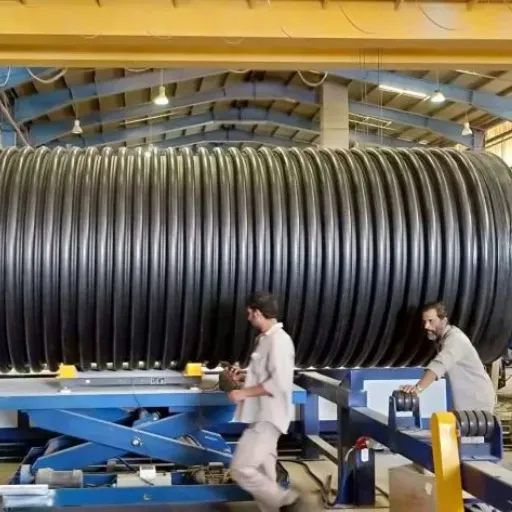
Much of the combined sewer pipe in service today is more than 75 years old. Some brick and concrete sewers date back more than a century. Modern sewer rehabilitation technology makes it possible to renew these assets without digging up every street.
Two approaches dominate the field: open-cut replacement and trenchless rehabilitation.
Open-Cut Replacement
Open-cut replacement involves excavating the old pipe and installing new pipe in its place. This method provides a brand-new structural asset and allows for capacity upgrades. However, it is disruptive in dense urban areas, requires traffic control and utility relocation, and can be the most expensive option per meter.
Trenchless Rehabilitation
Trenchless rehabilitation repairs or replaces existing pipe with minimal surface excavation. It is especially valuable for combined sewer systems because it avoids the disruption of open-cut work in busy streets.
Common trenchless methods include:
Cured-in-place pipe (CIPP): a resin-impregnated liner is inserted into the host pipe and cured to form a new pipe within the old one
Slip-lining: a smaller-diameter pipe is pulled or pushed into the existing sewer
Spray-applied liners: cementitious or polymer coatings applied to the interior wall
Pipe bursting: the old pipe is fractured and a new pipe is pulled through the void
CIPP is the most widely used method for circular combined sewers because it conforms to the existing shape, restores structural integrity, and eliminates infiltration. Municipalities can install CIPP with water, steam, or ultraviolet light curing depending on access, diameter, and resin system.
CIPP Liner Production for Combined Sewer Rehabilitation
Many contractors purchase CIPP liners from third-party suppliers, but larger rehabilitation programs increasingly bring CIPP liner manufacturing in-house. Owning liner production equipment gives contractors control over material quality, diameter availability, scheduling, and cost.
Yongke Machinery supplies two types of CIPP liner hose production lines relevant to combined sewer system work:
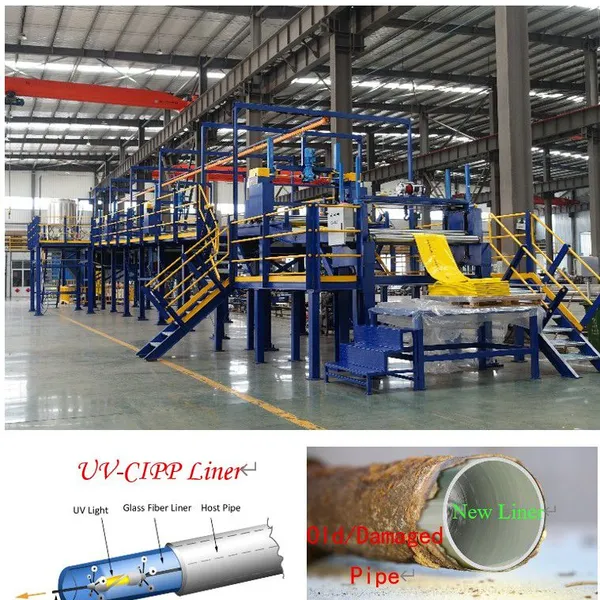
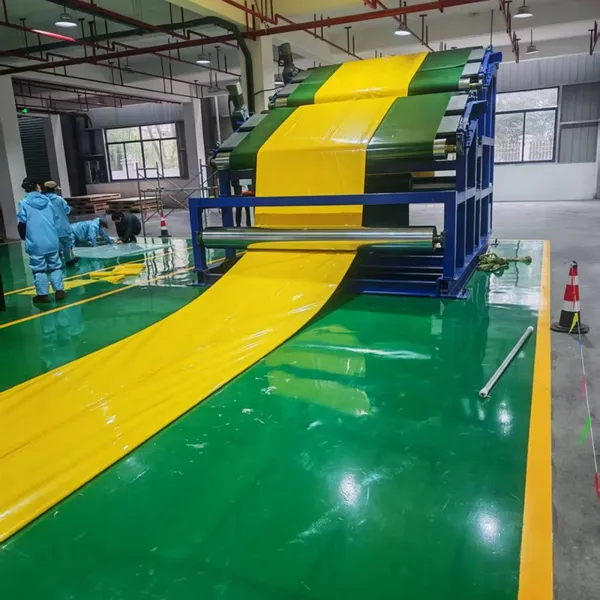
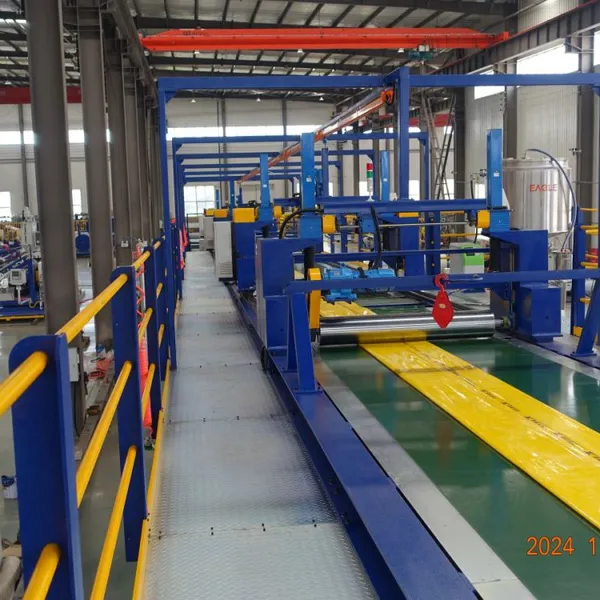
UV-CIPP fiberglass liner hose machine: produces liners impregnated with UV-curable resin for fast, controlled curing
Inversion CIPP liner hose machine: produces liners installed by water or air inversion and cured with hot water, steam, or ambient temperature
Producing liners in-house is particularly valuable for combined sewer programs that require large quantities of consistent liner in diameters ranging from small service laterals up to large interceptors. Contractors can match liner dimensions to host pipe IDs, optimize resin saturation, and reduce the logistics burden of importing liners from distant suppliers.
When Viktor, a rehabilitation contractor in Eastern Europe, won a five-year combined sewer framework contract, he invested in an inversion CIPP liner hose production line. He cut liner delivery lead times from six weeks to 72 hours, reduced per-meter material cost by 22%, and won repeat work because his crews were never waiting on liner supply.
Large-Diameter Pipe Replacement in Combined Sewer Systems
Some combined sewer lines are beyond rehabilitation. Severe structural collapse, major deformation, or insufficient capacity may require a new pipe. In those cases, large-diameter thermoplastic pipe is often the preferred replacement material.
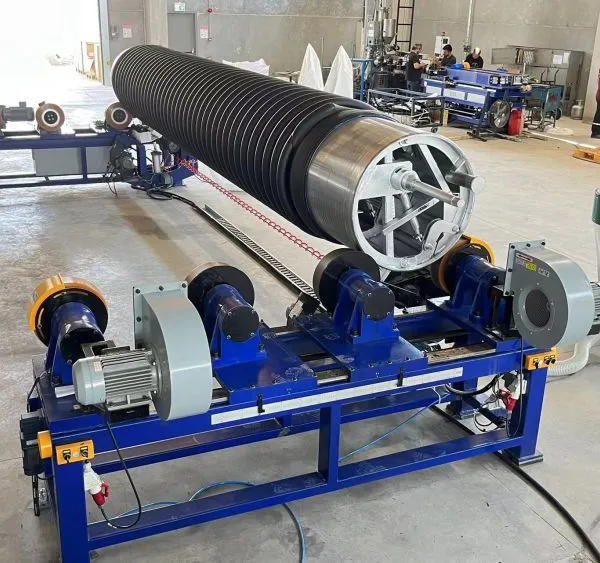
HDPE/PP spiral profile pipe offers specific advantages for combined sewer system replacement:
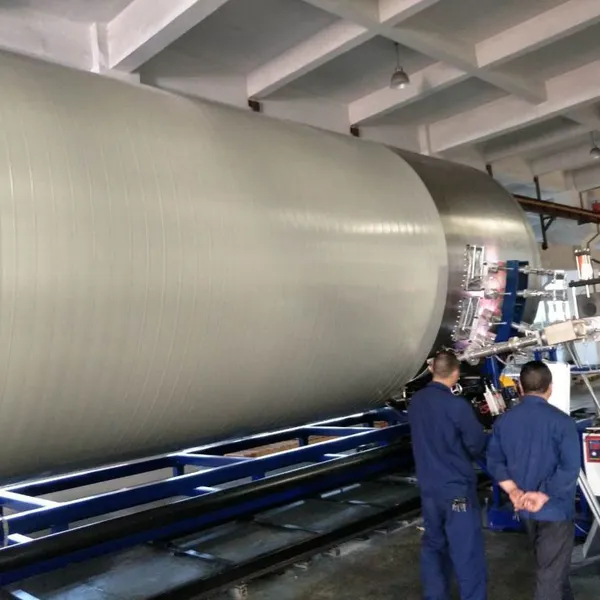
Large diameter range: available from DN300mm to DN5000mm to match interceptor and trunk sewer sizes
Chemical resistance: resists hydrogen sulfide, sulfuric acid, and municipal wastewater chemistry
Lightweight installation: easier to handle in constrained urban trenches than reinforced concrete
Leak-tight joints: welded or electrofusion joints reduce exfiltration of sewage into surrounding soil
Smooth hydraulics: low roughness coefficient improves capacity in gravity sewers
Long service life: design life of 50 to 100 years reduces future rehabilitation cycles
For municipalities with recurring combined sewer overflow problems, replacing a failed interceptor with a larger or cleaner large-diameter pipe can provide immediate hydraulic relief. Some agencies also set up on-site large diameter pipe production to avoid the transportation challenges of importing oversized pipe into dense urban areas.
Selecting the Right Renewal Strategy
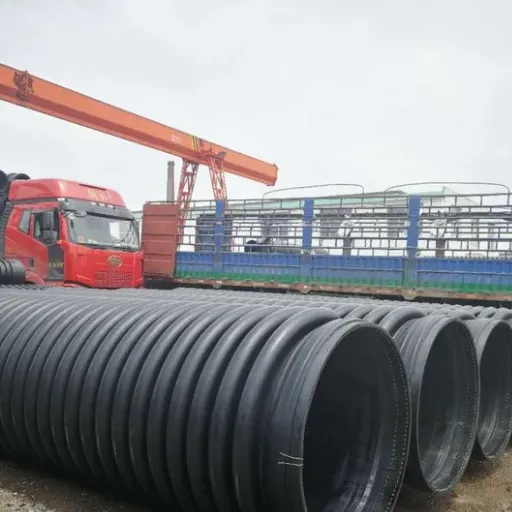
Choosing between rehabilitation and replacement for a combined sewer system segment requires engineering analysis. Key considerations include:
Structural condition: CCTV inspection, laser profiling, and structural ratings determine whether the host pipe can support a liner
Hydraulic capacity: rehabilitation preserves the existing diameter, while replacement can increase it
Soil and groundwater conditions: high groundwater increases infiltration risk and may favor fully structural renewal
Surface constraints: busy roads, utilities, and buildings may make open-cut replacement impractical
Regulatory schedule: consent decree milestones may require faster trenchless solutions
Lifecycle cost: the lowest first cost is not always the lowest cost over 50 years
A condition-focused approach usually wins. Agencies that inspect their entire network, rank defects, and prioritize the worst segments see better overflow reduction per dollar spent than those that replace pipe based on age alone.
Quality Standards for Combined Sewer Rehabilitation Materials
Materials used in combined sewer system rehabilitation must meet recognized standards for structural performance, chemical resistance, and installation quality.
Relevant standards include:
ASTM F1216: standard practice for rehabilitation of existing pipelines by the inversion and curing of resin-impregnated tube
ASTM F1743: standard practice for rehabilitation of existing pipelines by pulled-in-place and cured-in-place pipe installation
ASTM F2019: standard practice for rehabilitation of existing pipelines by the pulled-in-place installation of cured-in-place thermosetting resin pipe
ASTM D3350: specification for polyethylene plastics pipe and fittings materials
EN 13566: standards for plastics piping systems used in trenchless renovation of drains and sewers
ISO 11296: international standards for renovation of underground drainage networks using plastics piping systems
A quality CIPP liner installation should include pre-installation CCTV, resin saturation records, curing temperature logs, cool-down verification, and post-installation CCTV with leak testing.
Cost and Funding Considerations
Combined sewer system modernization is expensive. Large cities have spent billions of dollars on consent decree compliance, and smaller municipalities often struggle to fund even prioritized rehabilitation programs.
Typical cost drivers include:
Condition assessment: CCTV inspection, manhole evaluation, flow monitoring, and hydraulic modeling
Engineering and permitting: design, environmental review, and regulatory negotiation
Construction or rehabilitation: trenchless lining, pipe replacement, tunneling, or storage construction
Treatment plant upgrades: wet-weather processing, solids handling, and disinfection capacity
Green infrastructure: land acquisition, design, and long-term maintenance
Operations and maintenance: ongoing cleaning, monitoring, and asset management
Funding sources vary by country and region. In the United States, municipalities may use state revolving funds, EPA Water Infrastructure Finance and Innovation Act (WIFIA) loans, municipal bonds, and rate revenue. European programs may access cohesion funds, national water agency grants, or green infrastructure incentives.
Environmental and Public Health Benefits of CSO Control
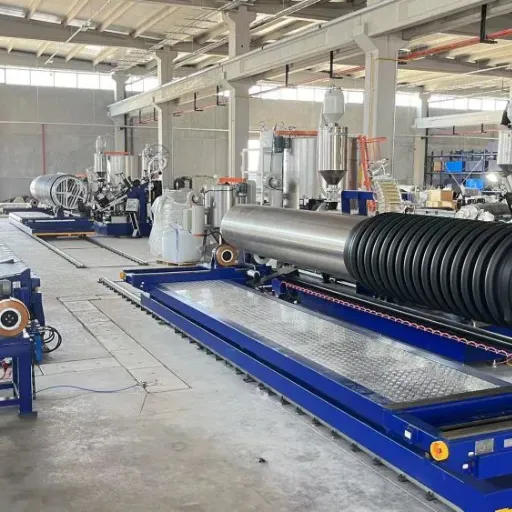
Reducing combined sewer overflows delivers measurable environmental and public health benefits.
Cleaner receiving waters: fewer pathogens, nutrients, and debris enter rivers, lakes, and estuaries
Reduced beach closures: lower bacteria counts protect recreational waters
Health protection: less exposure to untreated sewage in flood-prone neighborhoods
Aquatic habitat recovery: reduced pollutant loads support fish and wildlife populations
Climate resilience: better-managed systems handle more intense rainfall without catastrophic discharge
These benefits are why regulators and courts have pushed municipalities toward enforceable long-term control plans. The public cost is high, but the public benefit is substantial.
When to Consider In-House Production Equipment
Municipal contractors and large utilities that repeatedly rehabilitate or replace combined sewer pipe should evaluate whether investing in trenchless pipe rehabilitation equipment and in-house production lines makes sense.
Consider producing your own HDPE/PP spiral profile pipe if:
Your program includes more than 5,000 meters of large-diameter pipe replacement
You need diameter flexibility across multiple project sites
Logistics constraints make imported pipe expensive or unreliable
You want full traceability of material grade and weld quality
Consider producing your own CIPP liners if:
Your rehabilitation program requires consistent liner supply across multiple years
You want to control liner quality and reduce dependency on external suppliers
Your projects use non-standard diameters or lengths
You want to reduce per-meter rehabilitation material costs
Yongke Machinery provides turnkey production lines for both HDPE/PP spiral profile pipe and CIPP liner hose. We also supply installation supervision, commissioning, operator training, and ongoing technical support to bring the equipment to full production.
Want to discuss whether in-house production fits your combined sewer system program? Request a technical quotation and our engineering team will review your project pipeline, target diameters, and material requirements.
Conclusion
A combined sewer system is one of the most complex infrastructure assets a municipality can own. It combines hydraulic, structural, environmental, and regulatory challenges into a single network that must perform in both dry and wet weather. Legacy combined sewer systems were not designed for today's urban density and rainfall intensity, but complete replacement is rarely practical.
The most effective programs use a mix of green infrastructure, gray infrastructure, operational controls, targeted rehabilitation, and strategic replacement. CIPP rehabilitation can restore structural integrity and stop infiltration in existing sewers. Large-diameter HDPE/PP spiral profile pipe can replace failed interceptors and add hydraulic capacity where open-cut work is feasible.
Key takeaways:
Combined sewer systems carry sanitary sewage and stormwater in the same pipe.
Combined sewer overflow events occur when rainfall or snowmelt exceeds pipe, interceptor, or treatment capacity.
Regulators require long-term control plans with enforceable overflow reduction targets.
Green infrastructure, gray infrastructure, and operational controls all have a role in CSO management.
CIPP rehabilitation is a proven trenchless method for restoring combined sewers.
HDPE/PP spiral profile pipe provides a durable, corrosion-resistant replacement option for large interceptors.
If you are planning a combined sewer system renewal program, contact Yongke Machinery. Our team can help you evaluate HDPE/PP spiral profile pipe production lines and CIPP liner hose machines that match your rehabilitation and replacement strategy.
Recently Posted
-
Qingdao Yongke Machinery: Full-Category Spiral Pipe Equipment from China's Qingdao
September 1, 2026Choosing a machinery supplier for large-diameter plastic pipe production is a long-term decision, because the line you install wil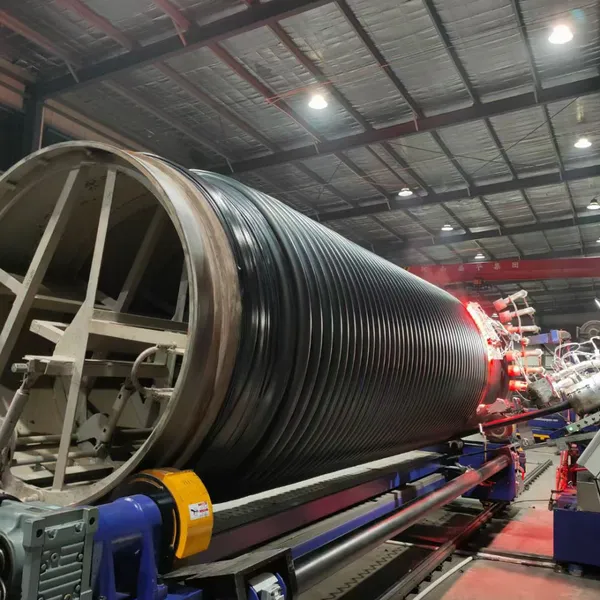 Read More
 -
Quality Control in Spiral Pipe Machine Manufacturing
August 31, 2026A buyer in South America some time ago received a winding line that looked complete on the surface but suffered repeated seam defe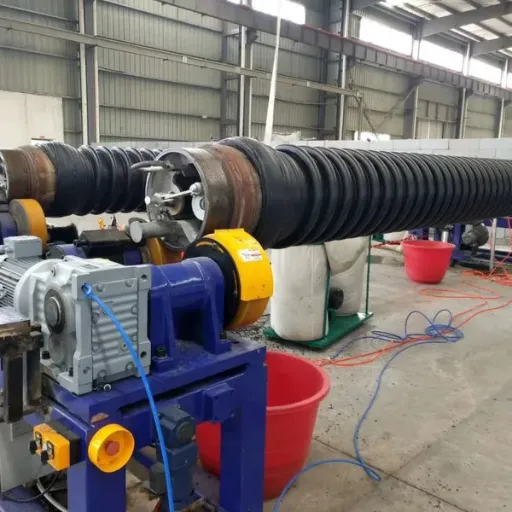 Read More
 -
Spiral Pipe for Sewage and Drainage Networks: Production Notes
August 28, 2026A municipal contractor in Eastern Europe some time ago took delivery of spiral-wound sewer pipe that looked flawless on the line.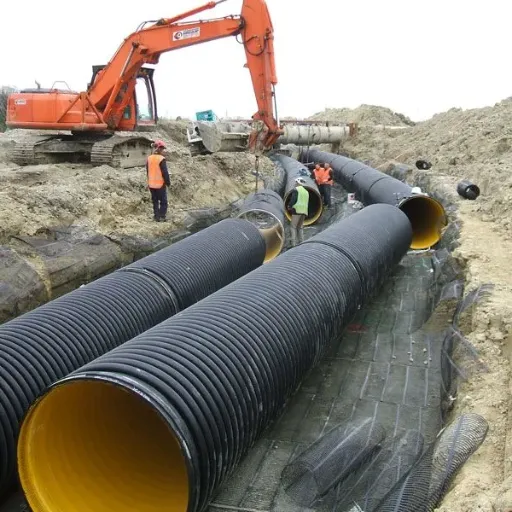 Read More
 -
DN300 to DN5000: Diameter Range and Machine Configuration
August 27, 2026A plant owner in Central Asia once asked for a line "up to DN5000" because a future tender mentioned large storage tanks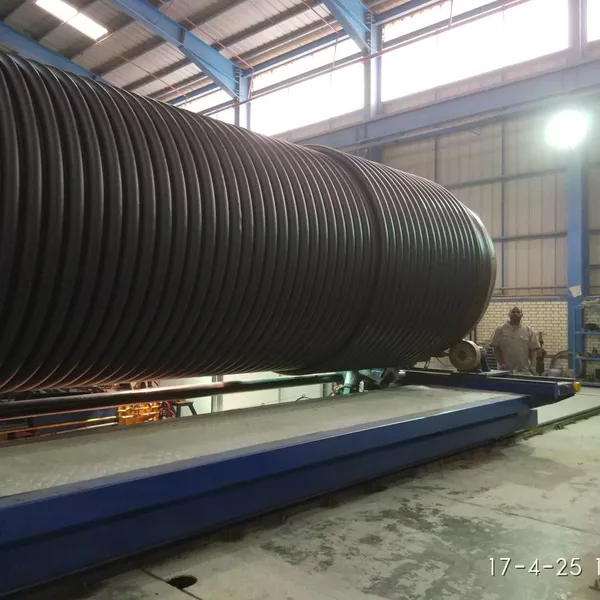 Read More

Contact Us
Recommended Products
-
 CIPP Glass Fibre Liner MachineNegotiableMOQ: 1 Set
 -
HDPE Helically Wound Tank MachineUS$ 10MOQ: 1 Set
-
CIPP Glass Liner MachineNegotiableMOQ: 1 Set
-
CIPP Felt Liner Manufacturing MachineNegotiableMOQ: 1 Set
-
Large Diameter HDPE Sea Intake Outfall Structured Wall Pipe Making MachineNegotiableMOQ: 1 Set
-
UV-CIPP Glass Fibre Liner Manufacturing MachineUS$ 1000 - 110000MOQ: 10 Meters
-
HDPE Pipe Extrusion Machine / PE Pipe Production Line With High OutputNegotiableMOQ: 1 Set
-
UV-CIPP Glass Fiber Liner Hose Production LineUS$ 1000 - 110000MOQ: 1 Set
-
HDPE Spiral Structure Wall Pipe MachineNegotiableMOQ: 1 Set
-
HDPE Spiral Pipe MachineNegotiableMOQ: 1 Set
-
HDPE Spiral Tank MachineNegotiableMOQ: 1 Set
-
Krah Pipe MachineNegotiableMOQ: 1 Set
-
Plastic HDPE PVC PPR Pipe Extrusion Making Machine Extrusion LineNegotiableMOQ: 1 Set
-
PVC Pipe Extrusion Production Line for Electrical Conduit and Water Supply PipesNegotiableMOQ: 1 Set
-
Hot Sell Single Wall Corrugated Pipe Extrusion Line With Competitive PriceNegotiableMOQ: 1 Set
-
HDPE Krah Profild Pipe MachineUS$ 10000MOQ: 1 Set
-
Plastic Tank CNC Holes Boring MachineUS$ 10000MOQ: 1 Set
-
Double Wall Corrugated Pipe Extrusion LineNegotiableMOQ: 1 Set
-
Single Wall Corrugated Pipe Extrusion LineNegotiableMOQ: 1 Set
-
Inversion CIPP Liner Tube Manufacturing MachineNegotiableMOQ: 1 Set