
 Business License
Wastewater Infrastructure Design, Assessment, and Renewal
In March 2023, a wastewater treatment plant serving 400,000 residents in Southern Europe suffered a cascade failure. A single interceptor pipe collapse upstream of the plant forced operators to bypass raw sewage for 36 hours. The incident released untreated effluent into a coastal estuary, closed shellfish beds for three months, and triggered a 12 million euro emergency repair program that diverted funds from planned network upgrades.
That failure was not unusual. Wastewater infrastructure around the world is aging faster than it is being replaced. Many trunk sewers, interceptors, and treatment assets installed in the mid-20th century have now exceeded their design life. At the same time, urban populations have grown, regulatory limits have tightened, and climate patterns have become less predictable.
This guide explains what wastewater infrastructure includes, why it fails, how engineers assess condition, and how municipalities can renew these assets with large-diameter HDPE/PP spiral profile pipe and cured-in-place pipe (CIPP) rehabilitation. Yongke Machinery manufactures both HDPE/PP spiral profile pipe production lines and CIPP liner hose machines for CIPP liner manufacturing, so the discussion reflects practical equipment capabilities used in wastewater infrastructure renewal projects worldwide.
What Is Wastewater Infrastructure?
Wastewater infrastructure is the collection of physical assets that capture, convey, treat, and discharge used water from homes, businesses, and industrial facilities. It includes everything that happens after water goes down a drain or flushes through a sewer.
A typical municipal wastewater infrastructure network contains:
Collection sewers: pipes that gather sewage from buildings and streets
Interceptor sewers: large trunk lines that transport flow to treatment plants
Pumping stations: facilities that lift sewage where gravity flow is insufficient
Treatment plants: facilities that remove pollutants before discharge
Outfalls: engineered discharge points to receiving waters
Control systems: sensors, meters, and automation that monitor flow and quality
Wastewater infrastructure also includes the institutional systems that support it: inspection programs, maintenance crews, asset management databases, and regulatory reporting frameworks. Without these operational layers, even well-built physical assets deteriorate faster than expected.
Engineering Note: Wastewater infrastructure is sometimes confused with stormwater infrastructure. While combined sewers handle both, modern separate systems use distinct pipes, manholes, and treatment paths for sanitary sewage and storm runoff.
Why Wastewater Infrastructure Is Under Pressure
Most wastewater infrastructure in developed regions was built during two major construction waves: the 1930s to 1950s and the 1960s to 1980s. Many of those assets are now 40 to 90 years old. Materials that were considered durable at the time, including reinforced concrete, vitrified clay, and brick, have reached or exceeded their expected service life.
Several pressures are accelerating deterioration:
Population growth: More users add more flow and solids load to the same pipes
Urban densification: Infill development increases impervious area and inflow to sewer systems
Aging materials: Concrete suffers from hydrogen sulfide corrosion; clay cracks under ground movement
Deferred maintenance: Budget constraints delay cleaning, lining, and replacement programs
Climate stress: More intense rainfall events overwhelm conveyance and treatment capacity
Climate stress adds another layer of urgency. More intense rainfall events overwhelm conveyance and treatment capacity. Plants designed for older rainfall records now face wet-weather peaks that trigger bypasses and combined sewer overflows.
Heat waves and droughts alter wastewater strength and biological treatment performance. These trends mean that wastewater infrastructure rehabilitation must account for future conditions, not just present failure risk.
The American Society of Civil Engineers (ASCE) grades U.S. wastewater infrastructure near the bottom of its Infrastructure Report Card, reflecting the scale of renewal needed across the sector.
When Carlos, a municipal engineer in Latin America, reviewed his city's wastewater infrastructure condition database, he found that 35% of interceptor segments had not been inspected in more than 15 years. His first priority became a sewer infrastructure assessment program, because without current data, every replacement decision was a guess. Within 18 months, his team had ranked every segment by risk and assembled a five-year wastewater infrastructure rehabilitation plan with defensible cost estimates.
Components of Modern Wastewater Infrastructure
Understanding the full wastewater infrastructure system helps decision-makers prioritize investments and avoid fixing symptoms instead of causes.
Collection Network
The collection network is the dense grid of pipes beneath streets and buildings. In older cities, these may be combined sewers carrying sanitary flow and stormwater. In newer cities, they are usually separate sanitary sewers. Collection pipes range from DN150mm service laterals to DN1200mm trunk sewers.
Interceptors and Trunk Sewers
Interceptors are the backbone of wastewater infrastructure. These large-diameter pipes collect flow from multiple trunk sewers and deliver it to treatment plants. When an interceptor fails, the consequences are regional, not local.
Pumping Stations
Pumping stations lift sewage over elevation changes. They are critical nodes in wastewater infrastructure because a single pump failure can back up entire neighborhoods. Standby power, level monitoring, and preventive maintenance are essential.
Treatment Plants
Treatment plants remove solids, organic matter, nutrients, and pathogens before discharge. They include headworks, primary and secondary treatment, solids handling, and disinfection. Plant capacity must match both dry-weather flow and wet-weather peaks.
Digital Infrastructure
Modern wastewater infrastructure increasingly relies on sensors, telemetry, and hydraulic modeling. Flow monitors, level sensors, and water quality probes allow operators to detect blockages, infiltration, and overflows before they become emergencies. These tools are becoming standard in sewer infrastructure assessment programs.
Common Failure Modes and Risks
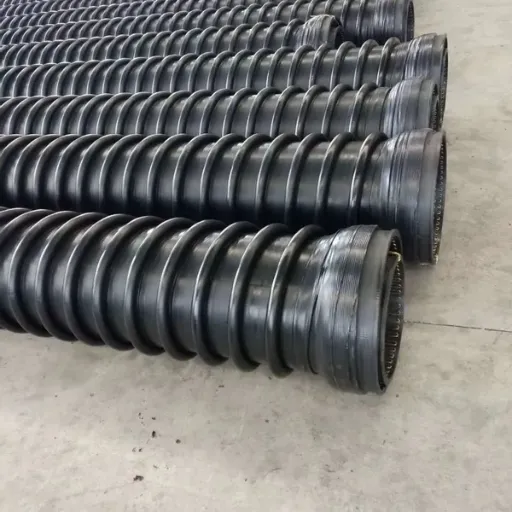
Wastewater infrastructure fails in predictable ways. Recognizing these failure modes helps asset managers plan inspections and interventions.
Structural Failure
Structural failures include pipe collapse, cracking, deformation, and joint separation. They are often caused by ground movement, traffic loading, corrosion, or construction defects. Structural failure can lead to sinkholes, backups, and uncontrolled discharges.
Hydraulic Overload
Hydraulic overload occurs when flow exceeds pipe capacity. This causes basement flooding, sewer overflows, and treatment plant bypasses. Infiltration from cracked pipes and illegal stormwater connections often make overload worse.
Corrosion
Hydrogen sulfide gas generated in anaerobic wastewater conditions converts to sulfuric acid on pipe crowns. This acid attacks concrete and metal, reducing wall thickness and structural capacity. Thermoplastic materials such as HDPE and PP resist this chemistry far better.
Blockages
Grease, wipes, sediment, and debris accumulate in pipes with low slope or poor maintenance. Blockages reduce capacity and increase overflow risk. Regular jetting and cleaning are basic but essential wastewater infrastructure maintenance tasks.
Environmental and Public Health Risk
Failed wastewater infrastructure threatens receiving waters, drinking water sources, and public health. Untreated sewage contains pathogens, nutrients, and industrial pollutants. Regulatory penalties, beach closures, and litigation often follow major failures.
Wastewater Infrastructure Assessment and Monitoring
You cannot manage wastewater infrastructure without knowing its condition. Modern asset management programs combine inspection, monitoring, and risk analysis.
CCTV Inspection
Closed-circuit television inspection uses robotic cameras to record pipe interior condition. Inspectors classify defects by severity and location. CCTV is the foundation of most sewer infrastructure assessment programs and the starting point for wastewater infrastructure rehabilitation planning.
Laser Profiling
Laser profiling measures pipe deformation and ovality. It identifies sections that have lost circular shape due to ground loading or bedding failure. This data helps engineers decide whether a pipe can support a CIPP liner or needs replacement.
Flow Monitoring
Permanent and temporary flow monitors reveal diurnal patterns, infiltration, and inflow. A flow monitor placed during dry weather can identify illegal connections or cracked pipes that add stormwater to the sanitary system.
Manhole Inspection
Manholes are frequent failure points. Inspectors check for corrosion, benching damage, frame shifts, and leakage. Manhole rehabilitation is often paired with adjacent pipe lining.
Sonar and Laser Scanning
For pipes that carry flow during inspection, sonar profiling maps sediment deposits and pipe ovality below the waterline. Multi-sensor inspection platforms combine CCTV, sonar, and laser data into a single condition model. These tools are especially useful for large-diameter interceptors where dewatering is expensive or impractical.
Smoke Testing and Dye Testing
Smoke testing identifies illegal connections, broken cleanouts, and private lateral defects that add stormwater or groundwater to the sanitary system. Dye testing confirms suspected cross-connections. Both methods are low-cost ways to find infiltration and inflow sources before committing to major rehabilitation.
Data Management
Condition data is only useful if it is organized and accessible. Modern asset management systems store inspection video, defect codes, pipe attributes, and repair history in georeferenced databases. These systems support risk scoring, budget planning, and regulatory reporting for wastewater infrastructure programs.
Rehabilitation vs Replacement Strategies
Once wastewater infrastructure condition is known, agencies must decide whether to rehabilitate or replace each asset.
Rehabilitation
Rehabilitation restores the existing asset without full removal. It is usually faster, less disruptive, and lower cost than open-cut replacement. Common methods include:
Cured-in-place pipe (CIPP): a resin-impregnated liner forms a new pipe inside the host
Slip-lining: a smaller pipe is inserted into the existing sewer
Spray-applied linings: cementitious or polymer coatings protect the interior wall
Manhole rehabilitation: coatings, liners, or replacement of damaged components
Replacement
Replacement is necessary when the existing pipe is collapsed, severely deformed, or hydraulically inadequate. Open-cut replacement allows capacity upgrades and full material selection. Trenchless methods such as pipe bursting can also replace pipe with limited surface disruption.
The right choice depends on structural condition, hydraulic needs, soil conditions, surface constraints, and lifecycle cost. Rehabilitation preserves diameter and avoids excavation. Replacement adds capacity and provides a new structural asset.
Planning a Wastewater Infrastructure Rehabilitation Program
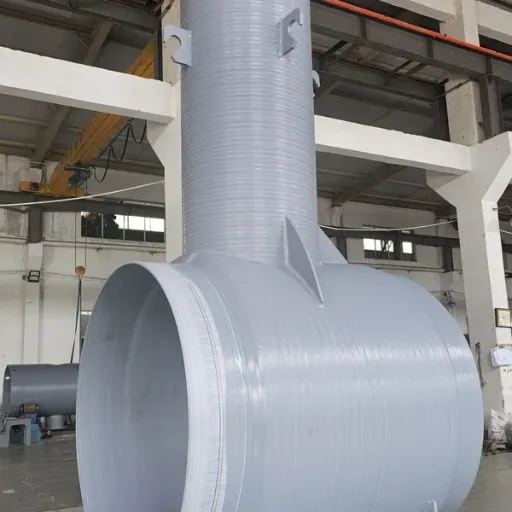
A successful wastewater infrastructure rehabilitation program converts inspection data into a sequenced, funded, and executable plan. Without clear planning, agencies risk spending money on low-priority segments while critical defects worsen.
The first step is to consolidate condition data from CCTV, laser profiling, manhole inspections, and flow monitoring into a single asset registry. Each pipe segment should receive a condition grade and a risk score based on likelihood and consequence of failure.
Next, agencies should group work into logical contracts. Trenchless lining projects can be bundled by neighborhood or diameter range to achieve economies of scale. Replacement projects can be coordinated with road resurfacing, utility upgrades, or development timelines to reduce mobilization costs and public disruption.
Lifecycle cost analysis should compare rehabilitation, replacement, and deferred action over 50 years. A CIPP liner may cost less per meter than open-cut replacement, but it preserves the existing diameter. If hydraulic capacity is the binding constraint, replacement may be the only viable option.
Finally, the program should include quality assurance. Pre-installation CCTV, resin saturation records, curing logs, and post-installation testing verify that contractors deliver the specified performance. A well-documented wastewater infrastructure rehabilitation program also satisfies regulators and supports future funding requests.
Large-Diameter Pipe Solutions for Wastewater Infrastructure
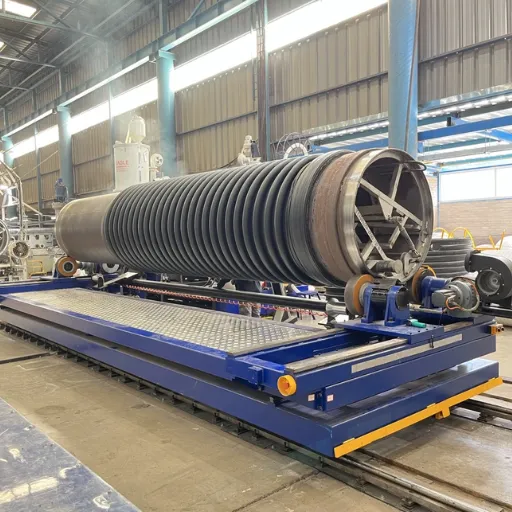
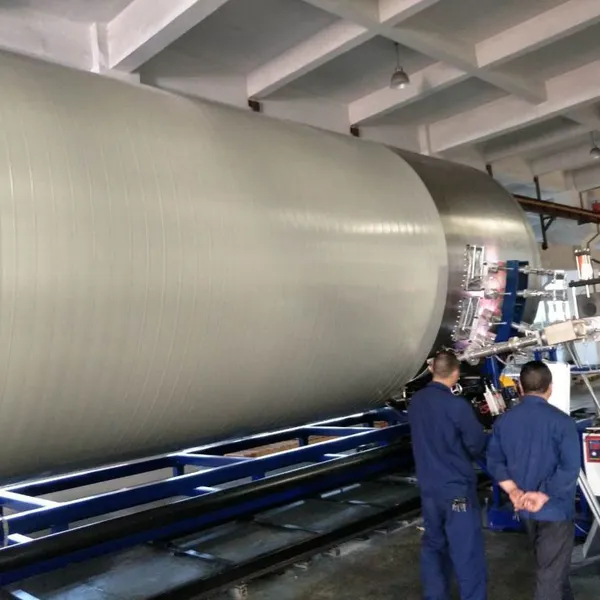
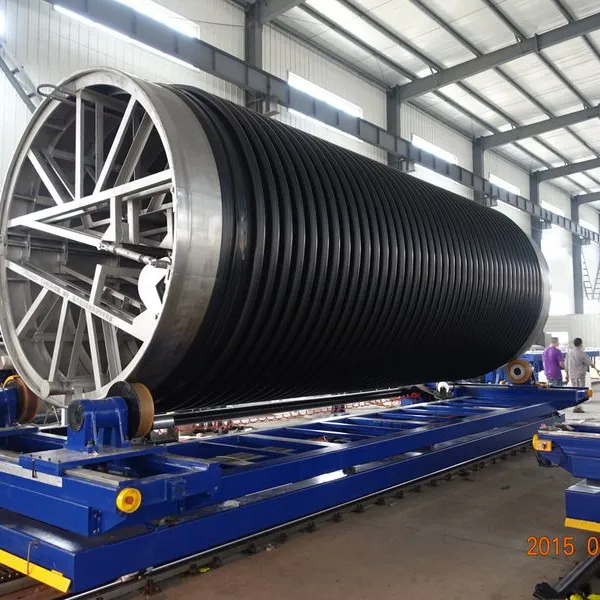
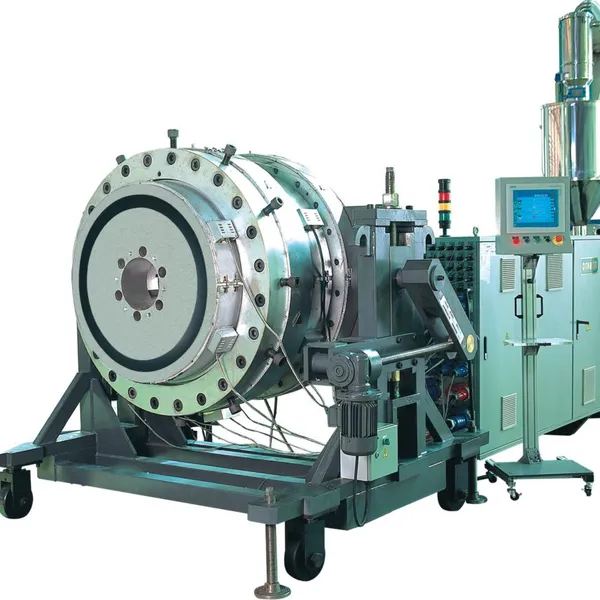
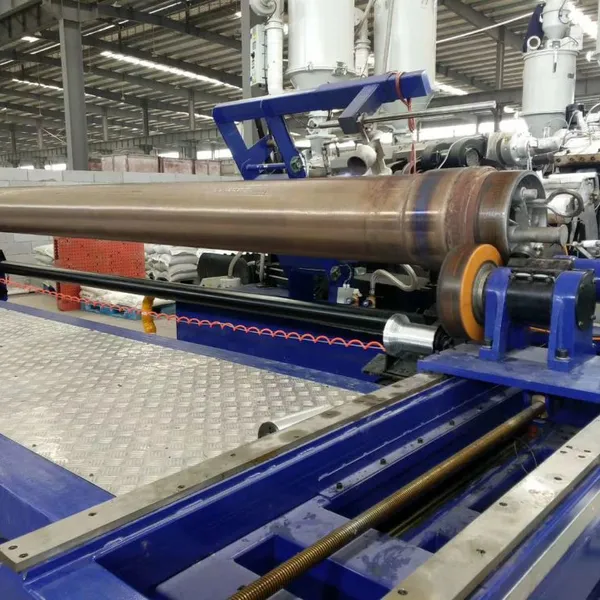
Some wastewater infrastructure requires new pipe. Interceptor replacements, plant outfalls, and trunk sewer upgrades often involve diameters from DN600mm to DN4000mm. HDPE/PP spiral profile pipe is well suited to these applications, and large diameter pipe production lines make it possible to manufacture these pipes on demand.
Key advantages include:
Large diameter range: available from DN300mm to DN5000mm to match interceptor and trunk sizes
Chemical resistance: performs well in hydrogen sulfide and sulfuric acid environments
Lightweight handling: easier to install in constrained urban sites than concrete
Leak-tight joints: welded or electrofusion joints limit exfiltration and infiltration
Smooth hydraulics: low Manning's roughness coefficient improves flow capacity
Long service life: design life of 50 to 100 years reduces future renewal cycles
For large programs, producing pipe on-site with a mobile or local large diameter pipe production line can reduce transportation costs and avoid the logistics of importing oversized pipe into dense urban areas. Some contractors set up temporary large diameter pipe production near the trench to supply continuous pipe lengths without multiple truck deliveries through city streets.
When Priya, a project manager in South Asia, needed to replace 8 kilometers of corroded concrete interceptor, she chose HDPE/PP spiral profile pipe. The lightweight sections reduced crane requirements, the welded joints eliminated leakage, and the project opened to traffic three weeks ahead of schedule. Her experience aligns with customer case studies from similar large-diameter pipe projects.
CIPP and Trenchless Rehabilitation
Trenchless rehabilitation has become central to wastewater infrastructure renewal because it minimizes disruption in busy urban corridors. CIPP is the most widely used trenchless method for circular sewers.
The CIPP process involves inserting a resin-impregnated liner into the host pipe, then curing it with hot water, steam, or ultraviolet light. The result is a new, structurally independent pipe within the old one. CIPP stops infiltration, restores structural integrity, and extends service life.
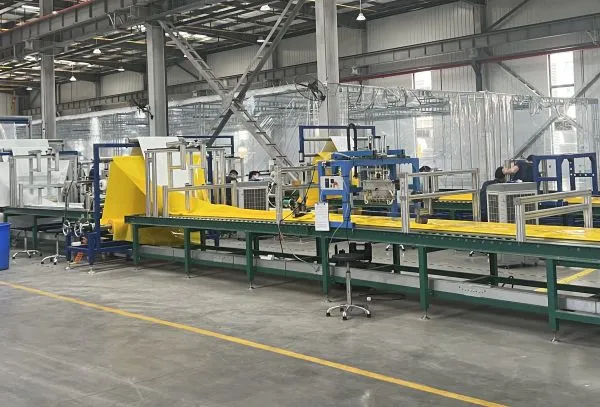
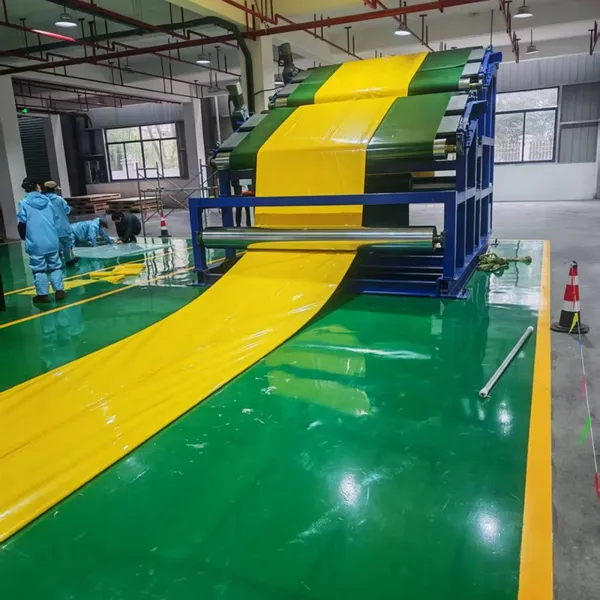
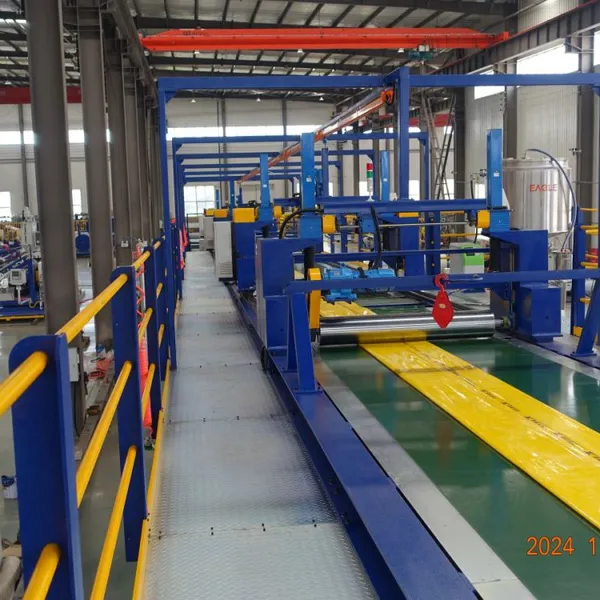
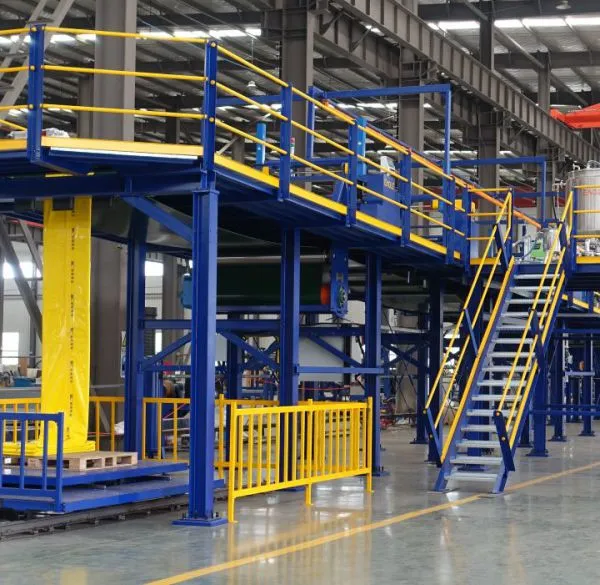
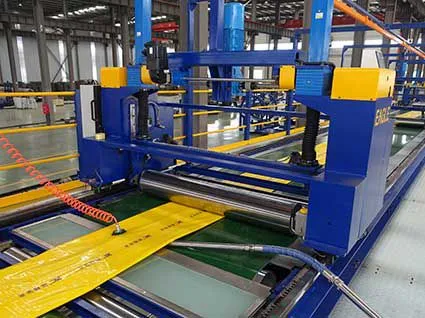
Yongke Machinery supplies two types of CIPP liner hose production lines for wastewater infrastructure rehabilitation and CIPP liner manufacturing:
UV-CIPP fiberglass liner hose machine: produces UV-curable liners for fast, controlled curing
Inversion CIPP liner hose machine: produces liners installed by water or air inversion and cured with hot water or steam
Producing liners in-house gives contractors control over liner dimensions, resin saturation, and delivery schedules. For multi-year wastewater infrastructure programs, this can reduce per-meter material costs and eliminate supply bottlenecks. CIPP liner manufacturing also allows contractors to respond quickly to non-standard diameters or urgent repairs without waiting for external suppliers.
Selecting Trenchless Pipe Rehabilitation Equipment
Choosing the right trenchless pipe rehabilitation equipment depends on project scale, host pipe diameter, access constraints, and curing method preferences. Contractors should match equipment capabilities to the specific wastewater infrastructure assets they plan to renew.
UV-CIPP systems use fiberglass liners impregnated with UV-curable resin. They offer fast cure times, minimal site footprint, and precise process control. UV-CIPP is well suited to urban projects where traffic disruption must be minimized and cure quality must be documented.
Inversion CIPP systems use felt or fiberglass liners installed by water or air inversion and cured with hot water or steam. They are versatile across diameters and access conditions, and they are often more cost-effective for longer runs or gravity sewer applications.
In addition to liner production equipment, contractors need wet-out systems, inversion drums or UV light trains, calibration tools, and CCTV verification equipment. A complete trenchless pipe rehabilitation equipment package ensures that CIPP liner manufacturing, installation, and quality control are integrated.
For contractors running multiple wastewater infrastructure rehabilitation projects per year, owning trenchless pipe rehabilitation equipment can shift the business model from buying liners to controlling the full value chain. Yongke also provides trenchless contractor solutions for rehabilitation specialists scaling their operations.
Learn more about trenchless methods in our guide to trenchless rehabilitation methods.
Standards and Quality Requirements
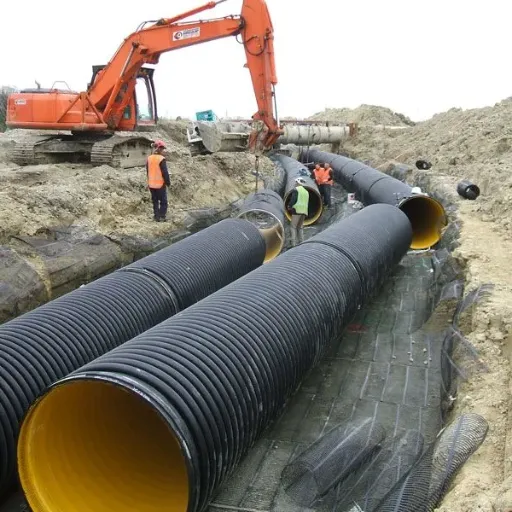
Materials and installation methods for wastewater infrastructure must meet recognized standards. These standards protect public health, ensure structural performance, and provide a basis for quality control.
Relevant standards include:
ASTM F1216: standard practice for rehabilitation of existing pipelines by inversion and curing of resin-impregnated tube
ASTM F1743: standard practice for pulled-in-place CIPP installation
ASTM D3350: specification for polyethylene plastics pipe and fittings materials
EN 13566: plastics piping systems for trenchless renovation of drains and sewers
ISO 11296: renovation of underground drainage networks using plastics piping systems
A quality rehabilitation program should include pre-installation CCTV, resin saturation records, curing logs, cool-down verification, and post-installation CCTV with leak testing.
Cost and Funding Considerations
Wastewater infrastructure renewal is capital intensive. Large metropolitan areas have spent billions on consent decrees and network upgrades. Smaller municipalities often struggle to fund even prioritized rehabilitation programs.
Major cost categories include:
Condition assessment: CCTV, manhole inspection, flow monitoring, and hydraulic modeling
Engineering and permitting: design, environmental review, and regulatory negotiation
Construction and rehabilitation: trenchless lining, pipe replacement, pumping stations, and storage
Treatment plant upgrades: capacity expansion and process improvements
Operations and maintenance: ongoing cleaning, inspection, and asset management
The Environmental Protection Agency (EPA) provides guidance on wastewater infrastructure planning, funding, and regulatory compliance through its wastewater infrastructure resources. These resources help municipalities understand federal requirements and available financing programs.
Lifecycle cost analysis usually favors preventive wastewater infrastructure rehabilitation over emergency replacement. A lining program that extends pipe life by 50 years is almost always cheaper than digging up the same street twice.
When to Consider In-House Production Equipment
Municipal contractors and utilities with recurring wastewater infrastructure work should evaluate whether in-house pipe or liner production makes sense. Investing in trenchless pipe rehabilitation equipment and large-diameter pipe production lines can transform a contractor from a buyer of materials into a controller of supply, quality, and scheduling.
Consider producing your own HDPE/PP spiral profile pipe if:
Your program includes more than 5,000 meters of large-diameter pipe replacement
You need diameter flexibility across multiple project sites
Logistics constraints make imported pipe expensive or unreliable
You want full traceability of material grade and weld quality
Consider producing your own CIPP liners if:
Your rehabilitation program requires consistent liner supply across multiple years
You want to control liner quality and reduce dependency on external suppliers
Your projects use non-standard diameters or lengths
You want to reduce per-meter rehabilitation material costs
Yongke Machinery provides turnkey production lines for both HDPE/PP spiral profile pipe and CIPP liner hose. We also supply installation supervision, commissioning, operator training, and ongoing technical support to bring the equipment to full production.
Want to discuss whether in-house production fits your wastewater infrastructure program? Request a technical quotation and our engineering team will review your project pipeline, target diameters, and material requirements.
Conclusion
Wastewater infrastructure is one of the most important and underappreciated systems in modern cities. It protects public health, supports economic activity, and safeguards receiving waters. Yet much of it is old, overstressed, and approaching the end of its design life.
The most effective wastewater infrastructure programs combine sewer infrastructure assessment, monitoring, preventive wastewater infrastructure rehabilitation, and strategic replacement. CCTV and flow monitoring reveal where problems are forming. CIPP rehabilitation and CIPP liner manufacturing restore structural integrity without digging up streets. Large-diameter HDPE/PP spiral profile pipe, supported by large diameter pipe production lines, replaces failed interceptors with durable, corrosion-resistant material.
Key takeaways:
Wastewater infrastructure includes collection, conveyance, treatment, and discharge assets.
Aging materials, population growth, and climate stress are accelerating failure risks.
Condition assessment is the foundation of every good renewal program.
Rehabilitation preserves existing assets; replacement adds capacity and new structure.
CIPP rehabilitation is a proven trenchless method for renewing wastewater sewers.
HDPE/PP spiral profile pipe provides a durable replacement option for large interceptors.
If you are planning a wastewater infrastructure renewal program, contact Yongke Machinery. Our team can help you evaluate HDPE/PP spiral profile pipe production lines and CIPP liner hose machines that match your assessment, rehabilitation, and replacement strategy.
Recently Posted
-
Qingdao Yongke Machinery: Full-Category Spiral Pipe Equipment from China's Qingdao
September 1, 2026Choosing a machinery supplier for large-diameter plastic pipe production is a long-term decision, because the line you install wil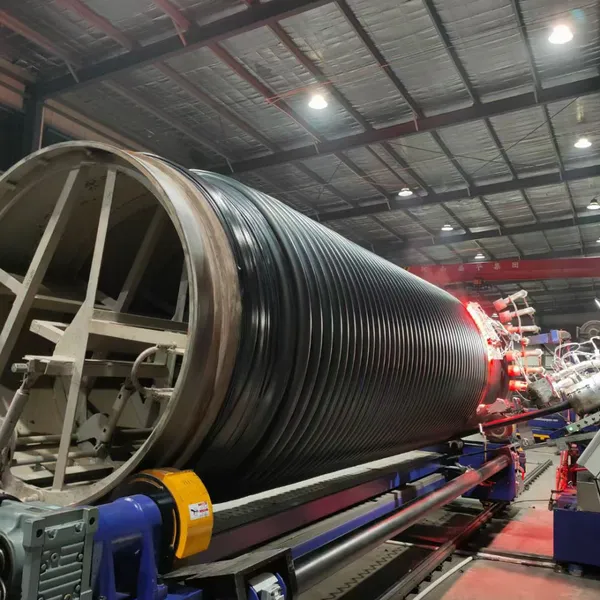 Read More
 -
Quality Control in Spiral Pipe Machine Manufacturing
August 31, 2026A buyer in South America some time ago received a winding line that looked complete on the surface but suffered repeated seam defe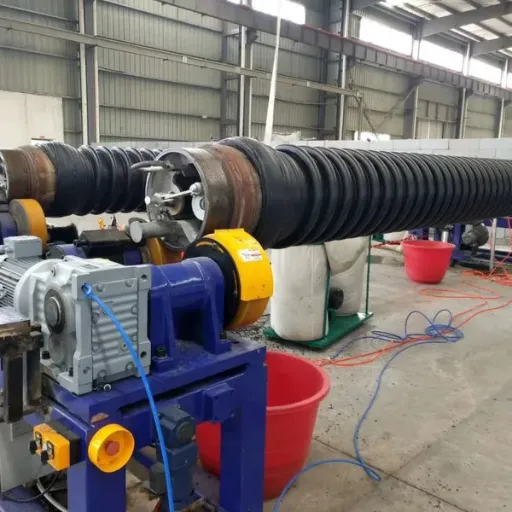 Read More
 -
Spiral Pipe for Sewage and Drainage Networks: Production Notes
August 28, 2026A municipal contractor in Eastern Europe some time ago took delivery of spiral-wound sewer pipe that looked flawless on the line.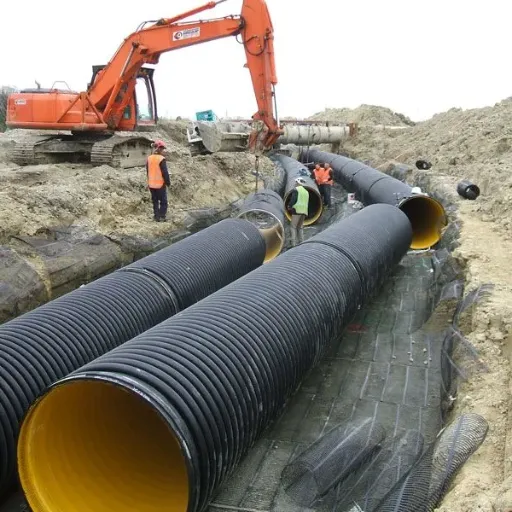 Read More
 -
DN300 to DN5000: Diameter Range and Machine Configuration
August 27, 2026A plant owner in Central Asia once asked for a line "up to DN5000" because a future tender mentioned large storage tanks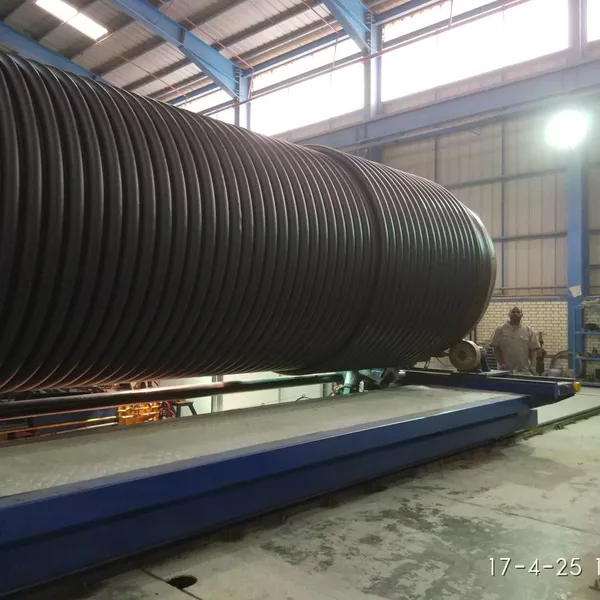 Read More

Contact Us
Recommended Products
-
 CIPP Glass Fibre Liner MachineNegotiableMOQ: 1 Set
 -
HDPE Helically Wound Tank MachineUS$ 10MOQ: 1 Set
-
CIPP Glass Liner MachineNegotiableMOQ: 1 Set
-
CIPP Felt Liner Manufacturing MachineNegotiableMOQ: 1 Set
-
Large Diameter HDPE Sea Intake Outfall Structured Wall Pipe Making MachineNegotiableMOQ: 1 Set
-
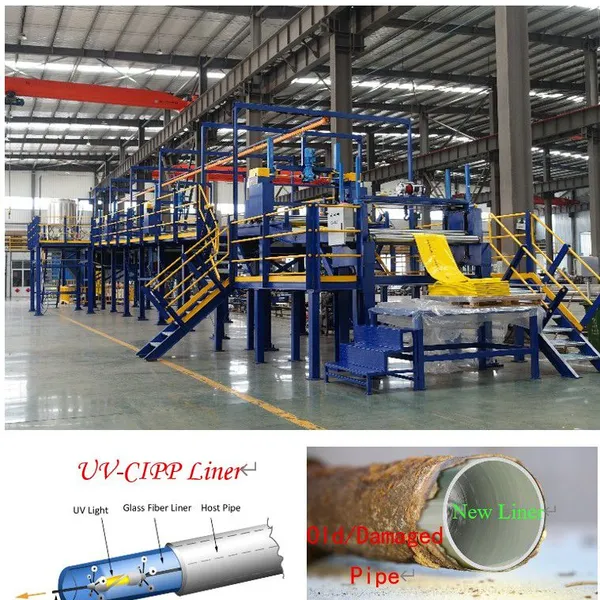
UV-CIPP Glass Fibre Liner Manufacturing MachineUS$ 1000 - 110000MOQ: 10 Meters
-
HDPE Pipe Extrusion Machine / PE Pipe Production Line With High OutputNegotiableMOQ: 1 Set
-
UV-CIPP Glass Fiber Liner Hose Production LineUS$ 1000 - 110000MOQ: 1 Set
-
HDPE Spiral Structure Wall Pipe MachineNegotiableMOQ: 1 Set
-
HDPE Spiral Pipe MachineNegotiableMOQ: 1 Set
-
HDPE Spiral Tank MachineNegotiableMOQ: 1 Set
-
Krah Pipe MachineNegotiableMOQ: 1 Set
-
Plastic HDPE PVC PPR Pipe Extrusion Making Machine Extrusion LineNegotiableMOQ: 1 Set
-
PVC Pipe Extrusion Production Line for Electrical Conduit and Water Supply PipesNegotiableMOQ: 1 Set
-
Hot Sell Single Wall Corrugated Pipe Extrusion Line With Competitive PriceNegotiableMOQ: 1 Set
-
HDPE Krah Profild Pipe MachineUS$ 10000MOQ: 1 Set
-
Plastic Tank CNC Holes Boring MachineUS$ 10000MOQ: 1 Set
-
Double Wall Corrugated Pipe Extrusion LineNegotiableMOQ: 1 Set
-
Single Wall Corrugated Pipe Extrusion LineNegotiableMOQ: 1 Set
-
Inversion CIPP Liner Tube Manufacturing MachineNegotiableMOQ: 1 Set