
 Business License
Drainage Pipe Design: A Practical Guide for Municipal and Stormwater Systems
In November 2023, a municipal engineer in Texas named Carlos Mendez reviewed plans for a new storm sewer along a commercial corridor. The design specified a DN1200 reinforced concrete pipe with a Manning's roughness coefficient of 0.013. After a summer of intense rainfall, the line backed up twice and flooded two retail parking lots.
Carlos re-ran the hydraulic model using the actual roughness of the proposed HDPE replacement pipe, n = 0.009. He discovered the original concrete design had been undersized by one full diameter. The correction saved the city from a $400,000 emergency bypass and a delayed road-opening permit.
You already know that drainage pipe design is more than picking a diameter from a chart. It requires matching hydraulic capacity, material properties, site constraints, and construction realities to a design storm that may only happen once every 50 or 100 years. What you need is a clear process for sizing pipes, selecting materials, and avoiding the small errors that become large failures.
In this guide, you will learn the core principles of drainage pipe design. You will see how drainage pipe sizing, slope, and roughness interact, how to choose between concrete, corrugated metal, and thermoplastic pipes, and how to adapt your design for stormwater, municipal sewer, and culvert applications. You will also see how large-diameter HDPE and PP spiral profile pipes can simplify projects that require high flow capacity and long service life.
What Is Drainage Pipe Design?
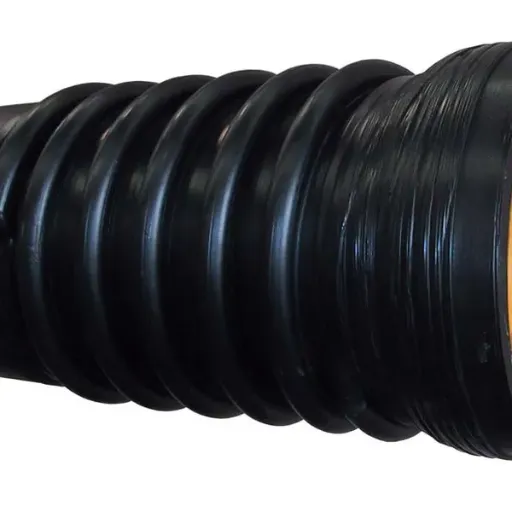
Drainage pipe design is the engineering process of selecting and sizing a conduit that can safely carry a specified flow of water from one point to another without exceeding capacity, velocity limits, or cover requirements. The output is usually a set of plans that specify pipe diameter, material, slope, bedding, and appurtenances such as manholes, inlets, and outfalls.
A complete drainage pipe design answers four questions:
How much water must the pipe carry?
What diameter and slope are needed to convey that flow?
What material will survive the surrounding environment and loads?
How will the pipe be installed, inspected, and maintained?
The design process brings together hydrology, hydraulics, geotechnical engineering, and materials science. A change in any one input, such as pipe roughness or cover depth, can change the required diameter or material.
For projects that require large-diameter conveyance, the choice of pipe material is one of the first decisions. Learn more about Yongke's HDPE/PP spiral profile pipe machines for DN300mm to DN5000mm pipe production.
Why Drainage Pipe Design Matters for Infrastructure
A drainage pipe that is too small causes flooding, property damage, and regulatory penalties. A pipe that is too large wastes material, excavation, and right-of-way. A pipe that is correctly sized but made from the wrong material can corrode, abrade, or deform before reaching its design life.
Drainage pipe design also affects construction cost and schedule. Deeper burial, stronger bedding, and larger diameters all increase installed cost. A design that ignores constructability can turn a straightforward trench into a dewatering and shoring problem.
In the United States, drainage systems are usually designed to handle storm events ranging from the 2-year to the 100-year event, depending on the consequences of failure. Highway culverts may be designed for the 25-year or 50-year storm. Critical municipal infrastructure may be designed for the 100-year storm or higher. Local ordinances and agency manuals specify the design storm and allowable spread or depth of ponding.
Well-executed drainage pipe design protects roads, buildings, and natural channels. It also reduces long-term maintenance by selecting materials and gradients that resist sediment buildup, corrosion, and structural failure.
Key Factors in Drainage Pipe Sizing
Drainage pipe sizing is the heart of the design. The required diameter depends on the peak flow rate, the pipe slope, the internal roughness of the pipe wall, and any inlet or outlet restrictions.
Peak Design Flow
The design flow comes from a hydrologic analysis of the contributing watershed. For storm drains, engineers commonly use the Rational Method for small basins or NRCS methods for larger watersheds. The result is a peak discharge, usually expressed in cubic meters per second or cubic feet per second.
Pipe Slope and Energy Grade Line
Gravity drives flow in most drainage pipes. Steeper slopes increase velocity and capacity but can cause erosion downstream. Flatter slopes reduce velocity, which may allow sediment to settle. The design must balance self-cleansing velocity with downstream erosion control.
Manning's Roughness Coefficient
Manning's equation is the standard tool for open-channel and pipe flow calculations. The roughness coefficient, n, varies by material:
| Pipe Material | Typical Manning's n |
|---|---|
| HDPE / PP | 0.009 to 0.011 |
| PVC | 0.009 to 0.011 |
| Reinforced concrete | 0.012 to 0.015 |
| Corrugated metal | 0.020 to 0.030 |
A lower n value means smoother flow and higher capacity for the same diameter and slope. This is why a DN1000 HDPE pipe can sometimes replace a DN1200 concrete pipe. It is also why using the wrong roughness value can undersize the line, as Carlos discovered in Texas.
Velocity Limits
Minimum velocity is usually 0.6 to 0.9 meters per second to prevent sediment deposition. Maximum velocity is often 3 to 5 meters per second, depending on pipe material and downstream channel protection, to prevent erosion and abrasion.
Cover and External Loads
Buried pipes must support soil weight, traffic loads, and construction equipment. Minimum cover is typically 0.9 to 1.2 meters under roads, but local standards vary. Pipe ring stiffness and bedding class must be checked against expected loads.
Selecting Materials for Drainage Pipes
Material selection affects capacity, durability, cost, and installation method. Each material has strengths and limitations.
Reinforced Concrete Pipe
Reinforced concrete pipe is strong, familiar to contractors, and available in large diameters. It performs well under high cover and heavy traffic loads. However, it is heavy, requires larger equipment to handle, and can deteriorate in acidic or sulfate-rich soils. Its rougher interior also reduces hydraulic capacity compared to thermoplastic options.
Corrugated Metal Pipe
Corrugated metal pipe is lightweight and easy to install. It is often used for culverts and agricultural drainage. Its main weaknesses are corrosion in acidic or saline environments and a relatively high Manning's n, which reduces capacity. Protective coatings can extend life but add cost.
PVC Pipe
PVC pipe is smooth, corrosion-resistant, and easy to join. It is widely used for small-diameter sanitary sewers and storm drains. Its pressure-rated versions are also used for force mains. However, PVC is generally limited to smaller diameters and may not have the structural stiffness required for very deep burial without special bedding.
HDPE and PP Spiral Profile Pipes
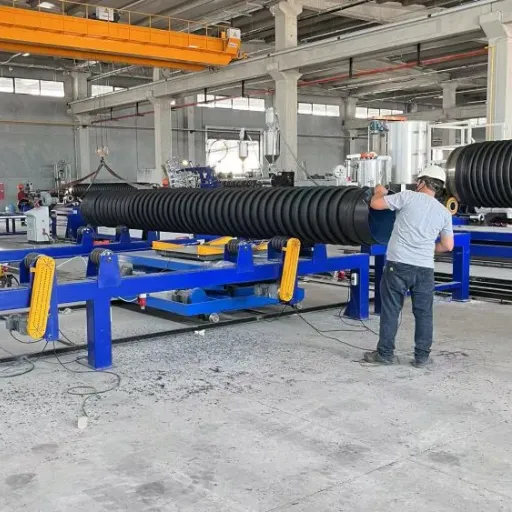
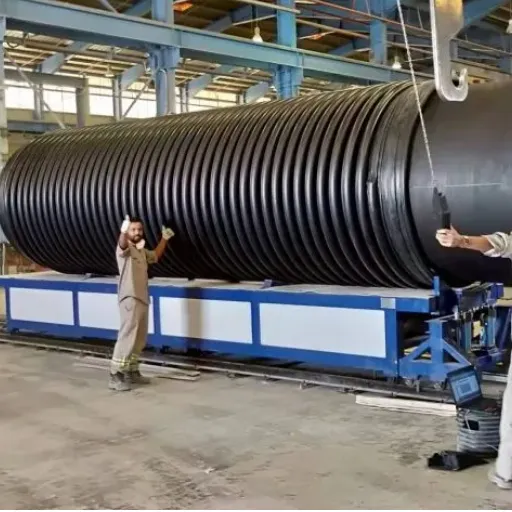
HDPE and PP spiral profile pipes combine chemical resistance with high ring stiffness and large diameter availability. Their smooth interior gives a low Manning's n, and their structural wall profile allows diameters from DN300mm to DN5000mm. They resist abrasion, corrosion, and biological attack. Joints can be welded to form a leak-free line, which is valuable where infiltration or exfiltration must be controlled.
| Pipe Material | Hydraulic Roughness | Corrosion Resistance | Typical Diameter Range | Best Applications |
|---|---|---|---|---|
| HDPE / PP | Very low | Excellent | DN300mm to DN5000mm | Stormwater, culverts, industrial outfalls |
| Reinforced concrete | Moderate | Good with limits | DN300mm to DN3600mm+ | High-cover roads, large trunk sewers |
| Corrugated metal | High | Moderate | DN150mm to DN3000mm | Culverts, temporary drainage |
| PVC | Very low | Excellent | DN100mm to DN600mm | Small sewers, residential drainage |
For projects comparing thermoplastic options, see our article on HDPE vs PP spiral profile pipe selection.
Drainage Pipe Design for Different Applications
The same sizing principles apply across applications, but the design storm, loading, and material priorities change.
Stormwater Drainage Design
Stormwater drainage design moves rainfall runoff from streets, parking lots, and roofs to a safe outfall. The system includes inlets, catch basins, manholes, and pipes. Designers must check capacity at every inlet because a pipe sized for the total watershed can still overflow if inlets cannot capture the flow.
Stormwater systems often discharge to detention ponds, streams, or combined sewers. The downstream condition affects the hydraulic grade line and may require energy dissipation or water quality treatment.
Municipal Drainage Pipe Design
Municipal drainage pipe design serves public streets and combined or separate sewer systems. These projects must meet agency standards for cover, separation from water mains, manhole spacing, and material approval. Maintenance access is critical because municipalities own the asset for decades.
Large-diameter trunk lines are increasingly built with HDPE or PP spiral profile pipes because they can be installed in long pull lengths, resist corrosion from road salts and industrial runoff, and allow trenchless installation where open excavation is not practical.
Culvert Pipe Design
Culvert pipe design carries water under roads, railways, and embankments. Culverts must pass the design flood without overtopping the road and without causing excessive outlet velocity. Inlet and outlet control must both be evaluated. Common shapes include circular pipe, box culverts, and pipe arches.
The Federal Highway Administration publishes HEC-15 for design of roadside channels and HEC-14 for hydraulic design of energy dissipators. These references provide accepted methods for culvert hydraulics and outlet protection.
Agricultural and Industrial Drainage
Agricultural drainage removes excess water from fields. Pipes are typically smaller diameter and operate at shallow depths. Industrial drainage may carry process water with higher temperatures or chemicals, making material selection more important than in typical stormwater systems.
A contractor in Vietnam, Linh Pham, was asked to replace a corroded corrugated steel culvert under a provincial highway. The original pipe had failed in 12 years due to acidic runoff from nearby farmland. Linh specified a DN1500 HDPE spiral profile pipe with SN16 ring stiffness and welded joints. The new line provided a design life of 50 years, and its smoother interior allowed a smaller diameter while matching the original capacity.
Common Drainage Pipe Design Mistakes
Even experienced designers make mistakes that cause failures, change orders, and maintenance headaches.
Using the Wrong Roughness Coefficient
As Carlos learned in Texas, selecting a Manning's n that does not match the actual pipe material can undersize or oversize the line. Always use the roughness coefficient for the specified material, and update the hydraulic model if the material changes during value engineering.
Ignoring Tailwater and Downstream Conditions
A pipe does not discharge into a vacuum. Tailwater elevation, downstream channel capacity, and backwater from receiving waters all affect the hydraulic grade line. Ignoring tailwater can lead to submerged outlets and reduced capacity.
Underestimating External Loads
Pipes under roads must support dynamic traffic loads. A pipe that works in a shallow residential yard may fail under a heavy truck route. Check AASHTO or local load requirements and verify ring stiffness and bedding class.
Forgetting Maintenance Access
Every drainage system needs access for cleaning, inspection, and repair. Manhole spacing, cleanouts, and maintenance easements should be part of the design, not added later. A pipe that cannot be cleaned will eventually lose capacity to sediment and debris.
Neglecting Soil and Groundwater Conditions
Aggressive soils, high groundwater, and expansive clays can affect pipe bedding, buoyancy, and long-term settlement. A geotechnical investigation early in the design process prevents surprises during construction.
How Yongke Machinery Supports Drainage Pipe Design
Drainage pipe design is only as good as the materials available to build it. Yongke Machinery supports infrastructure projects by manufacturing equipment that produces large-diameter HDPE and PP spiral profile pipes with consistent quality and ring stiffness.
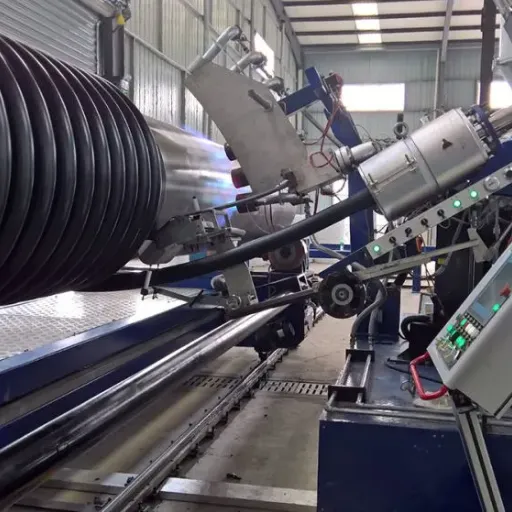
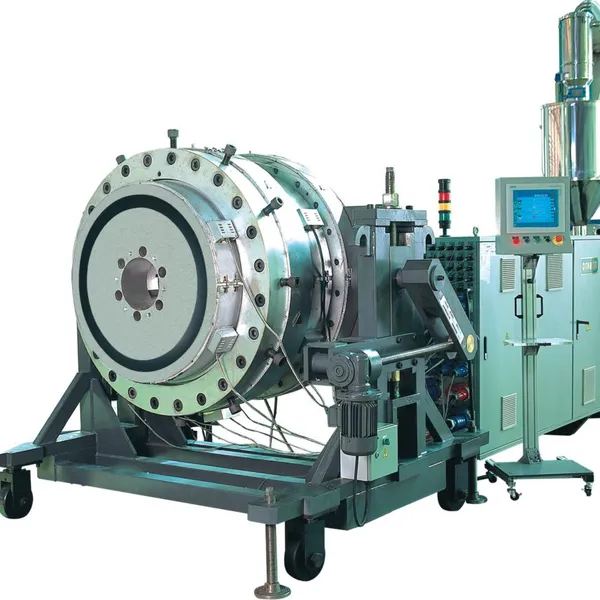
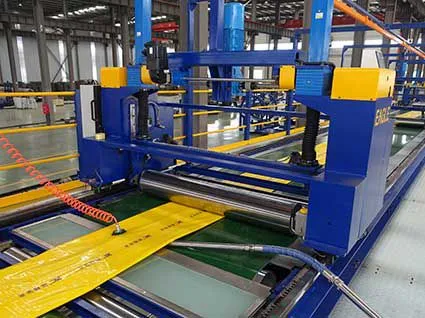
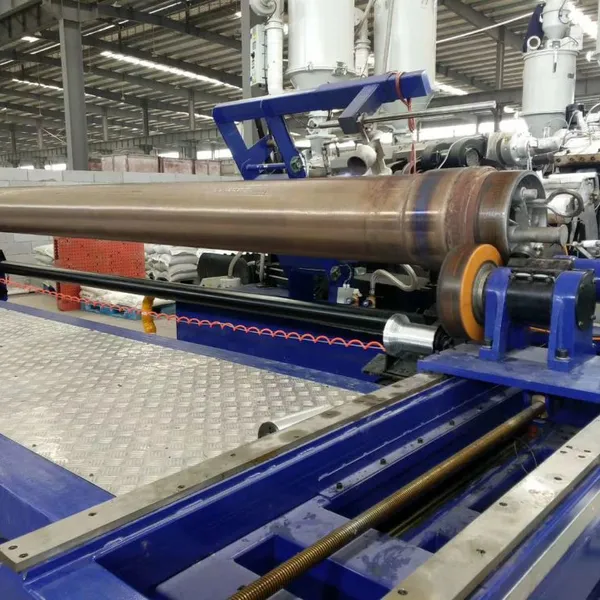
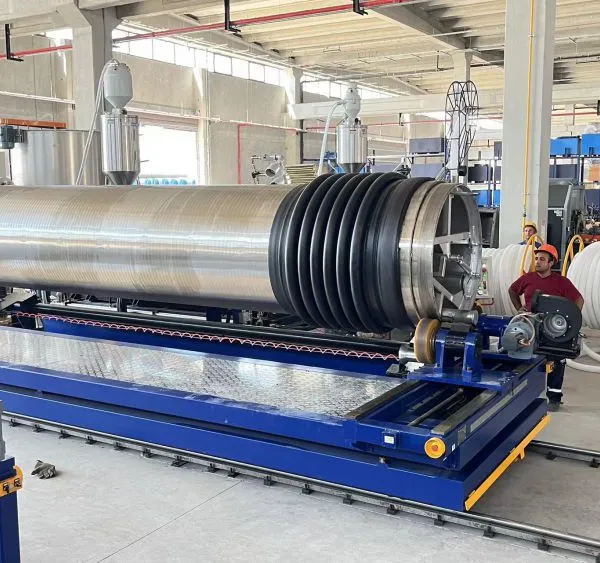
Our HDPE/PP spiral profile pipe machines produce pipes from DN300mm to DN5000mm. The production line integrates extrusion, spiral winding, and profile welding to create a structural wall pipe that meets demanding municipal and highway specifications. Contractors who produce pipe on-site or regionally reduce transportation costs, shorten delivery schedules, and respond faster to design changes.
Yongke also provides turnkey project delivery, including installation supervision, commissioning, operator training, and after-sales support. Our manufacturing facility is certified to ISO 9001, ISO 14001, and ISO 45001.
If your drainage pipe design calls for large-diameter thermoplastic pipe, request a technical quotation for a production line configured to your project needs.
Conclusion
Drainage pipe design combines hydrology, hydraulics, materials science, and construction practicality. A well-designed system protects property, meets regulatory requirements, and remains maintainable for decades.
Key takeaways:
Size pipes using the correct design flow, slope, and Manning's n for the selected material.
Match pipe material to site conditions, including corrosion risk, external loads, and diameter requirements.
Check both inlet capture and outlet capacity in stormwater drainage design.
Evaluate tailwater, cover, and maintenance access before finalizing the design.
Select HDPE or PP spiral profile pipes for large-diameter, corrosion-resistant, long-life applications.
The best drainage pipe designs do not merely move water. They create durable infrastructure that performs through decades of service. If your next project requires large-diameter drainage pipe, contact Yongke Machinery to discuss HDPE/PP spiral profile pipe production solutions.
Recently Posted
-
Qingdao Yongke Machinery: Full-Category Spiral Pipe Equipment from China's Qingdao
September 1, 2026Choosing a machinery supplier for large-diameter plastic pipe production is a long-term decision, because the line you install wil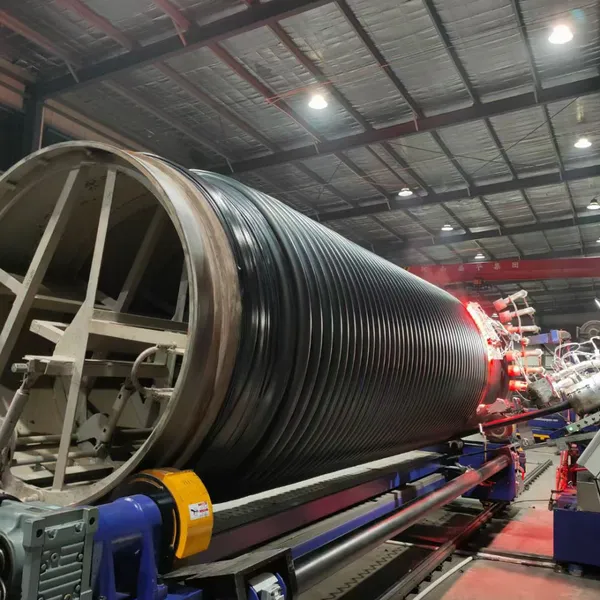 Read More
 -
Quality Control in Spiral Pipe Machine Manufacturing
August 31, 2026A buyer in South America some time ago received a winding line that looked complete on the surface but suffered repeated seam defe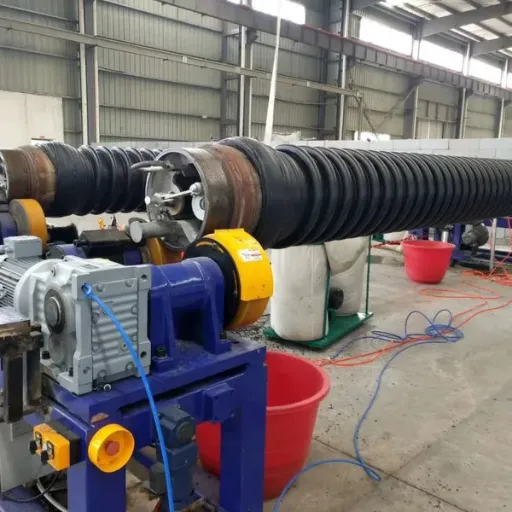 Read More
 -
Spiral Pipe for Sewage and Drainage Networks: Production Notes
August 28, 2026A municipal contractor in Eastern Europe some time ago took delivery of spiral-wound sewer pipe that looked flawless on the line.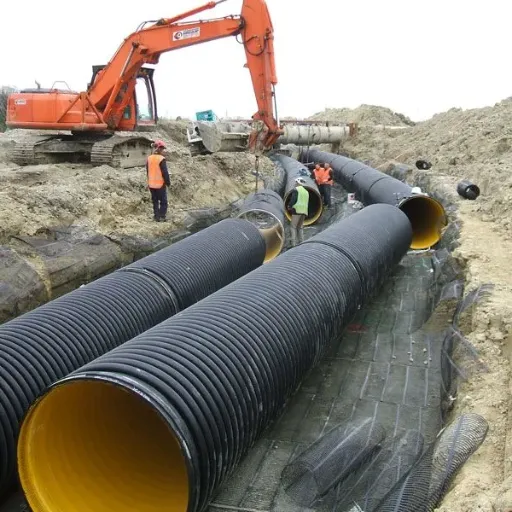 Read More
 -
DN300 to DN5000: Diameter Range and Machine Configuration
August 27, 2026A plant owner in Central Asia once asked for a line "up to DN5000" because a future tender mentioned large storage tanks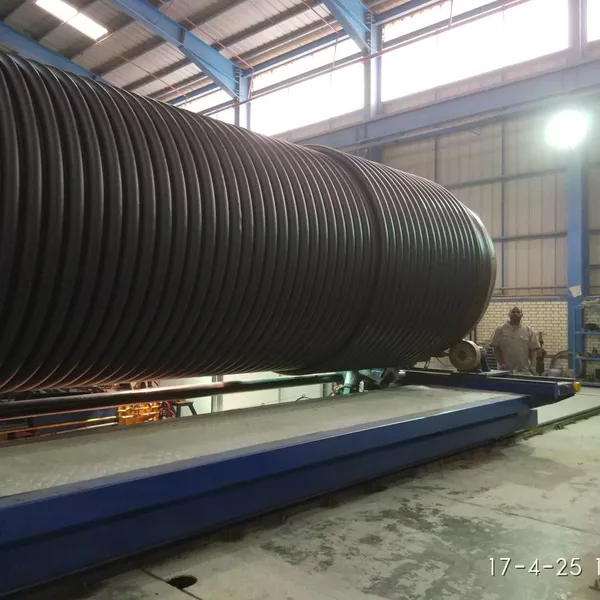 Read More

Contact Us
Recommended Products
-
 CIPP Glass Fibre Liner MachineNegotiableMOQ: 1 Set
 -
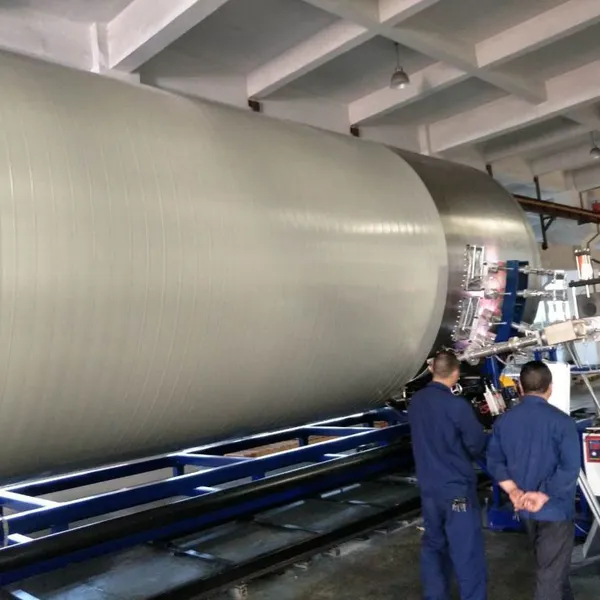
HDPE Helically Wound Tank MachineUS$ 10MOQ: 1 Set
-
CIPP Glass Liner MachineNegotiableMOQ: 1 Set
-
CIPP Felt Liner Manufacturing MachineNegotiableMOQ: 1 Set
-
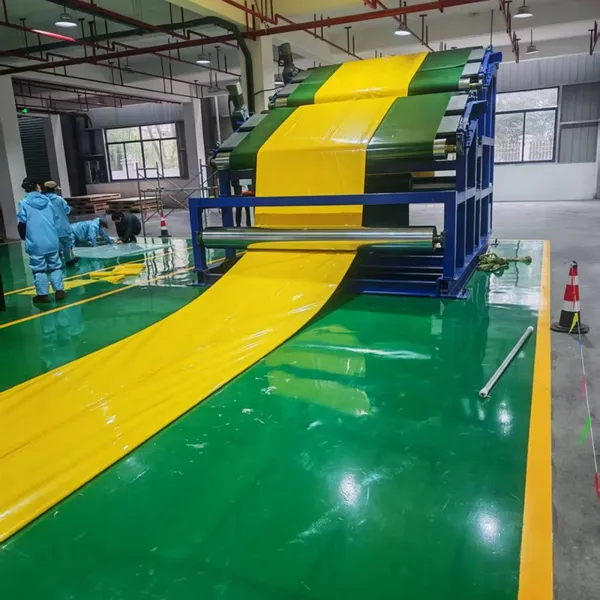
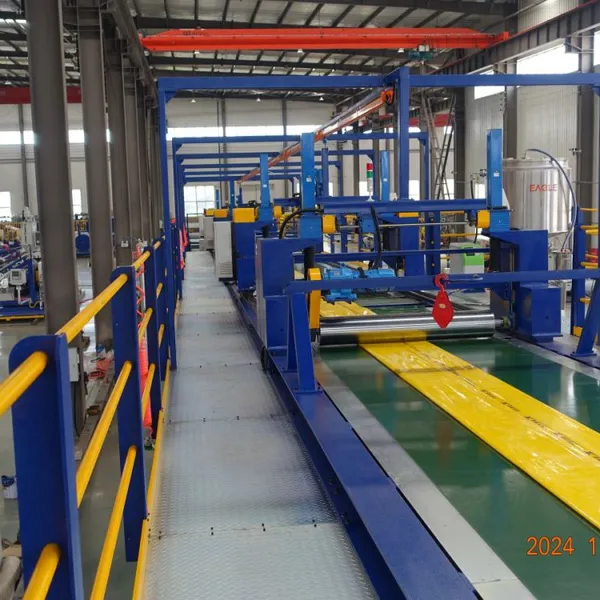
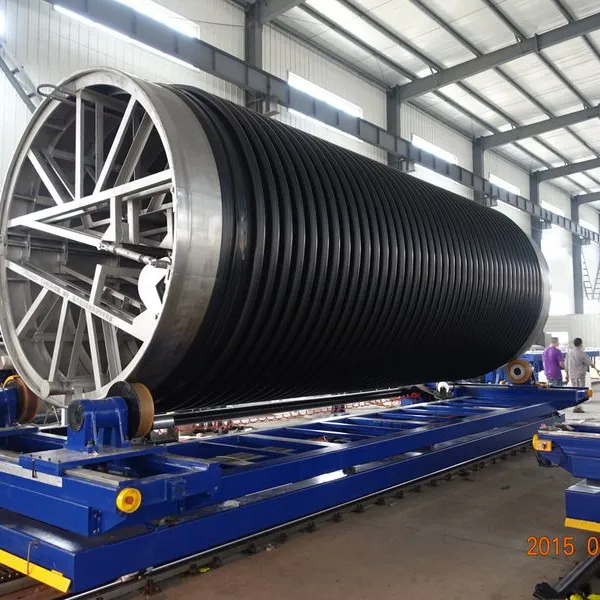
Large Diameter HDPE Sea Intake Outfall Structured Wall Pipe Making MachineNegotiableMOQ: 1 Set
-
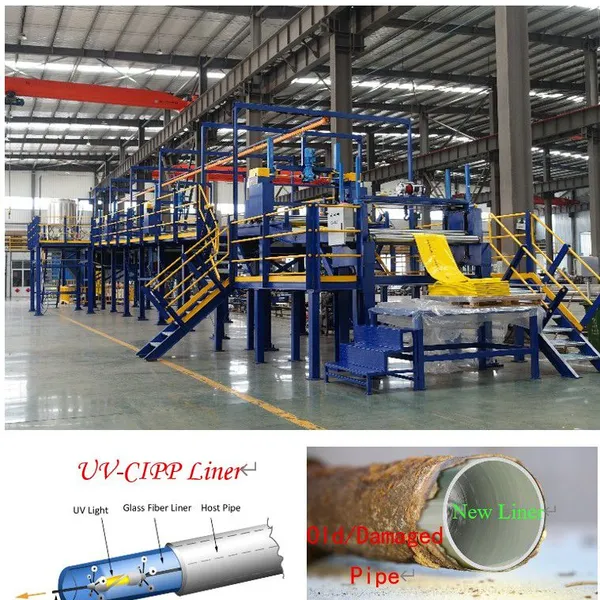
UV-CIPP Glass Fibre Liner Manufacturing MachineUS$ 1000 - 110000MOQ: 10 Meters
-
HDPE Pipe Extrusion Machine / PE Pipe Production Line With High OutputNegotiableMOQ: 1 Set
-
UV-CIPP Glass Fiber Liner Hose Production LineUS$ 1000 - 110000MOQ: 1 Set
-
HDPE Spiral Structure Wall Pipe MachineNegotiableMOQ: 1 Set
-
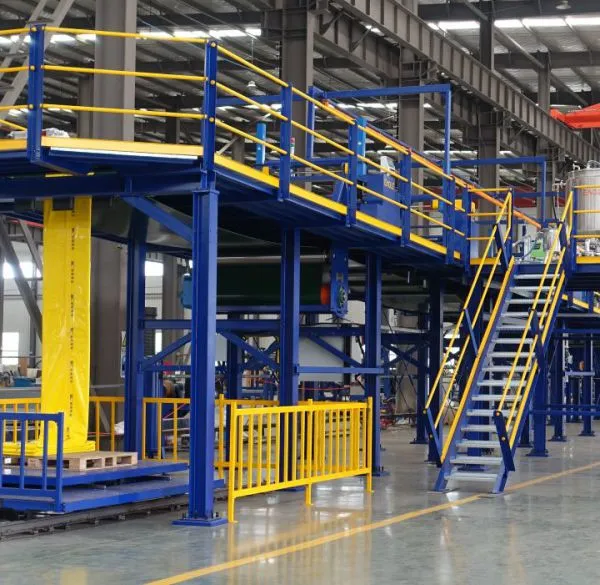
HDPE Spiral Pipe MachineNegotiableMOQ: 1 Set
-
HDPE Spiral Tank MachineNegotiableMOQ: 1 Set
-
Krah Pipe MachineNegotiableMOQ: 1 Set
-
Plastic HDPE PVC PPR Pipe Extrusion Making Machine Extrusion LineNegotiableMOQ: 1 Set
-
PVC Pipe Extrusion Production Line for Electrical Conduit and Water Supply PipesNegotiableMOQ: 1 Set
-
Hot Sell Single Wall Corrugated Pipe Extrusion Line With Competitive PriceNegotiableMOQ: 1 Set
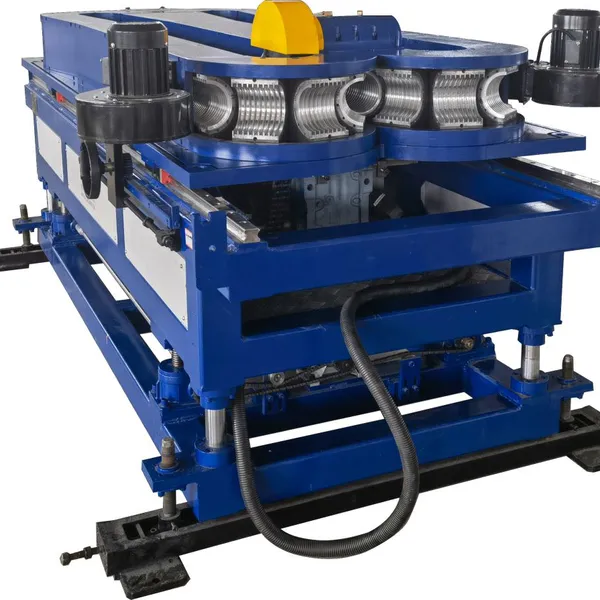
-
HDPE Krah Profild Pipe MachineUS$ 10000MOQ: 1 Set
-
Plastic Tank CNC Holes Boring MachineUS$ 10000MOQ: 1 Set
-
Double Wall Corrugated Pipe Extrusion LineNegotiableMOQ: 1 Set
-
Single Wall Corrugated Pipe Extrusion LineNegotiableMOQ: 1 Set
-
Inversion CIPP Liner Tube Manufacturing MachineNegotiableMOQ: 1 Set