
 Business License
HDPE Spiral Profile Pipe Machine: How It Works and What It Produces
A fabrication shop in West Africa a few years back invested in a plastic pipe line expecting it would cover every product the owner had sketched on a napkin. The plan included small drainage pipes, large storage tanks, and even custom fittings.
When the equipment arrived, the team learned the hard way that a spiral profile machine is built around one core idea, not a general-purpose miracle. Some of those napkin products needed different tooling entirely.
The gap was not a fault of the machine. It was a gap in understanding what the equipment actually does and what it is engineered to make.
This article walks through the HDPE spiral profile pipe machine in practical terms so plant owners and procurement staff can match the equipment to the products they truly intend to sell.
1. What the HDPE Spiral Profile Pipe Machine Is
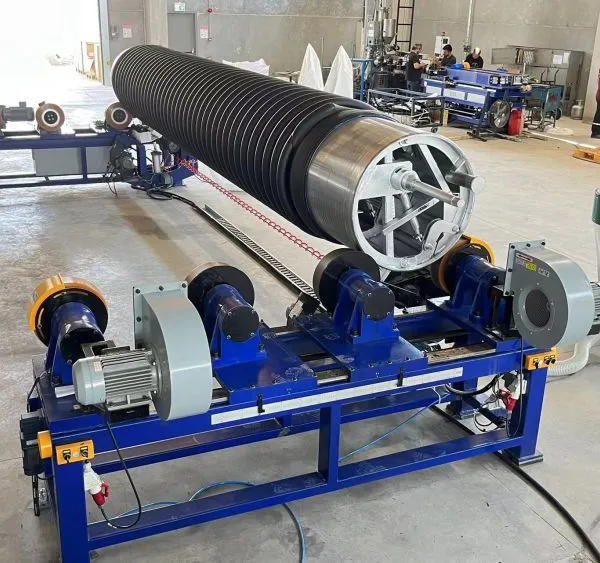
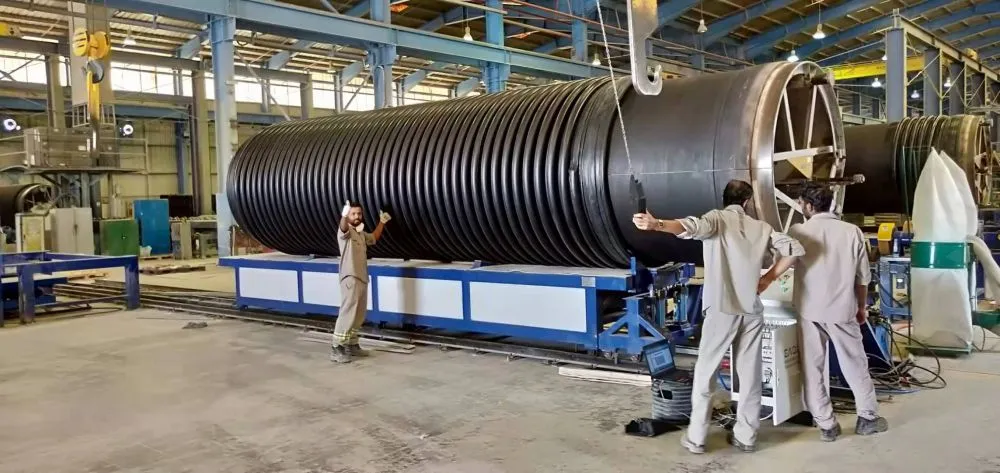
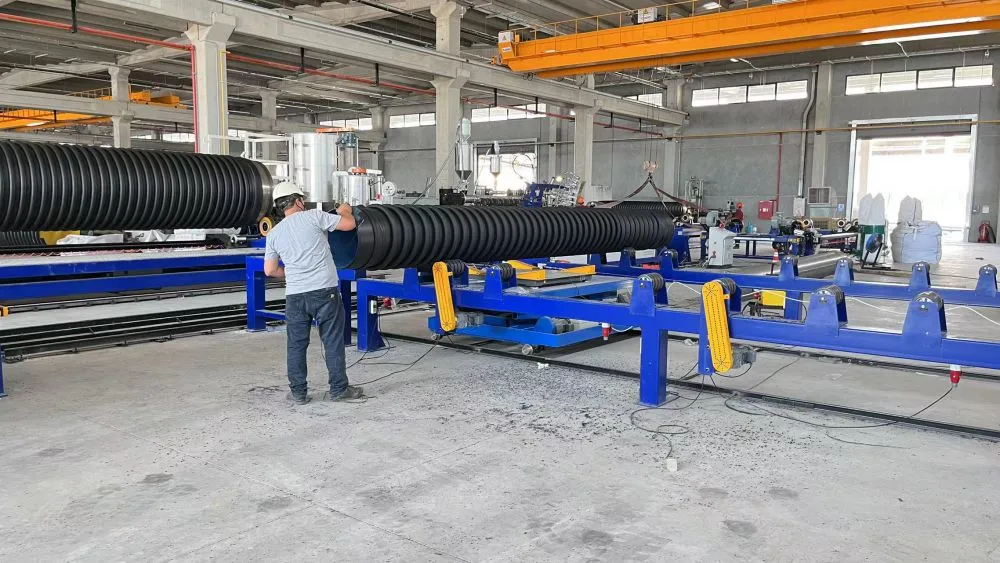
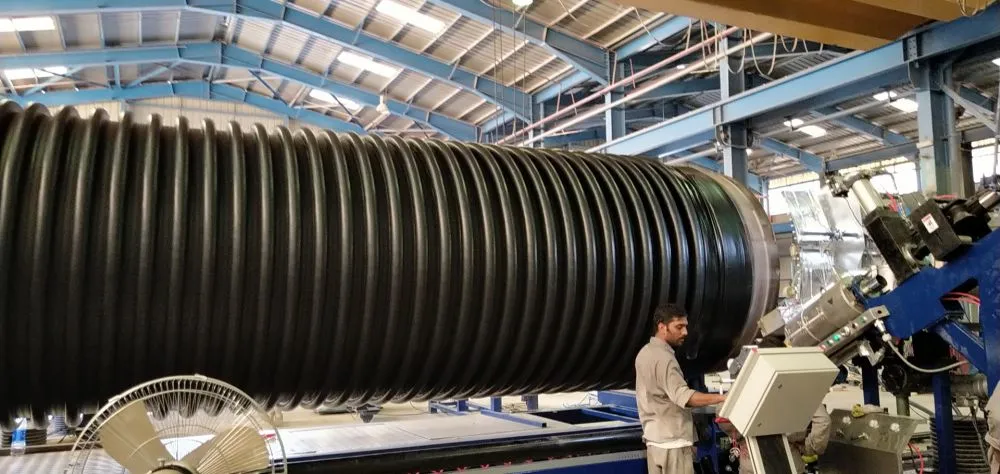
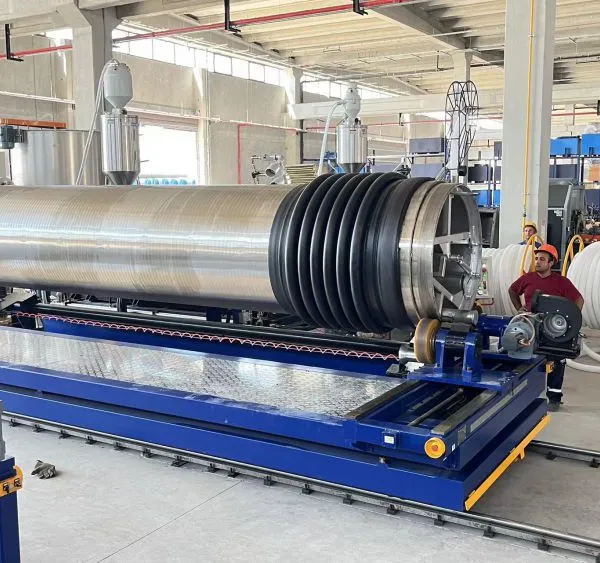
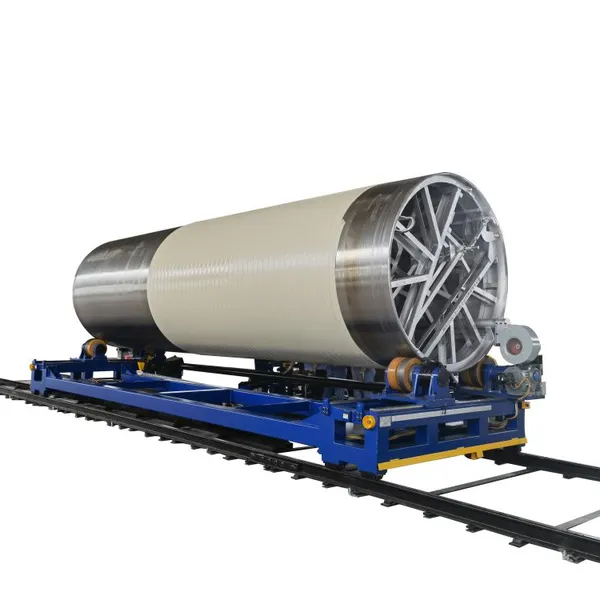
An HDPE spiral profile pipe machine is a production system that forms large-diameter plastic pipe by continuously extruding a shaped HDPE strip and winding it onto a rotating mandrel. The strip locks to the previous winding through heat and pressure, building a structural wall.
The term "profile" refers to the cross-sectional shape of that strip. The shape, not the raw wall thickness, gives the finished pipe its stiffness and load capacity.
Qingdao Yongke Machinery Co Ltd builds these lines for diameters from roughly DN300 to DN5000, which places the equipment in the large-pipe category rather than the small-tube extrusion category.
Because the wall is engineered through geometry, the same resin mass can deliver far more ring stiffness than a plain solid-wall tube of equal weight.
2. The Profile Strip: The Heart of the System
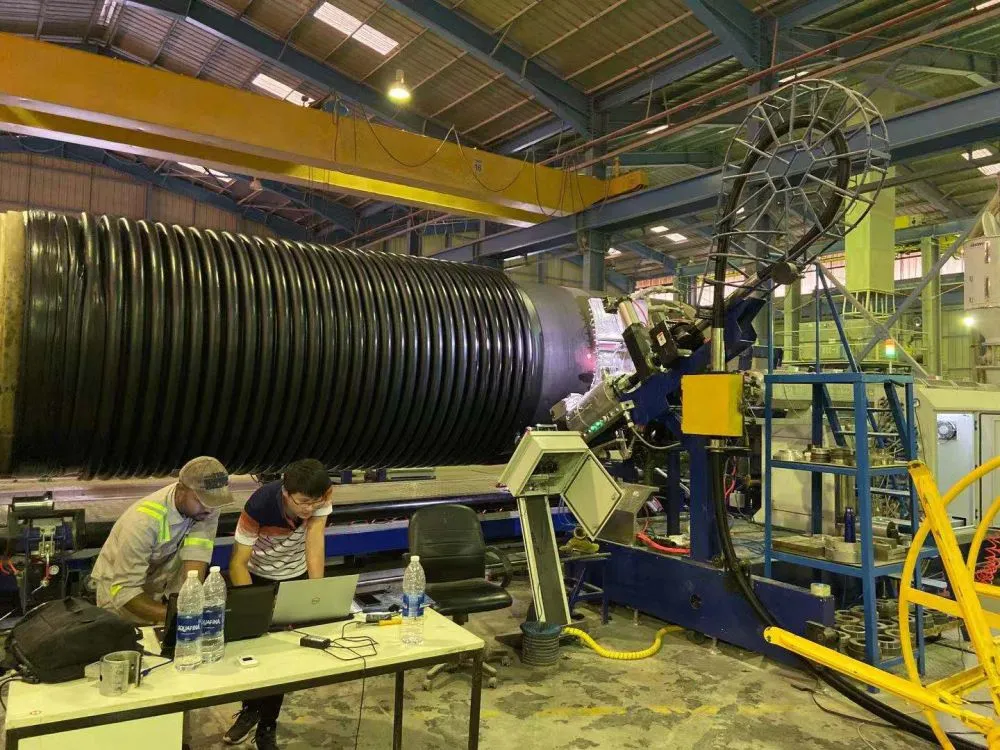
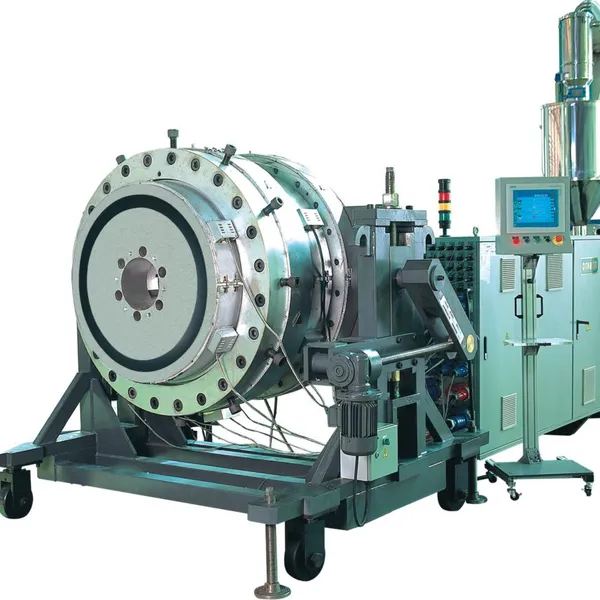
Everything starts with the strip. A single-screw or twin-screw extruder melts HDPE pellet and pushes it through a profile die that shapes the ribbon into a consistent cross-section.
That cross-section might be a hollow rectangular cell, a T-shape, or a curved tongue-and-groove form depending on the stiffness class required. The die is the single most important tooling item on the line.
Yongke Machinery treats the profile die as a precision component rather than a commodity part. Small variations in strip width change how tightly the coils bond during winding.
A stable strip means uniform seams, and uniform seams mean fewer rejects during later pressure or stiffness testing.
3. The Spiral Winding Process Step by Step
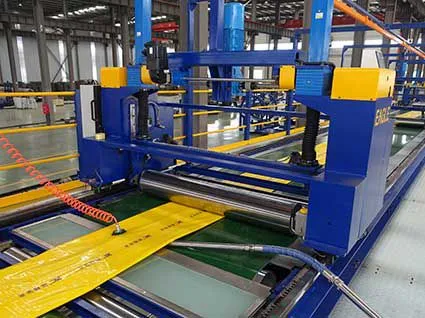
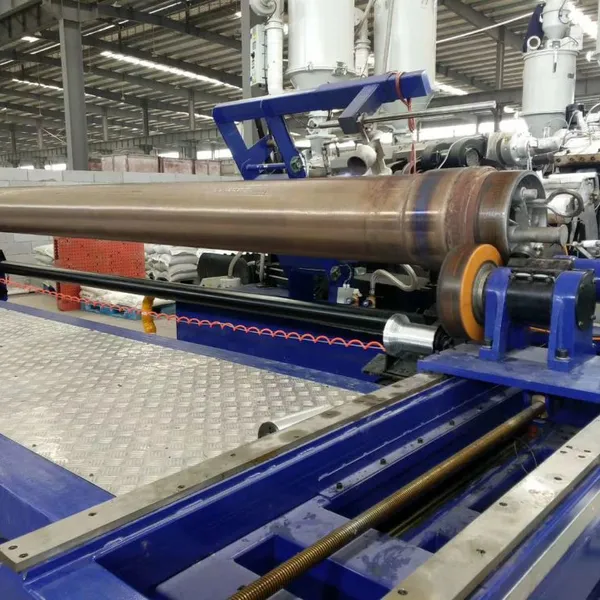
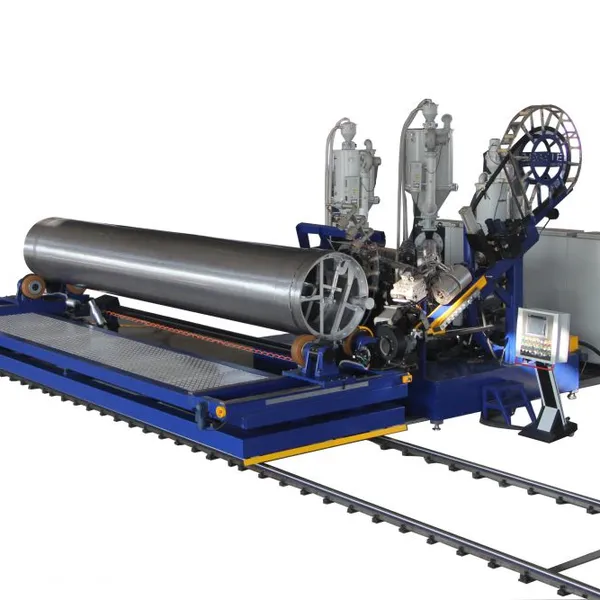
The extruded strip leaves the die warm and shape-true, then travels to the winding head mounted beside the rotating mandrel. The head lays the strip at a fixed helix angle while the mandrel turns.
A heated shoe or pressure roller presses each new coil against the preceding one so the two fuse into a single wall. The mandrel diameter sets the pipe diameter.
Because the mandrel is modular, the same winding head can serve many sizes by swapping or extending mandrel sections. Our team sizes the winding head angle to the strip geometry so the helix closes without gaps.
Operators tune three variables per order: winding speed, strip width, and fusion temperature. Holding those three steady is the difference between a clean run and a scrap-heavy one.
4. Main Components of the Line
A full line is a chain of stations, not just the winding head. The table below maps each main component to the job it performs.
| Component | Job | Key Parameter |
|---|---|---|
| HDPE Extruder | Melts and shapes the profile strip | 75-120 mm screw |
| Profile Die | Forms the strip cross-section | Matched to wall class |
| Winding Head | Lays and fuses strip on mandrel | Servo angle control |
| Mandrel | Sets pipe diameter | Modular DN300-DN5000 |
| Calibration Unit | Holds outer shape while cooling | Water or air cooled |
| Cutting Station | Cuts pipe to length | Planetary saw |
| PLC Cabinet | Coordinates speed and temperature | Touchscreen HMI |
The extruder and die decide strip quality, while the winding head and mandrel decide pipe geometry. Qingdao Yongke Machinery integrates the PLC so these stations stay synchronized across a full shift.
A well-tuned control cabinet keeps fusion temperature inside a narrow band, which is what keeps seam quality consistent from the first meter to the last.
5. What the Machine Produces: Pipe and Tank Bodies
The same winding principle builds both pipe and tank bodies, which is why these lines appeal to diversified plants. The table below links diameter bands to typical outputs.
| Diameter Band | Typical Product | Wall Form |
|---|---|---|
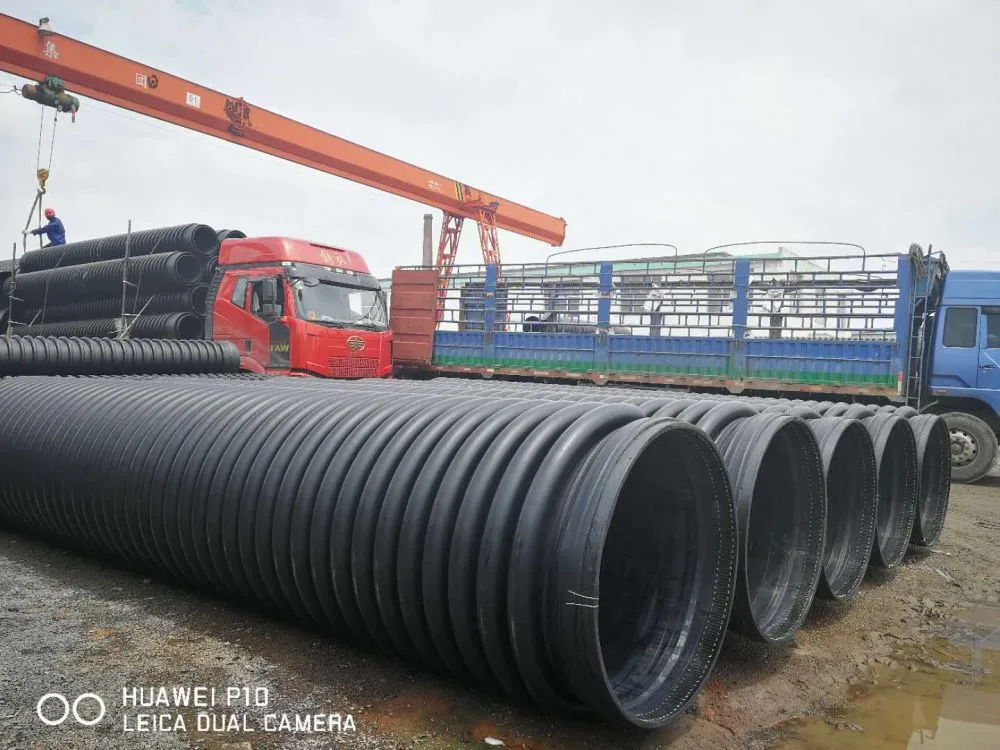
| DN300-DN800 | Drainage culverts, small sewers | Single wall |
| DN900-DN2000 | Municipal sewer trunks | Single or double wall |
| DN2200-DN3500 | Retention tanks, outfalls | Double wall |
| DN4000-DN5000 | Large storage tanks, conveyance | Reinforced double wall |
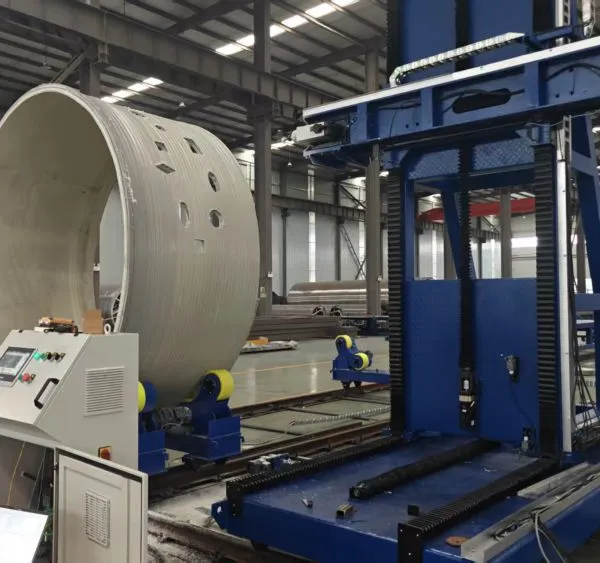
The producer can shift from pipe to tank simply by changing the mandrel length and the cut pattern. Yongke Machinery supplies the changeover procedure so the transition stays repeatable.
That flexibility lets one factory serve water utilities, contractors, and industrial clients without buying a second production technology.
6. Why HDPE Is the Default Material
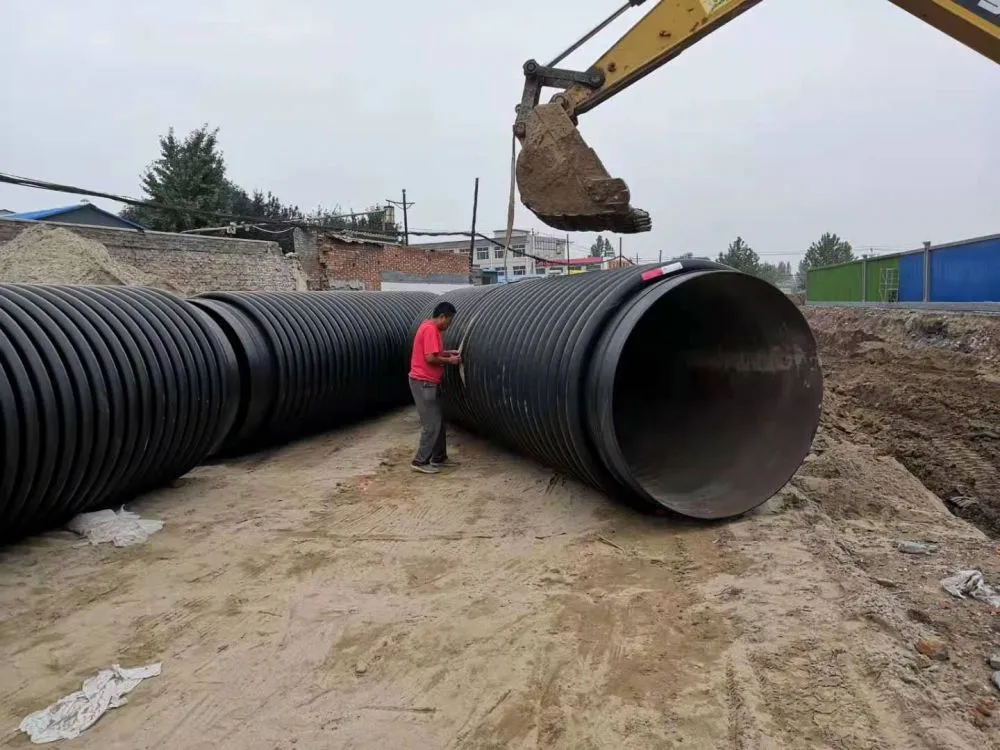
HDPE dominates spiral profile work because it resists the chemicals found in sewage and stormwater and welds reliably under field conditions. Its flexibility also survives ground movement that would crack rigid pipe.
PP appears where higher service temperature or lighter wall at equal stiffness is needed. The machine itself runs both materials after the operator adjusts extruder temperature and screw speed.
We recommend a virgin outer skin even when recycled content is used in the core, because the visible layer faces weathering and abrasion over the pipe's service life. Qingdao Yongke Machinery documents the accepted resin grade for each line configuration.
Buyers should confirm the grade their local standard expects before ordering tooling, since switching grades later changes extruder settings.
7. Diameter and Wall Options
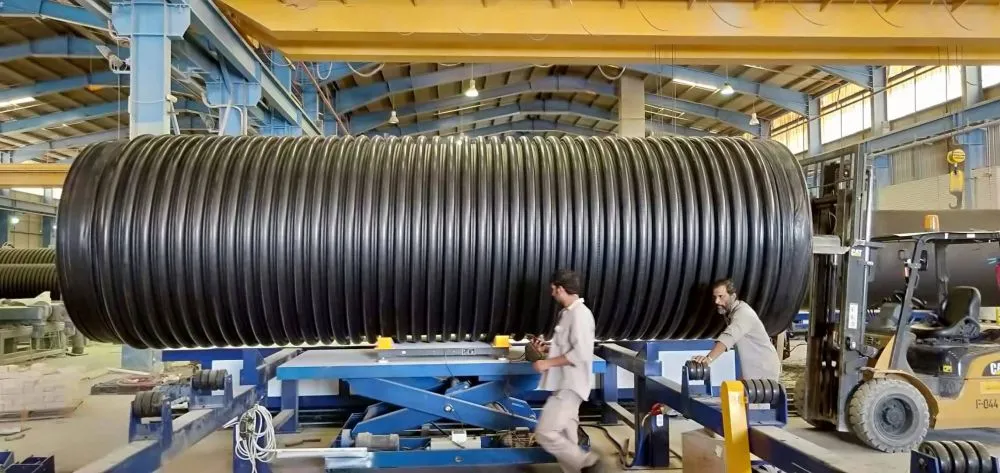
Diameter is the headline number, but wall form decides performance. Single-wall profiles suit lighter-duty drainage, while double-wall profiles trap an air channel that raises stiffness without much extra material.
Above roughly DN2000, most plants standardise on double-wall construction for buried service. Our team advises confirming the ring-stiffness class the local standard requires before cutting tooling.
The mandrel and winding head together define how wide that diameter band can be. Yongke Machinery configures the modular mandrel so a customer's target band stays reachable without a second purchase.
This is also where capacity planning begins, because larger diameters consume more resin and winding time per meter.
8. Output Speed and Capacity
Capacity is usually quoted as meters per day at a stated diameter. A line running DN600 pipe can deliver several hundred meters per shift, while the same line making DN3000 sections produces far less.
Line speed typically falls between about 0.5 and 3 meters per minute, set by diameter and wall type. Faster is not automatically better because the fusion zone needs dwell time to bond.
Qingdao Yongke Machinery quotes a capacity curve across diameters rather than a single idealized number. Buyers should ask for that curve so the capital case rests on realistic output.
A realistic curve also helps a purchaser explain expected throughput to its own financiers and avoids later disagreement over performance.
9. How It Differs from Solid-Wall Extrusion
A solid-wall extruder forces melt through a fixed die to make a tube of limited diameter. A spiral profile machine instead builds the wall from a wound strip, so diameter is set by the mandrel rather than the die.
That distinction is the reason one winding line can reach DN5000 while a straight extruder struggles beyond roughly DN1200 without enormous tooling. The trade-off is slower output per meter at large sizes.
The company positions its winding lines where diameter range and wall engineering matter more than raw linear speed. Yongke Machinery pairs the winding head with a profile die tuned to the customer's product list.
Buyers choosing between the two should start from the largest diameter they must make, then work backward to the right technology.
10. Two Field Lessons on Equipment Setup
A contractor in South America some time ago took delivery of a spiral line sized for DN300 to DN2000. When a regional client later requested DN3200 storage tanks, the existing mandrel set could not reach that size without a costly extension ordered months after the fact.
The delay shifted the tank job into the next construction season and raised the effective cost of the line. The producer finished the work, but only after buying capability it could have specified at the start.
In a separate instance, a plant in Southeast Asia ran a DN1000 spiral line for drainage and found that training the winding crew properly cut start-up scrap from roughly double digits to a low single-digit percentage within two months.
The pattern was the same in both cases. Matching the machine to the real diameter band and investing in operator skill outperformed any single headline specification on the brochure.
11. Installation and Site Requirements
Site planning starts with the maximum diameter, because the mandrel and finished pipe grow with size. The table below lists items our team asks buyers to confirm before delivery.
| Item | Why It Matters |
|---|---|
| Bay length | Longer mandrel needs more linear space |
| Power supply | Larger screw draws more current |
| Resin storage | Steady feed avoids extruder surging |
| Cooling water | Calibration depends on stable cooling |
| Overhead lift | Mandrel sections are heavy |
Qingdao Yongke Machinery provides a plant-layout drawing during quotation so the buyer can check the footprint against the available hall. Confirming these items early prevents the most common commissioning delays.
A clean, level floor and a stable power feed do more for first-run quality than any optional accessory.
Qingdao Yongke Machinery also offers commissioning support so the first production run is observed by a technician who knows the line. That early guidance shortens the learning curve for the winding crew and protects the initial output from teething errors.
12. Frequently Asked Questions
12.1 What exactly does "spiral profile" mean?
The phrase describes a pipe wall built by winding a shaped HDPE strip in a helix and fusing each coil to the last. "Profile" is the cross-sectional shape of that strip, which carries the structural load instead of raw thickness. This approach lets a relatively light wall achieve high ring stiffness. Qingdao Yongke Machinery selects the profile shape to match the stiffness class a project requires.
The shape is fixed by the die, so the die becomes the most important tooling decision on the line.
12.2 Can one machine make both pipe and tanks?
Yes, the same winding principle builds both, since both are essentially wound HDPE bodies of different length and cut pattern. The producer switches products by changing the mandrel length and the cutting setup rather than buying a new technology. Yongke Machinery supplies the changeover steps so the shift stays repeatable. Most diversified plants value this because it lets one line serve utilities, contractors, and industrial tank buyers.
Keep in mind that very large tanks still need the upper end of the mandrel range.
12.3 Which is better, HDPE or PP for the strip?
HDPE is the safer default for drainage and sewage because it resists typical municipal chemicals and welds dependably in the field. PP becomes worth considering when service temperature is higher or when a stiffer wall at lower weight is required. Both run on the same line after adjusting extruder temperature and screw speed. Confirm the grade your local standard expects before ordering tooling, since a late switch changes extruder settings.
We keep the outer skin virgin even when recycled content is used in the core.
12.4 How much space and power does the line need?
Space scales with the maximum diameter because the mandrel and finished pipe grow with size, so a DN5000 line needs far more length than a DN800 setup. Power centers on the extruder screw diameter and the number of heating zones, with larger screws drawing noticeably more current. Qingdao Yongke Machinery issues a plant-layout drawing during quotation so the buyer can verify the footprint and power feed before committing. A standard factory bay of several hundred square meters usually covers a mid-range line including material staging.
Recently Posted
-
Qingdao Yongke Machinery: Full-Category Spiral Pipe Equipment from China's Qingdao
September 1, 2026Choosing a machinery supplier for large-diameter plastic pipe production is a long-term decision, because the line you install wil Read More
 -
Quality Control in Spiral Pipe Machine Manufacturing
August 31, 2026A buyer in South America some time ago received a winding line that looked complete on the surface but suffered repeated seam defe Read More
 -
Spiral Pipe for Sewage and Drainage Networks: Production Notes
August 28, 2026A municipal contractor in Eastern Europe some time ago took delivery of spiral-wound sewer pipe that looked flawless on the line.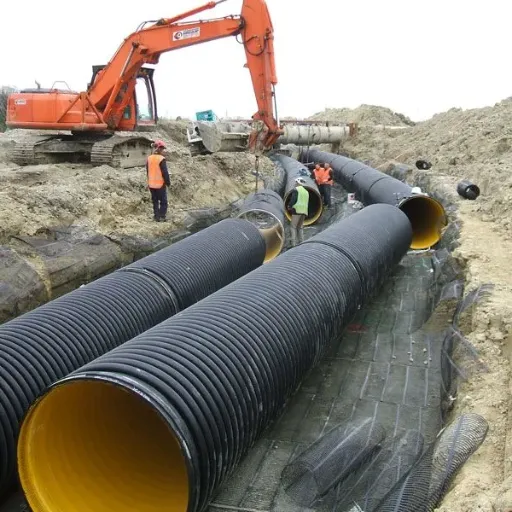 Read More
 -
DN300 to DN5000: Diameter Range and Machine Configuration
August 27, 2026A plant owner in Central Asia once asked for a line "up to DN5000" because a future tender mentioned large storage tanks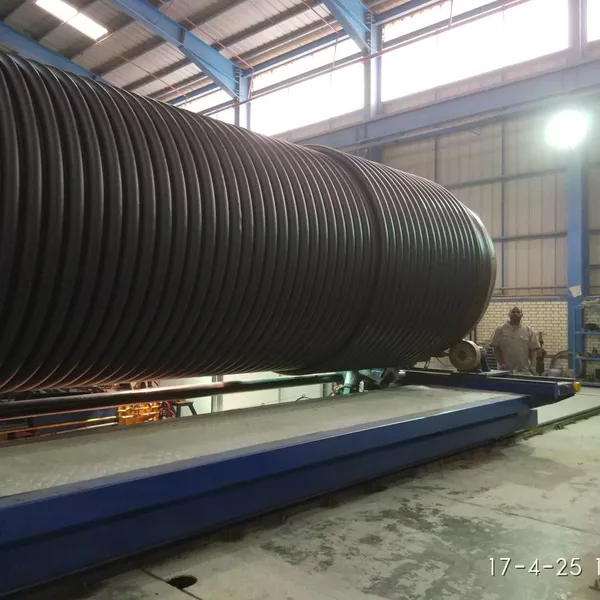 Read More

Contact Us
Recommended Products
-
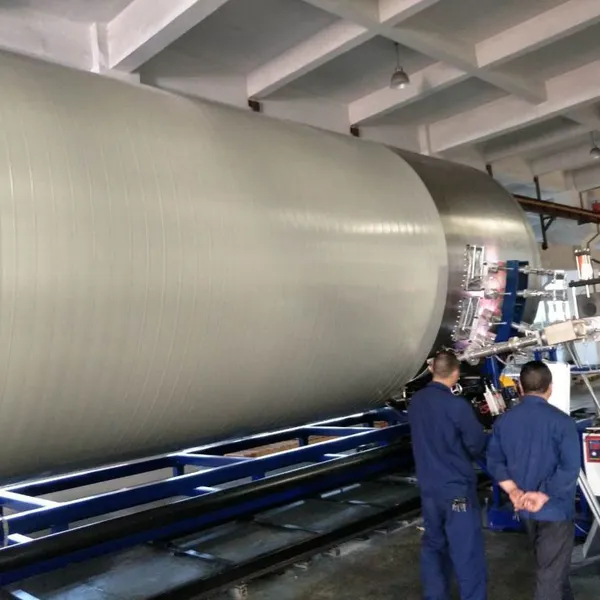
 CIPP Glass Fibre Liner MachineNegotiableMOQ: 1 Set
 -
HDPE Helically Wound Tank MachineUS$ 10MOQ: 1 Set
-
CIPP Glass Liner MachineNegotiableMOQ: 1 Set
-
CIPP Felt Liner Manufacturing MachineNegotiableMOQ: 1 Set
-
Large Diameter HDPE Sea Intake Outfall Structured Wall Pipe Making MachineNegotiableMOQ: 1 Set
-
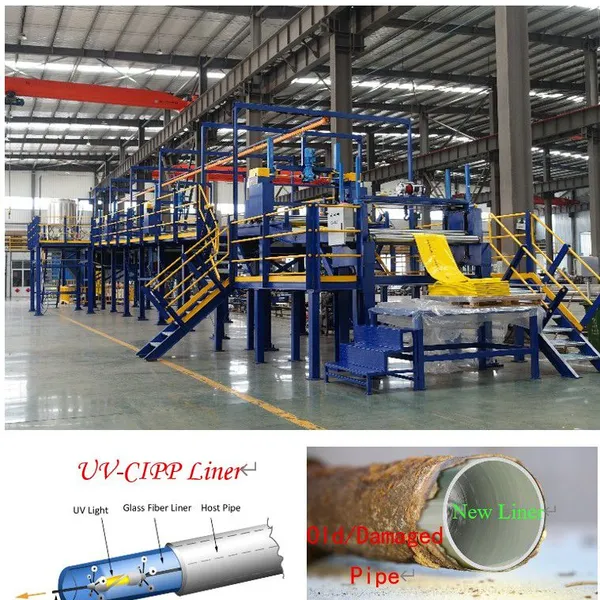
UV-CIPP Glass Fibre Liner Manufacturing MachineUS$ 1000 - 110000MOQ: 10 Meters
-
HDPE Pipe Extrusion Machine / PE Pipe Production Line With High OutputNegotiableMOQ: 1 Set
-
UV-CIPP Glass Fiber Liner Hose Production LineUS$ 1000 - 110000MOQ: 1 Set
-
HDPE Spiral Structure Wall Pipe MachineNegotiableMOQ: 1 Set
-
HDPE Spiral Pipe MachineNegotiableMOQ: 1 Set
-
HDPE Spiral Tank MachineNegotiableMOQ: 1 Set
-
Krah Pipe MachineNegotiableMOQ: 1 Set
-
Plastic HDPE PVC PPR Pipe Extrusion Making Machine Extrusion LineNegotiableMOQ: 1 Set
-
PVC Pipe Extrusion Production Line for Electrical Conduit and Water Supply PipesNegotiableMOQ: 1 Set
-
Hot Sell Single Wall Corrugated Pipe Extrusion Line With Competitive PriceNegotiableMOQ: 1 Set
-
HDPE Krah Profild Pipe MachineUS$ 10000MOQ: 1 Set
-
Plastic Tank CNC Holes Boring MachineUS$ 10000MOQ: 1 Set
-
Double Wall Corrugated Pipe Extrusion LineNegotiableMOQ: 1 Set
-
Single Wall Corrugated Pipe Extrusion LineNegotiableMOQ: 1 Set
-
Inversion CIPP Liner Tube Manufacturing MachineNegotiableMOQ: 1 Set