
 Business License
HDPE vs PVC Pipe: A Technical Comparison for Infrastructure Projects
When comparing HDPE vs PVC pipe for infrastructure projects, HDPE generally outperforms PVC in flexibility, impact resistance, and leak-free jointing. PVC remains competitive for low-pressure, smaller-diameter applications where stiffness and low initial cost matter most.
Picture a municipal contractor in Southeast Asia reviewing bids for a new sewer main. The pipes must withstand seasonal ground movement, resist aggressive effluent, and last at least 50 years underground. Two plastic pipe options sit on the desk: high-density polyethylene (HDPE) pipe and polyvinyl chloride (PVC) pipe. Both are common. Both have clear use cases. But the performance gap between them becomes clear once you compare the technical details.
At Qingdao Yongke Machinery, we have manufactured HDPE and PP pipe extrusion equipment since 2010. Our ISO 9001 certified facility in Jiaozhou, Qingdao, supplies production lines to pipe manufacturers in more than 30 countries. We do not sell the pipes ourselves, but we understand how material properties translate into real-world performance. This HDPE vs PVC pipe guide compares the specifications that matter most to engineers, contractors, and procurement managers.
Key Takeaways
HDPE offers superior flexibility and fatigue resistance, making it ideal for dynamic soils and trenchless installation.
PVC provides higher stiffness at smaller diameters and lower initial material cost for gravity-flow systems.
HDPE joints are heat-fused into monolithic systems; PVC relies on gasket or solvent joints with more potential leak points.
HDPE handles a wider temperature range and better resists slow-crack growth under stress.
HDPE supports higher recycled content and is fully fusion-weldable for reuse.
HDPE vs PVC Pipe: Material Basics
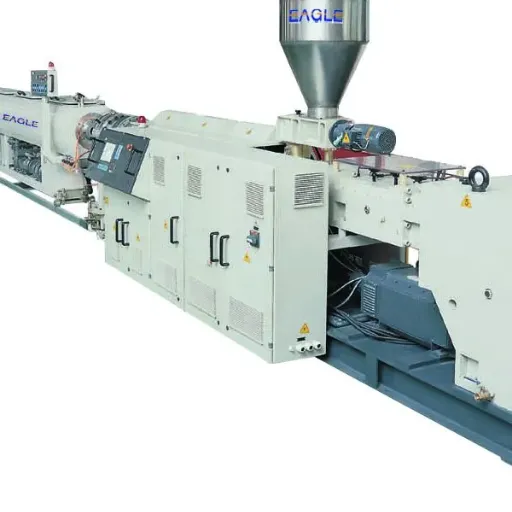
Understanding the base materials is the first step in any plastic pipe selection process.
What Is HDPE Pipe?
High-density polyethylene pipe is a thermoplastic piping material produced by extruding HDPE resin into hollow tubes or structural-wall profiles. Manufacturers commonly produce HDPE pipes in solid-wall form for pressure and gas distribution, or as spiral profile pipes for large-diameter gravity sewer and drainage applications.
HDPE is classified by density and melt-flow index. Pipe-grade HDPE resins such as PE80 and PE100 offer high tensile strength, excellent chemical resistance, and slow-crack growth resistance. PE100 allows thinner walls for the same pressure rating, reducing material usage and weight.
Common HDPE pipe applications include:
Municipal water distribution networks
Sewer and drainage systems
Stormwater management
Gas distribution pipelines
Industrial chemical process piping
Trenchless rehabilitation liners
Mining slurry transport
For large-diameter infrastructure, HDPE spiral profile pipe machines produce structural-wall pipes from DN300mm to DN5000mm. These pipes combine the chemical inertness of HDPE with engineered ring stiffness for buried sewer and stormwater applications.
What Is PVC Pipe?
Polyvinyl chloride pipe is a rigid thermoplastic piping material produced by extruding PVC compound, which includes polymer resin, stabilizers, lubricants, and impact modifiers. PVC pipe dominates the market for residential plumbing, irrigation, and smaller-diameter sanitary sewer systems because it is lightweight, easy to cut, and inexpensive.
PVC pipe comes in several formulations. Unplasticized PVC (uPVC or PVC-U) is the most common for pressure and non-pressure pipes. Chlorinated PVC (CPVC) offers higher temperature resistance and is used in hot-water plumbing. Standard PVC pipes are rigid and require careful handling to avoid impact damage.
Common PVC pipe applications include:
Residential and commercial drainage
Irrigation systems
Electrical conduit
Low-pressure water mains
Swimming pool plumbing
Vent and waste systems
Small-diameter sanitary sewers
HDPE vs PVC Pipe Properties Compared
The physical differences between these materials drive most project-level decisions. The table below summarizes the key property contrasts.
| Property | HDPE Pipe | PVC Pipe |
|---|---|---|
| Density | 0.93-0.97 g/cm3 | 1.35-1.45 g/cm3 |
| Flexibility | Highly flexible | Rigid |
| Impact resistance | Excellent | Moderate to brittle in cold |
| Tensile strength | 25-35 MPa | 45-65 MPa |
| Temperature range | -40C to 80C | 0C to 60C (uPVC) |
| Chemical resistance | Excellent | Good to excellent |
| UV resistance | Good with carbon black | Requires UV stabilizer |
| Recycled content | Up to 100% in non-pressure | Limited |
Technical Note: Tensile strength values vary by resin grade and pipe standard. Always verify material properties against the specific pipe standard your project requires, such as EN 12201, ISO 4427, ASTM D3034, or ASTM F714.
HDPE Pipe Advantages: Flexibility and Fatigue Resistance
HDPE's molecular structure gives it much higher flexibility than PVC. This matters in three practical ways.
First, flexible pipe can accommodate ground settlement and seismic movement without cracking. In earthquake-prone regions or areas with expansive clay soils, HDPE's ductility reduces the risk of joint separation and pipe fracture.
Second, flexibility enables trenchless installation methods such as horizontal directional drilling (HDD), pipe bursting, and slip-lining. PVC pipe is rarely used for HDD because it cannot bend around installation radii without breaking.
Third, HDPE resists fatigue from cyclic loading. Water hammer, traffic loads, and pressure fluctuations stress the pipe wall repeatedly. HDPE absorbs these cycles far better than rigid PVC, which can develop brittle fractures over time.
PVC Pipe Advantages: Stiffness and Dimensional Stability
PVC's rigidity is an advantage when the pipe must support itself across short spans or maintain shape during backfill. In small diameters, PVC pipe often requires fewer support structures and can be easier to align in straight runs.
However, rigidity becomes a liability in uneven trench bottoms or where external loads concentrate. HDPE pipes with adequate ring stiffness ratings, such as SN8 or SN16 spiral profile designs, distribute soil and traffic loads effectively while retaining flexibility.
HDPE vs PVC Pipe Jointing: Fusion vs Mechanical Joints
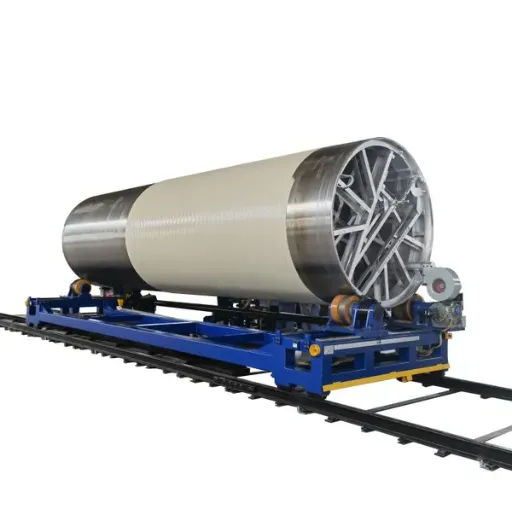
Joint integrity is one of the most consequential differences between HDPE and PVC pipe systems.
HDPE Heat-Fusion Jointing
HDPE pipe is joined by butt fusion, electrofusion, or socket fusion. These methods heat the pipe ends until the material becomes molten, then press them together to form a single homogeneous joint. When properly executed, the joint is as strong as the pipe itself and completely leak-free.
For large-diameter spiral profile pipes, extrusion welding joins profile strips during manufacturing, and field joints often use extrusion welding or electrofusion couplings. The result is a continuous pipeline with no gasket recesses, no bell-and-spigot offsets, and virtually zero leakage.
PVC Mechanical and Solvent Joints
PVC pipes are joined using solvent cement, gasketed bell-and-spigot joints, or threaded fittings. Solvent welding creates a chemical bond but introduces a brittle heat-affected zone. Gasketed joints allow expansion and contraction but depend on rubber seals that degrade over decades.
Every joint is a potential leak point. In gravity sewer systems, infiltration and exfiltration through PVC joints can reach significant levels if installation quality is inconsistent.
Real-World Joint Performance
A water utility in the Middle East tracked leakage rates across two parallel distribution networks: one built with fused HDPE and one with gasketed PVC. After ten years, the HDPE network reported infiltration rates below 3%, while the PVC network showed rates above 12% at several test sections. The difference was not in the pipe material alone but in the number of sealed interfaces along each line.
Want to produce leak-free high-density polyethylene pipe systems for your projects? Explore our HDPE spiral profile pipe production lines to see diameter and specification options.
HDPE vs PVC Pipe: Temperature and Chemical Resistance
Both HDPE and PVC resist a wide range of chemicals, but their temperature limits differ significantly.
Operating Temperature Range
HDPE pipe maintains mechanical properties from approximately -40C to 80C, depending on pressure rating and exposure duration. This makes it suitable for cold climates, exposed above-ground installations, and industrial processes with moderate temperatures.
Standard uPVC pipe is generally rated for 0C to 60C. Below freezing, PVC becomes increasingly brittle. Above 60C, PVC's pressure rating drops sharply, and long-term creep accelerates.
Chemical Resistance
HDPE resists most acids, bases, salts, and organic solvents at ambient temperatures. It performs well in sewer environments with hydrogen sulfide and aggressive effluent. PE100 resins are specifically formulated to resist slow-crack growth from surfactants and disinfectants such as chlorine.
PVC also resists many chemicals but can be attacked by ketones, aromatics, and some chlorinated hydrocarbons. In concentrated sulfuric acid or certain solvent-laden industrial wastes, PVC may degrade faster than HDPE.
HDPE vs PVC Pipe Installation and Cost
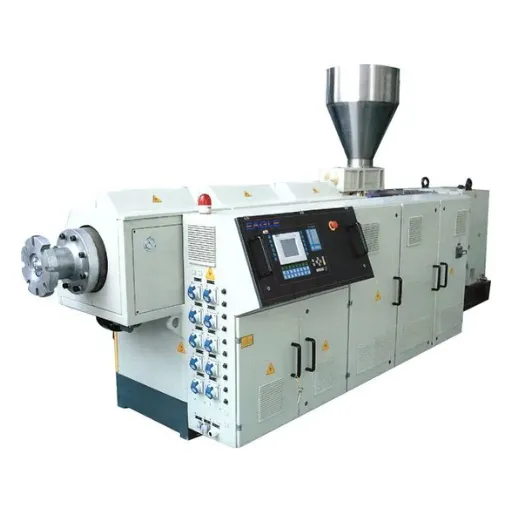
Installation practices differ substantially between the two materials, and lifecycle cost often reverses the initial price advantage.
Installation Methods
HDPE pipe is supplied in coils for small diameters and straight lengths for large diameters. Coil delivery reduces the number of joints in long runs, cutting installation time and labor. Fusion jointing requires trained operators and portable fusion machines, but the resulting joint quality is high.
For trenchless applications, HDPE is the default choice. Directional drilling crews pull HDPE pipe through pilot holes with minimal risk of breakage. Sliplining existing pipes with HDPE is also common in trenchless rehabilitation projects.
PVC pipe is supplied in rigid straight lengths. Installation is fast in open-trench conditions because pipes are lightweight and easy to cut. Solvent cementing is straightforward for small diameters, and gasketed joints require less specialized equipment than fusion machines.
However, PVC cannot be directionally drilled in most cases. It must be installed in open trenches or through jacking sleeves. Its rigidity also demands more careful bedding and backfill to prevent point loads from causing cracks.
Lifecycle Cost Comparison
PVC pipe typically has a lower per-meter material cost for small-diameter applications. Installation labor is also lower in simple open-trench jobs because PVC requires less specialized jointing equipment.
HDPE pipe may cost more per meter for small diameters, but the gap narrows as diameter increases. For DN800mm and above, HDPE spiral profile pipes often become cost-competitive with PVC because the structural-wall design uses material efficiently.
Lifecycle cost tells a more accurate story than initial price. HDPE's lower leakage rates reduce non-revenue water losses in distribution systems. Its longer service life in aggressive soils reduces replacement frequency. Its flexibility lowers maintenance from ground movement and traffic loading.
PVC systems may require more frequent joint repairs, especially in poor soils or where installation quality was inconsistent. In cold climates, brittle fracture can cause sudden failures that are expensive to locate and repair.
A municipal engineering firm in Eastern Europe compared 30-year lifecycle costs for a DN600mm sewer project. The HDPE option carried a 15% higher initial cost but projected 28% lower maintenance and leakage-related expenses over the design life.
HDPE vs PVC Pipe: Environmental Impact
Sustainability has become a significant factor in public infrastructure procurement.
Recyclability
Both HDPE and PVC are technically recyclable. HDPE is one of the most widely recycled plastics, with well-established collection and reprocessing streams. HDPE pipe scrap from manufacturing can be reground and reused in non-pressure applications or co-extruded layers.
PVC recycling is more complex due to additive mixtures and chlorine content. While recycling infrastructure exists, it is less developed than HDPE recycling in many regions.
Recycled Content in New Pipe
Modern HDPE pipe formulations can incorporate recycled content, particularly in non-pressure drainage and sewer applications. Some manufacturers use up to 80% recycled material in outer layers while maintaining structural integrity in inner layers with virgin PE100.
PVC pipe generally uses lower recycled content because rigid pipe standards impose stricter quality requirements on reprocessed material.
Production Energy and Carbon Footprint
HDPE has a lower embodied energy per kilogram than PVC because its production does not require chlorine electrolysis. However, PVC's higher density means more material per meter, which can offset this advantage in small diameters.
For large-diameter pipes, HDPE spiral profile construction minimizes material usage through hollow structural walls, reducing both material cost and environmental impact.
HDPE vs PVC Pipe Selection Guide
Use the scenarios below to guide your plastic pipe selection.
Choose HDPE Pipe When You Need:
Large-diameter gravity sewers and stormwater systems (DN300mm to DN5000mm)
Trenchless installation by HDD, pipe bursting, or slip-lining
Resistance to aggressive soils or chemicals
Performance in cold climates below freezing
Leak-critical systems with heat-fused joints
Higher recycled content in the pipe formulation
Choose PVC Pipe When You Need:
Small-diameter residential and commercial drainage
Irrigation systems with low pressure and short runs
Electrical conduit with rigidity and flame-retardant options
Open-trench installations with stable soils
Budget-sensitive gravity systems where lifecycle cost is less critical
HDPE vs PVC Pipe Selection Checklist
What is the required pipe diameter range?
Will the pipe be installed by open trench or trenchless method?
What are the maximum and minimum operating temperatures?
What chemicals or effluent will the pipe convey?
What ring stiffness or pressure rating is required?
Is leakage control a high priority for the client or regulator?
Will the pipe be exposed to ground movement, traffic loads, or seismic risk?
Does the project specification require recycled content or sustainability certification?
What jointing equipment and trained labor are available locally?
What is the total lifecycle budget, not just the initial material cost?
HDPE vs PVC Pipe: Frequently Asked Questions
Is HDPE pipe better than PVC pipe?
HDPE pipe is better than PVC pipe for applications requiring flexibility, impact resistance, leak-free joints, and performance in cold or aggressive environments. PVC pipe is better for small-diameter, low-pressure, open-trench installations where low initial cost and rigidity are priorities.
Which is cheaper, HDPE or PVC pipe?
PVC pipe usually has a lower initial material cost for small diameters. HDPE pipe can be more cost-competitive at larger diameters and often delivers lower lifecycle cost due to reduced leakage, joint failures, and maintenance.
Can HDPE and PVC pipe be connected?
HDPE and PVC pipe should not be directly heat-fused because their melting points and chemistries differ. Mechanical transition fittings or flanged adapters are used when connecting the two materials.
What is the temperature limit for HDPE vs PVC pipe?
HDPE pipe generally operates from -40C to 80C. Standard uPVC pipe is rated from 0C to 60C, becoming brittle below freezing and weakening above 60C.
Which pipe is better for trenchless installation?
HDPE pipe is the standard choice for trenchless methods such as horizontal directional drilling, pipe bursting, and slip-lining because of its flexibility and fusion-welded joints. PVC pipe is rarely used for trenchless installation due to rigidity.
Can HDPE pipe be recycled?
Yes. HDPE pipe is highly recyclable. Manufacturing scrap can be reground, and post-consumer HDPE can be reprocessed into new pipes or other products. Some HDPE pipe formulations also incorporate recycled content.
Conclusion
The HDPE vs PVC pipe decision is not about declaring one material universally superior. It is about matching material properties to project requirements. HDPE leads in flexibility, joint integrity, chemical resistance, temperature range, and trenchless compatibility. PVC remains a practical choice for small-diameter, low-pressure, open-trench systems where initial cost and rigidity matter.
For large-diameter infrastructure, HDPE spiral profile pipe technology offers a combination of structural performance and material efficiency that PVC cannot match. Pipe manufacturers looking to serve this market need extrusion equipment capable of producing HDPE and PP pipes across the full DN300mm to DN5000mm range.
At Qingdao Yongke Machinery, we engineer HDPE spiral profile pipe production lines for manufacturers supplying municipal sewer, drainage, and stormwater projects worldwide. We also manufacture high-speed PP corrugated pipe extrusion lines for smaller-diameter drainage applications.
For equipment quotations, production planning, or technical consultation, contact Mr. Zhou Maozhen at machinery@eaglegroup.cn or via WhatsApp at +86-13583232887. Our engineering team can help you configure the right extrusion line for your target pipe diameters, materials, and production volumes.
Recently Posted
-
HDPE Pipe Standards: A Practical Guide for Engineers and Buyers
June 30, 2026A municipal contractor in Southeast Asia once accepted a shipment of HDPE pipe based only on a supplier's diameter claim. Six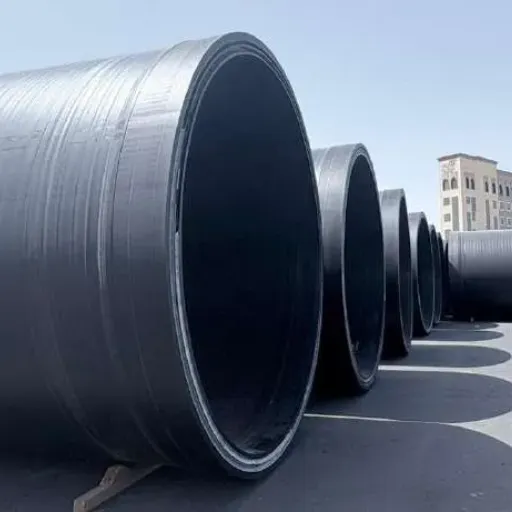 Read More
 -
Wastewater Collection System Design, Operation, and Renewal
June 30, 2026In late 2021, a coastal city in Southeast Asia discovered that its oldest wastewater collection system had been losing capacity fo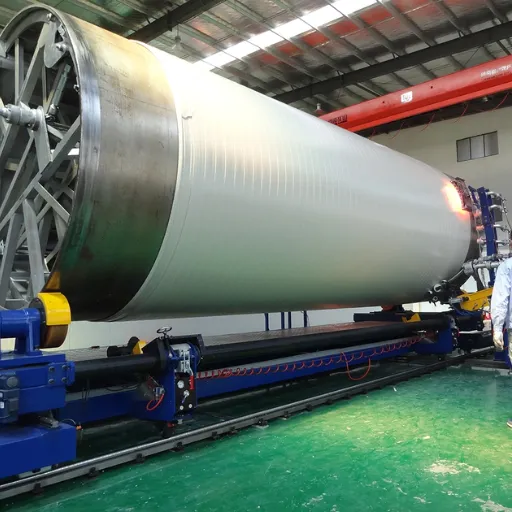 Read More
 -
Wastewater Infrastructure Design, Assessment, and Renewal
June 29, 2026In March 2023, a wastewater treatment plant serving 400,000 residents in Southern Europe suffered a cascade failure. A single inte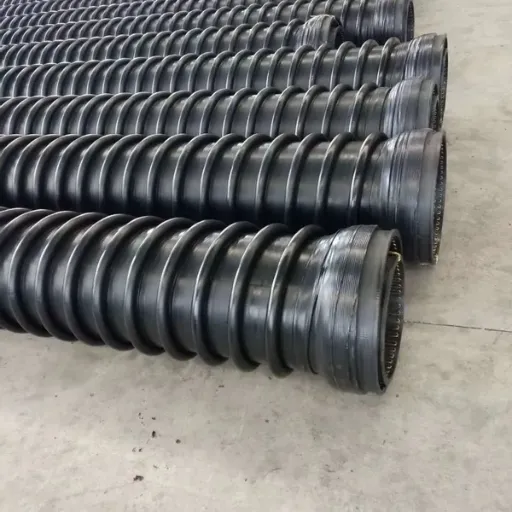 Read More
 -
Combined Sewer System Design, Operation, and Rehabilitation
June 29, 2026In August 2021, a single storm dropped 175mm of rain on a midwestern U.S. city in less than 36 hours. The city's aging combine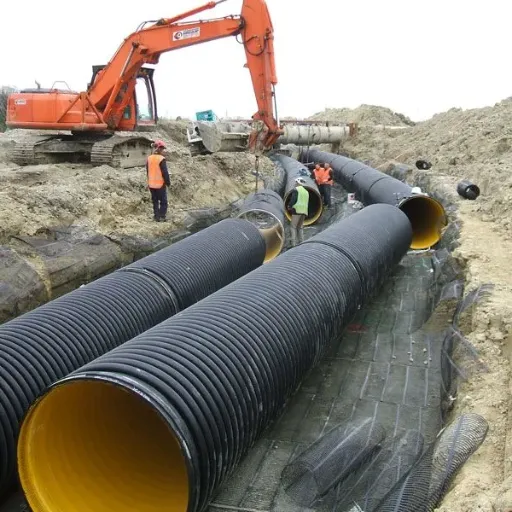 Read More

Contact Us
Recommended Products
-
 CIPP Glass Fibre Liner MachineNegotiableMOQ: 1 Set
 -
HDPE Helically Wound Tank MachineUS$ 10MOQ: 1 Set
-
CIPP Glass Liner MachineNegotiableMOQ: 1 Set
-
CIPP Felt Liner Manufacturing MachineNegotiableMOQ: 1 Set
-
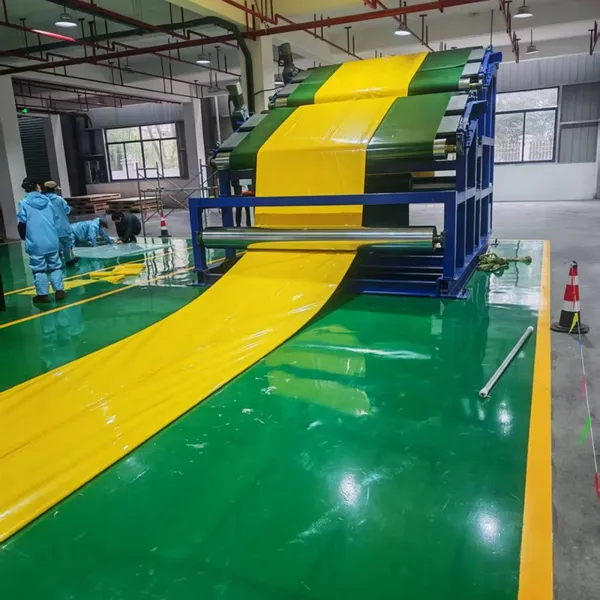
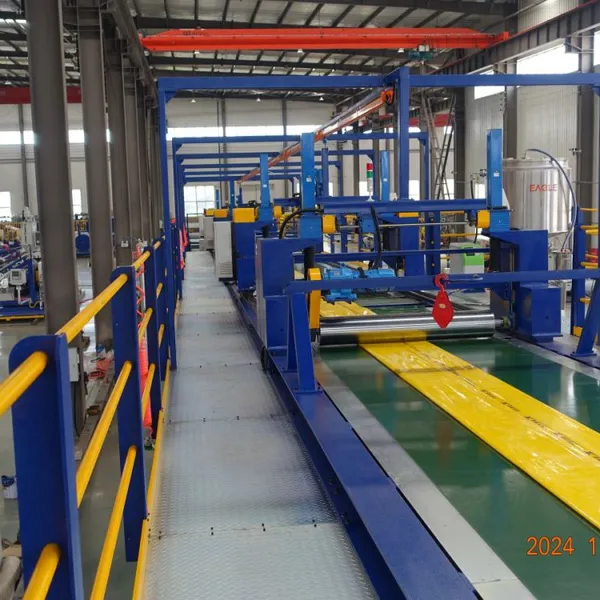
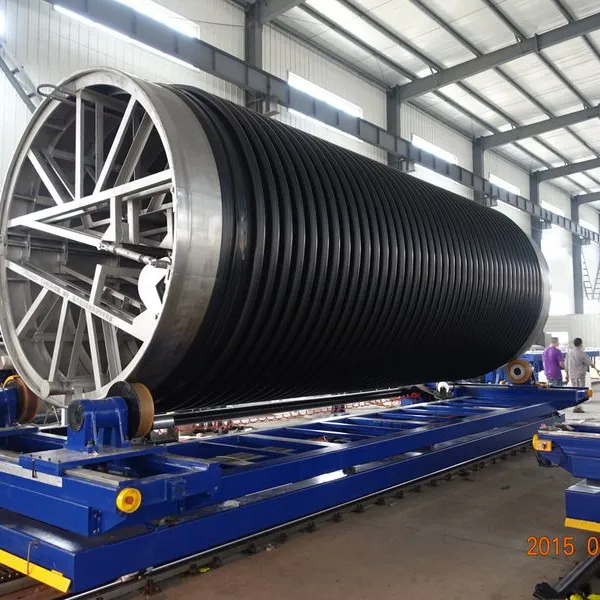
Large Diameter HDPE Sea Intake Outfall Structured Wall Pipe Making MachineNegotiableMOQ: 1 Set
-
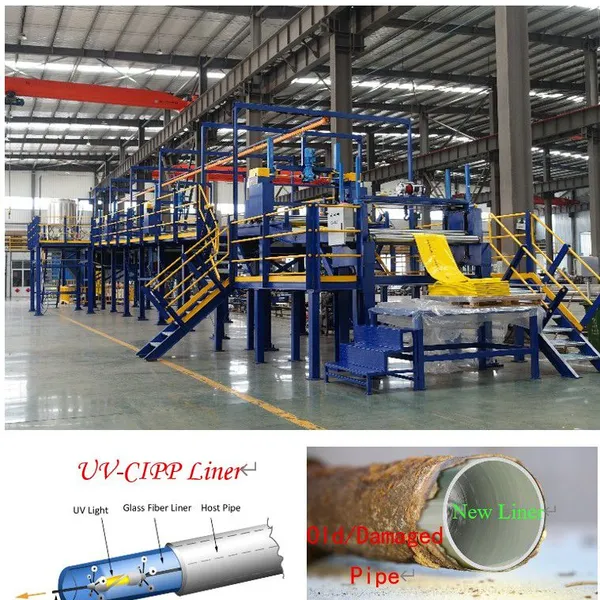
UV-CIPP Glass Fibre Liner Manufacturing MachineUS$ 1000 - 110000MOQ: 10 Meters
-
HDPE Pipe Extrusion Machine / PE Pipe Production Line With High OutputNegotiableMOQ: 1 Set
-
UV-CIPP Glass Fiber Liner Hose Production LineUS$ 1000 - 110000MOQ: 1 Set
-
HDPE Spiral Structure Wall Pipe MachineNegotiableMOQ: 1 Set
-
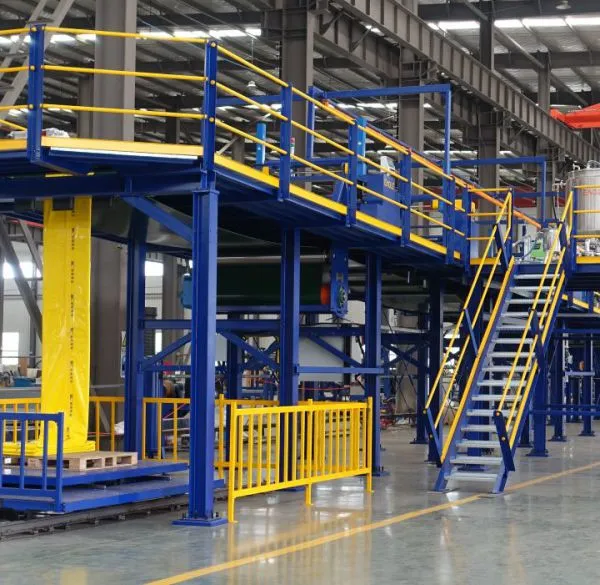
HDPE Spiral Pipe MachineNegotiableMOQ: 1 Set
-
HDPE Spiral Tank MachineNegotiableMOQ: 1 Set
-
Krah Pipe MachineNegotiableMOQ: 1 Set
-
Plastic HDPE PVC PPR Pipe Extrusion Making Machine Extrusion LineNegotiableMOQ: 1 Set
-
PVC Pipe Extrusion Production Line for Electrical Conduit and Water Supply PipesNegotiableMOQ: 1 Set
-
Hot Sell Single Wall Corrugated Pipe Extrusion Line With Competitive PriceNegotiableMOQ: 1 Set
-
HDPE Krah Profild Pipe MachineUS$ 10000MOQ: 1 Set
-
Plastic Tank CNC Holes Boring MachineUS$ 10000MOQ: 1 Set
-
Double Wall Corrugated Pipe Extrusion LineNegotiableMOQ: 1 Set
-
Single Wall Corrugated Pipe Extrusion LineNegotiableMOQ: 1 Set
-
Inversion CIPP Liner Tube Manufacturing MachineNegotiableMOQ: 1 Set