
 Business License
What Is HDPE Pipe? A Complete Technical Guide for Infrastructure Projects
What is HDPE pipe? It is a flexible, high-performance piping system made from high-density polyethylene resin. HDPE pipe is widely used for water distribution, sewer systems, drainage, and industrial fluid transport because its molecular structure delivers exceptional resistance to corrosion, chemicals, and impact while remaining lightweight enough to reduce installation labor and transportation costs.
Why does HDPE dominate so many municipal and industrial specifications? The answer lies in a combination of material science and real-world performance. Over the past four decades, engineers have increasingly specified HDPE pipe for projects where long service life, leak-free joints, and resistance to aggressive environments matter more than first-cost savings.
In this guide, you will learn exactly what HDPE pipe is, how it is manufactured, where it performs best, and how it compares to alternative materials. You will also see how HDPE pipe specifications connect to the extrusion and winding equipment used to produce it.
At Qingdao Yongke Machinery, we have manufactured HDPE and PP pipe production equipment since 2010 at our ISO-certified facility in Qingdao, China. We supply machinery for spiral profile pipes, corrugated pipes, and related thermoplastic products to clients in more than thirty countries.
Key Takeaways
HDPE pipe is made from high-density polyethylene resin and is valued for corrosion resistance, flexibility, and leak-free fusion joints.
Common applications include municipal water supply, sewer and drainage systems, gas distribution, mining slurry, and industrial process lines.
HDPE pipe is manufactured by extrusion processes including solid-wall extrusion, spiral profile winding, and corrugated pipe forming.
It typically outperforms PVC, concrete, and steel in aggressive soils, seismic zones, and environments with high chemical exposure.
International standards such as ISO 4427, ASTM F714, and EN 12201 define dimensions, pressure ratings, and quality requirements.
What Does HDPE Stand For?
HDPE stands for high-density polyethylene, a thermoplastic polymer produced by polymerizing ethylene gas under controlled temperature and pressure. The "high-density" designation refers to the tightly packed molecular chains that give the material its strength-to-density ratio.
The density of HDPE typically ranges from 0.941 to 0.965 grams per cubic centimeter. This density is higher than low-density polyethylene (LDPE) but lower than many engineering plastics. More importantly, HDPE has a high degree of crystallinity, which contributes to its rigidity, tensile strength, and chemical resistance.
For pipe applications, HDPE is usually classified by material grades such as PE80 and PE100. The numbers refer to the minimum required strength (MRS) of the material in megapascals. PE100 has a higher MRS than PE80, which means pipes made from PE100 can withstand higher pressures with thinner walls, reducing material consumption and weight.
Pipe-grade HDPE compounds also include stabilizers to protect against ultraviolet degradation and thermal oxidation during processing and service. Carbon black is commonly added at 2% to 3% by weight to provide UV resistance for outdoor storage and above-ground installations.
How HDPE Pipe Is Manufactured
HDPE pipe manufacturing begins with virgin or recycled HDPE resin pellets that are melted, formed into a tube, cooled, and cut to length. The specific process depends on the pipe type and diameter range.
Solid-Wall HDPE Pipe Extrusion
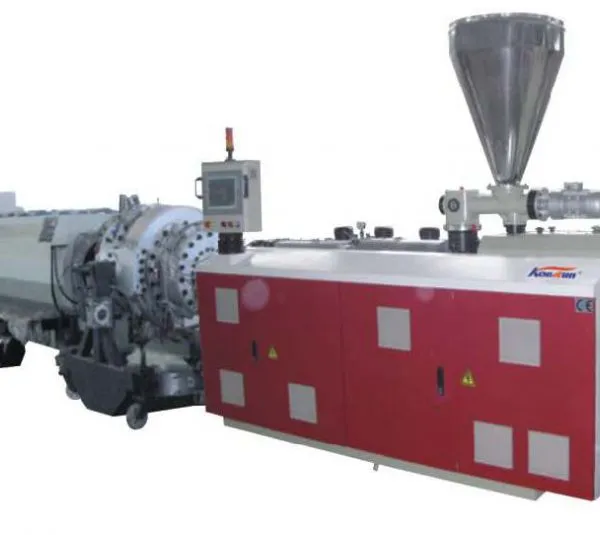
The most common manufacturing method is single-screw extrusion. Pellets are fed into an extruder where a rotating screw conveys them through a heated barrel. The melting process occurs through a combination of barrel heat and mechanical shear. The molten polymer is then forced through a circular die to form a continuous tube.
After exiting the die, the pipe passes through a vacuum calibration or water-spray cooling tank that holds dimensional tolerances while the material solidifies. Haul-off units pull the pipe at a controlled speed, and a cutter severs it into standard lengths.
Spiral Profile and Corrugated HDPE Pipe
For larger diameters or higher structural performance, HDPE pipe may be produced as a spiral profile pipe or double-wall corrugated pipe.
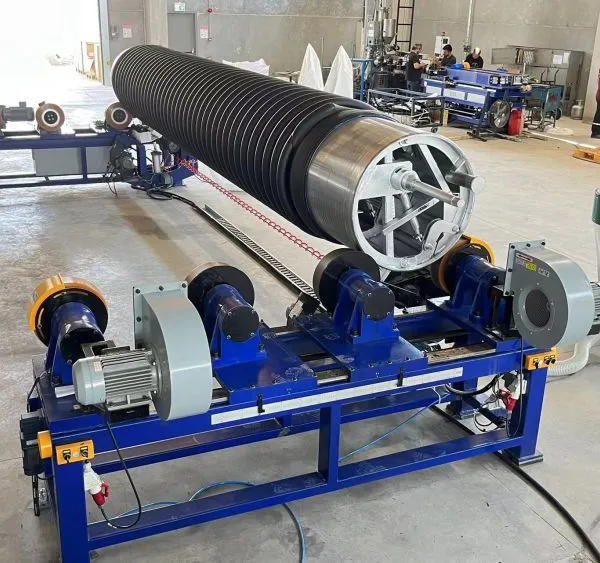
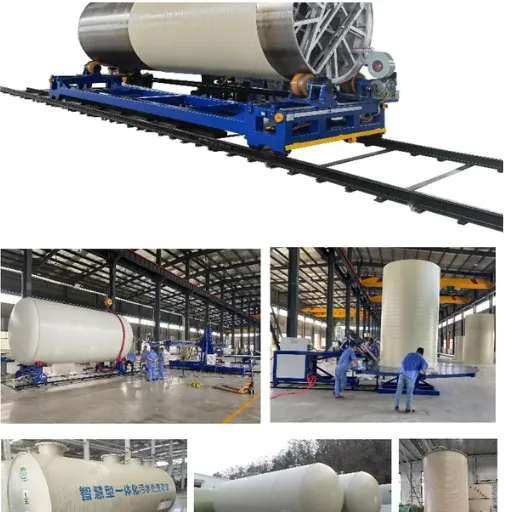
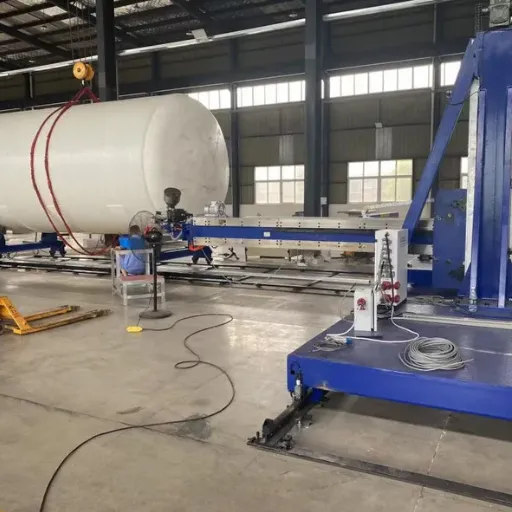
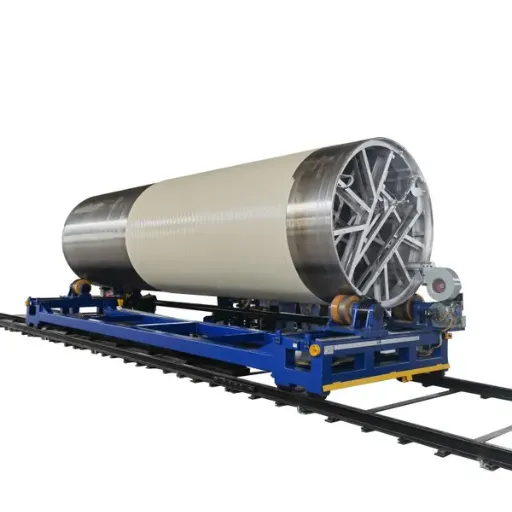
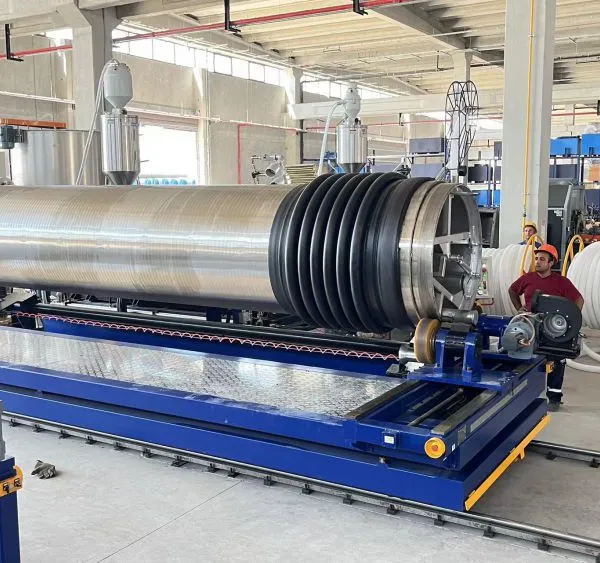
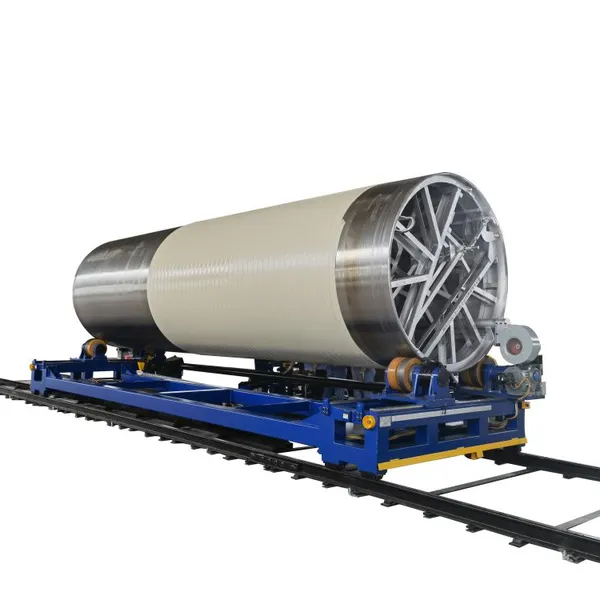
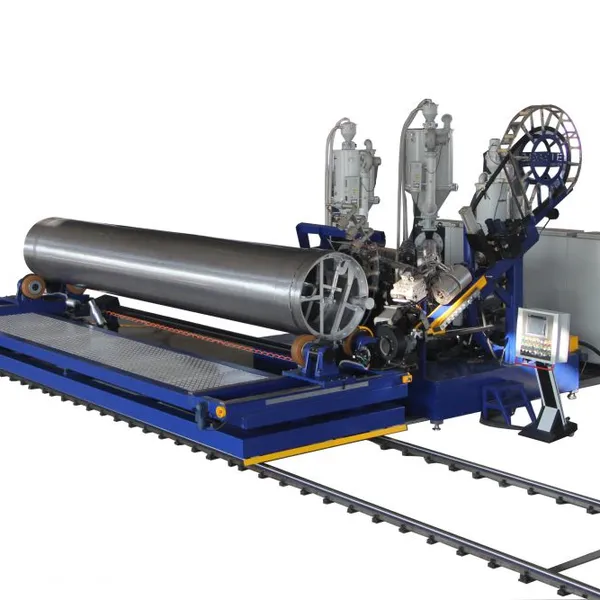
Spiral profile pipe manufacturing uses a winding process. An extruded HDPE profile strip with hollow structural ribs is helically wound onto a rotating mandrel. Overlapping edges are fusion-welded to create a continuous structural wall. This method can produce pipes from DN300mm to DN5000mm and is the basis of the well-known Krah pipe technology.
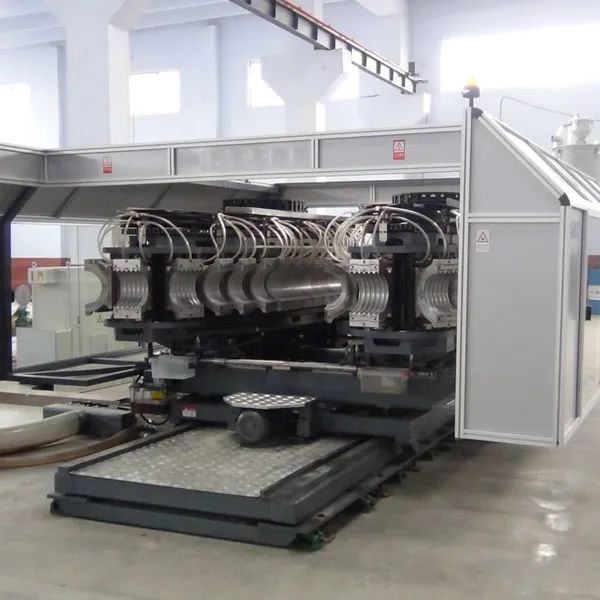
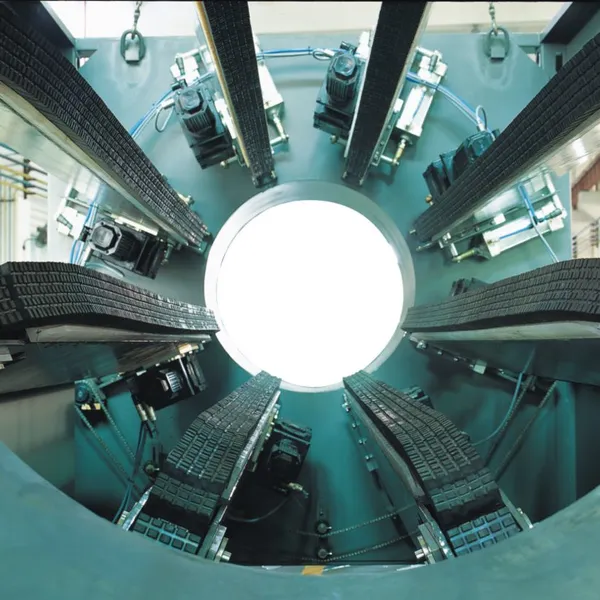
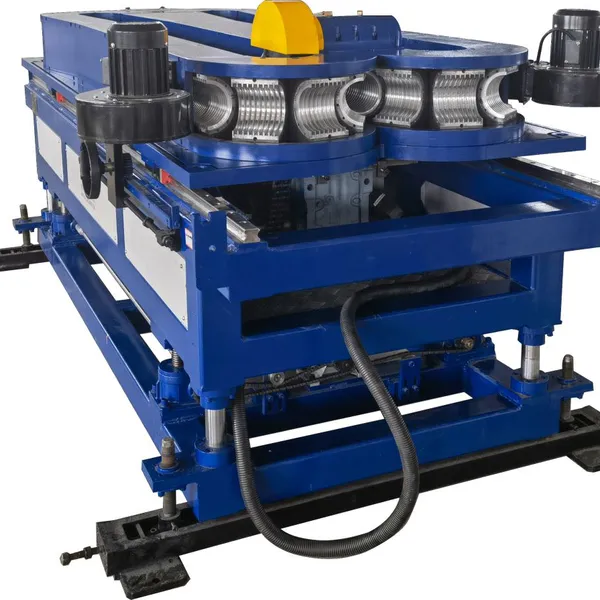
Corrugated HDPE pipe is produced using vacuum-formed or water-cooled corrugation molds that create external ribs and a smooth internal bore. These pipes offer high ring stiffness with reduced material usage, making them popular for drainage and stormwater systems.
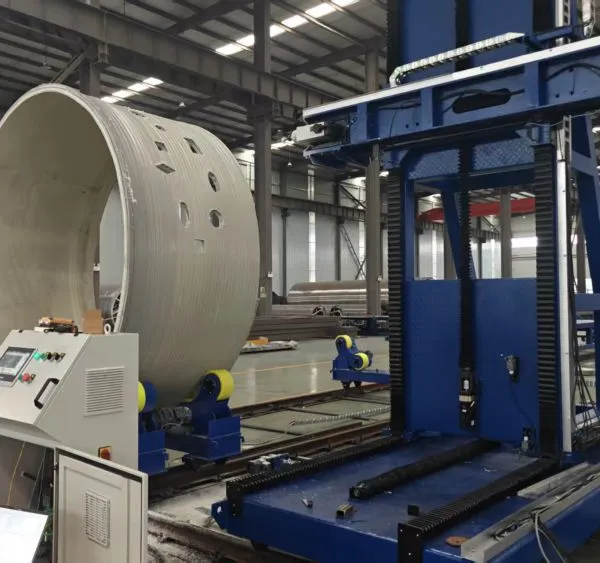
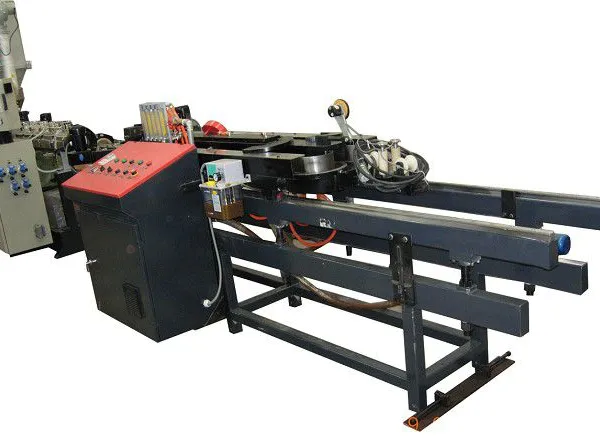
At Qingdao Yongke Machinery, our HDPE/PP spiral profile pipe machine and high-speed PP corrugated pipe extrusion line support manufacturers producing these advanced pipe structures for municipal and industrial markets. Our proprietary Pipefinder software calculates ring stiffness based on raw material properties and project requirements, while our second heating system helps maintain stable melt flow and profile accuracy during large-diameter production.
Key Properties and HDPE Pipe Advantages
HDPE pipe offers a distinct combination of mechanical, chemical, and installation advantages that make it suitable for demanding infrastructure applications.
Corrosion and Chemical Resistance
Unlike metal pipes, HDPE does not rust, corrode, or support galvanic cells. It resists a wide range of chemicals including acids, alkalis, and salts commonly found in wastewater and industrial effluent. This makes it particularly valuable in aggressive soils or environments where cathodic protection would otherwise be required.
Flexibility and Fatigue Resistance
HDPE pipe can bend without cracking, allowing it to accommodate ground movement, settlement, and seismic activity. Its flexibility also enables trenchless installation methods such as horizontal directional drilling and pipe bursting. The material exhibits excellent fatigue resistance under cyclic loading, which is important for water hammer and pressure surge conditions.
Leak-Free Joints
HDPE pipe is joined by heat fusion, either butt fusion or electrofusion. These methods create monolithic joints that are as strong as the pipe itself, eliminating the leakage points associated with gasketed or mechanical joints. This characteristic is critical for water loss reduction and environmental containment applications.
Lightweight Handling
A 6-meter length of HDPE pipe weighs significantly less than an equivalent ductile iron or concrete pipe. This reduces equipment requirements, labor costs, and transportation expenses, especially on remote or difficult-access job sites.
Long Service Life
HDPE pipe is designed for service lives exceeding fifty years under normal conditions. Its slow crack growth resistance and stress crack resistance have been extensively tested and validated through international standards and field performance data.
HDPE Pipe Applications and Industries
HDPE pipe serves a broad spectrum of industries and infrastructure systems. The material properties align well with applications requiring durability, chemical resistance, and long-term reliability.
Municipal Water Supply
HDPE is widely used for potable water distribution networks, transmission mains, and service connections. Its fusion-welded joints minimize water loss and contamination risk. Standards such as ISO 4427 and AWWA C901/C906 govern dimensions and performance for these applications.
Sewer and Drainage Systems
Gravity sewer lines, force mains, and stormwater drainage systems frequently use HDPE pipe. Large-diameter spiral profile HDPE pipes up to DN5000mm serve major interceptor sewers and outfall lines where structural wall construction provides the required ring stiffness.
Gas Distribution
PE pipe has been the dominant material for natural gas distribution networks in many regions for decades. Its flexibility, fusion joining, and leak resistance contribute to improved safety and reduced maintenance.
Mining and Industrial
HDPE pipe transports slurry, tailings, process water, and chemicals in mining and industrial facilities. Abrasion resistance and chemical compatibility make it preferable to steel in many corrosive or erosive applications.
Agriculture and Irrigation
Irrigation systems, drainage schemes, and livestock operations use HDPE pipe because of its durability, UV resistance, and ease of installation in varied terrain.
Project Example: A municipal contractor in Southeast Asia needed to replace a corroded steel sewer line running beneath a busy urban road. Excavation was not feasible due to traffic and buried utilities.
The engineering team specified large-diameter HDPE pipe installed by horizontal directional drilling. The fused joints eliminated leakage risk, and the flexible pipe conformed to minor bends in the bore path. The project was completed with minimal surface disruption and has operated without failure for eight years.
HDPE Pipe vs PVC, Steel, and Concrete
Selecting pipe material requires balancing performance, cost, installation constraints, and service conditions. HDPE compares favorably against several traditional materials.
HDPE vs PVC Pipe
PVC pipe is rigid, lightweight, and economical for many water and drainage applications. However, PVC is more brittle than HDPE and can crack under impact or ground movement. HDPE handles higher deformation and performs better in seismic zones or unstable soils. PVC pressure pipes typically use gasketed joints, while HDPE pressure pipes use fusion joints.
HDPE vs Ductile Iron Pipe
Ductile iron offers high strength and pressure capacity but is heavy, susceptible to corrosion, and often requires cathodic protection or linings in aggressive environments. HDPE provides comparable pressure capability in many applications without corrosion concerns and with substantially lower installation weight.
HDPE vs Concrete Pipe
Concrete pipe is rigid and strong in compression but is heavy, requires careful bedding, and can deteriorate in acidic or sulfate-rich soils and effluent. HDPE pipe is lighter, more flexible, and chemically resistant, often reducing installation time and bedding requirements.
HDPE vs Steel Pipe
Steel pipe offers very high pressure and structural capacity but is vulnerable to internal and external corrosion, requiring coatings, linings, and cathodic protection. HDPE is corrosion-free, does not require protective coatings, and is easier to handle and install in long runs.
| Property | HDPE | PVC | Ductile Iron | Concrete | Steel |
|---|---|---|---|---|---|
| Corrosion resistance | Excellent | Good | Poor without protection | Fair | Poor without protection |
| Flexibility | High | Low | Low | Very low | Low |
| Joint leakage risk | Very low | Moderate | Low with proper installation | Moderate | Low with welded joints |
| Weight | Light | Light | Heavy | Very heavy | Heavy |
| Typical joint method | Heat fusion | Gasket or solvent | Mechanical or gasket | Gasket | Welded or mechanical |
HDPE Pipe Standards and Certifications
HDPE pipe is governed by a comprehensive set of international and national standards that define material properties, dimensions, pressure ratings, and testing requirements.
International Standards
ISO 4427: Polyethylene pipes and fittings for water supply. Defines PE80 and PE100 materials, dimensions, and performance requirements.
ISO 9001 / ISO 14001 / ISO 45001: Quality, environmental, and occupational health management certifications for manufacturers.
EN 12201: European standard for plastic piping systems in water supply, covering HDPE materials and pressure classes.
American Standards
ASTM F714: Standard specification for polyethylene (PE) plastic pipe based on outside diameter.
AWWA C906: Standard for polyethylene pressure pipe and fittings for water.
ASTM D3350: Standard specification for polyethylene plastics pipe and fittings materials.
Certification and Testing
Quality HDPE pipe manufacturers conduct tests including hydrostatic pressure testing, thermal stability assessment, slow crack growth testing, and dimensional verification. Buyers should request test reports and certification documentation that confirm compliance with the relevant standards for their project location.
At Qingdao Yongke Machinery, our pipe production equipment is manufactured under ISO 9001, ISO 14001, ISO 45001, and CE-certified processes. Our machines are designed to produce pipes meeting these international standards for global export markets.
Selecting HDPE Pipe for Your Project
Choosing the right HDPE pipe involves more than selecting a diameter. Engineers must evaluate pressure class, standard dimension ratio (SDR), material grade, jointing method, installation environment, and long-term performance requirements.
Pressure Class and SDR
The standard dimension ratio is the ratio of pipe outside diameter to wall thickness. A lower SDR indicates a thicker wall and higher pressure rating. Common SDR values include SDR11, SDR17, and SDR21. The required pressure class depends on maximum operating pressure, surge conditions, and safety factors specified in local design codes.
Diameter Selection
Diameter selection follows hydraulic calculations using the Manning or Hazen-Williams equations. For gravity sewer applications, engineers must ensure self-cleansing velocity while avoiding excessive excavation depth. For large-diameter applications, our pipe diameter selection guide provides detailed guidance from DN300mm to DN5000mm.
Material Grade
PE100 is generally preferred for pressure pipes because it allows thinner walls at the same pressure rating, reducing weight and cost. PE80 may be used for lower-pressure or non-pressure applications where material availability or cost favors it.
Installation Method
Open-cut trenching is common, but trenchless methods are increasingly popular in congested areas. HDPE is well-suited to directional drilling, pipe bursting, sliplining, and flotation-assisted installation due to its flexibility and fused joints.
Manufacturer Example: A pipe producer in the Middle East wanted to diversify from small-diameter water pipe into large-diameter municipal sewer contracts. They evaluated several production technologies and chose a spiral profile HDPE pipe line capable of DN800mm to DN3000mm.
Within eighteen months, the company secured contracts for three major interceptor projects because it could offer local production, shorter lead times, and direct technical support. The ability to produce the pipe in-country became a decisive competitive advantage.
Frequently Asked Questions
What is HDPE pipe used for?
HDPE pipe is used for water supply, sewer and drainage systems, gas distribution, mining slurry transport, industrial process piping, and agricultural irrigation. Its corrosion resistance and leak-free fusion joints make it especially suitable for buried infrastructure.
How long does HDPE pipe last?
HDPE pipe is designed for a service life of at least fifty years under normal operating conditions. Actual service life depends on installation quality, operating pressure, soil conditions, and exposure to chemicals or UV radiation.
What is the difference between PE80 and PE100 pipe?
PE80 and PE100 refer to the minimum required strength of the polyethylene material. PE100 has a higher strength rating than PE80, allowing thinner pipe walls for the same pressure class. PE100 is increasingly the standard for modern pressure pipe systems.
Can HDPE pipe be used for drinking water?
Yes. HDPE pipe meeting standards such as ISO 4427, EN 12201, or AWWA C906 is approved for potable water transport. The material does not corrode or leach contaminants when manufactured and installed correctly.
How are HDPE pipes joined?
HDPE pipes are most commonly joined by butt fusion or electrofusion. Both methods heat the pipe surfaces and then press them together to form a monolithic joint. These fusion joints are as strong as the pipe wall and eliminate leakage paths.
What sizes does HDPE pipe come in?
HDPE pipe is available in a wide range of diameters, from small-diameter service lines of 20mm to large-diameter structural pipes exceeding DN4000mm. Solid-wall HDPE pipe is common up to DN1200mm, while spiral profile and corrugated constructions extend the range to DN5000mm and beyond.
Conclusion
HDPE pipe is a versatile, durable, and chemically resistant piping material that supports critical infrastructure across municipal, industrial, and agricultural sectors. Its combination of corrosion resistance, flexibility, leak-free joints, and long service life makes it a practical choice for projects where reliability matters more than lowest initial cost.
Understanding what HDPE pipe is and how it is manufactured helps engineers, contractors, and procurement managers make informed material decisions. It also helps pipe producers understand which extrusion and winding technologies they need to serve their markets. Keep these points in mind when evaluating HDPE pipe for your next project:
Match the material grade (PE80 or PE100) and SDR to the operating pressure and design life.
Specify fusion joints for applications where leakage prevention is critical.
Consider spiral profile or corrugated constructions when ring stiffness and large diameter are required.
Verify that the pipe and production equipment comply with relevant ISO, ASTM, or EN standards.
Factor in local soil conditions, installation method, and long-term maintenance access.
If you are evaluating HDPE pipe production equipment, Qingdao Yongke Machinery offers turnkey extrusion lines for spiral profile pipes, corrugated pipes, and related thermoplastic products. Visit our ISO-certified pipe machinery factory page to learn more about our 10,000-30,000 square meter facility in Qingdao, China, or contact Mr. Zhou Maozhen at machinery@eaglegroup.cn or WhatsApp +86-13583232887 to discuss your project requirements with our technical team.
Ready to explore HDPE pipe manufacturing equipment? Request a quotation for a complete production line tailored to your diameter range, material specifications, and output targets.
Recently Posted
-
HDPE Pipe Standards: A Practical Guide for Engineers and Buyers
June 30, 2026A municipal contractor in Southeast Asia once accepted a shipment of HDPE pipe based only on a supplier's diameter claim. Six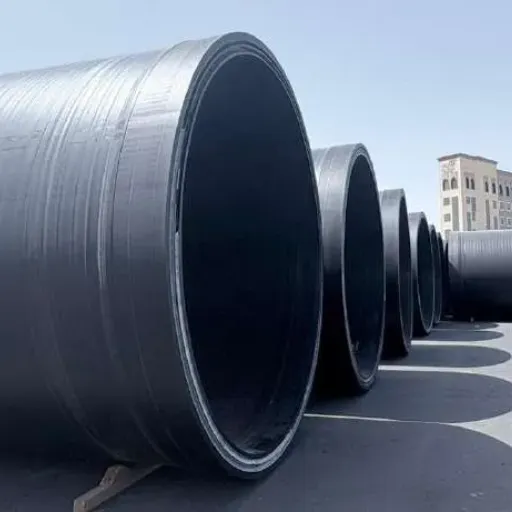 Read More
 -
Wastewater Collection System Design, Operation, and Renewal
June 30, 2026In late 2021, a coastal city in Southeast Asia discovered that its oldest wastewater collection system had been losing capacity fo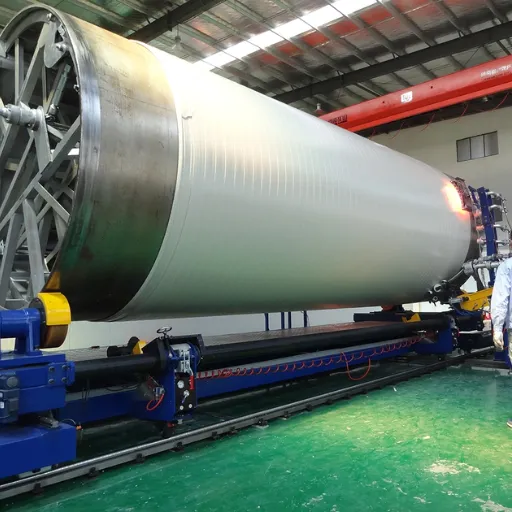 Read More
 -
Wastewater Infrastructure Design, Assessment, and Renewal
June 29, 2026In March 2023, a wastewater treatment plant serving 400,000 residents in Southern Europe suffered a cascade failure. A single inte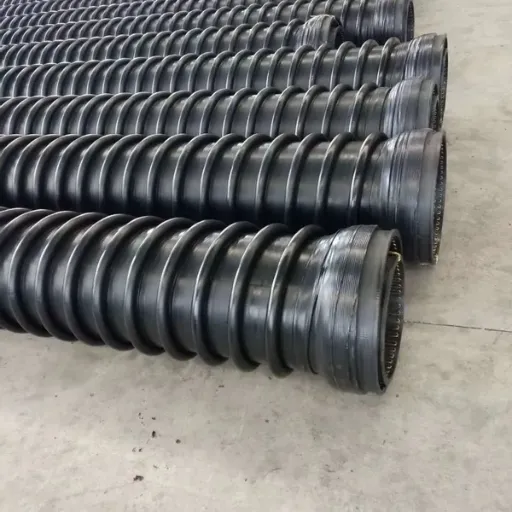 Read More
 -
Combined Sewer System Design, Operation, and Rehabilitation
June 29, 2026In August 2021, a single storm dropped 175mm of rain on a midwestern U.S. city in less than 36 hours. The city's aging combine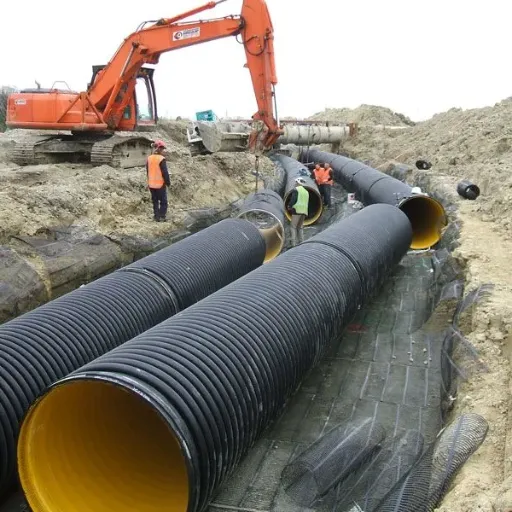 Read More

Contact Us
Recommended Products
-
 CIPP Glass Fibre Liner MachineNegotiableMOQ: 1 Set
 -
HDPE Helically Wound Tank MachineUS$ 10MOQ: 1 Set
-
CIPP Glass Liner MachineNegotiableMOQ: 1 Set
-
CIPP Felt Liner Manufacturing MachineNegotiableMOQ: 1 Set
-
Large Diameter HDPE Sea Intake Outfall Structured Wall Pipe Making MachineNegotiableMOQ: 1 Set
-
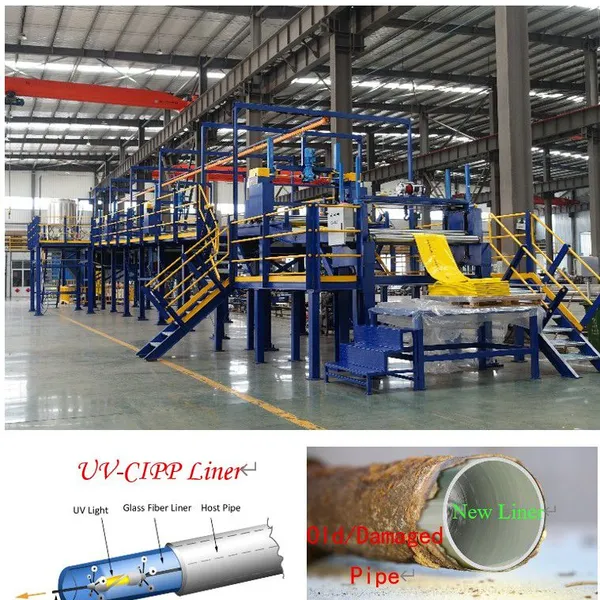
UV-CIPP Glass Fibre Liner Manufacturing MachineUS$ 1000 - 110000MOQ: 10 Meters
-
HDPE Pipe Extrusion Machine / PE Pipe Production Line With High OutputNegotiableMOQ: 1 Set
-
UV-CIPP Glass Fiber Liner Hose Production LineUS$ 1000 - 110000MOQ: 1 Set
-
HDPE Spiral Structure Wall Pipe MachineNegotiableMOQ: 1 Set
-
HDPE Spiral Pipe MachineNegotiableMOQ: 1 Set
-
HDPE Spiral Tank MachineNegotiableMOQ: 1 Set
-
Krah Pipe MachineNegotiableMOQ: 1 Set
-
Plastic HDPE PVC PPR Pipe Extrusion Making Machine Extrusion LineNegotiableMOQ: 1 Set
-
PVC Pipe Extrusion Production Line for Electrical Conduit and Water Supply PipesNegotiableMOQ: 1 Set
-
Hot Sell Single Wall Corrugated Pipe Extrusion Line With Competitive PriceNegotiableMOQ: 1 Set
-
HDPE Krah Profild Pipe MachineUS$ 10000MOQ: 1 Set
-
Plastic Tank CNC Holes Boring MachineUS$ 10000MOQ: 1 Set
-
Double Wall Corrugated Pipe Extrusion LineNegotiableMOQ: 1 Set
-
Single Wall Corrugated Pipe Extrusion LineNegotiableMOQ: 1 Set
-
Inversion CIPP Liner Tube Manufacturing MachineNegotiableMOQ: 1 Set