
 Business License
HDPE Pipe Pressure Rating: A Practical Guide to SDR, PN, and Material Grades
HDPE pipe pressure rating is the maximum internal pressure a polyethylene pipe can safely withstand at 20°C, expressed either as a PN class (PN6, PN10, PN16) or derived from its Standard Dimension Ratio (SDR). For most water and industrial applications, PE100 pipes with SDR 11 carry a PN16 rating, which equals 16 bar or roughly 232 psi.
Choosing the wrong rating can be expensive. When Ahmed specified SDR 17 PE80 pipe for a desalination distribution line in Dubai, the system ran at 10 bar in summer temperatures above 40°C. Within two years, the pipe showed excessive creep and joint leaks. His replacement specification, SDR 11 PE100 with a temperature derating factor, solved the problem and added a 50-year design margin.
You already know that HDPE pipes resist corrosion and chemicals. In this guide, you will learn how SDR and material grade determine pressure capability, how temperature and water hammer affect ratings, and how to select the correct PN class for your project. You will also see how pipe manufacturing quality ties back to the ratings you can trust.
Key Takeaways
HDPE pipe pressure rating is defined by material grade (PE80 or PE100), wall thickness (SDR), and design temperature.
PE100 delivers higher pressure ratings than PE80 at the same SDR; SDR 11 PE100 is the most common PN16 specification.
Temperatures above 20°C reduce the allowable pressure; always apply a derating factor.
Surge pressure from fast valve closure can exceed steady-state ratings; design for at least 1.5 times normal operating pressure.
Pipes certified to ISO 4427 or EN 12201 give buyers confidence that claimed ratings are tested and repeatable.
What HDPE Pipe Pressure Rating Means
Pressure rating tells an engineer how much internal stress a pipe can carry without risking long-term failure. For HDPE, this rating assumes clean water at 20°C and a 50-year service life. The rating does not depend on diameter alone. It depends on the resin grade, wall thickness, and the safety factor built into the design standard.
The two most common ways to express HDPE pipe pressure rating are:
PN rating (Pressure Nominal): a rounded bar value such as PN6, PN10, or PN16. PN16 means the pipe is rated for 16 bar.
SDR (Standard Dimension Ratio): the ratio of outside diameter to minimum wall thickness. A lower SDR means a thicker wall and a higher pressure rating.
Pipe buyers often see both values on a data sheet. A PE100 SDR 11 pipe is normally PN16. The same pipe in PE80 would only reach PN12.5. This is why material grade matters as much as wall thickness.
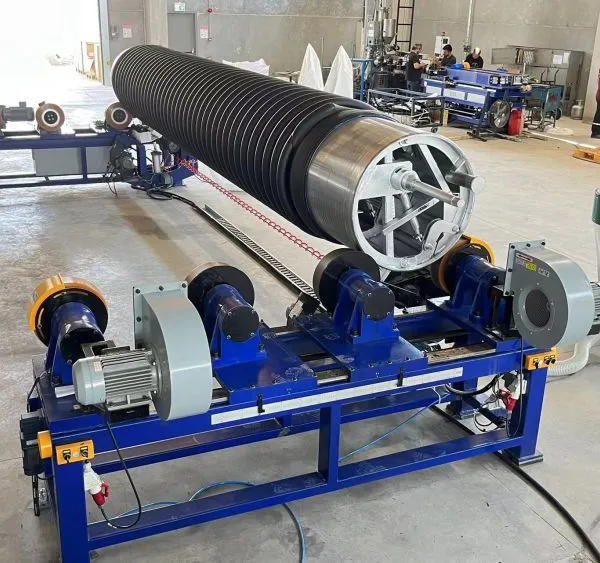
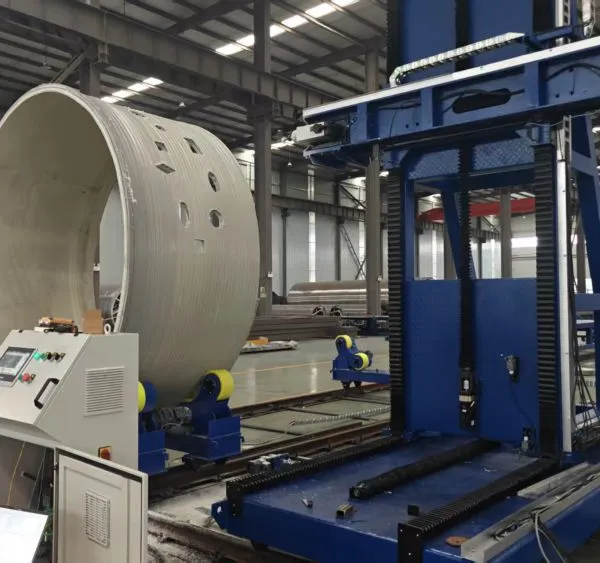
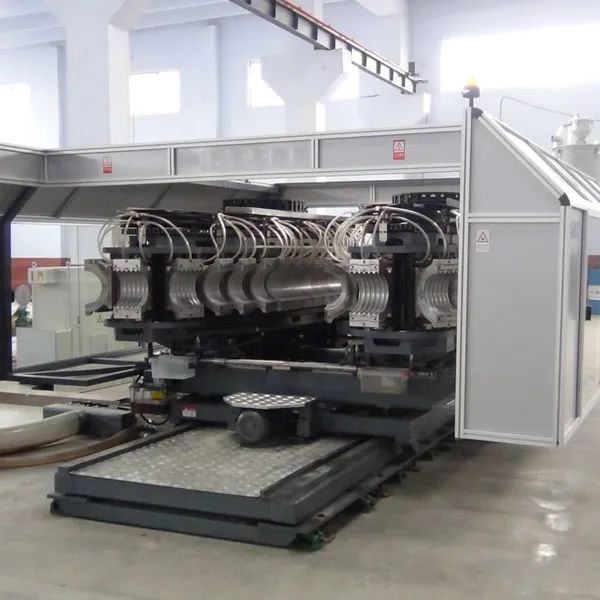
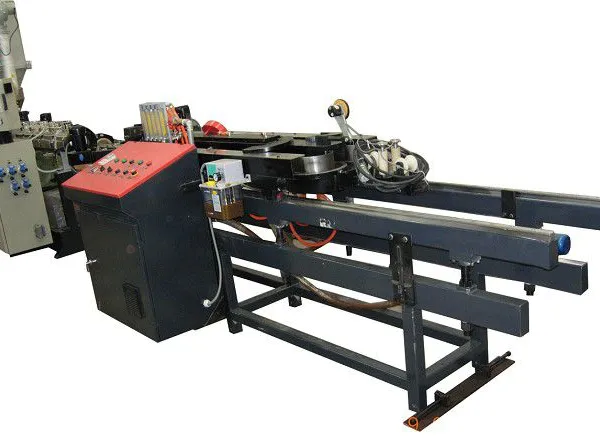
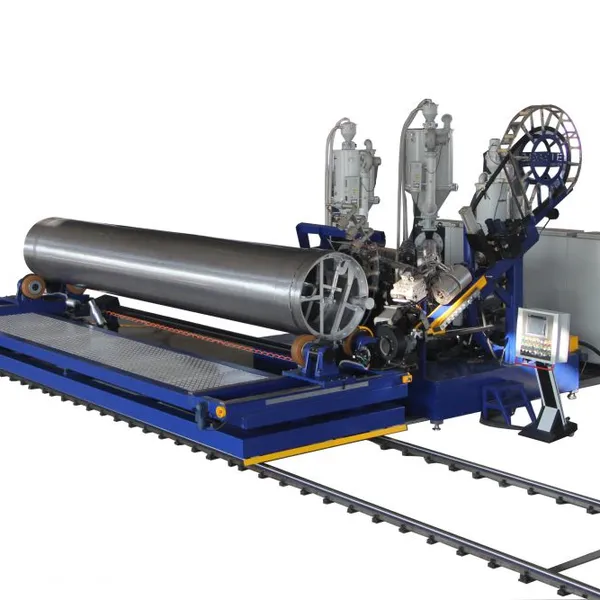
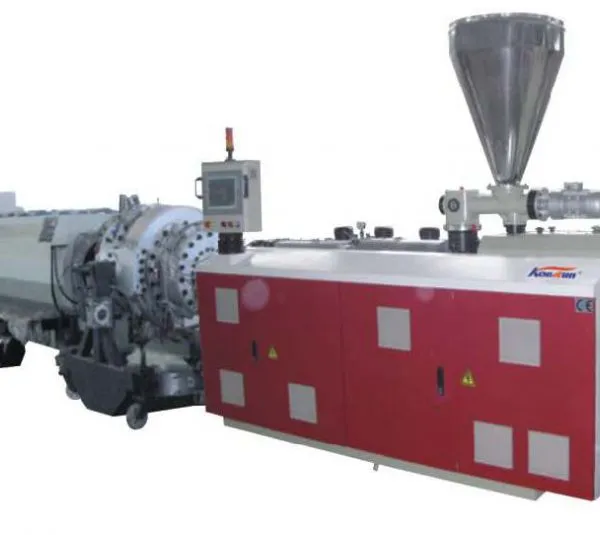
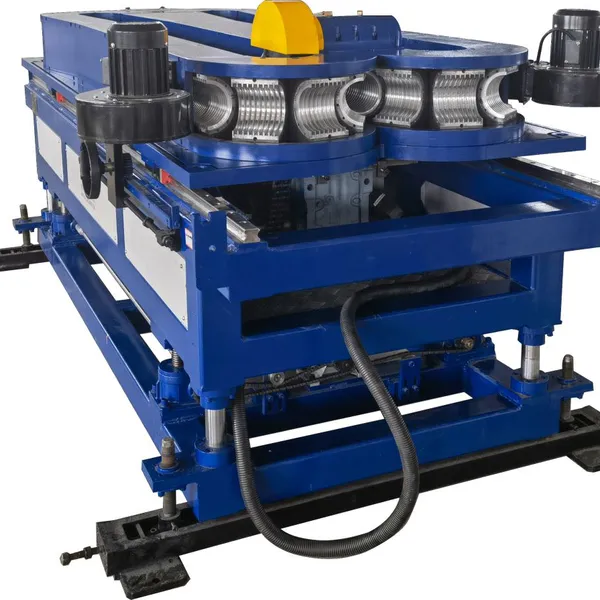
At Qingdao Yongke Machinery, our HDPE spiral profile pipe machine and high-speed PP corrugated pipe extrusion line produce pipes that comply with international pressure and stiffness standards. Want to understand how those pipes are made? Our production lines control wall thickness, melt temperature, and cooling to keep every pipe within its target SDR.
How SDR Determines HDPE Pipe Pressure Rating
SDR is the simplest number that controls pressure capability. It is calculated as:
SDR = Outside Diameter / Minimum Wall Thickness
A pipe with SDR 11 has a wall thickness equal to one-eleventh of its outside diameter. A pipe with SDR 17 has a thinner wall relative to its diameter and therefore a lower pressure rating.
Common SDR values and their typical PE100 PN ratings are:
| SDR | PE100 PN Rating | PE80 PN Rating | Typical Use |
|---|---|---|---|
| SDR 7.4 | PN25 | PN20 | High-pressure water, mining slurry |
| SDR 9 | PN20 | PN16 | Water mains, industrial process lines |
| SDR 11 | PN16 | PN12.5 | Municipal water, irrigation, gas |
| SDR 17 | PN10 | PN8 | Low-pressure drainage, gravity sewer |
| SDR 21 | PN6 | PN6 | Drainage, ventilation, low-pressure fluid |
Engineers usually select SDR 11 for pressurized water distribution because it balances pressure capacity, cost, and availability. Thicker walls cost more in resin, but thinner walls may not survive transient pressure spikes.
The relationship is not linear. Doubling wall thickness more than doubles pressure capacity because stress is spread over a larger cross-section. This is why small changes in SDR produce noticeable changes in PN rating.
PE80 vs PE100: Material Grade Impact on HDPE Pressure Rating
HDPE resins are classified by their Minimum Required Strength (MRS), measured in megapascals (MPa) after 50 years at 20°C. The two grades used for pressure pipe are:
PE80: MRS of 8.0 MPa
PE100: MRS of 10.0 MPa
PE100 has a higher density and better slow-crack growth resistance. For the same SDR, PE100 carries a higher pressure rating. It also allows thinner walls for the same PN, saving material on large-diameter pipes.
Design standards apply a safety coefficient, usually 1.25 for water, to convert MRS into allowable design stress. The basic pressure formula is:
P = 2 × MRS / (C × (SDR - 1))
Where:
P = pressure rating in MPa
MRS = 8 or 10 MPa
C = design coefficient (typically 1.25 for water)
SDR = standard dimension ratio
For PE100 SDR 11:
P = 2 × 10 / (1.25 × (11 - 1)) = 1.6 MPa = 16 bar = PN16.
For PE80 SDR 11:
P = 2 × 8 / (1.25 × (11 - 1)) = 1.28 MPa ≈ 12.5 bar = PN12.5.
This difference matters on large contracts. A water authority specifying PN16 must receive PE100 SDR 11 pipe. If a supplier substitutes PE80 SDR 11, the system operates below its rated safety margin.
Temperature Derating and Surge Pressure Considerations
HDPE is a thermoplastic. Its strength decreases as temperature rises. Standards base the PN rating on 20°C. At higher temperatures, the allowable pressure must be reduced.
Typical temperature derating factors for PE100 are:
| Operating Temperature | Derating Factor | Effective PN for PN16 Pipe |
|---|---|---|
| 20°C | 1.00 | PN16 |
| 30°C | 0.87 | PN13.9 |
| 40°C | 0.74 | PN11.8 |
| 50°C | 0.62 | PN9.9 |
In Ahmed's Dubai project, the original SDR 17 PE80 pipe was rated for only 8 bar at 20°C. At 40°C, the effective rating fell to roughly 6 bar. The system operated at 10 bar, so the pipe was overloaded from day one.
Surge pressure, also called water hammer, is another design factor. Fast valve closure, pump startup, or sudden flow changes can create pressure spikes. HDPE absorbs surge better than PVC or concrete because of its flexibility, but repeated spikes above the rated pressure still shorten service life.
Good practice is to design for a maximum transient pressure of 1.5 times the normal operating pressure. For a steady operating pressure of 8 bar, select a pipe rated for at least 12 bar. This is why many engineers choose PN16 even when PN10 would appear sufficient on paper.
When Maria upgraded a water network in São Paulo, she replaced aging PVC lines with PE100 SDR 11 pipe. The network experienced frequent pump surges. The new HDPE pipe absorbed the spikes without cracking, and the utility reduced leaks by 35% in the first year.
Selecting the Right HDPE Pipe Pressure Rating for Your Project
Selection starts with four basic questions:
What is the maximum operating pressure? Include static head, pump pressure, and any future expansion.
What is the maximum operating temperature? Apply the correct derating factor.
Will the system experience surge or water hammer? Add a safety margin of at least 50% above normal pressure.
What design life is required? Municipal projects typically specify 50 years or more.
A simple selection workflow looks like this:
Calculate the design pressure including static head.
Apply the temperature derating factor.
Multiply by a surge safety factor of 1.5.
Choose the next highest standard PN rating.
For example, a water main with 6 bar operating pressure at 25°C and occasional pump surges might be designed as follows:
Derated pressure at 25°C: 6 bar / 0.93 = 6.45 bar
With surge safety factor: 6.45 bar × 1.5 = 9.68 bar
Selected rating: PN10 or PN16 for extra margin
Most engineers would select PN16 PE100 SDR 11 to leave headroom for future demand.
Application examples help clarify the choice:
Irrigation laterals: PN6 to PN10, SDR 21 or 17, depending on pump pressure.
Municipal water distribution: PN16, SDR 11 PE100, the most common specification.
Industrial process lines: PN20 or PN25, SDR 9 or 7.4 PE100.
Gravity drainage: Pressure rating is less important than ring stiffness; SDR 17 or higher may be used.
Need help matching the pipe specification to the right production equipment? Contact our sales team for a technical consultation. We can recommend extruder size, die head configuration, and cooling capacity based on your target SDR and diameter range.
Manufacturing and Quality Standards That Affect HDPE Pipe Rating
A pressure rating is only reliable if the pipe is manufactured consistently. Wall thickness variation, voids, incomplete fusion, or incorrect resin mixing can reduce actual pressure capability below the calculated value. This is why international standards and certified production processes matter.
Key standards for HDPE pressure pipe include:
ISO 4427: Polyethylene pipes and fittings for water supply.
EN 12201: Plastics piping systems for water supply, polyethylene.
ASTM D3035: Standard specification for polyethylene plastic pipe and fittings.
ASTM F714: Standard specification for polyethylene pipe based on outside diameter.
These standards define:
Minimum wall thickness for each SDR
Allowed ovality and dimensional tolerance
Hydrostatic testing requirements
Resistance to slow crack growth and rapid crack propagation
Marking and traceability
A pipe production line must control extrusion temperature, cooling rate, and pull speed to hold these tolerances. At Qingdao Yongke Machinery, our ISO 9001 certified factory uses PLC-controlled extrusion lines, vacuum calibration, and in-process inspection to keep pipe dimensions within standard limits. Our Pipefinder software calculates ring stiffness and material requirements before production starts, reducing trial runs and scrap.
External resources such as the Plastics Pipe Institute provide engineering handbooks that explain PE pressure design in detail. The ISO 4427 standard defines the exact material and testing requirements that pressure-rated pipes must meet.
FAQ About HDPE Pipe Pressure Rating
What does PN stand for in HDPE pipe?
PN stands for Pressure Nominal. It is a rounded pressure rating in bar. PN16 means the pipe is rated for 16 bar at 20°C with a 50-year design life.
What is the difference between SDR and PN?
SDR is the ratio of pipe outside diameter to wall thickness. PN is the resulting pressure rating. A lower SDR produces a higher PN because the wall is thicker relative to the diameter.
Is PE100 always better than PE80?
PE100 delivers higher pressure ratings and better slow-crack resistance for the same wall thickness. However, PE80 can be suitable for lower-pressure applications and may offer cost savings. The right choice depends on pressure, temperature, and design life.
How much does temperature reduce HDPE pressure rating?
At 30°C, PE100 pipe is typically derated to about 87% of its 20°C rating. At 40°C, it drops to about 74%. Always check the derating table from your pipe supplier or standard.
Can HDPE pipe handle water hammer?
HDPE absorbs pressure surges better than rigid materials like PVC or concrete. Still, the system should be designed so that transient pressure does not exceed 1.5 times the normal operating pressure.
What pressure rating do I need for a municipal water main?
Most municipal water distribution systems use PN16 PE100 SDR 11 pipe. This rating provides enough margin for typical operating pressures, temperature variations, and surge events.
Conclusion
HDPE pipe pressure rating is not a single number on a data sheet. It is the result of material grade, wall thickness, operating temperature, and design safety margin. Understanding SDR, PN, and PE80 versus PE100 lets you specify pipe that will perform for decades.
The key points to remember are:
Select SDR based on the required PN rating and material grade.
Use PE100 SDR 11 for common PN16 water applications.
Apply temperature derating when water temperature exceeds 20°C.
Include a surge safety factor to protect against water hammer.
Specify pipes manufactured to ISO 4427 or EN 12201 for tested, repeatable performance.
If you are planning to produce HDPE pressure pipe in-house, the right extrusion equipment is just as important as the right specification. Qingdao Yongke Machinery builds HDPE spiral profile pipe machines and PP corrugated pipe extrusion lines for manufacturers serving municipal and industrial markets worldwide.
For a detailed quotation or technical discussion about HDPE pipe production, contact Mr. Zhou Maozhen at machinery@eaglegroup.cn or via WhatsApp at +86-13583232887. Our engineering team can help you configure a production line for your target SDR, diameter range, and output capacity.
Recently Posted
-
HDPE Pipe Standards: A Practical Guide for Engineers and Buyers
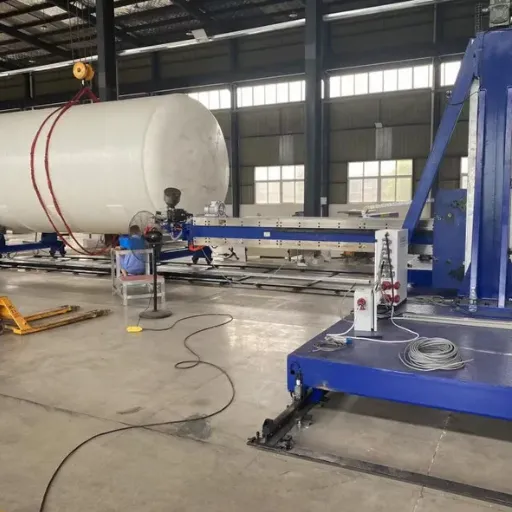
June 30, 2026A municipal contractor in Southeast Asia once accepted a shipment of HDPE pipe based only on a supplier's diameter claim. Six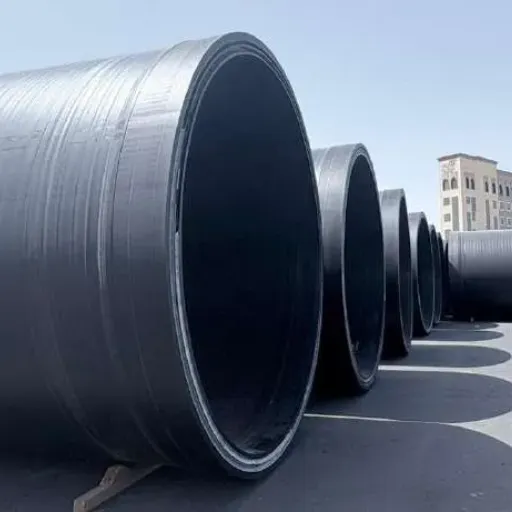 Read More
 -
Wastewater Collection System Design, Operation, and Renewal
June 30, 2026In late 2021, a coastal city in Southeast Asia discovered that its oldest wastewater collection system had been losing capacity fo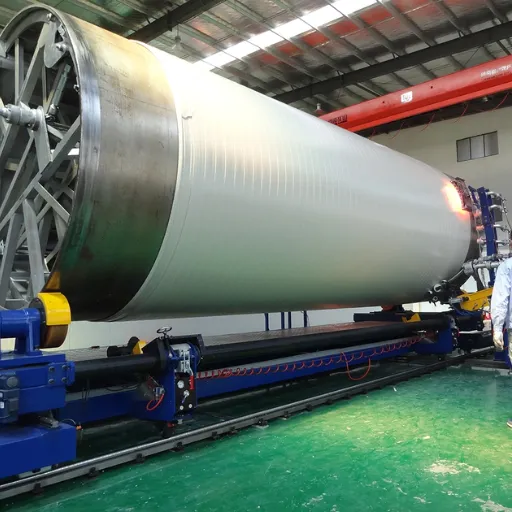 Read More
 -
Wastewater Infrastructure Design, Assessment, and Renewal
June 29, 2026In March 2023, a wastewater treatment plant serving 400,000 residents in Southern Europe suffered a cascade failure. A single inte Read More
 -
Combined Sewer System Design, Operation, and Rehabilitation
June 29, 2026In August 2021, a single storm dropped 175mm of rain on a midwestern U.S. city in less than 36 hours. The city's aging combine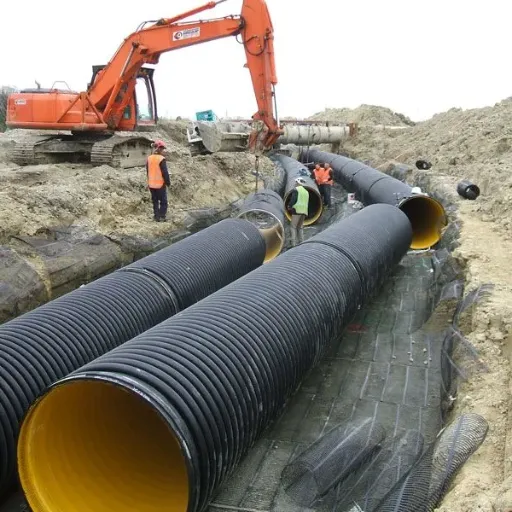 Read More

Contact Us
Recommended Products
-
 CIPP Glass Fibre Liner MachineNegotiableMOQ: 1 Set
 -
HDPE Helically Wound Tank MachineUS$ 10MOQ: 1 Set
-
CIPP Glass Liner MachineNegotiableMOQ: 1 Set
-
CIPP Felt Liner Manufacturing MachineNegotiableMOQ: 1 Set
-
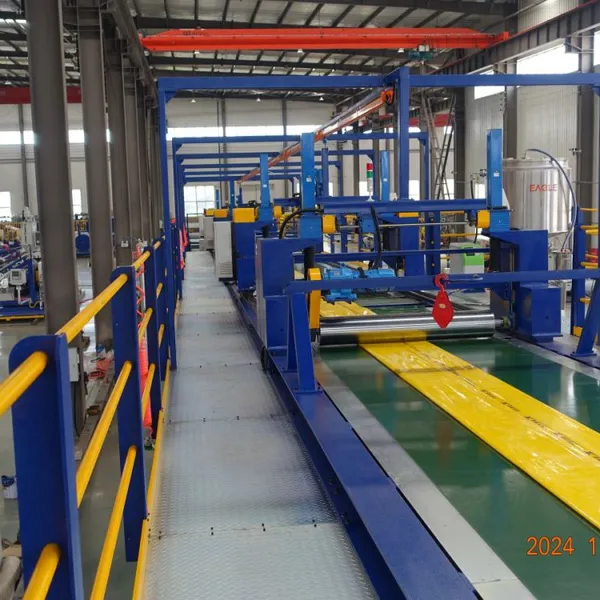
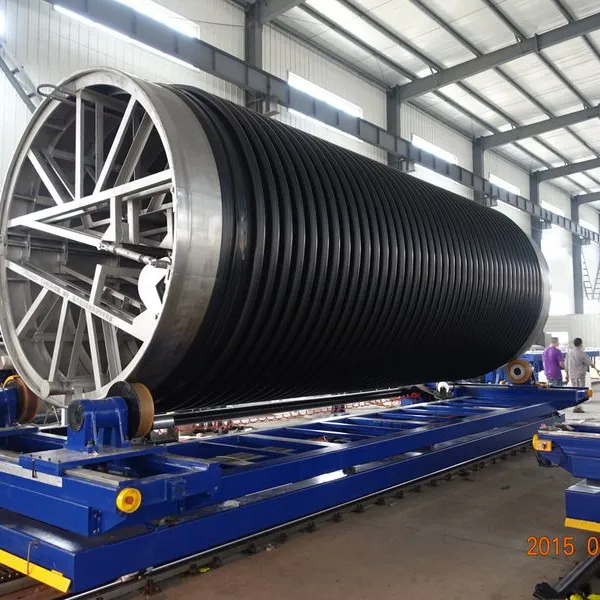
Large Diameter HDPE Sea Intake Outfall Structured Wall Pipe Making MachineNegotiableMOQ: 1 Set
-
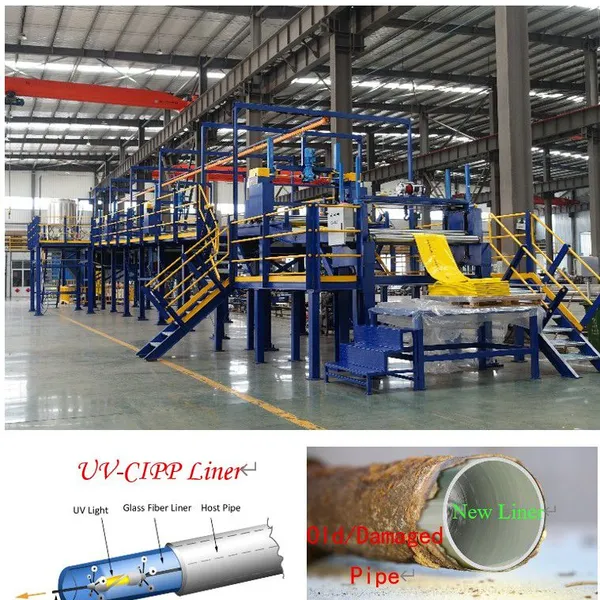
UV-CIPP Glass Fibre Liner Manufacturing MachineUS$ 1000 - 110000MOQ: 10 Meters
-
HDPE Pipe Extrusion Machine / PE Pipe Production Line With High OutputNegotiableMOQ: 1 Set
-
UV-CIPP Glass Fiber Liner Hose Production LineUS$ 1000 - 110000MOQ: 1 Set
-
HDPE Spiral Structure Wall Pipe MachineNegotiableMOQ: 1 Set
-
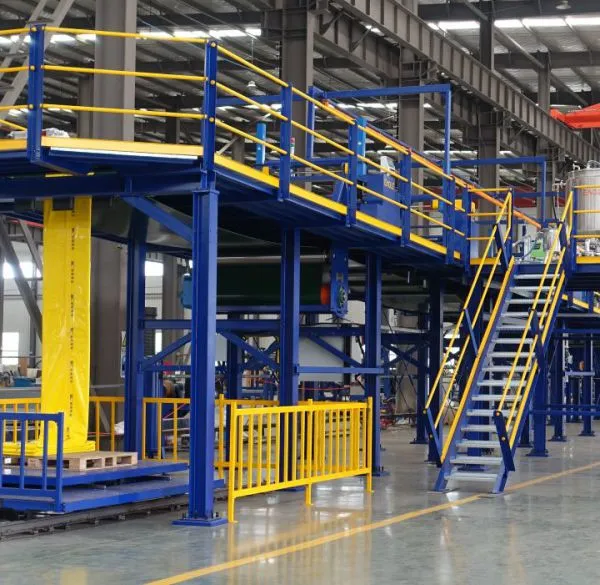
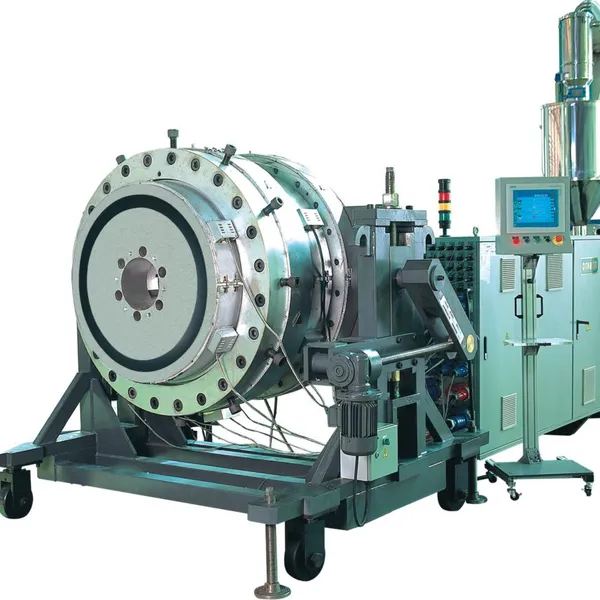
HDPE Spiral Pipe MachineNegotiableMOQ: 1 Set
-
HDPE Spiral Tank MachineNegotiableMOQ: 1 Set
-
Krah Pipe MachineNegotiableMOQ: 1 Set
-
Plastic HDPE PVC PPR Pipe Extrusion Making Machine Extrusion LineNegotiableMOQ: 1 Set
-
PVC Pipe Extrusion Production Line for Electrical Conduit and Water Supply PipesNegotiableMOQ: 1 Set
-
Hot Sell Single Wall Corrugated Pipe Extrusion Line With Competitive PriceNegotiableMOQ: 1 Set
-
HDPE Krah Profild Pipe MachineUS$ 10000MOQ: 1 Set
-
Plastic Tank CNC Holes Boring MachineUS$ 10000MOQ: 1 Set
-
Double Wall Corrugated Pipe Extrusion LineNegotiableMOQ: 1 Set
-
Single Wall Corrugated Pipe Extrusion LineNegotiableMOQ: 1 Set
-
Inversion CIPP Liner Tube Manufacturing MachineNegotiableMOQ: 1 Set