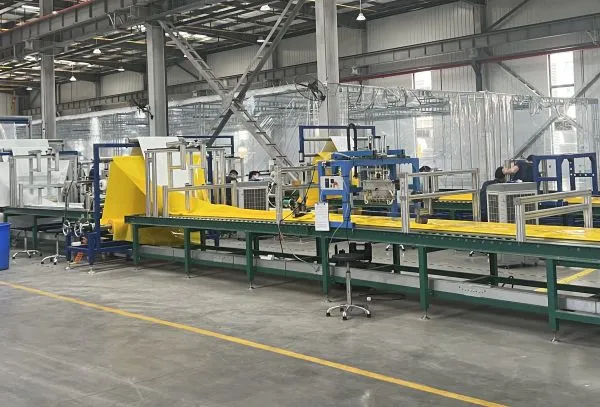

 Business License
Cured In Place Pipe (CIPP): A Complete Guide to Trenchless Rehabilitation
A cured in place pipe (CIPP) is a trenchless rehabilitation method that creates a new structural pipe inside an existing damaged sewer, drain, or industrial line without excavation. The process inserts a resin-saturated flexible liner into the host pipe and cures it with heat, steam, or ultraviolet light to form a seamless, corrosion-resistant pipe-within-a-pipe.
What if a single work crew could rehabilitate one kilometer of aging municipal sewer in a week without closing a single road? That is the operational reality CIPP contractors now deliver for municipalities, utilities, and industrial operators worldwide. As underground infrastructure ages across North America, Europe, and Asia, the demand for no-dig repair technologies continues to accelerate because the alternative, open-cut replacement, disrupts traffic, damages surface assets, and multiplies project costs.
In this guide, you will learn exactly how CIPP works, the differences between UV-CIPP and inversion CIPP systems, where each method performs best, and what equipment manufacturers need to produce high-quality liners at scale. We draw on our experience building CIPP liner manufacturing machines at Qingdao Yongke Machinery to explain the technology from both an installer and a manufacturer perspective.
Key Takeaways
Cured in place pipe (CIPP) installs a structural liner inside an existing pipe, avoiding excavation and reducing project costs by 50-70% compared to open-cut replacement.
UV-CIPP uses ultraviolet light for fast, controllable curing and is ideal for complex urban sewers, while inversion CIPP uses hot water or steam and remains the most widely used method for large-diameter and straight-line applications.
CIPP liners are manufactured by fabricating a felt or fiberglass tube, impregnating it with thermosetting resin, calibrating thickness, and packaging it for installation.
Produced liners must meet international standards such as ASTM F1216, ASTM F1743, and EN ISO 11296 to ensure structural performance and installation reliability.
Manufacturers entering the CIPP market need specialized liner production equipment, quality control systems, and technical support to serve the growing trenchless rehabilitation sector.
What Is Cured In Place Pipe (CIPP)?

Cured in place pipe is a form of trenchless rehabilitation used to repair cracked, corroded, or leaking pipelines by creating a new pipe wall bonded to the interior of the existing host pipe. The technology was first developed in the United Kingdom in the 1970s and has since become the dominant method for rehabilitating gravity sewers, storm drains, and some pressure pipelines.
The finished CIPP liner is a composite structure. It consists of a flexible carrier tube, usually polyester felt or fiberglass fabric, saturated with a thermosetting resin such as polyester, vinyl ester, or epoxy. Once installed and cured, the liner hardens into a smooth, structurally independent or semi-independent pipe that restores hydraulic capacity and prevents further deterioration.
CIPP is classified as a trenchless technology because it requires only small access pits or existing manholes rather than continuous trenching. This minimizes surface disruption, reduces traffic management costs, and shortens project duration. For municipal engineers, it also means rehabilitation can proceed in densely built areas where excavation would be prohibitively expensive or socially disruptive.
When the team at Metro Utilities in Ohio faced a 450-meter sewer segment running beneath a historic downtown street in 2023, open-cut replacement would have required closing the road for six weeks and removing century-old brick paving. Instead, they specified a CIPP liner installed through existing manholes. The street stayed open, the brickwork remained untouched, and the line returned to service in nine days.
How Cured In Place Pipe Works
The CIPP installation process follows a consistent sequence, although equipment and curing methods vary by technology. Understanding each stage helps engineers evaluate which method suits a specific project and helps manufacturers design liner production lines that meet installer requirements.
Host Pipe Inspection and Cleaning
Before lining, the host pipe is inspected with CCTV cameras to assess damage, measure diameter, identify service connections, and confirm structural suitability. High-pressure water jetting removes debris, roots, grease, and scale to ensure the liner bonds properly to the host pipe wall.
Liner Impregnation
The liner tube is impregnated with resin under controlled conditions. For inversion liners, this typically occurs at a wet-out facility where vacuum pressure removes air and ensures complete saturation. For UV-CIPP liners, resin impregnation is also performed under controlled temperature and humidity to maintain consistent viscosity and catalyst distribution.
Target resin content is usually 35-45% by weight of the finished liner. Too little resin reduces structural strength. Too much resin increases cost, adds weight, and can cause run-off during curing.
Liner Installation
The installation method depends on the CIPP technology:
Inversion CIPP: The liner is turned inside-out into the host pipe using water or air pressure. The resin-impregnated layer faces outward against the host pipe wall, while a protective outer layer faces inward.
UV-CIPP: The liner is pulled into position with a winch and inflated with air. A transparent inner film allows UV light to penetrate and cure the resin after installation.
Curing
Curing hardens the resin and bonds the liner to the host pipe:
Hot water curing: Heated water circulates through the inverted liner for a controlled period.
Steam curing: Steam replaces hot water for faster curing, especially in larger diameters.
UV curing: A light train emitting ultraviolet radiation travels through the liner at a controlled speed, initiating polymerization.
Cooling and Service Connection Reinstatement
After curing, the liner cools to ambient temperature. Robotic cutters reopen service connections from inside, and CCTV inspection verifies liner quality and completeness.
UV-CIPP vs Inversion CIPP: Choosing the Right Method

Not every cured in place pipe project uses the same technology. UV-CIPP and inversion CIPP each have distinct manufacturing requirements, installation procedures, and ideal applications. Equipment buyers and liner manufacturers should understand these differences before investing in production capacity.
UV-CIPP: Precision and Speed
UV-cured CIPP liners use ultraviolet light to trigger resin polymerization. The liner tube includes an inner transparent film that allows UV radiation to pass through and cure the resin uniformly from the inside out.
Advantages of UV-CIPP:
Curing time is predictable and independent of ambient temperature or host pipe thermal mass
Uncured liners have a shelf life of six to twelve months when protected from UV exposure
Installation requires only air pressure and a UV light train, with no water or steam infrastructure
Curing typically completes in one to three hours depending on diameter and length
Quality control can monitor cure progression through the light train's sensors
Best applications: Municipal sewer lines with bends and diameter transitions, industrial pipelines where downtime must be minimized, and locations where water or steam curing is impractical.
Inversion CIPP: Proven and Versatile
Inversion CIPP has been used since the 1970s and still represents the majority of the global CIPP market. The liner is installed by inversion and cured with hot water or steam.
Advantages of inversion CIPP:
Lower equipment investment for both manufacturing and installation
Broad market acceptance and decades of performance data
Compatible with a wide range of resin systems
Suitable for large-diameter pipes where UV light penetration becomes more complex
Established design procedures supported by international standards
Best applications: Long, straight sewer runs, large-diameter pipes, markets with strong installer familiarity with inversion methods, and projects where material cost is a primary consideration.
Technical Comparison
| Parameter | UV-CIPP | Inversion CIPP |
|---|---|---|
| Curing method | Ultraviolet light | Hot water or steam |
| Typical shelf life | 6-12 months | 2-4 weeks (refrigerated) |
| Installation time | 1-3 hours | 4-12 hours |
| Diameter range | DN150-DN1200 typical | DN100-DN3000+ |
| Bend accommodation | Excellent | Moderate |
| Equipment investment | Higher | Lower |
| Environmental sensitivity | Low | Higher |
For manufacturers, the choice often comes down to target market and capital strategy. UV-CIPP equipment requires a higher initial investment but supports premium positioning. Inversion CIPP equipment offers a lower entry point and access to the largest existing market. Many successful liner producers eventually offer both.
Applications and Market Demand for Cured In Place Pipe
The global market for trenchless rehabilitation is expanding as municipalities confront aging infrastructure, stricter environmental regulations, and limited budgets. CIPP serves a wide range of applications because it adapts to different pipe materials, diameters, and defect types.
Municipal Sewer Rehabilitation
Gravity sewers are the largest application for CIPP. Cracks, infiltration, exfiltration, and root intrusion are common in older concrete, clay, and brick sewers. CIPP seals the pipe, restores structural integrity, and extends service life by fifty years or more in many cases.
Stormwater Drainage Systems
Stormwater pipes suffer from corrosion, abrasion, and joint separation. CIPP provides a smooth interior surface that improves hydraulic capacity and resists further deterioration from acidic runoff.
Industrial Pipeline Rehabilitation
Chemical plants, food processing facilities, and industrial sites use CIPP to rehabilitate process lines, cooling water pipes, and effluent lines without shutting down adjacent operations. Resin selection is critical in industrial applications because liners must resist specific chemical environments.
Culverts and Highway Drains
Transportation agencies use CIPP to rehabilitate culverts beneath roads and railways. The trenchless approach avoids lane closures and track interruptions, which makes it cost-effective even for relatively short segments.
In 2024, a water authority in Southeast Asia contracted a rehabilitation specialist to line 12 kilometers of interceptor sewer beneath a major highway corridor. Open-cut work would have required nighttime lane closures for months and risked settlement to adjacent utilities. The contractor completed the project using inversion CIPP liners supplied by a regional manufacturer, maintaining traffic flow throughout and finishing three weeks ahead of the original schedule.
Manufacturing Cured In Place Pipe Liners

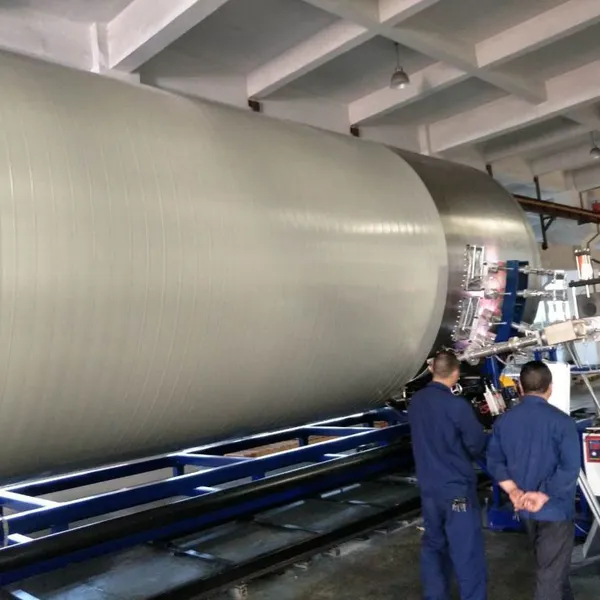
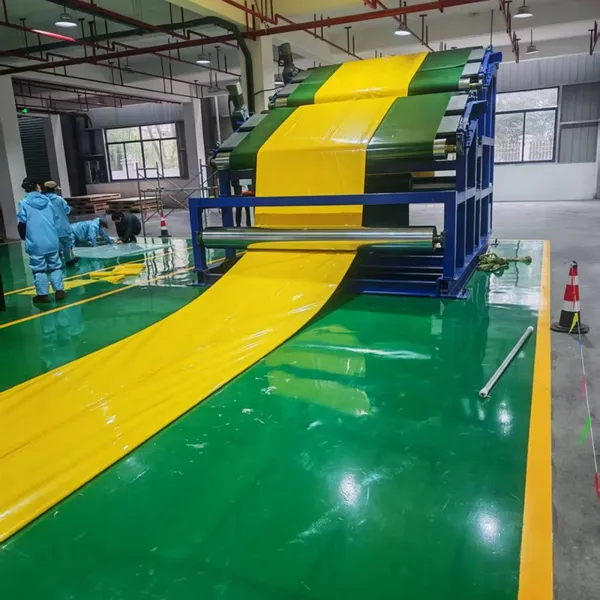
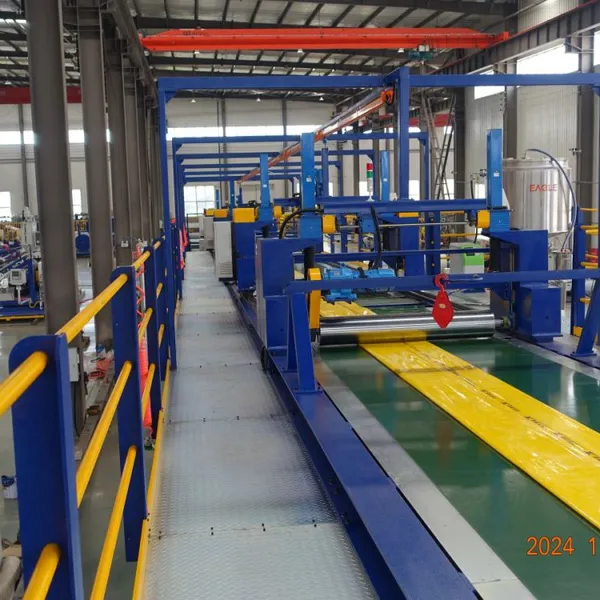
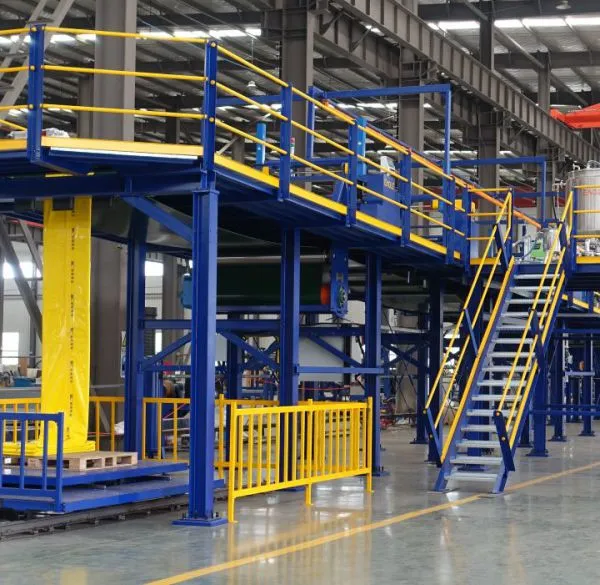
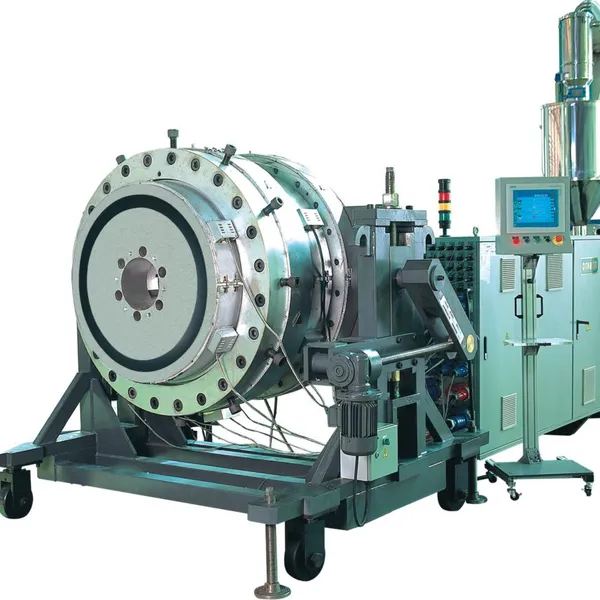
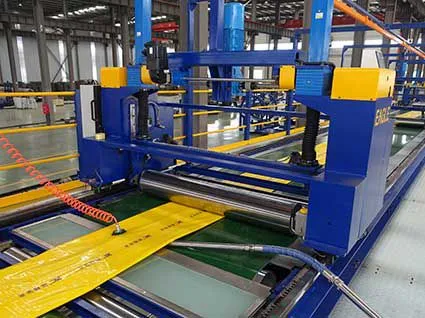
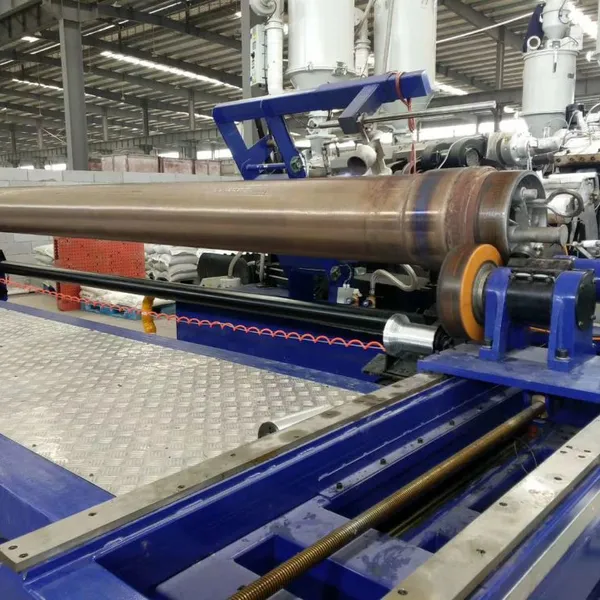
For manufacturers, the CIPP supply chain represents a significant opportunity. Liner production requires specialized equipment, controlled environmental conditions, and rigorous quality control. At Qingdao Yongke Machinery, we manufacture both UV-CIPP liner hose manufacturing machines and inversion CIPP liner hose machines for producers entering this market.
Tube Fabrication
The manufacturing process begins with fabricating the liner tube. For felt liners, needle-punched polyester felt is cut, sewn, or welded into tubes of the required diameter and length. For fiberglass UV-CIPP liners, layers of fiberglass fabric and absorbent materials are assembled to achieve the target wall thickness and structural properties.
Tube fabrication equipment must control seam strength, diameter accuracy, and longitudinal dimensional stability. Poorly fabricated tubes create installation problems such as wrinkles, overstretching, or insufficient resin retention.
Resin Impregnation
Resin impregnation is the most critical stage for liner quality. The process must achieve uniform resin distribution and the correct resin-to-fabric ratio.
A typical wet-out or impregnation system includes:
Vacuum chamber to remove trapped air from the fabric
Metering and mixing equipment for resin and catalyst
Temperature and humidity control to maintain resin viscosity
Calibration rollers or squeezing systems to remove excess resin
Protective film application for UV-CIPP liners
Resin content is verified by ignition loss testing or solvent extraction to confirm compliance with design specifications.
Calibration and Quality Control
After impregnation, liners are calibrated for thickness, diameter, and resin distribution. Quality control tests typically include:
Thickness measurement at multiple points around the circumference
Resin content analysis
Flexural strength and modulus testing
Seam strength testing for sewn tubes
Visual inspection for defects, wrinkles, or contamination
Manufacturing equipment should include integrated quality monitoring systems and documentation procedures that support third-party inspection and certification.
Packaging and Storage
Finished liners are rolled, folded, or packed for transport and installation. UV-CIPP liners must be protected from light exposure until installation. Inversion liners often require refrigerated transport and installation within a short window to prevent premature curing.
Quality Standards and Certifications for CIPP
CIPP liners must meet strict international standards because failures are costly and difficult to remediate. Equipment manufacturers, liner producers, and installation contractors should all understand the relevant norms.
ASTM Standards
ASTM F1216: Standard practice for rehabilitation of existing pipelines and conduits by the inversion and curing of a resin-impregnated tube
ASTM F1743: Standard practice for rehabilitation of existing pipelines and conduits by pulled-in-place and cured-in-place pipe
ASTM F2019: Standard specification for ASTM F1216 CIPP cured by ultraviolet radiation
European Standards
EN ISO 11296: Plastics piping systems for renovation of underground non-pressure drainage and sewerage networks
EN 13566: Plastics piping systems for renovation of underground drainage and sewerage networks under pressure
Machinery Certifications
Liner manufacturing equipment should be built by a supplier with certified quality management systems. At Qingdao Yongke Machinery, our facility maintains ISO 9001, ISO 14001, and ISO 45001 certifications, and our machinery carries CE marking for European conformity.
Manufacturers should request documentation demonstrating that equipment complies with machinery safety standards and supports the production of liners meeting applicable product standards. This includes electrical schematics, operation manuals, spare parts lists, and quality control procedures.
Selecting Cured In Place Pipe Equipment

Choosing CIPP manufacturing equipment requires matching production capabilities to market demand. Whether you are a pipe rehabilitation contractor vertically integrating into liner production or a manufacturer diversifying into trenchless products, several factors determine the right investment.
Define Your Target Market
Start by identifying the diameter range, resin system, and curing method your customers prefer. Urban contractors may favor UV-CIPP for speed and predictability. Municipal agencies with large interceptor sewers may prefer inversion CIPP for diameter capability and lower material cost.
Evaluate Production Capacity
Calculate required output in meters per day or month. High-volume producers need automated impregnation lines, while smaller operations may start with semi-automatic equipment and scale up.
Assess Technical Support
CIPP liner manufacturing involves chemistry, textiles, and process control. Equipment suppliers should provide operator training, process documentation, and ongoing technical support. Remote diagnostic capability and spare parts availability reduce downtime risk.
Plan for Quality Compliance
Equipment should support the testing and documentation required by ASTM, EN ISO, or local standards. This includes sample preparation, calibration tools, and production recordkeeping.
For manufacturers evaluating equipment, contact our sales team to discuss your target diameter range, production volume, and resin system. We configure UV-CIPP and inversion CIPP liner production lines to match specific market requirements.
Installation Best Practices and Common Challenges
Even high-quality liners can fail if installation procedures are incorrect. Contractors should follow established best practices to ensure CIPP performance matches design expectations.
Pre-Installation Preparation
Accurate host pipe measurement is essential. A liner that is too small will not bond properly. A liner that is too large may wrinkle or create thickness inconsistencies. CCTV survey data should be used to confirm diameter, ovality, and the location of service connections.
Environmental Control
Temperature affects resin viscosity and cure kinetics. Wet-out facilities should maintain stable conditions, and liners should be installed within the allowable temperature window specified by the resin manufacturer.
Cure Monitoring
For hot water and steam curing, temperature sensors should verify that the entire liner reaches the specified cure temperature for the required duration. For UV curing, the light train speed and lamp output should be calibrated to the liner thickness and resin formulation.
Post-Installation Inspection
CCTV inspection confirms liner placement, thickness, and the quality of service connection reinstatements. Pressure or leakage testing may also be required for some applications.
A common challenge in CIPP projects is active infiltration. If groundwater enters the host pipe faster than it can be controlled, it can displace resin or prevent proper curing. Dewatering, chemical grouting, or spot repairs may be needed before lining.
Conclusion
Cured in place pipe technology has transformed underground infrastructure rehabilitation by delivering structural renewal without excavation. For municipalities and utilities, it reduces cost, minimizes disruption, and extends the life of aging sewer and drainage networks. For manufacturers and contractors, it represents a growing market driven by infrastructure investment and increasing regulatory pressure.
Whether your focus is UV-CIPP or inversion CIPP, success depends on understanding the technology, selecting the right equipment, and maintaining rigorous quality control. Manufacturers who invest in purpose-built liner production lines position themselves to serve this expanding sector with consistent, standards-compliant products.
Recently Posted
-
HDPE Pipe Standards: A Practical Guide for Engineers and Buyers
June 30, 2026A municipal contractor in Southeast Asia once accepted a shipment of HDPE pipe based only on a supplier's diameter claim. Six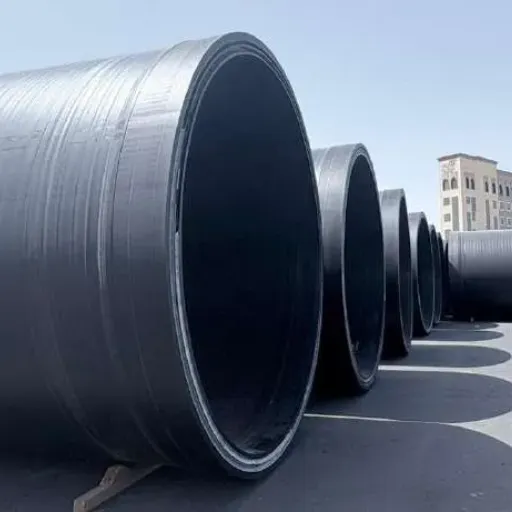 Read More
 -
Wastewater Collection System Design, Operation, and Renewal
June 30, 2026In late 2021, a coastal city in Southeast Asia discovered that its oldest wastewater collection system had been losing capacity fo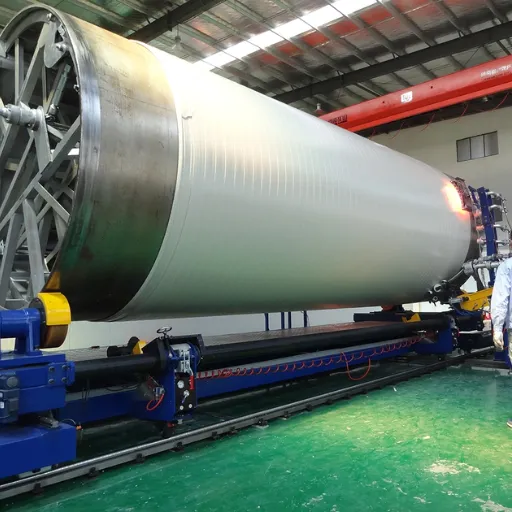 Read More
 -
Wastewater Infrastructure Design, Assessment, and Renewal
June 29, 2026In March 2023, a wastewater treatment plant serving 400,000 residents in Southern Europe suffered a cascade failure. A single inte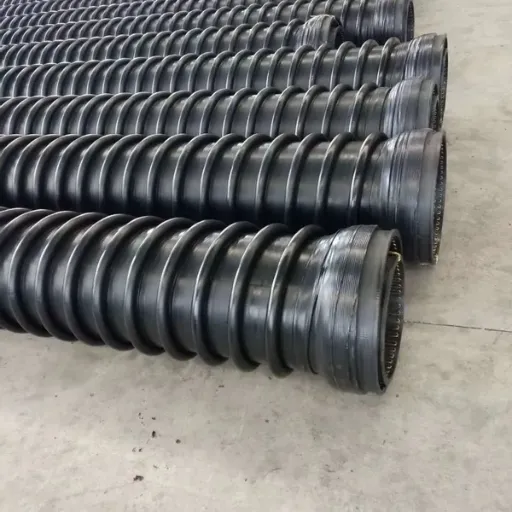 Read More
 -
Combined Sewer System Design, Operation, and Rehabilitation
June 29, 2026In August 2021, a single storm dropped 175mm of rain on a midwestern U.S. city in less than 36 hours. The city's aging combine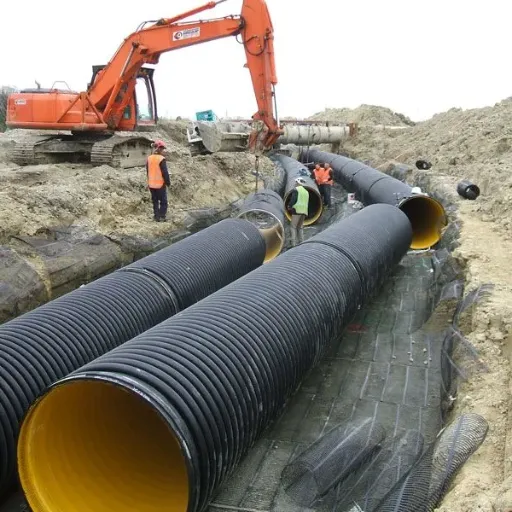 Read More

Contact Us
Recommended Products
-
 CIPP Glass Fibre Liner MachineNegotiableMOQ: 1 Set
 -
HDPE Helically Wound Tank MachineUS$ 10MOQ: 1 Set
-
CIPP Glass Liner MachineNegotiableMOQ: 1 Set
-
CIPP Felt Liner Manufacturing MachineNegotiableMOQ: 1 Set
-
Large Diameter HDPE Sea Intake Outfall Structured Wall Pipe Making MachineNegotiableMOQ: 1 Set
-
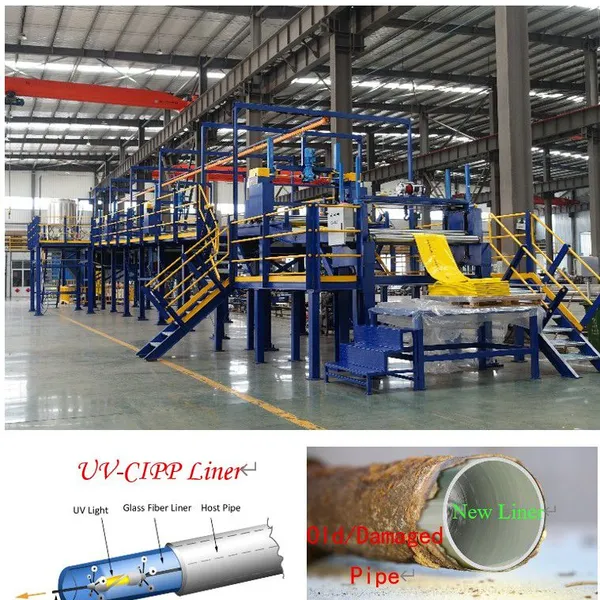
UV-CIPP Glass Fibre Liner Manufacturing MachineUS$ 1000 - 110000MOQ: 10 Meters
-
HDPE Pipe Extrusion Machine / PE Pipe Production Line With High OutputNegotiableMOQ: 1 Set
-
UV-CIPP Glass Fiber Liner Hose Production LineUS$ 1000 - 110000MOQ: 1 Set
-
HDPE Spiral Structure Wall Pipe MachineNegotiableMOQ: 1 Set
-
HDPE Spiral Pipe MachineNegotiableMOQ: 1 Set
-
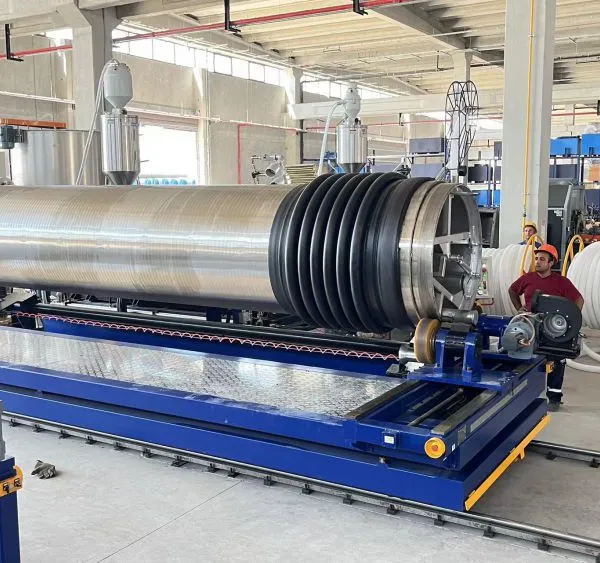
HDPE Spiral Tank MachineNegotiableMOQ: 1 Set
-
Krah Pipe MachineNegotiableMOQ: 1 Set
-
Plastic HDPE PVC PPR Pipe Extrusion Making Machine Extrusion LineNegotiableMOQ: 1 Set
-
PVC Pipe Extrusion Production Line for Electrical Conduit and Water Supply PipesNegotiableMOQ: 1 Set
-
Hot Sell Single Wall Corrugated Pipe Extrusion Line With Competitive PriceNegotiableMOQ: 1 Set
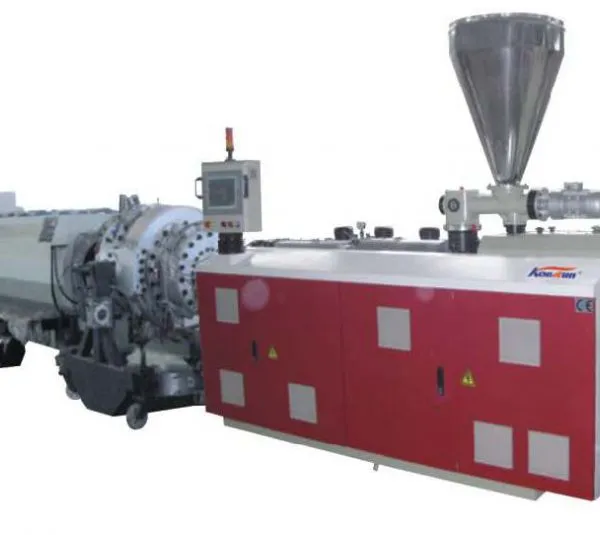
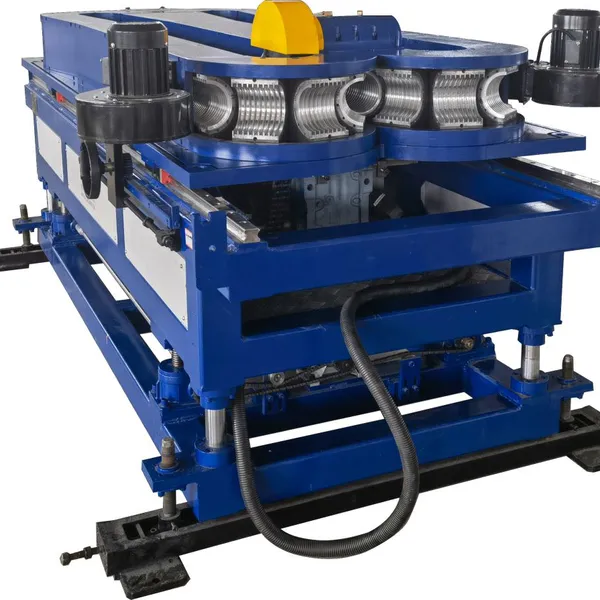
-
HDPE Krah Profild Pipe MachineUS$ 10000MOQ: 1 Set
-
Plastic Tank CNC Holes Boring MachineUS$ 10000MOQ: 1 Set
-
Double Wall Corrugated Pipe Extrusion LineNegotiableMOQ: 1 Set
-
Single Wall Corrugated Pipe Extrusion LineNegotiableMOQ: 1 Set
-
Inversion CIPP Liner Tube Manufacturing MachineNegotiableMOQ: 1 Set