
 Business License
Trenchless Pipe Installation: Methods, Equipment, and Project Planning
Trenchless pipe installation refers to a group of construction methods that install, repair, or replace underground pipes without the need for continuous open excavation. These techniques include cured-in-place pipe (CIPP) lining, pipe bursting, slip lining, horizontal directional drilling (HDD), and microtunneling. They reduce surface disruption, lower restoration costs, and shorten project schedules compared to traditional open-cut methods.
The global demand for trenchless technology continues to grow as urban infrastructure ages and municipalities face stricter budgets. By 2026, cities in North America, Europe, and Asia report that trenchless methods can reduce public disruption by 70% or more on busy streets. Yet many contractors still struggle to choose the right method, size the liner correctly, or specify the production equipment their suppliers need.
This guide explains how trenchless pipe installation works, which method fits which project, and what equipment supports each approach. You will learn how to evaluate host-pipe conditions, select liners, plan curing, and source machinery that meets international standards.
Key Takeaways
Trenchless pipe installation covers CIPP lining, pipe bursting, slip lining, HDD, and microtunneling, each suited to different pipe sizes and ground conditions.
Cured-in-place pipe (CIPP) lining is the most common rehabilitation method and can be cured with UV light, hot water, or steam depending on site constraints.
UV-CIPP liners offer predictable curing and long shelf life, while inversion CIPP remains the most widely used method for large-diameter sewers.
Pipe bursting and slip lining are preferred when the host pipe is collapsed, severely deformed, or undersized for current flow requirements.
Successful projects depend on accurate host-pipe inspection, proper liner design, and equipment that meets ASTM F1216, ASTM F1743, or EN ISO 11296 standards.
What Is Trenchless Pipe Installation?
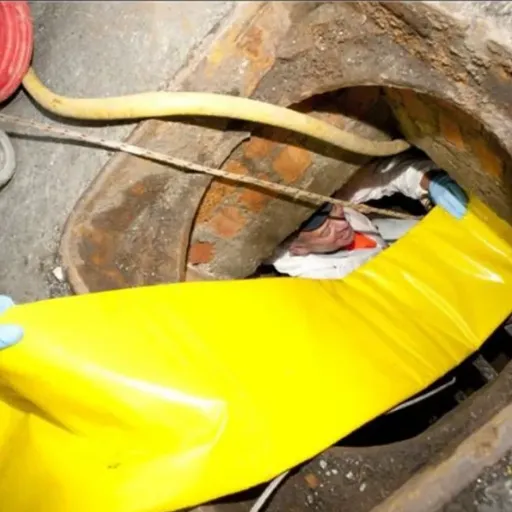
Trenchless pipe installation is any method that places or restores underground piping with minimal excavation. Instead of digging a trench the full length of the pipeline, contractors create small access pits or entry points and use specialized equipment to pull, push, inflate, or cure a new pipe inside or through the existing ground.
The term covers two broad categories:
Rehabilitation: Repairing an existing pipe by lining it from the inside. CIPP lining is the leading example.
Replacement or new installation: Putting in a new pipe where none exists or replacing a failed pipe. HDD, pipe bursting, and microtunneling fall into this group.
Trenchless methods are especially valuable in dense urban areas where open cutting would damage roads, railways, utilities, landscaping, or commercial operations. They also protect environmentally sensitive zones such as river crossings and wetlands because they limit surface disturbance.
When Marcus, a project manager for a municipal water utility in Southeast Asia, faced a 600-meter sewer line running beneath a historic market, open excavation was not an option. His team chose CIPP lining. They installed a UV-cured fiberglass liner through existing manholes, completed the work in four days, and avoided closing a single vendor stall. The total restoration cost was less than 15% of the open-cut estimate.
Common Trenchless Pipe Installation Methods
Each trenchless method solves a specific problem. Matching the method to the project is the first step in a successful installation.
Cured-in-Place Pipe (CIPP) Lining
CIPP lining creates a new pipe inside the old one. A flexible liner tube, typically made of polyester felt or fiberglass fabric, is impregnated with thermosetting resin and inserted into the host pipe. Once in position, the resin cures to form a structural, corrosion-resistant pipe-within-a-pipe.
CIPP is used for:
Sewer and stormwater lines with cracks, leaks, or root intrusion
Pipes with active infiltration that must be sealed quickly
Situations where the host pipe retains enough shape to hold the liner
Curing methods include:
UV curing: Ultraviolet light passes through a transparent inner film to cure the resin. This method is fast, predictable, and not affected by ambient temperature.
Hot-water curing: Heated water circulates through the inverted liner until the resin sets. It works for large diameters but depends on boiler capacity.
Steam curing: Steam is circulated instead of hot water, offering faster cure times in suitable applications.
Pipe Bursting
Pipe bursting fractures the existing pipe and displaces the fragments into the surrounding soil while pulling a new pipe of equal or larger diameter into the same path. It is ideal when the host pipe is collapsed, bellied, or undersized.
This method requires:
An entry pit and a reception pit
A bursting head sized to the existing pipe
A pulling rig with sufficient force
A replacement pipe, usually HDPE, fused into continuous lengths
Pipe bursting increases flow capacity because the new pipe can match or exceed the original diameter. It is commonly used for water mains and gas lines as well as sewer lines.
Slip Lining
Slip lining inserts a smaller-diameter pipe into the existing pipe and grouts the annular space. It is one of the oldest trenchless methods and remains cost-effective for long, straight runs.
The main limitation is diameter reduction. Because the new pipe must be smaller than the host pipe, flow capacity decreases unless the replacement material has a much smoother interior surface. HDPE is often chosen for its low friction coefficient.
Horizontal Directional Drilling (HDD)
HDD installs new pipelines by drilling a pilot hole along a planned path and then enlarging it with a reamer before pulling the pipe through. It is widely used for water mains, gas lines, telecommunications conduits, and electrical cables.
HDD is effective for:
Crossing rivers, roads, and railways
Installing pressure pipes in undeveloped areas
Long-distance installations where excavation is impractical
Microtunneling
Microtunneling uses a remote-controlled boring machine to install pipes in a single pass. It provides high accuracy and is suitable for large-diameter gravity sewers in soft ground or below the water table.
This method requires significant setup and investment, so it is typically used for large-scale infrastructure projects rather than routine maintenance.
The CIPP Liner Installation Process Step by Step
CIPP lining is the most widely used trenchless rehabilitation method. Understanding the installation sequence helps contractors plan labor, equipment, and curing time.
Step 1: Host-Pipe Inspection
A CCTV camera survey records the internal condition of the pipe. Engineers look for cracks, offset joints, root intrusion, sediment buildup, and structural defects. This inspection determines whether the pipe is a candidate for lining and what preparation is needed.
Step 2: Cleaning and Preparation
The host pipe is cleaned with high-pressure water jets, mechanical scrapers, or root cutters. Debris is removed so the liner can make full contact with the host-pipe wall. Any severe obstructions may require spot repairs before lining.
Step 3: Liner Design and Manufacturing
The liner is designed to fit the host pipe with appropriate clearance. It includes:
An absorbent layer for resin saturation
An outer coating for installation lubricity
Optional fiberglass reinforcement for structural strength
An inner transparent film for UV-cured systems
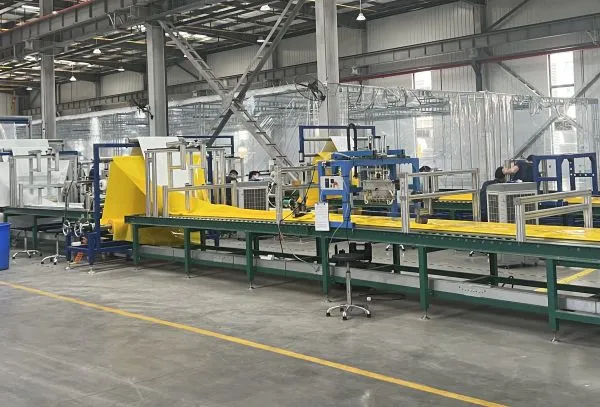
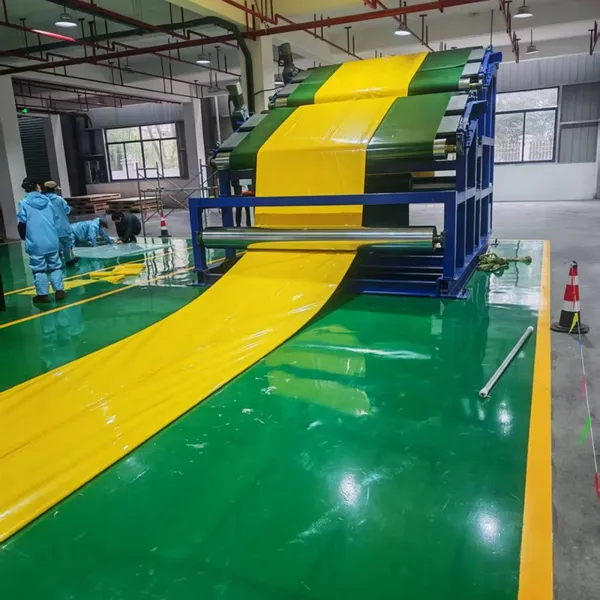
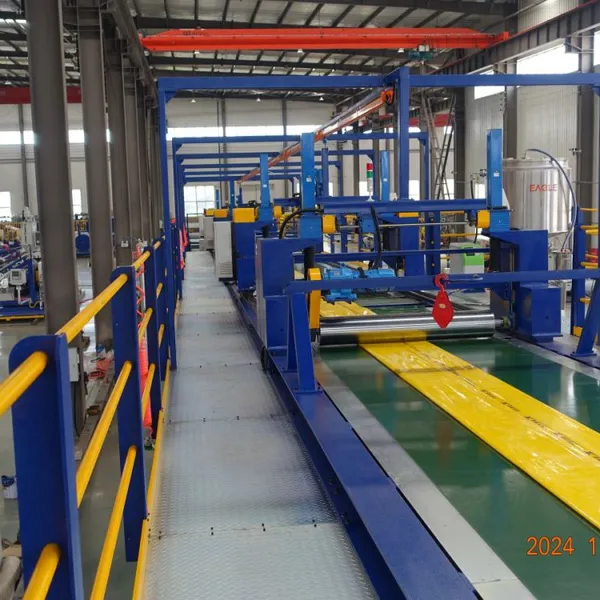
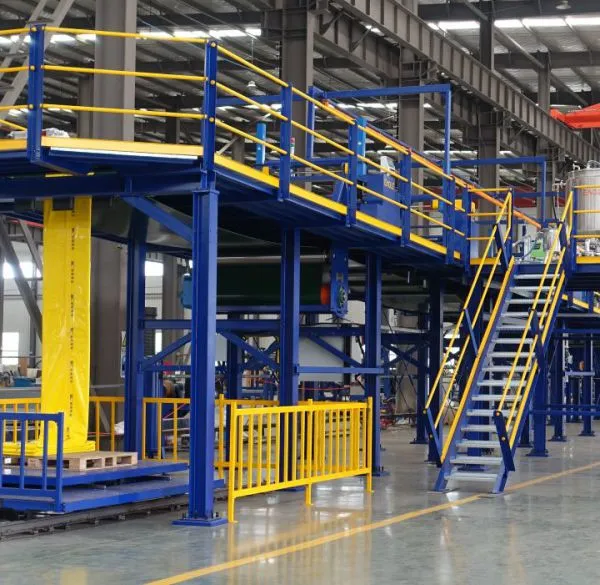
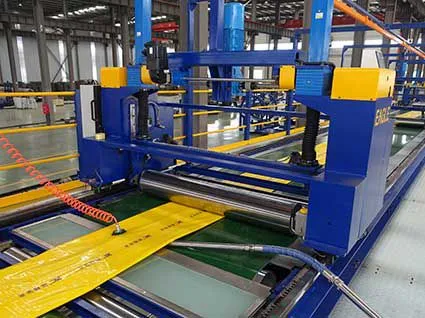
For contractors who manufacture their own liners, UV-CIPP liner hose manufacturing machines produce UV-curable fiberglass tubes, while inversion CIPP liner hose machines produce liners for hot-water or steam curing.
Step 4: Resin Impregnation
The liner is saturated with epoxy, polyester, or vinyl ester resin under controlled temperature and vacuum. Target resin content is typically 35-45% by weight. Consistent impregnation is critical because dry spots create weak points in the cured liner.
Step 5: Insertion and Inflation
The impregnated liner is inserted by inversion or pulled into place. It is then inflated against the host-pipe wall with air or water pressure. Proper inflation ensures the liner fills cracks, bridges gaps, and conforms to the pipe profile.
Step 6: Curing
Curing hardens the resin into a structural composite. The choice of curing method affects schedule and quality:
UV curing completes in one to three hours and is highly repeatable.
Hot-water curing takes four to twelve hours depending on pipe diameter and length.
Steam curing is faster than hot water but requires careful temperature control.
Step 7: Quality Verification
After curing, the liner is inspected again with CCTV. Engineers check for wrinkles, voids, thickness uniformity, and proper termination at manholes. Samples may be tested for flexural strength and modulus per ASTM F1216 or EN ISO 11296.
Choosing the Right Trenchless Method for Your Project
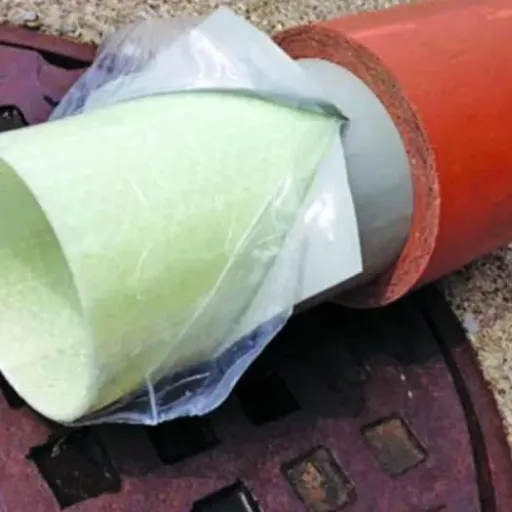
Not every method fits every pipe. The selection depends on host-pipe condition, ground conditions, diameter, length, access, and budget.
| Factor | CIPP Lining | Pipe Bursting | Slip Lining | HDD |
|---|---|---|---|---|
| Host-pipe condition | Structurally sound with defects | Collapsed or undersized | Structurally sound, straight | New path needed |
| Diameter range | DN150-DN3000+ | DN100-DN1200 typical | DN150-DN2500 | DN50-DN1600 typical |
| Length capability | Up to several hundred meters | Up to 300 meters typical | Long straight runs | Hundreds of meters |
| Surface disruption | Minimal | Two pits required | Two pits required | Entry and exit pits |
| Flow capacity | Slight reduction | Maintained or increased | Reduced | New capacity |
| Curing time | 1-12 hours | Immediate after pull | Immediate after grout | Immediate after pull |
When selecting a method, engineers also consider:
Groundwater level: High groundwater favors methods that seal infiltration, such as CIPP.
Soil type: Rocky soils complicate bursting and microtunneling; soft soils suit HDD.
Existing utilities: Dense utility corridors require accurate guidance systems.
Traffic and access: Busy roads favor methods with the smallest footprint.
Sarah, a rehabilitation engineer in Germany, was asked to renew a DN800 sewer beneath a tram line. Open cutting would have required a six-week closure and rerouting of public transport. She specified UV-CIPP lining because the host pipe was structurally intact and the installation could be completed between 02:00 and 05:00 over three nights. The tram line stayed open throughout the project.
Equipment and Materials for Trenchless Installation
The equipment behind trenchless pipe installation has become increasingly specialized. Contractors need reliable machinery that produces consistent liners, controls curing parameters, and documents quality.
CIPP Manufacturing Equipment
For contractors moving liner production in-house, the core equipment includes:
Tube forming lines: Sew or weld felt or fiberglass into tubes of the required diameter.
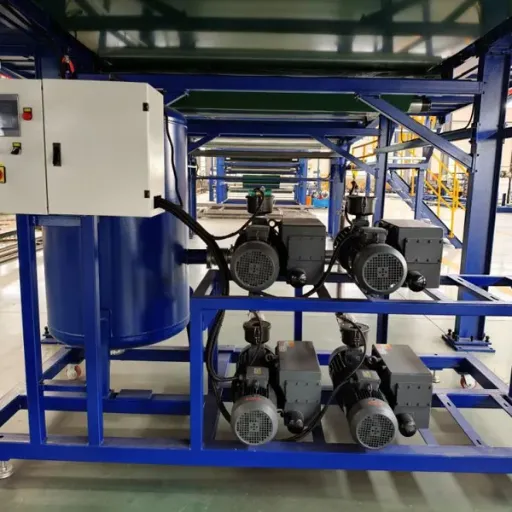
Resin impregnation systems: Vacuum wet-out equipment that ensures uniform resin saturation.
Calibration and winding systems: Hold diameter and package liners for transport.
Curing equipment: UV light trains, hot-water boilers, or steam generators.
Our UV-CIPP liner hose manufacturing machine produces liners designed for municipal and industrial trenchless rehabilitation. For contractors serving markets where hot-water inversion remains the standard, our inversion CIPP liner hose machine offers a proven production path.
Pipe Bursting Equipment
Hydraulic pulling rigs: Provide the force needed to pull the bursting head and new pipe.
Bursting heads: Split the existing pipe and compact fragments into the surrounding soil.
Pipe fusion equipment: Join HDPE pipe sections into continuous lengths before installation.
HDD Equipment
Directional drilling rigs: Create the pilot hole and provide pullback force.
Drilling fluid systems: Stabilize the borehole and remove cuttings.
Reamers and swabs: Enlarge the pilot hole to the required diameter.
Tracking systems: Monitor drill-head location and alignment in real time.
New Pipe Materials
Trenchless installation uses a range of pipe materials depending on the method and application:
HDPE: Flexible, fused joints, common in bursting and HDD.
PP and PVC: Used in slip lining and some structural liners.
Fiberglass: Reinforcing layer in UV-CIPP and some inversion liners.
** Polyester felt**: Absorbent carrier for CIPP resins.
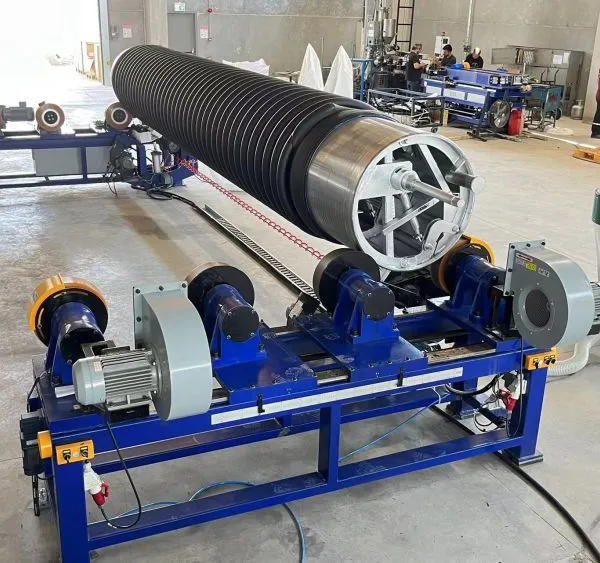
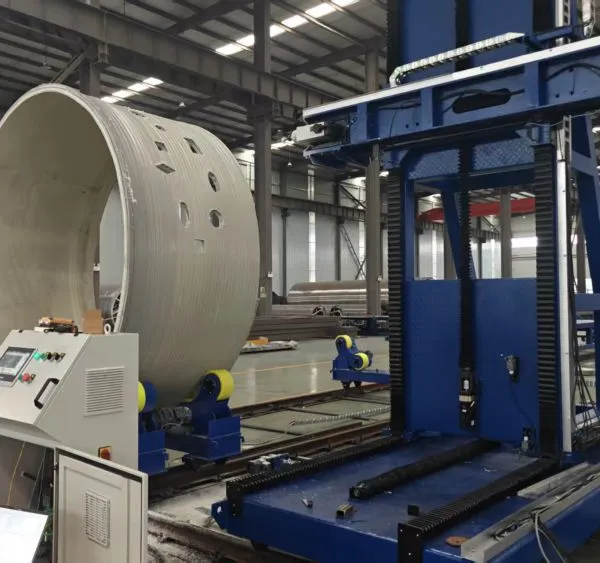
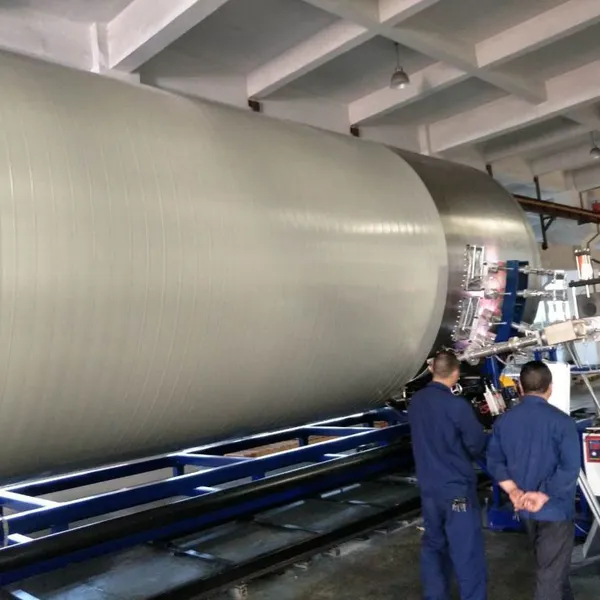
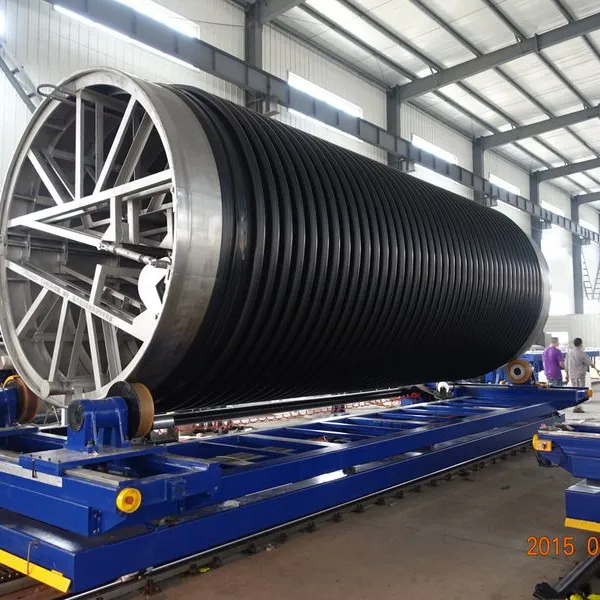
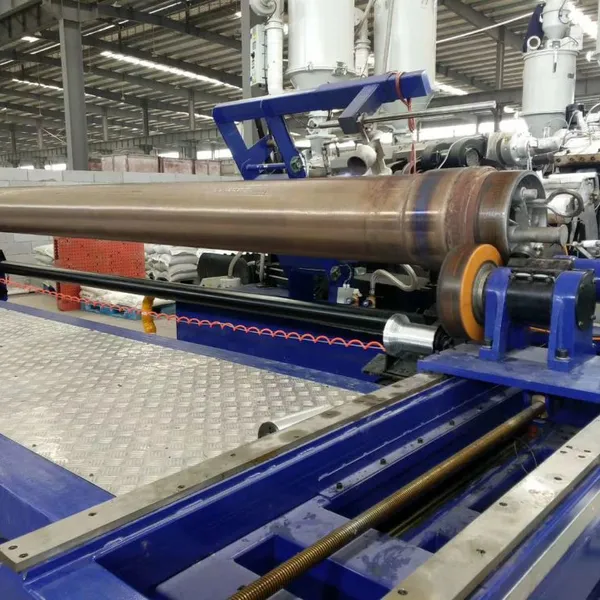
For projects requiring new large-diameter structural pipe, HDPE spiral profile pipe machines produce DN300mm to DN5000mm pipes that serve as municipal sewers, stormwater lines, and outfalls.
Quality Standards and Design Considerations
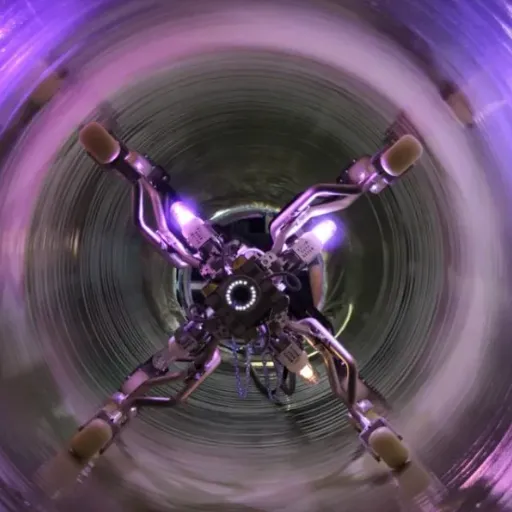
Trenchless pipe installation must produce a durable result. Design and quality checks ensure the rehabilitated or replaced pipe meets project requirements.
Structural Design
For CIPP liners, engineers calculate the required thickness based on:
Host-pipe condition
Groundwater head
Soil loads
Traffic loads
Design life, typically 50 years
Standards such as ASTM F1216 and EN ISO 11296 provide design equations and minimum property requirements. Liners installed in partially deteriorated pipes rely partly on the host pipe for support, while fully deteriorated designs assume the liner carries all loads.
Material Testing
Quality control tests include:
Resin content: Measured by ignition loss, typically 35-45% by weight.
Thickness uniformity: Variation should not exceed 10% around the circumference.
Flexural properties: Flexural strength and modulus confirm structural capacity.
Bond and seam strength: Critical for sewn liners and multilayer constructions.
Installation Records
Complete documentation supports warranty claims and future maintenance. Records should include:
Pre-installation CCTV survey
Liner batch numbers and resin certificates
Cure temperature and pressure logs
Post-installation CCTV survey
Laboratory test results
At Qingdao Yongke Machinery, our CIPP liner manufacturing equipment is designed to produce liners meeting ASTM F1216, ASTM F1743, and EN ISO 11296. We provide technical documentation and process guidance to help manufacturers maintain consistent quality.
Common Challenges and How to Avoid Them
Even experienced contractors encounter problems. Anticipating these challenges improves project outcomes.
Undersized or Oversized Liners
A liner that is too small will not contact the host-pipe wall. A liner that is too large will wrinkle or create resin-rich zones. Accurate measurement of the host-pipe diameter and ovality is essential.
Incomplete Curing
Under-cured resin produces a soft liner with low strength. Over-curing can make the liner brittle. Follow the resin manufacturer's cure schedule and monitor temperature throughout the cross-section.
Active Infiltration
Groundwater flowing into the pipe can dilute resin or prevent full inflation. Pre-grouting infiltration points or using a faster-curing UV system may be necessary.
Poor Host-Pipe Geometry
Severely deformed pipes may not be suitable for CIPP lining. In these cases, pipe bursting or open-cut replacement may be the better choice.
Frequently Asked Questions About Trenchless Pipe Installation
What is the most common trenchless pipe installation method?
Cured-in-place pipe (CIPP) lining is the most widely used trenchless rehabilitation method globally. It installs a resin-impregnated liner inside an existing pipe and cures it to form a structural new pipe wall.
How long does trenchless pipe installation take?
Project duration varies by method and size. UV-CIPP lining often cures in one to three hours per section. Inversion CIPP with hot water may take four to twelve hours. Pipe bursting and HDD are typically limited by setup and pullback time rather than curing.
Is trenchless pipe installation cheaper than open cutting?
Trenchless methods usually reduce total project cost when surface restoration, traffic management, and downtime are included. Direct construction cost may be comparable or higher, but the overall lifecycle cost is often lower.
What pipe diameters can be installed with trenchless methods?
CIPP lining spans DN150 to DN3000 and beyond. Pipe bursting commonly handles DN100 to DN1200. HDD installs pipes from DN50 to DN1600. Microtunneling handles large-diameter gravity sewers exceeding DN1000.
Can trenchless methods handle severely damaged pipes?
Pipe bursting is often the best choice for collapsed or severely deformed pipes because it removes the old pipe and replaces it. CIPP lining requires the host pipe to retain enough shape to hold the liner during curing.
Conclusion
Trenchless pipe installation offers municipalities, utilities, and contractors a practical way to renew underground infrastructure without the disruption of open excavation. Whether you choose CIPP lining, pipe bursting, slip lining, or HDD, success depends on accurate inspection, proper method selection, and equipment that meets recognized quality standards.
For pipe manufacturers and rehabilitation contractors, investing in the right production equipment is a strategic decision. UV-CIPP and inversion CIPP liner manufacturing machines enable you to control liner quality, reduce lead times, and serve the expanding no-dig market.
If you are evaluating trenchless rehabilitation equipment for your operation, contact our sales team to discuss your target diameters, production capacity, and certification requirements. Our engineers can recommend a configuration that aligns with your project pipeline and market goals.
Recently Posted
-
Qingdao Yongke Machinery: Full-Category Spiral Pipe Equipment from China's Qingdao
September 1, 2026Choosing a machinery supplier for large-diameter plastic pipe production is a long-term decision, because the line you install wil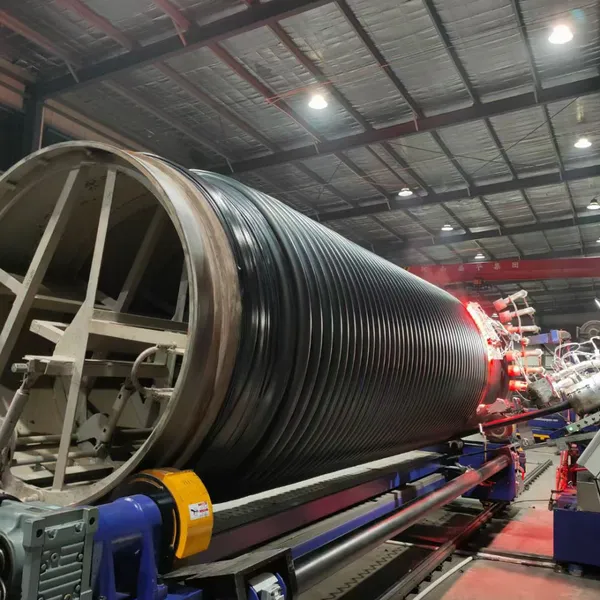 Read More
 -
Quality Control in Spiral Pipe Machine Manufacturing
August 31, 2026A buyer in South America some time ago received a winding line that looked complete on the surface but suffered repeated seam defe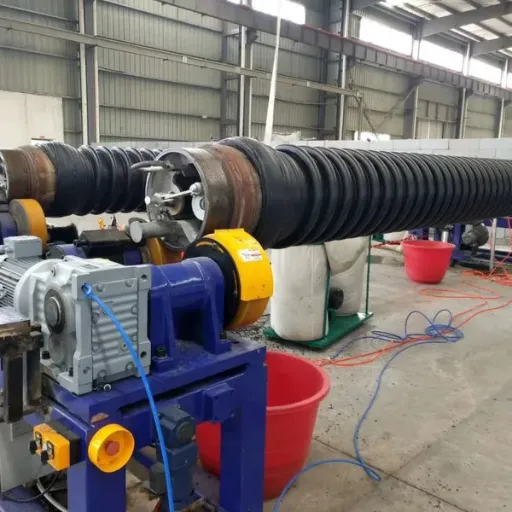 Read More
 -
Spiral Pipe for Sewage and Drainage Networks: Production Notes
August 28, 2026A municipal contractor in Eastern Europe some time ago took delivery of spiral-wound sewer pipe that looked flawless on the line.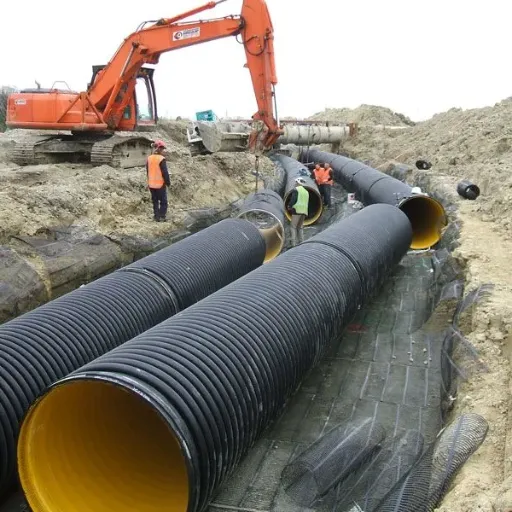 Read More
 -
DN300 to DN5000: Diameter Range and Machine Configuration
August 27, 2026A plant owner in Central Asia once asked for a line "up to DN5000" because a future tender mentioned large storage tanks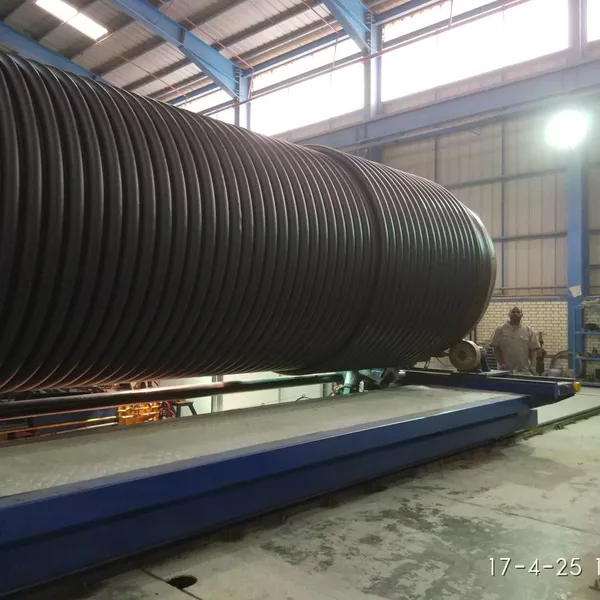 Read More

Contact Us
Recommended Products
-
 CIPP Glass Fibre Liner MachineNegotiableMOQ: 1 Set
 -
HDPE Helically Wound Tank MachineUS$ 10MOQ: 1 Set
-
CIPP Glass Liner MachineNegotiableMOQ: 1 Set
-
CIPP Felt Liner Manufacturing MachineNegotiableMOQ: 1 Set
-
Large Diameter HDPE Sea Intake Outfall Structured Wall Pipe Making MachineNegotiableMOQ: 1 Set
-
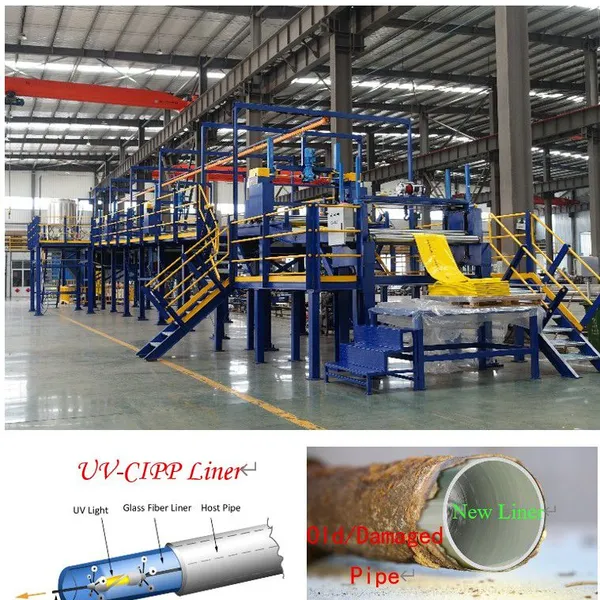
UV-CIPP Glass Fibre Liner Manufacturing MachineUS$ 1000 - 110000MOQ: 10 Meters
-
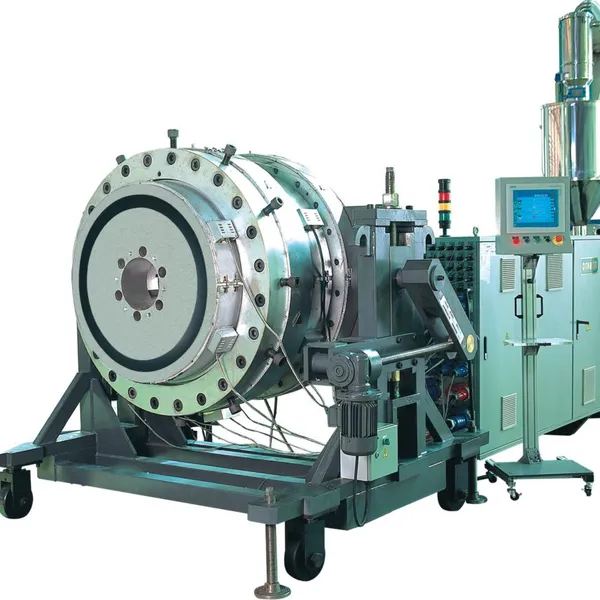
HDPE Pipe Extrusion Machine / PE Pipe Production Line With High OutputNegotiableMOQ: 1 Set
-
UV-CIPP Glass Fiber Liner Hose Production LineUS$ 1000 - 110000MOQ: 1 Set
-
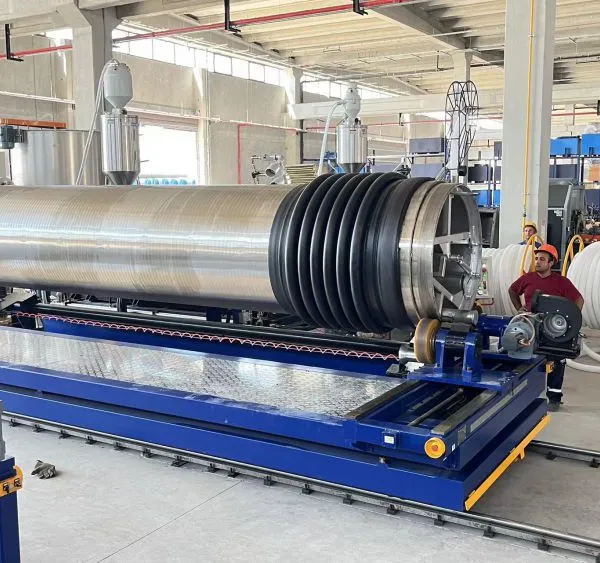
HDPE Spiral Structure Wall Pipe MachineNegotiableMOQ: 1 Set
-
HDPE Spiral Pipe MachineNegotiableMOQ: 1 Set
-
HDPE Spiral Tank MachineNegotiableMOQ: 1 Set
-
Krah Pipe MachineNegotiableMOQ: 1 Set
-
Plastic HDPE PVC PPR Pipe Extrusion Making Machine Extrusion LineNegotiableMOQ: 1 Set
-
PVC Pipe Extrusion Production Line for Electrical Conduit and Water Supply PipesNegotiableMOQ: 1 Set
-
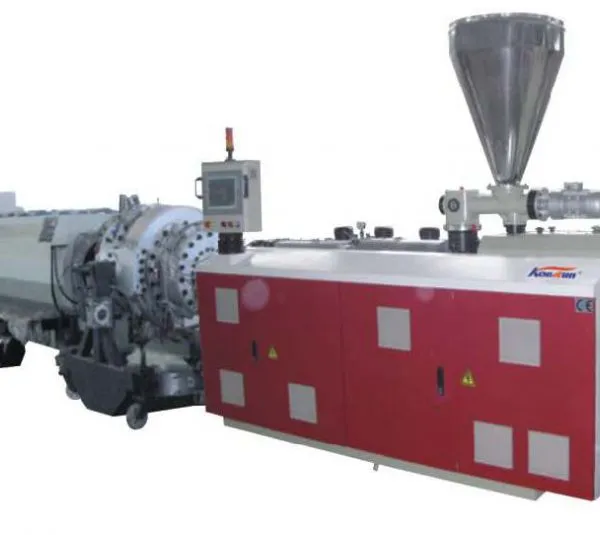
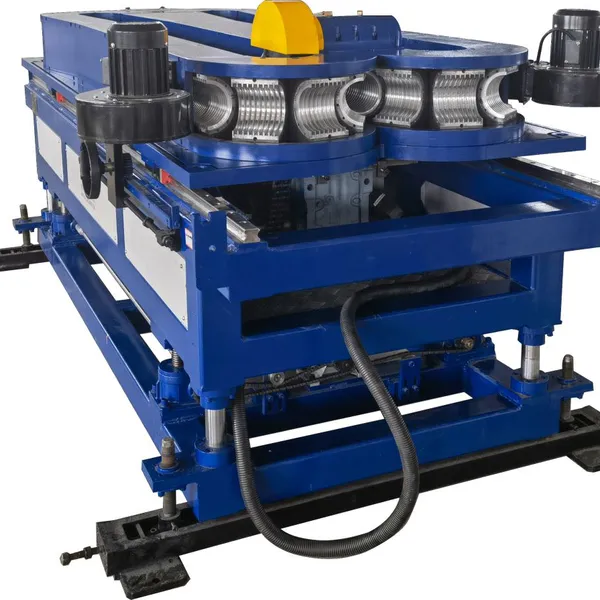
Hot Sell Single Wall Corrugated Pipe Extrusion Line With Competitive PriceNegotiableMOQ: 1 Set
-
HDPE Krah Profild Pipe MachineUS$ 10000MOQ: 1 Set
-
Plastic Tank CNC Holes Boring MachineUS$ 10000MOQ: 1 Set
-
Double Wall Corrugated Pipe Extrusion LineNegotiableMOQ: 1 Set
-
Single Wall Corrugated Pipe Extrusion LineNegotiableMOQ: 1 Set
-
Inversion CIPP Liner Tube Manufacturing MachineNegotiableMOQ: 1 Set