
 Business License
Pipe Welding Machine: A Complete Guide to Types, Selection, and Best Practices
A pipe welding machine is a specialized device that joins thermoplastic pipe and fittings using heat fusion, mechanical compression, or extrusion welding. The most common types for HDPE and PP pipe are butt fusion welding machines for straight runs, electrofusion welding machines for fittings and repairs, and socket fusion welders for small-diameter pipe systems. An HDPE pipe fusion machine of the right type is essential for any crew installing high-density polyethylene pressure or gravity pipe.
What if a single equipment choice could cut your joint failure rate by 60%? In 2023, a water contractor in Lima, Peru, was losing time on every HDPE water main. The crew used a manual hot plate for butt fusion on 315mm pipe. Joint quality was inconsistent, and pressure tests kept failing at the fusion beads.
After switching to a hydraulic butt fusion welding machine with automatic temperature control and data logging, their first-pass success rate jumped from 72% to 96%. Rework dropped. The project finished 11 days ahead of schedule.
That's the difference the right pipe welding machine makes. This guide explains the main types of pipe welding equipment, how they work, when to use each one, and what to look for when buying pipe jointing equipment for your operation. It also shows how proper pipe jointing equipment supports the pipe produced on Yongke Machinery's HDPE spiral profile pipe machines.
Key Takeaways
Butt fusion welding machines join straight pipe sections into continuous, leak-free HDPE lines.
Electrofusion welding machines are ideal for fittings, valves, repairs, and tight trenches.
Socket fusion welders handle small-diameter pipe and fittings quickly on gas and water services.
Pipe welding machine selection depends on pipe diameter, material grade, site conditions, and production volume.
Following ISO 21307 and ASTM D2657 procedures prevents cold joints, contamination, and field failures.
Qingdao Yongke Machinery builds HDPE spiral profile pipe machines that produce pipe requiring the same fusion standards these welders apply.
What Is a Pipe Welding Machine?
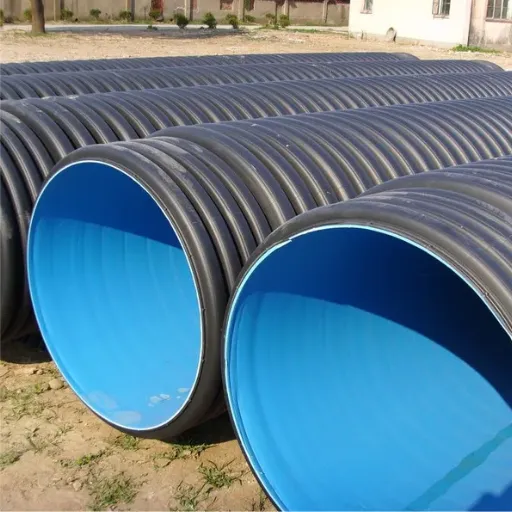
A pipe welding machine heats thermoplastic pipe ends or fittings to melting temperature, then joins them under controlled pressure to create a homogeneous bond. For HDPE and PP pipe, the joint becomes as strong as the parent material when done correctly.
These machines are used in water distribution, gas distribution, sewer systems, mining, and industrial piping. An HDPE pipe fusion machine is a subset of this category focused on high-density polyethylene pipe.
Pipe welding machines differ from metal welders. They don't melt filler rod or create arc sparks. They rely on precise temperature, pressure, and time to fuse matching plastic surfaces together.
The result is a permanent joint. It resists corrosion, chemicals, and ground movement. For contractors working with large-diameter structural pipe, the pipe often comes from production lines like Yongke Machinery's HDPE spiral profile pipe machine. That pipe must be joined on site with equipment capable of handling DN300mm to DN5000mm diameters.
Types of Pipe Welding Machines
The right machine depends on the pipe size, joint type, and job conditions. Here are the four main categories used for thermoplastic pipe.
Butt Fusion Welding Machine
A butt fusion welding machine joins two pipe ends by heating them simultaneously on a flat heater plate, then pressing them together. It is the standard method for joining HDPE pipe in straight runs. The machine clamps each pipe end, faces them square with a planing tool, heats them, and then applies fusion pressure.
These HDPE pipe fusion machines range from manual models for 63mm pipe up to fully automated hydraulic systems for 2000mm pipe and larger. Features that matter include:
Heater plate temperature uniformity
Hydraulic pressure control
Facing tool sharpness and alignment
Data logging for fusion records
Carriage stiffness and clamp design
Butt fusion produces a double roll-back bead on both the inside and outside of the pipe. That bead is the visual sign of a complete fusion. Operators trim or leave it depending on the specification.
For an overview of where butt fusion fits into the full project workflow, see our guide on HDPE pipe installation.
Electrofusion Welding Machine
An electrofusion welding machine joins pipe to fittings using embedded resistance wires inside an electrofusion fitting. The operator scrapes the pipe surface, inserts it into the fitting, and clamps it. The machine reads the fitting barcode or data code and applies the correct voltage and time.
The wires heat the fitting interior and melt the pipe exterior. As the material cools, the joint becomes one solid piece. Electrofusion is the best choice for:
Connections to elbows, tees, reducers, and valves
Repairs in tight spaces
Saddle branches on existing mains
Trench conditions where a butt fusion machine won't fit
Electrofusion fittings are more expensive than butt-fused joints, but they save labor and reduce alignment problems. The key to success is proper scraping. You can't skip it. The oxidized surface layer blocks fusion.
Socket Fusion Welder
A socket fusion welder heats a pipe end and a matching fitting socket simultaneously on a hot iron, then pushes them together. It is common for small-diameter pipe from 20mm to 110mm in water and gas distribution systems.
Socket fusion is fast and portable. A crew can carry the heater and heads to any location. It works well for building services, house connections, and irrigation systems where the pipe is small and the runs are short. It is also common when installing pipe produced on a PP corrugated pipe extrusion line for drainage and sewer systems.
The equipment is simple, but the procedure still requires clean pipe, correct heating time, and quick assembly. Overheating thins the material. Underheating creates a cold joint.
Extrusion Welder
An extrusion welder melts a continuous stream of plastic welding rod and deposits it into a prepared joint groove. It is used for fabricating fittings, repairing tanks, and joining large structural pipe sections where butt fusion isn't practical. Extrusion welding is also common when building tanks with an HDPE spiral tank machine because custom fittings often need hand welding.
Extrusion welding requires skill. The operator controls speed, temperature, and rod feed to build up a weld bead without voids. It is common in tank fabrication and spiral profile pipe installations that use custom fittings.
Butt Fusion vs Electrofusion Welding Machine
Both machines create strong heat-fusion joints, but they serve different purposes on the job site.
| Factor | Butt Fusion Welding Machine | Electrofusion Welding Machine |
|---|---|---|
| Best for | Straight runs and long sections | Fittings, valves, repairs, tight spaces |
| Pipe prep | Square and face both ends | Scrape oxidation layer |
| Equipment size | Larger, needs alignment room | Compact, portable processor |
| Joint cost | Lower material cost, more labor | Higher fitting cost, less labor |
| Quality check | Internal and external bead inspection | Indicators, cooling records, barcode trace |
| Standards | ISO 21307, ASTM D2657 | ISO 13950, ISO 8085 |
Most municipal contractors own both. They run butt fusion for the long straight pulls and electrofusion for the tie-ins and fittings.
How to Choose the Right Pipe Welding Machine
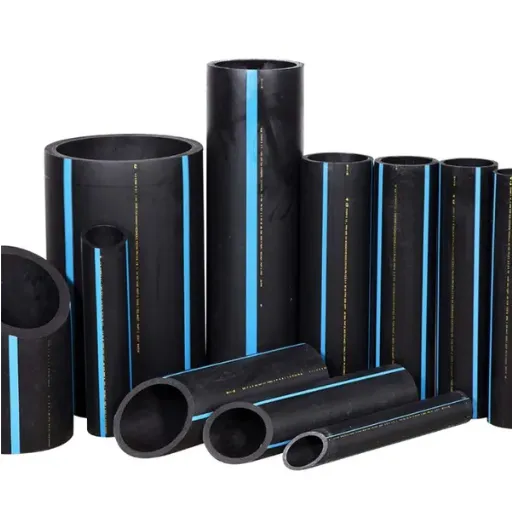
Selecting the right pipe jointing equipment means matching the machine to the pipe, the job, and the crew. The wrong pipe welding machine causes delays, rework, and field failures. Here are the factors that matter.
Pipe Diameter and Wall Thickness
A butt fusion welding machine must handle the full range of pipe sizes you expect to join. Machines are rated by minimum and maximum diameter. Running pipe at the machine's upper limit requires more hydraulic force. Running at the lower limit requires smaller clamps and inserts.
Wall thickness affects heat time and fusion pressure. Thick-wall PE100 pipe needs longer heating and higher pressure than thinner SDR pipe. Make sure the machine's heater plate, facing tool, and hydraulic system match the wall thickness range.
For help matching pipe size to application, see our HDPE pipe sizes chart. The right pipe jointing equipment starts with the right pipe specification.
Material Grade
HDPE and PP have different melting temperatures and fusion behaviors. PE80, PE100, and PE100-RC are common HDPE grades. Each requires specific heater temperature and cooling time.
Some machines come with preset programs for common materials. Others require manual entry.
Using the wrong temperature for the material grade causes incomplete fusion or degraded material. Always confirm the machine settings match the pipe resin.
Site Conditions
Tight trenches, remote locations, and overhead power lines all affect machine choice. A compact electrofusion processor fits where a butt fusion carriage cannot. A generator-powered hydraulic machine works where grid power is unavailable.
For large-diameter pipe, the machine weight and setup footprint matter. Some jobs require a crane to position the fusion machine around the pipe.
Production Volume
A contractor fusing a few joints per month can use a manual machine. A production crew joining kilometers of pipe per week benefits from automated machines with data logging, barcode scanning, and pressure feedback. These features reduce operator error and produce traceable fusion records.
Pipe Welding Machine Features That Improve Quality
Not all pipe welding machines are built the same. These features separate reliable equipment from tools that cause field failures.
Precise Temperature Control
Heater plate temperature must stay within the range specified by the pipe manufacturer, usually around 200°C to 220°C for HDPE. Uneven heating creates cold spots. Digital temperature control with display is essential.
Accurate Pressure and Timing
Fusion pressure, heat-soak pressure, and cooling time all affect joint strength. Machines with programmable parameters remove guesswork. Some units alert the operator if pressure deviates during the cycle.
Alignment and Clamping
Misaligned pipe ends produce weak fusion. Rigid clamps, accurate facing tools, and smooth carriage movement keep the pipe ends parallel during heating and fusion. Floating carriages or worn clamps cause joint offset.
Data Logging
Data logging records temperature, pressure, and time for each joint. This documentation is valuable for quality control, warranty claims, and project handover. Municipal projects increasingly require fusion records for every joint.
Portability and Power Options
Manual and hydraulic machines come in different configurations. Some are trailer-mounted. Others break down for transport.
Electrofusion processors are battery or mains powered. Choose power options that match your typical job sites.
Best Practices for Using a Pipe Welding Machine
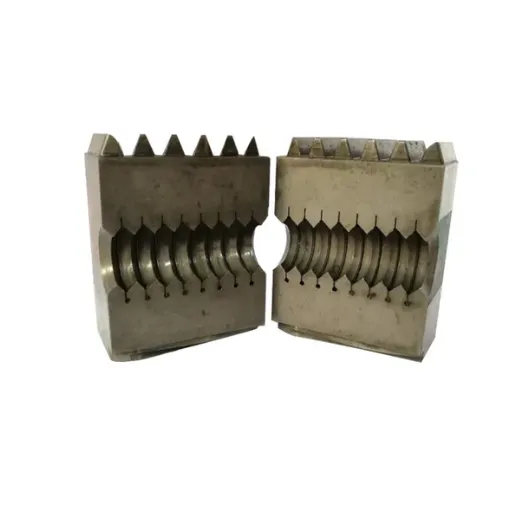
Even the best pipe welding machine produces poor joints if the procedure is rushed. Follow these practices for consistent results.
Clean the Pipe Ends
Dirt, moisture, and oxidation block fusion. Clean the pipe ends with a lint-free cloth before facing. Remove chips after planing. Never place heated pipe ends on the ground.
Follow the Fusion Procedure
The standard butt fusion procedure has six steps: cut, face, align, heat, fuse, and cool. Each step has specific parameters. The Plastics Pipe Institute publishes fusion guides, and standards like ISO 21307 and ASTM D2657 define the procedure for heat-fusion joining.
Skipping cooling time is the most common mistake. A joint moved while hot loses strength. Don't move it. Wait the full cooling period before handling or backfilling.
Use the Right Fusion Pressure
Too much pressure squeezes molten material out of the joint. Too little pressure leaves gaps. The correct pressure depends on pipe diameter, wall thickness, and material. Use the machine's built-in tables or a fusion calculator.
Inspect Every Joint
Check the fusion beads for symmetry and size. Uneven beads indicate misalignment or uneven heating. For pressure pipe, record joint number, operator, machine settings, and test results.
Common Mistakes When Using a Pipe Welding Machine
Most field failures trace back to a small number of avoidable errors.
Contaminated Pipe Ends
Dragging pipe through mud, touching the freshly faced surface, or fusing pipe with moisture on the end all cause contamination. The joint may look fine but fail under pressure.
Wrong Temperature
A cold heater plate doesn't melt the material fully. An overheated plate degrades the polymer. Calibrate heater plates regularly and allow them to reach steady temperature before starting.
Moving the Joint Too Early
Operators sometimes pull the pipe away before cooling is complete to keep production moving. This weakens the molecular bond. Mark cooling times clearly and enforce them.
Ignoring Weather Conditions
Wind, rain, and cold ambient temperature affect fusion. Wind cools the heater plate. Rain introduces moisture.
Cold pipe needs longer heating. Set up shelters and adjust parameters when conditions change.
Using Mismatched Materials
Never fuse HDPE to PP, or PE80 to PE100, without using a transition fitting. Different melt flow rates prevent a homogeneous bond. Always verify material markings on every length of pipe.
Pipe Welding Machines and Large-Diameter HDPE Pipe
For large-diameter municipal and industrial projects, the pipe itself is often produced on specialized equipment. Yongke Machinery manufactures HDPE spiral profile pipe machines that produce DN300mm to DN5000mm structural wall pipe for sewer, drainage, and tank applications.
That pipe must be joined on site with equipment capable of handling the diameter and wall profile. Butt fusion welding machines for large pipe use hydraulic carriages, custom heater plates, and facing tools sized for the pipe. Some spiral profile pipe designs use extrusion-welded joints or gasketed bell-and-spigot connections instead of standard butt fusion.
If you're investing in pipe production, the welding equipment should be planned at the same time. A mismatch between pipe diameter and welding capacity forces field improvisation and delays. Contact Yongke Machinery to discuss pipe production and recommended jointing methods for your target diameter range.
FAQ: Pipe Welding Machine
What is the most common type of pipe welding machine?
The butt fusion welding machine is the most common type for HDPE pressure and gravity pipe. It creates strong, continuous joints for straight runs in water, sewer, and gas systems.
Can one machine weld both HDPE and PP pipe?
Some machines can handle both materials if they have adjustable heater temperature and pressure settings. However, you must use the correct fusion parameters for each material and never mix HDPE and PP in the same joint without a transition fitting.
How much does a pipe welding machine cost?
Manual butt fusion machines for small pipe start around a few thousand dollars. Fully automated hydraulic machines for large-diameter pipe can cost tens of thousands. Electrofusion processors are typically less expensive than large butt fusion systems.
What size pipe can a butt fusion welding machine handle?
Sizes range from 20mm to over 2000mm. The machine's clamps, heater plate, and facing tool determine the range. Always check the manufacturer's rating before attempting a joint.
Do I need training to use a pipe welding machine?
Yes. Operator training is essential for quality fusion. Many manufacturers and industry groups offer certification courses. The Plastics Pipe Institute and pipe manufacturers publish training resources.
How do I know if a fusion joint is good?
A good butt fusion joint has symmetrical internal and external beads with no gaps, voids, or contamination. Electrofusion joints show uniform indicators and complete cooling records. Pressure testing confirms joint integrity.
What is the difference between a pipe welding machine and a pipe jointing machine?
A pipe welding machine usually refers to heat-fusion equipment. A pipe jointing machine is a broader term that includes mechanical couplings, compression fittings, and fusion equipment. When contractors say pipe jointing equipment, they often mean the full set of tools used to connect pipe in the field.
Can pipe welding machines be used for trenchless projects?
Yes. Horizontal directional drilling and pipe bursting projects often use butt fusion to fuse HDPE pipe into one continuous string before pulling it through the bore path. No joints inside the bore means fewer failure points.
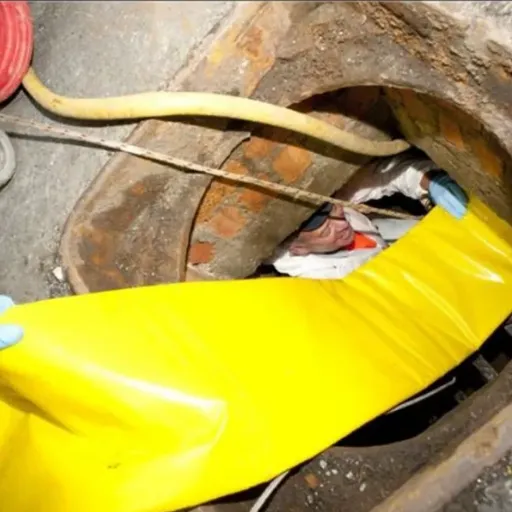
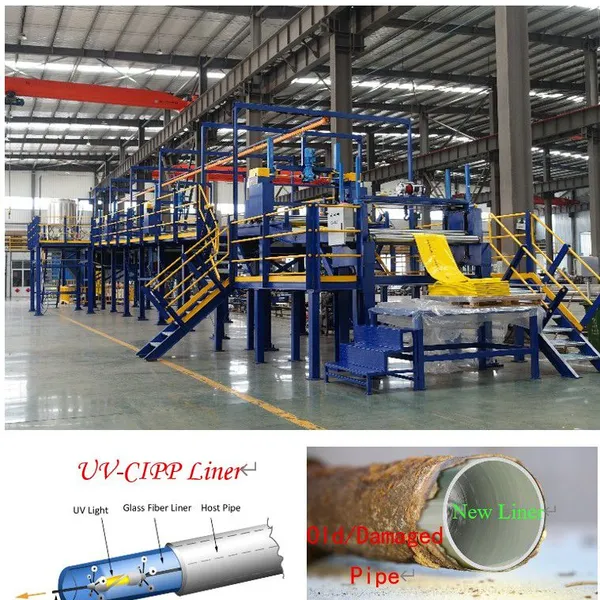
For trenchless rehabilitation of existing lines, see our guides on trenchless sewer repair and sewer pipe rehabilitation. Yongke also supplies UV-CIPP liner hose manufacturing machines and inversion CIPP liner hose machines for no-dig pipe renewal.
Conclusion: Choose the Right Pipe Welding Machine for the Job
A pipe welding machine is more than a heating tool. It's the final quality control point that determines whether an HDPE pipeline lasts 50 years or fails on the first pressure test.
The right HDPE pipe fusion machine handles the straight runs. An electrofusion welding machine handles the fittings. A socket fusion welder covers the small-diameter connections.
The right choice depends on pipe size, material, site access, and production volume. Follow the standards. Train your operators. Inspect every joint.
Never rush the cooling time. Good pipe jointing equipment is only as reliable as the procedure behind it.
For pipe producers and contractors planning large-diameter projects, the welding machine is only one part of the system. The pipe itself must be manufactured to consistent dimensions and material quality. Qingdao Yongke Machinery builds HDPE spiral profile pipe machines at our ISO-certified factory in Qingdao, producing pipe from DN300mm to DN5000mm.
If you need pipe production equipment or want to match your welding capacity to your pipe output, contact our engineering team for a detailed quotation.
Key points to remember:
Match the machine type to the joint type and pipe diameter.
Follow ISO 21307 and ASTM D2657 procedures for heat-fusion joints.
Keep pipe ends clean, dry, and properly prepared.
Use data logging and trained operators for municipal and industrial work.
Plan welding equipment when investing in pipe production lines.
Choose suppliers with proven machines, support, and certification.
Our team can help you select pipe manufacturing and jointing solutions that fit your project scope.
Recently Posted
-
Wastewater Infrastructure Design, Assessment, and Renewal
June 29, 2026In March 2023, a wastewater treatment plant serving 400,000 residents in Southern Europe suffered a cascade failure. A single inte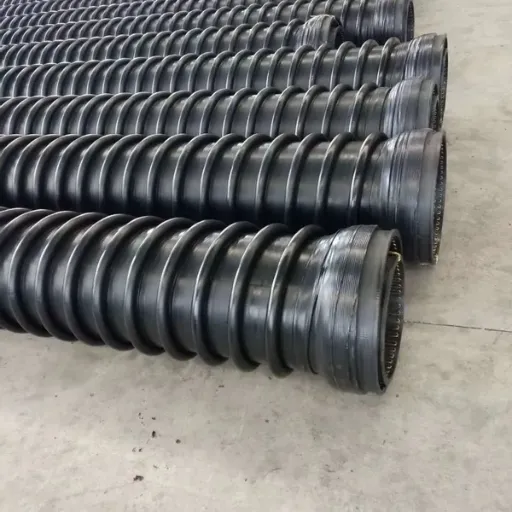 Read More
 -
Combined Sewer System Design, Operation, and Rehabilitation
June 29, 2026In August 2021, a single storm dropped 175mm of rain on a midwestern U.S. city in less than 36 hours. The city's aging combine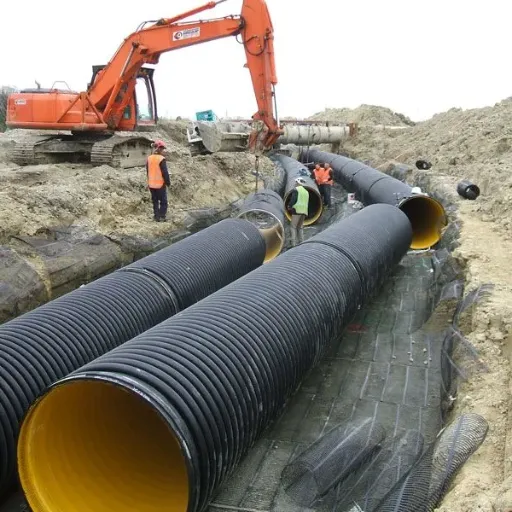 Read More
 -
Underground Drainage System Design: An Engineer's Guide to HDPE/PP Pipe Solutions
June 29, 2026A single storm in July 2023 dropped 180mm of rain on a mid-sized European city in 48 hours. The downtown drainage network, built m Read More
 -
Drainage Pipe Design: A Practical Guide for Municipal and Stormwater Systems
June 29, 2026In November 2023, a municipal engineer in Texas named Carlos Mendez reviewed plans for a new storm sewer along a commercial corrid Read More

Contact Us
Recommended Products
-
 CIPP Glass Fibre Liner MachineNegotiableMOQ: 1 Set
 -
HDPE Helically Wound Tank MachineUS$ 10MOQ: 1 Set
-
CIPP Glass Liner MachineNegotiableMOQ: 1 Set
-
CIPP Felt Liner Manufacturing MachineNegotiableMOQ: 1 Set
-
Large Diameter HDPE Sea Intake Outfall Structured Wall Pipe Making MachineNegotiableMOQ: 1 Set
-
UV-CIPP Glass Fibre Liner Manufacturing MachineUS$ 1000 - 110000MOQ: 10 Meters
-
HDPE Pipe Extrusion Machine / PE Pipe Production Line With High OutputNegotiableMOQ: 1 Set
-
UV-CIPP Glass Fiber Liner Hose Production LineUS$ 1000 - 110000MOQ: 1 Set
-
HDPE Spiral Structure Wall Pipe MachineNegotiableMOQ: 1 Set
-
HDPE Spiral Pipe MachineNegotiableMOQ: 1 Set
-
HDPE Spiral Tank MachineNegotiableMOQ: 1 Set
-
Krah Pipe MachineNegotiableMOQ: 1 Set
-
Plastic HDPE PVC PPR Pipe Extrusion Making Machine Extrusion LineNegotiableMOQ: 1 Set
-
PVC Pipe Extrusion Production Line for Electrical Conduit and Water Supply PipesNegotiableMOQ: 1 Set
-
Hot Sell Single Wall Corrugated Pipe Extrusion Line With Competitive PriceNegotiableMOQ: 1 Set
-
HDPE Krah Profild Pipe MachineUS$ 10000MOQ: 1 Set
-
Plastic Tank CNC Holes Boring MachineUS$ 10000MOQ: 1 Set
-
Double Wall Corrugated Pipe Extrusion LineNegotiableMOQ: 1 Set
-
Single Wall Corrugated Pipe Extrusion LineNegotiableMOQ: 1 Set
-
Inversion CIPP Liner Tube Manufacturing MachineNegotiableMOQ: 1 Set