
 Business License
Stormwater Management Solutions: A Complete Guide to Drainage Systems and Pipe Selection
Stormwater management solutions are systems, practices, and infrastructure designed to collect, convey, treat, and control rainwater and surface runoff. The most common approaches include stormwater drainage systems with HDPE or PP pipe, retention and detention basins, permeable surfaces, green infrastructure, and underground storage systems.
What if a single rainstorm could shut down your industrial site for three days? In August 2023, a logistics park outside Ho Chi Minh City learned that lesson the hard way. A tropical downpour dropped 180mm of rain in six hours.
The site's old concrete drainage channels overflowed. Water flooded the loading yards, damaged stored goods, and delayed shipments worth US$2 million.
After the flood, the operator replaced the concrete channels with a large-diameter HDPE stormwater pipe system. The new pipe had a smooth interior, flexible joints, and capacity for a 100-year storm event. When the next major rain arrived six months later, the site stayed dry.
That's what the right stormwater management solutions can do. This guide explains how modern drainage systems work, what pipe materials to choose, and how to design stormwater infrastructure that handles both everyday runoff and extreme weather. It also shows how Yongke Machinery's pipe production equipment supports manufacturers serving this growing market.
Key Takeaways
Stormwater management solutions control runoff volume, flow rate, and water quality before discharge.
HDPE stormwater pipe and PP corrugated pipe are the leading choices for underground drainage systems.
Retention basins hold water permanently; detention basins slow release to reduce downstream flooding.
Pipe diameter, slope, ring stiffness, and joint quality determine system performance and service life.
Large diameter drainage pipe from DN600mm to DN5000mm handles major interceptors and outfalls.
Qingdao Yongke Machinery manufactures HDPE spiral profile pipe machines and PP corrugated pipe extrusion lines for stormwater drainage production.
What Are Stormwater Management Solutions?
Stormwater management solutions are the engineered answer to a simple problem: rain that falls on paved surfaces can't soak into the ground naturally. Instead, it runs off roofs, roads, parking lots, and industrial yards. Without control, that runoff causes flooding, erosion, and pollution.
Modern stormwater management has three goals:
Quantity control: Slow down and reduce peak flow to prevent flooding
Quality control: Remove sediment, oil, debris, and contaminants before discharge
Conveyance: Move water safely through pipes, channels, and outfalls
Municipalities and industrial facilities achieve these goals with a mix of gray infrastructure, such as pipes and vaults, and green infrastructure, such as bioswales and permeable pavement. The right mix depends on local regulations, soil conditions, site constraints, and budget.
The U.S. Environmental Protection Agency regulates stormwater discharges under the National Pollutant Discharge Elimination System. Many countries have similar programs. Compliance usually requires a documented stormwater management plan that addresses both quantity and quality.
Types of Stormwater Drainage Systems
Stormwater drainage systems fall into several categories based on how they handle water.
Conventional Pipe Systems
Conventional systems collect runoff from streets and impervious surfaces and convey it directly to a receiving body. They rely on catch basins, manholes, and underground pipe networks. The focus is rapid removal, not treatment or storage.
These systems are common in older urban areas. They work well for flood prevention but do little to improve water quality or reduce downstream peak flows.
Low-Impact Development
Low-impact development, or LID, tries to mimic natural hydrology. It uses permeable pavement, rain gardens, bioswales, green roofs, and disconnected downspouts to absorb, filter, and slow runoff close to where it falls.
LID reduces the size of downstream pipes and treatment devices. It works best when integrated into site design from the start.
Retention Systems
Retention systems hold stormwater permanently. The water infiltrates into the ground, evaporates, or is reused for irrigation. Dry ponds, wet ponds, and infiltration basins are common stormwater retention practices.
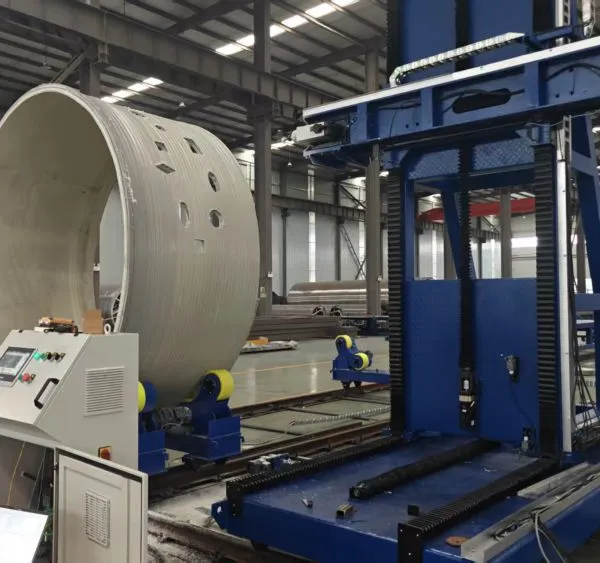
These systems recharge groundwater and remove pollutants through settling and biological uptake. They require permeable soils and adequate space. Large storage tanks made on an HDPE spiral tank machine can also serve retention or reuse functions on industrial sites.
Detention Systems
Detention systems temporarily store runoff and release it at a controlled rate. They don't hold water permanently. The goal is to flatten the hydrograph and prevent downstream flooding.
Underground detention vaults and pipes are popular in dense urban areas where surface land is limited. Large diameter drainage pipe can serve as both conveyance and detention volume.
Treatment Systems
Treatment systems remove pollutants before discharge. Examples include oil-water separators, hydrodynamic separators, filtration devices, and constructed wetlands. These are often placed downstream of collection systems and upstream of outfalls.
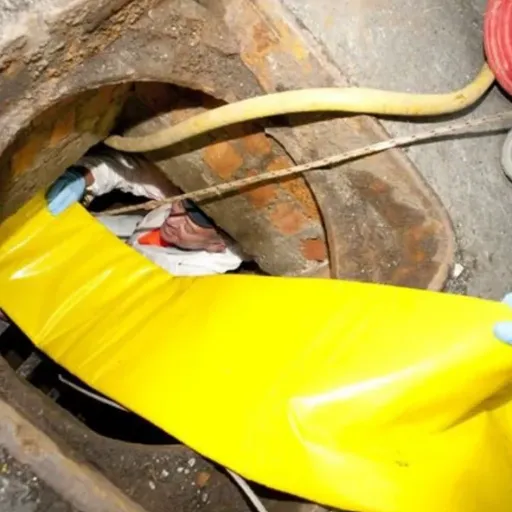
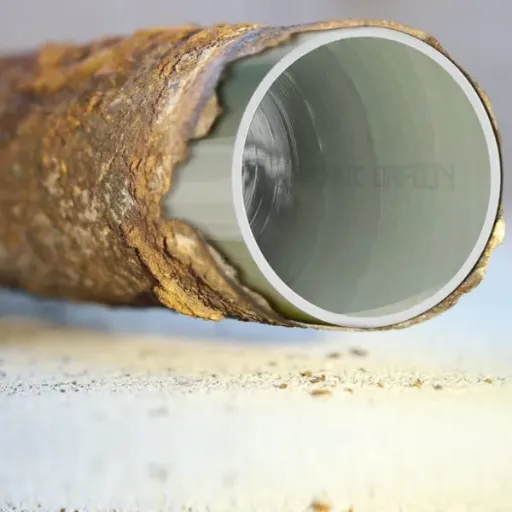
In combined sewer systems, stormwater and sanitary sewage share the same pipe. Aging combined sewers often need rehabilitation with UV-CIPP liner hose manufacturing machines or inversion CIPP liner hose machines to reduce infiltration and overflow events.
Why HDPE and PP Pipe Dominate Stormwater Drainage
Plastic pipe has largely replaced concrete and metal for stormwater drainage in many markets. The reasons are practical and economic.
HDPE Stormwater Pipe
High-density polyethylene pipe offers a smooth interior surface, excellent chemical resistance, and long service life. HDPE stormwater pipe is available in solid-wall and profile-wall configurations.
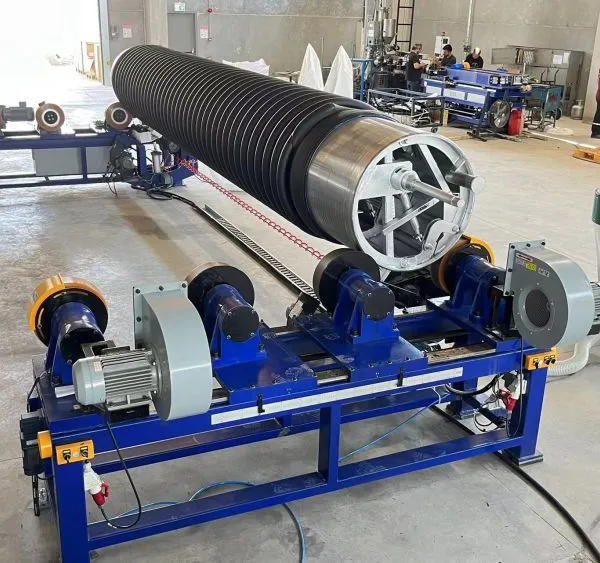
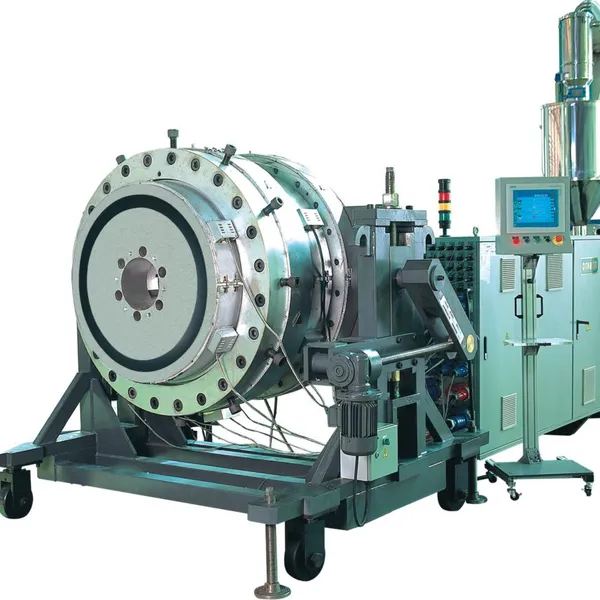
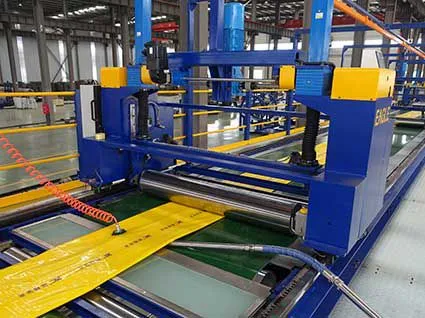
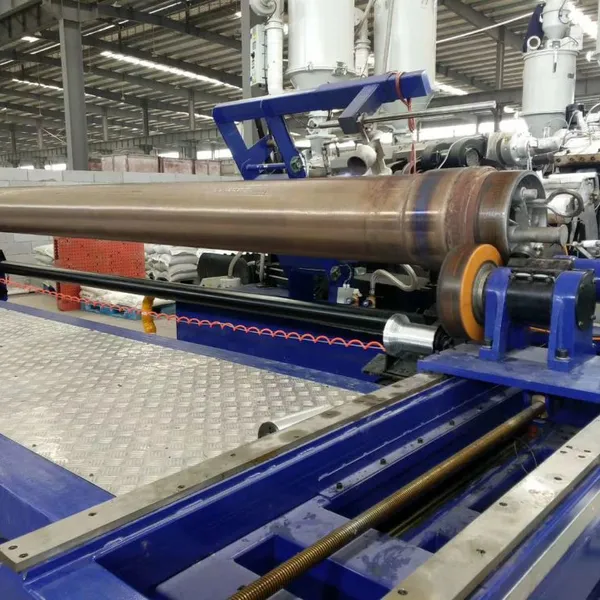
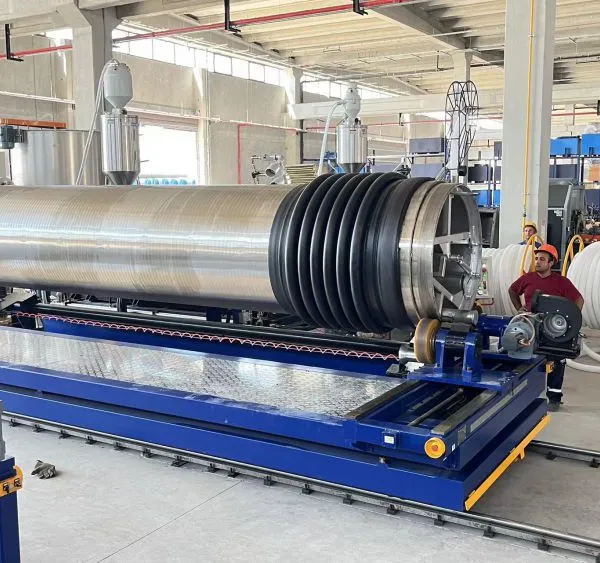
Profile-wall HDPE pipe, such as spiral profile pipe, uses hollow structural ribs to achieve high ring stiffness with less material. This makes it ideal for large diameter drainage pipe where weight and handling matter. Yongke Machinery's HDPE spiral profile pipe machine produces this type of pipe from DN300mm to DN5000mm, meeting standards such as ASTM F894 for polyethylene profile wall pipe.
PP Corrugated Pipe
Polypropylene corrugated pipe is lightweight, stiff, and resistant to abrasion and chemicals. It is widely used for stormwater drainage in smaller diameters, typically DN300mm to DN1200mm.
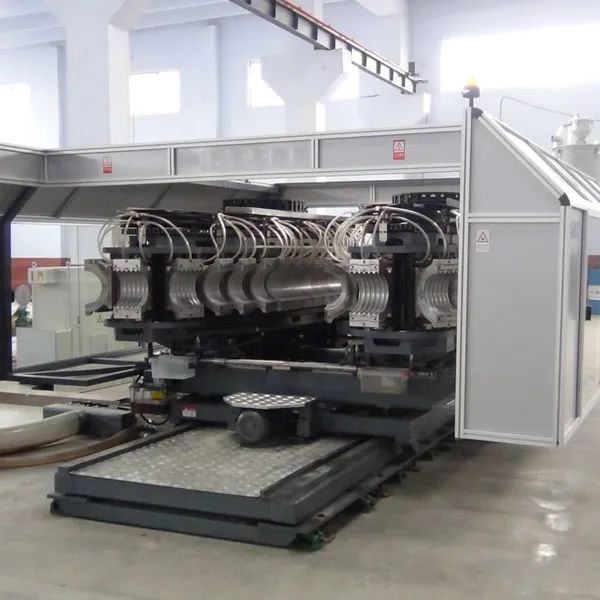
PP double-wall corrugated pipe combines a smooth inner wall for hydraulic efficiency with a corrugated outer wall for structural strength. Manufacturers produce this pipe on high-speed PP corrugated pipe extrusion lines.
Advantages Over Concrete and Metal
Plastic stormwater pipe offers several advantages:
Lightweight: Easier to transport and install, reducing labor and equipment costs
Longer joints: Fewer joints mean fewer leak points and faster installation
Chemical resistance: Resists acids, alkalis, and salts found in runoff
Smooth interior: Lower Manning's roughness coefficient improves flow capacity
Flexibility: Accommodates ground movement and settlement without cracking
Long service life: HDPE and PP pipes often last 50 to 100 years
Material Comparison for Stormwater Drainage Systems
| Factor | HDPE Stormwater Pipe | PP Corrugated Pipe | Concrete Pipe | Metal Pipe |
|---|---|---|---|---|
| Weight | Light | Very light | Heavy | Heavy |
| Joint length | Long | Medium | Short | Short |
| Chemical resistance | Excellent | Excellent | Good | Fair |
| Manning's n | 0.009-0.011 | 0.009-0.011 | 0.012-0.015 | 0.011-0.015 |
| Typical diameter | DN300mm-DN5000mm | DN300mm-DN1200mm | DN300mm-DN3600mm | DN300mm-DN2400mm |
| Ring stiffness options | SN4-SN16 | SN4-SN16 | Rigid | Rigid |
| Installation speed | Fast | Fast | Slow | Moderate |
| Service life | 50-100 years | 50+ years | 50-75 years | 25-50 years |
This table explains why plastic pipe has become the default choice for many stormwater drainage systems, especially where speed, chemical resistance, and large diameter capacity matter.
Key Design Considerations for Stormwater Drainage Systems
Designing an effective stormwater management system requires more than picking a pipe size. Engineers must balance hydrology, hydraulics, structure, and cost. The American Society of Civil Engineers (ASCE) publishes guidance on stormwater infrastructure design, erosion control, and flood risk management that engineers apply to these projects.
Design Storm Event
The design storm defines the rainfall intensity and duration the system must handle. Common standards include the 10-year, 25-year, 50-year, and 100-year storms. Municipal codes usually specify the required event for each part of the system.
Undersizing causes flooding. Oversizing wastes money and may create low-flow problems.
Runoff Calculation
Engineers calculate runoff using methods such as the Rational Method or hydrologic models. Inputs include:
Catchment area
Land use and imperviousness
Soil type and infiltration rate
Rainfall intensity
Time of concentration
The result is a peak flow rate used to size pipes, inlets, and detention structures.
Pipe Sizing and Slope
Pipe diameter and slope determine flow capacity. The Manning equation is the standard tool for open-channel and pipe flow:
Q = (1/n) × A × R^(2/3) × S^(1/2)
Where n is Manning's roughness coefficient, A is flow area, R is hydraulic radius, and S is slope. HDPE and PP pipes typically use n = 0.009 to 0.011, which is lower than concrete.
For detailed pipe sizing guidance, see our HDPE pipe sizes chart and pipe diameter selection guide.
Ring Stiffness and Burial Depth
Pipe must withstand soil load, traffic load, and hydrostatic pressure. Ring stiffness, expressed as SN4, SN8, or SN16, indicates resistance to deformation. Deeper burial and heavier traffic require higher ring stiffness.
Spiral profile pipe and corrugated pipe achieve high ring stiffness through engineered wall profiles rather than thick solid walls. This reduces weight while maintaining strength.
Joint Performance
Leaky joints allow infiltration and exfiltration. Infiltration adds clean groundwater to the system and overwhelms treatment capacity. Exfiltration lets polluted runoff escape into surrounding soil.
Heat-fused HDPE joints create a monolithic system. Gasketed joints for corrugated pipe must meet ASTM or EN standards for watertightness. Proper HDPE pipe installation prevents field joint failures.
Stormwater Retention vs Detention
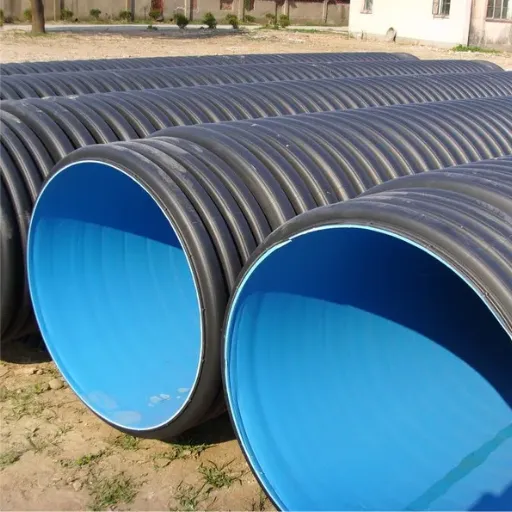
Retention and detention are often confused, but they serve different purposes.
Stormwater Retention
Retention systems keep water on site. The stored water infiltrates, evaporates, or is reused. Examples include wet ponds, infiltration trenches, and rain gardens.
Benefits include groundwater recharge, pollutant removal, and habitat creation. Limitations include land area requirements and soil permeability constraints.
Stormwater Detention
Detention systems hold water temporarily and release it slowly. Examples include dry ponds, underground vaults, and oversized pipes.
Detention reduces peak flow downstream but does not reduce total runoff volume. It is useful in dense urban areas where space for infiltration is limited.
Choosing Between Retention and Detention
The choice depends on site conditions and regulatory requirements. Sandy soils favor retention. Clay soils and high water tables favor detention. Many projects use both in combination.
Stormwater Management Best Practices
Successful stormwater projects follow proven practices from design through maintenance.
Plan Early
Stormwater management should be integrated into site layout from the beginning. Retrofitting drainage into an already-developed site is more expensive and less effective.
Use the Right Pipe Material
Match the pipe material to the application. Use HDPE stormwater pipe for large interceptors and outfalls. Use PP corrugated pipe for smaller collectors and building drainage. Use solid-wall HDPE where pressure or watertightness is critical.
Size for Future Conditions
Climate change is increasing rainfall intensity in many regions. Design for future storm patterns, not just historical data. Leave capacity for upstream development that may increase runoff.
Protect Inlets and Outfalls
Trash, sediment, and debris clog inlets and damage pipes. Use catch basin inserts, trash racks, and energy dissipators at outfalls. Regular inspection and cleaning prevent failures during storms.
Inspect and Maintain
Stormwater systems need ongoing maintenance. Sediment accumulation reduces capacity. Vegetated practices need mowing and debris removal. Inspection records support regulatory compliance and identify problems before they become emergencies.
Common Mistakes in Stormwater Management
Even well-intentioned projects fail when these mistakes occur.
Undersizing the System
Using pipe sized for a 10-year storm in an area that requires 100-year protection guarantees flooding. Always verify the design storm your local codes require.
Ignoring Maintenance Access
Every stormwater facility needs access for inspection and cleaning. Manholes, cleanouts, and maintenance roads must be part of the design.
Poor Soil Investigation
Infiltration-based systems fail when soil permeability is overestimated. Always test infiltration rates before designing retention basins or soakaways.
Incompatible Materials
Using metal pipe in corrosive soils or concrete pipe in acidic runoff shortens service life. HDPE and PP resist both chemical and environmental corrosion. When aging pipes do fail, trenchless sewer repair and pipe relining can extend service life without excavation.
No Pretreatment
Directing sediment-laden runoff into underground systems causes clogging. Simple pretreatment such as sumps, swales, or hydrodynamic separators extends system life.
FAQ: Stormwater Management Solutions
What is the best pipe material for stormwater drainage?
HDPE and PP are the most popular choices for underground stormwater drainage. HDPE stormwater pipe works well for large diameters and structural applications. PP corrugated pipe is economical and lightweight for smaller diameters.
How do I size a stormwater drainage pipe?
Calculate the peak runoff from the design storm, then use the Manning equation to determine the required diameter and slope. Pipe diameter selection also depends on burial depth, traffic load, and available slope.
What is the difference between retention and detention?
Retention holds water permanently and allows infiltration or evaporation. Detention temporarily stores water and releases it slowly. Retention reduces total runoff volume. Detention reduces peak flow rate.
How long does HDPE stormwater pipe last?
HDPE pipe typically has a design life of 50 to 100 years. Actual life depends on installation quality, soil conditions, and loading. Proper bedding and backfill are essential.
What ring stiffness do I need for stormwater pipe?
Common ring stiffness ratings are SN4, SN8, and SN16. Shallow burial and light traffic use SN4. Municipal road crossings and moderate burial use SN8. Deep burial or heavy industrial loads use SN16.
Can stormwater pipes be used for detention?
Yes. Large diameter drainage pipe and underground vaults can provide detention storage. The pipe must be designed to withstand hydrostatic pressure when full and include controlled outlet structures.
What standards apply to stormwater pipe?
Common standards include ASTM F894 for polyethylene profile wall pipe, EN 13476 for plastics piping systems, and ISO 21138 for structured-wall pipe. Local codes may reference additional requirements.
Are plastic stormwater pipes environmentally friendly?
Plastic pipes have a lower embodied energy than concrete per unit length and can be recycled at end of life. Their long service life and leak-free joints also reduce environmental impacts from system failures.
Conclusion: Build Stormwater Management Solutions That Last
Stormwater management solutions are essential infrastructure for cities, industrial sites, and transportation networks. The right system combines conveyance, storage, and treatment to protect property, water quality, and public safety.
HDPE stormwater pipe and PP corrugated pipe have become the materials of choice for modern drainage systems. They offer hydraulic efficiency, structural strength, chemical resistance, and long service life. Large diameter drainage pipe made on spiral profile pipe machines handles the biggest flows, while corrugated pipe serves smaller collectors.
For pipe manufacturers, stormwater represents a growing and resilient market. Qingdao Yongke Machinery builds the production equipment behind these systems, including HDPE spiral profile pipe machines and high-speed PP corrugated pipe extrusion lines, at our ISO-certified factory in Qingdao, China.
If you're expanding your pipe production to serve stormwater, drainage, or flood-control markets, contact our engineering team for a detailed quotation and technical consultation.
Key points to remember:
Stormwater management solutions must control quantity, quality, and conveyance.
HDPE and PP pipe outperform concrete and metal in many drainage applications.
Retention and detention serve different hydrologic goals.
Proper design, installation, and maintenance determine system life.
Yongke Machinery supplies production equipment for large-diameter drainage pipe and corrugated stormwater pipe.
Our team can help you select the right extrusion line, spiral profile machine, or corrugated pipe line for your target stormwater market.
Recently Posted
-
Qingdao Yongke Machinery: Full-Category Spiral Pipe Equipment from China's Qingdao
September 1, 2026Choosing a machinery supplier for large-diameter plastic pipe production is a long-term decision, because the line you install wil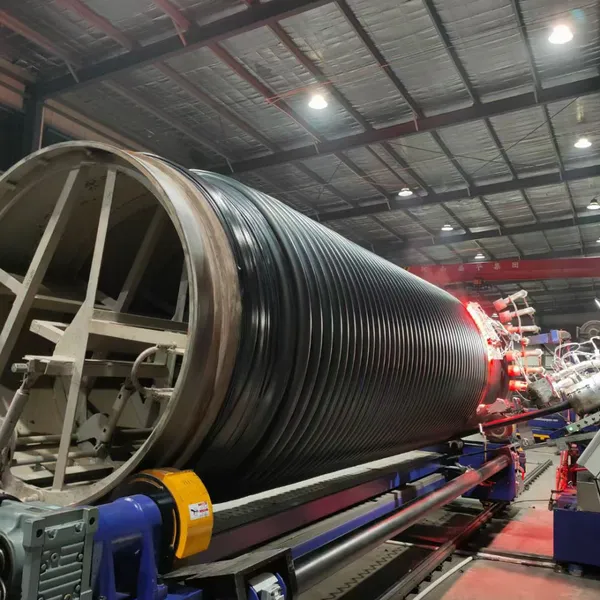 Read More
 -
Quality Control in Spiral Pipe Machine Manufacturing
August 31, 2026A buyer in South America some time ago received a winding line that looked complete on the surface but suffered repeated seam defe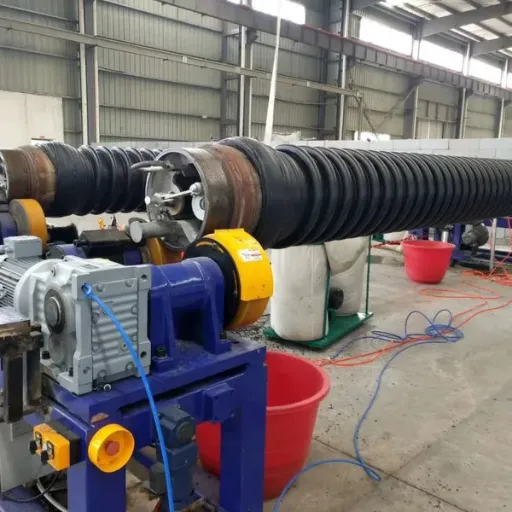 Read More
 -
Spiral Pipe for Sewage and Drainage Networks: Production Notes
August 28, 2026A municipal contractor in Eastern Europe some time ago took delivery of spiral-wound sewer pipe that looked flawless on the line.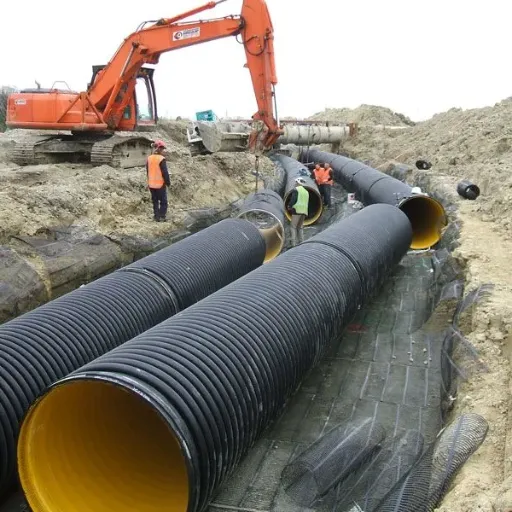 Read More
 -
DN300 to DN5000: Diameter Range and Machine Configuration
August 27, 2026A plant owner in Central Asia once asked for a line "up to DN5000" because a future tender mentioned large storage tanks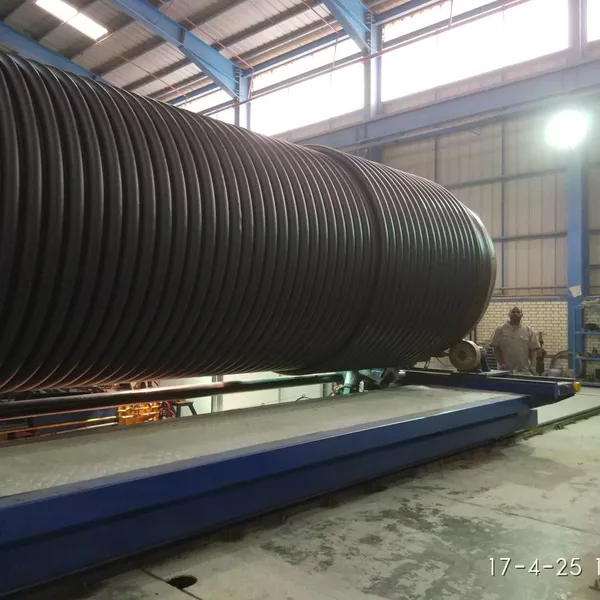 Read More

Contact Us
Recommended Products
-
 CIPP Glass Fibre Liner MachineNegotiableMOQ: 1 Set
 -
HDPE Helically Wound Tank MachineUS$ 10MOQ: 1 Set
-
CIPP Glass Liner MachineNegotiableMOQ: 1 Set
-
CIPP Felt Liner Manufacturing MachineNegotiableMOQ: 1 Set
-
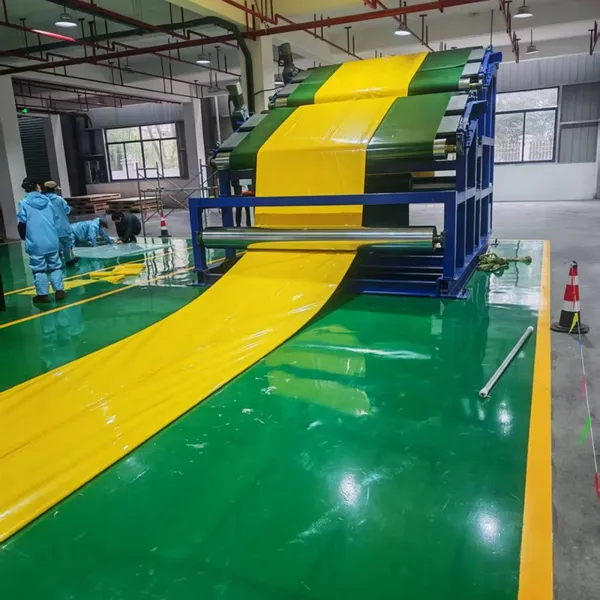
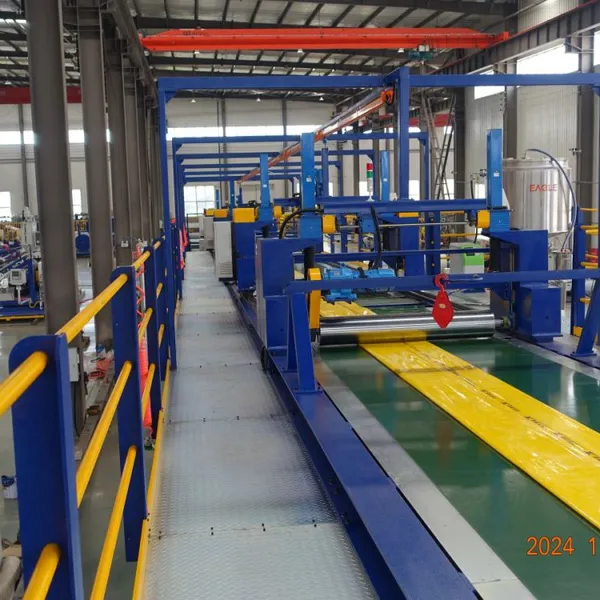
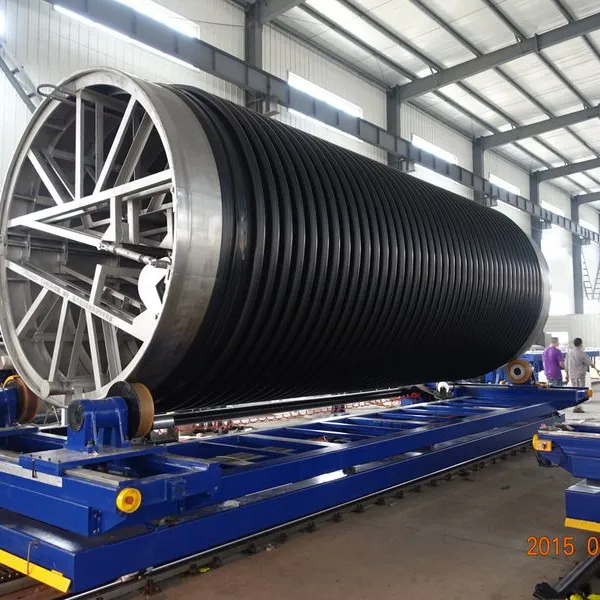
Large Diameter HDPE Sea Intake Outfall Structured Wall Pipe Making MachineNegotiableMOQ: 1 Set
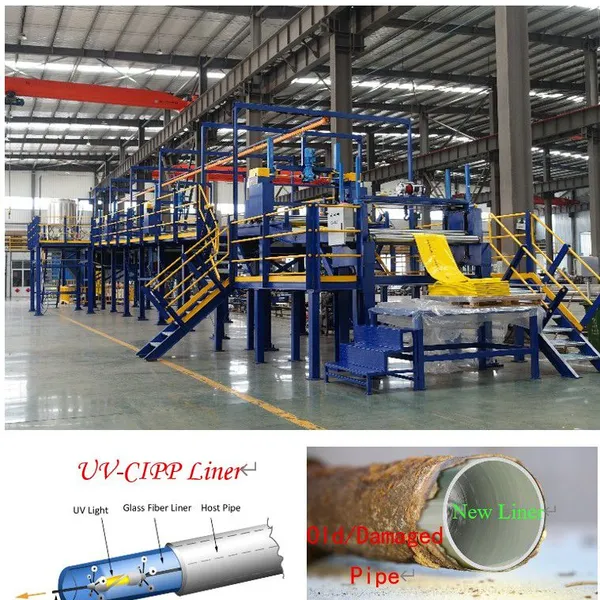
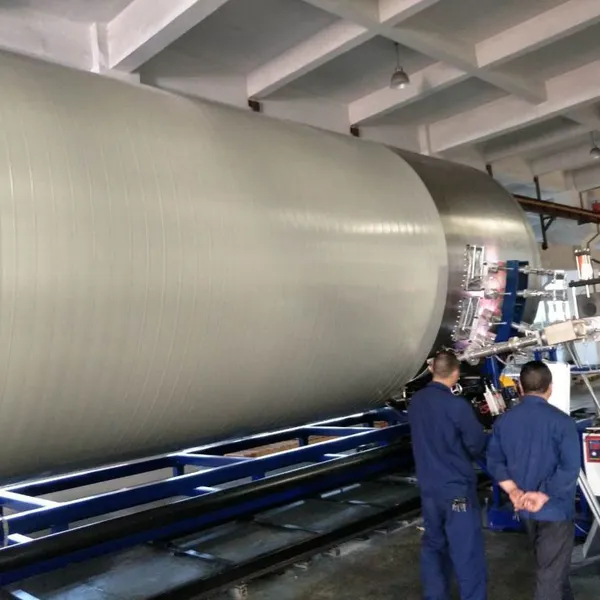
-
UV-CIPP Glass Fibre Liner Manufacturing MachineUS$ 1000 - 110000MOQ: 10 Meters
-
HDPE Pipe Extrusion Machine / PE Pipe Production Line With High OutputNegotiableMOQ: 1 Set
-
UV-CIPP Glass Fiber Liner Hose Production LineUS$ 1000 - 110000MOQ: 1 Set
-
HDPE Spiral Structure Wall Pipe MachineNegotiableMOQ: 1 Set
-
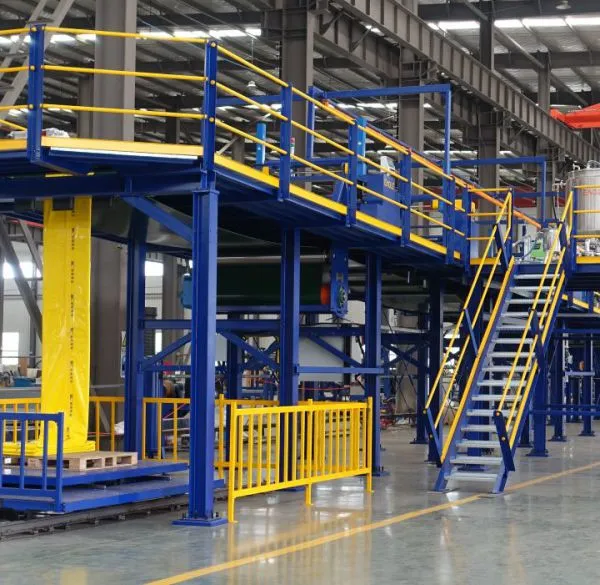
HDPE Spiral Pipe MachineNegotiableMOQ: 1 Set
-
HDPE Spiral Tank MachineNegotiableMOQ: 1 Set
-
Krah Pipe MachineNegotiableMOQ: 1 Set
-
Plastic HDPE PVC PPR Pipe Extrusion Making Machine Extrusion LineNegotiableMOQ: 1 Set
-
PVC Pipe Extrusion Production Line for Electrical Conduit and Water Supply PipesNegotiableMOQ: 1 Set
-
Hot Sell Single Wall Corrugated Pipe Extrusion Line With Competitive PriceNegotiableMOQ: 1 Set
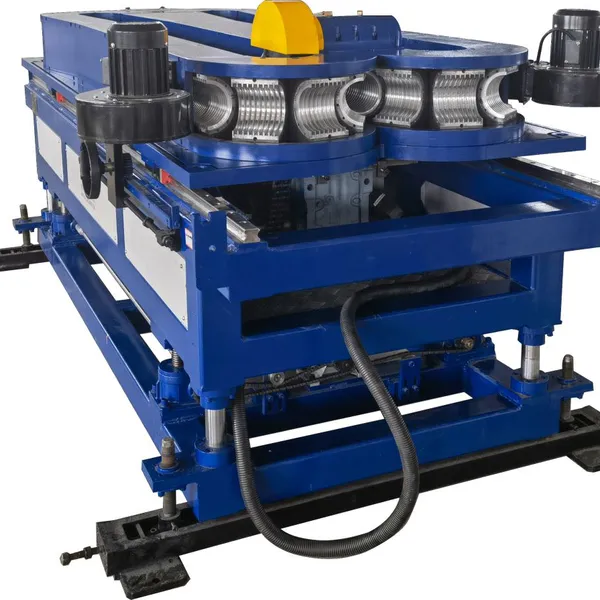
-
HDPE Krah Profild Pipe MachineUS$ 10000MOQ: 1 Set
-
Plastic Tank CNC Holes Boring MachineUS$ 10000MOQ: 1 Set
-
Double Wall Corrugated Pipe Extrusion LineNegotiableMOQ: 1 Set
-
Single Wall Corrugated Pipe Extrusion LineNegotiableMOQ: 1 Set
-
Inversion CIPP Liner Tube Manufacturing MachineNegotiableMOQ: 1 Set