
 Business License
Cured in Place Pipe Installation: A Complete Guide to Trenchless Sewer Rehabilitation
Cured in place pipe installation, also called cured-in-place pipe (CIPP) lining, is a trenchless rehabilitation method that creates a new structural pipe inside an existing damaged host pipe without excavation. The process inserts a resin-impregnated flexible liner into the sewer or drainage line, then cures it with heat, steam, or ultraviolet light to form a seamless, corrosion-resistant pipe-within-a-pipe.
Municipalities and utilities worldwide face aging underground infrastructure. Many sewer lines installed decades ago now suffer from cracks, root intrusion, corrosion, and joint failures. Traditional open-cut replacement disrupts traffic, damages landscaping, and costs significantly more than no-dig alternatives. CIPP installation offers a proven path to extend service life by 50 years or more while minimizing surface disruption.
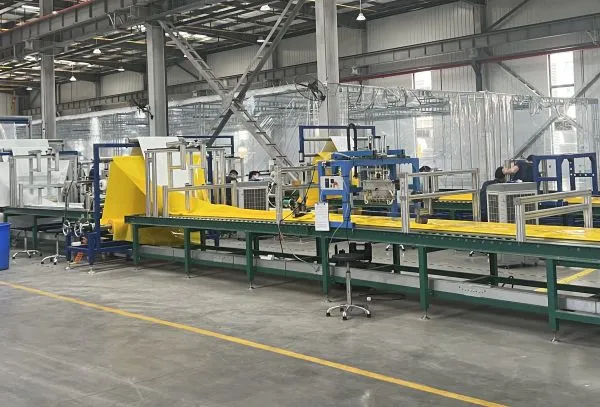
At Qingdao Yongke Machinery, we manufacture the UV-CIPP liner hose manufacturing machines and inversion CIPP liner hose machines that produce the liners contractors depend on for these projects. This guide explains how CIPP installation works, the equipment involved, and what contractors and liner manufacturers need to know to execute successful rehabilitations.
Key Takeaways
CIPP installation creates a structural new pipe inside an existing damaged line, avoiding excavation and reducing costs by 50-70% compared to open-cut replacement.
The process follows five stages: inspection, cleaning, liner impregnation, insertion/inversion, and curing with heat, steam, or UV light.
UV-CIPP cures in 1-3 hours with excellent quality control, while inversion CIPP suits large diameters and markets with established hot-water curing traditions.
Manufactured liners must meet standards such as ASTM F1216, ASTM F1743, and EN ISO 11296 for resin content, thickness, and flexural properties.
Qingdao Yongke Machinery supplies both UV-CIPP and inversion CIPP liner production equipment with ISO 9001-certified manufacturing and global technical support.
What Is Cured-In-Place Pipe Installation?
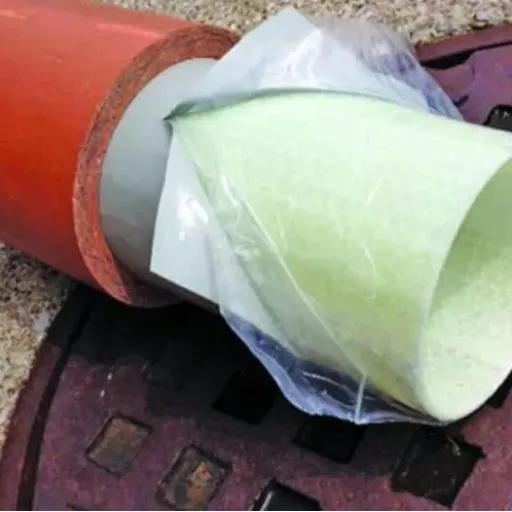
Cured-in-place pipe installation, also called CIPP lining or pipe relining, is a no-dig rehabilitation technology developed in the United Kingdom in the 1970s. A flexible tube made of polyester felt, fiberglass fabric, or a composite is saturated with thermosetting resin and inserted into a damaged host pipe. Once positioned, the liner is cured to create a rigid, structurally independent new pipe that bonds to the interior of the original line.
The resulting CIPP liner performs several critical functions:
Restores structural integrity: The cured liner carries soil and traffic loads independently of the host pipe.
Seals cracks and joints: The seamless construction eliminates points of infiltration and exfiltration.
Improves hydraulic capacity: The smooth internal surface reduces flow resistance compared to corroded concrete or clay.
Extends service life: Properly installed CIPP liners are designed to last 50 years or more.
CIPP installation is used for gravity sewers, storm drains, culverts, and some pressure applications. Moreover, it works on circular, oval, and partially deformed pipes, making it one of the most versatile rehabilitation methods available.
How Does CIPP Installation Work?
A successful CIPP installation follows a structured workflow. Specifically, each stage must be executed with precision, because errors in one phase compound in the next.
1. Inspection and Assessment
Before any liner enters the pipe, the contractor conducts a closed-circuit television (CCTV) inspection to document the condition of the host pipe. Engineers look for:
Cracks, fractures, and missing wall sections
Offset joints and pipe deformation
Root intrusion and debris accumulation
Active infiltration points
Obstructions that could block liner insertion
The inspection data determines whether CIPP is appropriate. Severely collapsed pipes may require spot repairs or open-cut replacement before lining. The contractor also measures internal diameter, length, and any bends to specify the correct liner dimensions.
2. Cleaning and Preparation
The host pipe must be clean and free of obstructions. Common cleaning methods include high-pressure water jetting, mechanical root cutting, and robotic grinding. The goal is to expose a sound inner surface so the liner can bond uniformly and cure without defects.
Any lateral connections are temporarily blocked or marked so the liner can be reopened after curing. In some cases, a calibration hose or bladder is used to verify the pipe geometry before the impregnated liner is prepared.
3. Liner Impregnation
The liner tube is saturated with resin in a controlled environment. This stage is critical because inconsistent resin content leads to weak spots or excessive thickness.
Typical resin systems include:
Epoxy: Excellent chemical resistance and adhesion; common for UV curing.
Polyester: Lower cost and fast curing; widely used for inversion liners.
Vinyl ester: High strength and chemical resistance; used for aggressive environments.
Target resin content usually falls between 35% and 45% by weight. Furthermore, vacuum impregnation systems remove air bubbles and ensure complete saturation. Temperature and humidity are controlled to maintain stable resin viscosity. After impregnation, the liner is loaded into a refrigerated truck or stored in a cool environment until installation, especially for inversion liners with shorter shelf life.
Qingdao Yongke Machinery's CIPP liner manufacturing equipment includes resin impregnation systems designed to achieve uniform saturation across the full liner width.
4. Liner Insertion and Positioning
There are two primary methods for placing the liner inside the host pipe: inversion and pull-in-place.
Inversion uses water or air pressure to turn the liner inside-out as it enters the host pipe. The resin-coated side faces outward against the host pipe wall, while a protective outer layer or coating faces inward. Inversion is the traditional method and works for diameters from DN100 to DN3000 and beyond.
Pull-in-place involves pulling the liner through the pipe with a winch cable, then inflating it against the host pipe wall with an inner bladder. This method is common for UV-CIPP liners, where the transparent inner film must remain intact for light penetration.
Both methods require accurate positioning. The liner must extend past the damaged section at both ends to ensure a complete seal.
5. Curing the Liner
Curing transforms the flexible, resin-saturated tube into a rigid structural pipe. The curing method depends on the resin system and installation approach:
Hot water curing: Circulating heated water through the inversion liner initiates exothermic curing. Common for inversion CIPP.
Steam curing: Steam accelerates curing and is often used for larger diameters or cold climates.
UV light curing: A train of UV lamps passes through the liner, curing the resin in controlled increments. Used primarily for UV-CIPP pull-in-place liners.
Cure time depends on pipe diameter, wall thickness, liner material, and ambient conditions. UV curing typically completes in 1-3 hours. Hot water and steam inversion curing may take 4-12 hours. The contractor monitors temperature and cure progress to ensure the resin reaches full strength.
6. Cooling, Finishing, and Reconnection
After curing, the liner is cooled gradually to prevent thermal stress. The contractor then removes the inversion hose or calibration bladder, reopens lateral connections with robotic cutters, and conducts a final CCTV inspection to verify liner quality.
The new CIPP pipe is now a standalone structural element. It can be returned to service once the final inspection confirms no wrinkles, voids, or uncured sections.
UV-CIPP vs Inversion CIPP Installation Methods
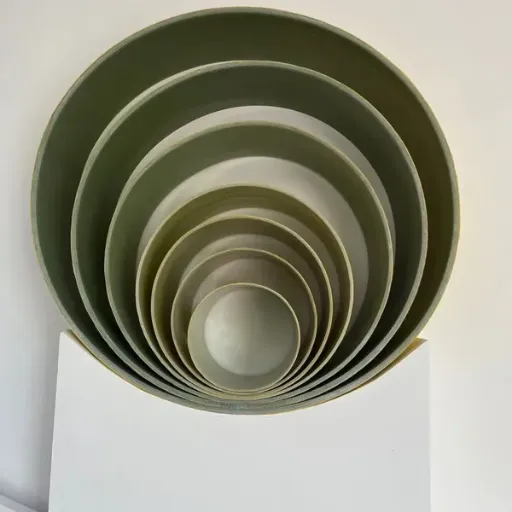
Contractors and liner manufacturers often choose between UV-CIPP and inversion CIPP based on project requirements, market conditions, and available equipment.
UV-CIPP Installation
UV-CIPP liners arrive at the site pre-impregnated and contained within a transparent inner film. For example, the liner is pulled into position, then inflated with air. A UV light train is drawn through the pipe at a controlled speed, curing the resin from the inside out.
Advantages of UV-CIPP installation:
Fast curing: Most installations finish in 1-3 hours.
Predictable quality: Cure is controlled by lamp speed and UV intensity, not ambient conditions.
Long shelf life: Pre-impregnated liners can be stored for 6-12 months if protected from light.
Minimal site footprint: No water or steam boilers required.
Excellent for bends: The pull-in-place method navigates diameter transitions and bends well.
UV-CIPP is especially popular in urban environments where minimizing street closure time is critical. However, UV light penetration limits practical applications to roughly DN150-DN1200 for most systems, although larger systems exist.
Inversion CIPP Installation
Inversion CIPP liners are installed by turning the liner inside-out into the host pipe with water or air pressure. Curing occurs through hot water circulation or steam.
Advantages of inversion CIPP installation:
Proven track record: Decades of installation history and design standards.
Large diameter capability: Suitable for DN100 up to DN3000 and beyond.
Lower material cost: Polyester felt and polyester resin systems are cost-effective.
Established installer base: Many contractors are trained in inversion methods.
The main trade-offs are longer cure times and greater sensitivity to host pipe temperature and groundwater infiltration.
| Parameter | UV-CIPP | Inversion CIPP |
|---|---|---|
| Curing method | Ultraviolet light | Hot water or steam |
| Typical cure time | 1-3 hours | 4-12 hours |
| Shelf life | 6-12 months | 2-4 weeks (refrigerated) |
| Diameter range | DN150-DN1200 typical | DN100-DN3000+ |
| Bend accommodation | Excellent | Moderate |
| Site equipment | UV light train, compressor | Boiler, water circulation, inversion truck |
| Environmental sensitivity | Low | Higher |
Want to see which CIPP technology fits your production goals? Explore our UV-CIPP liner hose manufacturing machine and inversion CIPP liner production line specifications.
Equipment Required for Cured in Place Pipe Installation
A CIPP installation crew uses specialized equipment at every stage. Understanding the equipment helps manufacturers and contractors plan capital investment and production capacity.
Inspection and Cleaning Equipment
CCTV crawler camera: For pre- and post-installation inspection.
High-pressure jetting truck: Removes debris, grease, and roots.
Robotic cutter: Reopens lateral connections and removes protrusions.
Pipe sealing packers: Temporarily stop active infiltration.
Liner Manufacturing Equipment
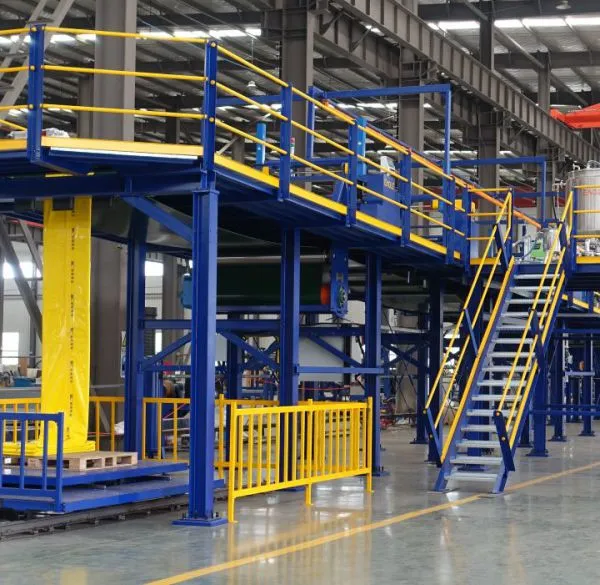
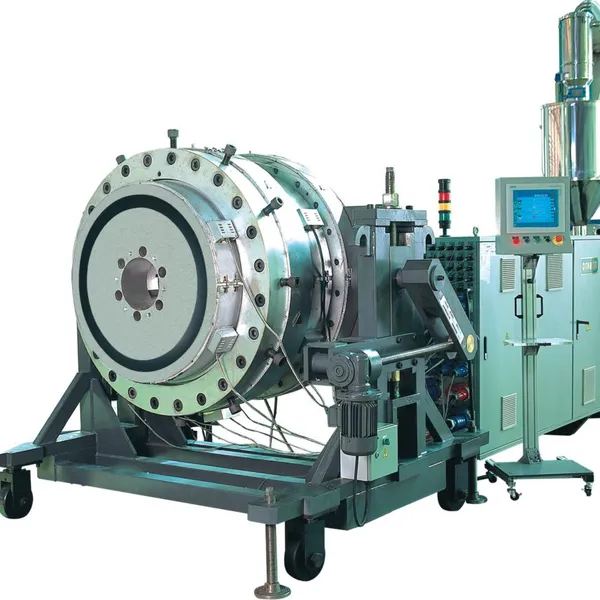
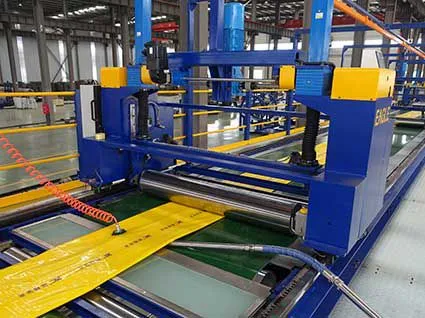
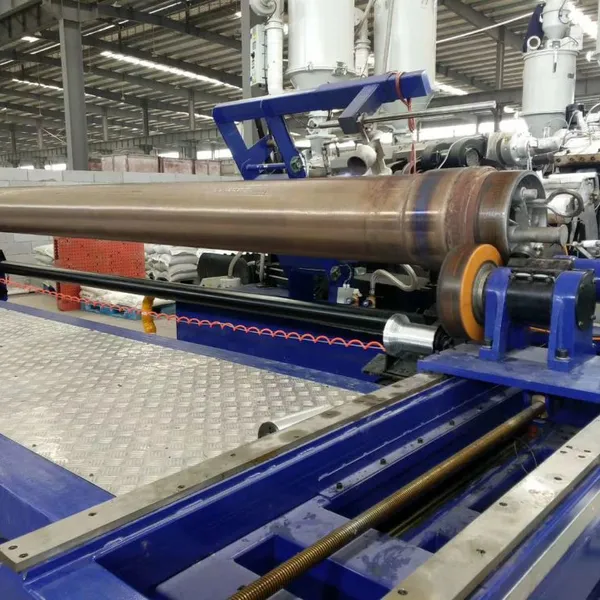
For companies producing liners rather than installing them, the manufacturing line includes:
Tube forming machine: Sews or welds felt or fiberglass into the required diameter.
Resin impregnation system: Vacuum saturates the liner with controlled resin content.
Film application station: Applies inner and outer films for UV-CIPP liners.
Calibration and winding system: Maintains diameter and packages the liner for transport.
Quality control instruments: Measures thickness, resin content, and seam strength.
At Qingdao Yongke Machinery, we build complete CIPP liner manufacturing equipment with PLC-controlled automation and recipe storage for different liner specifications.
Installation and Curing Equipment
Inversion truck or trailer: Holds the liner drum, resin tank, and inversion head.
UV light train: Lamp assembly with cable pull system for UV curing.
Hot water boiler and circulation pump: For inversion hot-water curing.
Steam generator: Alternative curing system for large diameters or cold conditions.
Air compressor: Inflates calibration bladders and provides inversion pressure.
Quality Testing Equipment
Wall thickness gauge: Verifies uniform liner thickness.
Barcol hardness tester: Confirms resin cure.
Flexural strength testing machine: Validates mechanical properties per ASTM or EN standards.
CCTV system: Documents final liner condition.
Quality Control in Cured in Place Pipe Installation
Quality control separates successful rehabilitations from costly failures. Consequently, a liner that is under-cured, too thin, or improperly bonded can fail structurally or leak.
Pre-Installation Quality Checks
Verify liner diameter and length against CCTV measurements.
Confirm resin type, mix ratio, and pot life.
Check resin content by ignition loss testing.
Inspect seams and film integrity.
During Installation
Monitor inversion or pull-in pressure to prevent stretching or wrinkling.
Record cure temperature profiles.
For UV curing, log lamp speed and UV intensity.
Ensure the liner is centered and fully inflated against the host pipe.
Post-Installation Testing
Conduct final CCTV inspection for wrinkles, voids, and delamination.
Test samples for wall thickness, flexural strength, and Barcol hardness.
Reopen and inspect lateral connections.
Document all data for project handover.
CIPP liners should meet relevant standards such as ASTM F1216, ASTM F1743, and EN ISO 11296. These standards define minimum flexural properties, thickness requirements, and installation practices.
Real-World Applications and Market Demand
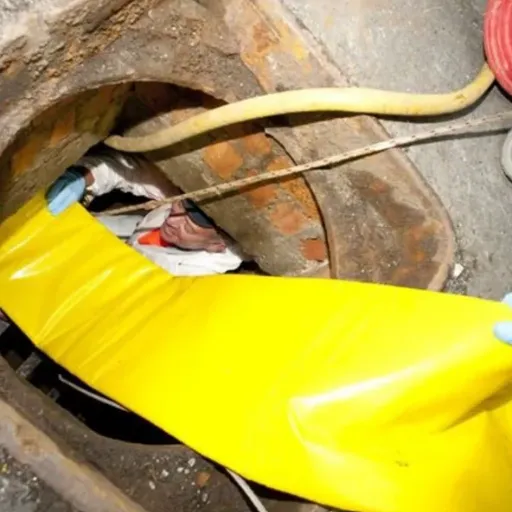
Additionally, CIPP installation serves a growing global market driven by aging infrastructure and urbanization. According to industry analysis, the global CIPP market is projected to grow steadily as municipalities shift from reactive repair to proactive asset management.
Municipal Sewer Rehabilitation
The largest application is gravity sewer renewal. Cities use CIPP to rehabilitate interceptor sewers, trunk lines, and residential laterals without disrupting traffic or businesses. For new pipe production that complements rehabilitation work, contractors also source HDPE spiral profile pipe machines for large-diameter sewer lines.
Stormwater Systems
CIPP restores corrugated metal and concrete storm drains that have corroded or separated. The smooth interior improves hydraulic performance and reduces future maintenance.
Industrial Pipelines
Factories and refineries use CIPP to rehabilitate process lines, cooling water pipes, and chemical drains during scheduled shutdowns. UV-CIPP is often preferred because of its fast cure and minimal environmental impact.
Culverts and Crossings
Highway culverts and railway crossings benefit from trenchless rehabilitation because excavation would disrupt critical transportation corridors.
Mini-Story: The Downtown Sewer Project
In March 2025, a municipal contractor in Southeast Asia faced a failing DN800 concrete sewer running beneath a busy commercial street. Open-cut replacement would have closed the road for six weeks and required compensation to dozens of merchants.
Instead, the contractor chose inversion CIPP installation. The crew cleaned and inspected the line over two days, then installed and cured a 120-meter liner in a single shift.
The street reopened 48 hours later. The project cost roughly 60% less than excavation and eliminated the risk of damaging nearby utilities.
Choosing the Right CIPP Liner Manufacturing Equipment
For pipe manufacturers entering the CIPP market, selecting the right production equipment is as important as mastering installation techniques. The manufacturing line must produce liners that meet project specifications consistently and economically.
Match Equipment to Your Target Market
If your customers are urban contractors working in complex sewer networks, UV-CIPP liner hose manufacturing machines may offer the best growth potential. If your market serves large-diameter municipal mains or regions with established hot-water inversion practices, an inversion CIPP liner production line may be the better starting point.
Many successful manufacturers eventually operate both technologies to serve diverse project portfolios.
Key Equipment Specifications
When evaluating CIPP liner manufacturing equipment, consider:
Diameter range: Can the line produce the liner sizes your market demands?
Material compatibility: Does it handle polyester felt, fiberglass, and required resin systems?
Resin control: Is resin content consistently within the 35-45% target range?
Automation level: Does the PLC system store recipes and monitor quality parameters?
Certification support: Can the manufacturer provide documentation for CE, ISO, and local standards?
After-sales support: Is installation supervision, training, and spare parts availability included?
Mini-Story: From Pipe Producer to Liner Manufacturer
A plastic pipe manufacturer in the Middle East had built its business on solid-wall HDPE pipes. By 2024, competition had compressed margins, and the company wanted to enter the higher-value trenchless rehabilitation market.
After evaluating several suppliers, they invested in a Qingdao Yongke Machinery UV-CIPP liner hose manufacturing line. Within 12 months, the company was producing liners for local contractors and bidding on municipal rehabilitation tenders.
The new product line now contributes 25% of total revenue and carries higher margins than their original pipe products.
Common CIPP Installation Challenges
Even experienced crews encounter challenges. However, recognizing them early prevents rework and protects project margins.
Active Infiltration
Groundwater entering the pipe can cool the resin, dilute catalysts, or prevent proper bonding. Contractors often use chemical grouting or mechanical packers to stop infiltration before lining.
Offset Joints and Deformation
Significant offsets may require spot excavation or robotic grinding. CIPP works best when the host pipe retains most of its original shape.
Temperature Sensitivity
Resin cure rates vary with temperature. Cold pipes may require preheating, while hot pipes can accelerate cure before the liner is fully positioned.
Lateral Connections
Reopening laterals without damaging the liner requires precision robotic cutters. Pre-installation marking and careful curing reduce the risk of misaligned cuts.
FAQ: Cured-In-Place Pipe Installation
What is cured-in-place pipe installation?
Cured-in-place pipe installation is a trenchless method that inserts a resin-impregnated liner into a damaged pipe and cures it to form a new structural pipe inside the existing line.
How long does CIPP installation take?
Most CIPP installations complete within one day. UV-CIPP cures in 1-3 hours, while inversion CIPP with hot water or steam typically takes 4-12 hours depending on diameter and length.
What pipe diameters can be lined with CIPP?
CIPP can rehabilitate pipes from DN100 to DN3000 and larger. UV-CIPP is most common for DN150-DN1200, while inversion CIPP handles the full range including very large diameters.
How long does a CIPP liner last?
Properly designed and installed CIPP liners are engineered for a service life of 50 years or more, depending on load conditions and chemical exposure.
What materials are used in CIPP liners?
Common materials include polyester felt, fiberglass fabric, epoxy resin, polyester resin, and vinyl ester resin. UV-CIPP liners also include a transparent inner film for light penetration.
Is CIPP installation cheaper than pipe replacement?
Yes. CIPP installation typically reduces costs by 50-70% compared to open-cut replacement, while also minimizing surface disruption and social costs.
Conclusion
Ultimately, cured-in-place pipe installation has become the standard approach for rehabilitating aging sewer, stormwater, and industrial pipelines. By creating a new structural pipe inside the existing host line, CIPP eliminates excavation, reduces project costs, and extends infrastructure service life by decades.
Whether you are a contractor planning installations or a manufacturer looking to produce CIPP liners, success depends on understanding the full workflow: inspection, cleaning, impregnation, insertion, curing, and quality verification. The choice between UV-CIPP and inversion CIPP should reflect your target market, project sizes, and capital resources.
For manufacturers ready to enter or expand in the trenchless rehabilitation market, Qingdao Yongke Machinery offers complete UV-CIPP and inversion CIPP liner manufacturing equipment. Our ISO-certified production facility, proprietary process technology, and global after-sales support help you produce liners that meet international standards and win municipal contracts.
Recently Posted
-
Qingdao Yongke Machinery: Full-Category Spiral Pipe Equipment from China's Qingdao
September 1, 2026Choosing a machinery supplier for large-diameter plastic pipe production is a long-term decision, because the line you install wil Read More
 -
Quality Control in Spiral Pipe Machine Manufacturing
August 31, 2026A buyer in South America some time ago received a winding line that looked complete on the surface but suffered repeated seam defe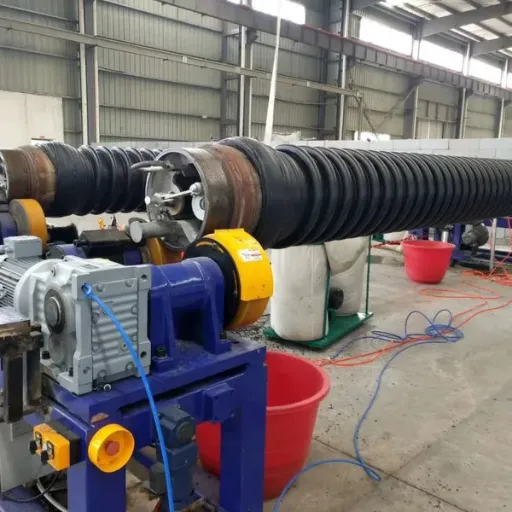 Read More
 -
Spiral Pipe for Sewage and Drainage Networks: Production Notes
August 28, 2026A municipal contractor in Eastern Europe some time ago took delivery of spiral-wound sewer pipe that looked flawless on the line.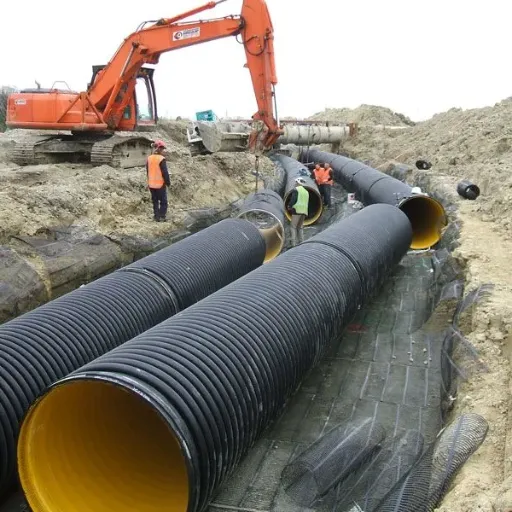 Read More
 -
DN300 to DN5000: Diameter Range and Machine Configuration
August 27, 2026A plant owner in Central Asia once asked for a line "up to DN5000" because a future tender mentioned large storage tanks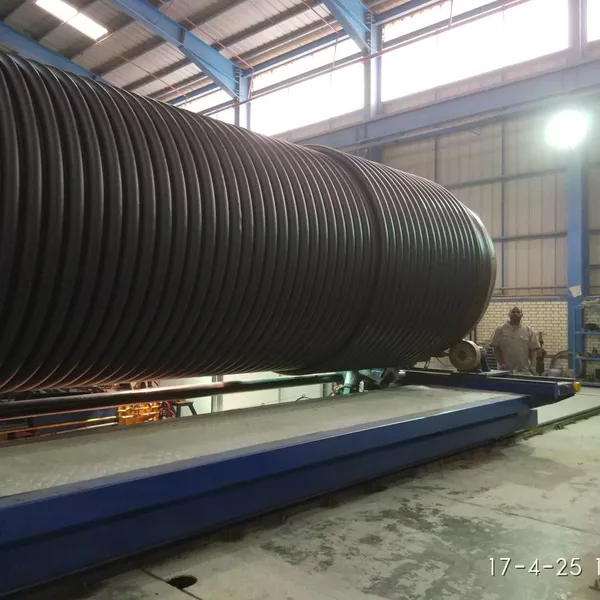 Read More

Contact Us
Recommended Products
-
 CIPP Glass Fibre Liner MachineNegotiableMOQ: 1 Set
 -
HDPE Helically Wound Tank MachineUS$ 10MOQ: 1 Set
-
CIPP Glass Liner MachineNegotiableMOQ: 1 Set
-
CIPP Felt Liner Manufacturing MachineNegotiableMOQ: 1 Set
-
Large Diameter HDPE Sea Intake Outfall Structured Wall Pipe Making MachineNegotiableMOQ: 1 Set
-
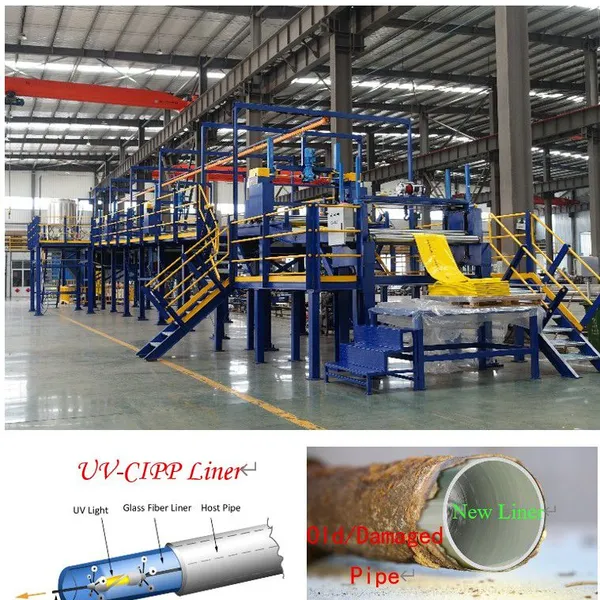
UV-CIPP Glass Fibre Liner Manufacturing MachineUS$ 1000 - 110000MOQ: 10 Meters
-
HDPE Pipe Extrusion Machine / PE Pipe Production Line With High OutputNegotiableMOQ: 1 Set
-
UV-CIPP Glass Fiber Liner Hose Production LineUS$ 1000 - 110000MOQ: 1 Set
-
HDPE Spiral Structure Wall Pipe MachineNegotiableMOQ: 1 Set
-
HDPE Spiral Pipe MachineNegotiableMOQ: 1 Set
-
HDPE Spiral Tank MachineNegotiableMOQ: 1 Set
-
Krah Pipe MachineNegotiableMOQ: 1 Set
-
Plastic HDPE PVC PPR Pipe Extrusion Making Machine Extrusion LineNegotiableMOQ: 1 Set
-
PVC Pipe Extrusion Production Line for Electrical Conduit and Water Supply PipesNegotiableMOQ: 1 Set
-
Hot Sell Single Wall Corrugated Pipe Extrusion Line With Competitive PriceNegotiableMOQ: 1 Set
-
HDPE Krah Profild Pipe MachineUS$ 10000MOQ: 1 Set
-
Plastic Tank CNC Holes Boring MachineUS$ 10000MOQ: 1 Set
-
Double Wall Corrugated Pipe Extrusion LineNegotiableMOQ: 1 Set
-
Single Wall Corrugated Pipe Extrusion LineNegotiableMOQ: 1 Set
-
Inversion CIPP Liner Tube Manufacturing MachineNegotiableMOQ: 1 Set