
 Business License
Chemical Resistant Pipes: A Complete Guide to Materials, Selection, and Installation
The best chemical resistant pipes for industrial applications are made from HDPE, PP, PVDF, and PTFE. HDPE and PP are the most common choices for drainage and process piping. They resist a wide range of acids, alkalis, and salts. They also offer straightforward heat-fusion joining and long service life.
What if a routine pipe change could eliminate 90% of your leak repairs? In 2022, a specialty chemical plant near Ahmedabad, India, was spending US$45,000 per year patching corroded steel drainage lines.
The carbon steel pipe had looked economical on paper. But sulfuric acid vapors and chloride-laden washdowns were eating it from the inside out. The maintenance manager, Rajesh Patel, switched the drain lines to HDPE chemical pipe.
The leaks stopped. The annual corrosion repair budget dropped to under US$3,000. The line has now run for four years without a single replacement joint.
That is the practical value of choosing the right corrosion resistant pipe. This guide explains what makes a pipe chemically resistant. You'll learn how the main materials compare and how to select and install chemical resistant pipe for your application. It also shows how Qingdao Yongke Machinery's extrusion and fabrication equipment helps manufacturers produce the HDPE and PP pipe systems that industrial customers rely on.
Key Takeaways
Chemical resistant pipes are made from polymers such as HDPE, PP, PVDF, and PTFE that withstand acids, alkalis, salts, and solvents.
HDPE chemical pipe handles pH 1-14 environments, abrasion, and soil burial up to 60°C for many applications.
PP chemical pipe offers higher temperature resistance than HDPE and performs well with sulfuric and hydrochloric acids.
Qingdao Yongke Machinery manufactures HDPE spiral profile pipe machines and PP corrugated pipe extrusion lines for chemical resistant pipe production.
What Are Chemical Resistant Pipes?
Chemical resistant pipes are piping systems designed to carry corrosive fluids, gases, or slurries without degrading. They are used in chemical plants, metal finishing shops, food and beverage facilities, pharmaceutical plants, mines, and wastewater treatment systems.
Unlike carbon steel, cast iron, or copper, polymer pipes don't corrode through electrochemical oxidation. The acid or caustic attacks the pipe surface, but the material itself resists breakdown. This gives chemical resistant pipe systems longer life, lower maintenance, and better safety in aggressive service.
The most common materials are:
HDPE (high-density polyethylene): Cost-effective, flexible, excellent chemical resistance
PP (polypropylene): Higher stiffness and temperature resistance than HDPE
PVDF (polyvinylidene fluoride): High purity, high temperature, strong acid resistance
PTFE (polytetrafluoroethylene): Almost universal chemical resistance, very high temperature limit
PVC and CPVC: Lower cost options for mild acids and drainage at moderate temperatures
Each material has a specific temperature range, pressure rating, and chemical compatibility window. Selecting the wrong one can lead to softening, cracking, or premature failure.
If you manufacture pipe for chemical handling, your production line must deliver consistent wall thickness and material quality. Yongke Machinery's HDPE spiral profile pipe machine produces structural wall pipe from DN300mm to DN5000mm for industrial drainage and containment. Request a quotation to discuss your target diameter and material.
Why Material Selection Matters for Corrosion Resistant Pipe
A corrosion resistant pipe is only as good as the material chosen for the specific chemical environment. A pipe that handles hydrochloric acid at room temperature may fail at 80°C. A pipe that resists sulfuric acid may degrade in the presence of strong oxidizers.
In 2021, a fertilizer storage facility in Egypt installed HDPE drainage lines for phosphoric acid runoff. The pipes performed well for the first 18 months.
Then summer tank washwater reached 70°C, and the HDPE began to soften at the supports. The engineering team replaced the hot sections with PP chemical pipe, which carries a higher temperature rating. The repair cost US$28,000, but it ended a cycle of sagging and re-bracing that had been repeating every few months.
That case shows why chemical resistance is not the only factor. Temperature, pressure, mechanical load, and installation method all affect performance. A complete material selection process checks every one of these variables.
HDPE Chemical Pipe: Properties and Applications
HDPE chemical pipe is the workhorse of industrial drainage and process water systems. It is one of the most widely specified chemical resistant pipes for plants, mines, and tank farms. It combines broad chemical compatibility with toughness, flexibility, and easy fusion welding.
Chemical Resistance
HDPE resists most acids, alkalis, and aqueous salts across the pH range of 1 to 14. It handles sulfuric acid up to moderate concentrations, hydrochloric acid, sodium hydroxide, and many industrial effluents. It doesn't handle strong oxidizing acids such as concentrated nitric acid or fuming sulfuric acid well.
It is widely used as a chemical drainage pipe in process plants and tank farms. Always confirm compatibility with a chemical resistance chart from the resin manufacturer or the Plastics Pipe Institute chemical resistance resources.
Temperature and Pressure Limits
HDPE pipe typically operates from -40°C up to 60°C for pressure service. For gravity drainage and low-pressure chemical lines, short-term exposure up to 80°C is sometimes acceptable depending on the stress level. Pressure ratings drop as temperature rises, so designers must derate accordingly.
Common Applications
Chemical plant process drainage
Industrial effluent collection
Acid mine drainage
Leachate collection at landfills
Corrosive soil and groundwater remediation
Tank farm containment piping
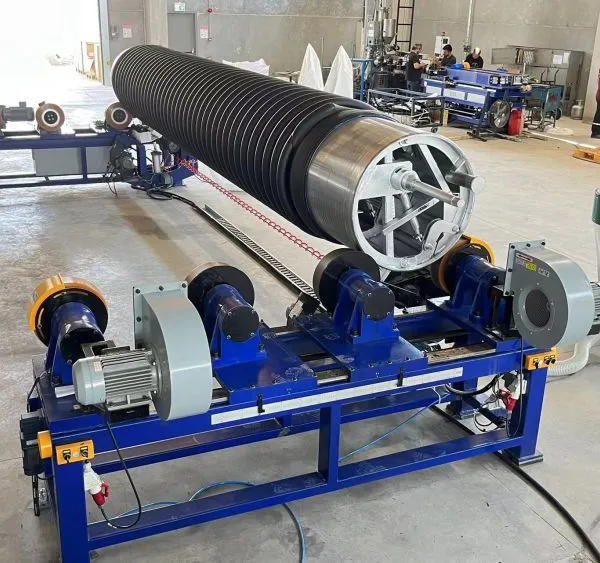
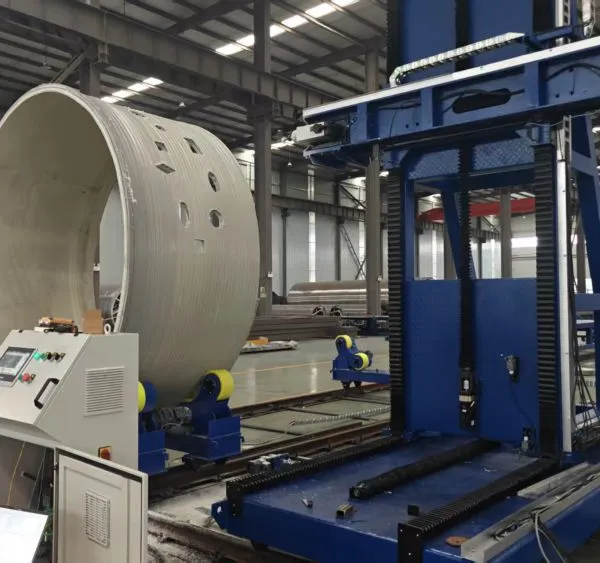
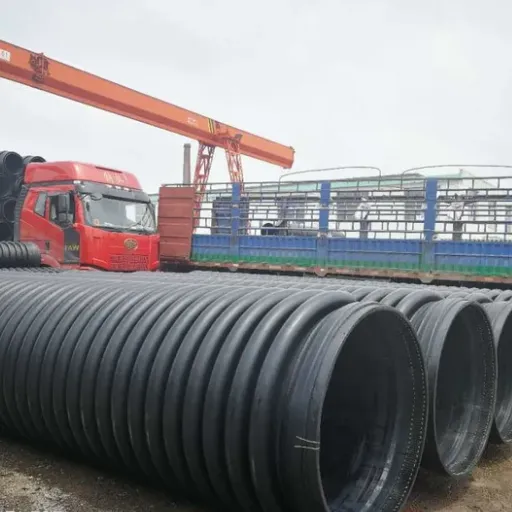
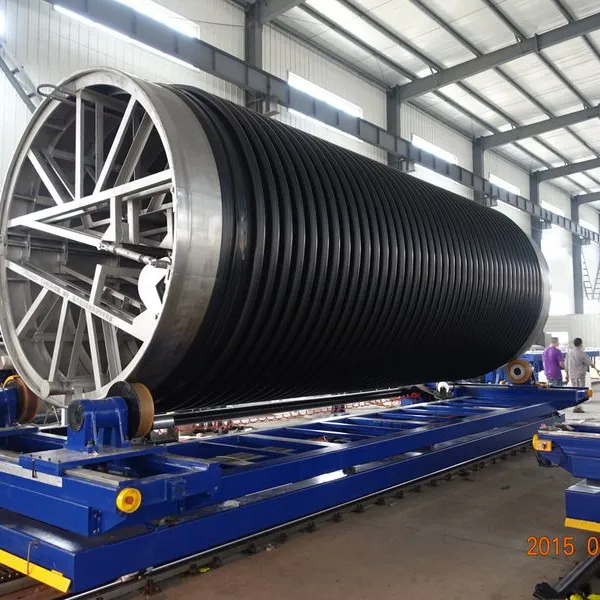
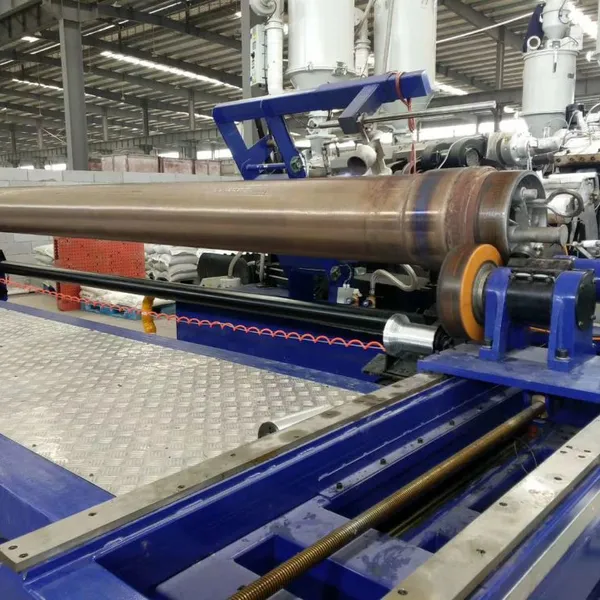
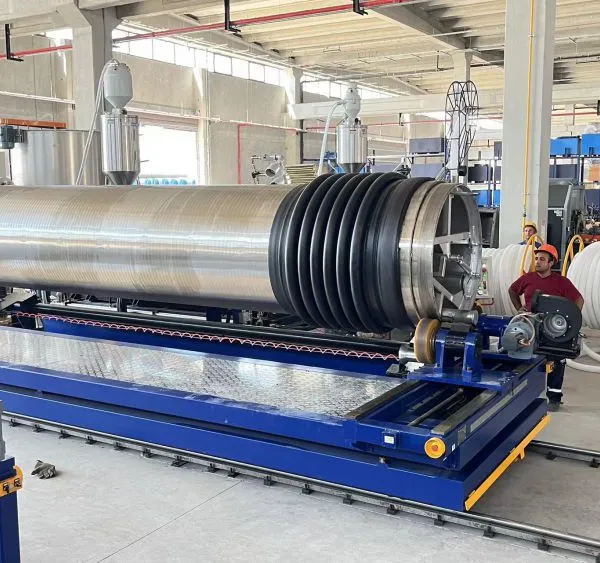
Large-diameter HDPE chemical pipe for these applications is often produced on spiral profile pipe machines. Yongke Machinery's HDPE spiral profile pipe machine manufactures structural wall pipe with SN4 to SN16 ring stiffness, suitable for buried chemical drainage systems. For above-ground tanks and sumps, our HDPE spiral tank machine produces corrosion-resistant storage tanks up to large diameters.
PP Chemical Pipe: When to Choose Polypropylene
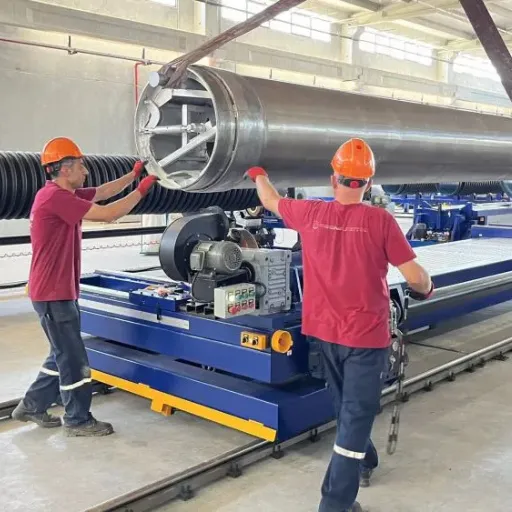
PP chemical pipe is stiffer than HDPE and handles higher temperatures. It is another leading choice among chemical resistant pipes for hot chemical service, vent lines, and process piping where HDPE would lose mechanical strength.
Advantages Over HDPE
Higher maximum operating temperature, typically up to 95°C
Better resistance to some organic solvents and acids
Higher stiffness modulus, which reduces sag in above-ground runs
Good weldability with polypropylene fittings
Common Applications
Hot chemical drainage in plating shops
Fume exhaust and scrubber systems
Pickling line effluent
Pharmaceutical cleanroom drains
Food processing chemical washdown lines
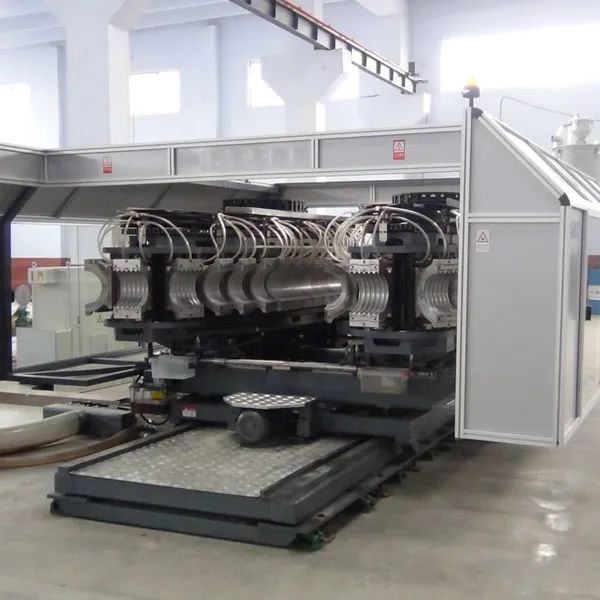
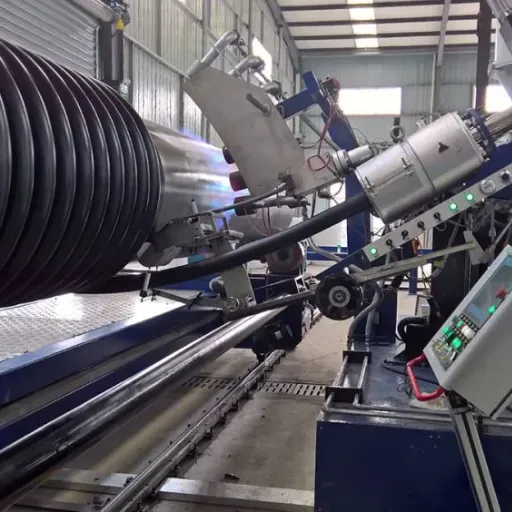
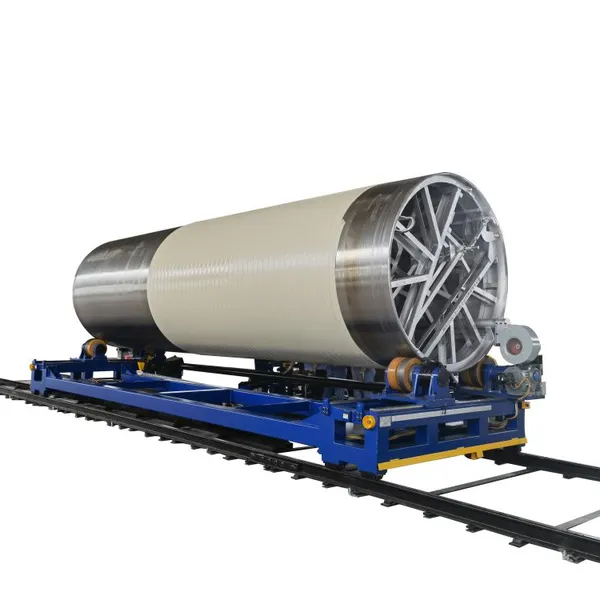
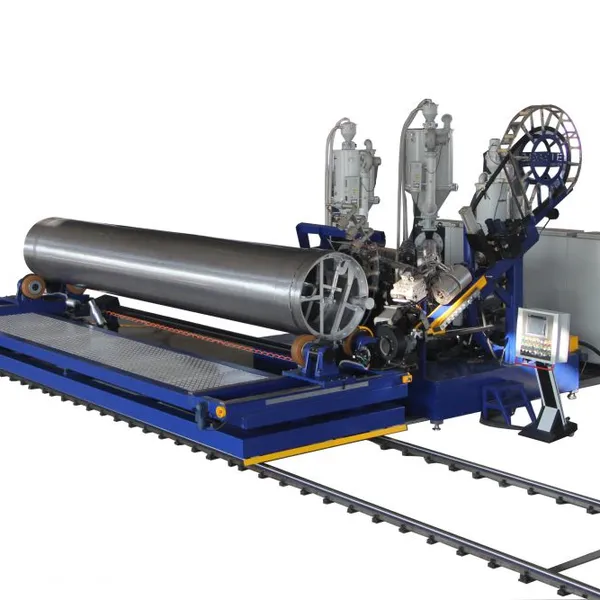
PP pipe is often manufactured as double-wall corrugated pipe for drainage. Yongke Machinery's high-speed PP corrugated pipe extrusion line produces PP corrugated pipe at speeds up to 15 meters per minute, giving manufacturers the output needed for large industrial drainage contracts.
Other Chemical Resistant Pipe Materials
HDPE and PP cover most industrial needs, but aggressive chemicals and high temperatures require advanced polymers.
PVDF Pipe
PVDF offers excellent chemical resistance, high purity, and service temperatures up to 120°C. It's common in semiconductor fabrication, pharmaceutical production, and concentrated acid handling. PVDF pipe costs more than HDPE or PP, but it's often the only safe acid resistant pipe choice for hot sulfuric acid or high-purity deionized water systems.
PTFE Pipe
PTFE is one of the most chemically inert materials available. It resists almost all acids, bases, and solvents and handles temperatures up to 260°C. It's soft and has low mechanical strength, so it's usually used as linings, flexible hoses, or small-diameter tubing rather than structural process pipe.
PVC and CPVC Pipe
PVC is economical and resists many acids and bases at ambient temperatures. CPVC adds chlorine to the polymer chain, raising the temperature limit to around 93°C. Both materials are common in laboratory drainage, chemical processing at low pressure, and residential pool systems. They're joined with solvent cement rather than heat fusion.
Material Comparison for Industrial Chemical Pipe
| Material | Max Temp | Chemical Resistance | Typical Applications | Joining Method | Relative Cost |
|---|---|---|---|---|---|
| HDPE | 60°C pressure, 80°C gravity | pH 1-14, most salts | Drainage, leachate, effluent | Heat fusion | Low |
| PP | 95°C | Strong acids, some solvents | Hot drainage, fume exhaust | Heat fusion | Low-Medium |
| PVDF | 120°C | Broad, including oxidizers | Semiconductor, pharma | Heat fusion or threading | High |
| PTFE | 260°C | Near-universal | Linings, hoses, tubing | Flared or compression | Very high |
| PVC | 60°C | Mild acids, bases | Lab drainage, pool systems | Solvent cement | Very low |
| CPVC | 93°C | Broader than PVC | Low-pressure chemical service | Solvent cement | Low |
This table shows why HDPE and PP dominate chemical drainage. They combine broad chemical resistance with practical joining, handling, and cost. PVDF and PTFE fill the high-temperature and extreme-chemical niche.
For pipe producers, covering the HDPE and PP segments opens the largest market. Qingdao Yongke Machinery builds both spiral profile and corrugated pipe lines at our ISO-certified factory in Qingdao, China. Contact our sales team to match a production line to your target material and diameter range.
Design Factors for Chemical Resistant Piping Systems
Choosing the right chemical resistant pipe means matching the material to the full service conditions, not just the chemical name.
Chemical Compatibility
Start with the complete fluid composition. Check concentration, pH, oxidizing potential, and the presence of dissolved gases or solids. A pipe that resists dilute sulfuric acid may fail in concentrated acid. A pipe that handles the liquid may degrade in the vapor phase above it.
Temperature
Temperature accelerates chemical attack and reduces mechanical strength. For every 10°C increase above the recommended limit, service life can drop sharply. If your process runs above 60°C, consider PP, PVDF, or CPVC instead of HDPE.
Pressure and Mechanical Loads
Pressure ratings for plastic pipe depend on wall thickness, diameter, temperature, and material. Buried pipe must also resist soil load, traffic, and groundwater pressure. Use the appropriate ring stiffness and burial class. For diameter and pressure guidance, see our HDPE pipe sizes chart and pipe diameter selection guide.
Abrasion and Erosion
Slurries containing sand, catalyst fines, or crystalline solids wear pipe from the inside. HDPE has excellent abrasion resistance, making it a common choice for mining slurry and tailings lines. PP also performs well, but softer materials may erode more quickly.
UV Exposure
Untreated plastic pipe degrades in sunlight. Carbon black masterbatch is typically added to HDPE for UV resistance. Above-ground installations should use UV-stabilized compounds or protective coverings.
Joining Methods for Chemical Resistant Pipes
A chemical resistant pipe system is only as strong as its joints. The wrong joint creates a leak path, a weak point, or a future maintenance headache.
Heat Fusion
Heat fusion is the preferred method for HDPE and PP pipe. It melts the pipe ends and presses them together to form a single, homogeneous joint. There are two main types:
Butt fusion: Used for straight pipe runs of similar diameter
Electrofusion: Used for fittings, valves, repairs, and tight spaces
They're stronger than the parent material when done correctly. They eliminate the gasket, glue, or threaded connection that often fails first. The procedure follows standards such as ISO 4427 and ASTM D2657. For a full explanation of fusion equipment, see our guide on pipe welding machines.
Mechanical Joints and Flanges
Flanges allow disassembly for maintenance and connect plastic pipe to metal equipment. Gasket selection is critical. Viton, EPDM, or PTFE gaskets are chosen based on chemical compatibility. Mechanical couplings are sometimes used for above-ground transitions.
Extrusion Welding
Extrusion welding melts a welding rod and deposits it into a prepared groove. It's common for fabricating custom fittings, tank nozzles, and repairs on HDPE tanks made with an HDPE spiral tank machine. Skilled operators produce strong, leak-free welds for non-standard shapes.
Installation and Maintenance Best Practices
Even the best chemical resistant pipe can fail if it's installed or maintained poorly. Follow these practices to maximize service life.
Verify Chemical Compatibility at Every Point
Check not just the main flow, but also condensate lines, vents, drain traps, and cleaning cycles. A pipe sized for one fluid may see a different chemical during CIP or flushing.
Allow for Thermal Expansion
Plastic pipe expands and contracts more than metal. Above-ground runs need expansion loops, offsets, or flexible connections. Rigidly restrained plastic pipe can buckle or pull out of fittings when temperature changes.
Support the Pipe Correctly
Support spacing depends on material, diameter, temperature, and pipe contents. PP pipe needs closer support than HDPE because it's stiffer but also heavier when filled. Use supports that don't pinch or cut into the pipe wall.
Follow Fusion Procedures Exactly
Skipping facing, misaligning pipe, or moving the joint during cooling creates weak fusion. Operators must be trained and certified. Proper HDPE pipe installation procedures protect both the pipe and the people working around it.
Inspect Regularly
Look for signs of softening, discoloration, cracking, or deformation. Monitor pressure and flow trends. A drop in flow may indicate internal scaling or erosion. A drop in pressure may signal a leak.
Common Mistakes to Avoid
Industrial piping failures often come from simple oversights. Avoid these common errors.
Mixing Materials Without Transition Fittings
Never butt-fuse HDPE to PP or PVC directly. Different melt temperatures and expansion rates prevent a sound joint. Use mechanical transition fittings or flanged adapters.
Ignoring Concentration and Temperature Together
Chemical resistance data is usually given at room temperature. A 20% sulfuric acid solution may be safe at 25°C and aggressive at 80°C. Always check both variables.
Using the Wrong Gasket Material
A chemically resistant pipe connected with a Buna-N gasket to a metal flange can still fail. The gasket can swell, dissolve, or leak. Match the gasket to the fluid.
Inadequate Bedding for Buried Pipe
Buried chemical resistant pipe needs uniform bedding and sidefill to prevent point loads and deformation. Rocky or uneven bedding creates stress cracks over time.
Forgetting about Vapor Phase
Vents and condensate lines often carry concentrated vapors that are more aggressive than the liquid. A pipe that handles the liquid may degrade in the vapor space.
FAQ: Chemical Resistant Pipes
What is the most chemically resistant pipe material?
PTFE is the most chemically resistant pipe material, handling nearly all acids, bases, and solvents up to 260°C. For most industrial drainage and process piping, HDPE and PP provide the best balance of chemical resistance, cost, and mechanical properties.
Is HDPE pipe chemical resistant?
Yes. HDPE pipe resists most acids, alkalis, and salts across pH 1-14. It's widely used for chemical drainage, leachate collection, and industrial effluent. It doesn't handle strong oxidizing acids or some organic solvents well.
What pipe is best for sulfuric acid?
PP and PVDF are both good choices for sulfuric acid, depending on concentration and temperature. HDPE handles dilute sulfuric acid at ambient temperatures. PVDF is preferred for hot or highly concentrated sulfuric acid.
Can you weld chemical resistant plastic pipe?
Yes. HDPE and PP pipe are joined by butt fusion, electrofusion, or extrusion welding. Fusion creates monolithic, leak-free joints. PVC and CPVC are joined with solvent cement.
How long does chemical resistant pipe last?
Properly selected and installed HDPE and PP chemical pipe can last 50 years or more. Actual life depends on chemical concentration, temperature, mechanical stress, and installation quality.
What is the difference between HDPE and PP chemical pipe?
HDPE is more flexible and impact-resistant, with better low-temperature performance. PP is stiffer and handles higher temperatures. HDPE is often chosen for buried drainage and abrasion service. PP is chosen for hot chemical drainage and above-ground process lines.
Are plastic chemical pipes environmentally friendly?
Plastic chemical pipes do not corrode, so they do not release metal ions into the environment. They can be recycled at end of life. Their long service life reduces replacement waste compared to metal systems in corrosive service.
Conclusion: Choose the Right Chemical Resistant Pipe for the Job
Chemical resistant pipes protect people, equipment, and the environment from corrosive fluids. HDPE and PP are the most common materials for industrial drainage and process piping. They resist a wide range of chemicals, are easy to install, and last for decades. PVDF and PTFE handle the most aggressive chemicals and highest temperatures where standard polymers would fail.
The right choice depends on chemical compatibility, temperature, pressure, installation method, and total lifecycle cost. Fusion-welded HDPE and PP systems offer leak-free performance. In corrosive service, they are hard to match with metal pipe.
For pipe manufacturers, chemical resistant pipe represents a stable, high-demand market. Qingdao Yongke Machinery manufactures the production equipment behind these systems. Our product range includes HDPE spiral profile pipe machines, HDPE spiral tank machines, and high-speed PP corrugated pipe extrusion lines. We build them at our ISO-certified factory in Qingdao, China.
If you are expanding your pipe production into chemical drainage, industrial effluent, or corrosive containment markets, contact our engineering team for a detailed quotation and technical consultation.
Key points to remember:
Match the pipe material to the full chemical, temperature, and mechanical environment.
HDPE and PP chemical pipes cover most industrial drainage and process needs.
Heat-fusion joining creates stronger, more reliable joints than mechanical or glued connections.
Proper installation, support, and inspection extend service life.
Yongke Machinery supplies production equipment for HDPE and PP chemical resistant pipe systems.
Our team can help you select the right extrusion line, diameter range, and configuration for your target chemical pipe market.
Recently Posted
-
Qingdao Yongke Machinery: Full-Category Spiral Pipe Equipment from China's Qingdao
September 1, 2026Choosing a machinery supplier for large-diameter plastic pipe production is a long-term decision, because the line you install wil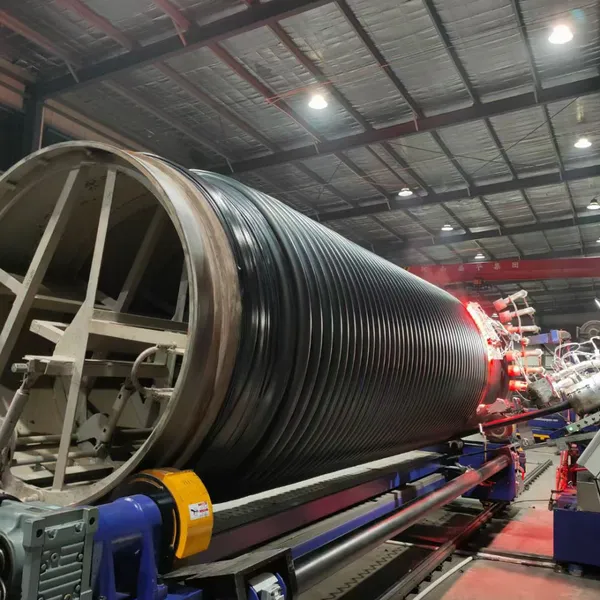 Read More
 -
Quality Control in Spiral Pipe Machine Manufacturing
August 31, 2026A buyer in South America some time ago received a winding line that looked complete on the surface but suffered repeated seam defe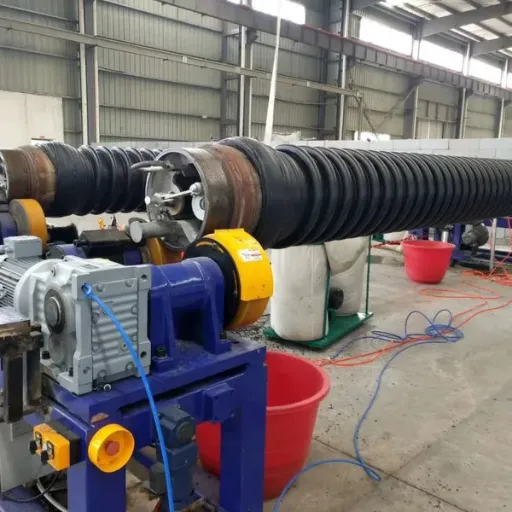 Read More
 -
Spiral Pipe for Sewage and Drainage Networks: Production Notes
August 28, 2026A municipal contractor in Eastern Europe some time ago took delivery of spiral-wound sewer pipe that looked flawless on the line.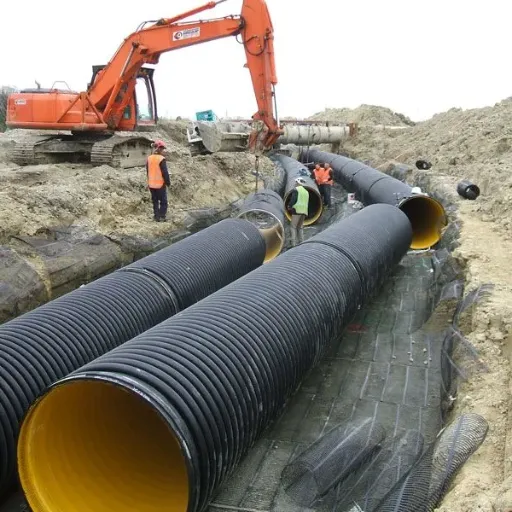 Read More
 -
DN300 to DN5000: Diameter Range and Machine Configuration
August 27, 2026A plant owner in Central Asia once asked for a line "up to DN5000" because a future tender mentioned large storage tanks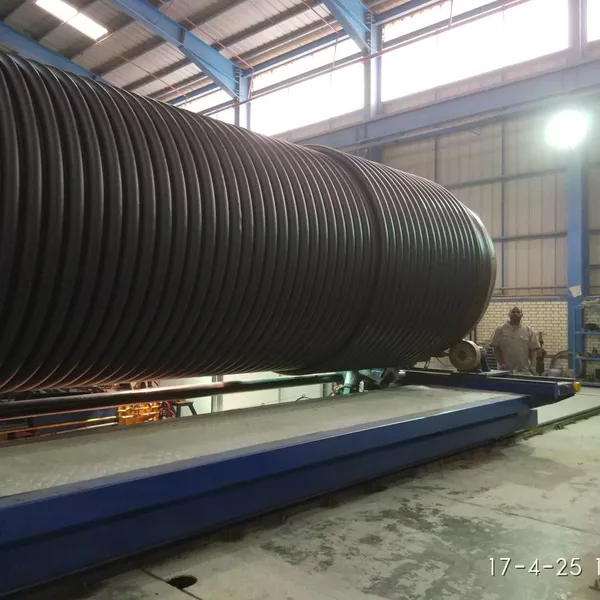 Read More

Contact Us
Recommended Products
-
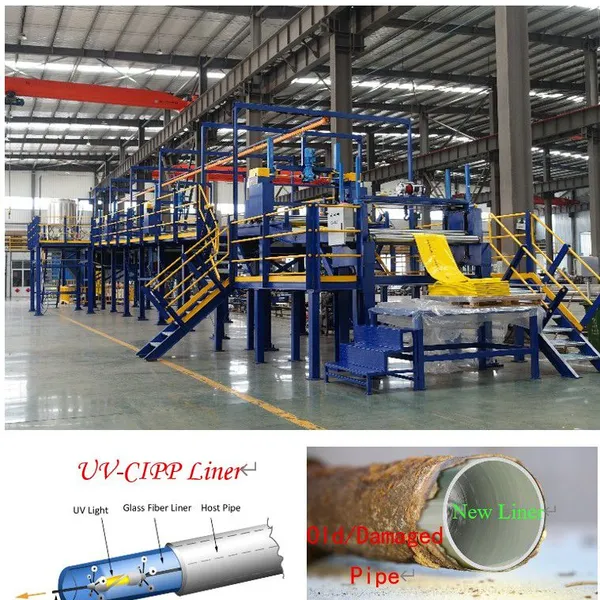
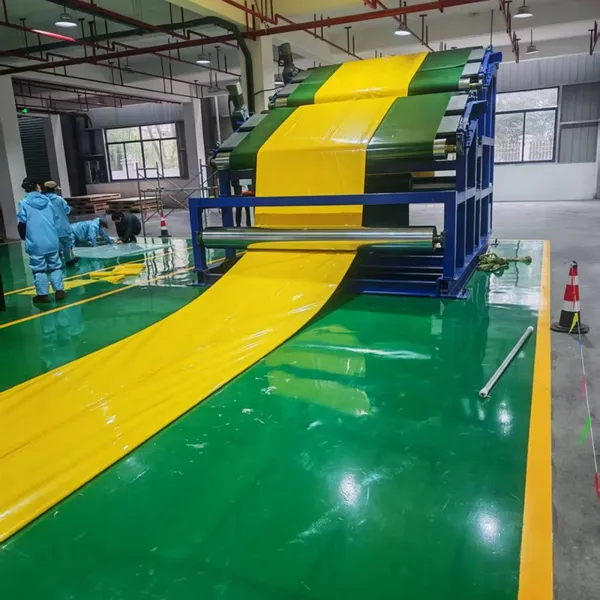
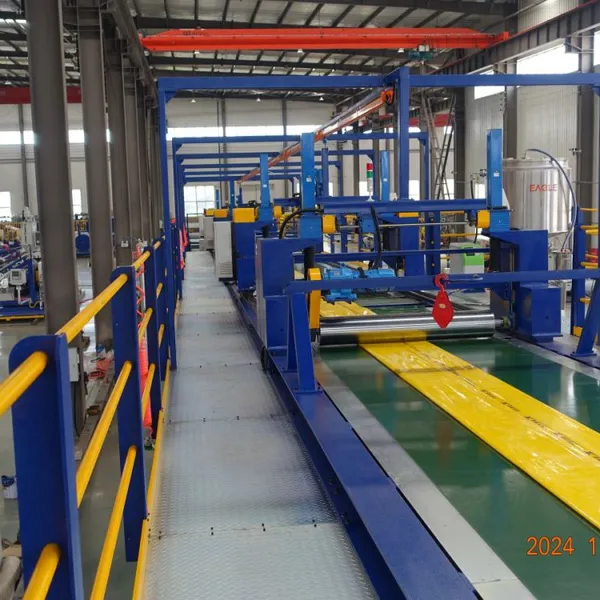
 CIPP Glass Fibre Liner MachineNegotiableMOQ: 1 Set
 -
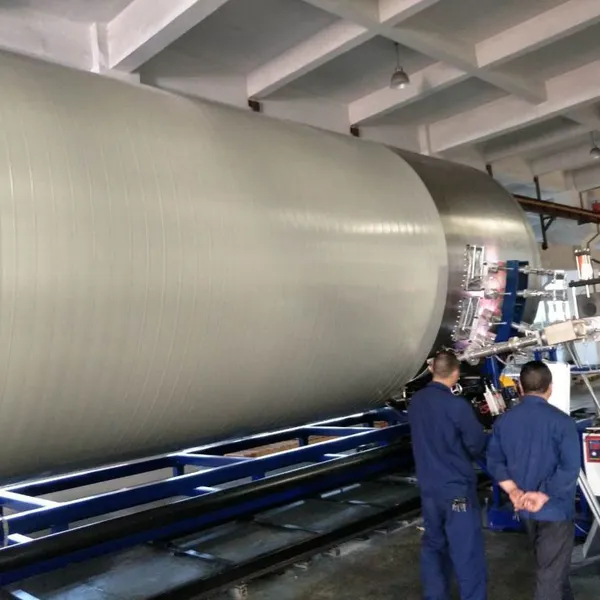
HDPE Helically Wound Tank MachineUS$ 10MOQ: 1 Set
-
CIPP Glass Liner MachineNegotiableMOQ: 1 Set
-
CIPP Felt Liner Manufacturing MachineNegotiableMOQ: 1 Set
-
Large Diameter HDPE Sea Intake Outfall Structured Wall Pipe Making MachineNegotiableMOQ: 1 Set
-
UV-CIPP Glass Fibre Liner Manufacturing MachineUS$ 1000 - 110000MOQ: 10 Meters
-
HDPE Pipe Extrusion Machine / PE Pipe Production Line With High OutputNegotiableMOQ: 1 Set
-
UV-CIPP Glass Fiber Liner Hose Production LineUS$ 1000 - 110000MOQ: 1 Set
-
HDPE Spiral Structure Wall Pipe MachineNegotiableMOQ: 1 Set
-
HDPE Spiral Pipe MachineNegotiableMOQ: 1 Set
-
HDPE Spiral Tank MachineNegotiableMOQ: 1 Set
-
Krah Pipe MachineNegotiableMOQ: 1 Set
-
Plastic HDPE PVC PPR Pipe Extrusion Making Machine Extrusion LineNegotiableMOQ: 1 Set
-
PVC Pipe Extrusion Production Line for Electrical Conduit and Water Supply PipesNegotiableMOQ: 1 Set
-
Hot Sell Single Wall Corrugated Pipe Extrusion Line With Competitive PriceNegotiableMOQ: 1 Set
-
HDPE Krah Profild Pipe MachineUS$ 10000MOQ: 1 Set
-
Plastic Tank CNC Holes Boring MachineUS$ 10000MOQ: 1 Set
-
Double Wall Corrugated Pipe Extrusion LineNegotiableMOQ: 1 Set
-
Single Wall Corrugated Pipe Extrusion LineNegotiableMOQ: 1 Set
-
Inversion CIPP Liner Tube Manufacturing MachineNegotiableMOQ: 1 Set