
 Business License
Trenchless Technology Methods: A Contractor's Guide to No-Dig Pipe Rehabilitation
In March 2024, a municipal contractor in Northern England faced a failing DN800mm sewer line running directly beneath a busy shopping district. Open-cut replacement would have closed two intersections for six weeks, disrupted dozens of businesses, and cost more than the pipe itself in surface restoration. Instead, the contractor chose a trenchless technology method: a UV-curable CIPP liner installed through a single access pit. Traffic reopened within 48 hours.
If you work in municipal infrastructure, sewer maintenance, or pipe rehabilitation, you already know why this matters. Aging underground networks need repair, but cities cannot afford to tear up every road, sidewalk, and utility corridor. Trenchless technology methods offer a way to restore structural integrity without the disruption of traditional excavation, making no-dig pipe repair the preferred approach in many urban environments.
In this guide, you will learn what trenchless technology methods actually are, how the most common no-dig techniques work, and how to choose the right method for sewer, drainage, and pressure pipe rehabilitation. You will also see how CIPP liner production equipment supports contractors who want to control liner supply and quality.
What Is Trenchless Technology?
Trenchless technology refers to techniques that install, repair, or replace underground pipes with minimal or no surface excavation. Instead of digging a continuous trench along the pipe alignment, contractors use access points, launch pits, or existing manholes to insert liners, burst old pipe, or install new pipe inside the host structure.
The term covers a broad range of methods. Some trenchless technology methods rehabilitate existing pipes by creating a new structural layer inside the host. Others replace the host pipe entirely by pulling or pushing a new pipe through the old alignment. Industry organizations such as the North American Society for Trenchless Technology provide training and resources for contractors evaluating these techniques. The common factor is reduced surface disruption compared to open-cut construction.
For municipal engineers and rehabilitation contractors, trenchless technology methods are not a single solution. They are a decision framework. The right method depends on host pipe condition, diameter, material, access, groundwater, and long-term performance requirements. For a broader overview of repair approaches, see our article on trenchless rehabilitation methods explained.
Engineering Note: Trenchless methods work best when the host pipe retains enough geometry to guide the repair. A fully collapsed pipe may require spot excavation or pipe bursting rather than internal lining.
Why Trenchless Technology Methods Matter for Aging Infrastructure
Underground infrastructure in many regions is decades beyond its original design life. The American Society of Civil Engineers and similar bodies worldwide regularly report high rates of sewer and water main deterioration. Trenchless technology methods address this challenge without the economic and social costs of full excavation.
The Cost of Open-Cut Replacement
Open-cut pipe replacement involves more than removing and replacing the pipe. Contractors must cut pavement, support adjacent utilities, manage traffic diversion, restore landscaping, and repair sidewalks or roads. In dense urban areas, these surface restoration costs can exceed the pipework itself.
A 2023 study by the International Society for Trenchless Technology highlighted that trenchless methods can reduce total project cost by 30-50% in built-up areas when surface restoration, traffic management, and social costs are included.
Minimal Surface Disruption
Trenchless technology methods require only small access pits or existing manholes. This matters for:
Roads and highways where lane closures create congestion
Railway or airport corridors where excavation is restricted
Industrial sites where shutdowns are expensive
Residential areas where homeowners value intact landscaping
Waterways or environmentally sensitive zones
The reduced footprint also lowers safety risks for workers and the public, and it shortens project schedules in many cases.
Common Trenchless Technology Methods Explained
Understanding the major trenchless technology methods helps you match technique to project. Each method has strengths, limitations, and ideal applications. The following overview covers the most common no-dig pipe repair and sewer rehabilitation approaches used by contractors today.
Cured-in-Place Pipe (CIPP)
Cured-in-place pipe, commonly called CIPP, is one of the most widely used trenchless technology methods and a cornerstone of modern CIPP trenchless technology. A flexible liner tube is impregnated with thermosetting resin, inserted into the host pipe, and cured to form a new pipe within the old pipe.
The curing process can use hot water, steam, or ultraviolet light. CIPP works on circular and non-circular sewers, and it can rehabilitate pipes ranging from small house connections to large municipal interceptors. The result is a seamless, corrosion-resistant structural liner that meets standards such as ASTM F1216.
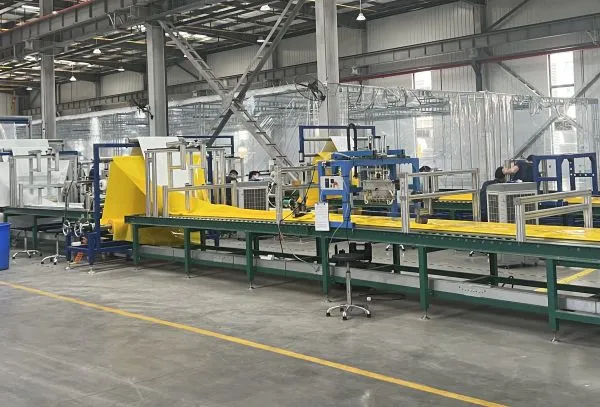
Yongke Machinery manufactures both UV-curable fiberglass liner production equipment and inversion CIPP liner hose production lines. If your business depends on consistent liner supply, producing liners in-house can reduce dependency on third-party manufacturers and lower per-meter costs.
UV-CIPP Trenchless Technology
UV-CIPP uses a fiberglass-reinforced liner impregnated with UV-curable resin. The liner is inserted into the host pipe and cured by a UV light train pulled through the liner at a controlled speed. A UV-CIPP liner machine controls curing speed, light intensity, and temperature to ensure consistent resin polymerization. Curing is fast, typically measured in minutes per meter, and the process does not require large volumes of hot water or steam.
This method is especially valuable for trenchless technology methods that demand speed and precision:
Urban sewers where fast curing shortens site occupancy
Environments where water or steam curing is impractical
Projects requiring precise curing control and consistent resin properties
Large-diameter pipes where curing time is critical
The UV-CIPP liner machine from Yongke Machinery produces fiberglass liner hose compatible with standard UV curing systems. For a deeper technical overview, see our Complete Guide to UV-CIPP Trenchless Rehabilitation.
Inversion CIPP Liner Installation
Inversion CIPP installation uses water or air pressure to turn a resin-impregnated liner inside out as it advances through the host pipe. The liner presses against the host pipe wall, and the resin cures to form a tight structural bond.
This is one of the most established trenchless technology methods. It works well for gravity sewers and some pressure applications. Inversion can be performed with hot-water curing, steam curing, or ambient curing depending on the resin system and project constraints.
Yongke Machinery's inversion CIPP liner machine manufactures liner hose engineered for inversion installation. Contractors can produce custom diameters and lengths, reducing waste on projects with non-standard pipe dimensions.
Pipe Bursting
Pipe bursting is one of the few trenchless technology methods that replaces the existing pipe rather than rehabilitating it. A bursting head fractures the old pipe outward while a winch or hydraulic system pulls a replacement pipe into the same alignment. It is ideal when the host pipe is fully collapsed or when the project requires a larger diameter in the same corridor.
This method is ideal when:
The host pipe is fully collapsed or structurally unsound
A larger diameter replacement is needed in the same corridor
The existing pipe material is brittle, such as clay or concrete
Internal lining cannot restore the required hydraulic capacity
Pipe bursting requires good ground conditions and enough access for the bursting rig. It also requires careful utility location to avoid damage to adjacent services.
Slip Lining and Fold-and-Form
Slip lining and fold-and-form are trenchless technology methods used when the host pipe is structurally sound enough to support a new internal pipe. These methods reduce the pipe diameter, which may affect hydraulic capacity. They are typically used when structural restoration is the priority and some diameter reduction is acceptable.
Spray Lining and Brush Coating
Spray lining applies a thin coating of cement mortar or polymer resin to the interior of the host pipe. Brush coating uses robotic equipment to apply similar materials with more localized control.
These methods are generally used for non-structural rehabilitation: corrosion protection, infiltration control, and smoothing of rough pipe interiors. They do not provide full structural reinforcement, so they are not suitable for pipes with significant structural defects.
| Trenchless Method | Structural | Best For | Limitations |
|---|---|---|---|
| CIPP lining | Yes | Circular and non-circular sewers | Requires intact host pipe geometry |
| UV-CIPP | Yes | Fast curing, urban sewers | Requires UV-compatible liner and equipment |
| Inversion CIPP | Yes | Gravity sewers, pressure pipes | Curing medium and access requirements |
| Pipe bursting | Replacement | Collapsed pipes, upsizing | Adjacent utility risks, ground conditions |
| Slip lining | Yes | Straight pipes with diameter to spare | Reduces pipe diameter |
| Spray lining | No | Corrosion and infiltration control | Not for structural defects |
How to Choose Among Trenchless Technology Methods
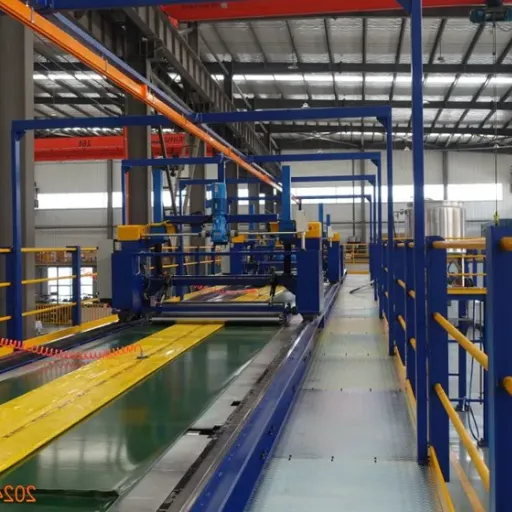
Selecting among trenchless technology methods requires more than matching a pipe diameter to a technique. It is a system-level decision that shapes cost, schedule, and long-term performance.
Host Pipe Condition
The first question is whether the host pipe can support the repair. A pipe with minor cracking, corrosion, or joint leakage is a good candidate for CIPP or spray lining. A fully collapsed pipe may require pipe bursting or open-cut replacement.
CCTV inspection is essential before selecting any trenchless technology method. The inspection should document:
Crack patterns and structural defects
Joint offsets and infiltration points
Debris, roots, and obstructions
Cross-sectional deformation
Adjacent utility locations
Pipe Diameter and Material
Different methods suit different diameter ranges. UV-CIPP and inversion CIPP can handle a wide range of diameters with the right liner and equipment. Pipe bursting is often more practical for larger-diameter replacements where structural rehabilitation would be expensive.
Host pipe material also matters. Clay, concrete, and cast iron respond differently to bursting forces than PVC or HDPE. Some materials are easier to line than others.
Access and Site Constraints
Trenchless technology methods need access points. A pipe rehabilitation project may require inserting the liner through an upstream manhole, setting up a curing station in a downstream manhole, and maintaining flow bypass during work.
Site constraints include:
Traffic and pedestrian access
Available working space for equipment
Distance to waste disposal or water supply
Utility crossings and parallel services
Groundwater level and soil conditions
Long-Term Performance Requirements
The required design life of the rehabilitation affects method selection. A structural CIPP liner can provide 50 years or more of service. Spray lining may provide shorter-term protection. The project specification should define expected performance, and the selected method must meet it.
Project Example: A contractor in the Middle East evaluated trenchless technology methods for a DN600mm sewer running beneath a hotel access road. CCTV showed multiple longitudinal cracks but no collapse. The project specified a 50-year design life. UV-CIPP was selected because it provided structural rehabilitation, fast curing, and minimal disruption to hotel operations.
Equipment Behind Trenchless Technology Methods
The effectiveness of trenchless technology methods depends on the quality of the materials and equipment used. For contractors who want control over liner supply, investing in pipe relining equipment and CIPP liner production lines can be a strategic advantage.
CIPP Liner Hose Production Lines
A CIPP liner hose production line manufactures the flexible tubes used in cured-in-place pipe rehabilitation. These tubes are typically made from polyester felt, fiberglass, or a combination of materials. The manufacturing process controls wall thickness, diameter, and resin compatibility.
Producing liners in-house gives contractors the ability to:
Match liner dimensions to specific host pipe IDs
Control lead times and avoid supply disruptions
Reduce per-meter material costs
Maintain consistent quality across projects
Our article on How CIPP Liner Hose Is Manufactured explains the production process in detail.
UV-CIPP Fiberglass Liner Hose Machines
UV-CIPP requires liners made with fiberglass reinforcement and UV-curable resin. A UV-CIPP fiberglass liner hose machine produces liner hose that meets the dimensional and resin compatibility requirements of UV curing systems.
Yongke Machinery's UV-CIPP production line integrates wet-out and dry liner manufacturing processes. This allows contractors to produce liner hose on demand rather than relying entirely on external suppliers.
Inversion CIPP Liner Hose Machines
An inversion CIPP liner machine produces liner hose designed for inversion installation. This type of pipe relining equipment must manufacture liners that withstand the inversion process without delamination or tearing, and the resin must cure properly under the selected curing method.
For contractors focused on sewer rehabilitation technology, producing inversion liners in-house can improve project margins and reduce dependency on liner importers.
Common Mistakes When Selecting Trenchless Technology Methods
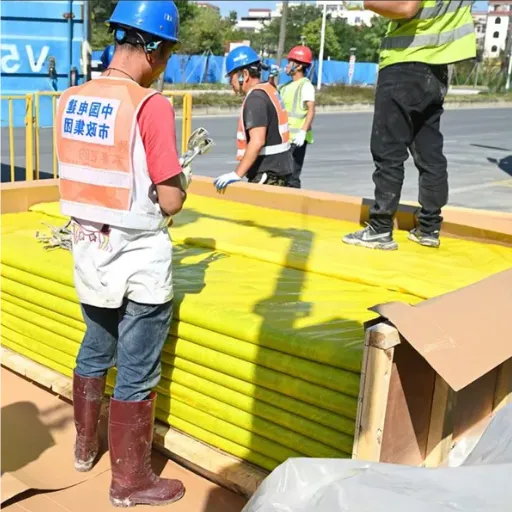
Even experienced contractors make errors when choosing trenchless technology methods for municipal pipe rehabilitation. Avoiding these mistakes protects project outcomes and budgets.
1. Skipping CCTV Inspection
Installing a liner without knowing the host pipe condition is risky. Debris, roots, or a partial collapse can block liner insertion or create weak points. Always clean and inspect the pipe before method selection.
2. Choosing Method Before Defining Performance Requirements
A spray liner may stop infiltration, but it will not restore structural capacity. A slip liner may restore structure, but it reduces diameter. Define the required structural, hydraulic, and design-life outcomes before selecting a method.
3. Ignoring Groundwater and Flow Conditions
Groundwater pressure can displace uncured resin or lift a lightweight liner. Active flow during installation can cool resin prematurely or wash out materials. Plan bypass pumping, flow control, and curing protection.
4. Underestimating Equipment and Training Needs
Trenchless technology methods require specialized equipment and trained operators. UV curing systems, inversion drums, and CCTV inspection units all require calibration and skilled handling. Machine procurement should include operator training and after-sales support.
If you are evaluating trenchless equipment suppliers, our guide to choosing a pipe machinery manufacturer outlines how to separate specialized manufacturers from general traders.
5. Treating All Liners as Interchangeable
A liner produced for hot-water curing may not perform well in a UV curing system. Resin chemistry, reinforcement type, and manufacturing tolerances all affect compatibility. Match liner specifications to installation method and curing process.
From Method Selection to Project Execution: A Practical Workflow
Moving from concept to completed rehabilitation requires a clear workflow. Here is how experienced contractors apply trenchless technology methods in practice.
Assess the pipe. Conduct CCTV inspection, clean the line, and document defects. Determine whether the host pipe can support lining, bursting, or another method.
Define project requirements. Establish required structural performance, design life, hydraulic capacity, and allowable surface disruption.
Evaluate trenchless technology methods. Compare CIPP, UV-CIPP, inversion, pipe bursting, slip lining, and spray lining against the project constraints.
Design the rehabilitation. Specify liner thickness, resin system, curing method, access points, and quality control testing for the selected trenchless technology method.
Select equipment and materials. Choose compatible liner hose, resins, curing equipment, and installation tooling. Consider in-house liner production for long-term supply control.
Plan installation logistics. Arrange traffic control, bypass pumping, utility protection, waste disposal, and curing infrastructure.
Execute with quality control. Monitor curing parameters, test samples, and conduct post-installation CCTV inspection to verify liner quality.
Document and hand over. Provide the owner with as-built records, test results, and warranty documentation.
Ready to explore trenchless technology methods for your rehabilitation business? Learn more about contractor-focused solutions on our trenchless rehabilitation contractors page.
Trenchless Technology Methods FAQ
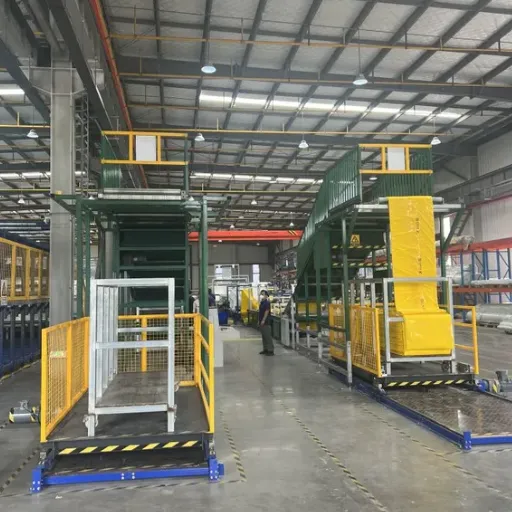
What are the main trenchless technology methods?
The main trenchless technology methods are CIPP lining, UV-CIPP, inversion CIPP, pipe bursting, slip lining, and spray lining. Each method suits different host pipe conditions, diameters, and performance requirements.
How does trenchless pipe rehabilitation compare to open-cut replacement?
Trenchless pipe rehabilitation typically reduces surface disruption, traffic impact, and total project cost compared to open-cut replacement. Studies by industry organizations such as ISTT show savings of 30-50% in built-up areas when restoration and social costs are included.
What equipment is needed for CIPP trenchless technology?
CIPP trenchless technology requires liner hose, resin impregnation equipment, insertion tools, and curing systems. Contractors can produce liner hose in-house using a UV-CIPP liner machine or inversion CIPP liner machine to control supply and cost.
When should pipe bursting be used instead of lining?
Pipe bursting is preferred when the host pipe is fully collapsed, severely deformed, or needs upsizing. Lining methods require enough intact geometry to guide and support the new liner.
Conclusion
Trenchless technology methods have become essential tools for maintaining underground infrastructure without the cost and disruption of open-cut excavation. From CIPP and UV-CIPP to pipe bursting and spray lining, each sewer rehabilitation technology serves a specific set of conditions and performance goals.
Key takeaways:
Trenchless technology methods reduce surface disruption, project cost, and schedule risk in built-up areas.
CIPP trenchless technology, UV-CIPP, and inversion lining are structural rehabilitation methods suited to a wide range of pipe diameters and conditions.
Pipe bursting replaces damaged pipe and allows upsizing where lining is not practical.
Spray lining and slip lining serve more specialized roles in corrosion control and diameter-tolerant applications.
Proper inspection, method selection, and equipment compatibility determine project success.
In-house CIPP liner production gives contractors control over supply, quality, and cost.
If you are evaluating trenchless technology methods for your next project or considering in-house CIPP liner production, request a technical quotation and our engineering team will recommend the right UV-CIPP or inversion CIPP liner production line for your application.
Recently Posted
-
Qingdao Yongke Machinery: Full-Category Spiral Pipe Equipment from China's Qingdao
September 1, 2026Choosing a machinery supplier for large-diameter plastic pipe production is a long-term decision, because the line you install wil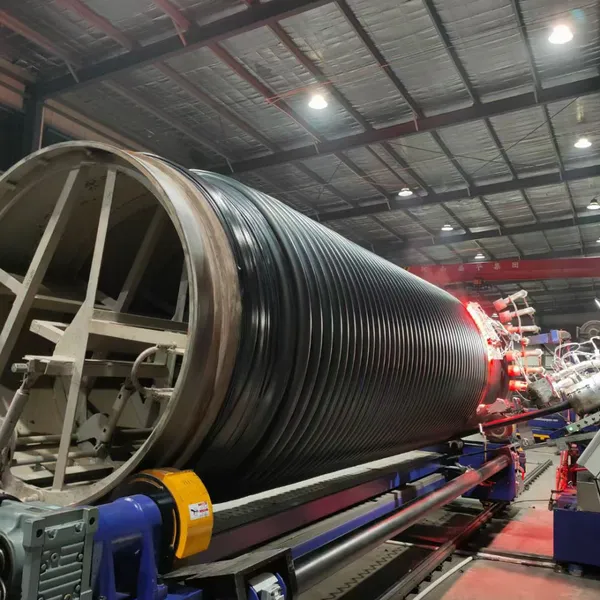 Read More
 -
Quality Control in Spiral Pipe Machine Manufacturing
August 31, 2026A buyer in South America some time ago received a winding line that looked complete on the surface but suffered repeated seam defe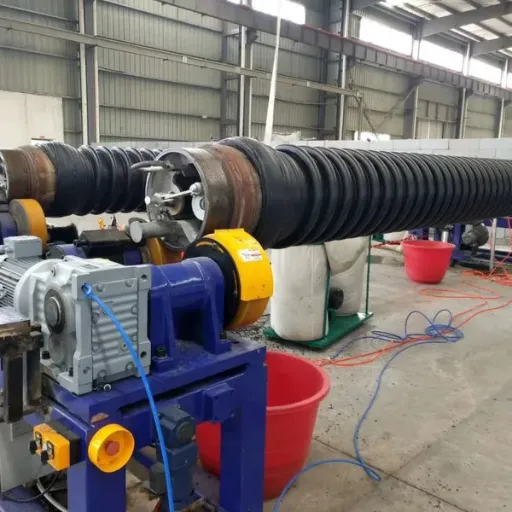 Read More
 -
Spiral Pipe for Sewage and Drainage Networks: Production Notes
August 28, 2026A municipal contractor in Eastern Europe some time ago took delivery of spiral-wound sewer pipe that looked flawless on the line.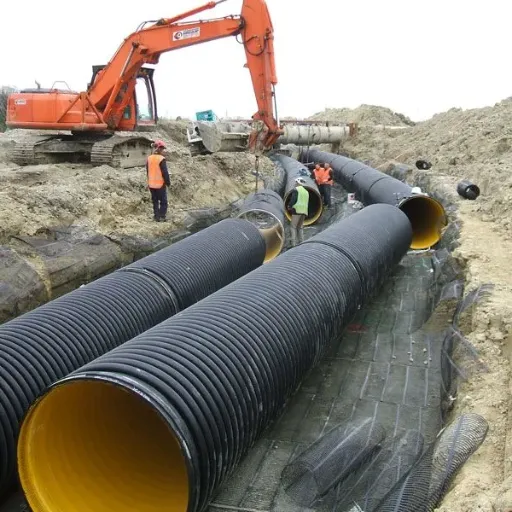 Read More
 -
DN300 to DN5000: Diameter Range and Machine Configuration
August 27, 2026A plant owner in Central Asia once asked for a line "up to DN5000" because a future tender mentioned large storage tanks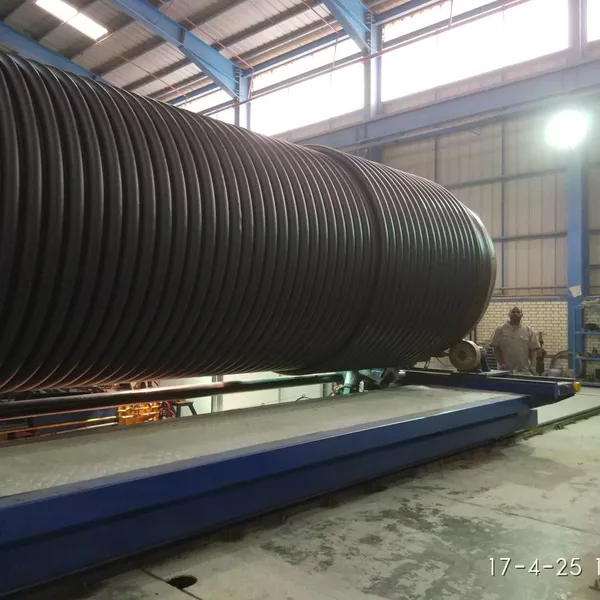 Read More

Contact Us
Recommended Products
-
 CIPP Glass Fibre Liner MachineNegotiableMOQ: 1 Set
 -
HDPE Helically Wound Tank MachineUS$ 10MOQ: 1 Set
-
CIPP Glass Liner MachineNegotiableMOQ: 1 Set
-
CIPP Felt Liner Manufacturing MachineNegotiableMOQ: 1 Set
-
Large Diameter HDPE Sea Intake Outfall Structured Wall Pipe Making MachineNegotiableMOQ: 1 Set
-
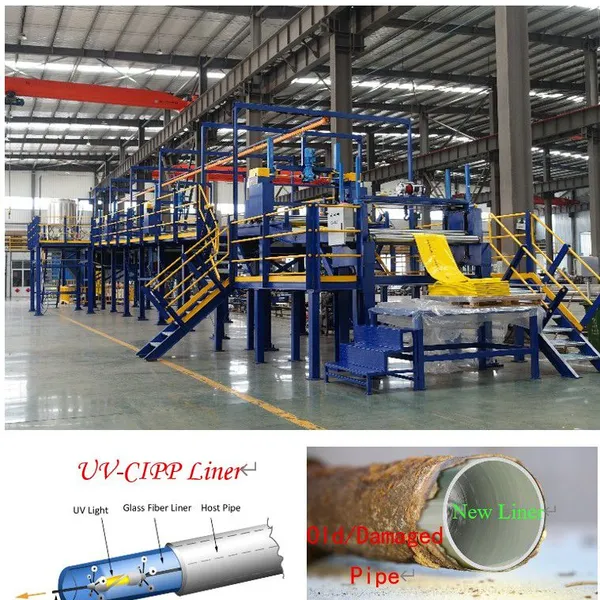
UV-CIPP Glass Fibre Liner Manufacturing MachineUS$ 1000 - 110000MOQ: 10 Meters
-
HDPE Pipe Extrusion Machine / PE Pipe Production Line With High OutputNegotiableMOQ: 1 Set
-
UV-CIPP Glass Fiber Liner Hose Production LineUS$ 1000 - 110000MOQ: 1 Set
-
HDPE Spiral Structure Wall Pipe MachineNegotiableMOQ: 1 Set
-
HDPE Spiral Pipe MachineNegotiableMOQ: 1 Set
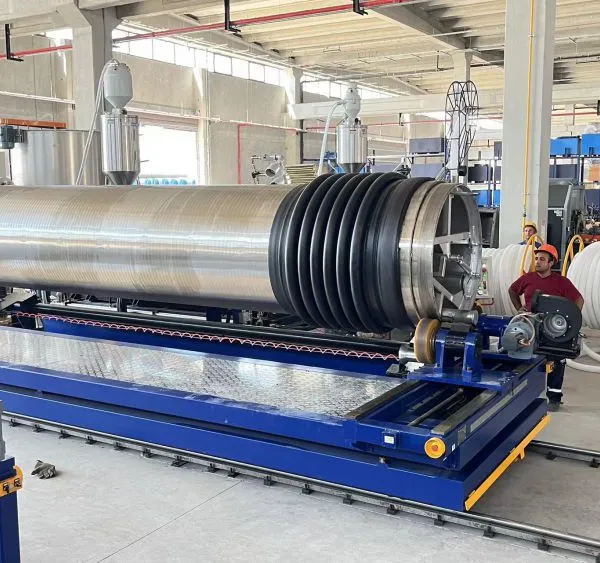
-
HDPE Spiral Tank MachineNegotiableMOQ: 1 Set
-
Krah Pipe MachineNegotiableMOQ: 1 Set
-
Plastic HDPE PVC PPR Pipe Extrusion Making Machine Extrusion LineNegotiableMOQ: 1 Set
-
PVC Pipe Extrusion Production Line for Electrical Conduit and Water Supply PipesNegotiableMOQ: 1 Set
-
Hot Sell Single Wall Corrugated Pipe Extrusion Line With Competitive PriceNegotiableMOQ: 1 Set
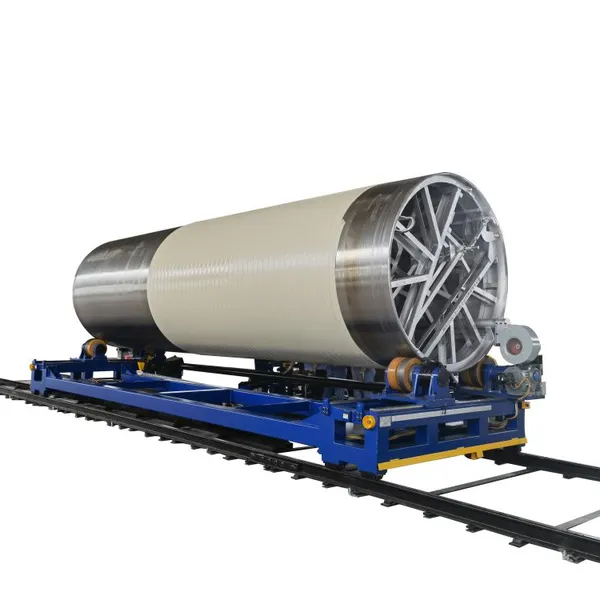
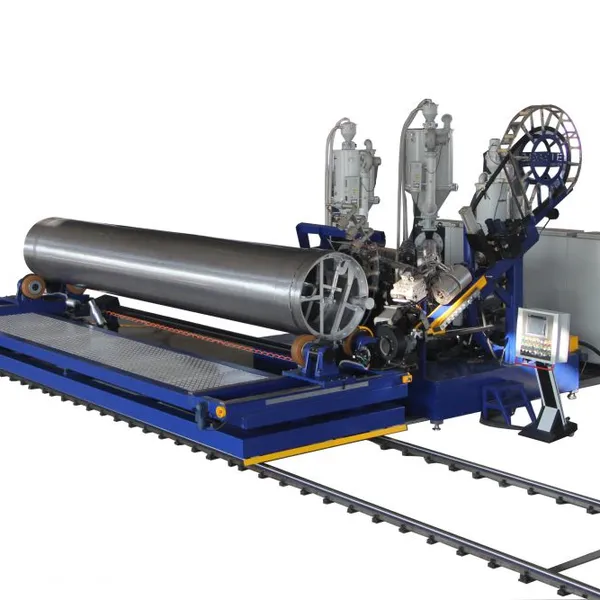
-
HDPE Krah Profild Pipe MachineUS$ 10000MOQ: 1 Set
-
Plastic Tank CNC Holes Boring MachineUS$ 10000MOQ: 1 Set
-
Double Wall Corrugated Pipe Extrusion LineNegotiableMOQ: 1 Set
-
Single Wall Corrugated Pipe Extrusion LineNegotiableMOQ: 1 Set
-
Inversion CIPP Liner Tube Manufacturing MachineNegotiableMOQ: 1 Set