
 Business License
Pipeline Condition Assessment: A Practical Guide for Sewer and Drainage Networks
In March 2024, a municipal contractor in Texas mobilized a crew to line a 600-meter sewer main. The project budget assumed a standard CIPP installation. However, the CCTV survey completed just days before construction revealed something the initial walkover had missed. A 12-meter section had fully collapsed, and three joints had significant infiltration. Without that pipeline condition assessment, the crew would have started lining a pipe that could not hold the liner. The mistake would have wasted materials, labor, and a two-week road closure permit.
You already know that aging underground infrastructure cannot be managed by age alone. Pipes that look fine on the surface can hide cracks, deformation, root intrusion, and sediment deposits that change the scope and cost of rehabilitation. What you need is a clear process for evaluating pipeline condition, classifying defects, and turning inspection data into a repair plan.
In this guide, you will learn the main methods of pipeline condition assessment, how defect coding systems work, how to prioritize repairs, and how assessment results drive the choice between UV-CIPP, inversion CIPP, and other trenchless methods. You will also see how controlling liner production in-house gives rehabilitation contractors faster response times and more predictable quality.
What Is Pipeline Condition Assessment?
Pipeline condition assessment is the systematic inspection and evaluation of an existing pipeline to determine its structural state, hydraulic performance, and remaining service life. It combines visual inspection, measurement, defect classification, and risk analysis to answer one question: what action, if any, does this pipe need?
A complete pipeline condition assessment tells you whether a pipe needs immediate repair, scheduled monitoring, or routine cleaning. It also guides the selection of the right trenchless rehabilitation method.
Why Pipeline Condition Assessment Is the Foundation of Rehabilitation
Without a proper pipeline condition assessment, rehabilitation decisions become guesses. A municipality might replace a line that only needs cleaning. Alternatively, it might install a liner in a pipe that has already lost its structural capacity. Both mistakes are expensive. The first wastes capital. The second can create a liability if the rehabilitated section fails shortly after installation.
For trenchless contractors, the assessment is also a design input. A liner designed for a pipe with minor cracking may differ in thickness and resin content from a liner needed to bridge a section with missing wall. The more accurate the pipeline condition assessment, the more accurately the liner can be specified.
Engineering Note: Always align the pipeline condition assessment method with the pipe material, diameter, access constraints, and the specific defects you suspect. CCTV works well for gravity sewers with clear flow, but it cannot measure internal corrosion below the waterline or profile ovality without additional sensors.
If your team is expanding into rehabilitation project planning, understanding pipeline condition assessment is essential before selecting any trenchless equipment. Learn more about Yongke's trenchless rehabilitation methods and how they align with common defect types.
Common Pipeline Condition Assessment Methods
The right pipeline condition assessment method depends on pipe size, access, flow conditions, and the information required. Most projects use one or more of the following techniques. Each method answers a different question about the pipe's interior.
CCTV camera inspection records internal visuals for gravity sewers and drains.
Laser profiling measures internal geometry and deformation.
Sonar profiling maps submerged surfaces below the flow line.
Smoke and dye testing identify infiltration and inflow sources.
Manhole inspection evaluates chamber condition and connections.
Physical sampling confirms material degradation in pressure pipes.
CCTV Camera Inspection
Closed-circuit television (CCTV) inspection is the most widely used pipeline condition assessment method for gravity sewers and drains. A crawler-mounted camera travels through the pipe. It records video and captures still images of joints, cracks, roots, debris, and structural defects.
Modern CCTV pipeline inspection systems include high-resolution cameras, pan-and-tilt heads, and laser profiling attachments. The video record becomes the baseline for defect coding and repair planning. It is also the documentation most municipalities require before approving rehabilitation work.
CCTV sewer pipe inspection is cost-effective and requires minimal flow interruption. Its main limitation is that it only records what the camera can see. Sediment, high flow, or turbid water can hide defects on the invert.
Laser Profiling
Laser profiling measures the internal geometry of a pipe. A rotating laser head creates a 3D point cloud of the pipe wall, which software converts into cross-sectional profiles. This method is especially useful for detecting ovality, deformation, and loss of wall area.
For large-diameter pipes and culverts, laser profiling can quantify deformation that a CCTV camera might only show qualitatively. The data helps engineers decide whether a pipe needs structural reinforcement. It also shows whether cleaning and lining will restore its shape.
Sonar Profiling
Sonar profiling is used when the pipe is full or partially full of water or sediment. The sonar head emits sound waves that map the underwater surface below the flow line. This makes it ideal for assessing sediment depth, erosion, and submerged defects in sewer force mains, siphons, and large culverts.
Combining CCTV above the waterline with sonar below the waterline gives a complete picture of pipe condition in submerged environments.
Smoke Testing and Dye Testing
Smoke testing introduces non-toxic smoke into a sewer system and observes where it escapes. It is effective for identifying illegal connections, broken cleanouts, and points of surface infiltration. Dye testing traces the source of inflow by introducing colored dye into suspected drainage paths.
These methods are low-cost and useful for identifying external sources of infiltration. However, they do not provide the internal structural detail that a full pipeline condition assessment requires.
Manhole Inspection
Manholes are often the weakest points in a sewer system. Dedicated manhole inspection cameras and confined-entry assessments record benching condition, corrosion, frame and cover integrity, and infiltration at the pipe-manhole connection. Manhole defects should be coded alongside pipe defects because they often contribute more infiltration than the pipe itself.
Physical Sampling and Laboratory Testing
For pressure pipes and some industrial lines, pipeline condition assessment may include wall thickness measurement, hardness testing, or coupon sampling. These methods confirm material degradation and help predict remaining service life. They are less common in municipal gravity sewers but valuable for water mains and force mains.
How Defect Classification Systems Work in Pipeline Condition Assessment
Raw video footage is useful, but it is not enough for asset management. Defect classification systems translate observations into standardized codes that can be tracked, compared, and prioritized over time. Accurate pipe defect classification is what turns a subjective video review into an objective rehabilitation plan.
In North America, the Pipeline Assessment and Certification Program (PACP) from NASSCO is the most widely used defect coding system. It assigns codes to structural defects, operations and maintenance defects, and construction features. Each code includes a severity grade and may include a measurement.
Common PACP structural codes include:
CR for cracks
FR for fractures
BF for broken pipe
DS for deformation
OS for offset joints
RB for roots blocking flow
The coding also records pipe material, diameter, flow level, and cleaning status. Certified PACP inspectors produce reports that municipalities and engineers trust.
WRc and Other Regional Systems
In the United Kingdom and many Commonwealth countries, the Water Research Centre (WRc) Manual of Sewer Condition Classification is the standard. It uses a 1-5 condition grade to summarize overall pipe condition, with Grade 1 indicating good condition and Grade 5 indicating collapse or near-collapse.
Other countries have national systems. The important point is to use the system specified by the project owner and to train inspectors so that coding is consistent across surveys.
Severity and Score Aggregation
Most systems allow scores to be aggregated into pipe-section or network-level condition grades. This supports capital planning by identifying which pipes need immediate action, which need monitoring, and which can remain in service with routine maintenance. Good pipeline condition assessment software makes this aggregation automatic and repeatable.
A rehabilitation contractor in Poland, Tomasz Nowak, learned the value of consistent coding the hard way. His first large CCTV contract produced beautiful video but inconsistent PACP codes. Each operator interpreted cracks differently. The municipality rejected the report and demanded a re-inspection at his cost. After sending his team through PACP certification and adopting standard calibration videos, his reports were accepted on the first submission. His bid win rate on rehabilitation work improved by 30%.
From Assessment Data to Rehabilitation Decisions
Once a pipeline condition assessment is complete and defects are classified, the next step is deciding what to do. Not every crack needs a liner. Not every deformed pipe needs replacement. The assessment data helps you match the repair to the actual condition.
Immediate Action: Collapse, Major Fractures, and Severe Infiltration
Pipes with structural collapse, large fractures, or severe infiltration pose immediate risks. They can cause sinkholes, sanitary sewer overflows, or roadway damage. These sections usually need excavation and replacement. Alternatively, a structural liner may bridge the defect if the remaining geometry allows.
Short-Term Rehabilitation: Cracks, Root Intrusion, and Joint Defects
Pipes with circumferential or longitudinal cracks, leaking joints, and root intrusion are good candidates for CIPP liner rehabilitation. A structural CIPP liner creates a new pipe wall inside the host pipe. It seals cracks and joints, and prevents root regrowth.
UV-CIPP is well-suited for smaller diameters and shorter curing times. Inversion CIPP is effective for longer runs and geometries where UV light train access is difficult. The choice depends on pipe diameter, length, access points, and site constraints.
If you are evaluating which liner production approach fits your project mix, explore how UV-CIPP fiberglass liner hose machines work and how they compare to inversion CIPP liner hose machines.
Long-Term Monitoring: Minor Cracks and Sediment Buildup
Pipes with minor defects and adequate structural capacity may not need rehabilitation immediately. These can be scheduled for periodic re-inspection and cleaning. The goal is to catch deterioration before it crosses into the short-term action category.
Cleaning as a Precondition
Almost every rehabilitation decision depends on whether the pipe has been properly cleaned. Roots, sediment, and grease can hide defects and prevent liners from bonding to the host pipe. High-pressure jetting, mechanical root cutting, and vacuum extraction are standard pre-lining cleaning steps.
Linking Pipeline Condition Assessment to Trenchless Pipe Rehabilitation
The pipeline condition assessment does more than identify defects. It determines which trenchless method is appropriate and how the liner should be designed. A thorough pipeline condition assessment is the bridge between inspection data and a successful trenchless pipe rehabilitation project.
UV-CIPP Applications
UV-CIPP liners cure rapidly under controlled UV light. They are ideal for pipes with:
Straight or moderately curved alignments
Diameters where a UV light train can be inserted
Need for fast curing to minimize street closure time
Requirement for precise wall thickness and flexural properties
Because UV curing is fast and produces little exotherm, it is often chosen in sensitive environments or where quick return to service matters.
Inversion CIPP Applications
Inversion CIPP liners are installed using water or air pressure and cure with hot water, steam, or ambient temperature. They work well for:
Longer pipe runs with limited access points
Pipes with bends and changes in diameter
Gravity sewers where hot water curing is practical
Contractors who want flexibility in liner diameter without maintaining multiple UV trains
Spray Lining and Point Repair
For localized defects such as single joint failures or small cracks, point repair systems or spray-applied liners may be more economical than full-length CIPP. These methods are faster for isolated damage but do not provide the same structural continuity as a full liner.
Pipe Bursting and Slip Lining
When a pipe has lost most of its structural capacity or has severe deformation, replacement may be necessary. Pipe bursting and slip lining replace the existing pipe with a new one, often without open-cut excavation. These are not lining methods, but they are trenchless options that pipeline condition assessment may identify.
Maria Gonzalez, a project manager for a trenchless contractor in Mexico City, used to order liners based on as-built drawings and crew estimates. Her material waste was high, and liners often did not match the actual pipe geometry. After she began requiring CCTV assessments with laser profiling for every project, her material waste dropped by 18%. She also found that inversion liners produced in-house with her own inversion CIPP liner hose machine could be customized to the exact thickness profiles the assessment indicated. She no longer had to rely on a supplier's standard catalog.
Quality Requirements for Assessment and Rehabilitation Documentation
Good documentation protects both the asset owner and the contractor. It provides a defensible record of pipeline condition assessment results before rehabilitation and verified performance after rehabilitation.
Pre-Rehabilitation Reports
A complete pre-rehabilitation report should include:
Inspection video and still images
Pipe defect classification codes with locations and severity
Pipe diameter, length, material, and flow conditions
Cleaning records
Obstructions, access constraints, and bypass requirements
Recommended rehabilitation method and design assumptions
Post-Rehabilitation Verification
After lining, most contracts require a post-installation CCTV inspection. This confirms liner placement, thickness, continuity, and absence of wrinkles or folds. Some projects also require leak testing or sample testing of the cured liner to verify flexural modulus and tensile strength.
Traceability and Data Management
Modern asset management systems store inspection records by manhole-to-manhole reach. This allows owners to track condition trends over decades. Contractors who align their reporting formats with these systems make it easier to win repeat work.
How Yongke Machinery Supports Condition-Driven Rehabilitation
Pipeline condition assessment tells you what the pipe needs. Yongke Machinery gives you the equipment to produce the solution.
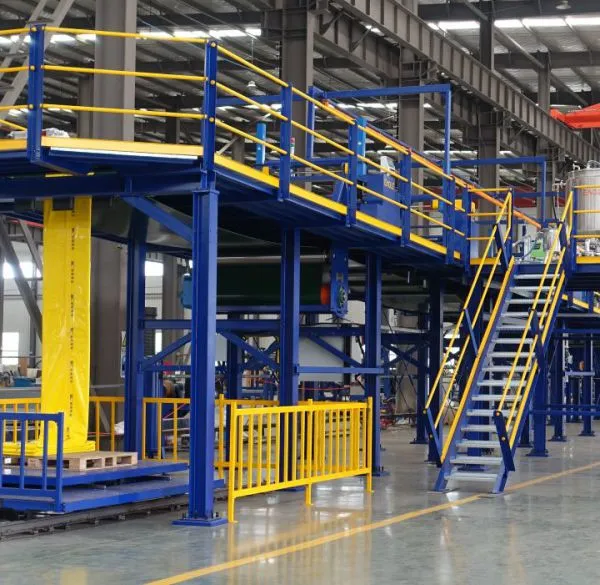
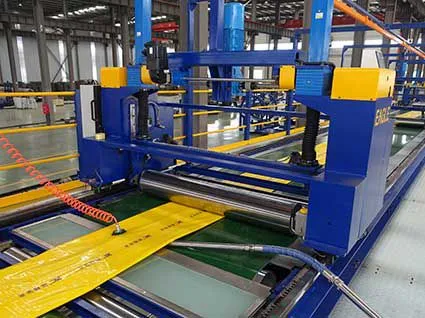
For contractors who want to control liner quality and supply, Yongke manufactures both UV-CIPP fiberglass liner hose machines and inversion CIPP liner hose machines. These production lines allow you to manufacture liner hose matched to the diameters, thicknesses, and resin specifications your pipeline condition assessment requires.
Producing liners in-house reduces dependency on third-party suppliers and shortens lead times. When a pipeline condition assessment reveals an unexpected defect, you can adjust liner design without waiting for an external factory. You also gain traceability over resin batches, reinforcement, and production parameters, which supports quality documentation for post-installation verification.
Yongke's turnkey project delivery includes installation supervision, commissioning, operator training, and ongoing technical support. Our manufacturing facility operates under ISO 9001, ISO 14001, and ISO 45001 certifications. Learn more about Yongke Machinery's history and global installation experience.
If you are considering in-house liner production to support your rehabilitation business, contact our engineering team for a technical quotation matched to your target pipe diameters and project volume. For a broader industry perspective on inspection and rehabilitation standards, see resources from the International Society for Trenchless Technology.
Conclusion
Pipeline condition assessment is not a bureaucratic step before rehabilitation. It is the technical foundation that determines whether a repair will succeed, how long it will last, and how much it will cost. Every successful trenchless project starts with accurate assessment data.
Key takeaways:
Use the right pipeline condition assessment method for the pipe conditions: CCTV for gravity sewers, sonar for submerged lines, and laser profiling for geometry validation.
Code defects using the system required by the project owner, and train inspectors to maintain consistency.
Prioritize repairs based on structural risk, not just defect count.
Match the trenchless method to the defect type: UV-CIPP for fast curing, inversion CIPP for flexible geometries, and point repairs for localized damage.
Document everything before and after rehabilitation to protect all parties and support asset management.
The contractors who win the most trenchless work are not the ones with the cheapest liners. They are the ones who invest in pipeline condition assessment first and then deliver a repair that matches what the data shows. Request a technical quotation for a UV-CIPP or inversion CIPP liner hose production line, and start building a rehabilitation capability rooted in accurate assessment and controlled manufacturing.
Recently Posted
-
Qingdao Yongke Machinery: Full-Category Spiral Pipe Equipment from China's Qingdao
September 1, 2026Choosing a machinery supplier for large-diameter plastic pipe production is a long-term decision, because the line you install wil Read More
 -
Quality Control in Spiral Pipe Machine Manufacturing
August 31, 2026A buyer in South America some time ago received a winding line that looked complete on the surface but suffered repeated seam defe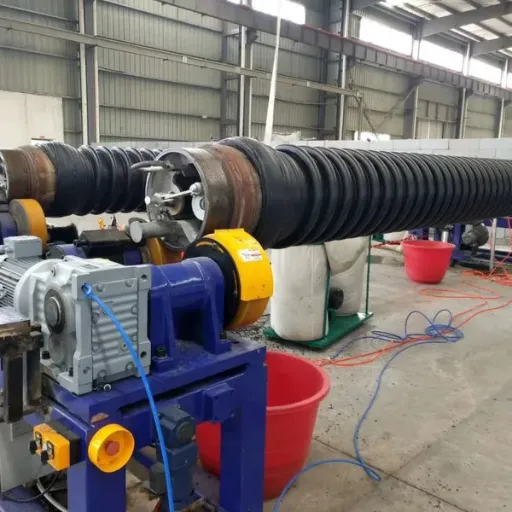 Read More
 -
Spiral Pipe for Sewage and Drainage Networks: Production Notes
August 28, 2026A municipal contractor in Eastern Europe some time ago took delivery of spiral-wound sewer pipe that looked flawless on the line.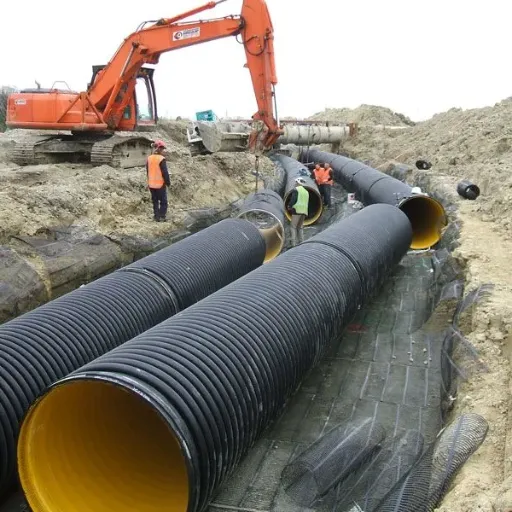 Read More
 -
DN300 to DN5000: Diameter Range and Machine Configuration
August 27, 2026A plant owner in Central Asia once asked for a line "up to DN5000" because a future tender mentioned large storage tanks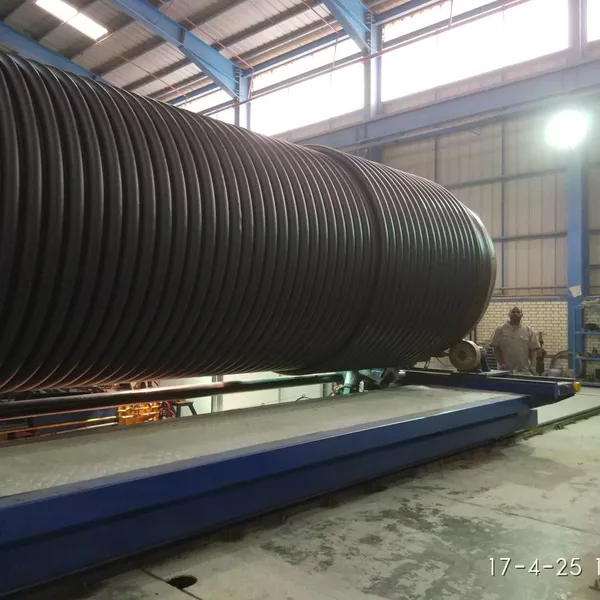 Read More

Contact Us
Recommended Products
-
 CIPP Glass Fibre Liner MachineNegotiableMOQ: 1 Set
 -
HDPE Helically Wound Tank MachineUS$ 10MOQ: 1 Set
-
CIPP Glass Liner MachineNegotiableMOQ: 1 Set
-
CIPP Felt Liner Manufacturing MachineNegotiableMOQ: 1 Set
-
Large Diameter HDPE Sea Intake Outfall Structured Wall Pipe Making MachineNegotiableMOQ: 1 Set
-
UV-CIPP Glass Fibre Liner Manufacturing MachineUS$ 1000 - 110000MOQ: 10 Meters
-
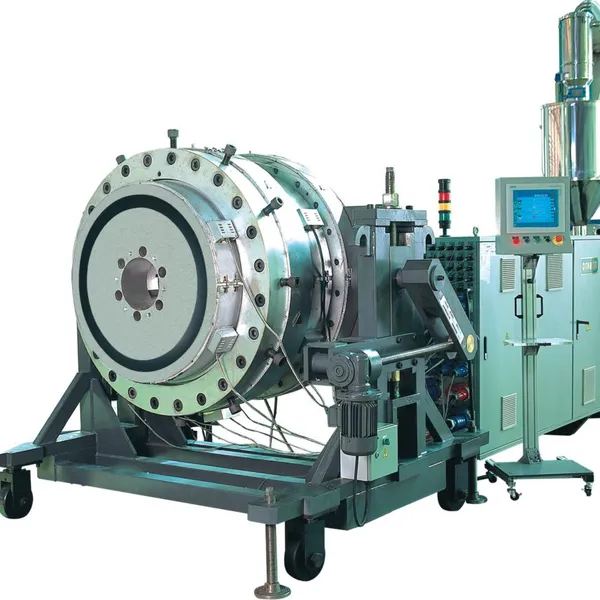
HDPE Pipe Extrusion Machine / PE Pipe Production Line With High OutputNegotiableMOQ: 1 Set
-
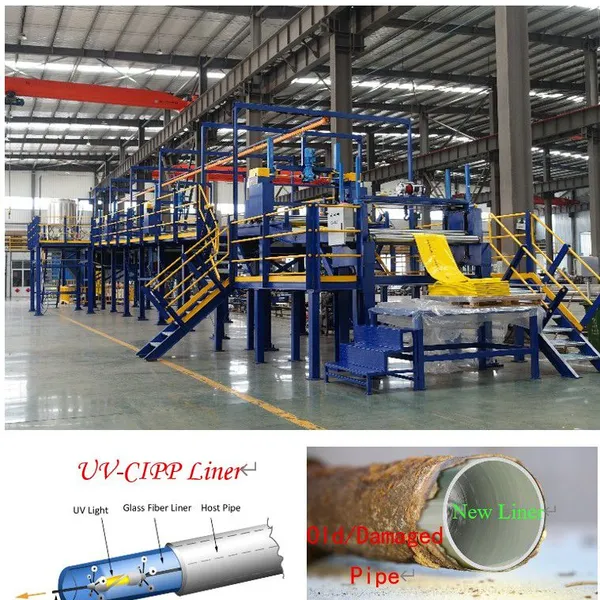
UV-CIPP Glass Fiber Liner Hose Production LineUS$ 1000 - 110000MOQ: 1 Set
-
HDPE Spiral Structure Wall Pipe MachineNegotiableMOQ: 1 Set
-
HDPE Spiral Pipe MachineNegotiableMOQ: 1 Set
-
HDPE Spiral Tank MachineNegotiableMOQ: 1 Set
-
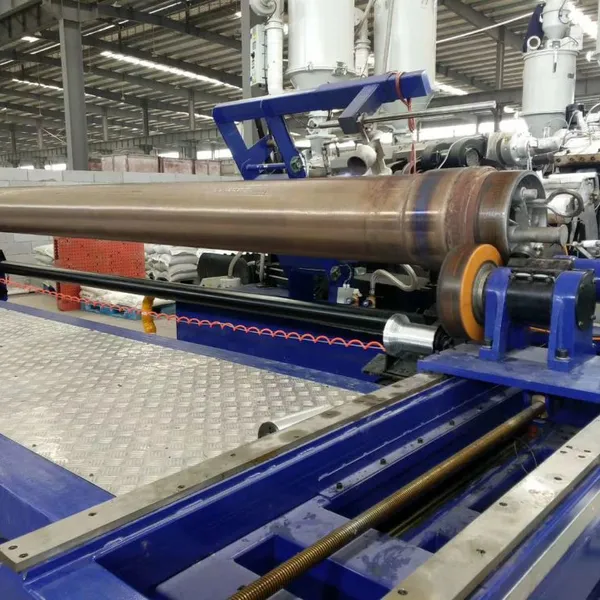
Krah Pipe MachineNegotiableMOQ: 1 Set
-
Plastic HDPE PVC PPR Pipe Extrusion Making Machine Extrusion LineNegotiableMOQ: 1 Set
-
PVC Pipe Extrusion Production Line for Electrical Conduit and Water Supply PipesNegotiableMOQ: 1 Set
-
Hot Sell Single Wall Corrugated Pipe Extrusion Line With Competitive PriceNegotiableMOQ: 1 Set
-
HDPE Krah Profild Pipe MachineUS$ 10000MOQ: 1 Set
-
Plastic Tank CNC Holes Boring MachineUS$ 10000MOQ: 1 Set
-
Double Wall Corrugated Pipe Extrusion LineNegotiableMOQ: 1 Set
-
Single Wall Corrugated Pipe Extrusion LineNegotiableMOQ: 1 Set
-
Inversion CIPP Liner Tube Manufacturing MachineNegotiableMOQ: 1 Set