
 Business License
Municipal Wastewater Management: Systems, Treatment, and Infrastructure Planning
In 2019, the city of Chennai ran out of water. Less than a year later, floods overwhelmed the same metropolitan area. The crisis was not just about rainfall; it was about how the city collected, conveyed, and treated wastewater and stormwater. Municipalities around the world face a similar challenge: aging pipes, growing populations, and stricter environmental standards all converge on the same system.
If you manage municipal infrastructure, design collection systems, or supply equipment for sewer and drainage networks, municipal wastewater management is a field where every decision has long-term consequences. The right approach protects public health, meets regulatory requirements, and controls lifecycle costs.
This guide explains how municipal wastewater management works, from collection and conveyance to treatment and discharge. You will learn the key components of sewer systems, the stages of wastewater treatment, common infrastructure challenges, and how modern pipe materials and trenchless rehabilitation technologies improve system performance. We draw on standard engineering practice and Yongke Machinery's 16+ years of supplying large-diameter HDPE/PP spiral pipe and CIPP liner equipment to infrastructure projects worldwide.
What Is Municipal Wastewater Management and Why Does It Matter?
Municipal wastewater management is the collection, conveyance, treatment, and disposal or reuse of wastewater generated by homes, businesses, institutions, and industries within a city or municipality. The goal is to remove pollutants before water returns to the environment, protecting rivers, lakes, coastal waters, and groundwater.
The field covers two main categories of flow:
Sanitary sewage: Wastewater from residential, commercial, and industrial sources.
Stormwater runoff: Rainfall that flows over streets, rooftops, and other impervious surfaces.
Some systems keep these flows separate. Others use combined sewers that carry both sanitary sewage and stormwater in the same pipe. Combined systems are common in older cities and present specific design and operational challenges during wet weather.
Engineering Note: Combined sewer overflows (CSOs) occur when rainfall exceeds the capacity of a combined sewer system, causing untreated or partially treated wastewater to discharge directly into receiving waters. Many jurisdictions now require CSO mitigation plans under national or regional water quality regulations.
The Main Components of a Municipal Wastewater Collection System
A wastewater collection system is more than a network of pipes. It is an integrated infrastructure system that moves wastewater from its source to a treatment facility under gravity, pressure, or a combination of both.
Collection Pipes and Sewer Laterals
Small-diameter pipes and service laterals collect wastewater from individual buildings. These lines typically range from DN100mm to DN300mm and feed into larger trunk sewers. Proper slope and velocity are critical to prevent solids deposition and blockages.
Trunk and Interceptor Sewers
Trunk sewers receive flow from multiple collection areas. Interceptor sewers capture combined sewage and direct it to treatment plants. These large-diameter lines often range from DN600mm to DN3000mm or larger, depending on the service area and design flow.
Pump Stations and Force Mains
When gravity flow is not feasible due to flat terrain or low-lying areas, pump stations lift wastewater into a force main. Force mains are pressurized pipelines that convey wastewater to a higher elevation or to the treatment plant.
Manholes and Access Points
Manholes provide access for inspection, cleaning, and maintenance. They are placed at pipe junctions, changes in direction, and intervals along straight runs. Proper manhole spacing and design affect maintenance efficiency and worker safety.
Stormwater Infrastructure
Separate stormwater systems include catch basins, storm sewers, detention basins, and outfalls. Effective stormwater management reduces flooding, controls erosion, and limits the transport of pollutants into natural water bodies.
Need large-diameter pipe production for your next sewer or drainage project? Learn about Yongke's DN300–DN5000mm HDPE/PP spiral profile pipe production line.
The Wastewater Treatment Process
After collection, wastewater enters a treatment plant where physical, biological, and chemical processes remove contaminants. Most municipal plants use a multi-stage approach.
Preliminary Treatment
Preliminary treatment removes large debris and grit that could damage downstream equipment. Bar screens capture rags, plastics, and other solids. Grit chambers settle sand, gravel, and other dense particles.
Primary Treatment
Primary treatment uses gravity settling to remove suspended solids and organic matter. Wastewater flows into primary clarifiers where heavier solids settle to the bottom as sludge, and lighter materials such as grease float to the surface for skimming.
Secondary Treatment
Secondary treatment uses microorganisms to break down dissolved and suspended organic pollutants. The activated sludge process is the most common method, where aeration promotes bacterial growth that consumes organic matter. Secondary clarifiers then separate the biological solids from the treated water.
Tertiary Treatment
Tertiary treatment provides additional polishing for specific contaminants. Processes may include nutrient removal (nitrogen and phosphorus), filtration, disinfection with chlorine or ultraviolet light, and advanced oxidation. Tertiary treatment is increasingly required where receiving waters are sensitive or where water reuse is planned.
Sludge Handling and Disposal
The solids removed during treatment become sludge, also called biosolids. Sludge handling includes thickening, digestion, dewatering, and disposal or beneficial use such as land application or energy recovery through anaerobic digestion.
Common Challenges in Municipal Wastewater Management
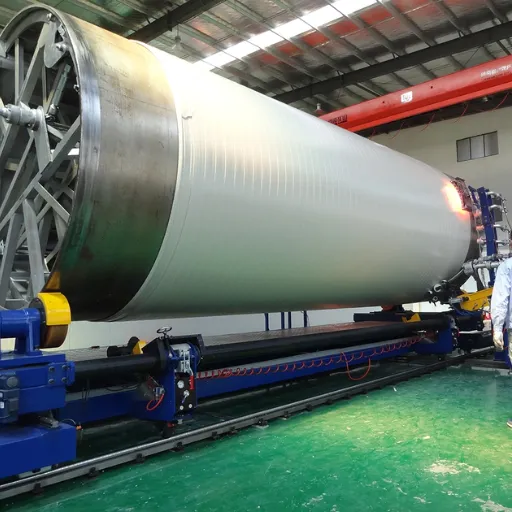
Municipal wastewater systems face pressure from multiple directions. Understanding these challenges helps engineers and procurement managers make better infrastructure decisions and avoid costly retrofits later.
Aging Infrastructure
Many sewer systems in North America, Europe, and Asia were built decades ago. Aging pipes suffer from corrosion, cracking, infiltration, and exfiltration. The American Society of Civil Engineers has consistently identified wastewater infrastructure as needing significant investment for rehabilitation and replacement.
Population Growth and Urbanization
Growing cities generate more wastewater. Existing systems designed for smaller populations may become undersized, leading to overflows, basement flooding, and treatment plant overload.
Wet-Weather Events
Heavy rainfall can overwhelm collection systems, especially combined sewers. Excess flow may bypass treatment and discharge pollutants into receiving waters. Climate change is increasing the frequency and intensity of such events in many regions.
Regulatory Compliance
Discharge permits, water quality standards, and nutrient limits are becoming stricter. Municipalities must invest in monitoring, reporting, and upgraded treatment processes to remain compliant.
Energy and Operating Costs
Wastewater treatment is energy-intensive. Aeration, pumping, and sludge handling account for a large share of operating budgets. Energy-efficient equipment and process optimization are ongoing priorities.
Materials and Technologies for Modern Sewer Infrastructure
Pipe material selection affects the durability, hydraulic capacity, and lifecycle cost of a wastewater collection system. Modern materials offer advantages over traditional clay, concrete, and metal pipes.
HDPE and PP Spiral Profile Pipes
High-density polyethylene (HDPE) and polypropylene (PP) spiral profile pipes are increasingly used for large-diameter trunk sewers, stormwater lines, and culverts. Their smooth interior surface reduces friction loss, while the structural wall profile provides ring stiffness. These pipes resist corrosion, have long service life, and can be manufactured on-site for large projects.
| Feature | HDPE/PP Spiral Profile Pipe | Reinforced Concrete Pipe |
|---|---|---|
| Corrosion resistance | Excellent | Moderate to poor in aggressive environments |
| Interior roughness (Manning's n) | 0.009–0.012 | ~0.013 |
| Typical diameter range | DN300mm–DN5000mm | DN300mm–DN3600mm |
| Joint integrity | Heat-fused or extrusion-welded | Gasketed |
| Weight and handling | Lightweight | Heavy, requires larger equipment |
The hydraulic efficiency of HDPE can allow a smaller diameter to carry the same flow as a larger concrete pipe. For long interceptor sewers, this can reduce excavation, bedding, and material costs.
Trenchless Rehabilitation with CIPP
When existing sewers deteriorate, open-cut replacement is often disruptive and expensive. Cured-in-place pipe (CIPP) rehabilitation creates a new structural liner inside the existing pipe without excavation. Two main methods are used:
UV-CIPP: A fiberglass liner impregnated with UV-curable resin is pulled into the pipe and cured with ultraviolet light. Fast curing and minimal site disruption make it suitable for urban environments.
Inversion CIPP: A resin-impregnated liner is inverted into the host pipe using water or air pressure and cured with hot water, steam, or ambient temperature.
Trenchless methods extend the life of existing infrastructure while avoiding traffic disruption, property damage, and excavation costs.
At Yongke Machinery, we manufacture both UV-CIPP fiberglass liner hose machines and inversion CIPP liner hose machines. We also supply HDPE/PP spiral profile pipe production lines for municipalities and contractors looking to produce large-diameter pipe in-house.
Planning a Municipal Wastewater Management System
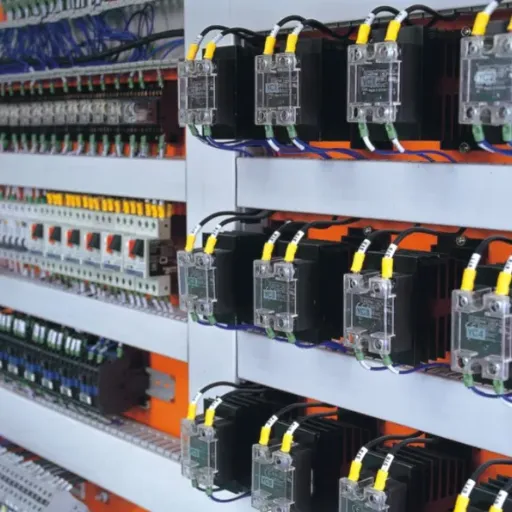
Effective planning ensures that wastewater infrastructure meets current needs and can adapt to future growth. Engineers and planners typically follow a structured process.
Characterize existing conditions. Assess current flows, pipe conditions, treatment capacity, and receiving water quality. Use CCTV inspection, flow monitoring, and hydraulic modeling.
Forecast future demand. Project population growth, industrial development, and climate impacts over a 20- to 50-year planning horizon.
Evaluate alternatives. Compare centralized and decentralized options, pipe materials, rehabilitation methods, and treatment upgrades.
Perform hydraulic modeling. Model collection system performance under dry-weather, wet-weather, and future-growth scenarios.
Select pipe sizes and materials. Size pipes for peak flow, self-cleansing velocity, and structural loads. Select materials based on corrosion resistance, hydraulic efficiency, and lifecycle cost.
Plan for resilience. Include redundancy, overflow controls, green infrastructure, and flood-resistant design where appropriate.
Consider in-house production. For large-diameter pipe projects, producing pipe locally with a spiral profile pipe production line can reduce transportation costs and supply-chain risk.
Want help matching pipe production capacity to your project? Request a customized quotation from Yongke's engineering team.
The Role of Stormwater Management in Wastewater Systems
Stormwater and wastewater are closely linked in municipal planning. Even in separated systems, illicit connections, cross-connections, and inflow can introduce stormwater into sanitary sewers. Effective stormwater management reduces the burden on wastewater treatment plants and protects water quality.
Green Infrastructure
Green infrastructure uses natural processes to manage stormwater. Examples include permeable pavement, bioswales, rain gardens, and green roofs. These approaches reduce runoff volume, filter pollutants, and recharge groundwater.
Detention and Retention Systems
Detention basins temporarily hold stormwater and release it slowly to prevent downstream flooding. Retention basins hold water longer and may allow infiltration or evaporation. Both require reliable outlet structures and often involve large-diameter outfall pipes.
Combined Sewer Overflow Controls
For combined systems, CSO control strategies include storage tunnels, high-rate treatment, sewer separation, green infrastructure, and real-time controls. Large-diameter storage tunnels, sometimes exceeding DN4000mm, hold excess flow during storms until treatment capacity becomes available.
Regulatory and Sustainability Considerations
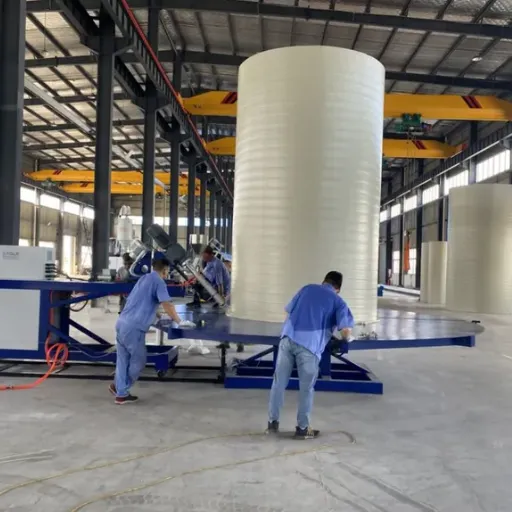
Municipal wastewater management operates within a framework of environmental regulations and sustainability goals. Compliance is non-negotiable, and many cities are also pursuing broader objectives such as water reuse and energy neutrality.
Discharge Permits and Water Quality Standards
Most treatment plants operate under permits that limit pollutant concentrations in effluent. Common parameters include biochemical oxygen demand (BOD), total suspended solids (TSS), nitrogen, phosphorus, and fecal coliform bacteria.
Water Reuse and Resource Recovery
Treated wastewater can be reused for irrigation, industrial cooling, groundwater recharge, and even potable reuse with advanced treatment. Resource recovery from sludge includes biogas production and nutrient recovery for fertilizer.
Climate Adaptation
Rising sea levels, more intense rainfall, and longer droughts affect wastewater infrastructure. Adaptation strategies include elevating critical equipment, increasing storage capacity, and designing for higher wet-weather flows.
The United Nations Sustainable Development Goal 6 calls for clean water and sanitation for all. Municipal wastewater management is central to achieving that target, particularly in rapidly urbanizing regions.
Mini-Story: How One City Reduced Wet-Weather Overflows
In 2018, the utility serving Porto Alegre, Brazil, faced a familiar problem. During heavy rains, combined sewer overflows discharged untreated wastewater into the Guaíba River. Regulatory pressure was mounting, and the city needed a solution that did not require tearing up dense urban neighborhoods.
Engineer Roberto Lima led a team that combined two strategies: a DN3500mm storage tunnel to hold excess wet-weather flow and a UV-CIPP rehabilitation program to seal leaks and increase the capacity of existing interceptor sewers. The storage tunnel provided 120,000 cubic meters of attenuation, while CIPP lining reduced infiltration by an estimated 30%.
Within four years, wet-weather overflow events dropped by more than 60%. The project cost less than full sewer separation and avoided major disruption to the city center. For Roberto, the lesson was clear: modern rehabilitation and strategic storage can extend the life of existing infrastructure while meeting environmental goals.
Conclusion
Municipal wastewater management is a complex field that touches public health, environmental protection, urban planning, and infrastructure investment. The systems that cities build today will serve communities for decades, so material selection, hydraulic design, and rehabilitation strategy all matter. Strong municipal wastewater management begins with sound planning, continues with the right materials and technologies, and improves through regular monitoring and adaptive upgrades.
Key Takeaways
Municipal wastewater management includes collection, conveyance, treatment, and discharge or reuse.
Combined sewer systems require special attention to wet-weather overflow control.
Modern HDPE/PP spiral profile pipes offer hydraulic efficiency and corrosion resistance for large-diameter sewers.
Trenchless CIPP rehabilitation extends the life of existing pipes without open excavation.
Planning must account for climate change, population growth, and tightening regulations.
If your project involves large-diameter sewer, stormwater, or drainage infrastructure, Yongke Machinery can support you with production lines for HDPE/PP spiral profile pipe and CIPP liner hose manufacturing. Contact our engineering team to discuss your project requirements, request a quotation, or schedule a technical consultation.
Recently Posted
-
Qingdao Yongke Machinery: Full-Category Spiral Pipe Equipment from China's Qingdao
September 1, 2026Choosing a machinery supplier for large-diameter plastic pipe production is a long-term decision, because the line you install wil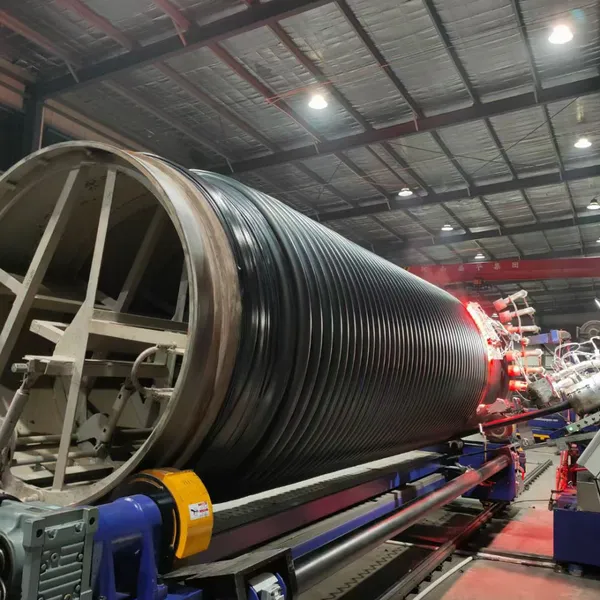 Read More
 -
Quality Control in Spiral Pipe Machine Manufacturing
August 31, 2026A buyer in South America some time ago received a winding line that looked complete on the surface but suffered repeated seam defe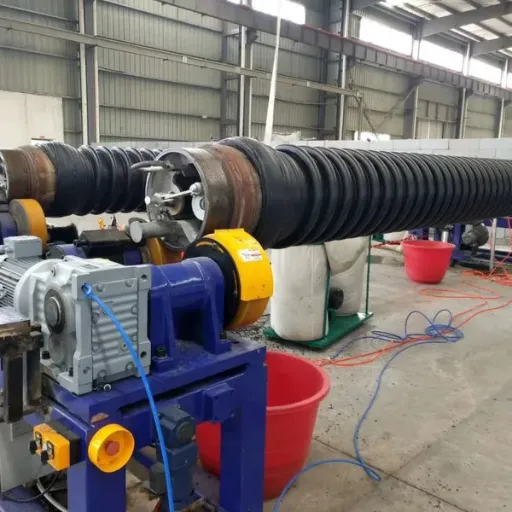 Read More
 -
Spiral Pipe for Sewage and Drainage Networks: Production Notes
August 28, 2026A municipal contractor in Eastern Europe some time ago took delivery of spiral-wound sewer pipe that looked flawless on the line.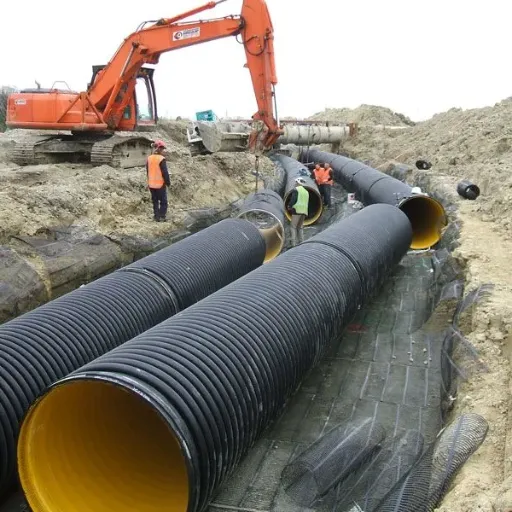 Read More
 -
DN300 to DN5000: Diameter Range and Machine Configuration
August 27, 2026A plant owner in Central Asia once asked for a line "up to DN5000" because a future tender mentioned large storage tanks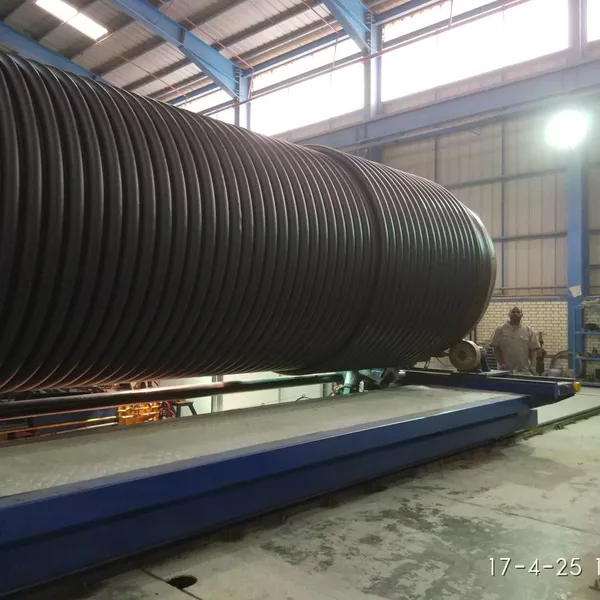 Read More

Contact Us
Recommended Products
-
 CIPP Glass Fibre Liner MachineNegotiableMOQ: 1 Set
 -
HDPE Helically Wound Tank MachineUS$ 10MOQ: 1 Set
-
CIPP Glass Liner MachineNegotiableMOQ: 1 Set
-
CIPP Felt Liner Manufacturing MachineNegotiableMOQ: 1 Set
-
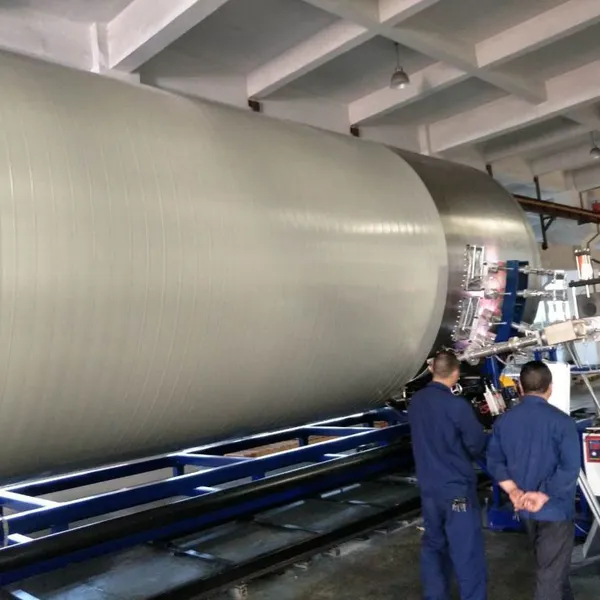
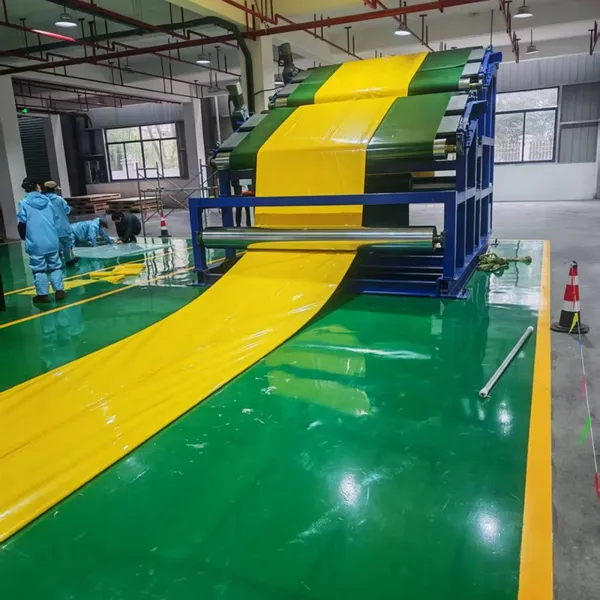
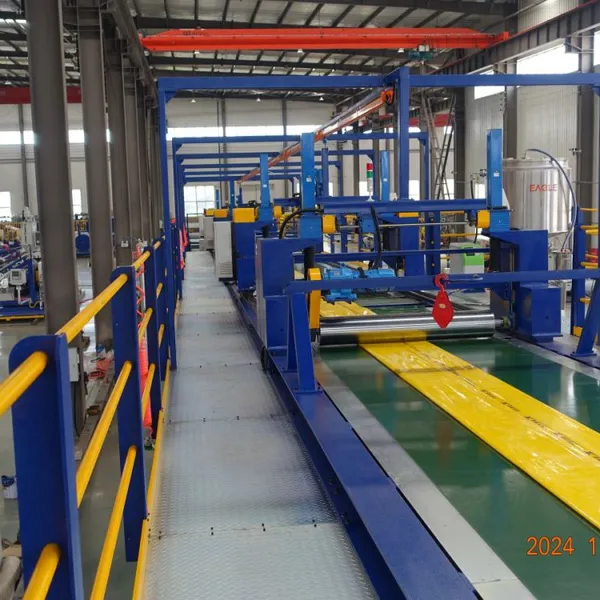
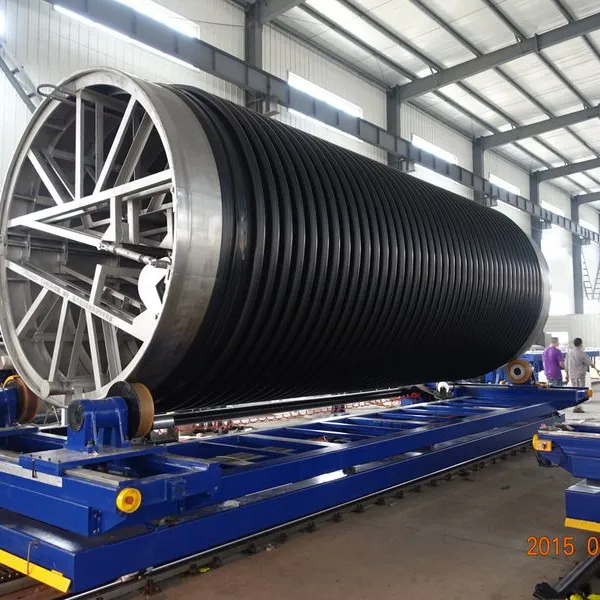
Large Diameter HDPE Sea Intake Outfall Structured Wall Pipe Making MachineNegotiableMOQ: 1 Set
-
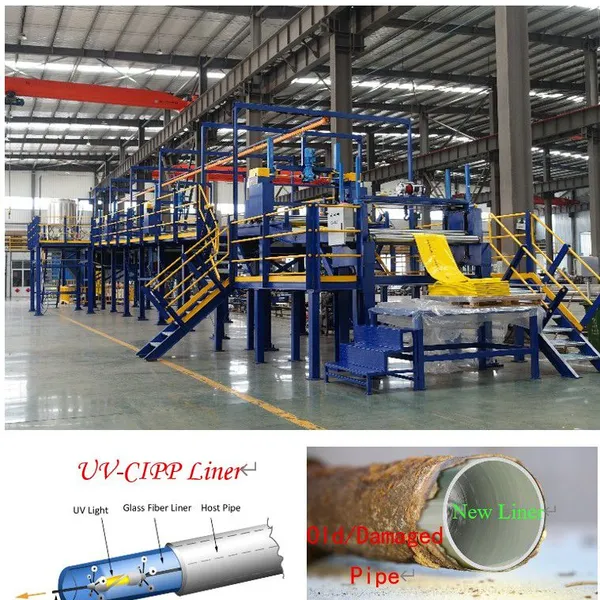
UV-CIPP Glass Fibre Liner Manufacturing MachineUS$ 1000 - 110000MOQ: 10 Meters
-
HDPE Pipe Extrusion Machine / PE Pipe Production Line With High OutputNegotiableMOQ: 1 Set
-
UV-CIPP Glass Fiber Liner Hose Production LineUS$ 1000 - 110000MOQ: 1 Set
-
HDPE Spiral Structure Wall Pipe MachineNegotiableMOQ: 1 Set
-
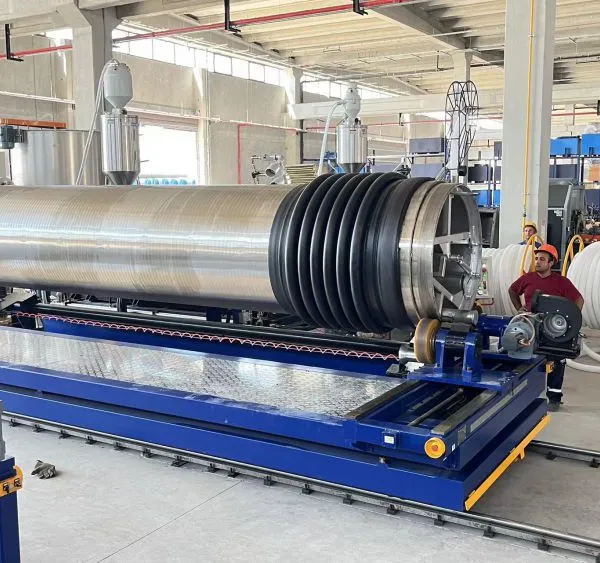
HDPE Spiral Pipe MachineNegotiableMOQ: 1 Set
-
HDPE Spiral Tank MachineNegotiableMOQ: 1 Set
-
Krah Pipe MachineNegotiableMOQ: 1 Set
-
Plastic HDPE PVC PPR Pipe Extrusion Making Machine Extrusion LineNegotiableMOQ: 1 Set
-
PVC Pipe Extrusion Production Line for Electrical Conduit and Water Supply PipesNegotiableMOQ: 1 Set
-
Hot Sell Single Wall Corrugated Pipe Extrusion Line With Competitive PriceNegotiableMOQ: 1 Set
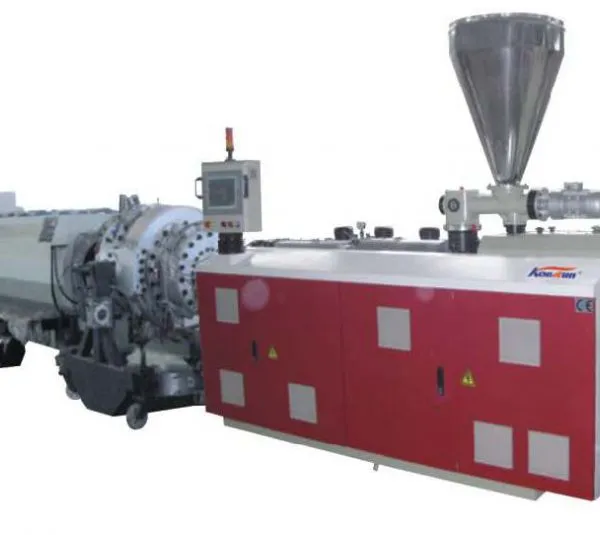
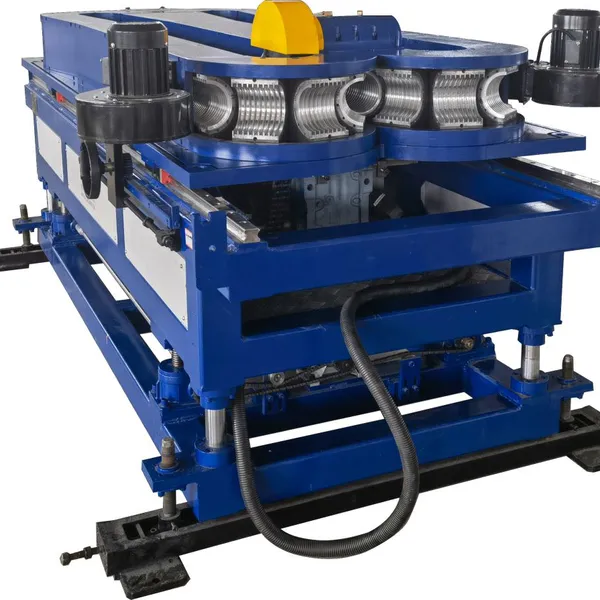
-
HDPE Krah Profild Pipe MachineUS$ 10000MOQ: 1 Set
-
Plastic Tank CNC Holes Boring MachineUS$ 10000MOQ: 1 Set
-
Double Wall Corrugated Pipe Extrusion LineNegotiableMOQ: 1 Set
-
Single Wall Corrugated Pipe Extrusion LineNegotiableMOQ: 1 Set
-
Inversion CIPP Liner Tube Manufacturing MachineNegotiableMOQ: 1 Set