
 Business License
Pipe Relining vs Replacement: A Contractor's Decision Guide
A municipality in the Midwest recently faced a failing DN800mm sanitary sewer line running beneath a busy downtown intersection. Open-cut replacement would have closed the street for six weeks, disrupted 40 businesses, and cost roughly $1.2 million.
Instead, the engineering team chose cured-in-place pipe (CIPP) relining. The work finished in eight days. Traffic stayed open. The final invoice came in under $400,000.
If you are responsible for aging drainage, sewer, or stormwater infrastructure, you have probably stood at the same crossroads: pipe relining vs replacement. Both approaches restore hydraulic function and structural integrity, but they differ dramatically in cost, disruption, timeline, and long-term performance. Making the right pipe relining vs replacement decision depends on the condition of the host pipe, the site constraints, the required service life, and the available budget.
In this guide, we will compare pipe relining and pipe replacement across the factors that matter most to contractors, municipal engineers, and asset managers. You will learn when trenchless rehabilitation is the smarter option, when full replacement is unavoidable, and how to evaluate each method for your specific project.
What Is Pipe Relining?
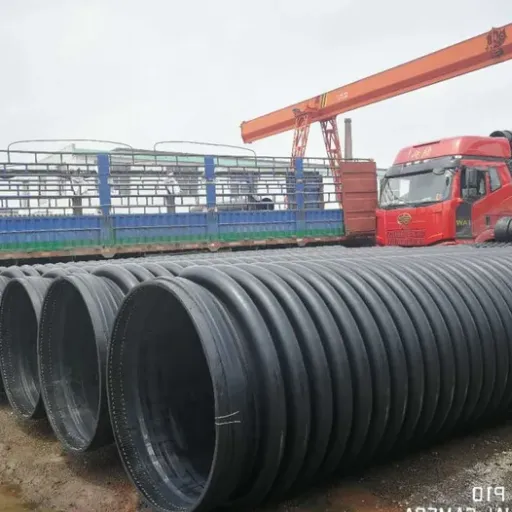
Pipe relining, also called trenchless pipe rehabilitation or no-dig repair, creates a new pipe inside the existing damaged pipe. Sewer pipe relining is the most common application, although the same technology is used for storm drains, culverts, and pressure pipelines. A flexible liner tube, typically made of fiberglass or polyester felt, is saturated with resin and inserted into the host pipe. The resin then cures to form a tight-fitting, structural liner that seals cracks, stops infiltration, and restores ring stiffness.
The two most common relining technologies are inversion CIPP and UV-CIPP. Both fall under the broader category of trenchless pipe rehabilitation and are central to any modern pipe relining vs replacement evaluation.
Inversion CIPP Liner Hose
Inversion CIPP uses air or water pressure to turn a resin-impregnated liner inside out as it is pushed through the host pipe. The liner presses against the inner wall, and the resin cures through hot water, steam, or ambient conditions. This method has been used since the 1970s and remains effective for gravity sewers, storm drains, and culverts with diameters from DN150mm to DN1200mm.
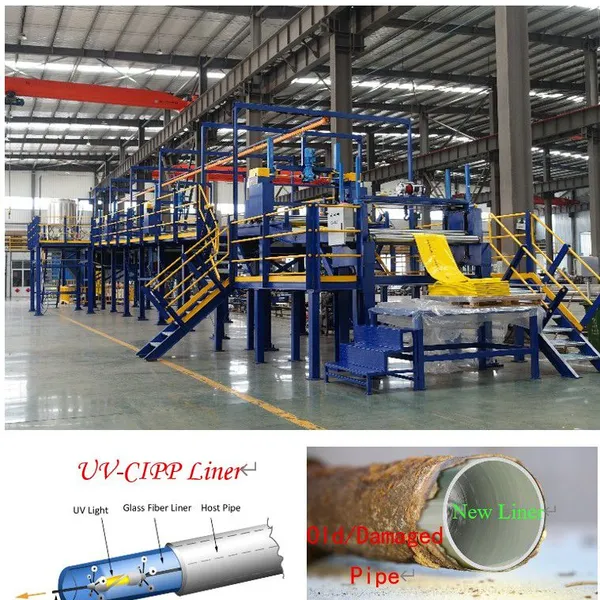
UV-CIPP Fiberglass Liner Hose
UV-CIPP uses a fiberglass liner pre-impregnated with UV-curable resin. After the liner is positioned by inversion or pulling, ultraviolet light trains pass through the pipe to cure the resin in minutes. UV curing offers tighter process control, shorter curing times, and reduced site disruption compared with thermal curing.
It is especially valuable in environmentally sensitive areas or high-traffic urban corridors where the pipe relining vs replacement comparison strongly favors trenchless methods. For a deeper technical overview, see our complete UV-CIPP guide.
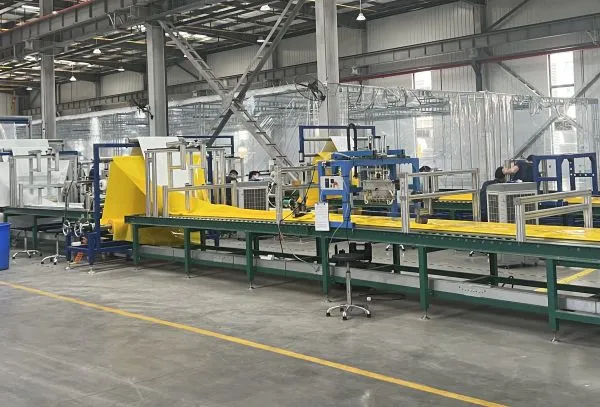
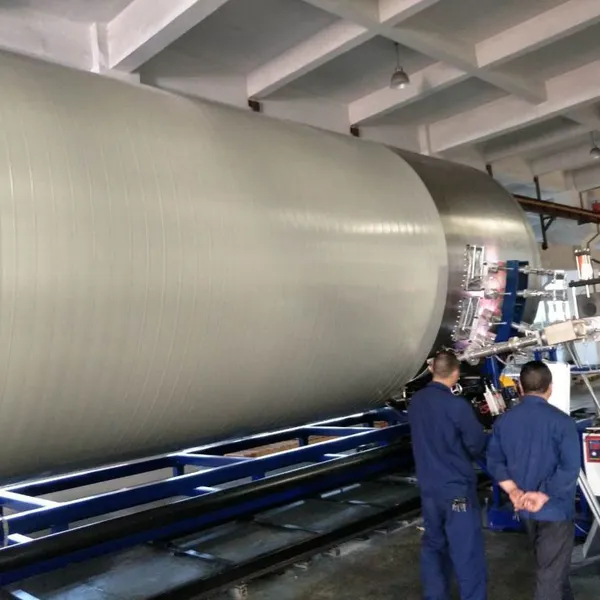
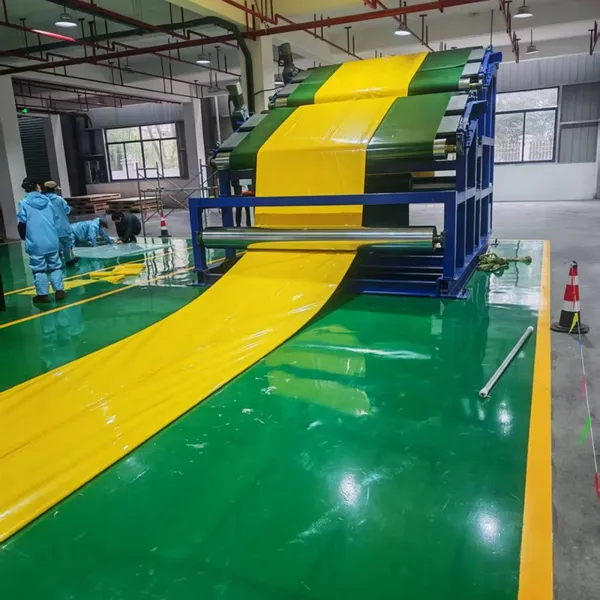
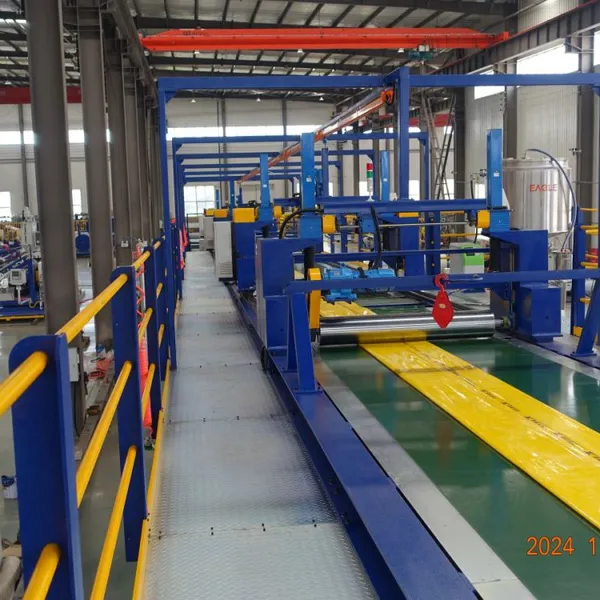
For contractors who want full control over liner quality and supply, Yongke Machinery supplies both UV-CIPP fiberglass liner hose machines and inversion CIPP liner hose machines for turnkey liner production.
What Is Pipe Replacement?
Pipe replacement removes the existing pipe and installs new pipe in its place. The traditional method is open-cut excavation: trench along the pipe alignment, remove the old pipe, lay the new pipe, backfill, and restore the surface. In developed areas, this means breaking pavement, moving utilities, managing traffic, repairing landscaping, and rebuilding structures such as retaining walls or manholes.
The pipe replacement cost is often the highest of any rehabilitation option because it includes excavation, dewatering, material removal, new pipe, bedding, backfill compaction, and full surface restoration. In dense urban corridors, indirect costs such as traffic control, business disruption, and utility relocation can equal or exceed the direct construction cost.
Trenchless replacement options also exist. Pipe bursting fractures the old pipe while pulling a new pipe behind it. Horizontal directional drilling (HDD) creates a new bore path for pipe installation.
These methods reduce surface disruption but still require access pits, sufficient soil conditions, and careful utility locating. They also cannot correct alignment problems if the new pipe simply follows the old bore path.
Pipe Relining vs Replacement: Side-by-Side Comparison
| Factor | Pipe Relining | Pipe Replacement |
|---|---|---|
| Surface disruption | Minimal, small access pits only | Significant, open trench or large pits |
| Project timeline | Days to 1–2 weeks | Weeks to months |
| Cost | 30–50% less than open-cut replacement | Higher due to excavation and restoration |
| Suitable pipe condition | Structurally repairable pipe with intact alignment | Collapsed, severely misaligned, or undersized pipe |
| Diameter change | Maintains existing inner diameter | Can upgrade diameter and material |
| Design life | 50+ years for structural CIPP liners | 50–100+ years depending on material |
| Environmental impact | Lower, less excavation waste | Higher, more spoil and transport |
This pipe relining vs replacement comparison table is a starting point, not a final answer. The best method for your project depends on site-specific conditions.
Pipe Relining vs Replacement: When Relining Wins
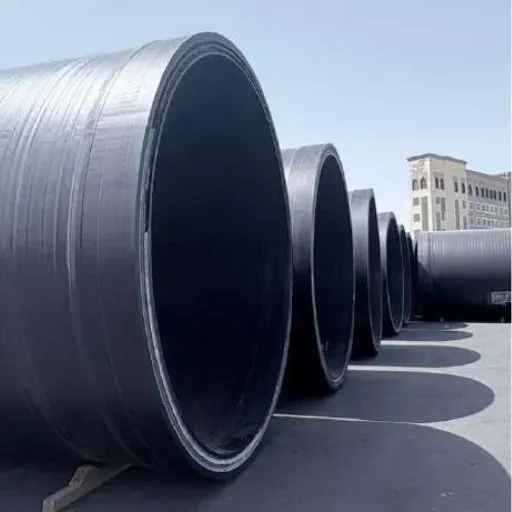
Relining works best when the host pipe is structurally salvageable. That means the pipe has cracks, joint leaks, localized corrosion, or root intrusion, but the alignment is intact and the pipe has not collapsed. In these cases, a CIPP liner adds a new structural wall without the cost and disruption of excavation, making pipe relining vs replacement decisions straightforward.
Cost Savings
According to industry estimates compiled by the National Association of Sewer Service Companies (NASSCO), trenchless CIPP rehabilitation can reduce project costs by 30–50% compared with open-cut replacement in urban environments. The savings come from avoided excavation, reduced pavement restoration, shorter traffic control, and less labor.
Engineering Note: Cost comparisons should always include indirect costs such as traffic management, business disruption, pavement reinstatement, and utility relocation. These indirect costs often exceed the direct pipe installation cost in dense urban corridors.
Minimal Surface Disruption
Relining requires only small access pits or cleanouts. Roads stay open. Businesses continue operating. Landscaping, driveways, and parking lots remain untouched.
For municipalities managing public relations and traffic flow, this is often the deciding factor.
Faster Project Completion
A typical CIPP relining project completes in days rather than weeks. UV-CIPP can cure liner sections at rates of 1–2 meters per minute, allowing long sewer reaches to be rehabilitated in a single shift. Shorter timelines reduce labor costs and get the asset back into service faster.
Environmental Benefits
Less excavation means less soil disposal, fewer truck movements, and lower emissions. In areas with contaminated ground or sensitive ecosystems, relining keeps disturbed soil to a minimum. The International Society for Trenchless Technology (ISTT) consistently identifies trenchless methods as lower-impact alternatives to open-cut construction.
Pipe Relining vs Replacement: When Replacement Is Unavoidable
Despite the advantages of relining, full replacement is sometimes the only viable option in the pipe relining vs replacement decision. Knowing when to recommend replacement protects your reputation and avoids expensive remediation later.
Severe Structural Collapse
If the pipe has lost more than 30–50% of its cross-section, is bellied, or has fully collapsed, a liner cannot be installed or will not restore hydraulic capacity. Replacement is required.
Major Alignment Issues
Relining follows the existing pipe alignment. If the pipe has severe sagging, offset joints, or sharp bends that create standing water or blockages, the new liner will simply copy those defects. Replacement allows you to correct grade and alignment.
Insufficient Capacity
If the existing pipe is undersized for current or future flow, relining will not solve the capacity problem. In fact, the liner slightly reduces the inner diameter. Replacement with a larger pipe is the only way to increase hydraulic capacity.
Significant Infiltration or Exfiltration Beyond the Pipe Wall
Relining seals the interior surface, but it cannot stop groundwater from flowing outside the pipe through surrounding soil voids. If external voids or sinkholes are present, replacement with proper bedding and backfill is usually the correct repair.
How to Evaluate a Pipe for Relining
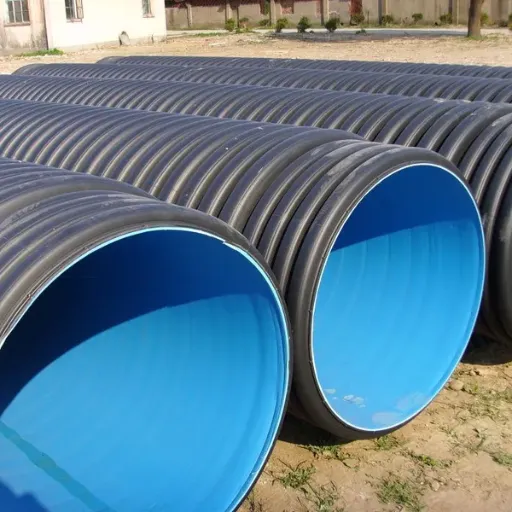
A thorough condition assessment is the foundation of any pipe relining vs replacement decision. Without accurate data, you cannot determine whether the host pipe can support a liner or whether replacement is the safer option. The standard evaluation workflow includes:
CCTV inspection. A crawler camera documents cracks, joints, deformation, and debris.
Laser profiling. Measures pipe ovality and remaining cross-sectional area.
Structural assessment. Evaluates whether the host pipe can support liner installation.
Flow bypass. Ensures wastewater or stormwater can be diverted during work.
Cleaning and pre-lining. Removes roots, sediment, and scale to prepare the surface.
When Maria Lopez, a trenchless project manager in Texas, assessed a 1,200-meter sewer reach in 2024, the CCTV footage showed circumferential cracks and leaking joints but no collapse or significant deformation. Her team cleaned the line, bypassed flow, and installed a UV-CIPP liner over two weeks. The host pipe retained its alignment, and the new liner restored full structural integrity without a single road closure. Cases like this are where relining delivers its strongest value.
CIPP Liner Design and Performance Standards
Not all liners are equal. Structural CIPP liners are designed to ASTM F1216 and EN ISO 11296 standards. These standards define test methods for flexural strength, flexural modulus, wall thickness, and creep behavior. A properly designed liner acts as a fully structural, standalone pipe within the host pipe.
The liner thickness depends on:
Host pipe condition (fully deteriorated vs. partially deteriorated)
Ground load and traffic load
Soil modulus and burial depth
Required service life, typically 50 years
Safety factors per local design codes
Yongke Machinery's CIPP liner manufacturing equipment enables producers to control liner thickness, resin distribution, and reinforcement placement. In-house liner production reduces dependency on third-party suppliers and allows contractors to respond faster to project schedules.
Pipe Relining vs Replacement Cost Breakdown
Understanding where the money goes helps justify the method to stakeholders.
Pipe Relining Costs
Liner material and resin
Site setup, cleaning, and CCTV
Flow bypass or overpumping
Curing equipment and labor
Post-lining CCTV and pressure testing
Traffic control at access points
Pipe Replacement Costs
Excavation and dewatering
Removal and disposal of old pipe
New pipe material
Bedding, backfill, and compaction
Pavement, sidewalk, and landscaping restoration
Extended traffic control
Utility relocation if conflicts arise
For a DN600mm sewer beneath an arterial road, the pipe replacement cost might run 800–800–1,200 per meter in direct construction plus another 400–400–600 per meter in restoration. Relining the same reach might run 400–400–700 per meter all-in, with far less surface restoration. This is why the pipe relining vs replacement cost comparison so often favors relining in built-up areas.
How to Present the Choice to Project Stakeholders
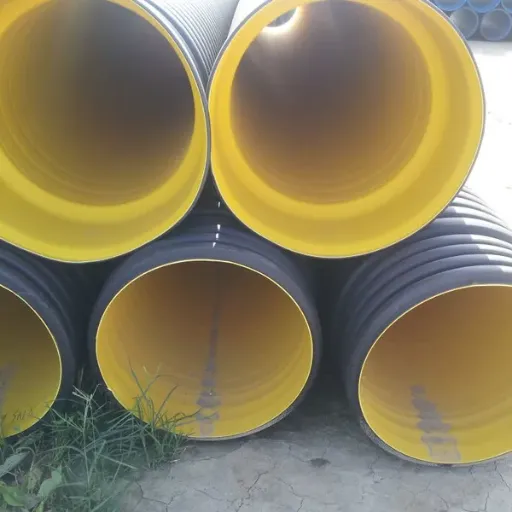
Asset managers and public works directors need a clear recommendation, not just a list of options. When you present a pipe relining vs replacement proposal, structure it around these five points:
Condition evidence. Show CCTV footage, laser profile data, and structural assessment results.
Service life requirement. Confirm whether relining meets the design life or if replacement is needed for capacity.
Disruption analysis. Quantify road closures, business impacts, and traffic management costs.
Total cost comparison. Include direct and indirect costs over the project lifecycle.
Risk assessment. Identify what could go wrong with each method and how you will mitigate it.
When James Chen, a municipal engineer in California, presented his 2025 pipe relining vs replacement plan to city council, he compared relining and replacement for each of 12 sewer reaches. For ten reaches, relining saved $2.3 million and eliminated 18 weeks of road closures. For two reaches with collapsed sections, he recommended replacement. The mixed approach was approved unanimously because it was backed by inspection data and transparent cost reasoning.
The Long-Term View: Maintenance After Relining or Replacement
Both relined and replaced pipes require ongoing inspection and maintenance to reach their design service life. The maintenance approach differs because relining creates a composite system of host pipe plus liner, while replacement installs a single new pipe element.
Schedule CCTV inspections every 5–10 years depending on pipe age, soil conditions, and traffic loading. Use laser profiling periodically to check for ovality or deformation. Keep records of liner installation dates, materials, thickness, resin type, and curing parameters so future engineers know exactly what is in the ground.
For relined pipes, avoid aggressive mechanical cleaning that could damage the liner. High-pressure water jetting is generally acceptable, but confirm pressure limits with the liner manufacturer. Remove roots before they penetrate joints, and monitor for infiltration that might indicate a seal failure.
For replaced pipes, monitor joints and bedding settlement, especially in the first few years after installation. Open-cut replacement gives you control over bedding quality, but poor compaction or ground movement can still cause misalignment. Address small settlement issues before they become large failures.
Frequently Asked Questions About Pipe Relining vs Replacement
Is Pipe Relining Cheaper Than Replacement?
Yes, pipe relining is typically 30–50% cheaper than open-cut replacement in urban areas. The savings come from avoiding excavation, pavement restoration, traffic control, and utility relocation. However, pipe relining vs replacement cost comparisons must include indirect costs and lifecycle factors, not just the initial installation price.
How Long Does Pipe Relining Last?
A structural CIPP liner designed to ASTM F1216 can provide a design life of 50 years or more. The actual service life depends on host pipe condition, ground loading, chemical exposure, and installation quality. Independent studies by NASSCO and other industry bodies have documented CIPP liners performing well beyond their design life when properly installed.
Can You Reline a Collapsed Pipe?
No. If a pipe has fully collapsed, lost significant cross-section, or severely bellied, relining cannot restore alignment or hydraulic capacity. In these cases, pipe replacement is the only viable option. A CCTV inspection and structural assessment should always precede the pipe relining vs replacement decision.
What Is the Difference Between UV-CIPP and Inversion CIPP?
UV-CIPP uses a fiberglass liner pre-impregnated with UV-curable resin and cures with ultraviolet light trains. Inversion CIPP uses air or water pressure to invert a resin-saturated liner into the pipe, then cures with hot water, steam, or ambient temperature. UV-CIPP offers faster curing and tighter process control, while inversion CIPP is well proven for gravity sewers and larger diameters.
When Should a Sewer Pipe Be Replaced Instead of Relined?
Replace instead of reline when the pipe is collapsed, severely misaligned, undersized for current flow, or surrounded by external soil voids. Replacement is also the better choice when the pipe replacement cost is justified by the need to upgrade material, increase diameter, or correct grade over a long reach.
Conclusion: Match the Method to the Condition
Pipe relining vs replacement is not a one-size-fits-all decision. Relining, including sewer pipe relining, is the right choice when the host pipe is structurally repairable, alignment is acceptable, and minimizing surface disruption matters. Replacement is necessary when the pipe is collapsed, severely misaligned, undersized, or surrounded by external voids.
The best engineers do not default to one method. They assess the pipe, compare pipe relining vs replacement costs, analyze disruption, and choose the solution that delivers the required performance at the lowest lifecycle cost.
If your team is evaluating trenchless pipe rehabilitation for an upcoming project, Yongke Machinery can help. We manufacture UV-CIPP fiberglass liner hose machines and inversion CIPP liner hose machines that give contractors full control over liner production, quality, and supply. With 16+ years of experience in large-diameter pipe and CIPP equipment, we support customers from machine configuration through commissioning and operator training.
Contact our engineering team today to discuss your pipe relining vs replacement requirements and request a customized production line proposal.
Key Takeaways
Pipe relining vs replacement decisions should start with CCTV inspection, laser profiling, and structural analysis.
Sewer pipe relining costs 30–50% less than open-cut replacement and causes minimal surface disruption.
Replacement is required when pipes are collapsed, severely misaligned, undersized, or surrounded by external voids.
UV-CIPP and inversion CIPP are the two main trenchless pipe rehabilitation technologies for sewer and drainage pipes.
CIPP liners designed to ASTM F1216 can provide 50+ years of structural service life.
A mixed strategy, relining where possible and replacing where necessary, often delivers the best lifecycle value.
Always compare pipe relining vs replacement costs using total project economics, including traffic control and surface restoration.
Recently Posted
-
Qingdao Yongke Machinery: Full-Category Spiral Pipe Equipment from China's Qingdao
September 1, 2026Choosing a machinery supplier for large-diameter plastic pipe production is a long-term decision, because the line you install wil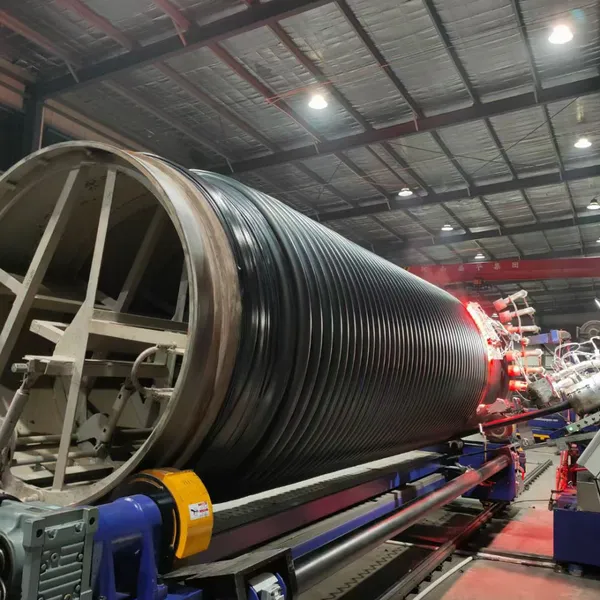 Read More
 -
Quality Control in Spiral Pipe Machine Manufacturing
August 31, 2026A buyer in South America some time ago received a winding line that looked complete on the surface but suffered repeated seam defe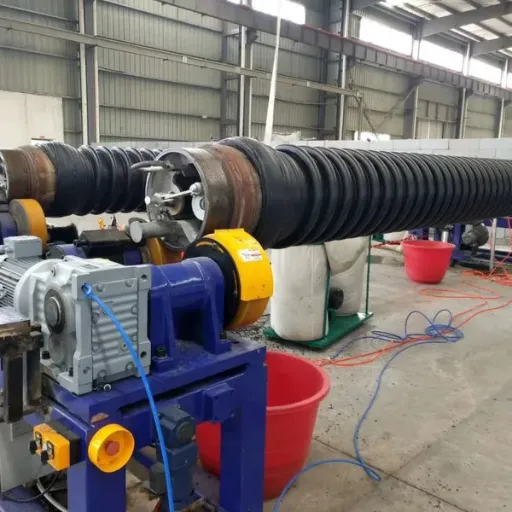 Read More
 -
Spiral Pipe for Sewage and Drainage Networks: Production Notes
August 28, 2026A municipal contractor in Eastern Europe some time ago took delivery of spiral-wound sewer pipe that looked flawless on the line.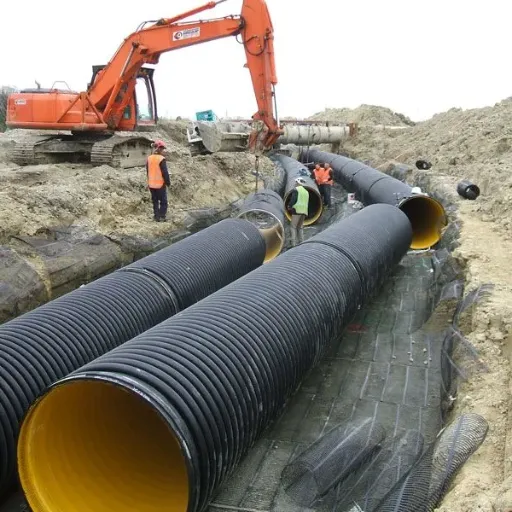 Read More
 -
DN300 to DN5000: Diameter Range and Machine Configuration
August 27, 2026A plant owner in Central Asia once asked for a line "up to DN5000" because a future tender mentioned large storage tanks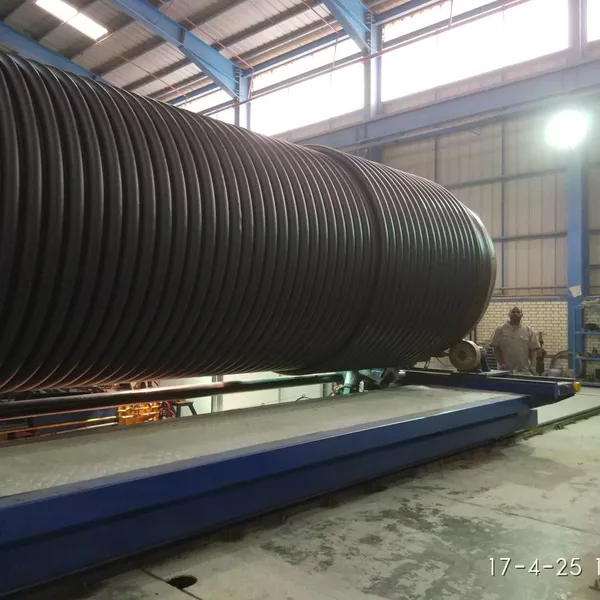 Read More

Contact Us
Recommended Products
-
 CIPP Glass Fibre Liner MachineNegotiableMOQ: 1 Set
 -
HDPE Helically Wound Tank MachineUS$ 10MOQ: 1 Set
-
CIPP Glass Liner MachineNegotiableMOQ: 1 Set
-
CIPP Felt Liner Manufacturing MachineNegotiableMOQ: 1 Set
-
Large Diameter HDPE Sea Intake Outfall Structured Wall Pipe Making MachineNegotiableMOQ: 1 Set
-
UV-CIPP Glass Fibre Liner Manufacturing MachineUS$ 1000 - 110000MOQ: 10 Meters
-
HDPE Pipe Extrusion Machine / PE Pipe Production Line With High OutputNegotiableMOQ: 1 Set
-
UV-CIPP Glass Fiber Liner Hose Production LineUS$ 1000 - 110000MOQ: 1 Set
-
HDPE Spiral Structure Wall Pipe MachineNegotiableMOQ: 1 Set
-
HDPE Spiral Pipe MachineNegotiableMOQ: 1 Set
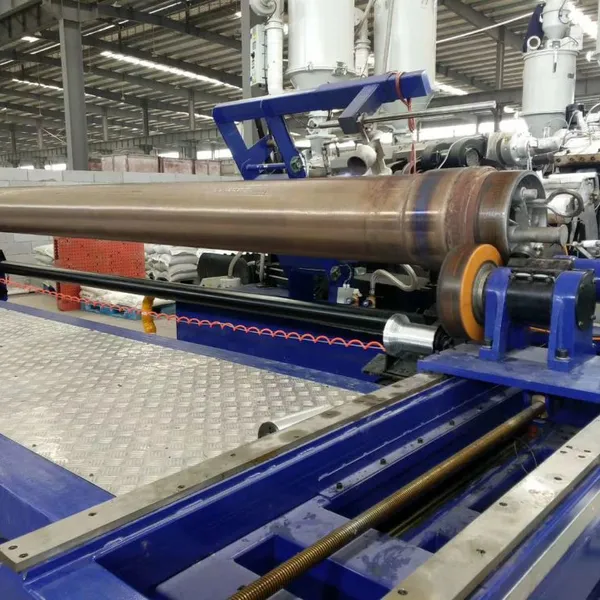
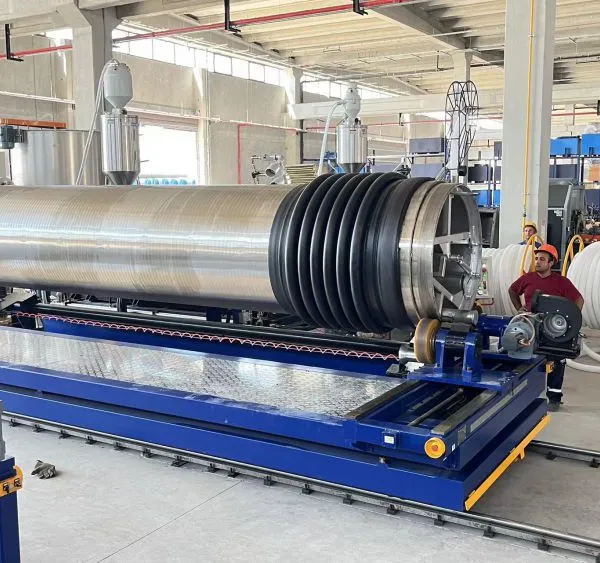
-
HDPE Spiral Tank MachineNegotiableMOQ: 1 Set
-
Krah Pipe MachineNegotiableMOQ: 1 Set
-
Plastic HDPE PVC PPR Pipe Extrusion Making Machine Extrusion LineNegotiableMOQ: 1 Set
-
PVC Pipe Extrusion Production Line for Electrical Conduit and Water Supply PipesNegotiableMOQ: 1 Set
-
Hot Sell Single Wall Corrugated Pipe Extrusion Line With Competitive PriceNegotiableMOQ: 1 Set
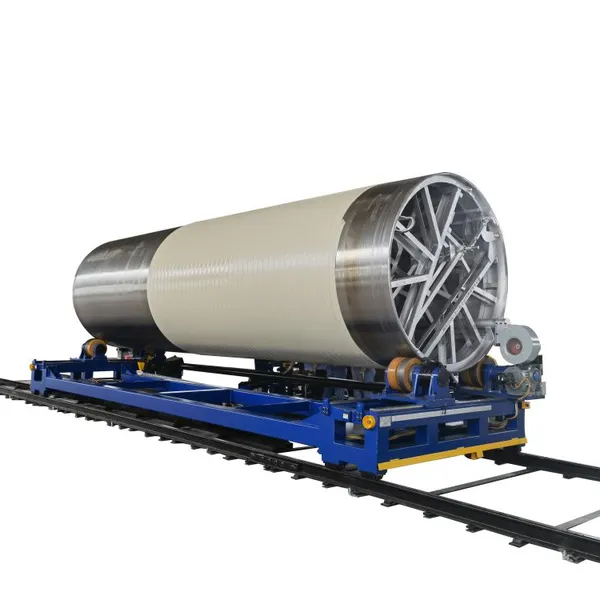
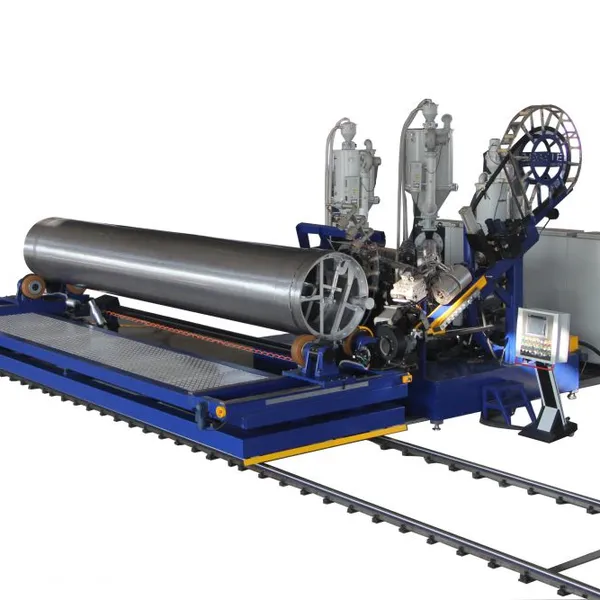
-
HDPE Krah Profild Pipe MachineUS$ 10000MOQ: 1 Set
-
Plastic Tank CNC Holes Boring MachineUS$ 10000MOQ: 1 Set
-
Double Wall Corrugated Pipe Extrusion LineNegotiableMOQ: 1 Set
-
Single Wall Corrugated Pipe Extrusion LineNegotiableMOQ: 1 Set
-
Inversion CIPP Liner Tube Manufacturing MachineNegotiableMOQ: 1 Set