
 Business License
Pipe Relining Cost: What Contractors Pay in 2026
A Texas municipality budgeted $900,000 to rehabilitate 2,400 meters of DN600mm sanitary sewer using open-cut replacement. After a detailed estimate, the public works director discovered that pipe relining would cost roughly $420,000, cover the same reach, and finish in three weeks instead of three months.
The council approved the relining option the same day.
Pipe relining cost is one of the first questions contractors and asset managers ask when evaluating trenchless rehabilitation. The answer depends on pipe diameter, liner material, access conditions, curing method, and whether the work is outsourced or performed in-house.
Understanding these variables helps you build accurate estimates, compare options, and control total project economics. For contractors evaluating equipment investments, our trenchless contractor solutions include turnkey liner production lines designed for high-volume rehabilitation programs.
In this guide, we will break down pipe relining cost by component, compare CIPP liner technologies, explain what drives price differences, and show how in-house liner production can reduce long-term spending for contractors with steady project pipelines.
What Pipe Relining Cost Includes
Pipe relining is not a single line item. A complete estimate covers materials, labor, equipment, site preparation, inspection, and post-installation verification. Breaking the pipe relining cost into categories makes it easier to identify savings and compare contractor quotes.
Liner Material and Resin
The liner tube, typically fiberglass or polyester felt, is saturated with thermosetting resin before installation. CIPP liner cost scales with pipe diameter and liner thickness. For structural CIPP liners designed to ASTM F1216, thicker liners use more resin and reinforcement, raising material cost but also increasing load capacity.
Site Setup and Access
Crews need access pits, bypass pumping, traffic control, and safety barriers. Urban sewers beneath busy roads cost more to access than rural lines with open shoulders. Confined-space entry, dewatering, and odor control add further expense.
Cleaning and CCTV Inspection
The host pipe must be cleaned, roots removed, and damage documented before relining. CCTV inspection and laser profiling provide the data needed to design the liner. Skipping this step risks liner failure or inadequate structural performance.
Curing Equipment and Labor
Thermal curing uses hot water or steam boilers. UV-CIPP uses light trains and power supplies. UV systems often reduce labor hours because curing is faster and more controllable. However, UV equipment has higher capital cost than hot-water rigs.
Post-Lining Verification
After curing, crews perform CCTV inspection, leak testing, and sometimes sample testing to confirm wall thickness and mechanical properties. This quality assurance step is essential for warranty acceptance and long-term performance.
Typical Pipe Relining Cost Ranges
The following ranges reflect North American and European municipal project estimates in 2026. Sewer pipe relining cost varies by region, pipe condition, and contractor capacity.
| Pipe Diameter | Cost per Meter (USD) | Typical Application |
|---|---|---|
| DN150–DN225 | 150–150–300 | Residential laterals, small sewers |
| DN300–DN600 | 300–300–700 | Municipal gravity sewers |
| DN800–DN1200 | 700–700–1,500 | Large sanitary and storm sewers |
| DN1500+ | 1,500–1,500–4,000+ | Trunk sewers, culverts, custom liners |
These figures include material, labor, equipment, and basic access. Complex installations with deep burial, high groundwater, or heavy traffic can push pipe relining cost above the upper end. For contractors who produce their own liners, material-only CIPP liner cost drops significantly because third-party markup and transport are eliminated.
CIPP Liner Cost vs UV-CIPP Liner Cost
The curing method is one of the biggest cost drivers. Both inversion CIPP and UV-CIPP create structural liners, but their cost structures differ.
Inversion CIPP Cost Profile
Inversion CIPP uses felt or fiberglass liners impregnated with resin on-site or at a wet-out facility. Curing requires hot water, steam, or ambient temperature. Capital equipment cost is moderate, but curing time is longer, especially for thick liners in large diameters. Labor and fuel costs are therefore higher per meter.
This method remains cost-effective for gravity sewers, larger diameters, and contractors who already own boiler trucks and inversion equipment. It also accepts a wider range of resin systems and host pipe conditions.
UV-CIPP Cost Profile
UV-CIPP uses pre-impregnated fiberglass liners cured with ultraviolet light. Capital cost for curing trains and calibration equipment is higher than thermal curing. However, installation speed is faster, curing time is measured in minutes rather than hours, and quality control is tighter because resin exposure is controlled.
For high-volume contractors and urban projects where lane rental and traffic control are expensive, UV-CIPP often delivers lower total project cost despite higher equipment investment. Reduced site disruption also shortens project schedules. For a deeper technical overview, see our UV-CIPP rehabilitation guide.
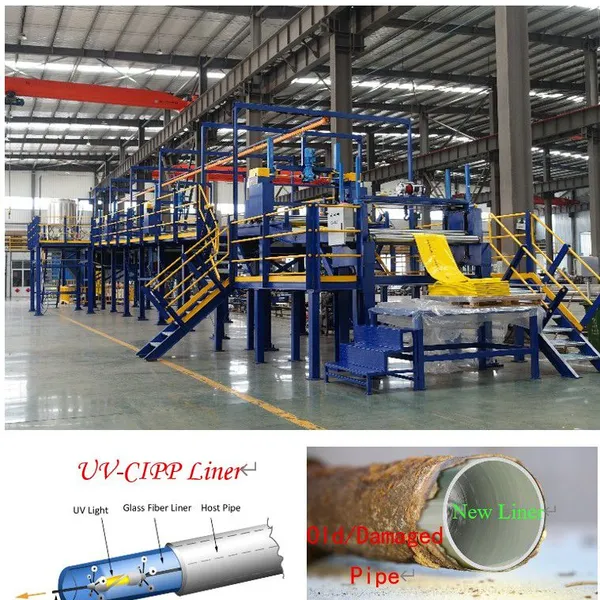
If your operation is evaluating liner production equipment, Yongke Machinery supplies both UV-CIPP fiberglass liner hose machines and inversion CIPP liner hose machines for turnkey manufacturing lines.
Request a customized quote for a production line configured to your project volume and diameter range.
What Drives Pipe Relining Cost Higher or Lower
Several factors determine whether your project lands at the low or high end of the typical range. Understanding these drivers helps you explain pipe relining cost variations to stakeholders and identify where value engineering is possible.
Pipe Diameter and Liner Thickness
Larger pipes need more material and heavier equipment. Liner thickness increases when ground loads, traffic loads, or host pipe deterioration are severe. A DN1200mm fully deteriorated sewer liner can use three to five times more material than a DN300mm partially deteriorated lateral.
Host Pipe Condition
Pipes with heavy root intrusion, grease buildup, or partial collapse need more cleaning and preparation. Severe ovality may require custom liners or additional structural design. Unexpected obstructions discovered during CCTV inspection can trigger change orders.
Access and Bypass Requirements
Single-point access through manholes reduces cost. Long reaches requiring multiple access pits, bypass pumping, or overpumping increase labor and equipment rental. Lines under railways, highways, or buildings add permitting and safety costs.
Groundwater and Chemical Environment
High groundwater requires dewatering and may accelerate resin selection toward more chemical-resistant formulations. Industrial sewers with aggressive effluent require specialized resins and thicker corrosion barriers, raising material cost.
Project Scale and Mobilization
Small, isolated repairs carry high mobilization cost relative to the meters installed. Large programs spread mobilization across thousands of meters, reducing per-meter cost. Contractors often offer better unit prices for multi-reach programs.
Pipe Relining vs Replacement Cost
The comparison most buyers need is not relining vs doing nothing; it is relining vs replacement. Open-cut replacement includes excavation, dewatering, new pipe, bedding, backfill, compaction, and surface restoration. In developed areas, surface restoration alone can equal the pipe installation cost.
A 2024 municipal study in the Midwest compared the two methods for 1,500 meters of DN800mm sewer beneath an arterial road. Open-cut replacement was estimated at $1.4 million, including $380,000 for pavement and sidewalk restoration. CIPP relining was bid at $620,000 with no road closure longer than 48 hours. The relining option saved 56% of the total project cost.
Even when open-cut material cost is comparable, indirect costs such as traffic management, business disruption, and lost municipal productivity often make relining the more economical choice. This is why trenchless pipe rehabilitation continues to gain market share in urban infrastructure programs.
How In-House Liner Production Changes the Cost Equation
For contractors with a steady volume of CIPP work, producing liners in-house can reduce pipe relining cost by 20–40% compared with purchasing liners from a third-party supplier. The savings come from several sources.
See more installation examples from contractors who have reduced liner costs through in-house production.
Eliminate Third-Party Markup
Supplier prices include manufacturing margin, shipping, and inventory carrying cost. In-house production removes this markup and gives you direct control over material cost.
Reduce Lead Times
External liner orders may require several weeks of production and delivery time. In-house manufacturing lets you respond to emergency repairs and short-notice municipal schedules without rush shipping charges.
Customize Liners for Each Job
You can adjust liner diameter, thickness, resin type, and reinforcement to match each project. This flexibility reduces waste and avoids paying for off-the-shelf liners that exceed specifications.
Improve Quality Control
Owning the production process means you control wet-out consistency, resin distribution, and curing parameters. Fewer field failures mean fewer warranty claims and rework costs.
When David Okonkwo, a trenchless contractor in Nigeria, added an in-house liner production line in 2023, his per-meter liner cost dropped by 32%. Lead times shrank from four weeks to three days. Within 18 months, the line paid for itself through margin improvement and faster project turnaround.
Equipment Investment for In-House Liner Production
Setting up liner production requires capital investment, but the payback period can be short for active contractors.
| Equipment | Typical Role | Cost Range (USD) |
|---|---|---|
| Wet-out machine | Resin impregnation and liner saturation | 80,000–80,000–250,000 |
| Liner forming system | Diameter control and tube construction | 100,000–100,000–350,000 |
| UV curing system | Curing train and control unit | 150,000–150,000–500,000 |
| Inversion drum | Air/water inversion for installation | 30,000–30,000–100,000 |
| Quality testing equipment | Thickness, tensile, and flexural testing | 20,000–20,000–60,000 |
A complete UV-CIPP liner production line typically ranges from 400,000to400,000to1,000,000 depending on capacity and automation. Inversion CIPP lines can start lower because curing equipment is simpler. Contractors producing 15,000–30,000 meters per year usually see payback within 24–36 months.
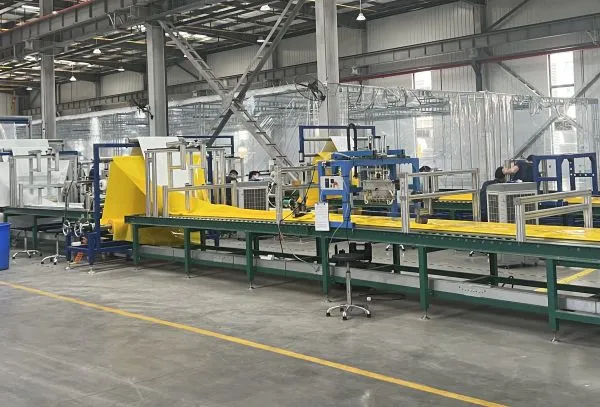
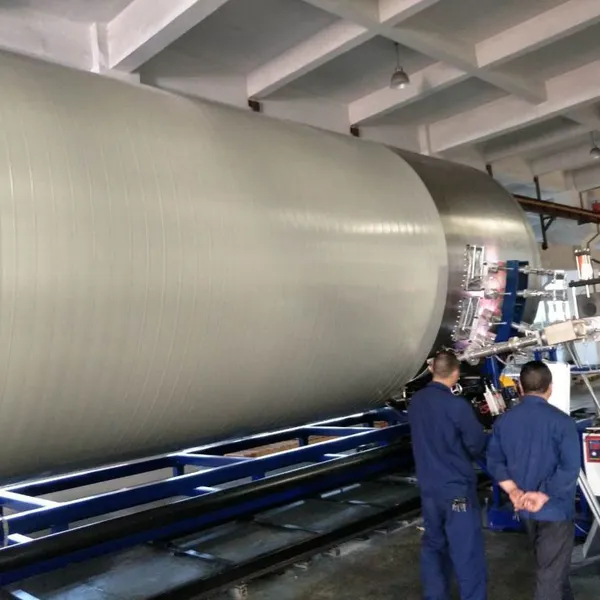
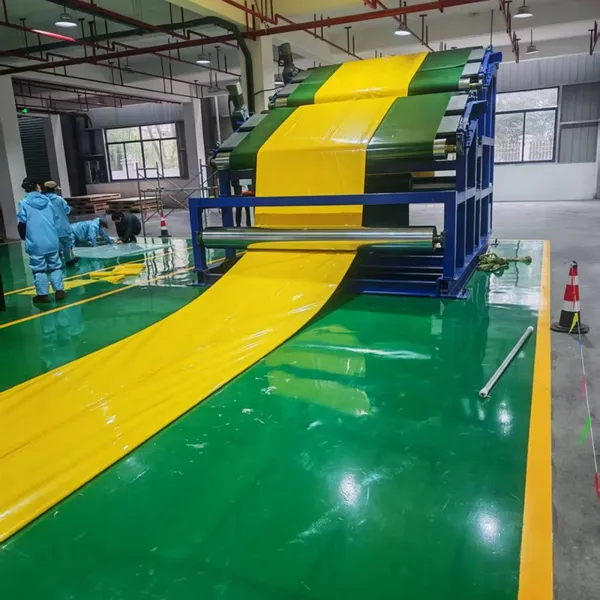
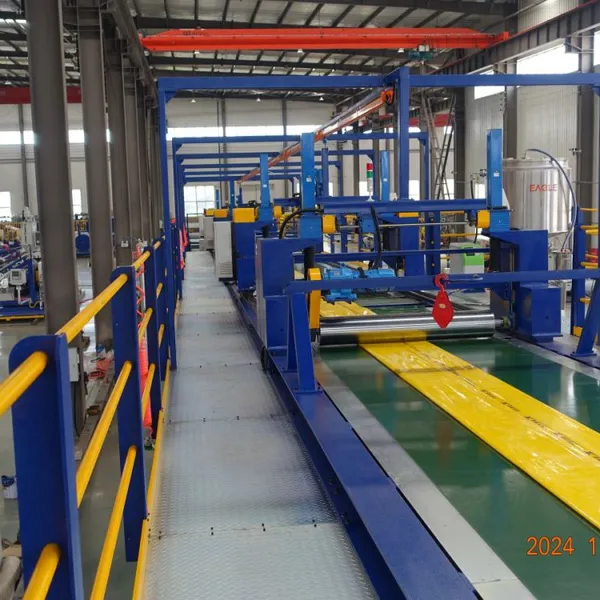
Yongke Machinery manufactures turnkey CIPP liner manufacturing equipment that integrates wet-out, forming, and curing systems. We configure each line to your target diameter range and production volume.
How to Estimate Pipe Relining Cost for a Project
A reliable estimate follows a clear sequence. Skipping steps leads to underpricing, change orders, or project delays.
Inspect the host pipe. Use CCTV and laser profiling to document diameter, ovality, cracks, joints, and debris.
Define the design requirements. Confirm ground load, traffic load, groundwater level, and required service life.
Select the liner system. Choose inversion CIPP or UV-CIPP based on diameter, access, schedule, and quality requirements.
Calculate material quantities. Determine liner length, thickness, resin volume, and reinforcement type.
Add labor and equipment. Include installation crew, curing equipment, bypass pumping, and traffic control.
Include indirect costs. Account for permitting, surface restoration, business disruption, and project management.
Apply contingency. Reserve 10–15% for unknown conditions, especially in older networks with incomplete records.
When Lisa Brennan, a project estimator in Florida, adopted this workflow in 2025, her bid accuracy improved significantly. She stopped underestimating cleaning and access costs, and her win rate on municipal tenders increased because clients trusted her transparent breakdowns.
Cost-Saving Strategies Without Sacrificing Quality
Reducing pipe relining cost should never mean cutting corners on design or materials. The following strategies lower cost while maintaining structural performance.
Standardize Liner Specifications
Where local standards allow, use a limited range of liner thicknesses and resin systems. Standardization reduces inventory, simplifies training, and improves purchasing leverage.
Plan Multi-Reach Programs
Bundling several reaches into one contract reduces mobilization and setup cost. Municipalities often achieve 10–20% unit cost savings by awarding annual rehabilitation programs instead of individual emergency repairs.
Invest in Proper Cleaning
Thorough pre-lining cleaning prevents liner damage and voids. Spending more on jetting and root removal upfront avoids costly rework and liner replacement later.
Consider UV-CIPP for High-Traffic Areas
Faster curing reduces lane rental and traffic control duration. In cities where road closure permits cost thousands of dollars per day, UV curing can offset its higher equipment cost within a single project.
Produce Liners In-House at Scale
For contractors with consistent volume, in-house liner production is the most powerful long-term cost lever. It converts a variable supplier cost into a controlled manufacturing cost.
Financing and Total Cost of Ownership
For contractors considering liner production equipment, the purchase decision should include total cost of ownership, not just upfront capital.
Operating Costs
Resin, fiberglass, felt, utilities, and labor are the main recurring costs. Efficient wet-out systems reduce resin waste. Automated forming systems reduce labor hours per meter.
Maintenance and Spare Parts
Regular maintenance of pumps, rollers, curing lamps, and control systems prevents downtime. Source spare parts from a supplier with documented availability and technical support.
Training and Certification
Operator training is essential for consistent liner quality. Include training cost in your investment analysis. Yongke provides operator training and technical service, including commissioning assistance and ongoing after-sales support, as part of its turnkey project delivery.
Depreciation and Utilization
Spread equipment cost across expected annual production. Higher utilization shortens payback. Contractors with diverse project pipelines can keep production lines running year-round across multiple diameters.
Frequently Asked Questions About Pipe Relining Cost
How Much Does Pipe Relining Cost per Meter?
Pipe relining cost typically ranges from 150–150–300 per meter for DN150–DN225mm laterals, 300–300–700 per meter for DN300–DN600mm municipal sewers, and 700–700–1,500 per meter for DN800–DN1200mm trunk lines. Large custom liners can exceed $4,000 per meter. Site access, pipe condition, and curing method all affect the final price.
Is Pipe Relining Cheaper Than Replacement?
Yes. Trenchless pipe rehabilitation cost is usually 30–50% lower than open-cut replacement in urban areas. The savings come from avoiding excavation, pavement restoration, traffic control, and utility relocation. Indirect costs such as business disruption and lost productivity often make the gap even larger.
What Is the CIPP Liner Cost Compared to UV-CIPP?
Inversion CIPP liner cost is generally lower for material and simpler equipment but higher in labor and curing fuel. UV-CIPP has higher equipment and material cost but lower labor cost and faster curing. For high-traffic urban projects, UV-CIPP often produces lower total project cost despite the higher capital investment.
How Does In-House Production Affect Pipe Relining Cost?
Producing liners in-house can reduce pipe relining cost by 20–40% for contractors with steady volume. Savings come from eliminating supplier markup, reducing lead times, customizing liners for each job, and improving quality control. Payback on production equipment typically occurs within 24–36 months.
What Hidden Costs Should Be Included in a Pipe Relining Estimate?
Always include cleaning and CCTV inspection, bypass pumping, traffic control, dewatering, permitting, surface restoration, post-lining verification, and contingency. Omitting any of these can lead to budget overruns and change orders.
Conclusion: Control Pipe Relining Cost Through Better Planning
Pipe relining cost depends on diameter, material, curing method, access, and project scale. For most municipal and industrial applications, relining remains 30–50% cheaper than open-cut replacement while causing far less surface disruption.
Contractors who want deeper cost control should evaluate in-house liner production. Producing your own CIPP liners eliminates supplier markup, shortens lead times, and lets you customize liners for each project. The capital investment is significant, but for active contractors the payback period is typically two to three years.
If you are estimating a rehabilitation project or planning to bring liner production in-house, Yongke Machinery can help. We manufacture UV-CIPP fiberglass liner hose machines and inversion CIPP liner hose machines for contractors worldwide. As an ISO-certified manufacturer with 16+ years of experience in large-diameter pipe and CIPP equipment, we support you from machine configuration through commissioning and operator training.
Contact our engineering team today to discuss your pipe relining cost goals and request a customized production line proposal.
Key Takeaways
Pipe relining cost includes material, labor, equipment, access, cleaning, inspection, and verification.
Typical municipal relining ranges from 300–300–700 per meter for DN300–DN600mm sewers.
UV-CIPP has higher equipment cost but faster curing; inversion CIPP has lower capital cost but longer curing time.
CIPP liner cost and UV-CIPP cost vary mainly by diameter, thickness, resin system, and curing method.
Trenchless pipe rehabilitation cost is usually 30–50% less than open-cut replacement in developed areas.
In-house liner production can reduce pipe relining cost by 20–40% for contractors with steady volume.
Accurate estimates require CCTV inspection, structural design, and inclusion of indirect costs.
Bundling reaches, standardizing specifications, and proper cleaning are proven cost-saving strategies.
Recently Posted
-
HDPE Pipe Standards: A Practical Guide for Engineers and Buyers
June 30, 2026A municipal contractor in Southeast Asia once accepted a shipment of HDPE pipe based only on a supplier's diameter claim. Six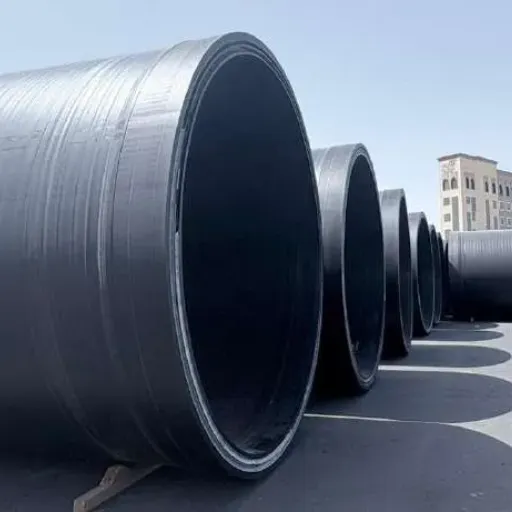 Read More
 -
Wastewater Collection System Design, Operation, and Renewal
June 30, 2026In late 2021, a coastal city in Southeast Asia discovered that its oldest wastewater collection system had been losing capacity fo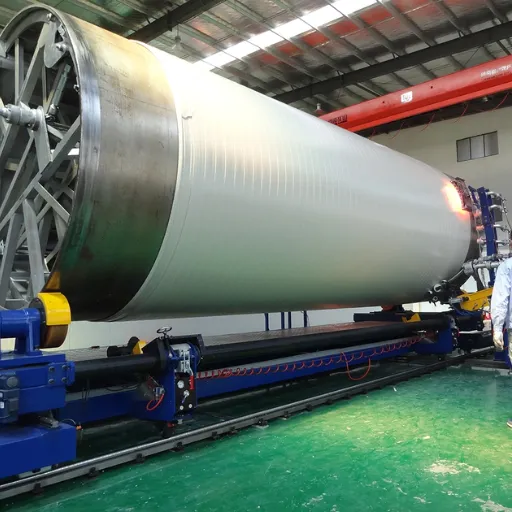 Read More
 -
Wastewater Infrastructure Design, Assessment, and Renewal
June 29, 2026In March 2023, a wastewater treatment plant serving 400,000 residents in Southern Europe suffered a cascade failure. A single inte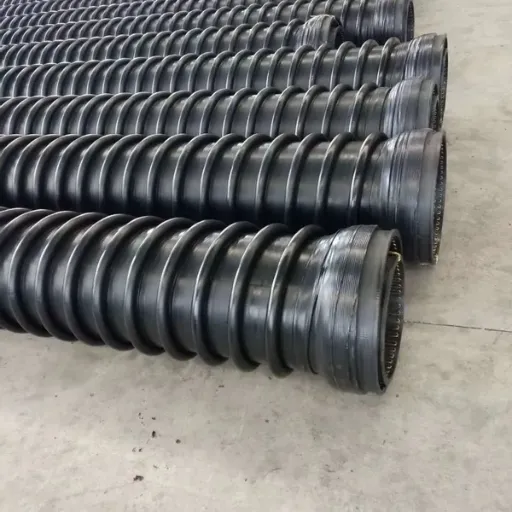 Read More
 -
Combined Sewer System Design, Operation, and Rehabilitation
June 29, 2026In August 2021, a single storm dropped 175mm of rain on a midwestern U.S. city in less than 36 hours. The city's aging combine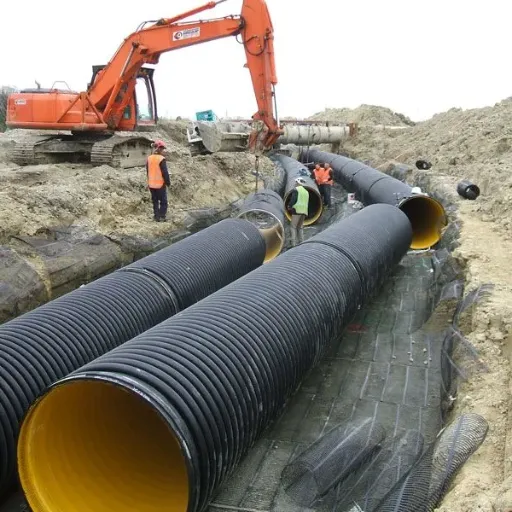 Read More

Contact Us
Recommended Products
-
 CIPP Glass Fibre Liner MachineNegotiableMOQ: 1 Set
 -
HDPE Helically Wound Tank MachineUS$ 10MOQ: 1 Set
-
CIPP Glass Liner MachineNegotiableMOQ: 1 Set
-
CIPP Felt Liner Manufacturing MachineNegotiableMOQ: 1 Set
-
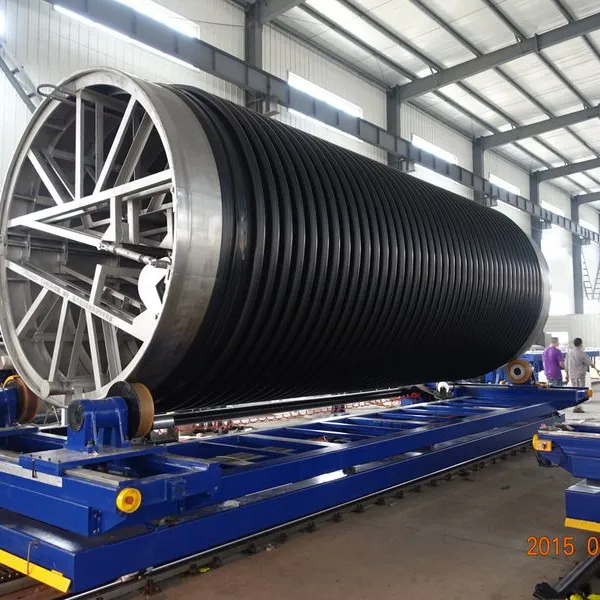
Large Diameter HDPE Sea Intake Outfall Structured Wall Pipe Making MachineNegotiableMOQ: 1 Set
-
UV-CIPP Glass Fibre Liner Manufacturing MachineUS$ 1000 - 110000MOQ: 10 Meters
-
HDPE Pipe Extrusion Machine / PE Pipe Production Line With High OutputNegotiableMOQ: 1 Set
-
UV-CIPP Glass Fiber Liner Hose Production LineUS$ 1000 - 110000MOQ: 1 Set
-
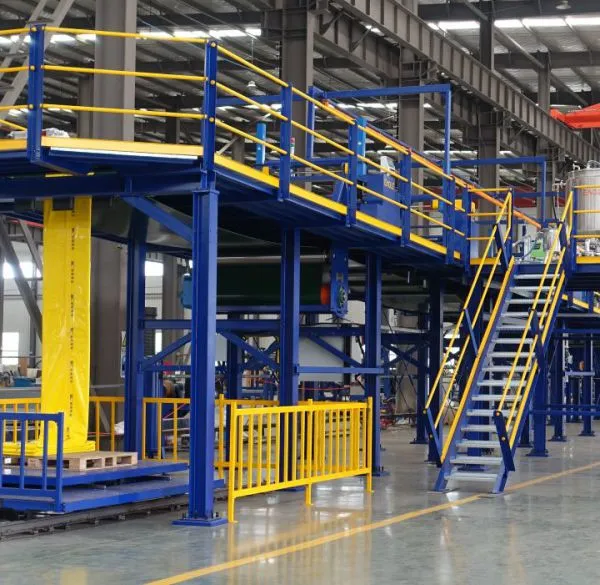
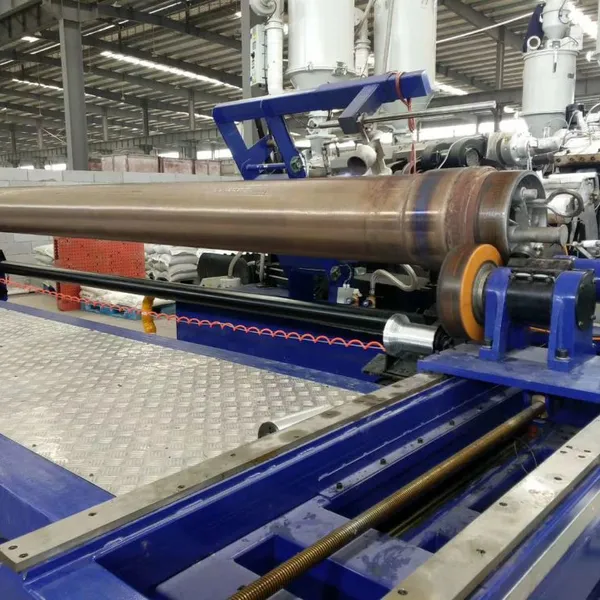
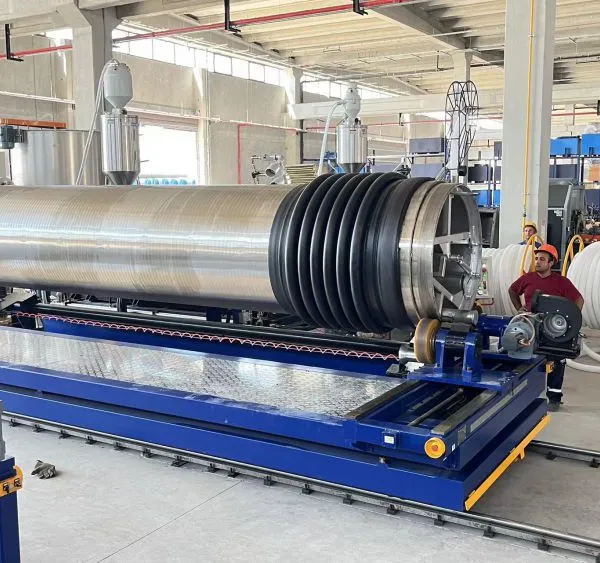
HDPE Spiral Structure Wall Pipe MachineNegotiableMOQ: 1 Set
-
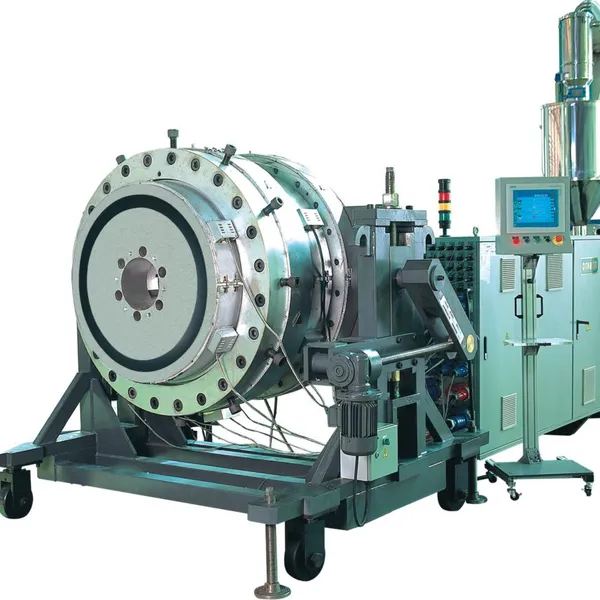
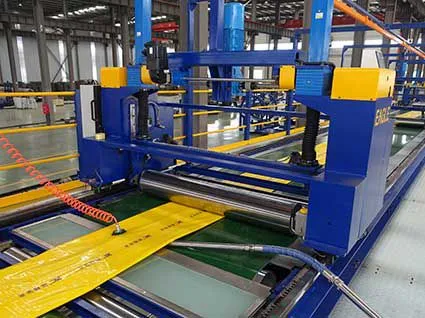
HDPE Spiral Pipe MachineNegotiableMOQ: 1 Set
-
HDPE Spiral Tank MachineNegotiableMOQ: 1 Set
-
Krah Pipe MachineNegotiableMOQ: 1 Set
-
Plastic HDPE PVC PPR Pipe Extrusion Making Machine Extrusion LineNegotiableMOQ: 1 Set
-
PVC Pipe Extrusion Production Line for Electrical Conduit and Water Supply PipesNegotiableMOQ: 1 Set
-
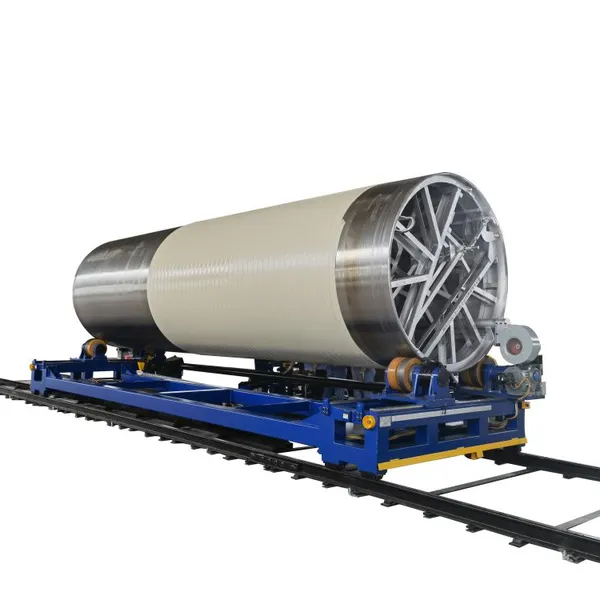
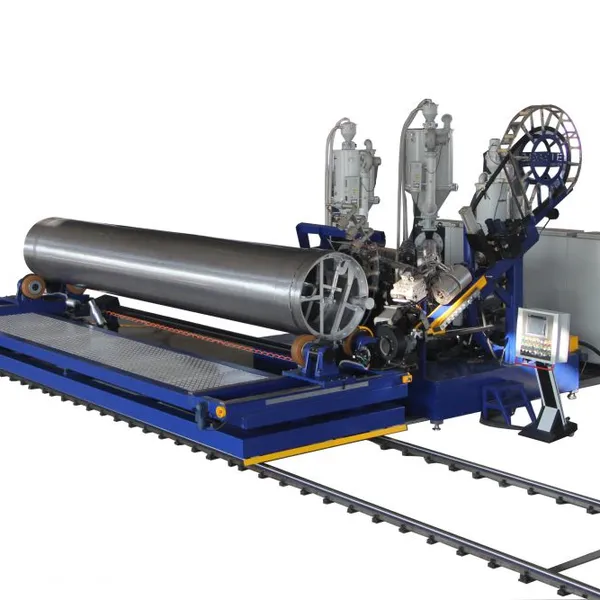
Hot Sell Single Wall Corrugated Pipe Extrusion Line With Competitive PriceNegotiableMOQ: 1 Set
-
HDPE Krah Profild Pipe MachineUS$ 10000MOQ: 1 Set
-
Plastic Tank CNC Holes Boring MachineUS$ 10000MOQ: 1 Set
-
Double Wall Corrugated Pipe Extrusion LineNegotiableMOQ: 1 Set
-
Single Wall Corrugated Pipe Extrusion LineNegotiableMOQ: 1 Set
-
Inversion CIPP Liner Tube Manufacturing MachineNegotiableMOQ: 1 Set