
 Business License
Stormwater Pipe Sizing: A Municipal Engineer's Guide
In July 2021, a sudden thunderstorm dropped six months' worth of rain on the city of Zhengzhou in less than 24 hours. Subway tunnels became rivers, streets turned into channels, and the city's drainage network revealed a hard truth: pipes sized for historical rainfall could not handle the intensifying storms of the 2020s.
If you design municipal drainage, site civil works, or stormwater infrastructure, stormwater pipe sizing is one of the most consequential calculations in your project. Size the pipe too small, and flooding follows. Size it too large, and your budget absorbs unnecessary material, excavation, and installation cost.
This guide walks through the practical steps of stormwater pipe sizing, from estimating peak runoff to selecting pipe material and diameter. We will cover design standards, hydraulic calculations, common mistakes, and how large-diameter HDPE and PP spiral profile pipe can simplify both design and procurement. The guidance reflects standard municipal engineering practice and Yongke Machinery's 16+ years of supporting large-diameter pipe production worldwide.
Why Stormwater Pipe Sizing Matters
Stormwater pipe sizing determines how quickly and safely rainfall runoff moves away from streets, buildings, and critical infrastructure. The stakes are high because failure is visible and immediate: ponded intersections, flooded basements, eroded channels, and damaged roads.
Correct sizing balances three competing priorities:
Hydraulic performance: The pipe must convey the design storm without overtopping or excessive surcharge.
Structural capacity: The pipe must withstand soil loads, traffic loads, and internal pressures.
Economic efficiency: The system should not be so conservative that it wastes public or private capital.
Stormwater systems also interact with water quality. Undersized systems can cause combined sewer overflows in older cities, send sediment and pollutants into receiving waters, and increase downstream scour. Good sizing is therefore both a hydraulic and an environmental decision.
Engineering Note: Always design for the regulatory design storm specified by your jurisdiction. Common standards include 2-year, 10-year, 25-year, and 100-year return periods, depending on the land use and consequence of flooding.
Key Factors in Stormwater Pipe Sizing
Before opening a hydraulic model, engineers must collect several site and design inputs. Each one affects the final pipe diameter.
Catchment Area and Land Use
The upstream drainage area, or catchment, defines how much surface runoff enters the pipe. Larger catchments generate more flow. Land use matters because impervious surfaces such as roads, parking lots, and rooftops produce much more runoff than forests or grasslands.
Rainfall Intensity and Duration
Design rainfall is usually expressed as an intensity for a given duration and return period. Short, intense storms produce high peak flows. Longer storms produce more total volume but lower peak intensities. Engineers select a design storm duration that matches the catchment's time of concentration.
Runoff Coefficient
The runoff coefficient represents the fraction of rainfall that becomes surface runoff. It ranges from near zero for permeable natural areas to above 0.9 for dense urban surfaces. Composite coefficients are calculated when a catchment contains mixed land uses.
Time of Concentration
The time of concentration is the time runoff takes to travel from the most hydraulically remote point in the catchment to the pipe inlet. Shorter times produce higher peak flows because rainfall intensity is higher for shorter durations.
Pipe Slope and Roughness
Once peak flow is estimated, pipe diameter depends on slope and interior roughness. A steeper slope increases capacity. Smoother pipe walls, such as HDPE with a low Manning's n, also increase capacity compared with rougher materials.
How to Calculate Peak Runoff for Stormwater Design
Most municipal projects use the Rational Method for estimating peak runoff from small to medium catchments. It is simple, widely understood, and acceptable for many urban drainage designs.
Q = C × I × A
Where:
Q = peak runoff (m³/s or ft³/s, depending on units)
C = runoff coefficient
I = rainfall intensity (mm/h or in/h)
A = catchment area (ha or ac)
For larger or more complex catchments, engineers may use hydrologic models such as HEC-HMS, SWMM, or regional unit hydrograph methods. These models account for storage, infiltration, and routing effects that the Rational Method ignores.
Example: Calculating Peak Runoff
Consider a 5-hectare commercial catchment with a composite runoff coefficient of 0.75. The local intensity-duration-frequency curve gives a 10-year rainfall intensity of 80 mm/h for the catchment's time of concentration.
Q = 0.75 × 80 mm/h × 5 ha = 300 m³/h, or approximately 0.083 m³/s.
This peak flow becomes the starting point for sizing the downstream storm sewer.
Need large-diameter pipe production capacity for your drainage project? Explore Yongke's DN300–DN5000mm HDPE/PP spiral profile pipe production line.
Sizing the Pipe with Manning's Equation
After estimating peak runoff, engineers use open-channel flow equations to select a pipe diameter. For gravity storm sewers flowing full or partially full, Manning's equation is the standard tool.
Q = (1/n) × A × R^(2/3) × S^(1/2)
Where:
Q = flow rate (m³/s)
n = Manning's roughness coefficient
A = cross-sectional area of flow (m²)
R = hydraulic radius (m), equal to A divided by wetted perimeter
S = slope of the energy grade line (m/m)
For a circular pipe flowing full:
A = πD²/4
R = D/4
Engineers often use Manning's tables or hydraulic software to iterate diameter and slope until the pipe capacity equals or exceeds the design peak flow, with an appropriate safety factor.
Manning's n Values for Common Pipe Materials
| Pipe Material | Manning's n |
|---|---|
| HDPE smooth wall | 0.009–0.012 |
| Reinforced concrete | 0.013 |
| Ductile iron | 0.012–0.015 |
| Corrugated metal | 0.022–0.030 |
A lower Manning's n means higher capacity at the same slope and diameter. This is one reason HDPE and PP spiral profile pipe is attractive for stormwater applications: the smooth interior bore reduces friction loss while the structural wall profile provides stiffness.
Partial Flow Design
Storm sewers should generally not be designed to flow full during the design storm. Most standards size pipes for partial flow, typically 50% to 80% of full depth at peak flow. This leaves capacity for debris, sediment, and uncertainties in runoff estimates.
For partial flow, engineers use the hydraulic elements graph for circular pipe to relate depth and discharge. At around 94% of full depth, discharge reaches a maximum because the wetted perimeter grows faster than the cross-sectional area beyond that point.
Stormwater Pipe Sizing Charts and Tables
Many engineers use precomputed capacity tables to quickly compare pipe diameters under common slopes and roughness assumptions. The chart below shows estimated full-flow capacity for smooth-wall HDPE pipe with n = 0.010.
| Nominal Diameter (DN) | Internal Diameter (mm) | Flow at 0.5% Slope (m³/h) | Flow at 1.0% Slope (m³/h) |
|---|---|---|---|
| DN300 | 300 | 320 | 450 |
| DN400 | 400 | 690 | 970 |
| DN500 | 500 | 1,250 | 1,770 |
| DN600 | 600 | 2,020 | 2,860 |
| DN800 | 800 | 4,380 | 6,200 |
| DN1000 | 1,000 | 7,940 | 11,230 |
| DN1200 | 1,200 | 12,900 | 18,250 |
| DN1500 | 1,500 | 23,400 | 33,100 |
| DN2000 | 2,000 | 50,400 | 71,300 |
| DN2500 | 2,500 | 91,500 | 129,400 |
| DN3000 | 3,000 | 148,500 | 210,000 |
| DN4000 | 4,000 | 319,800 | 452,200 |
| DN5000 | 5,000 | 576,700 | 815,400 |
These values assume circular pipe flowing full, uniform slope, clean interior surface, and no local losses. For design flow, apply a partial-flow factor and add local head losses for manholes, bends, and transitions.
Selecting the Right Pipe Material for Stormwater
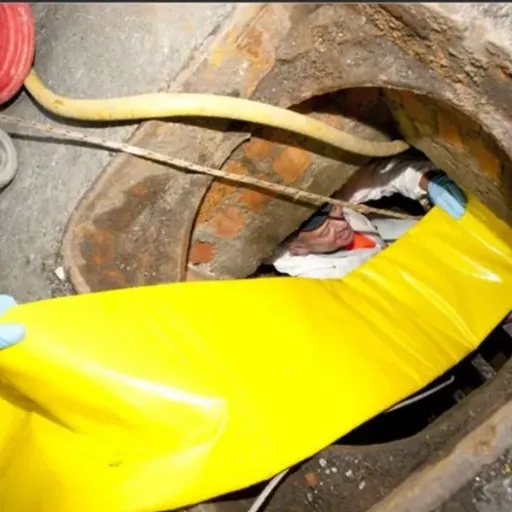
Material selection affects hydraulic capacity, structural performance, installation cost, and service life. Municipal stormwater projects commonly use several materials.
HDPE and PP Spiral Profile Pipe
HDPE and PP spiral profile pipe is well suited to large-diameter stormwater systems. The smooth interior surface provides low Manning's n, while the structural wall profile gives ring stiffness for buried applications. It is corrosion-resistant, lightweight, and available in diameters up to DN5000mm.
For long culverts and large trunk lines, in-house production with a spiral profile pipe machine can reduce transportation costs and improve delivery scheduling.
Reinforced Concrete Pipe
Reinforced concrete pipe is stiff, durable, and widely used for large storm sewers. However, it is heavier, more susceptible to corrosion in aggressive environments, and has a higher Manning's n than HDPE. Larger diameters may require larger handling equipment.
Corrugated Metal Pipe
Corrugated metal pipe is often used for culverts and roadside drains. It is lightweight and easy to install but has high roughness, which reduces hydraulic capacity. It can also corrode over time in acidic or saline soils.
Material Comparison Table
| Feature | HDPE/PP Spiral Profile | Reinforced Concrete | Corrugated Metal |
|---|---|---|---|
| Manning's n | 0.009–0.012 | ~0.013 | 0.022–0.030 |
| Corrosion resistance | Excellent | Moderate | Low to moderate |
| Typical maximum diameter | DN5000mm+ | DN3600mm common | DN3000mm common |
| Weight | Light | Heavy | Moderate |
| Joint type | Heat-fused / welded | Gasketed | Band-connected |
Common Mistakes in Stormwater Pipe Sizing
Even experienced engineers can make errors that compromise a drainage system. Here are the most common pitfalls.
Using the Wrong Design Storm
Designing for a 2-year storm in a high-consequence area can lead to frequent flooding. Conversely, using a 100-year storm everywhere may produce oversized, expensive systems. Match the design return period to the land use, regulatory requirement, and consequence of failure.
Ignoring Future Development
Catchments change. New roads, parking lots, and rooftops increase impervious area and runoff. A pipe sized for current conditions may become undersized as development proceeds.
Neglecting Local Head Losses
Manholes, bends, transitions, and inlet structures create head losses. In systems with many structures, these losses can materially reduce capacity. They should be included in hydraulic calculations, especially for flat sites.
Designing for Full Pipe Flow
A storm sewer running full during the design storm has no margin. Partial-flow design leaves capacity for debris, sediment, and model uncertainty.
Forgetting Velocity Limits
Minimum velocity prevents sediment deposition. Maximum velocity prevents erosion of the pipe or downstream channel. Typical design ranges are 0.6 m/s to 3.0 m/s for storm sewers, though local standards may differ.
Selecting Diameter Before Confirming Slope
Slope and diameter must be developed together. A flat site may force a larger diameter to achieve the required capacity, while a steep site may allow a smaller pipe with higher velocity.
Mini-Story: When Undersizing a Culvert Cost More Than Upsizing It
In 2019, the team at Apex Civil Engineering designed a stormwater trunk line for a new industrial park outside São Paulo. Project manager Elena Vargas had pressure to keep the initial bid competitive. She specified a DN1200mm reinforced concrete pipe for a major outfall, even though her calculations suggested a DN1500mm pipe would be safer for the 25-year design storm.
The pipe was installed in 2020. During the first rainy season, a storm smaller than the design event caused the line to surcharge. Water backed up into the industrial park, flooding two warehouses and a loading yard. The client faced $180,000 in damage and production delays. The remediation involved installing an additional parallel DN600mm relief line at a cost of $340,000.
Elena's takeaway became a firm rule: a slightly larger pipe at the design stage is usually cheaper than retrofitting capacity after a flood.
Stormwater Pipe Sizing for Culverts and Outfalls
Culverts and outfalls present additional challenges because they often operate under inlet or outlet control, not simple full-pipe flow.
Inlet Control
Inlet control occurs when the culvert entrance limits capacity more than the barrel. Common causes are headwater depth, entrance geometry, and debris. Improving the inlet through wingwalls, bevels, or a larger opening can increase capacity without changing the barrel diameter.
Outlet Control
Outlet control occurs when the barrel, tailwater, or downstream channel limits capacity. In these cases, the full hydraulic grade line must be analyzed, including friction losses and velocity head.
Tailwater Effects
High tailwater from a receiving stream can submerge the culvert outlet and reduce discharge capacity. Always consider downstream water levels when sizing outfall structures.
For detailed culvert design, the Federal Highway Administration Hydraulic Design Series No. 5 provides authoritative guidance.
Planning a large-diameter culvert or outfall? Request a customized quotation for spiral profile pipe production matched to your diameter range.
Green Infrastructure and Stormwater Storage
Traditional pipe sizing focuses on conveyance: moving water away as quickly as possible. Modern stormwater management also emphasizes control: slowing, storing, and treating runoff before it leaves the site.
Detention and Retention Basins
Detention basins temporarily store runoff and release it slowly. Retention basins hold water longer and may allow infiltration. Both reduce peak discharge, which can allow smaller downstream pipes.
Permeable Surfaces and Bioswales
Permeable pavement, bioswales, and rain gardens reduce impervious area and runoff volume. In some projects, green infrastructure can reduce the required pipe size enough to offset its own cost.
Storage Tunnels
In dense urban areas, underground storage tunnels hold excess stormwater during peak events and release it when treatment or conveyance capacity becomes available. These large-diameter tunnels often exceed DN3000mm and require robust structural pipe materials.
Integrating Stormwater Pipe Sizing with Overall Drainage Design
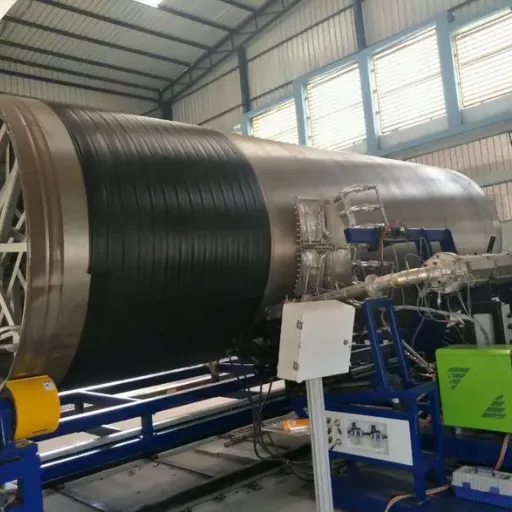
Stormwater pipe sizing does not happen in isolation. It connects to street design, site grading, landscaping, and water quality treatment.
Coordination with Street Design
Storm inlets are usually located in streets or parking areas. The pipe system must match inlet spacing, curb elevations, and gutter capacity. Poor coordination can leave inlets that are hydraulically disconnected or prone to clogging.
Water Quality Treatment
Many jurisdictions now require stormwater treatment before discharge. Treatment devices such as hydrodynamic separators, filter systems, or bioretention cells may add head loss that affects pipe sizing.
Maintenance Access
Every pipe system needs access for inspection and cleaning. Manhole spacing, pipe diameters, and bend locations should allow CCTV inspection, jetting, and debris removal.
At Yongke Machinery, we support municipal contractors and pipe producers with HDPE/PP spiral profile pipe production lines from DN300mm to DN5000mm. Whether your project needs standard trunk sewers, large culverts, or storage tunnels, producing pipe locally can improve logistics and delivery control.
Conclusion
Stormwater pipe sizing is a fundamental step in drainage design. Accurate sizing protects property, reduces flood risk, and controls project cost. The process begins with estimating peak runoff, continues with hydraulic calculations using Manning's equation, and ends with selecting a pipe material and diameter that match both hydraulic and structural requirements.
Key Takeaways
Peak runoff is usually estimated with the Rational Method for small to medium catchments.
Manning's equation links flow, diameter, slope, and roughness.
Partial-flow design leaves margin for debris and model uncertainty.
HDPE and PP spiral profile pipe offers low roughness and large diameter range for stormwater systems.
Green infrastructure and storage can reduce downstream pipe sizing requirements.
If your project involves DN300mm to DN5000mm stormwater pipe, Yongke Machinery can help you evaluate production options, material selection, and diameter range. Contact our engineering team to discuss your hydraulic requirements, request a quotation, or schedule a technical consultation.
Recently Posted
-
Qingdao Yongke Machinery: Full-Category Spiral Pipe Equipment from China's Qingdao
September 1, 2026Choosing a machinery supplier for large-diameter plastic pipe production is a long-term decision, because the line you install wil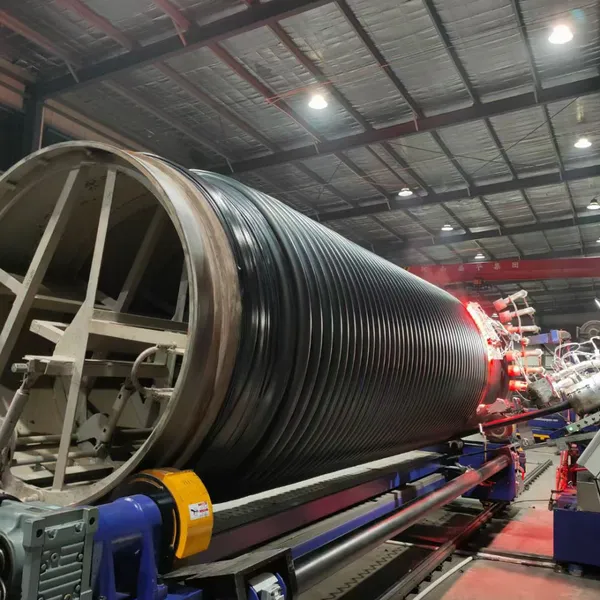 Read More
 -
Quality Control in Spiral Pipe Machine Manufacturing
August 31, 2026A buyer in South America some time ago received a winding line that looked complete on the surface but suffered repeated seam defe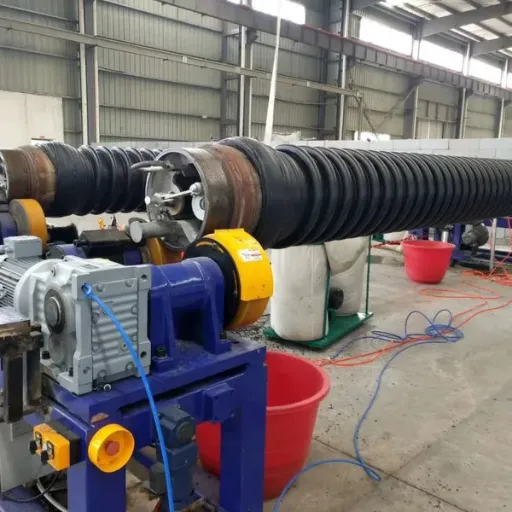 Read More
 -
Spiral Pipe for Sewage and Drainage Networks: Production Notes
August 28, 2026A municipal contractor in Eastern Europe some time ago took delivery of spiral-wound sewer pipe that looked flawless on the line.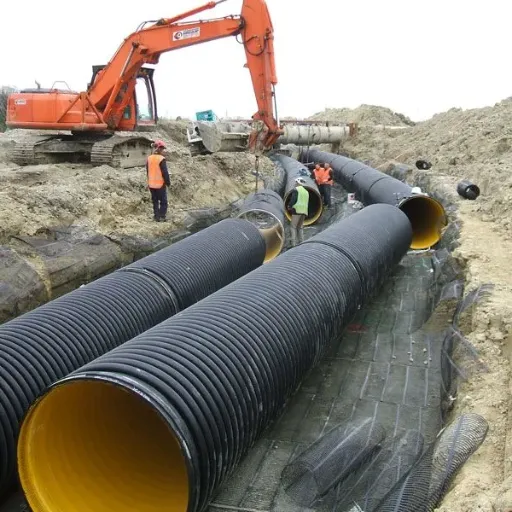 Read More
 -
DN300 to DN5000: Diameter Range and Machine Configuration
August 27, 2026A plant owner in Central Asia once asked for a line "up to DN5000" because a future tender mentioned large storage tanks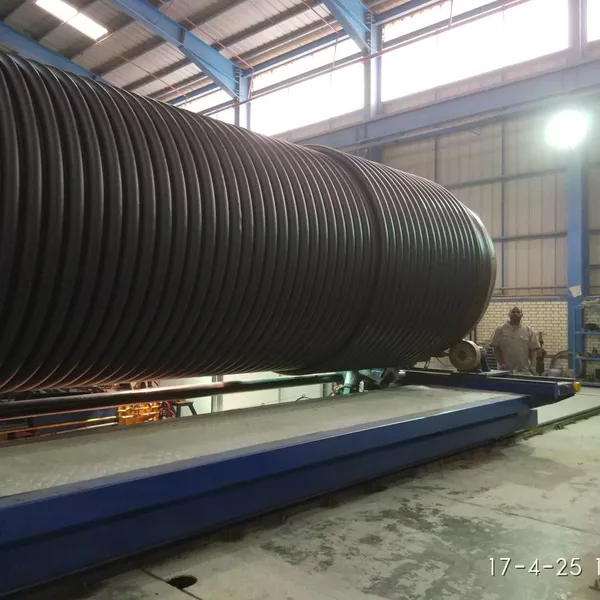 Read More

Contact Us
Recommended Products
-
 CIPP Glass Fibre Liner MachineNegotiableMOQ: 1 Set
 -
HDPE Helically Wound Tank MachineUS$ 10MOQ: 1 Set
-
CIPP Glass Liner MachineNegotiableMOQ: 1 Set
-
CIPP Felt Liner Manufacturing MachineNegotiableMOQ: 1 Set
-
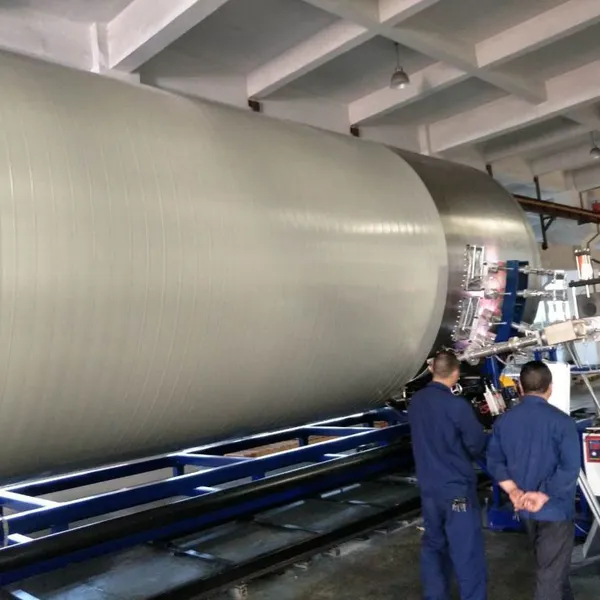
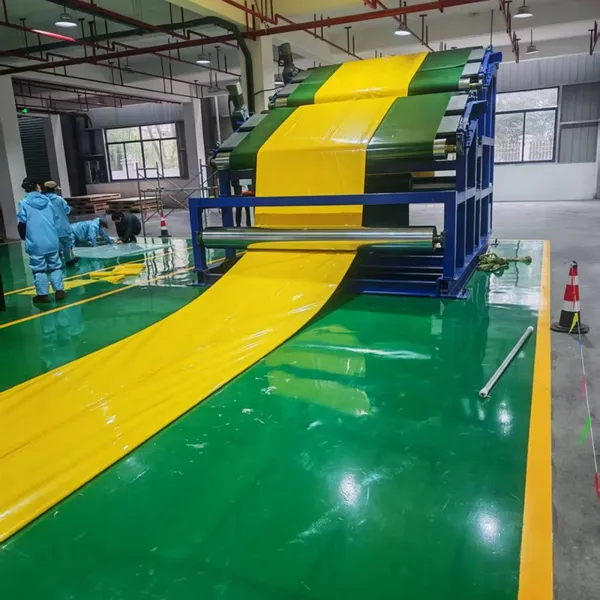
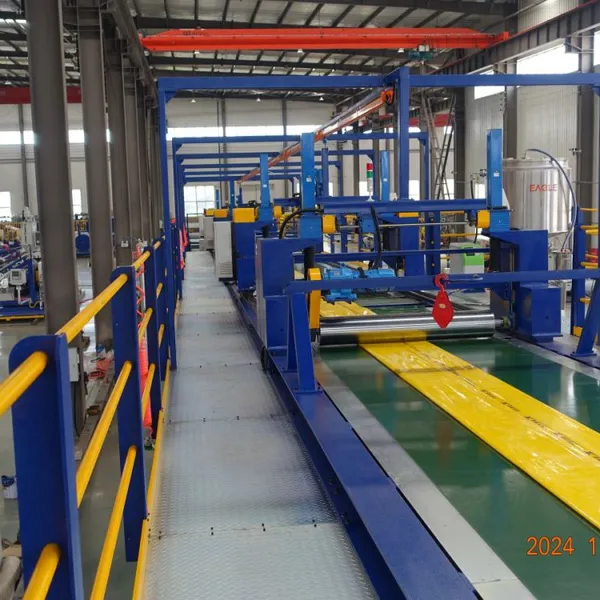
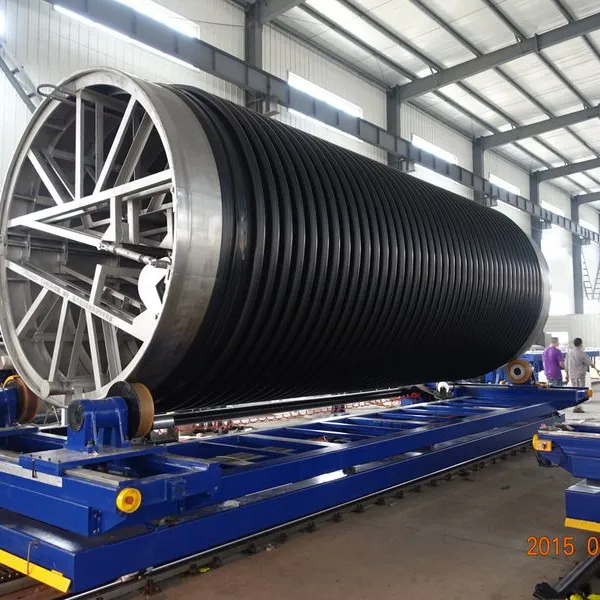
Large Diameter HDPE Sea Intake Outfall Structured Wall Pipe Making MachineNegotiableMOQ: 1 Set
-
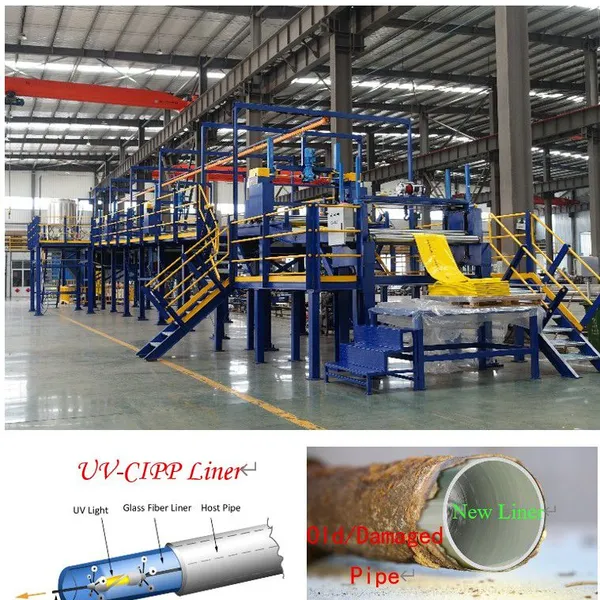
UV-CIPP Glass Fibre Liner Manufacturing MachineUS$ 1000 - 110000MOQ: 10 Meters
-
HDPE Pipe Extrusion Machine / PE Pipe Production Line With High OutputNegotiableMOQ: 1 Set
-
UV-CIPP Glass Fiber Liner Hose Production LineUS$ 1000 - 110000MOQ: 1 Set
-
HDPE Spiral Structure Wall Pipe MachineNegotiableMOQ: 1 Set
-
HDPE Spiral Pipe MachineNegotiableMOQ: 1 Set
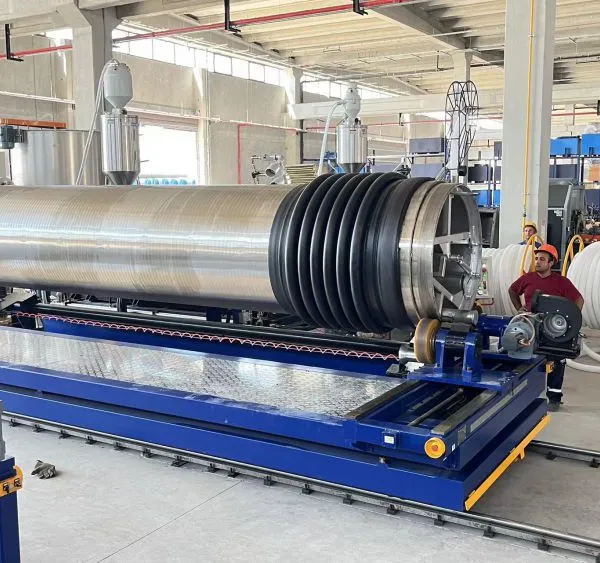
-
HDPE Spiral Tank MachineNegotiableMOQ: 1 Set
-
Krah Pipe MachineNegotiableMOQ: 1 Set
-
Plastic HDPE PVC PPR Pipe Extrusion Making Machine Extrusion LineNegotiableMOQ: 1 Set
-
PVC Pipe Extrusion Production Line for Electrical Conduit and Water Supply PipesNegotiableMOQ: 1 Set
-
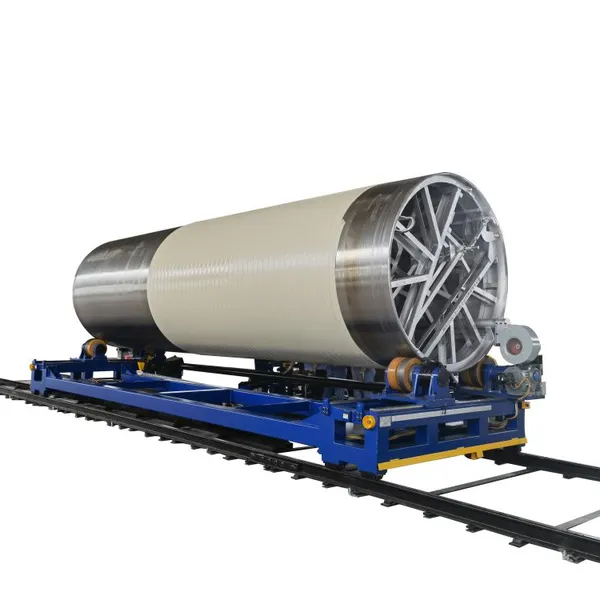
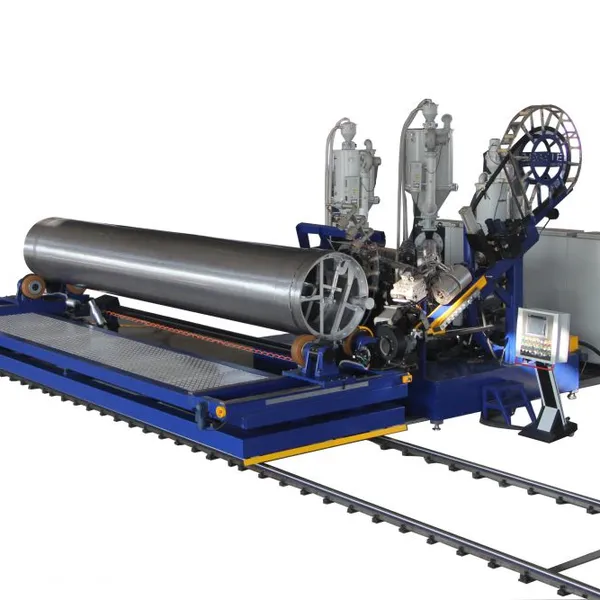
Hot Sell Single Wall Corrugated Pipe Extrusion Line With Competitive PriceNegotiableMOQ: 1 Set
-
HDPE Krah Profild Pipe MachineUS$ 10000MOQ: 1 Set
-
Plastic Tank CNC Holes Boring MachineUS$ 10000MOQ: 1 Set
-
Double Wall Corrugated Pipe Extrusion LineNegotiableMOQ: 1 Set
-
Single Wall Corrugated Pipe Extrusion LineNegotiableMOQ: 1 Set
-
Inversion CIPP Liner Tube Manufacturing MachineNegotiableMOQ: 1 Set