
 Business License
Stormwater Drainage Design: A Municipal Engineer's Guide to Building Resilient Systems
In August 2023, a coastal city in Southeast Asia received 220mm of rainfall in 24 hours. Streets that had drained adequately for decades became rivers. The drainage network, built around small-diameter concrete pipes installed in the 1980s, could not move the volume fast enough. Flood damage exceeded the cost of replacing the entire system.
If you design, specify, or procure municipal drainage infrastructure, you recognize the stakes. Stormwater drainage design is not just about moving water off roads. It determines whether neighborhoods flood, whether roads stay open during storms, and whether your system can handle the rainfall patterns of the next 30 years.
In this guide, you will learn the core principles of stormwater drainage design, from rainfall analysis and runoff calculation to pipe sizing and material selection. You will also see how large-diameter HDPE/PP spiral profile pipe fits into modern stormwater systems and how Yongke Machinery supports pipe producers who need reliable production equipment.
What Is Stormwater Drainage Design?
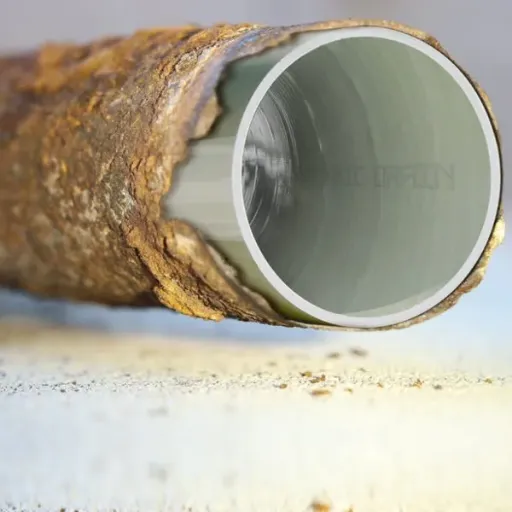
Stormwater drainage design is the engineering discipline of collecting, conveying, and managing rainfall runoff from developed surfaces. The goal is to prevent flooding, protect property, reduce erosion, and maintain water quality before runoff enters natural water bodies or combined sewer systems.
A complete stormwater drainage design considers:
Rainfall intensity, duration, and frequency for the project location
Catchment area, land use, and surface permeability
Runoff coefficients and peak flow estimates
Stormwater pipe sizing, slope, and capacity
Inlets, manholes, energy dissipaters, and outfalls
Detention and retention structures for flood control
Water quality treatment where regulations require it
Each drainage pipe design must account for extreme events. A system sized only for average rainfall will fail during the storm that defines the project's design life.
Engineering Note: Design storms are typically defined by return periods such as 10-year, 25-year, or 100-year events. A 100-year storm has a 1% annual probability of being exceeded in any given year, not a guarantee that it will occur once per century.
Why Stormwater Drainage Design Matters More Than Ever
Urbanization changes how rainfall behaves. Natural ground absorbs water. Roads, parking lots, and rooftops do not. Every hectare of paved surface increases the volume and velocity of runoff entering the drainage system.
The Cost of Undersized Systems
Undersized stormwater drainage design leads to:
Road flooding and traffic disruption
Property damage in low-lying areas
Erosion of channels and downstream land
Overwhelmed combined sewers causing overflows
Regulatory penalties for municipalities
Increased maintenance costs due to sediment and debris buildup
The American Society of Civil Engineers (ASCE) and other infrastructure bodies regularly report that drainage systems in many regions are aging beyond their original capacity assumptions. Climate data also suggests that rainfall intensity is increasing in many areas, making older design standards less reliable.
Designing for the Future
Forward-looking stormwater drainage design accounts for:
Updated rainfall intensity-duration-frequency (IDF) curves
Future land use changes in the catchment
Green infrastructure such as bioswales and permeable pavement
Resilient pipe materials that resist corrosion and abrasion
Maintenance access and sediment management
Cities that invest in robust municipal stormwater drainage avoid the cycle of emergency repairs and flood recovery that drains municipal budgets.
Core Steps in Stormwater Drainage Design
Every stormwater drainage design follows a logical sequence. Skipping steps or using outdated assumptions creates risk downstream.
1. Define the Design Storm
The design storm establishes the rainfall event the system must handle. Engineers select a return period and duration based on local standards, catchment characteristics, and consequences of failure.
Common design standards include:
Minor systems: 5-year or 10-year return period for street drainage
Major systems: 25-year, 50-year, or 100-year return period for flood control
Critical infrastructure: 100-year event or higher for hospitals, airports, and emergency routes
Stormwater pipe sizing must match the selected design storm. A pipe sized for a 10-year event will surcharge during a 100-year storm.
Rainfall data usually comes from national meteorological agencies or regional IDF curves. The selected rainfall intensity is then applied across the catchment to estimate runoff for stormwater pipe sizing and network routing.
2. Calculate Runoff Using the Rational Method
For many municipal projects, the Rational Method provides a practical way to estimate peak runoff:
Q = CiA
Where:
Q = peak discharge (m³/s or ft³/s)
C = runoff coefficient based on surface type
i = rainfall intensity (mm/h or in/h)
A = catchment area (ha or acres)
Runoff coefficients vary by surface. Pavement and roofs produce high runoff. Lawns and open land produce much less. For mixed catchments, engineers calculate a weighted coefficient.
More complex catchments may require hydrologic modeling software such as EPA SWMM, HEC-HMS, or local equivalents. These tools simulate rainfall, infiltration, and routing through the network over time.
3. Size Pipes Using Manning's Equation
Once peak flow is known, engineers begin drainage pipe design calculations using Manning's equation for open-channel flow:
V = (1/n) × R^(2/3) × S^(1/2)
Q = A × V
Where:
V = flow velocity (m/s or ft/s)
n = Manning's roughness coefficient
R = hydraulic radius
S = pipe slope
A = cross-sectional area of flow
Accurate stormwater pipe sizing balances capacity with velocity. Too slow and sediment settles. Too fast and the pipe erodes. For circular pipes flowing full, the equation can be simplified to determine required diameter. Common design targets include:
Minimum velocity of 0.6-0.75 m/s to prevent sediment deposition
Maximum velocity of 3-4.5 m/s to limit abrasion and erosion
Adequate freeboard and surcharge capacity for events beyond design capacity
4. Layout the Network
A stormwater drainage design network includes:
Catch basins and inlets positioned to capture surface runoff
Conveyance pipes linking inlets to manholes and outfalls
Manholes for access, inspection, and maintenance
Outfalls discharging to channels, detention ponds, or receiving waters
Energy dissipaters where high-velocity flow could erode the outlet
The layout should minimize pipe length, maintain favorable slopes, and provide access for cleaning and CCTV inspection.
5. Select Pipe Material
Pipe material affects hydraulic performance, structural life, installation cost, and maintenance requirements. Common options include:
| Material | Strengths | Considerations |
|---|---|---|
| Reinforced concrete | High stiffness, familiar specification | Heavy, susceptible to corrosion, shorter joints |
| HDPE/PP spiral profile pipe | Lightweight, corrosion-resistant, large diameters | Requires proper backfill and compaction |
| Double wall corrugated HDPE | Lightweight, flexible, good hydraulic capacity | Lower stiffness than spiral profile stormwater pipe in large diameters |
| Ductile iron | High strength, pressure capability | Higher cost, corrosion protection needed |
| PVC | Smooth interior, corrosion-resistant | Limited to smaller diameters and storm pipe culvert applications |
For large-diameter municipal stormwater systems, HDPE/PP spiral profile pipe offers a strong combination of structural stiffness, chemical resistance, and hydraulic efficiency. HDPE stormwater pipe is widely used where corrosion, weight, or joint reliability are concerns.
Our article on spiral profile pipe vs double wall corrugated pipe compares these options in detail.
Choosing Pipe Diameter and Material for Stormwater Systems
Pipe sizing in stormwater drainage design balances capacity, velocity, cost, and constructability. Oversized pipes waste money. Undersized pipes cause flooding.
When Large Diameter Pipe Becomes Necessary
Large-diameter stormwater pipes are required when:
Catchment area is large and peak runoff is high
Flat terrain limits available slope
The system must convey major storm flows
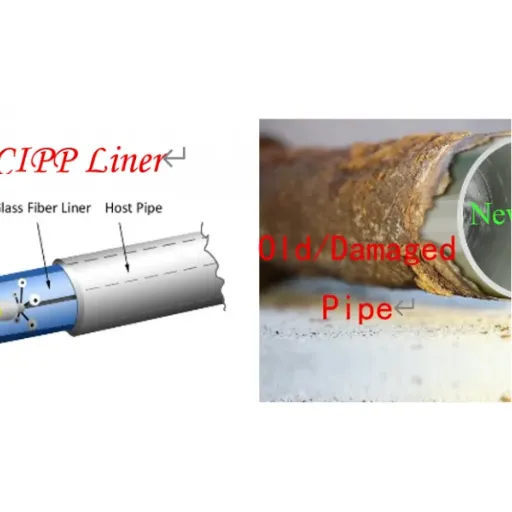
Existing pipes are undersized and need replacement
Long pipe runs accumulate flow from multiple sub-catchments
Projects in this category often require pipes from DN1200mm to DN4000mm or larger. Spiral profile pipe is commonly used in this range because it provides structural wall construction and consistent ring stiffness across large diameters.
HDPE/PP Spiral Profile Pipe in Stormwater Drainage Design
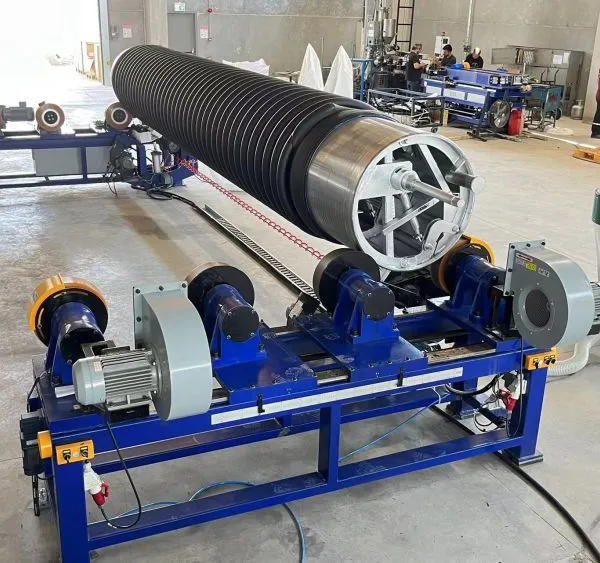
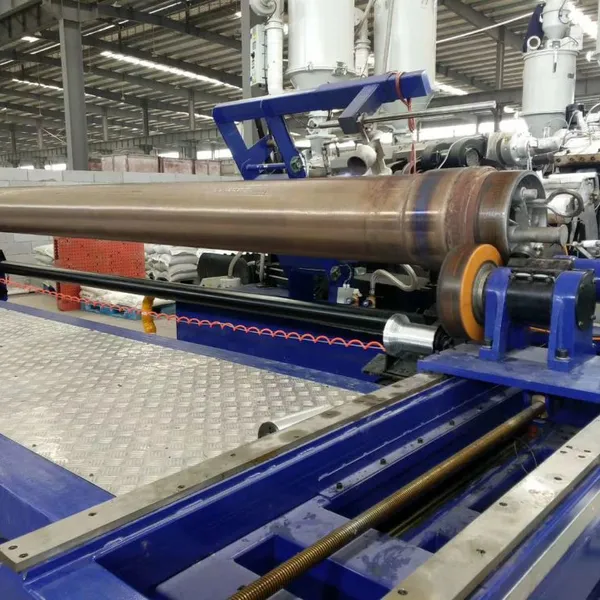
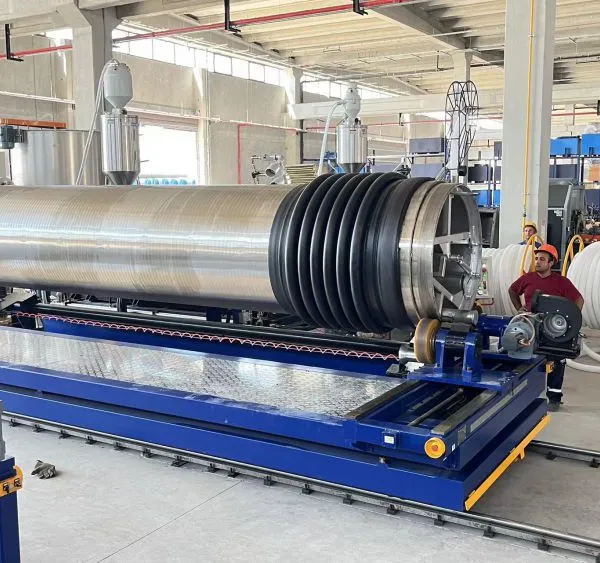
HDPE/PP spiral profile pipe is manufactured by extruding a profile strip and winding it spirally onto a mandrel, welding each overlap to form a structural wall pipe. The result is a lightweight pipe with high stiffness-to-weight ratio and excellent corrosion resistance.
For stormwater drainage design, spiral profile stormwater pipe offers:
Diameter range from DN300mm to DN5000mm
Customizable ring stiffness classes such as SN4, SN8, and SN16
Smooth interior surface for good hydraulic capacity
Resistance to acids, salts, and microbial corrosion common in stormwater
Long service life with minimal maintenance
Ability to produce pipe on-site for large infrastructure projects
Yongke Machinery manufactures HDPE/PP spiral profile pipe machines for producing these pipes in-house. For municipal contractors, this means large-diameter HDPE stormwater pipe can be manufactured at the project site as part of an integrated stormwater drainage design workflow. This reduces transportation costs and delivery risks.
Comparing Spiral Profile and Corrugated Pipe
Both spiral profile pipe and double wall corrugated pipe are used in stormwater drainage design, but they differ in important ways. Choosing between them is part of practical drainage pipe design for municipal systems.
| Factor | Spiral Profile Pipe | Double Wall Corrugated Pipe |
|---|---|---|
| Diameter range | DN300mm to DN5000mm | Typically DN200mm to DN1200mm |
| Structural stiffness | Higher in large diameters | Good for small to medium diameters |
| Manufacturing flexibility | Can produce on-site in long lengths | Factory-made standard lengths |
| Jointing | Heat-fusion or extrusion welding | Gasketed bell-and-spigot joints |
| Applications | Large trunk mains, culverts, outfalls | Laterals, local drainage, small catchments |
For a full technical comparison, read our guide on large-diameter pipe ranges from DN300mm to DN5000mm.
Common Mistakes in Stormwater Drainage Design
Even experienced engineers make errors in stormwater drainage design. Avoiding these mistakes protects both project budgets and public safety.
1. Using Outdated Rainfall Data
IDF curves change over time. A design based on 30-year-old rainfall data may underestimate modern storm intensity. Always use the most recent data available for the project location.
2. Ignoring Land Use Changes
A catchment that is currently rural may become urban within the design life of the system. Future development increases impervious area and peak runoff. Designing only for current conditions creates future flooding risk.
3. Undersizing Inlets and Catch Basins
Even a correctly sized pipe cannot drain a street if inlets are too small or poorly located. Inlet capacity, grate type, and debris blockage must be considered alongside pipe sizing.
4. Neglecting Maintenance Access
Stormwater systems collect sediment, leaves, and trash. Manholes and cleanouts must be located so maintenance crews can inspect and clean the line. Poor access increases long-term operating costs and failure risk.
5. Selecting Pipe Material Based Only on Initial Cost
The lowest initial pipe price does not always deliver the lowest lifecycle cost. Corrosion, abrasion, joint failure, and replacement costs should be part of the material selection decision. HDPE/PP spiral profile pipe often reduces lifecycle costs in aggressive soil or water conditions. See our HDPE/PP spiral profile pipe machine for production options.
6. Failing to Coordinate with Other Utilities
Stormwater pipes often share corridors with water mains, sewers, gas lines, and electrical ducts. Horizontal and vertical separation requirements must be checked early in the design to avoid conflicts during construction.
Project Example: A municipality in Eastern Europe replaced a failing DN1500mm concrete storm trunk with DN1800mm HDPE spiral profile pipe. The original pipe had suffered joint displacement and internal corrosion. The new pipe's smooth interior improved hydraulic capacity, and the ability to produce long lengths on-site reduced jointing points and installation time.
How to Integrate Stormwater Drainage Design with Sustainable Practices
Modern stormwater management systems go beyond conveyance. They increasingly include source control and water quality treatment as part of integrated stormwater drainage design. Municipal stormwater drainage projects now regularly combine gray infrastructure with green infrastructure to meet regulatory and resilience goals.
This section applies to engineers developing stormwater drainage design plans that balance hydraulic performance with environmental protection.
Green Infrastructure
Green infrastructure reduces runoff volume before it enters the pipe network:
Permeable pavement allows infiltration in parking areas
Bioswales slow and filter runoff along roadways
Green roofs reduce peak discharge from buildings
Rain gardens capture and treat runoff at the source
These measures can reduce the required stormwater pipe sizing and delay downstream flooding.
Detention and Retention
Detention basins temporarily store runoff and release it slowly to prevent downstream surges. Retention basins hold water longer, allowing sedimentation and sometimes infiltration. Both are common in stormwater drainage design for commercial and residential developments.
Water Quality Treatment
Stormwater carries oils, sediments, heavy metals, and nutrients. Treatment practices include:
Oil-grit separators for parking lot runoff
Sedimentation basins for particle removal
Media filters for dissolved pollutants
Vegetated swales for biofiltration
Regulatory requirements vary by jurisdiction, but water quality is increasingly part of stormwater design standards.
From Design to Production: Manufacturing Stormwater Pipe
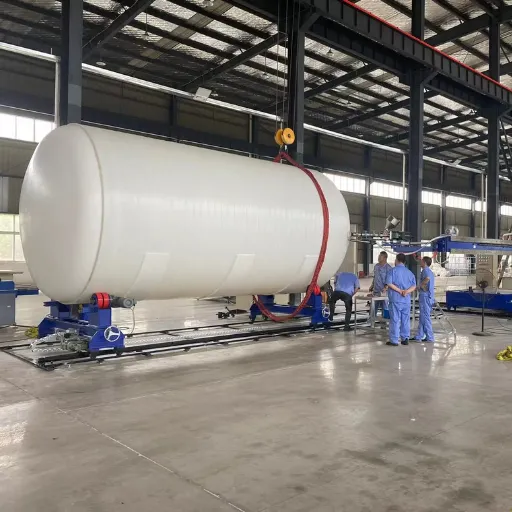
Once the stormwater drainage design is finalized, the specified pipe must be manufactured, delivered, and installed. For large-diameter projects, on-site pipe production can be a strategic advantage.
On-Site Production Benefits
Producing HDPE/PP spiral profile pipe at or near the project site offers several advantages for a stormwater drainage design project:
Reduced transportation costs for large-diameter pipe
Ability to produce continuous lengths matching trench layout
Faster response to design changes
Lower inventory and storage requirements
Local quality control and testing
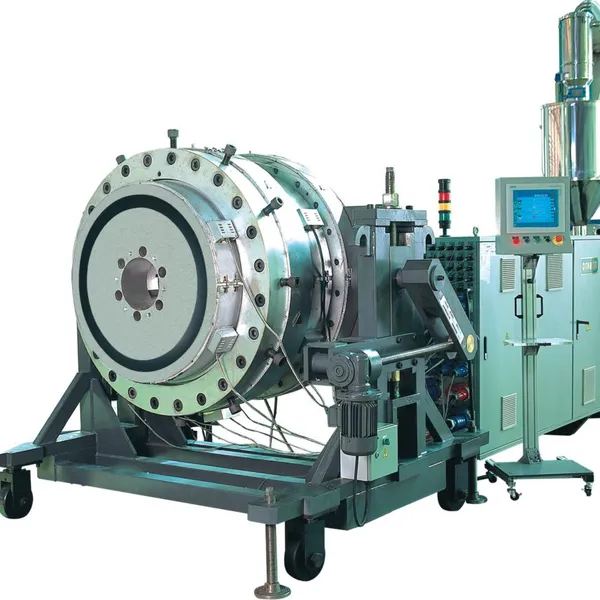
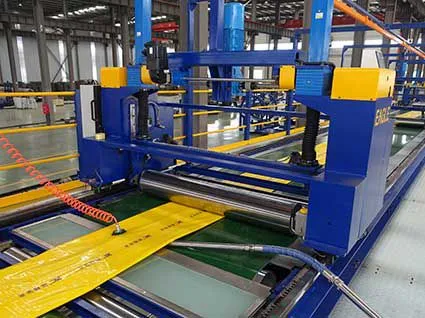
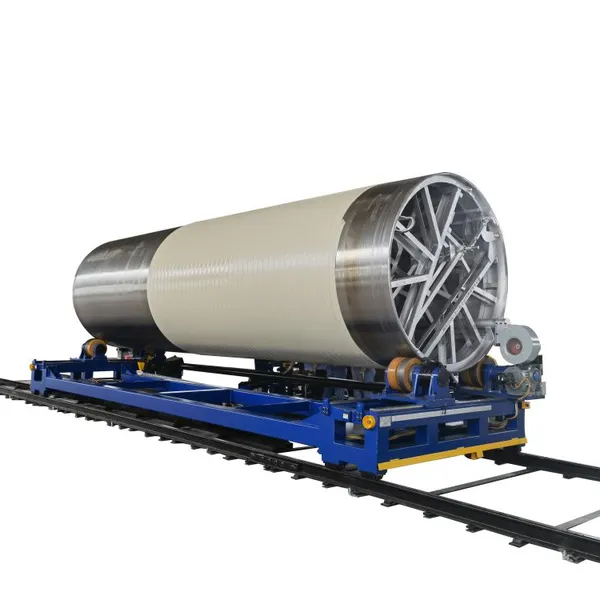
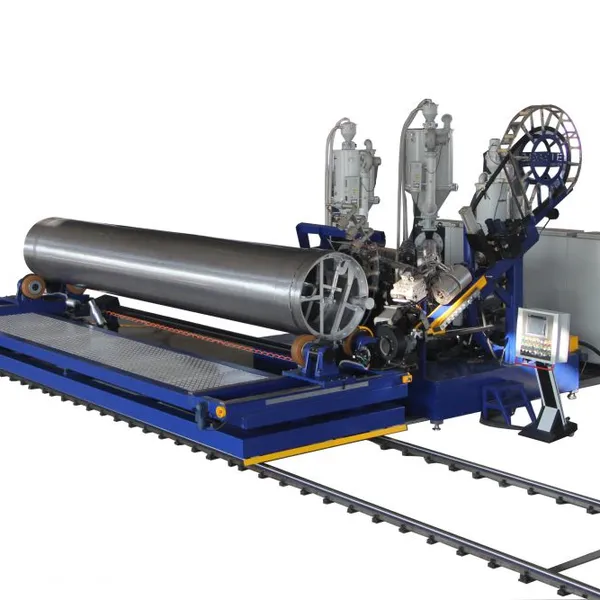
A HDPE/PP spiral profile pipe machine provides the extrusion, winding, welding, and cutting functions needed for this production approach. Yongke Machinery configures these lines for the target diameter range. The standard range is DN300mm to DN5000mm.
Quality Control in Pipe Production
Stormwater pipe must meet structural and dimensional standards. Quality control during production includes:
Diameter and wall thickness measurement
Ring stiffness testing per EN 13476 or ISO 9969
Weld strength testing for profile joints
Visual inspection for defects and contamination
Marking and traceability records
For guidance on selecting a machinery supplier for your stormwater drainage design project, see our article on choosing a pipe machinery manufacturer.
Practical Workflow for Stormwater Drainage Design
Here is how experienced municipal engineers approach stormwater drainage design from concept to construction.
Collect data. Gather topographic maps, land use plans, soil data, existing utility records, and rainfall information.
Define design criteria. Establish return periods, allowable flooding limits, velocity ranges, and regulatory requirements.
Delineate catchments. Divide the project area into sub-catchments with similar land use and runoff characteristics.
Calculate runoff. Apply the Rational Method or hydrologic modeling to estimate peak flows.
Size and route pipes. Use Manning's equation and hydraulic modeling to determine diameters, slopes, and pipe routes.
Design inlets and structures. Position catch basins, manholes, outfalls, and energy dissipaters.
Select materials. Compare pipe materials based on structural needs, corrosion resistance, hydraulic performance, and lifecycle cost.
Prepare drawings and specifications. Document the design for construction bidding and permitting.
Coordinate with stakeholders. Review utility conflicts, environmental permits, and construction phasing.
Support construction and commissioning. Inspect installation, test the system, and verify performance against design assumptions.
Planning a large-diameter stormwater project? Request a technical quotation for an HDPE/PP spiral profile pipe production line configured to your target pipe diameters.
Conclusion
Stormwater drainage design is a foundational discipline for resilient cities. From rainfall analysis and runoff calculation to pipe sizing and material selection, every decision affects how the system performs during extreme weather.
Key takeaways:
Stormwater drainage design must account for current and future rainfall, land use, and runoff behavior.
The Rational Method and Manning's equation provide practical tools for many municipal projects.
Pipe material selection affects hydraulic capacity, structural life, and lifecycle cost.
HDPE/PP spiral profile pipe is well suited to large-diameter stormwater applications from DN300mm to DN5000mm.
Sustainable practices such as green infrastructure and detention can reduce downstream stormwater pipe sizing and flood risk.
On-site pipe production can improve logistics and cost control for major drainage projects.
If you are planning a stormwater drainage project or considering in-house production of large-diameter pipe, request a technical quotation. Our engineering team can recommend the right HDPE/PP spiral profile pipe machine for your project.
Recently Posted
-
Qingdao Yongke Machinery: Full-Category Spiral Pipe Equipment from China's Qingdao
September 1, 2026Choosing a machinery supplier for large-diameter plastic pipe production is a long-term decision, because the line you install wil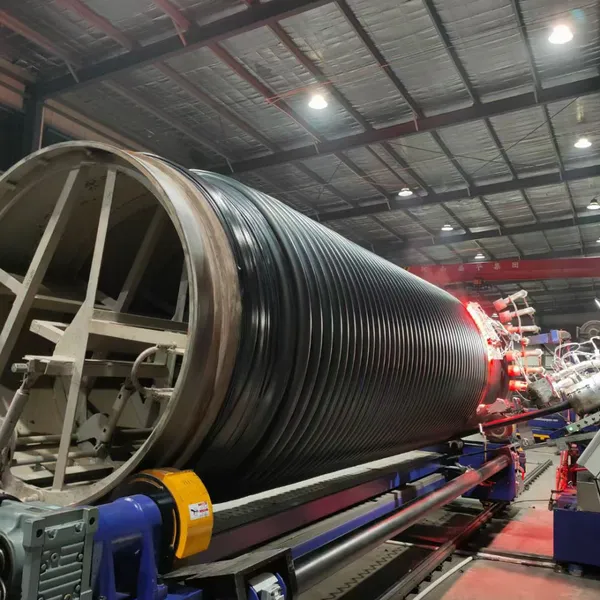 Read More
 -
Quality Control in Spiral Pipe Machine Manufacturing
August 31, 2026A buyer in South America some time ago received a winding line that looked complete on the surface but suffered repeated seam defe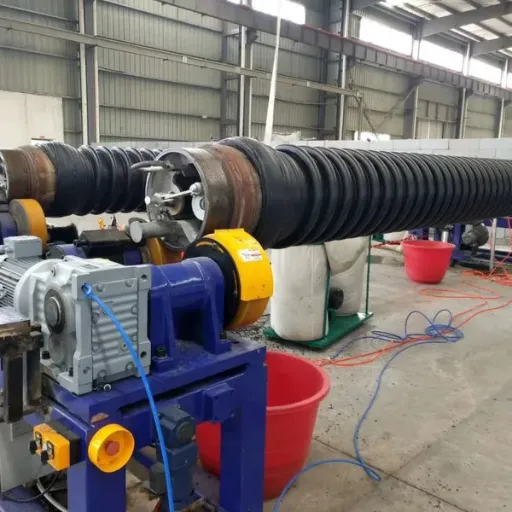 Read More
 -
Spiral Pipe for Sewage and Drainage Networks: Production Notes
August 28, 2026A municipal contractor in Eastern Europe some time ago took delivery of spiral-wound sewer pipe that looked flawless on the line.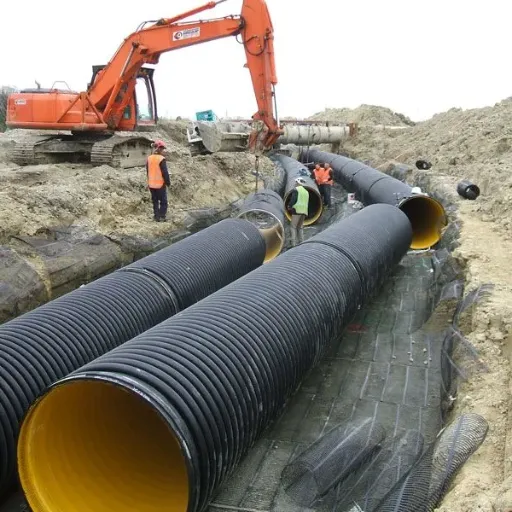 Read More
 -
DN300 to DN5000: Diameter Range and Machine Configuration
August 27, 2026A plant owner in Central Asia once asked for a line "up to DN5000" because a future tender mentioned large storage tanks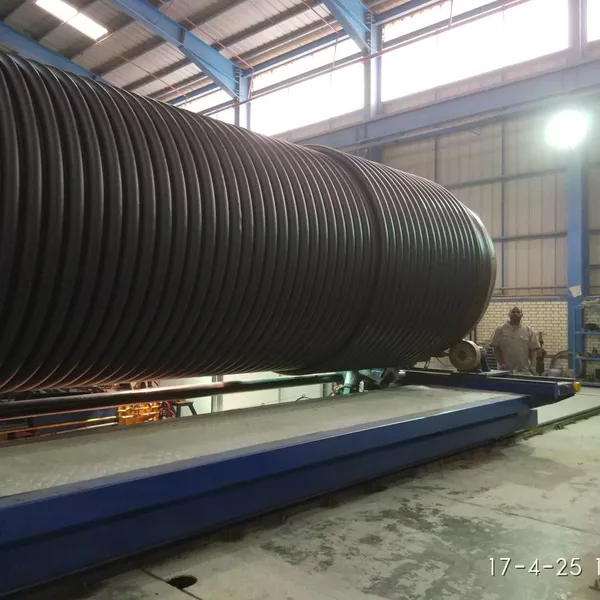 Read More

Contact Us
Recommended Products
-
 CIPP Glass Fibre Liner MachineNegotiableMOQ: 1 Set
 -
HDPE Helically Wound Tank MachineUS$ 10MOQ: 1 Set
-
CIPP Glass Liner MachineNegotiableMOQ: 1 Set
-
CIPP Felt Liner Manufacturing MachineNegotiableMOQ: 1 Set
-
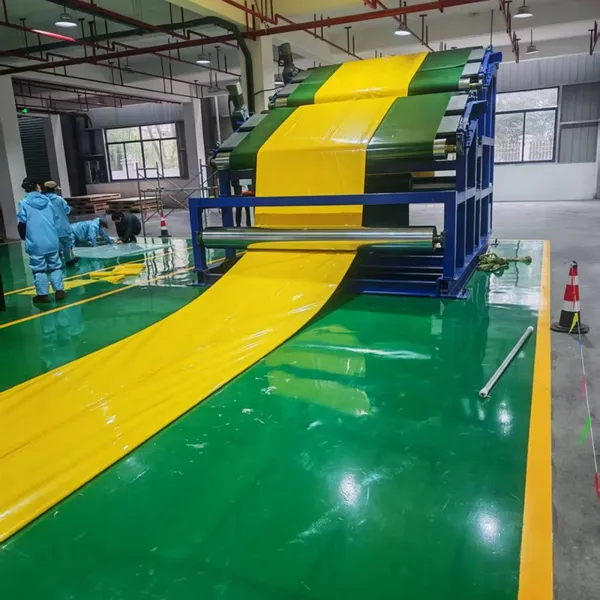
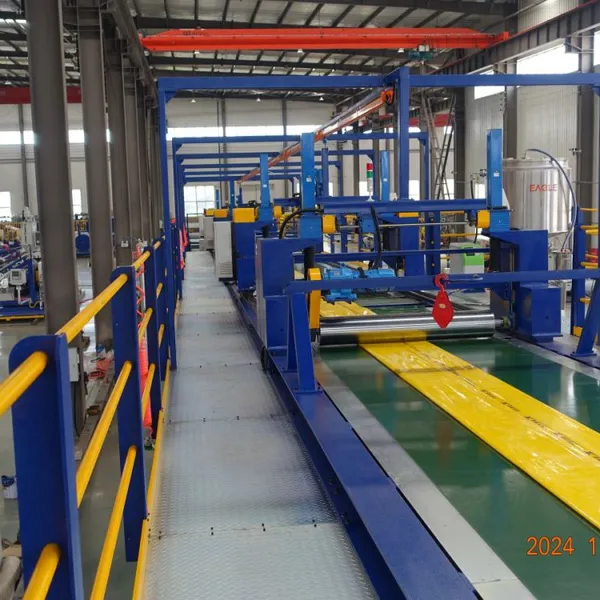
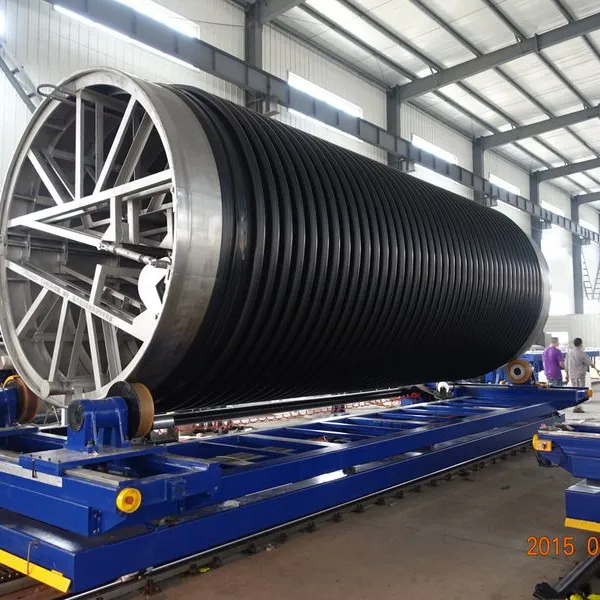
Large Diameter HDPE Sea Intake Outfall Structured Wall Pipe Making MachineNegotiableMOQ: 1 Set
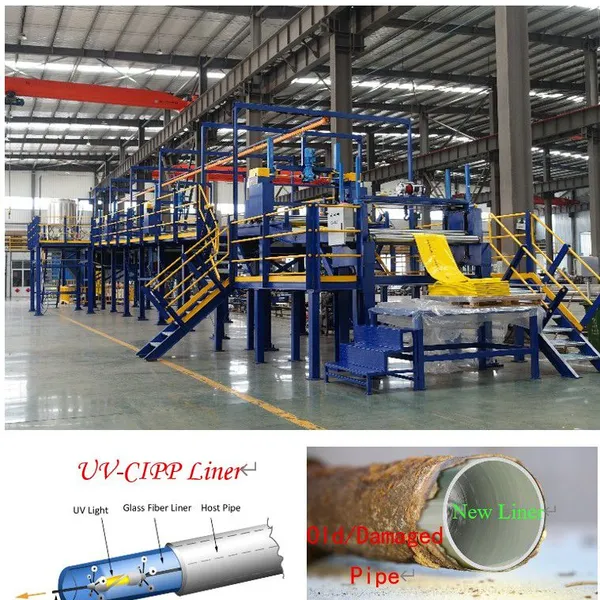
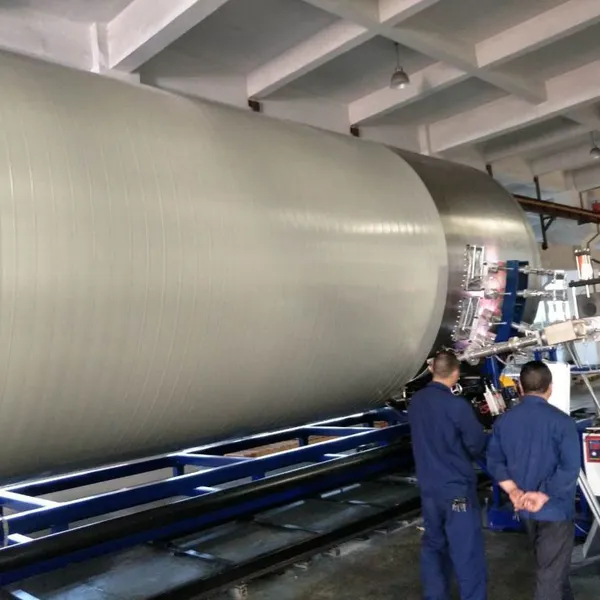
-
UV-CIPP Glass Fibre Liner Manufacturing MachineUS$ 1000 - 110000MOQ: 10 Meters
-
HDPE Pipe Extrusion Machine / PE Pipe Production Line With High OutputNegotiableMOQ: 1 Set
-
UV-CIPP Glass Fiber Liner Hose Production LineUS$ 1000 - 110000MOQ: 1 Set
-
HDPE Spiral Structure Wall Pipe MachineNegotiableMOQ: 1 Set
-
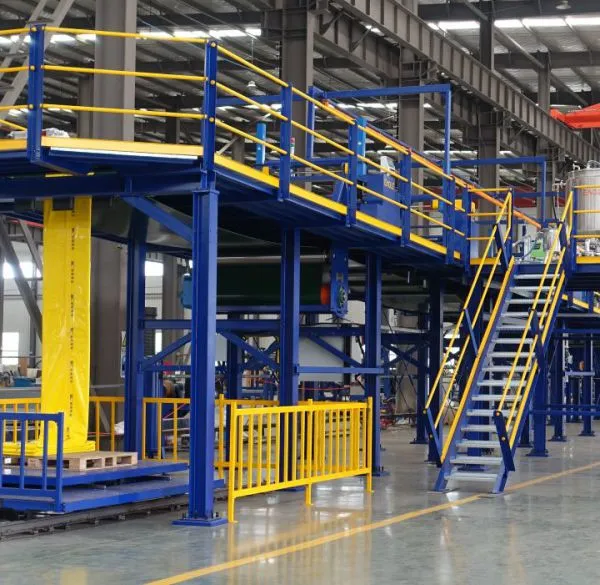
HDPE Spiral Pipe MachineNegotiableMOQ: 1 Set
-
HDPE Spiral Tank MachineNegotiableMOQ: 1 Set
-
Krah Pipe MachineNegotiableMOQ: 1 Set
-
Plastic HDPE PVC PPR Pipe Extrusion Making Machine Extrusion LineNegotiableMOQ: 1 Set
-
PVC Pipe Extrusion Production Line for Electrical Conduit and Water Supply PipesNegotiableMOQ: 1 Set
-
Hot Sell Single Wall Corrugated Pipe Extrusion Line With Competitive PriceNegotiableMOQ: 1 Set
-
HDPE Krah Profild Pipe MachineUS$ 10000MOQ: 1 Set
-
Plastic Tank CNC Holes Boring MachineUS$ 10000MOQ: 1 Set
-
Double Wall Corrugated Pipe Extrusion LineNegotiableMOQ: 1 Set
-
Single Wall Corrugated Pipe Extrusion LineNegotiableMOQ: 1 Set
-
Inversion CIPP Liner Tube Manufacturing MachineNegotiableMOQ: 1 Set