
 Business License
Detention Pond Design: A Practical Guide for Stormwater Infrastructure
In August 2023, a developer in Florida submitted plans for a 12-acre commercial site. The detention pond was designed to a 10-year storm event. Six months after construction, a 100-year rainfall overwhelmed the outlet structure. Water backed up into the parking lot and damaged tenant spaces. The incident triggered a lawsuit and delayed the project's final certificate of occupancy by eight months. The root cause was not the pond volume. It was a detention pond design that underestimated peak outflow and used an undersized corrugated metal pipe at the control structure.
You already know that detention ponds are not just holes in the ground. They are engineered stormwater controls that must balance storage volume, inflow rate, outflow restriction, and downstream capacity. What you need is a clear, practical guide to the design decisions that determine whether a detention pond performs when it matters most.
In this guide, you will learn the core principles of detention pond design. You will also learn how to size storage and outlet structures, how pipe material and diameter affect performance, and how to avoid common mistakes that lead to flooding, erosion, and regulatory rejection. You will also see how large-diameter HDPE/PP spiral profile pipes can solve outlet and conveyance challenges that traditional materials struggle with.
What Is Detention Pond Design?
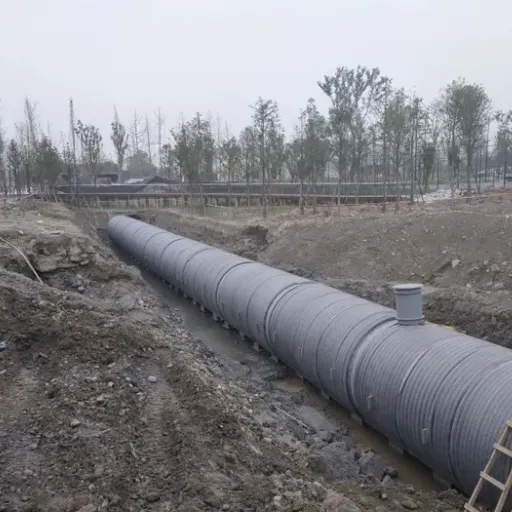
Detention pond design is the engineering process of creating a stormwater basin that temporarily stores runoff from a developed area and releases it at a controlled rate. The goal is to reduce the peak discharge leaving a site. This protects downstream channels, culverts, and streams from being overwhelmed.
How Do You Size a Detention Pond?
A detention pond is sized by matching the required storage volume to the difference between peak inflow and allowable outflow for the design storm event. Engineers use hydrologic models, stage-storage curves, and outlet hydraulics to balance pond volume, release rate, and drawdown time.
A complete detention pond design includes several components. These include watershed analysis, storage volume, outlet structure, emergency spillway, and conveyance piping.
A watershed analysis determines runoff volume and peak flow.
Storage volume sizing is based on required storm events.
The outlet structure limits release rates.
The emergency spillway handles extreme events.
Conveyance piping moves water to and from the pond.
Erosion control and maintenance access complete the system.
Detention ponds differ from retention ponds. A detention pond typically drains completely between storms. A retention pond maintains a permanent pool of water. This distinction affects outlet design, vegetation, and maintenance.
| Feature | Detention Pond | Retention Pond |
|---|---|---|
| Permanent pool | No | Yes |
| Primary purpose | Peak flow reduction | Water quality and storage |
| Drawdown time | Hours to days | Permanent or slow release |
| Vegetation | Wetland-tolerant grasses | Aquatic plants and wetlands |
| Maintenance focus | Debris removal and sediment | Water level and aquatic health |
Why Detention Pond Design Matters for Infrastructure Projects
Poor detention pond design creates liability. If a pond discharges too quickly, it can worsen downstream flooding. If it drains too slowly, it becomes a breeding ground for mosquitoes and a maintenance burden. If the outlet structure fails, the pond can overtop and damage surrounding property.
Regulatory agencies usually require proof that a detention pond meets specific release rates for designated storm events. In the United States, common design storms include the 2-year, 10-year, 25-year, 50-year, and 100-year events. Local ordinances specify which storms must be controlled and what downstream peak flow must not be exceeded.
A well-designed detention pond protects roads, buildings, and natural channels. It also reduces erosion and improves water quality by allowing sediment to settle before water is released.
For municipal contractors and developers, detention ponds are often the largest visible component of a stormwater management system. Getting the design right protects both the project budget and the surrounding community.
If your projects involve large-diameter stormwater conveyance, choosing the right pipe material is part of the design equation. Learn more about Yongke's HDPE/PP spiral profile pipe machines for DN300mm to DN5000mm pipe production.
Key Steps in the Detention Pond Design Process
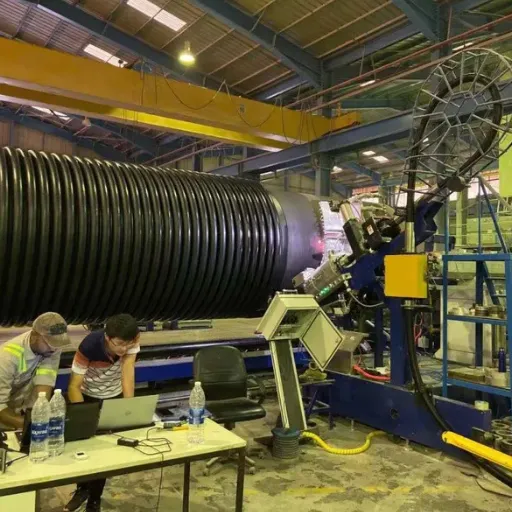
The detention pond design process follows a logical sequence from data collection to final drawings. Skipping any step increases the risk of failure.
Define the Design Storm and Regulatory Requirements
Start with the local stormwater ordinance. It will specify the design storm events, allowable release rates, and any water quality requirements. Some jurisdictions require detention for the 2-year and 10-year storms. Others require control up to the 100-year event.
The allowable release rate is often based on pre-development conditions. The pond must detain post-development runoff. Peak discharge should not exceed what the site produced before construction.
Calculate Runoff Volume and Peak Flow
Use a hydrologic model to calculate runoff from the contributing watershed. The most common method in the United States is the NRCS Curve Number method, which estimates runoff based on land cover, soil type, and rainfall. Software such as TR-55, HydroCAD, or EPA SWMM automates these calculations.
The model outputs include total runoff volume, peak inflow rate, and required outflow rate. The required outflow rate is used to match pre-development conditions.
| Model Output | Use in Design |
|---|---|
| Total runoff volume | Size storage volume |
| Peak inflow rate | Size inlet structure |
| Required outflow rate | Size outlet restriction |
Size the Storage Volume
The storage volume must be large enough to detain the difference between inflow and outflow over the duration of the storm. This is usually determined with a stage-storage curve that relates pond water depth to storage volume.
Engineers iterate between storage volume and outlet capacity. A larger pond provides more storage and allows a simpler outlet. A smaller pond requires a more restrictive outlet, which may be prone to clogging.
Design the Detention Pond Outlet Structure
The detention pond outlet structure controls how quickly water leaves the pond. Common outlet types include single orifices, multi-stage orifices, riser pipes, perforated risers, broad-crested weirs, and emergency spillways.
Each outlet component must be sized using hydraulic equations. The orifice discharge equation and weir equation are the most common tools. The outlet must also include debris protection, such as trash racks or anti-vortex devices.
Select Conveyance Piping
Inflow and outflow pipes move water between the site drainage system and the pond. Pipe diameter, slope, and material determine capacity and durability. For large detention ponds and municipal systems, HDPE and PP spiral profile pipes are increasingly used because of their corrosion resistance, large diameter availability, and structural stiffness.
A stormwater engineer in Malaysia, Ahmad bin Ismail, switched the outlet pipe on a DN1800mm detention pond from corrugated metal to HDPE spiral profile pipe. He had seen corrosion on a similar installation and wanted a longer-lasting solution. The HDPE pipe provided a design life of 50 years or more. It eliminated the need for protective coatings and reduced the outlet structure footprint because the pipe's stiffness allowed a shallower burial depth.
Include an Emergency Spillway
Every detention pond needs a safe path for water to bypass the outlet during extreme events. The emergency spillway must be sized to pass the 100-year storm or the probable maximum flood, depending on local requirements. It should discharge to a stable, non-erosive area.
Detention Pond Design: Common Mistakes and How to Avoid Them
Even experienced engineers make mistakes that cause detention ponds to underperform. The most common errors are avoidable with careful design and review.
Undersizing the Outlet
An outlet that is too small may satisfy the peak release rate for the design storm but fail to drain the pond between events. Standing water can kill vegetation, create odor problems, and violate maintenance requirements. Always check drawdown time in addition to peak release rate.
Ignoring Debris and Maintenance
Outlets can clog with leaves, trash, and sediment. A detention pond design that does not include trash racks, cleanout access, or maintenance ramps will become a long-term problem. Design for the real condition of the watershed, not the ideal one.
Using the Wrong Pipe Material
Corrugated metal pipes can corrode in acidic or high-salt environments. Reinforced concrete pipes can deteriorate from hydrogen sulfide in sanitary sewer overflows or from aggressive soils. HDPE and PP pipes resist chemical attack, abrasion, and corrosion, making them suitable for long-term stormwater applications.
For detention ponds that require large-diameter conveyance, HDPE/PP spiral profile pipe machines can produce pipe on-site or at a nearby facility, reducing transportation costs and delivery delays.
Forgetting About Safety
Steep side slopes, deep water, and unprotected outlets create safety hazards. Many jurisdictions require side slopes no steeper than 3:1, fencing around ponds deeper than a specified depth, and signage warning of deep water.
Neglecting Post-Construction Inspection
A detention pond is not finished when construction ends. Regular inspection ensures that the outlet is clear, the embankment is stable, and vegetation is established. Many failures occur because minor maintenance issues were ignored until they became major repairs.
How Pipe Selection Affects Detention Pond Performance
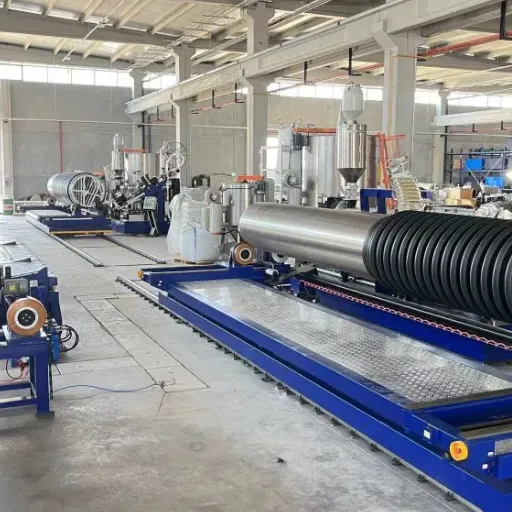
The pipes used in a detention pond are not passive components. They influence capacity, durability, maintenance, and cost.
Diameter and Hydraulic Capacity
Pipe diameter is determined by the peak flow rate and allowable velocity. A pipe that is too small creates backwater and reduces the effective storage of the pond. A pipe that is too large may discharge water faster than the downstream system can accept.
Velocity also matters. If water moves too quickly through the outlet pipe, it can erode the downstream channel. If it moves too slowly, sediment may settle and reduce capacity over time.
Material Durability
Stormwater can carry abrasive sediment, deicing salts, hydrocarbons, and organic acids. Pipe material must withstand this environment for the design life of the pond.
| Pipe Material | Corrosion Resistance | Typical Design Life | Common Applications |
|---|---|---|---|
| HDPE / PP | Excellent | 50-100 years | Outlets, conveyance, underground storage |
| Reinforced concrete | Good to moderate | 50-75 years | Large culverts, headwalls |
| Corrugated metal | Moderate | 25-50 years | Temporary or low-corrosion sites |
| PVC | Good | 50+ years | Small-diameter drainage |
Structural Requirements
Buried pipes must support soil loads, traffic loads, and hydrostatic loads. Spiral profile pipes with high ring stiffness, such as SN8 or SN16, can be buried under roads and parking lots without excessive deformation. The structural wall design also allows large diameters that are difficult to produce with solid-wall pipe.
Joint Integrity
Leaking joints can undermine the outlet structure and cause erosion around the pipe. HDPE and PP pipes can be welded to create monolithic, leak-free joints. This is especially important where the outlet pipe passes through the embankment.
If you need to compare material options for stormwater applications, see our article on HDPE vs PP spiral profile pipe selection.
Detention Pond Design Standards and Software Tools
Several standards and software tools support detention pond design. Engineers should select tools accepted by the reviewing agency.
NRCS Methods
The Natural Resources Conservation Service publishes the National Engineering Handbook, which includes methods for hydrology, hydraulics, and pond design. Many local ordinances explicitly reference NRCS methods.
ASCE and State Standards
The American Society of Civil Engineers publishes guidelines for stormwater management, sediment control, and floodplain management. State and local agencies often adopt ASCE guidance with modifications.
For broader federal guidance, the EPA Stormwater Menu of Best Management Practices provides information on detention ponds and other stormwater controls.
Hydrologic and Hydraulic Software
Common software includes:
HEC-HMS for rainfall-runoff modeling
HEC-RAS for channel and culvert analysis
HydroCAD for detention pond routing
EPA SWMM for dynamic stormwater simulation
TR-20 and TR-55 for simplified NRCS calculations
The choice depends on project complexity and agency requirements. For simple sites, spreadsheet calculations may suffice. For complex watersheds, dynamic modeling is necessary.
Detention Pond Design for Different Site Conditions
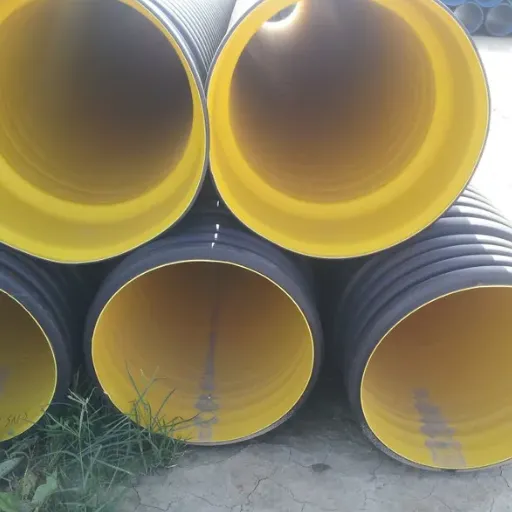
Not every site is ideal for a detention pond. Design must adapt to soil, topography, and land use constraints.
| Site Condition | Design Consideration |
|---|---|
| High water table | Use liners, underdrains, or accept a permanent pool |
| Clay soils | Natural sealing but slow drawdown; consider underdrains |
| Sandy soils | Fast drainage; may need geomembrane or clay liner |
| Urban sites | Use underground storage galleries or vaults |
| Steep terrain | Check embankment stability and spillway routing |
High-Water-Table Sites
In areas with a high water table, excavation may be difficult and the pond may not drain completely. Designers may need to line the pond, use underdrains, or accept a wet detention pond that maintains a permanent pool.
Clay Soils
Clay soils provide natural sealing, which reduces seepage losses. However, they also have low permeability, which can slow drawdown. Clay ponds may need underdrains or engineered outlets to meet drawdown requirements.
Sandy Soils
Sandy soils drain quickly but may require liners to prevent excessive seepage. A detention pond in sandy soil may need a geomembrane or compacted clay liner to maintain the required water level.
Urban Sites
Space is limited in urban areas. Underground detention systems, such as concrete vaults or pipe-based storage, can provide detention in a smaller footprint. Large-diameter HDPE/PP pipes can be arranged in parallel to create underground storage galleries.
A contractor in São Paulo, Brazil, Ana Ferreira, used large-diameter HDPE spiral profile pipes to build an underground detention gallery beneath a commercial parking lot. The pipe storage system met the required detention volume while preserving surface parking spaces. The modular design also allowed future expansion if the watershed developed further.
For detention ponds in tight urban spaces, underground pipe galleries can be an effective alternative to open basins.
Maintenance Considerations in Detention Pond Design
A detention pond that is hard to maintain will eventually fail. Design for maintenance from the beginning.
Access
Provide vehicle access to the inlet, outlet, embankment, and emergency spillway. Maintenance vehicles need stable slopes and turning areas. Ramps should be gentle enough for mowing and inspection equipment.
Vegetation
Establish vegetation on the embankment and basin to prevent erosion. Native grasses are often preferred because they require less irrigation and resist pests. Avoid trees on embankments because roots can weaken the structure.
Sediment Removal
Sediment accumulates in the pond over time and reduces storage capacity. Design the pond with a forebay or sediment trap near the inlet to capture sediment before it reaches the main storage area. Plan for periodic dredging or excavation.
Outlet Inspection
Inspect outlets after every major storm and at least annually. Remove debris, check for erosion, and verify that orifices are clear. Document inspections to demonstrate compliance with maintenance requirements.
How Yongke Machinery Supports Stormwater Infrastructure
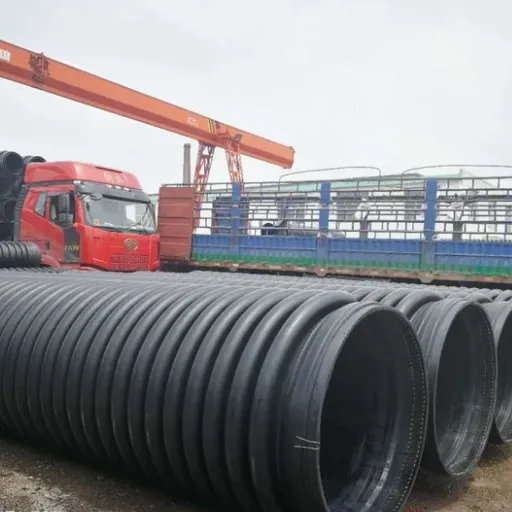
Detention pond design depends on reliable materials and controlled construction timelines. Yongke Machinery supports stormwater infrastructure projects by manufacturing equipment that produces large-diameter HDPE/PP spiral profile pipes.
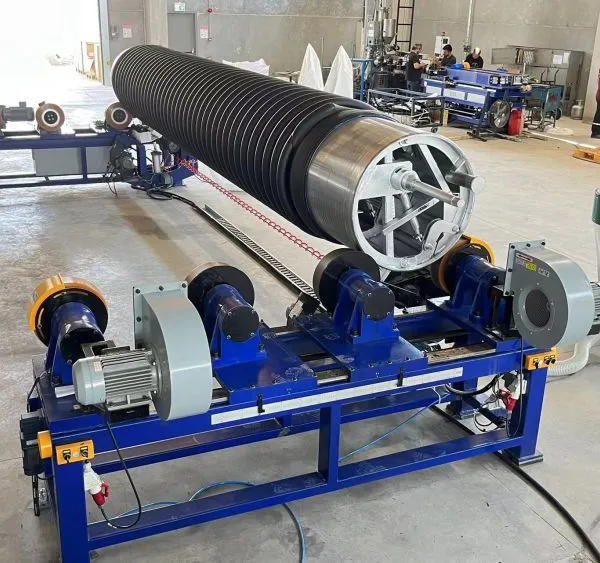
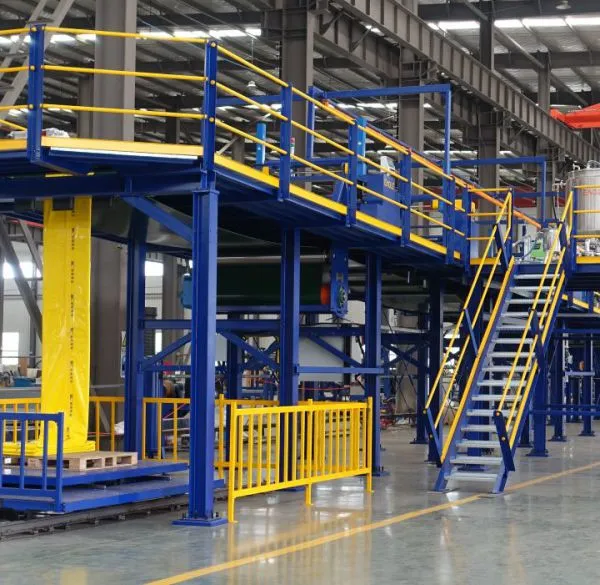
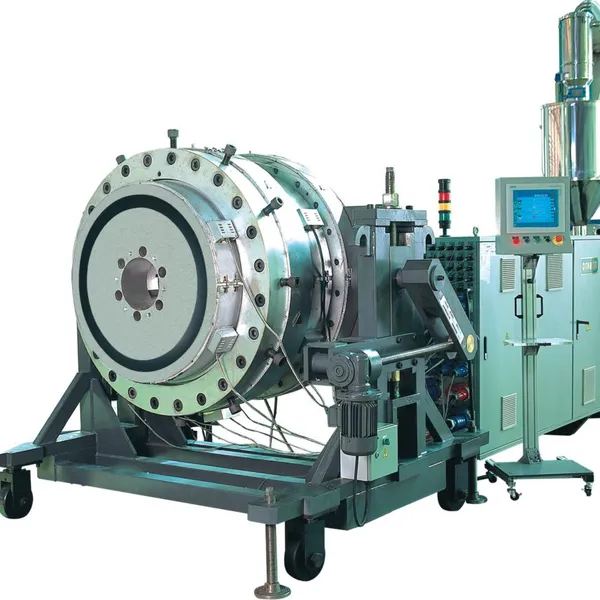
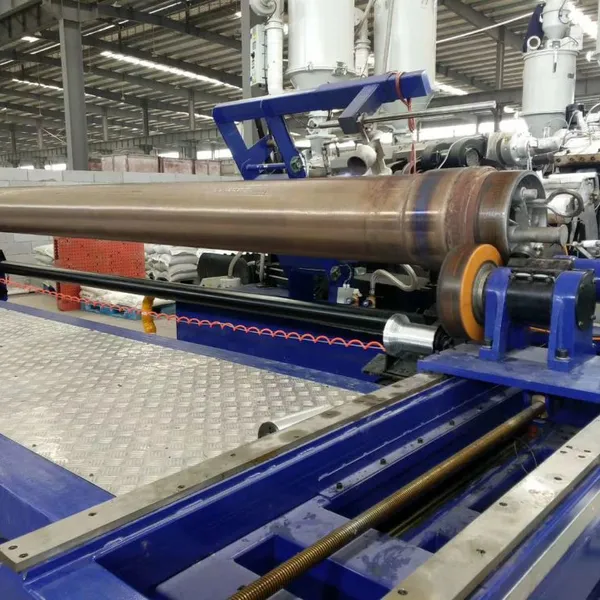
Our HDPE/PP spiral profile pipe machines produce pipes from DN300mm to DN5000mm with consistent wall structure and ring stiffness. These pipes are used for detention pond outlets, inlet structures, conveyance lines, and underground storage galleries.
Producing pipe on-site or regionally reduces transportation costs and ensures that pipe diameters match the design exactly. Contractors who control pipe production can respond faster to design changes and avoid delays caused by supplier lead times.
Yongke also provides turnkey project delivery, including installation supervision, commissioning, operator training, and after-sales support. Our manufacturing facility is certified to ISO 9001, ISO 14001, and ISO 45001.
For stormwater contractors and developers planning detention ponds with large-diameter conveyance, request a technical quotation for a pipe production line configured to your project needs.
Conclusion
Detention pond design is a multidisciplinary task that combines hydrology, hydraulics, geotechnical engineering, and materials selection. A well-designed pond protects downstream property, satisfies regulators, and remains maintainable for decades.
Key takeaways:
Match the design storm and release rate to local regulatory requirements.
Size storage volume and outlet structures together using stage-storage routing.
Select pipe materials that resist corrosion, abrasion, and soil loads.
Include emergency spillways, debris control, and maintenance access.
Inspect and maintain the pond regularly after construction.
The best detention pond designs do not just solve today's stormwater problem. They provide a durable, maintainable asset that performs through decades of service. If your projects require large-diameter stormwater pipe, contact Yongke Machinery to discuss HDPE/PP spiral profile pipe production solutions.
Recently Posted
-
Qingdao Yongke Machinery: Full-Category Spiral Pipe Equipment from China's Qingdao
September 1, 2026Choosing a machinery supplier for large-diameter plastic pipe production is a long-term decision, because the line you install wil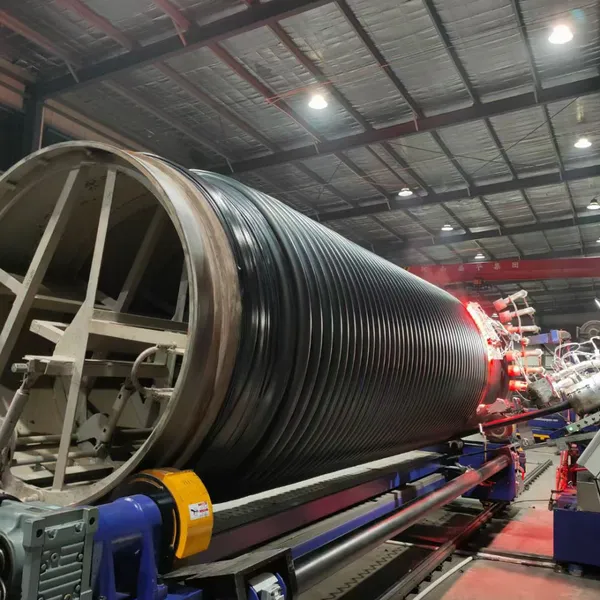 Read More
 -
Quality Control in Spiral Pipe Machine Manufacturing
August 31, 2026A buyer in South America some time ago received a winding line that looked complete on the surface but suffered repeated seam defe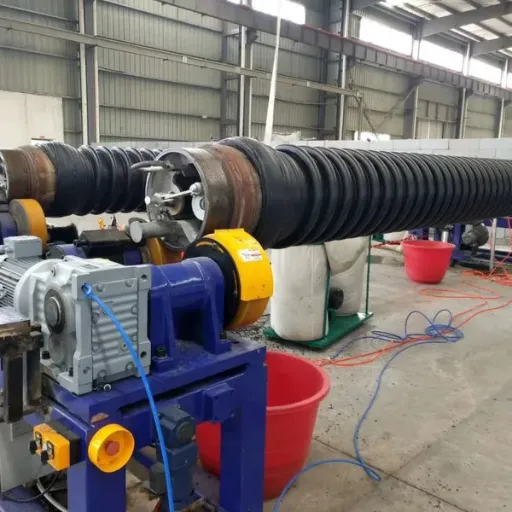 Read More
 -
Spiral Pipe for Sewage and Drainage Networks: Production Notes
August 28, 2026A municipal contractor in Eastern Europe some time ago took delivery of spiral-wound sewer pipe that looked flawless on the line.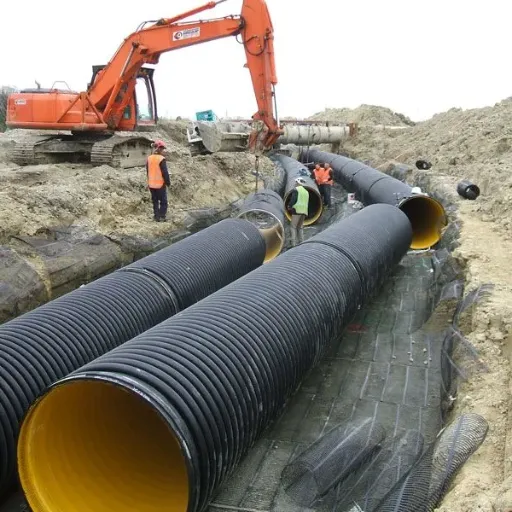 Read More
 -
DN300 to DN5000: Diameter Range and Machine Configuration
August 27, 2026A plant owner in Central Asia once asked for a line "up to DN5000" because a future tender mentioned large storage tanks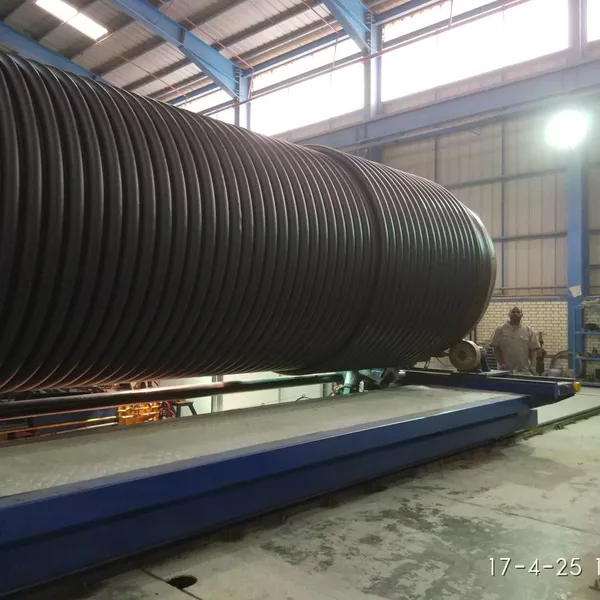 Read More

Contact Us
Recommended Products
-
 CIPP Glass Fibre Liner MachineNegotiableMOQ: 1 Set
 -
HDPE Helically Wound Tank MachineUS$ 10MOQ: 1 Set
-
CIPP Glass Liner MachineNegotiableMOQ: 1 Set
-
CIPP Felt Liner Manufacturing MachineNegotiableMOQ: 1 Set
-
Large Diameter HDPE Sea Intake Outfall Structured Wall Pipe Making MachineNegotiableMOQ: 1 Set
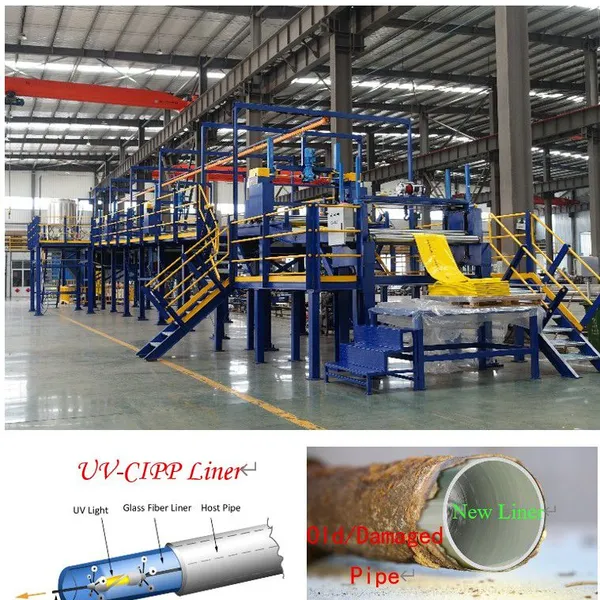
-
UV-CIPP Glass Fibre Liner Manufacturing MachineUS$ 1000 - 110000MOQ: 10 Meters
-
HDPE Pipe Extrusion Machine / PE Pipe Production Line With High OutputNegotiableMOQ: 1 Set
-
UV-CIPP Glass Fiber Liner Hose Production LineUS$ 1000 - 110000MOQ: 1 Set
-
HDPE Spiral Structure Wall Pipe MachineNegotiableMOQ: 1 Set
-
HDPE Spiral Pipe MachineNegotiableMOQ: 1 Set
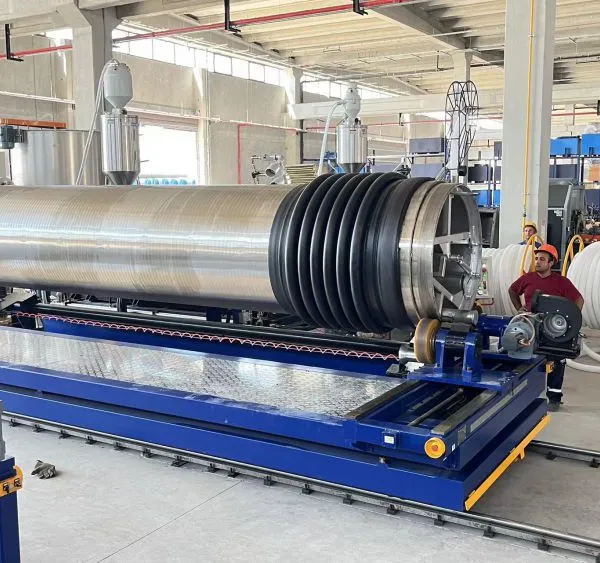
-
HDPE Spiral Tank MachineNegotiableMOQ: 1 Set
-
Krah Pipe MachineNegotiableMOQ: 1 Set
-
Plastic HDPE PVC PPR Pipe Extrusion Making Machine Extrusion LineNegotiableMOQ: 1 Set
-
PVC Pipe Extrusion Production Line for Electrical Conduit and Water Supply PipesNegotiableMOQ: 1 Set
-
Hot Sell Single Wall Corrugated Pipe Extrusion Line With Competitive PriceNegotiableMOQ: 1 Set
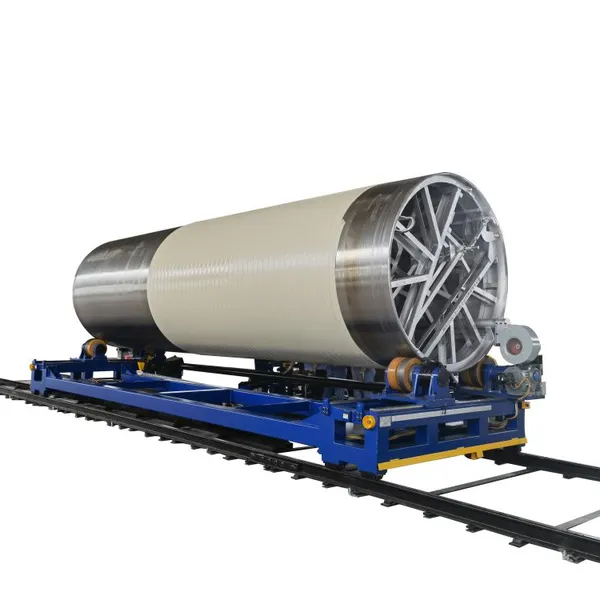
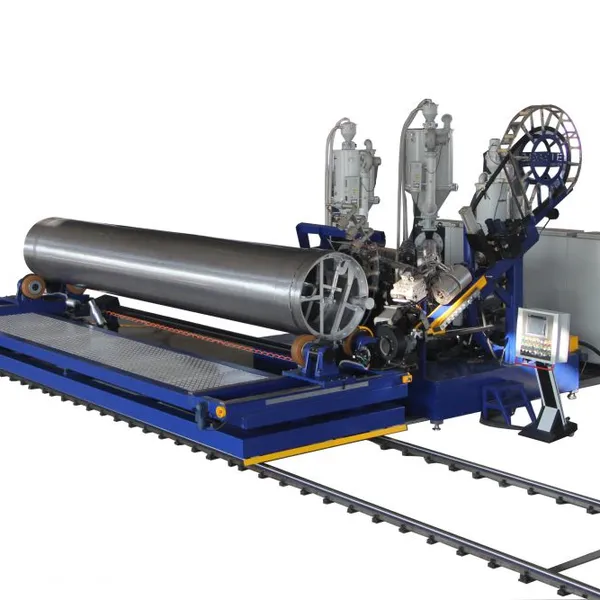
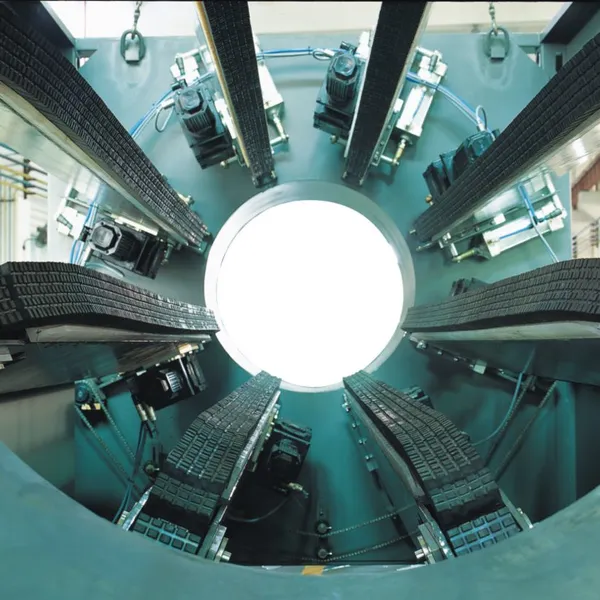
-
HDPE Krah Profild Pipe MachineUS$ 10000MOQ: 1 Set
-
Plastic Tank CNC Holes Boring MachineUS$ 10000MOQ: 1 Set
-
Double Wall Corrugated Pipe Extrusion LineNegotiableMOQ: 1 Set
-
Single Wall Corrugated Pipe Extrusion LineNegotiableMOQ: 1 Set
-
Inversion CIPP Liner Tube Manufacturing MachineNegotiableMOQ: 1 Set