
 Business License
What Is CIPP Lining? A Complete Guide to Trenchless Pipe Rehabilitation
Cured-In-Place Pipe (CIPP) lining is a trenchless rehabilitation method that creates a new, structural pipe inside an existing damaged pipe without excavation. A flexible liner tube, typically made of polyester felt or fiberglass fabric, is saturated with thermosetting resin and installed inside the host pipe. Once cured, the liner hardens into a smooth, seamless pipe-within-a-pipe that restores structural integrity and flow capacity for decades.
If you manage municipal sewer networks, industrial pipelines, or drainage infrastructure, understanding CIPP lining technology helps you evaluate repair options and, for manufacturers, identify opportunities in the growing trenchless equipment market. At Qingdao Yongke Machinery, we have manufactured both UV-CIPP liner hose manufacturing machines and inversion CIPP liner production equipment since 2010, supplying liner manufacturers worldwide.
Key Takeaways
CIPP lining creates a structural new pipe inside existing damaged pipes without excavation, reducing costs by 50-70% compared to open-cut replacement.
Three primary CIPP technologies exist: inversion CIPP (hot water/steam cured), UV-CIPP (ultraviolet light cured), and pull-in-place methods.
CIPP liners accommodate pipes from DN100 to DN3000+, serving municipal sewers, industrial pipelines, and drainage systems.
Cured liners meet international standards including ASTM F1216 and EN ISO 11296, with design lives of 50+ years.
Manufacturers entering the CIPP market can choose between UV-CIPP and inversion liner production equipment based on target market and capital resources.
How CIPP Lining Works
The CIPP lining process follows a precise sequence that transforms a flexible resin-impregnated tube into a rigid structural pipe. Understanding each stage helps contractors plan projects and manufacturers design production equipment that meets field requirements.
Pipe Inspection and Cleaning
Every successful CIPP project begins with thorough assessment of the host pipe. CCTV camera inspection identifies cracks, root intrusion, joint displacement, and structural defects. This data determines liner diameter, length, thickness, and resin specifications.
Cleaning follows inspection. High-pressure water jetting removes grease buildup, debris, and root masses. In some cases, mechanical cutting tools grind away protruding lateral connections or severe encrustation. The host pipe must provide a relatively smooth interior surface so the liner conforms evenly without bridging over defects.
In March 2024, a municipal contractor in Ohio encountered a 200-meter sewer segment with severe calcium deposits. After high-pressure cleaning reduced the deposits by 80%, the CCTV revealed the underlying pipe was structurally sound but leaking at multiple joints. This assessment confirmed CIPP as the right solution and determined that a 6mm-thick liner would restore full structural capacity.
Liner Preparation and Impregnation
The liner tube, manufactured to precise diameter and length, arrives at the job site rolled or folded. For inversion methods, technicians mix resin (typically polyester, epoxy, or vinyl ester) and saturate the felt tube in a controlled wet-out facility. The resin content typically targets 35-45% by weight of the composite.
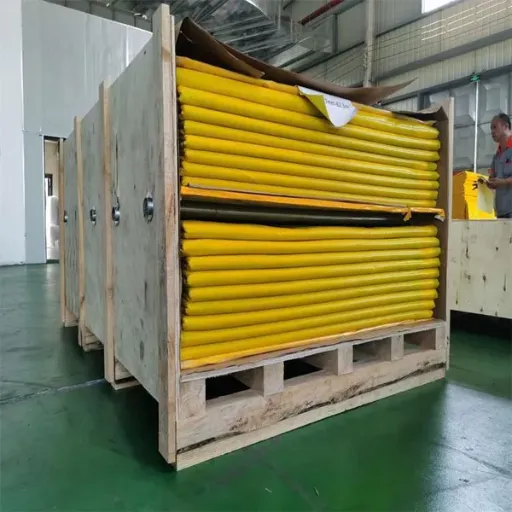
For UV-CIPP systems, manufacturers pre-impregnate liners at their production facility. The liner ships in sealed packaging with a 6-12 month shelf life, eliminating on-site wet-out and reducing installation variables. This controlled manufacturing environment produces more consistent resin distribution and eliminates weather-related curing complications.
Installation and Curing
Installation method depends on the CIPP technology selected:
Inversion CIPP: Technicians insert the liner into the host pipe and inflate it using water or air pressure, turning the liner inside-out as it advances. Hot water or steam circulates through the inflated liner, raising the temperature to initiate resin polymerization. Curing typically takes 4-12 hours depending on pipe diameter, wall thickness, and ambient conditions.
UV-CIPP: The pre-impregnated liner is pulled into position or inverted using air pressure. A robotic UV light train then travels through the liner, curing the resin progressively as it moves. Curing completes in 1-3 hours regardless of pipe length, with precise control over curing speed and temperature.
Pull-in-Place: Used primarily for spot repairs or short sections, this method pulls the liner into position through an access point and cures it in place using ambient temperature, heat, or UV light.
Final Inspection and Reconnection
After curing, technicians conduct a post-installation CCTV inspection to verify liner placement, absence of wrinkles or voids, and proper termination at access points. Service lateral connections are reopened using robotic cutters that precisely mill openings through the liner without damaging the host pipe.
The rehabilitated pipe now functions as a composite structure, with the original host pipe providing external support and the CIPP liner providing a corrosion-resistant, structurally independent interior pipe.
Types of CIPP Lining Technology
Contractors and manufacturers should understand the three primary CIPP technologies, each with distinct equipment requirements, curing methods, and market applications.
Inversion CIPP (Hot Water and Steam Curing)
Inversion CIPP represents the original trenchless rehabilitation technology, developed in the 1970s and still dominant in global market share. The liner inverts into the host pipe using water or air pressure, and curing occurs through circulated hot water or steam.
Advantages:
Proven track record with decades of performance data
Suitable for large-diameter pipes (DN600 to DN3000+)
Lower equipment investment for manufacturers
Works with multiple resin systems (polyester, epoxy, vinyl ester)
Limitations:
Curing time of 4-12 hours creates longer traffic control and crew time
On-site wet-out requires controlled conditions and skilled technicians
Shelf life of 2-4 weeks (refrigerated) limits inventory flexibility
Curing depends on host pipe temperature and groundwater conditions
Manufacturers producing inversion liners need felt or fiberglass tube production equipment, wet-out facilities with temperature and humidity control, and calibration systems. At Qingdao Yongke Machinery, our inversion CIPP liner hose machine produces liners compatible with established hot-water and steam-curing installation methods.
UV-CIPP Lining
UV-CIPP technology uses ultraviolet light to initiate resin curing rather than heat. The liner incorporates an inner transparent film that allows UV penetration while containing the resin and creating a smooth internal surface.
Advantages:
Curing completes in 1-3 hours, minimizing street closure and crew costs
6-12 month uncured shelf life provides inventory and logistics flexibility
Controlled curing independent of ambient temperature or host pipe conditions
Excellent for pipes with bends, diameter transitions, and complex geometries
No water or steam equipment required at the installation site
Limitations:
Typically limited to DN150-DN1200 range due to UV light penetration constraints
Higher equipment investment for manufacturers
Requires UV-curable resin systems
Installer training on UV light train operation
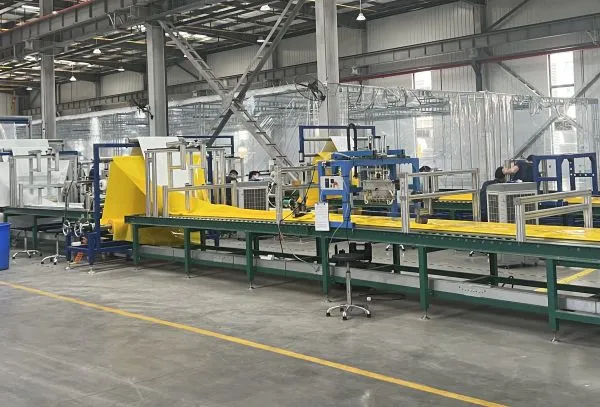
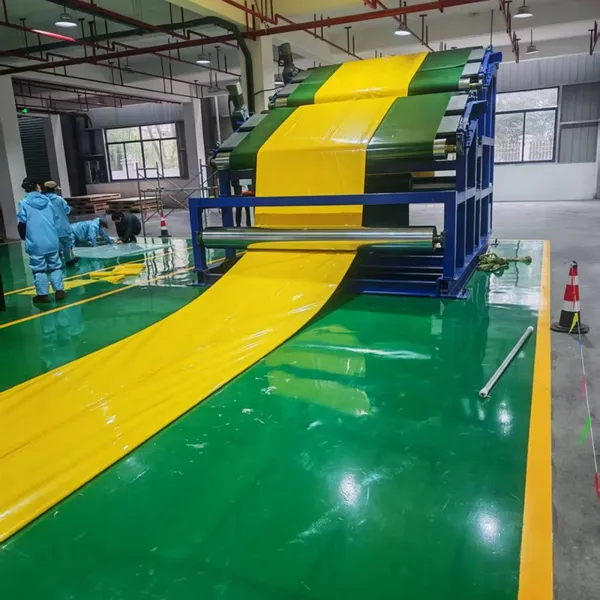
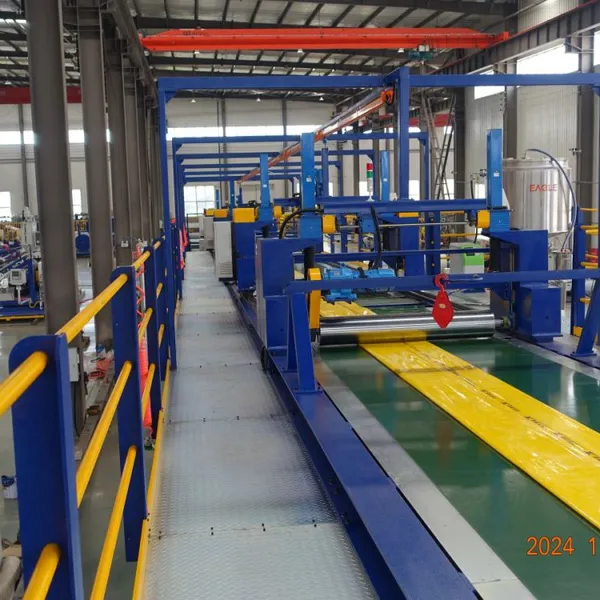
For manufacturers evaluating UV-CIPP production, the equipment requirements include felt tube production, vacuum resin impregnation systems, UV-transparent film application, and calibration equipment. Our UV-CIPP liner hose manufacturing machine produces liners meeting ASTM F1743 and EN ISO 11296 standards for UV-cured installations.
Pull-in-Place CIPP
Pull-in-Place (PIP) methods suit spot repairs, short sections, or pipes where inversion is impractical. Technicians pull the liner into position and expand it against the host pipe using an inflatable bladder or packer. Curing may use ambient temperature, heat, or UV light depending on the system.
This method dominates the point repair market where full sectional lining is unnecessary. Equipment requirements differ from full-length liner production, typically involving shorter tubes and specialized inflation systems.
Applications and Diameter Range for CIPP Lining
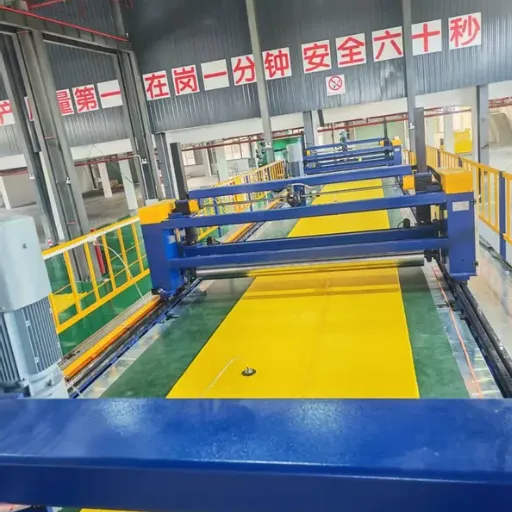
CIPP technology serves diverse infrastructure applications across a wide diameter spectrum. Understanding where CIPP excels helps contractors specify appropriate solutions and manufacturers target their production capabilities.
Municipal Sewer Networks
Municipal gravity sewers represent the largest CIPP application. Aging sewer infrastructure in North America, Europe, and increasingly in Asia requires rehabilitation to prevent infiltration, exfiltration, and structural collapse. CIPP liners address:
Cracked or fractured concrete and clay pipes
Joint separation in segmented pipes
Corroded metal pipes
Root intrusion damage
Minor deformation without collapse
Diameter ranges from DN150 (house connections) to DN2000 (main trunk sewers) dominate municipal applications. For large-diameter interceptors and outfalls above DN2000, spiral profile pipe replacement or sliplining may be more appropriate than CIPP. Where full replacement is required, municipalities often specify spiral wound HDPE pipes installed with a large diameter spiral pipe machine.
Industrial Pipelines
Industrial applications include chemical process lines, cooling water pipes, and effluent discharge lines where corrosion has degraded the original pipe. CIPP provides chemical-resistant barriers that extend service life without production shutdowns for excavation.
Epoxy and vinyl ester resin systems offer superior chemical resistance compared to standard polyester resins used in municipal applications. Industrial specifications often require thicker liners and more stringent quality testing due to aggressive service conditions.
Drainage and Stormwater Systems
Stormwater culverts, drainage pipes, and channel linings benefit from CIPP rehabilitation where open-cut replacement would disrupt traffic, property, or natural waterways. UV-CIPP is particularly suited to stormwater applications where rapid curing minimizes the risk of rain events interrupting installation.
For new drainage infrastructure that does not require rehabilitation, contractors often specify PP double-wall corrugated pipes produced on a corrugated drainage pipe machine.
Advantages of CIPP Lining Over Open-Cut Replacement
When comparing rehabilitation options, CIPP lining offers compelling advantages that have driven its adoption across global infrastructure markets.
Cost Reduction: CIPP typically costs 50-70% less than open-cut excavation and replacement. Savings come from eliminated excavation, reduced surface restoration, shorter project duration, and minimal traffic control requirements.
Minimal Disruption: CIPP installation requires only small access pits at manholes or cleanout points. Roads remain open, businesses continue operating, and residents avoid the disruption of trenches through neighborhoods.
Structural Performance: A properly designed and installed CIPP liner provides a fully structural pipe capable of withstanding external soil and traffic loads independently of the host pipe. Design standards require liners to meet or exceed the structural capacity of the original pipe.
Flow Improvement: The smooth interior surface of CIPP liners reduces flow resistance compared to deteriorated concrete, clay, or corrugated metal pipes. Increased hydraulic capacity often offsets any diameter reduction from the liner thickness.
Environmental Benefits: Trenchless methods eliminate the carbon emissions, noise, and waste generation associated with excavation. Reduced traffic disruption also decreases vehicle idling emissions during construction.
Speed: UV-CIPP installations complete in hours rather than days or weeks. Even inversion CIPP, with 4-12 hour curing times, finishes faster than excavation projects that require dewatering, shoring, pipe laying, backfill, and surface restoration.
Quality Standards and Performance Requirements
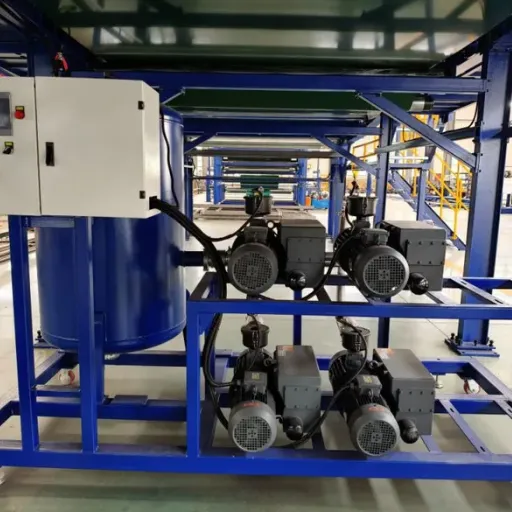
CIPP liners must meet rigorous international standards to ensure long-term performance. Contractors, engineers, and manufacturers should understand the key specifications governing CIPP design and installation.
ASTM F1216
The American Society for Testing and Materials standard F1216 provides design and installation criteria for CIPP used in gravity sewer rehabilitation. Key requirements include:
Minimum flexural strength of 4,500 psi (31 MPa) for structural liners
Minimum flexural modulus of 250,000 psi (1,724 MPa)
Design life of 50 years minimum
Thickness design based on external load calculations
EN ISO 11296
The European standard for plastics piping systems used in trenchless rehabilitation of drainage networks specifies:
Classification system for liners based on material and application
Test methods for mechanical properties, chemical resistance, and durability
Installation and quality control requirements
Design parameters for structural and semi-structural liners
Quality Control Testing
Manufacturers and installers must perform several tests to verify liner quality:
Resin content: Measured by ignition loss, typically targeting 35-45% by weight
Thickness uniformity: Variation should not exceed 10% around the circumference
Flexural properties: Three-point bend testing per ASTM D790 or EN ISO 178
Barcol hardness: Verifies complete cure, typically requiring minimum values specified by the resin manufacturer
CCTV inspection: Visual verification of liner placement and absence of defects
At Qingdao Yongke Machinery, we manufacture CIPP liner production equipment designed to produce liners meeting these international standards. Our ISO 9001 certified quality management system ensures consistent manufacturing processes.
CIPP Liner Manufacturing and Equipment
For companies considering entry into the CIPP liner manufacturing market, understanding production equipment requirements is essential. The manufacturing process transforms raw materials (felt, fiberglass, resin) into finished liners ready for installation.
Manufacturing Process Overview
Tube fabrication: Needle-punched polyester felt or woven fiberglass fabric is cut, sewn, or welded into tubes matching target diameters and lengths
Resin impregnation: The tube is saturated with resin under vacuum or controlled wet-out conditions to achieve target resin content
Calibration and finishing: Diameter calibration ensures uniform thickness; outer coatings or inner films are applied as required
Quality testing: Samples are tested for resin content, thickness, flexural properties, and Barcol hardness
Packaging: Liners are rolled, folded, or packaged for shipment with handling instructions and cure verification data
Equipment Selection
When Marcus Chen evaluated entering the CIPP market in 2023, he faced a critical decision: UV-CIPP or inversion liner production equipment? His target market consisted of municipal contractors in Southeast Asia who prioritized fast installation and minimal traffic disruption. The 6-12 month shelf life of UV liners also suited the regional logistics challenges. After visiting our facility in Qingdao, he selected a UV-CIPP liner hose manufacturing line configured for DN200-DN800 production.
Eighteen months later, his operation supplies liners to contractors across four countries. The controlled factory environment produces more consistent quality than on-site wet-out, and his customers report installation times reduced by 60% compared to inversion methods.
Key Equipment Components
For UV-CIPP manufacturing:
Felt or fiberglass tube production line with sewing/welding stations
Vacuum impregnation system with precise resin metering
UV-transparent film application and bonding equipment
Calibration mandrels and automated winding systems
Quality testing laboratory
For inversion liner manufacturing:
Felt or fiberglass tube production equipment
Wet-out facility with temperature and humidity control
Outer coating application system (polyethylene or polyurethane)
Calibration tables and cooling systems
Folding and packaging equipment
Both production lines require PLC-based control systems, quality monitoring equipment, and trained operators. At Qingdao Yongke Machinery, we provide comprehensive technical documentation, operator training, and remote support for all CIPP liner manufacturing equipment.
Want to explore CIPP liner manufacturing equipment for your facility? Contact our sales team for detailed specifications, production capacity calculations, and quotations tailored to your target market and diameter range.
Limitations and Considerations
Despite its advantages, CIPP lining is not suitable for every situation. Engineers and contractors should evaluate these limitations before specifying trenchless rehabilitation.
Host Pipe Condition: CIPP requires a structurally stable host pipe to contain the liner during installation. Pipes with significant collapse, severe deformation exceeding 15% of diameter, or major voids outside the pipe may require excavation or other repair methods first.
Service Laterals: Reopening service connections through the cured liner adds cost and complexity. In some cases, lateral lining or excavation at connection points may be necessary.
Diameter Constraints: UV-CIPP technology faces practical limits around DN1200 due to UV light penetration challenges. Very large diameters may require inversion CIPP or alternative rehabilitation methods.
Resin Sensitivity: Some resin systems are sensitive to temperature during storage and transport. UV-CIPP liners must be protected from sunlight and UV exposure before installation.
Chemical Compatibility: While epoxy and vinyl ester resins resist most sewer environments, highly aggressive chemicals may require specialized formulations or alternative rehabilitation approaches.
Frequently Asked Questions
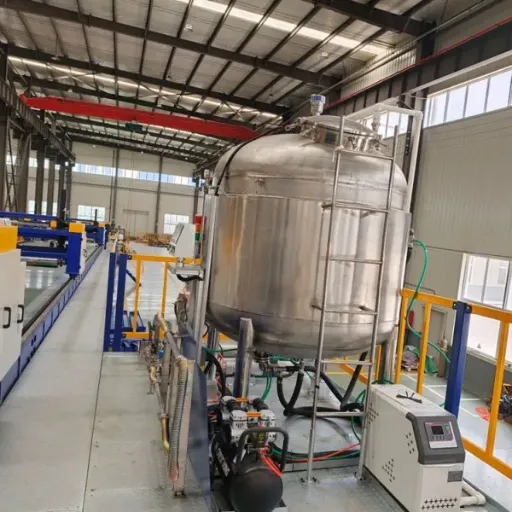
How long does a CIPP liner last?
A properly designed and installed CIPP liner has a design life of 50 years or more. International standards such as ASTM F1216 and EN ISO 11296 require liners to meet structural performance criteria supporting this design life. Actual service life depends on installation quality, host pipe condition, and service environment.
What pipe diameters can CIPP lining repair?
CIPP technology accommodates pipes from DN100 (small house connections) to DN3000+ (large interceptors). UV-CIPP typically serves DN150-DN1200, while inversion CIPP handles DN100-DN3000 and above. The appropriate technology depends on diameter, application, and installer capabilities.
How much does CIPP lining cost compared to pipe replacement?
CIPP lining typically costs 50-70% less than open-cut excavation and replacement. Exact costs vary by region, pipe diameter, access conditions, and liner specifications. The cost advantage increases in urban areas where excavation disrupts traffic, utilities, and surface features.
What is the difference between structural and semi-structural CIPP liners?
Structural liners are designed to withstand all external loads (soil, groundwater, traffic) independently of the host pipe. Semi-structural liners restore leak tightness and provide some structural support but rely partially on the host pipe for load-bearing capacity. ASTM F1216 and EN ISO 11296 provide design methods for both classifications.
Can CIPP lining navigate bends and diameter changes?
Yes, CIPP liners accommodate bends and gradual diameter transitions. UV-CIPP performs particularly well in pipes with bends and changes in geometry because the flexible uncured liner conforms to complex shapes before curing. Sharp bends and abrupt transitions may require specialized design or alternative repair methods.
What resins are used in CIPP lining?
Three primary resin systems serve CIPP applications:
Polyester: Most common for municipal sewers; cost-effective with good chemical resistance
Epoxy: Superior chemical resistance and mechanical properties; preferred for industrial applications
Vinyl ester: Excellent chemical resistance, particularly against acidic environments
UV-CIPP systems typically use epoxy or vinyl ester resins formulated with UV-initiated catalysts.
Conclusion
CIPP lining has transformed how municipalities, utilities, and industries maintain underground pipe infrastructure. By creating a new structural pipe within the existing host pipe, trenchless rehabilitation eliminates the disruption, cost, and environmental impact of open-cut excavation while delivering design lives of 50 years or more.
For contractors and engineers, understanding CIPP technology types, applications, and quality standards enables better project specification and execution. The choice between inversion CIPP, UV-CIPP, and pull-in-place methods depends on pipe diameter, project constraints, and regional market preferences.
For manufacturers, the growing global demand for trenchless rehabilitation creates significant opportunity. Both UV-CIPP and inversion liner production equipment enable entry into this expanding market, with technology selection depending on target customers, capital resources, and strategic priorities.
At Qingdao Yongke Machinery, a pipe machine manufacturer since 2010, we engineer both UV-CIPP liner hose manufacturing machines and inversion CIPP liner production equipment at our ISO-certified facility in Qingdao, China. Our machines serve liner manufacturers across Europe, Southeast Asia, the Middle East, and the Americas.
For equipment quotations, technical specifications, or production planning assistance, contact Mr. Zhou Maozhen at machinery@eaglegroup.cn or via WhatsApp at +86-13583232887. Our engineering team can configure the right production line for your target diameter range, output requirements, and market focus.
Recently Posted
-
Cured In Place Pipe (CIPP): A Complete Guide to Trenchless Rehabilitation
June 17, 2026A cured in place pipe (CIPP) is a trenchless rehabilitation method that creates a new structural pipe inside an existing damaged s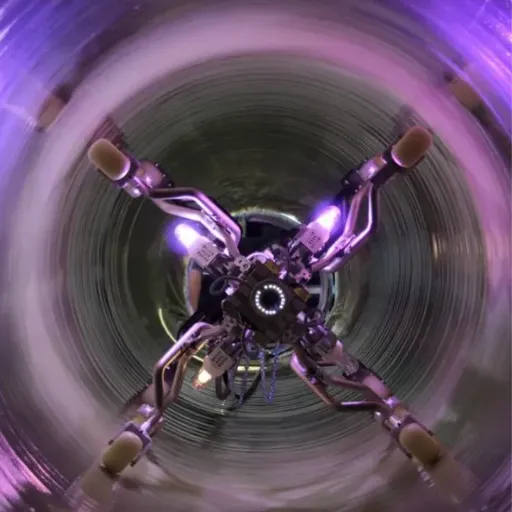 Read More
 -
HDPE Pipe Recycling: How to Turn Scrap Into Structural Pipe Products
June 17, 2026HDPE pipe recycling is the process of collecting, sorting, cleaning, and reprocessing high-density polyethylene pipe scrap into re Read More
 -
Stormwater Management Systems: A Complete Guide for Municipal and Industrial Projects
June 17, 2026A stormwater management system controls the quantity and quality of runoff from rainfall and snowmelt, protecting properties, road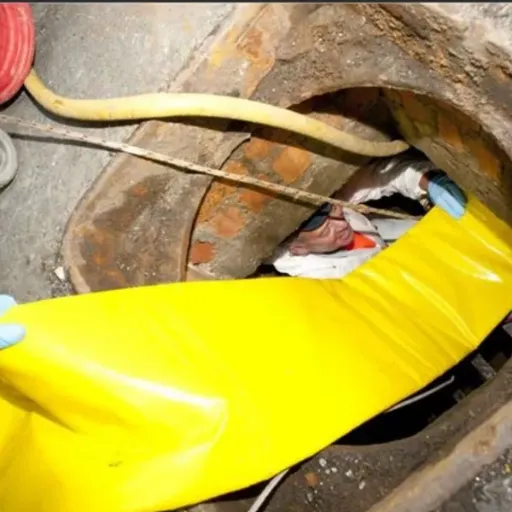 Read More
 -
HDPE Pipe Installation: A Complete Guide for Sewer and Water Projects
June 17, 2026HDPE pipe installation is the process of placing, joining, and commissioning high-density polyethylene pipe for water, sewer, gas,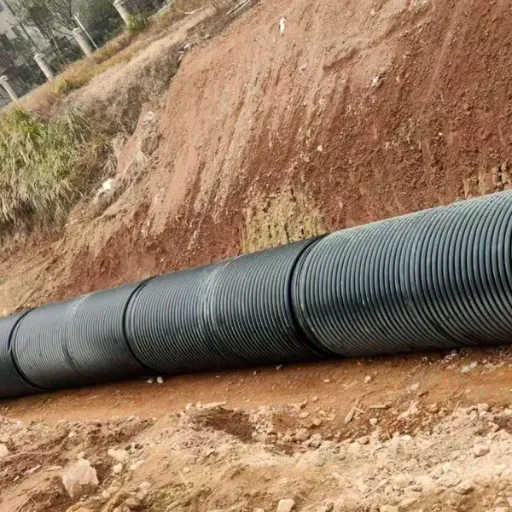 Read More

Contact Us
Recommended Products
-
 CIPP Glass Fibre Liner MachineNegotiableMOQ: 1 Set
 -
HDPE Helically Wound Tank MachineUS$ 10MOQ: 1 Set
-
CIPP Glass Liner MachineNegotiableMOQ: 1 Set
-
CIPP Felt Liner Manufacturing MachineNegotiableMOQ: 1 Set
-
Large Diameter HDPE Sea Intake Outfall Structured Wall Pipe Making MachineNegotiableMOQ: 1 Set
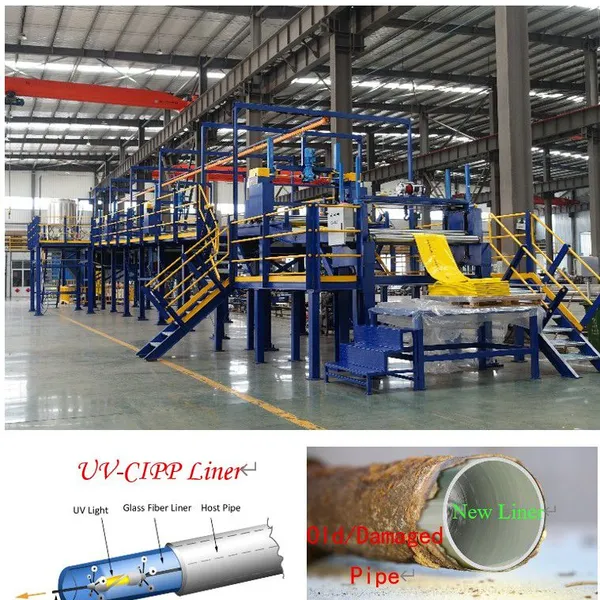
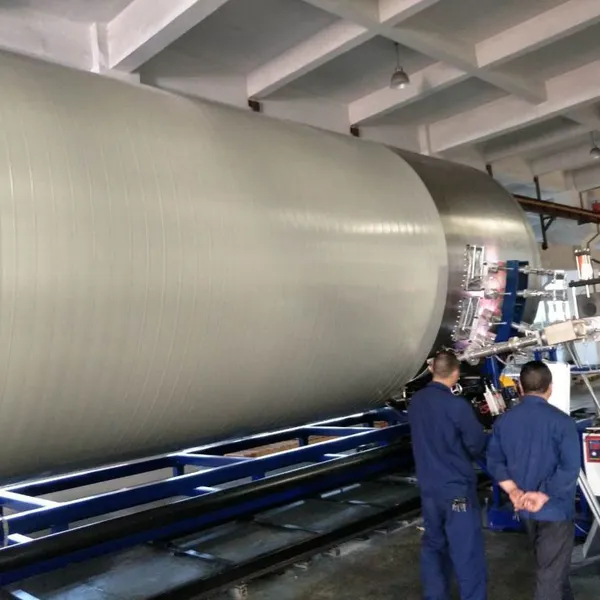
-
UV-CIPP Glass Fibre Liner Manufacturing MachineUS$ 1000 - 110000MOQ: 10 Meters
-
HDPE Pipe Extrusion Machine / PE Pipe Production Line With High OutputNegotiableMOQ: 1 Set
-
UV-CIPP Glass Fiber Liner Hose Production LineUS$ 1000 - 110000MOQ: 1 Set
-
HDPE Spiral Structure Wall Pipe MachineNegotiableMOQ: 1 Set
-
HDPE Spiral Pipe MachineNegotiableMOQ: 1 Set
-
HDPE Spiral Tank MachineNegotiableMOQ: 1 Set
-
Krah Pipe MachineNegotiableMOQ: 1 Set
-
Plastic HDPE PVC PPR Pipe Extrusion Making Machine Extrusion LineNegotiableMOQ: 1 Set
-
PVC Pipe Extrusion Production Line for Electrical Conduit and Water Supply PipesNegotiableMOQ: 1 Set
-
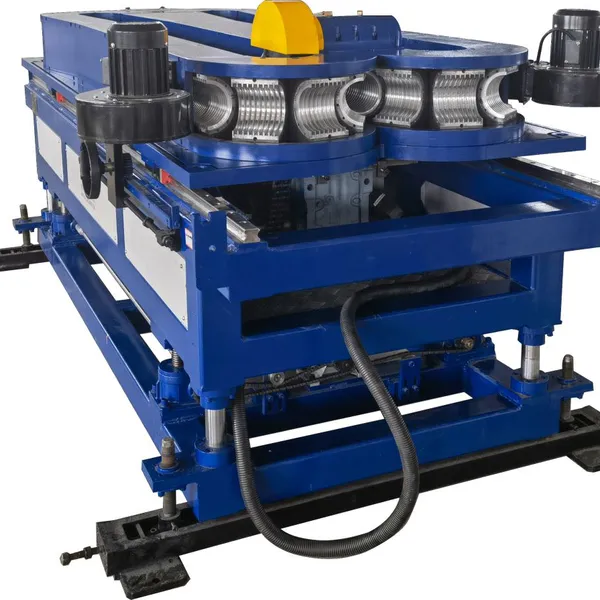
Hot Sell Single Wall Corrugated Pipe Extrusion Line With Competitive PriceNegotiableMOQ: 1 Set
-
HDPE Krah Profild Pipe MachineUS$ 10000MOQ: 1 Set
-
Plastic Tank CNC Holes Boring MachineUS$ 10000MOQ: 1 Set
-
Double Wall Corrugated Pipe Extrusion LineNegotiableMOQ: 1 Set
-
Single Wall Corrugated Pipe Extrusion LineNegotiableMOQ: 1 Set
-
Inversion CIPP Liner Tube Manufacturing MachineNegotiableMOQ: 1 Set