
 Business License
Stormwater Management Systems: A Complete Guide for Municipal and Industrial Projects
A stormwater management system controls the quantity and quality of runoff from rainfall and snowmelt, protecting properties, roads, and natural waterways from flooding and erosion. Modern systems rely on large-diameter plastic pipes, detention basins, infiltration structures, and treatment devices to slow, store, filter, and convey stormwater safely.
What happens when a single storm drops six months of rainfall in forty-eight hours? In August 2024, a municipal contractor in Southeast Asia watched a conventional concrete drainage channel crack under surcharge pressure during exactly that scenario. The channel had served the district for twenty years, but increased urban paving had tripled peak runoff. The city needed a replacement that could handle higher flows, resist abrasion, and install without weeks of road closure. That project became a turning point for HDPE spiral profile pipe in the region.
You already know that stormwater design balances hydraulic capacity, environmental protection, and lifecycle cost. This guide explains how HDPE and PP pipe technology fits into modern stormwater management systems, from component selection to manufacturing considerations. Whether you are designing municipal drainage networks or producing pipe for infrastructure contractors, you will find practical specifications and decision frameworks.
Key Takeaways
A stormwater management system combines conveyance, detention, infiltration, and treatment to control runoff volume and quality.
HDPE and PP spiral profile pipes from DN300mm to DN5000mm deliver the ring stiffness, chemical resistance, and joint integrity that modern stormwater networks demand.
Pipe selection depends on hydraulic calculations, burial depth, traffic loading, and local material standards such as ASTM F894 and EN 13476.
Plastic pipe manufacturers can serve the stormwater market with spiral profile pipe machines and high-speed PP corrugated pipe extrusion lines.
Proper installation, bedding, and inspection determine whether a stormwater system reaches its design life of fifty years or more.
What Is a Stormwater Management System?
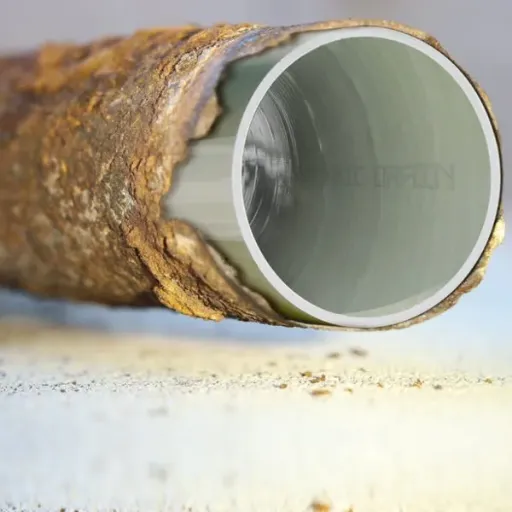
A stormwater management system is the network of structures, pipes, channels, and controls that collect, convey, treat, and discharge rainfall runoff from urban and industrial areas. Unlike sanitary sewer systems, which carry wastewater to treatment plants, stormwater systems typically handle variable flows that surge during storms and diminish during dry periods.
The core objectives are straightforward:
Flood control: Move peak flows away from buildings, roads, and critical infrastructure
Erosion prevention: Reduce water velocity to protect channels, slopes, and stream banks
Water quality improvement: Remove sediments, oils, nutrients, and debris before discharge
Groundwater recharge: Allow controlled infiltration where soil conditions permit
Regulatory compliance: Meet local discharge permits and watershed protection requirements
Modern systems rarely rely on a single pipe size or structure. A typical municipal network includes catch basins and inlets at street level, underground pipes sized for peak flows, detention basins that slow release rates, and outlet structures that prevent downstream damage. Green infrastructure components such as bioswales, permeable pavement, and rain gardens are increasingly integrated upstream to reduce the total runoff volume that pipes must handle.
The choice of pipe material matters more than many designers initially assume. Stormwater pipes operate under cyclic loading: empty most of the time, then suddenly full under storm conditions. They must resist soil pressure, traffic loads, internal abrasion from sediment, and external corrosion from road salts or industrial runoff. HDPE and PP pipes have become the preferred materials for these applications because they combine structural strength with chemical inertness and long service life.
Key Components of a Modern Stormwater Management System
Designing an effective stormwater management system requires coordinating multiple components into a single hydraulic network. Each component plays a distinct role, and undersizing any one element can compromise the entire system.
Conveyance Pipes
Conveyance pipes form the backbone of the network. They collect runoff from inlets and carry it to detention structures, treatment devices, or outfall points. Diameter selection follows hydraulic analysis using the Manning equation or design software, with common municipal sizes ranging from DN300mm for small collectors to DN4000mm or larger for major trunk lines.
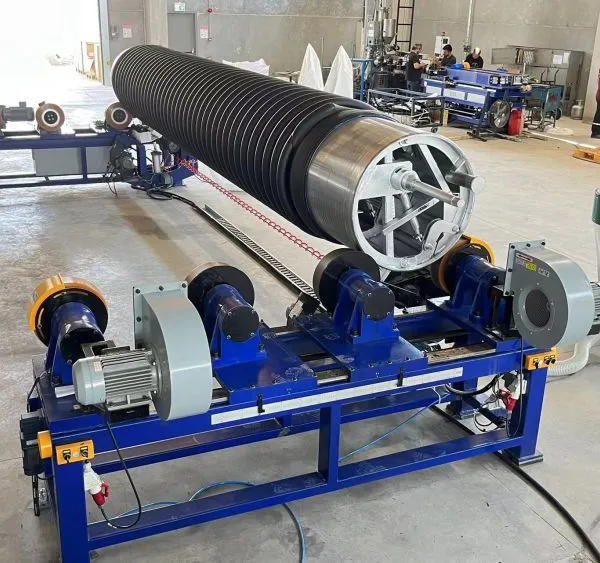
Spiral profile pipe technology is especially valuable for large-diameter conveyance. The structural wall construction provides high ring stiffness with less material than solid-wall pipe, keeping weight and cost under control. Our HDPE/PP spiral profile pipe machine produces these pipes across the DN300mm to DN5000mm range, giving manufacturers the flexibility to serve projects of any scale.
Detention and Attenuation Structures
Detention basins, tanks, and underground chambers temporarily store stormwater and release it at a controlled rate. Attenuation is critical in developed areas where impervious surfaces increase peak runoff beyond what downstream channels can handle. Underground pipe arrays, concrete vaults, and modular plastic chambers are common forms of detention.
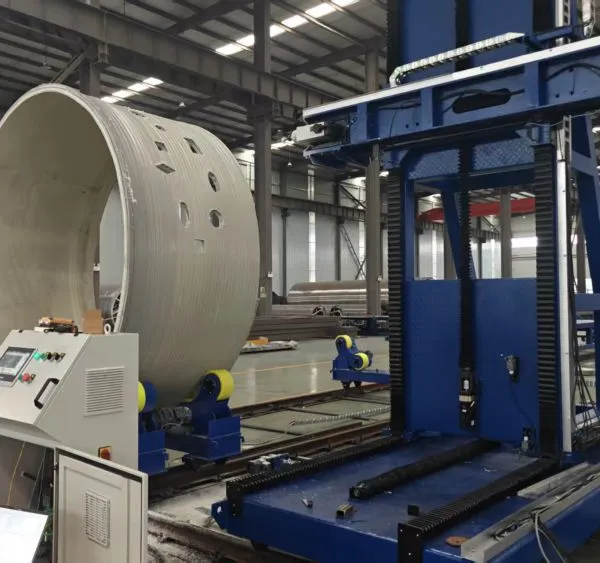
For industrial and commercial sites, HDPE spiral tanks provide corrosion-resistant storage that integrates with stormwater treatment trains. The same helical winding technology used for large-diameter pipe can produce tanks with diameters and heights customized to site requirements.
Infiltration Systems
Infiltration systems allow stormwater to percolate into the ground rather than discharging to surface waters. These include infiltration trenches, dry wells, permeable pavement bases, and soakaway crates. Perforated plastic pipes distribute water evenly across the infiltration area and maintain flow paths even as surrounding soil settles.
High-speed PP corrugated pipe extrusion lines produce the smaller-diameter perforated tubes often used in infiltration and subdrainage applications. The corrugated structure provides ring stiffness for shallow burial while keeping the pipe lightweight and easy to handle on tight construction sites.
Treatment Devices
Treatment devices remove pollutants before discharge. Common options include hydrodynamic separators, oil-grit separators, filter cartridges, and biofiltration media. These devices are typically installed inline with conveyance pipes or at outfall locations where they can capture the first flush of contaminants that washes off paved surfaces during the early stages of a storm.
How HDPE and PP Pipes Improve Stormwater Management
Plastic pipes have reshaped stormwater infrastructure over the past three decades. HDPE and PP offer a combination of properties that concrete, metal, and clay pipes cannot match for many applications.
High Strength-to-Weight Ratio
A DN1200mm HDPE spiral profile pipe weighs a fraction of an equivalent concrete pipe. This reduces transportation costs, simplifies crane requirements, and allows longer pipe strings to be assembled in the trench. The result is faster installation with smaller crews, which matters on urban projects where lane closures carry high indirect costs.
Chemical and Abrasion Resistance
Stormwater carries sediments, de-icing salts, hydrocarbons, and industrial residues. HDPE and PP resist chemical attack across a broad pH range and maintain wall integrity even when abrasive particles scour the invert. Concrete pipes, by contrast, can degrade in acidic or sulfate-bearing soils.
Flexible Joints and Soil Interaction
HDPE and PP pipes use heat-fusion or gasket joints that maintain hydraulic tightness while accommodating ground movement. This flexibility is a major advantage in seismic zones, areas with expansive soils, or locations subject to seasonal frost heave. The pipe and surrounding soil work together to support external loads, reducing the structural burden on the pipe wall alone.
Long Service Life
Engineering studies consistently project service lives exceeding fifty years for HDPE and PP drainage pipes under typical buried conditions. The materials do not corrode like metal or erode like concrete, and the smooth internal surface resists sediment buildup that would reduce flow capacity over time.
When the Southeast Asian contractor replaced the failed concrete channel with HDPE spiral profile pipe, the design team selected SN8 ring stiffness for the traffic-loaded sections and SN4 for shallow greenway reaches. The pipe arrived in twelve-meter lengths, was butt-fused above ground, and pulled into the excavated trench as a continuous string. The road reopened in ten days instead of the six weeks originally planned for concrete construction.
Stormwater System Design: Sizing and Layout
Proper sizing separates systems that perform for decades from those that surcharge during the first major storm. The design process follows established hydraulic principles, but material choice influences the inputs.
Hydrologic Analysis
Engineers first estimate the runoff volume and peak flow that the system must handle. Common methods include:
Rational Method: Suitable for small urban catchments up to about eighty hectares
Unit Hydrograph Methods: Used for larger watersheds where timing and storage matter
Continuous Simulation Models: Software such as SWMM or EPA hydrologic models evaluate performance across long rainfall records
The analysis produces a design peak flow in cubic meters per second, which then drives pipe diameter selection.
Hydraulic Design
The Manning equation remains the standard for gravity pipe design:
Q = (1/n) x A x R^(2/3) x S^(1/2)
Where Q is flow rate, n is Manning's roughness coefficient, A is cross-sectional flow area, R is hydraulic radius, and S is slope. Plastic pipes typically use n values between 0.009 and 0.011 because their smooth walls create less friction than concrete or corrugated metal.
Lower roughness has a direct cost benefit. A designer can often use a smaller diameter plastic pipe than concrete to carry the same flow, or achieve greater capacity in an existing easement without upsizing.
Structural Design
The pipe must withstand external loads from soil, groundwater, and traffic. Key factors include:
Burial depth: Deeper burial increases soil load but may reduce traffic impact
Ring stiffness (SN) rating: SN4, SN8, and SN16 ratings indicate resistance to deformation
Bedding material: Proper backfill distributes loads and prevents point loading
Traffic loading: Heavy vehicles require higher ring stiffness or deeper cover
Spiral profile pipes achieve high ring stiffness through hollow structural wall geometry rather than thick solid walls. This efficiency makes them particularly competitive for large diameters where solid-wall plastic pipes become impractical to extrude.
Layout Best Practices
A well-laid-out stormwater management system minimizes excavation, avoids conflicts with utilities, and provides maintenance access. General principles include:
Maintain self-cleansing velocity of 0.6-0.75 m/s to prevent sediment deposition
Limit maximum velocity to 3-4 m/s to avoid erosion and air entrainment
Provide manholes or access chambers at bends, junctions, and diameter changes
Avoid flat grades where standing water can stagnate between storms
Coordinate with landscape architects to route pipes around mature trees and sensitive areas
Manufacturing Equipment for Stormwater Pipe Producers
Pipe manufacturers serving the stormwater market need equipment that produces reliable, specification-compliant products at competitive costs. The right machinery depends on target diameters, materials, and production volumes.
Spiral Profile Pipe Machines for Large Diameters
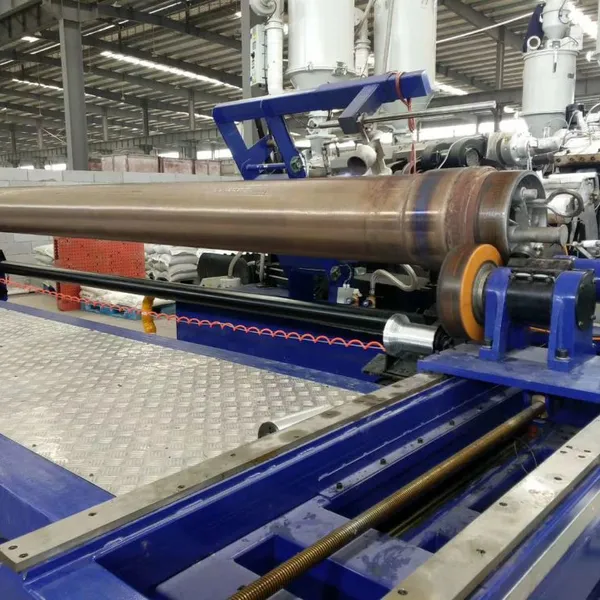
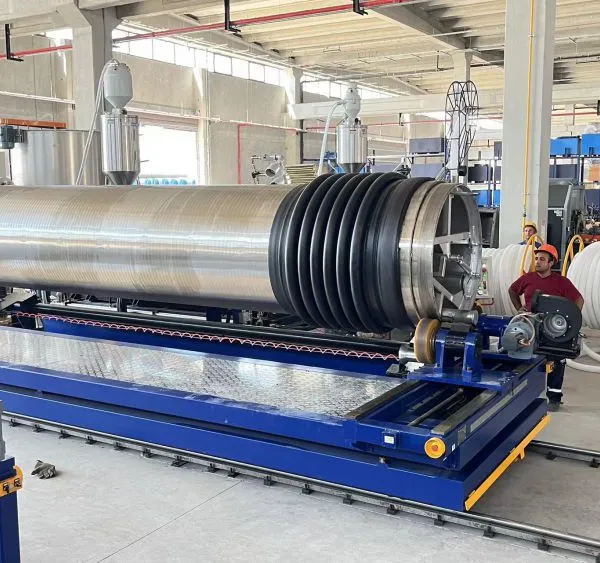
Municipal stormwater trunk lines and major conveyance pipes typically fall in the DN800mm to DN5000mm range. A spiral profile pipe machine extrudes a hollow profile strip and helically winds it onto a mandrel to form a structural wall pipe. The process produces consistent ring stiffness, tight dimensional tolerances, and fusion-welded seams.
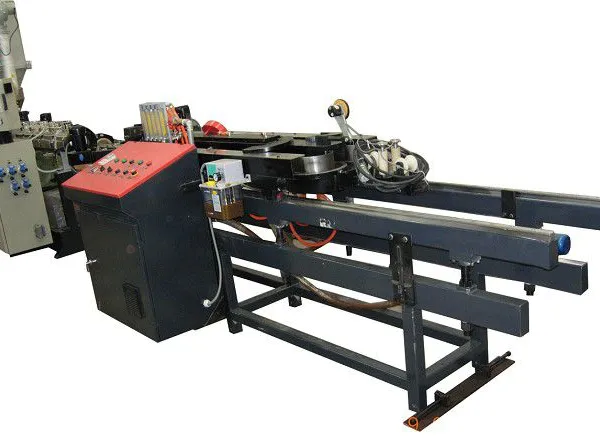
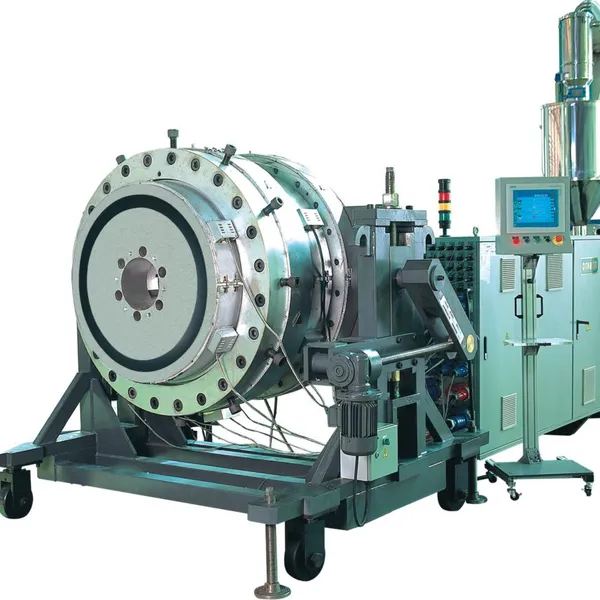
At Qingdao Yongke Machinery, our HDPE/PP spiral profile pipe production lines cover the full DN300mm to DN5000mm range. The lines include single-screw extruders optimized for polyolefin materials, spiral structure die heads with engineered flow channels, vacuum calibration systems, water spray cooling troughs, haul-off units, cutters, and stackers. Our proprietary second heating system improves production stability for large diameters, while Pipefinder software helps calculate ring stiffness based on raw material properties and customer requirements.
Corrugated Pipe Lines for Collectors and Subdrainage
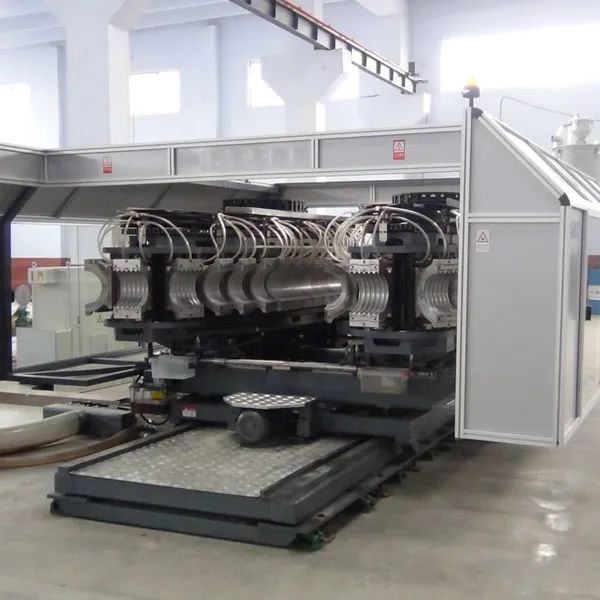
Smaller stormwater collectors, perimeter drains, and infiltration systems often use PP double-wall corrugated pipes from DN100mm to DN600mm. High-speed PP corrugated pipe extrusion lines produce these pipes at speeds up to fifteen meters per minute, making them efficient for high-volume manufacturing.
The corrugated structure provides ring stiffness for shallow burial and traffic loads while keeping the pipe lightweight. For stormwater producers, offering both spiral profile and corrugated pipe lines covers the full municipal drainage portfolio.
Quality Standards and Certifications
Stormwater pipes must meet recognized standards to be specified for public projects. Common references include:
ASTM F894: Standard specification for polyethylene profile wall pipe
EN 13476: European plastics piping systems for non-pressure underground drainage
ISO 21138: International standard for structured-wall plastics piping systems
Manufacturing equipment should be designed with these standards in mind. Qingdao Yongke Machinery's production lines are built in an ISO 9001, ISO 14001, and ISO 45001 certified facility, with machinery carrying CE marking for European conformity.
Maria, a production manager at a pipe manufacturing plant in the Middle East, faced a contract requirement to supply DN2000mm SN8 stormwater pipe for a new industrial zone. Her existing solid-wall extrusion line could not reach that diameter economically. After evaluating spiral profile technology, she installed a DN300-DN4000mm production line and began producing the required pipes in-house. The switch reduced material usage by approximately thirty percent compared with solid-wall designs and allowed her to bid competitively on larger municipal contracts.
Installation, Inspection, and Long-Term Performance
Even the best pipe will underperform if it is installed incorrectly. Stormwater pipes operate for decades, so installation quality and inspection protocols deserve as much attention as pipe specification.
Bedding and Backfill
The pipe, bedding, and backfill act as a structural system. The trench bottom should be stable, free of sharp objects, and shaped to support the pipe barrel uniformly. Bedding material is typically granular soil or crushed stone compacted to the specified density. Sidefill should be placed in lifts and compacted evenly on both sides of the pipe to prevent distortion.
Improper compaction is one of the most common causes of long-term deflection. A pipe installed on a hard, unshaped trench bottom or backfilled with large rocks can develop flat spots that reduce flow capacity and concentrate stresses.
Jointing Methods
HDPE pipes are commonly joined by butt fusion or electrofusion, creating monolithic, leak-free lines. Gasketed joints are also available for applications where disassembly may be needed. Joint integrity should be tested visually during fusion and, for critical lines, with pressure or vacuum testing after installation.
Post-Installation Inspection
Closed-circuit television (CCTV) inspection verifies alignment, joint integrity, and cleanliness before final acceptance. Laser profiling can measure pipe deflection and ovality to confirm that installation stayed within tolerance. These inspections provide baseline documentation for future maintenance.
Maintenance Over the Design Life
Stormwater systems require periodic cleaning to remove sediment, debris, and root intrusion. Access points should be located at intervals that allow hydro-jetting and CCTV equipment to reach the full network. Plastic pipes tolerate cleaning operations well because their smooth walls release deposits more readily than rough or corroded surfaces.
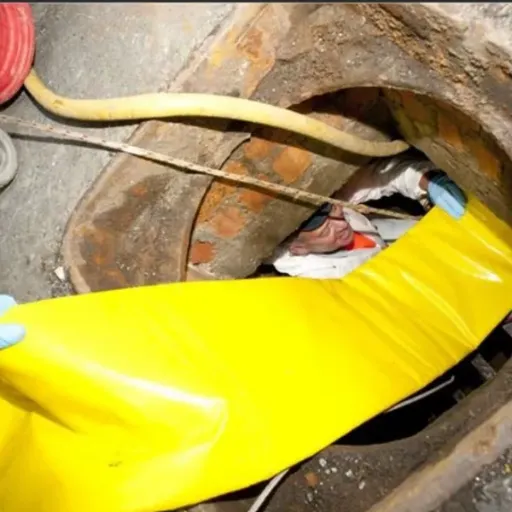
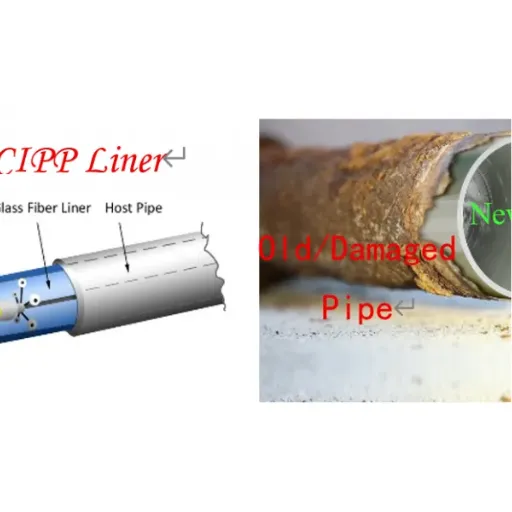
For municipalities with aging stormwater infrastructure, trenchless rehabilitation offers a way to renew pipes without open excavation. Cured-in-place pipe (CIPP) liners can restore structural integrity and extend service life while minimizing surface disruption in built-up areas.
Frequently Asked Questions About Stormwater Management Systems
What is the best pipe material for stormwater drainage?
HDPE and PP are the preferred materials for most modern stormwater drainage applications because they resist corrosion, abrasion, and chemical attack while offering high strength-to-weight ratios and long service life. Concrete remains common for very large box culverts, and metal is used where extreme loads require it, but plastic pipes dominate municipal drainage networks.
How do you size pipes in a stormwater management system?
Pipes are sized using hydrologic analysis to estimate peak runoff, followed by hydraulic calculations using the Manning equation or equivalent design software. Designers must also verify structural requirements such as ring stiffness, burial depth, and traffic loading for the selected diameter.
What is the difference between detention and retention in stormwater design?
Detention temporarily stores stormwater and releases it slowly to prevent downstream flooding. Retention also stores water but does not provide a continuous outlet, allowing infiltration or evaporation to remove most of the stored volume. Detention is more common in urban systems where discharge is required.
Can HDPE stormwater pipes handle heavy traffic loads?
Yes, when properly specified and installed. HDPE spiral profile pipes are available with SN8, SN16, and higher ring stiffness ratings. Combined with proper bedding and adequate cover depth, these pipes can withstand highway and airport loading conditions.
What manufacturing equipment produces large-diameter stormwater pipes?
Large-diameter stormwater pipes from DN800mm to DN5000mm are typically produced on spiral profile pipe machines. Smaller corrugated pipes for collectors and subdrainage are manufactured on high-speed PP corrugated pipe extrusion lines.
Conclusion
A well-designed stormwater management system protects communities from flooding, reduces erosion, and improves water quality before runoff reaches natural water bodies. The pipes at the center of these systems must handle extreme flow variations, resist harsh environmental conditions, and last for decades with minimal maintenance.
HDPE and PP spiral profile pipes have proven themselves across municipal, industrial, and commercial stormwater projects worldwide. Their combination of structural performance, chemical resistance, and installation efficiency makes them a practical choice for networks ranging from DN300mm collectors to DN5000mm trunk lines. For pipe manufacturers, the opportunity lies in having the right production equipment to supply this growing infrastructure market.
At Qingdao Yongke Machinery, we engineer turnkey extrusion lines that produce HDPE and PP spiral profile pipes from DN300mm to DN5000mm, along with high-speed PP corrugated pipe extrusion lines for smaller-diameter applications. Whether you are expanding your product range or entering the stormwater market for the first time, our team can configure equipment for your target diameters, output requirements, and material specifications.
Ready to discuss your stormwater pipe production needs? Contact Mr. Zhou Maozhen at machinery@eaglegroup.cn or via WhatsApp at +86-13583232887 to request a quotation or schedule a technical consultation.
Recently Posted
-
HDPE Pipe Standards: A Practical Guide for Engineers and Buyers
June 30, 2026A municipal contractor in Southeast Asia once accepted a shipment of HDPE pipe based only on a supplier's diameter claim. Six Read More
 -
Wastewater Collection System Design, Operation, and Renewal
June 30, 2026In late 2021, a coastal city in Southeast Asia discovered that its oldest wastewater collection system had been losing capacity fo Read More
 -
Wastewater Infrastructure Design, Assessment, and Renewal
June 29, 2026In March 2023, a wastewater treatment plant serving 400,000 residents in Southern Europe suffered a cascade failure. A single inte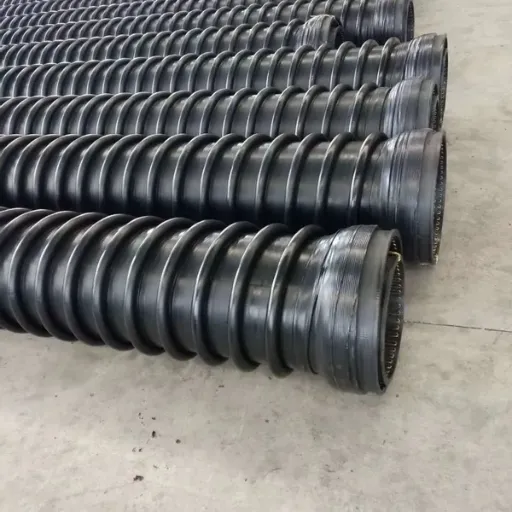 Read More
 -
Combined Sewer System Design, Operation, and Rehabilitation
June 29, 2026In August 2021, a single storm dropped 175mm of rain on a midwestern U.S. city in less than 36 hours. The city's aging combine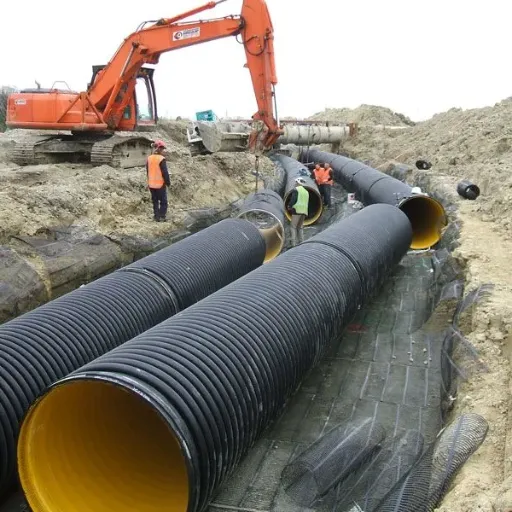 Read More

Contact Us
Recommended Products
-
 CIPP Glass Fibre Liner MachineNegotiableMOQ: 1 Set
 -
HDPE Helically Wound Tank MachineUS$ 10MOQ: 1 Set
-
CIPP Glass Liner MachineNegotiableMOQ: 1 Set
-
CIPP Felt Liner Manufacturing MachineNegotiableMOQ: 1 Set
-
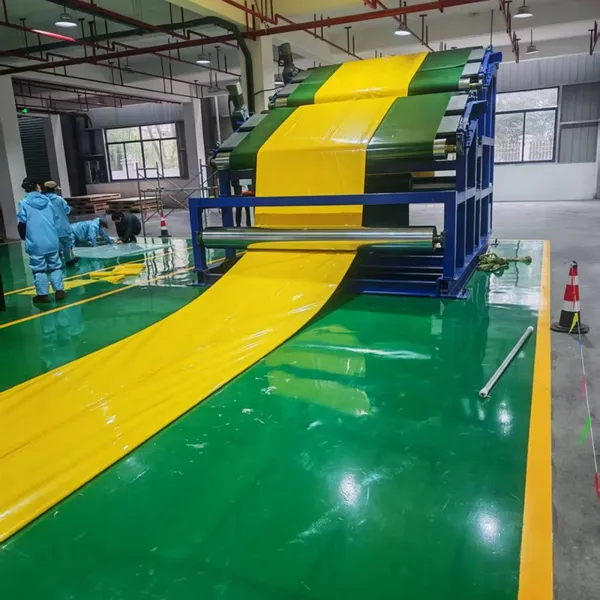
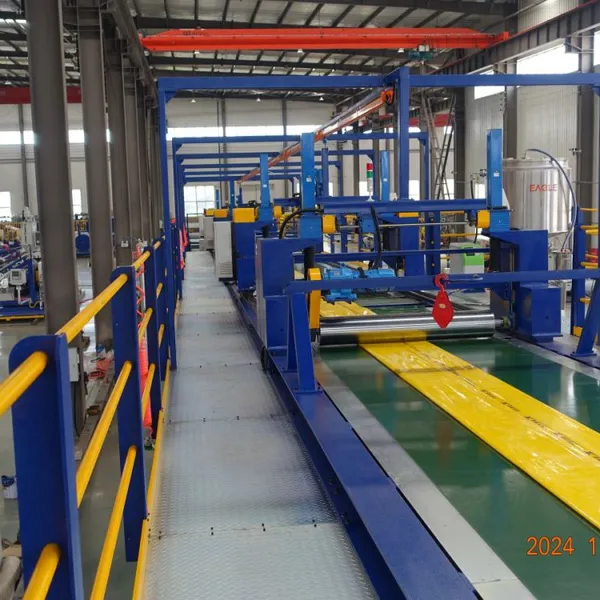
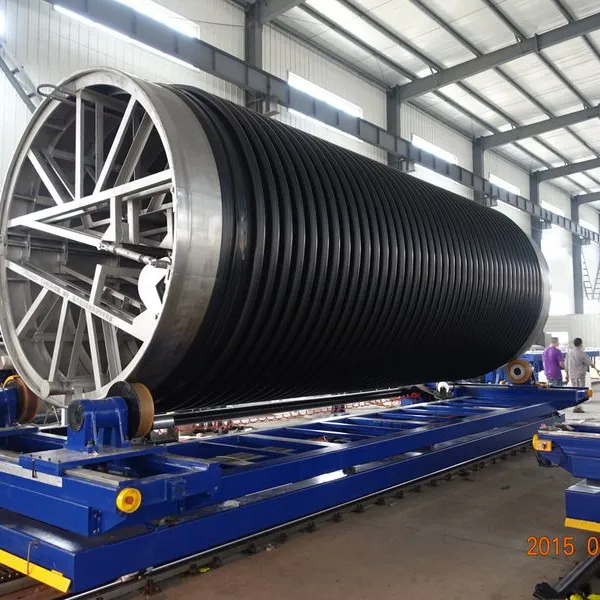
Large Diameter HDPE Sea Intake Outfall Structured Wall Pipe Making MachineNegotiableMOQ: 1 Set
-
UV-CIPP Glass Fibre Liner Manufacturing MachineUS$ 1000 - 110000MOQ: 10 Meters
-
HDPE Pipe Extrusion Machine / PE Pipe Production Line With High OutputNegotiableMOQ: 1 Set
-
UV-CIPP Glass Fiber Liner Hose Production LineUS$ 1000 - 110000MOQ: 1 Set
-
HDPE Spiral Structure Wall Pipe MachineNegotiableMOQ: 1 Set
-
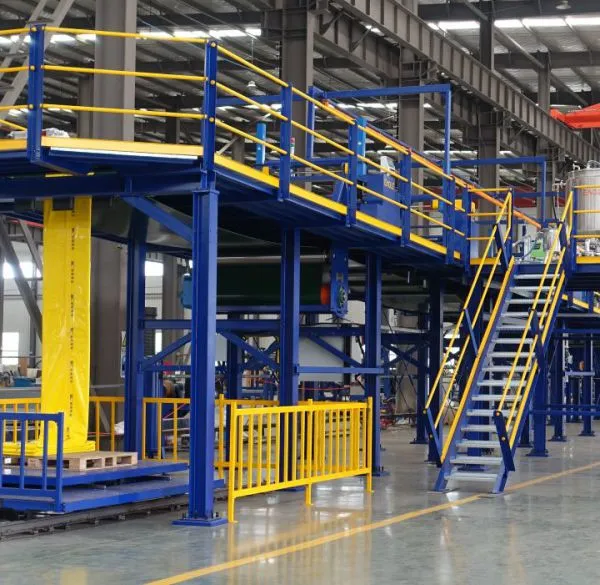
HDPE Spiral Pipe MachineNegotiableMOQ: 1 Set
-
HDPE Spiral Tank MachineNegotiableMOQ: 1 Set
-
Krah Pipe MachineNegotiableMOQ: 1 Set
-
Plastic HDPE PVC PPR Pipe Extrusion Making Machine Extrusion LineNegotiableMOQ: 1 Set
-
PVC Pipe Extrusion Production Line for Electrical Conduit and Water Supply PipesNegotiableMOQ: 1 Set
-
Hot Sell Single Wall Corrugated Pipe Extrusion Line With Competitive PriceNegotiableMOQ: 1 Set
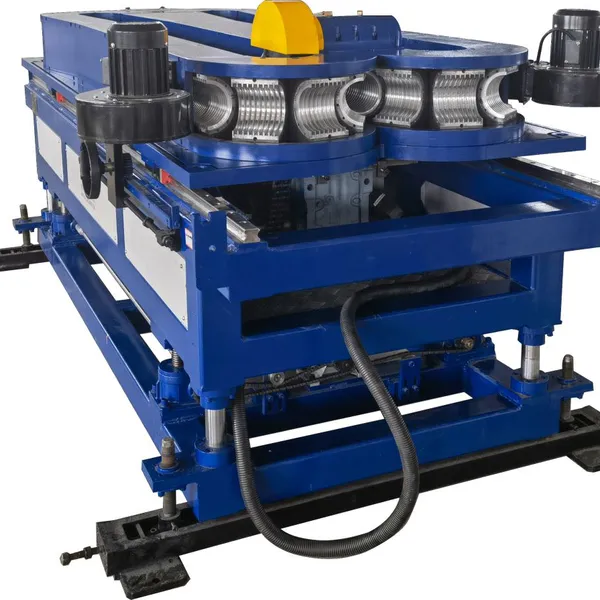
-
HDPE Krah Profild Pipe MachineUS$ 10000MOQ: 1 Set
-
Plastic Tank CNC Holes Boring MachineUS$ 10000MOQ: 1 Set
-
Double Wall Corrugated Pipe Extrusion LineNegotiableMOQ: 1 Set
-
Single Wall Corrugated Pipe Extrusion LineNegotiableMOQ: 1 Set
-
Inversion CIPP Liner Tube Manufacturing MachineNegotiableMOQ: 1 Set