
 Business License
HDPE Spiral Pipe: A Complete Guide to DN300-DN5000 Structural Wall Pipe
HDPE spiral pipe is a large-diameter structural wall pipe. It's made by helically winding an extruded HDPE or PP profile strip onto a rotating mandrel. The hollow-chamber wall design gives it high ring stiffness with less material than solid-wall pipe. That makes it ideal for municipal sewer, drainage, and stormwater systems from DN300mm up to DN5000mm.
What if one pipe choice could cut a project's material cost by 30% without sacrificing strength? In 2023, a municipal contractor in Jakarta needed 2.5 kilometers of DN1800mm sewer interceptor. Solid-wall HDPE of that diameter would have been prohibitively heavy and expensive. The project engineer specified HDPE spiral pipe with an SN8 ring stiffness. The pipe arrived in 6-meter lengths, weighed a fraction of concrete, and the crew completed the line in half the expected trench time.
That's the practical value of spiral pipe. This guide explains what it is, how it's made, where it performs best, and how it compares to other large-diameter pipe options.
Key Takeaways
HDPE spiral pipe is a structural wall pipe. It's produced by helically winding an extruded HDPE or PP profile, creating hollow chambers for stiffness and material efficiency.
Standard diameters range from DN300mm to DN5000mm. Ring stiffness classes range from SN4 to SN16.
Spiral profile pipe weighs less than concrete or solid-wall HDPE of the same diameter. This reduces transport and handling costs.
Common applications include municipal sewage, stormwater drainage, culverts, and industrial effluent systems.
Joints use heat fusion, gasketed bell-and-spigot, or extrusion welding depending on wall structure and project requirements.
Qingdao Yongke Machinery manufactures HDPE spiral profile pipe machines that produce DN300mm to DN5000mm pipe on a single production line.
What Is HDPE Spiral Pipe?
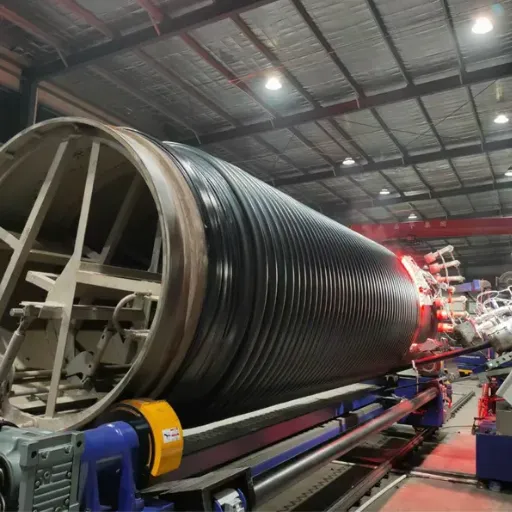
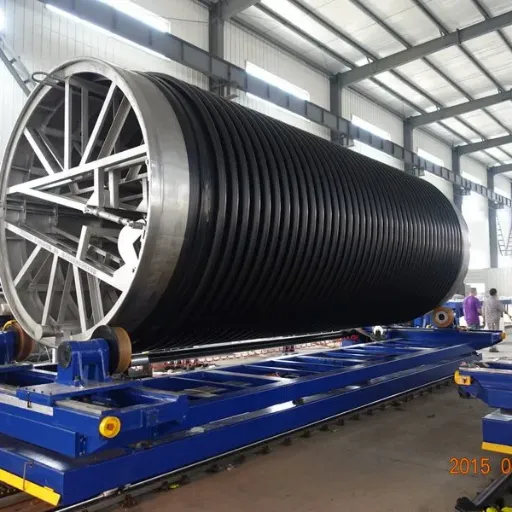
HDPE spiral pipe is also called Krah pipe, spiral wound pipe, or spiral profile pipe. It's a thermoplastic pipe with a structural wall formed by winding an extruded profile strip in a helix. Each turn overlaps the previous one. The overlapping edges are welded together to form a continuous hollow-wall cylinder.
The wall consists of inner and outer solid skins connected by hollow ribs or chambers. These chambers act like the web of an I-beam. They increase ring stiffness without adding much weight. This geometry is why spiral pipe can reach diameters up to DN5000mm while remaining practical to transport and install.
The pipe can be made from HDPE (high-density polyethylene), PP (polypropylene), or PP-HM (high-modulus polypropylene). HDPE is the most common choice for sewer and drainage because of its chemical resistance and toughness. PP-HM is used when higher stiffness at lower weight is required.
For pipe producers, manufacturing this pipe requires a specialized machine. An HDPE spiral profile pipe machine is a complete extrusion and winding line. It forms the profile, cools it, and winds it onto a mandrel.
How HDPE Spiral Pipe Is Manufactured
The manufacturing process is fundamentally different from solid-wall extrusion. Instead of pushing molten polymer through a circular die, the machine produces a profile strip. Then it winds that strip into a pipe.
Extrusion of the Profile Strip
A single-screw extruder melts HDPE or PP resin. The molten polymer is pushed through a spiral mandrel die. The die shapes it into a hollow profile strip with the desired wall thickness, rib height, and chamber geometry. Vacuum calibration immediately holds the profile shape while cooling water solidifies the outer surface.
Winding Station
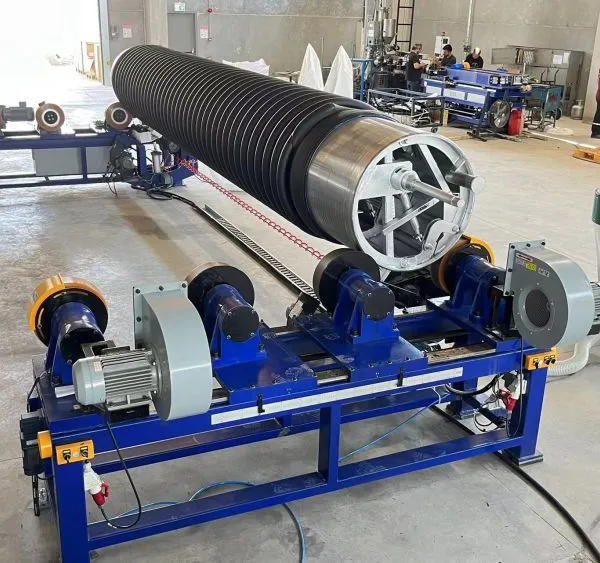
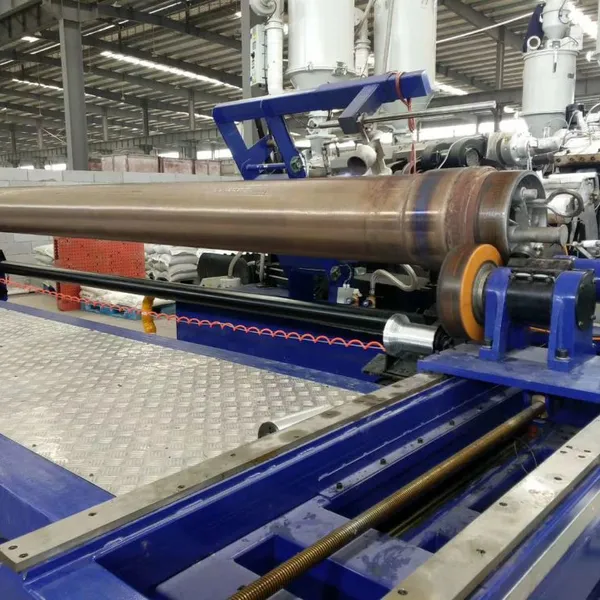
The cooled profile strip feeds onto a rotating mandrel at a controlled helical angle. Each winding overlaps the previous turn by a set width. A heating element welds the overlap zone to create a continuous wall. Critical parameters include mandrel speed, winding angle, overlap width, and weld temperature.
Cutting and Handling
When the pipe reaches the specified length, a flying cut-off saw severs it without stopping production. The finished pipe is ejected from the mandrel and moved to storage or further processing. Some lines include online belling or socket-forming stations for gasketed joints.
This process scales from DN300mm to DN5000mm by changing mandrel size, extruder output, and winding geometry. Yongke Machinery's spiral profile pipe production lines are engineered to cover this full diameter range with recipe-based PLC control.
HDPE Spiral Pipe Wall Structure and Types
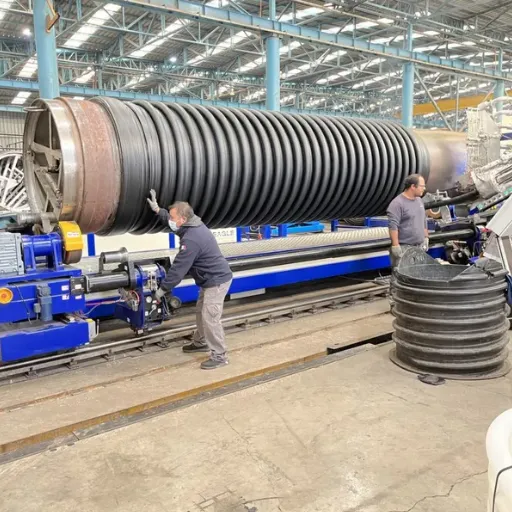
Not all spiral profile pipes have the same wall design. The structure depends on required ring stiffness, burial depth, and installation method.
Here's what to consider.
Single-Wall vs Double-Wall Profile
A single-wall profile has one hollow chamber per rib. A double-wall profile has two chambers stacked vertically, providing higher ring stiffness for the same amount of material. Double-wall designs are common for SN8 and SN16 pipes.
Smooth vs Corrugated Interior
Some spiral pipe has a smooth inner surface for low flow resistance and easy CCTV inspection. Other designs have a corrugated inner wall that integrates with the structural ribs. Smooth interiors are preferred for gravity sewers where solids transport matters.
Material Variants
HDPE spiral pipe: Most common, excellent chemical resistance and toughness.
PP spiral profile pipe: Higher stiffness and temperature resistance than HDPE.
PP-HM spiral pipe: Highest stiffness-to-weight ratio, used for SN16 and deep burial.
For municipal applications, HDPE spiral pipe with a smooth interior and SN8 ring stiffness is the most common specification.
Advantages of HDPE Spiral Pipe
HDPE spiral pipe competes with concrete, ductile iron, solid-wall HDPE, and corrugated plastic pipe. It wins on several fronts.
Consider the numbers.
High Stiffness-to-Weight Ratio
The hollow-wall structure provides SN4 to SN16 ring stiffness with significantly less material than solid-wall pipe. A DN1500mm solid-wall HDPE pipe would have a very thick, heavy wall. The spiral profile achieves the same external load capacity with a fraction of the material.
Lightweight and Easy Handling
A 6-meter length of DN1200mm spiral pipe weighs much less than an equivalent concrete pipe. Two workers or a small excavator can move many sizes. This reduces crane time, speeds laying, and lowers freight costs.
Long Service Life
HDPE resists corrosion, abrasion, and biological attack. Properly manufactured and installed spiral pipe can exceed 50 years of service in sewer and drainage applications.
Flexible Joints and Ground Movement Tolerance
Heat-fused or gasketed joints accommodate ground settlement and seismic movement without cracking. This is a major advantage over rigid concrete pipe in soft or earthquake-prone soils.
Large Diameter Capability
Standard extrusion lines struggle above DN1200mm. Spiral winding technology routinely produces DN3000mm, DN4000mm, and DN5000mm pipe. This makes HDPE spiral pipe the go-to choice for large interceptors, outfalls, and culverts.
HDPE Spiral Pipe vs Corrugated Pipe vs Solid-Wall HDPE
| Factor | HDPE Spiral Pipe | Double-Wall Corrugated Pipe | Solid-Wall HDPE |
|---|---|---|---|
| Diameter range | DN300mm to DN5000mm | DN100mm to DN1200mm typical | DN20mm to DN1600mm typical |
| Ring stiffness | SN4 to SN16 | SN4 to SN16 | Depends on wall thickness |
| Weight per meter | Low | Very low | High at large diameters |
| Manufacturing | Extrusion + winding | Co-extrusion + vacuum forming | Direct extrusion |
| Joint types | Fusion, gasketed, extrusion weld | Gasketed bell-and-spigot | Butt fusion, electrofusion |
| Best for | Large sewers, interceptors, culverts | Smaller drainage, stormwater | Pressure pipe, small sewers |
For diameters above DN1200mm, HDPE spiral pipe is usually the only practical plastic option. For smaller diameters, corrugated pipe may offer lower cost.
Applications of HDPE Spiral Pipe
HDPE spiral pipe is used wherever large-diameter buried plastic pipe is needed. The most common applications include the following.
Municipal Sewer Systems
Interceptor sewers, trunk sewers, and collector lines use spiral pipe for its corrosion resistance and large diameter capability. The smooth interior minimizes flow resistance and reduces sedimentation.
Stormwater Management
Stormwater culverts, retention systems, and outfall pipes benefit from the pipe's light weight and resistance to acidic runoff. Large-diameter spiral pipe can pass high peak flows without the weight of concrete.
Industrial Effluent
Chemical plants, food processing facilities, and mining operations use spiral pipe for aggressive effluent. HDPE resists a wide range of chemicals that degrade concrete or metal.
Road and Railway Culverts
The pipe's ring stiffness and joint flexibility make it suitable for culverts under roads and railways. Installation doesn't require heavy concrete bedding in many cases.
Trenchless Rehabilitation
Large-diameter spiral pipe can be installed by pipe bursting, slip lining, or microtunneling. It pairs well with the no-dig rehabilitation market, where Yongke Machinery also supplies CIPP liner manufacturing machines.
Krah Pipe: The Origin of Spiral Profile Technology
Krah pipe is the brand-origin name for the spiral profile pipe technology developed in Germany. Today, the term is widely used to describe any pipe produced by helically winding an extruded HDPE or PP profile onto a mandrel.
Krah pipe and HDPE spiral pipe refer to the same manufacturing method. The difference is mainly regional. European contractors often say Krah pipe. North American and Asian markets more commonly use spiral profile pipe or spiral wound HDPE pipe.
Spiral Wound HDPE Pipe: Naming and Regional Use
Spiral wound HDPE pipe is another common name for this product, especially in North America. The term emphasizes the helical winding process rather than the material. It's the same structural wall pipe with hollow chambers and the same DN300mm to DN5000mm diameter range.
For engineers writing specifications, it helps to include multiple names. A tender might request "Krah pipe" while the contractor's supplier catalog lists "spiral wound HDPE pipe." Both refer to the same technology.
Large Diameter HDPE Pipe: Why Spiral Technology Wins
When projects need pipe above DN1200mm, solid-wall HDPE becomes impractical. The wall thickness required for structural strength makes the pipe heavy and expensive. Concrete is strong but rigid, heavy, and vulnerable to corrosion in aggressive environments.
Spiral technology solves this problem. The hollow-wall profile provides ring stiffness with less material. A DN3000mm pipe can be manufactured, transported, and installed using equipment that would be overwhelmed by concrete of the same size.
This is why large diameter HDPE pipe almost always means spiral profile pipe in the DN1500mm to DN5000mm range.
HDPE Spiral Profile Pipe Machine: Production Line Overview
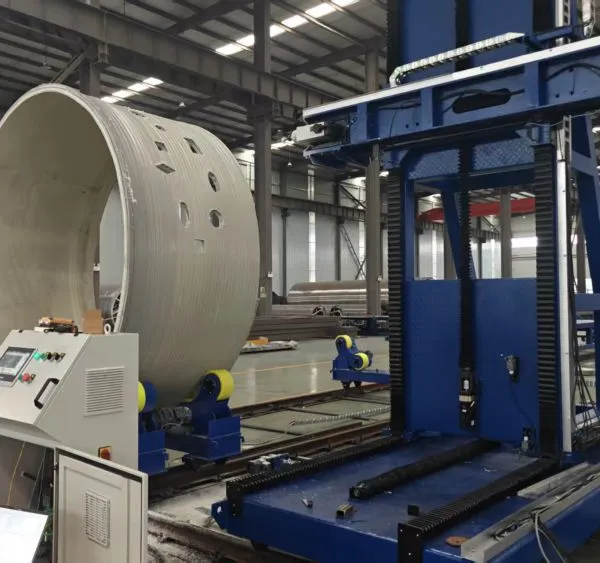
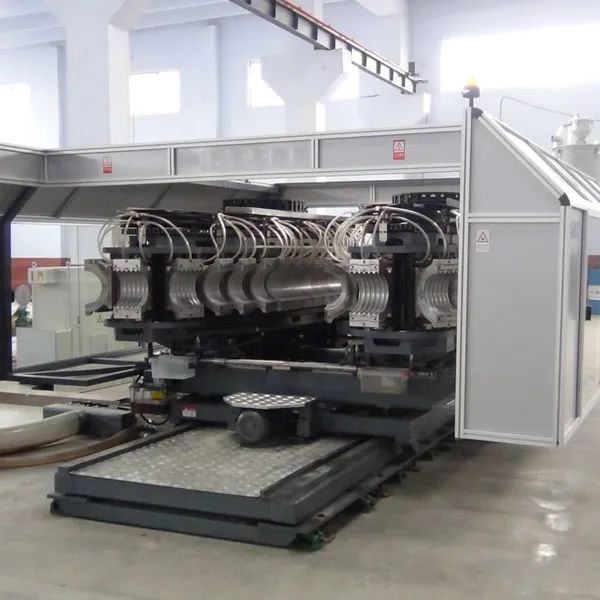
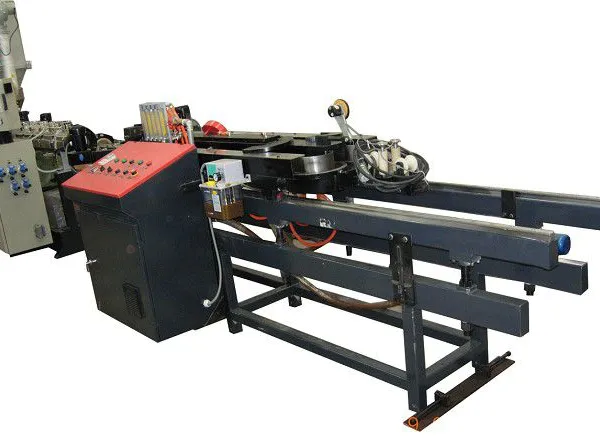
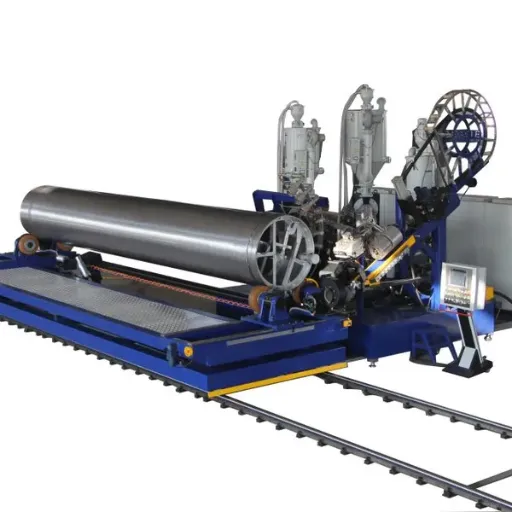
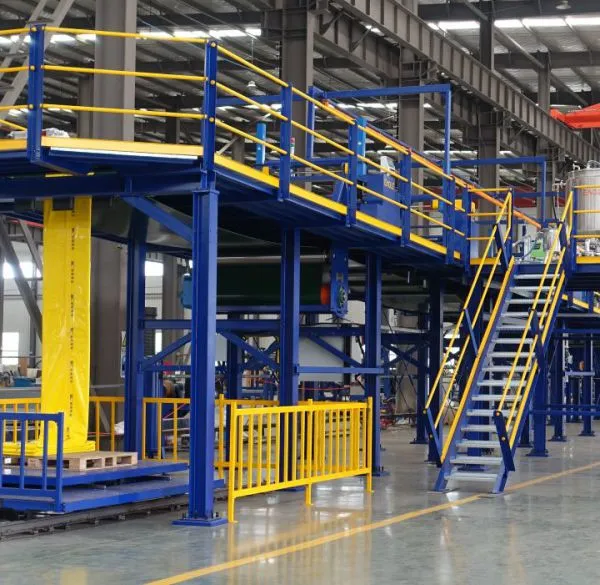
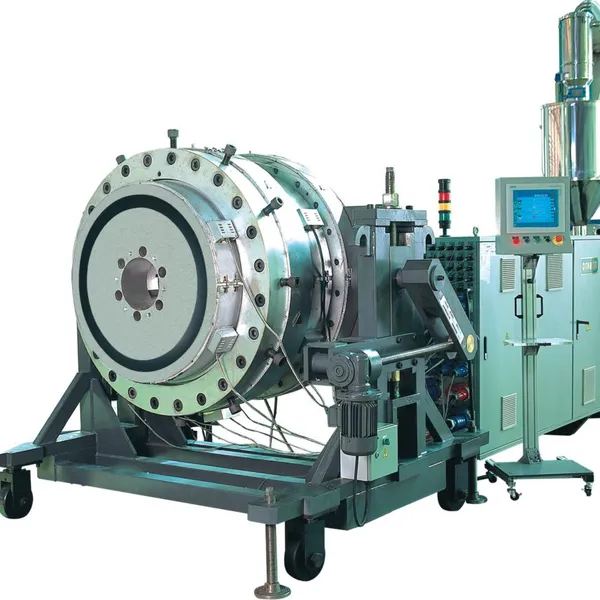
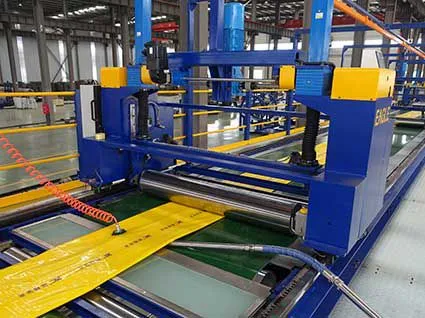
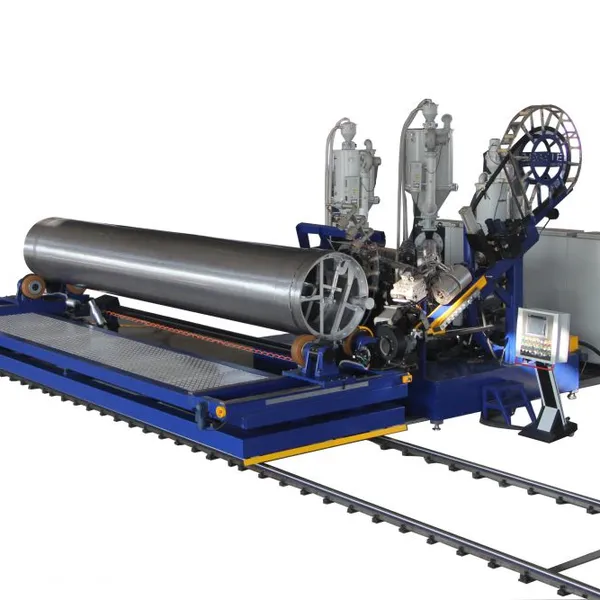
Manufacturing HDPE spiral pipe requires more than a standard extruder. A complete production line includes several components. These include a single-screw extruder, spiral mandrel die, vacuum calibration tank, cooling trough, winding station with rotating mandrel, flying cut-off saw, and ejection system.
Yongke Machinery's HDPE spiral profile pipe machine covers DN300mm to DN5000mm on one line. The PLC-based control system stores recipes for different diameters, wall structures, and materials. This lets producers switch between specifications without long changeover times.
For producers who also need chemical storage tank capability, the same spiral winding technology powers our HDPE spiral tank making machine.
HDPE Spiral Pipe Standards and Specifications
Manufactured pipe must comply with regional standards. These standards cover material, dimensions, and performance.
Compliance matters.
International Standards
ISO 21138: Plastics piping systems for non-pressure underground drainage and sewerage with structured-wall piping systems.
EN 13476: European standard for plastics piping systems in non-pressure underground drainage and sewerage.
ASTM F894: Standard specification for polyethylene profile wall pipe for gravity-flow systems in the United States.
Key Specifications to Define
When ordering spiral pipe, specify:
DN (nominal diameter): Internal reference size in millimeters.
Ring stiffness (SN): SN4, SN8, or SN16 depending on burial depth and load.
Material: HDPE, PP, or PP-HM with appropriate density and MFI.
Wall structure: Single-wall, double-wall, smooth interior, or corrugated interior.
Joint type: Gasketed, heat-fused, or extrusion-welded.
Length: Typically 6 meters, but custom lengths are possible.
For pressure applications, additional checks on wall thickness and pressure rating are required. Our HDPE pipe pressure rating guide covers solid-wall pressure pipe in more detail.
Jointing Methods for HDPE Spiral Pipe
The right joint depends on wall structure, diameter, and whether the line is gravity or pressure service.
Heat Fusion Joints
Solid-wall HDPE pipe sections can be butt-fused or electrofused. Some spiral profile designs include fusion-compatible ends that allow standard butt fusion. This creates a fully restrained, leak-free joint.
Gasketed Bell-and-Spigot Joints
Many spiral pipe systems use an integrated bell with an elastomeric gasket. The spigot end pushes into the bell and the gasket seals under compression. This joint allows some angular deflection and is fast to install.
Extrusion Welding
For large-diameter structural wall pipe, extrusion welding can join sections or attach fittings. A welding extruder deposits molten HDPE or PP into the joint groove, creating a homogeneous bond. This method requires trained operators but is very strong.
Mechanical Couplings
Stainless steel or polymer coupling bands can connect pipes where disassembly is needed or where other methods are impractical. These are most common for repair connections or transitions to other materials.
For detailed installation guidance, see our HDPE pipe installation guide.
How to Select the Right HDPE Spiral Pipe
Choosing the right specification prevents both over-engineering and field failures.
Step 1: Define the Application
Gravity sewer, stormwater, culvert, and industrial effluent each have different requirements. Sewer lines need smooth interiors and chemical resistance. Culverts need high ring stiffness for traffic loads.
Step 2: Calculate Ring Stiffness Requirement
Burial depth, soil type, groundwater level, and surface loading determine the required SN class. A pipe under 1 meter of cover in a residential area may only need SN4. The same diameter under 8 meters of fill and highway loading may need SN16.
Step 3: Choose the Material
HDPE is the default for most applications. PP or PP-HM is chosen when higher stiffness, higher temperature resistance, or thinner walls are needed.
Step 4: Specify Joints
Gasketed joints are fast and flexible. Fusion joints are leak-free and fully restrained. The choice depends on installation speed, soil conditions, and testing requirements.
Step 5: Verify Manufacturer Capability
Not every producer can manufacture DN4000mm or DN5000mm pipe consistently. Verify mandrel size range, quality control records, and certification documentation before placing a large order.
For help with diameter and dimension selection, use our HDPE pipe sizes chart or our pipe diameter selection guide.
Quality Control in HDPE Spiral Pipe Production
Quality problems in spiral pipe usually show up as wall thickness variation, incomplete weld fusion, or dimensional inconsistency. Buyers should look for controlled manufacturing processes.
Prevention is cheaper than rejection.
In-Process Checks
A reliable producer monitors extruder temperature, profile dimensions, winding angle, overlap width, and weld temperature continuously. Recipe storage on the PLC ensures repeatability between production runs.
Testing Requirements
Common tests include ring stiffness, impact resistance, creep ratio, and dimensional checks. Third-party inspection against ISO 21138 or EN 13476 adds credibility for municipal projects.
Visual Inspection
Inspect pipe ends for squareness, check gasket grooves for damage, and look for visible defects in the profile wall. A pipe with uneven ribs or inconsistent color may indicate process instability.
Common Mistakes When Specifying HDPE Spiral Pipe
Even experienced engineers make errors. Here are the ones that cause the most problems.
Underspecifying Ring Stiffness
Choosing SN4 to save money where SN8 is needed leads to excessive deflection and joint stress. Always calculate external loads properly.
Ignoring Joint Compatibility
Specifying a gasketed joint system and then ordering fittings designed for fusion creates field delays. Match joints, fittings, and installation tooling to one system.
Overlooking Handling Requirements
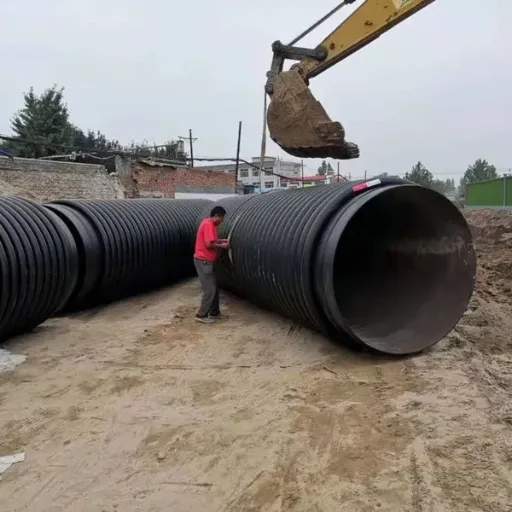
Large-diameter spiral pipe is lighter than concrete but still heavy. DN3000mm sections need proper lifting equipment and slings. Damage from improper handling often occurs at the pipe ends.
Forgetting Thermal Expansion
Buried lines are usually restrained by soil, but exposed sections at structures need expansion joints or offsets. HDPE has a higher coefficient of thermal expansion than steel or concrete.
FAQ: HDPE Spiral Pipe
What is HDPE spiral pipe used for?
HDPE spiral pipe is used for large-diameter gravity sewer, stormwater drainage, culverts, and industrial effluent systems. Its structural wall design provides high ring stiffness with low weight.
What sizes does HDPE spiral pipe come in?
Standard diameters range from DN300mm to DN5000mm. Specific manufacturers may offer narrower or slightly extended ranges depending on their equipment.
Is HDPE spiral pipe the same as Krah pipe?
Krah pipe is a specific brand-origin term for spiral profile pipe technology. HDPE spiral pipe and Krah pipe refer to the same general type of structural wall pipe produced by helical winding.
How long does HDPE spiral pipe last?
With proper manufacturing and installation, HDPE spiral pipe can exceed 50 years of service in typical sewer and drainage conditions.
Can HDPE spiral pipe be used for pressure applications?
Some designs can handle low pressure, but HDPE spiral pipe is primarily designed for gravity-flow applications. Pressure service usually requires solid-wall HDPE pipe rated for the operating pressure.
What is the difference between HDPE spiral pipe and corrugated pipe?
HDPE spiral pipe uses a helically wound structural wall and is available in much larger diameters (up to DN5000mm). Double-wall corrugated pipe is typically co-extruded and used for smaller diameters up to about DN1200mm.
How are HDPE spiral pipe joints tested?
Gasketed joints are tested with air or water exfiltration tests. Fusion joints can be pressure-tested. CCTV inspection verifies interior joint alignment.
Can recycled material be used in HDPE spiral pipe?
Yes, many producers use recycled HDPE or PP in the outer structural layers. They maintain virgin material in the inner layer for performance and regulatory compliance.
Why Yongke Machinery for HDPE Spiral Pipe Production Lines
Qingdao Yongke Machinery has manufactured spiral profile pipe machines since 2010. Our ISO 9001, ISO 14001, and ISO 45001 certified facility in Qingdao, China produces complete extrusion and winding lines for DN300mm to DN5000mm pipe.
Our equipment includes proprietary features like the second heating system for stable large-diameter production and Pipefinder software for ring stiffness calculation. We provide technical documentation, remote support, spare parts, and engineer-assisted installation.
For pipe producers entering the large-diameter market or expanding capacity, our team configures each line for the target diameter range, material, and output. Request a quotation to discuss your project.
Conclusion: HDPE Spiral Pipe for Large-Diameter Infrastructure
HDPE spiral pipe offers a rare combination of large diameter capability, light weight, and long-term durability. For municipal and industrial projects from DN300mm to DN5000mm, it often outperforms concrete, ductile iron, and solid-wall plastic alternatives.
Key points to remember:
The hollow-wall structure provides SN4 to SN16 ring stiffness with less material than solid-wall pipe.
Manufacturing requires a specialized spiral profile pipe machine with extrusion, winding, and cutting systems.
Applications include sewer, stormwater, culverts, and industrial effluent.
Joint selection must match the wall structure and project requirements.
Always calculate ring stiffness, burial depth, and surface loads before specifying.
For pipe producers and contractors considering large-diameter plastic pipe, Qingdao Yongke Machinery builds HDPE spiral profile pipe machines at our ISO-certified factory in Qingdao. Our lines cover DN300mm to DN5000mm with PLC control, recipe storage, and engineer installation support.
If you're planning a pipe production project or need a detailed quotation, contact Qingdao Yongke Machinery. Our engineering team will help you configure the right extrusion and winding line for your target diameters, material, and output.
Recently Posted
-
Qingdao Yongke Machinery: Full-Category Spiral Pipe Equipment from China's Qingdao
September 1, 2026Choosing a machinery supplier for large-diameter plastic pipe production is a long-term decision, because the line you install wil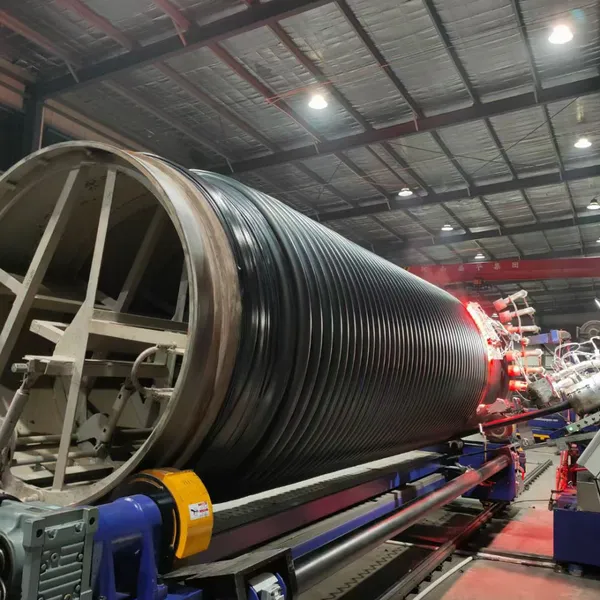 Read More
 -
Quality Control in Spiral Pipe Machine Manufacturing
August 31, 2026A buyer in South America some time ago received a winding line that looked complete on the surface but suffered repeated seam defe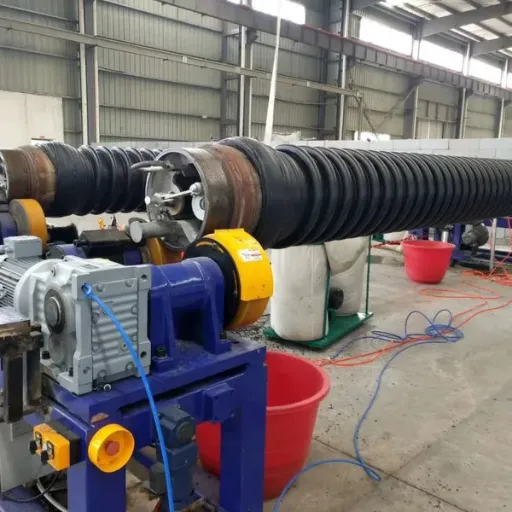 Read More
 -
Spiral Pipe for Sewage and Drainage Networks: Production Notes
August 28, 2026A municipal contractor in Eastern Europe some time ago took delivery of spiral-wound sewer pipe that looked flawless on the line.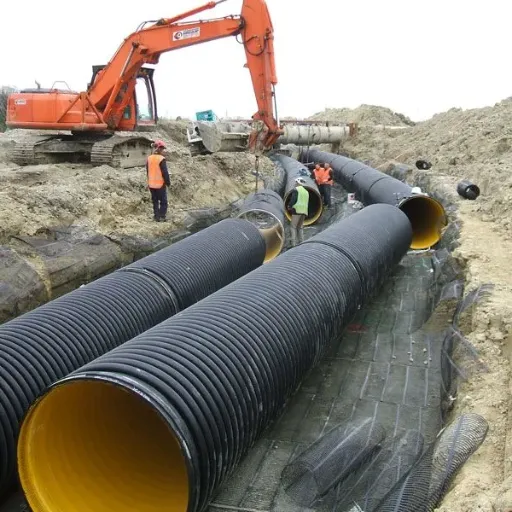 Read More
 -
DN300 to DN5000: Diameter Range and Machine Configuration
August 27, 2026A plant owner in Central Asia once asked for a line "up to DN5000" because a future tender mentioned large storage tanks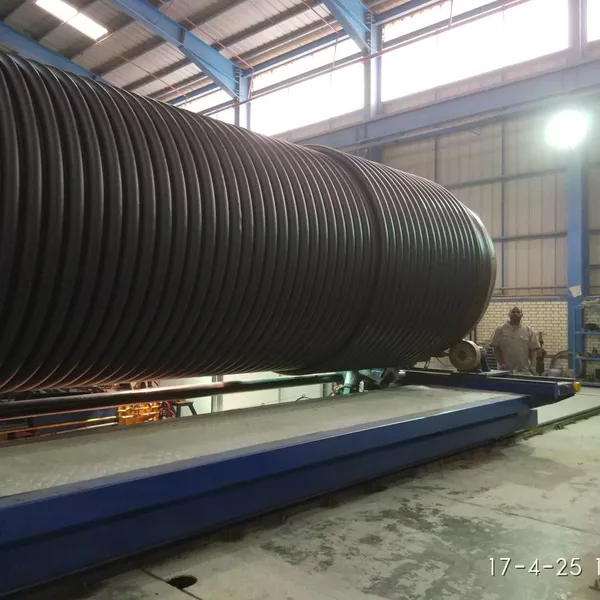 Read More

Contact Us
Recommended Products
-
 CIPP Glass Fibre Liner MachineNegotiableMOQ: 1 Set
 -
HDPE Helically Wound Tank MachineUS$ 10MOQ: 1 Set
-
CIPP Glass Liner MachineNegotiableMOQ: 1 Set
-
CIPP Felt Liner Manufacturing MachineNegotiableMOQ: 1 Set
-
Large Diameter HDPE Sea Intake Outfall Structured Wall Pipe Making MachineNegotiableMOQ: 1 Set
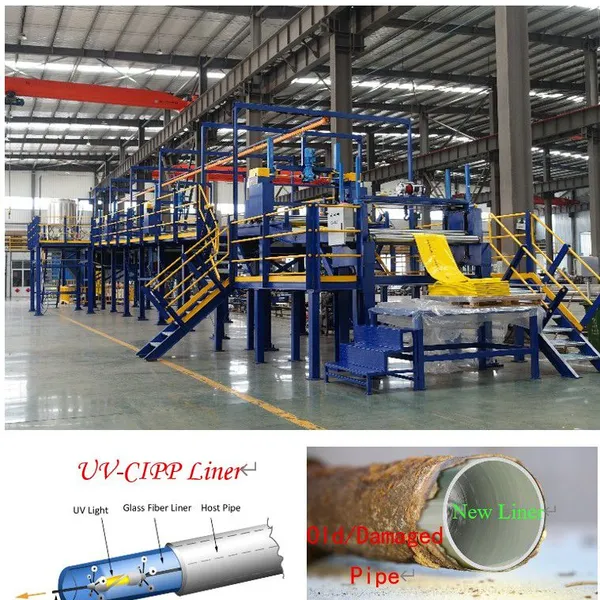
-
UV-CIPP Glass Fibre Liner Manufacturing MachineUS$ 1000 - 110000MOQ: 10 Meters
-
HDPE Pipe Extrusion Machine / PE Pipe Production Line With High OutputNegotiableMOQ: 1 Set
-
UV-CIPP Glass Fiber Liner Hose Production LineUS$ 1000 - 110000MOQ: 1 Set
-
HDPE Spiral Structure Wall Pipe MachineNegotiableMOQ: 1 Set
-
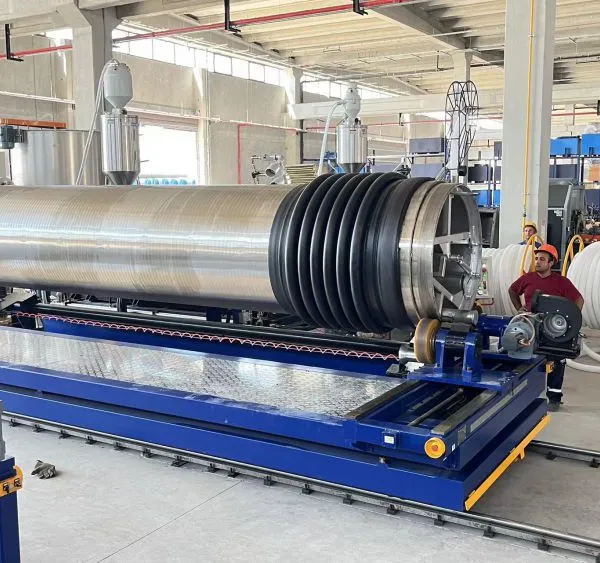
HDPE Spiral Pipe MachineNegotiableMOQ: 1 Set
-
HDPE Spiral Tank MachineNegotiableMOQ: 1 Set
-
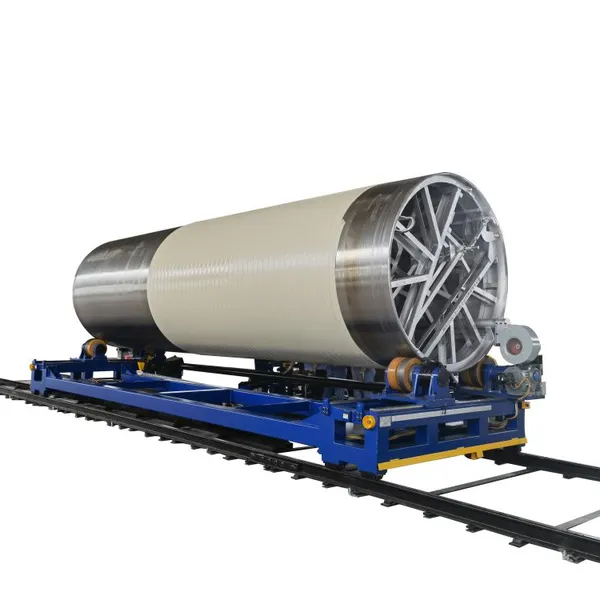
Krah Pipe MachineNegotiableMOQ: 1 Set
-
Plastic HDPE PVC PPR Pipe Extrusion Making Machine Extrusion LineNegotiableMOQ: 1 Set
-
PVC Pipe Extrusion Production Line for Electrical Conduit and Water Supply PipesNegotiableMOQ: 1 Set
-
Hot Sell Single Wall Corrugated Pipe Extrusion Line With Competitive PriceNegotiableMOQ: 1 Set
-
HDPE Krah Profild Pipe MachineUS$ 10000MOQ: 1 Set
-
Plastic Tank CNC Holes Boring MachineUS$ 10000MOQ: 1 Set
-
Double Wall Corrugated Pipe Extrusion LineNegotiableMOQ: 1 Set
-
Single Wall Corrugated Pipe Extrusion LineNegotiableMOQ: 1 Set
-
Inversion CIPP Liner Tube Manufacturing MachineNegotiableMOQ: 1 Set