
 Business License
Trenchless Pipe Repair: A Complete Guide to No-Dig Rehabilitation Methods
Trenchless pipe repair is a set of technologies that rehabilitate damaged underground pipelines without open-cut excavation. The most common methods are Cured-In-Place Pipe (CIPP) lining for structural renewal, pipe bursting for full replacement, and slip lining for inserting a smaller carrier pipe into the host pipe.
What if you could fix a cracked sewer main without tearing up a city street? In 2022, a utility contractor in Warsaw faced exactly that problem. A 600mm concrete sewer line ran beneath a busy tram line. Digging would've shut down transit for weeks and cost millions in surface restoration.
Instead, the crew installed a UV-CIPP liner through existing manholes. They cured the new pipe inside the old one in a single weekend. Traffic kept moving. The tram ran on schedule. The line passed pressure testing Monday morning.
That's the power of trenchless pipe repair. This guide explains how the main methods work and when each one is appropriate. You'll also learn what equipment and materials they require, and how manufacturers like Qingdao Yongke Machinery support the no-dig pipe repair supply chain with CIPP liner production equipment.
Key Takeaways
Trenchless pipe repair restores or replaces underground pipe without excavation, cutting disruption by 60-80%.
CIPP pipe repair creates a new structural pipe inside the old one using resin-soaked liners cured with UV light, hot water, or steam.
Pipe bursting replaces the host pipe by fracturing it and pulling a new HDPE pipe into place.
Slip lining inserts a smaller pipe into the existing line, reducing diameter but restoring flow capacity.
Method selection depends on pipe condition, diameter, access, structural needs, and budget.
Qingdao Yongke Machinery manufactures UV-CIPP and inversion CIPP liner hose machines that produce the liners used in trenchless pipe repair.
What Is Trenchless Pipe Repair?
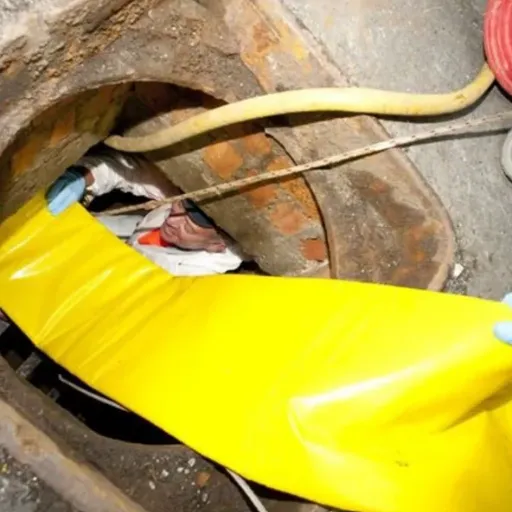
Trenchless pipe repair fixes damaged sewer, water, gas, and drainage pipes from the inside out. Crews access the line through small entry pits or existing manholes. They don't dig long open trenches across roads, yards, or industrial sites.
The methods fall into two categories:
Rehabilitation: Lining or coating the existing pipe to seal cracks and restore structure
Replacement: Breaking the old pipe and pulling a new pipe into the same path
The U.S. Environmental Protection Agency recognizes trenchless technologies as effective ways to reduce infiltration, inflow, and overflows in municipal collection systems. The North American Society for Trenchless Technology (NASSCO) sets inspection and rehabilitation standards used worldwide for trenchless sewer repair and no-dig pipe repair projects.
For municipalities, the biggest advantage isn't just avoiding digging. It's avoiding the hidden costs of surface restoration, traffic control, utility relocation, and public disruption.
No-Dig Pipe Repair Methods
The right method depends on what is wrong with the pipe and what you need the repaired line to do. Here are the four main approaches used today.
CIPP Pipe Repair
Cured-In-Place Pipe, or CIPP, is the most widely used trenchless pipe repair method. It's also the most common form of pipe relining. A flexible liner tube is saturated with thermosetting resin, inserted into the damaged pipe, and cured until it hardens into a new pipe wall.
There are three main curing systems:
UV-CIPP
A UV-CIPP liner contains fiberglass fabric and UV-curable resin. After insertion, a UV light train moves through the liner and triggers polymerization. Curing takes one to three hours depending on diameter and length.
UV-CIPP offers precise curing control, long shelf life, and fast installation. It's ideal for urban sewers with active infiltration and tight schedules. Manufacturers produce UV-CIPP liners on specialized UV-CIPP liner hose manufacturing machines.
Inversion CIPP
Inversion CIPP uses water or air pressure to turn the resin-soaked liner inside-out as it enters the host pipe. The liner presses against the host pipe wall, and curing happens with hot water or steam.
This method has been used since the 1970s and works well for large diameters and long straight runs. Inversion liners are produced on inversion CIPP liner hose machines.
Ambient-Cure CIPP
Ambient-cure systems harden at room temperature without external heat or light. They work for small repairs and short sections where mobilizing curing equipment is impractical.
Pipe Bursting
Pipe bursting fractures the existing pipe and pushes the fragments into the surrounding soil. A new pipe, usually HDPE, is pulled into the space behind a bursting head. This method is true replacement, not rehabilitation.
It works best when:
The existing pipe is too damaged to line
The line needs full diameter restoration
The host pipe material is brittle, such as clay, concrete, or cast iron
There is enough soil cover to absorb the fragments
Pipe bursting requires entry and exit pits but avoids the continuous trench of open-cut replacement. The new HDPE pipe is typically fused into one continuous string using a pipe welding machine, such as a butt fusion welding machine, before installation.
Slip Lining
Slip lining inserts a smaller-diameter pipe into the existing host pipe. It's a form of pipe relining that doesn't rely on resin curing. The annular space between the old and new pipe is often grouted for stability. This method reduces the internal diameter, so it requires hydraulic verification to ensure adequate capacity.
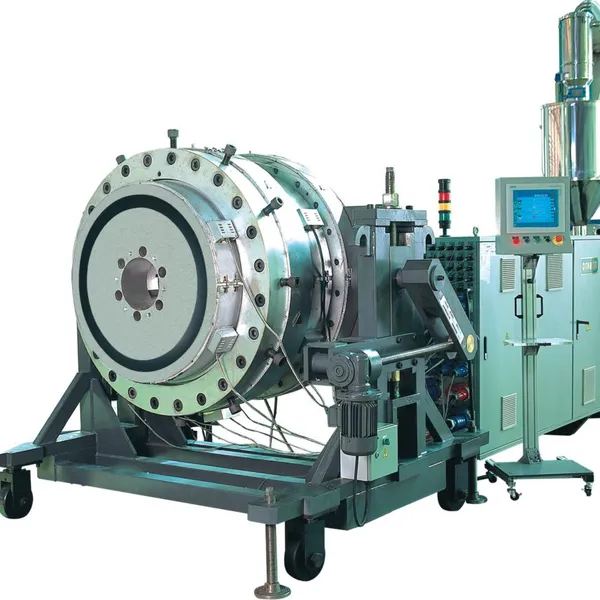
Common slip lining materials include HDPE, PVC, and GRP. Some contractors produce their own corrugated support tubes on a high-speed PP corrugated pipe extrusion line. The technique is simple and has low material cost, but the diameter reduction can be a significant limitation.
Spray Lining and Brush Coating
Spray lining applies a thin coating to the interior pipe wall. It seals cracks, stops infiltration, and protects against corrosion. Brush coating is similar but applied with rotating brushes for small-diameter lines.
These methods are best for:
Localized cracks and joints
Corrosion protection
Pipes with adequate structural integrity
Short sections and spot repairs
Comparing No-Dig Rehabilitation Methods
| Method | Best For | Diameter Range | Structural? | Diameter Loss | Typical Cure/Install Time |
|---|---|---|---|---|---|
| UV-CIPP | Urban sewers, infiltration control | DN150-DN1200 | Yes | Minimal | 1-3 hours |
| Inversion CIPP | Large diameters, long runs | DN100-DN3000+ | Yes | Minimal | 4-12 hours |
| Pipe Bursting | Severely damaged pipe, full replacement | DN100-DN1200 | Yes | None | 1-2 days |
| Slip Lining | Gravity lines with adequate capacity | DN150-DN3000 | Yes | 10-20% | 1-3 days |
| Spray Lining | Spot repairs, corrosion protection | DN100-DN1200 | Partial | None | Hours |
Most contractors use CIPP for routine structural rehabilitation and reserve pipe bursting for cases where the host pipe has collapsed or lost its shape.
When to Choose No-Dig Repair Over Open-Cut
Trenchless methods aren't always the right answer. Open-cut excavation still makes sense for shallow lines, collapsed pipes without access, and areas with shallow utilities. No-dig pipe repair is usually the better choice when:
Surface Disruption Is Expensive
Urban streets, rail corridors, airport runways, and industrial plants all carry high surface restoration costs. Trenchless repair eliminates most of that expense. For example, a single city block of street repaving can cost more than the liner installation itself.
The Pipe Is Under Buildings or Landscaping
When a sewer line runs beneath a hospital, school, or historic property, excavation may be impossible. Trenchless methods repair the line without disturbing the structure above. This makes pipe relining the preferred option for sensitive sites.
Speed Matters
A CIPP crew can rehabilitate hundreds of meters in a day. Open-cut projects of the same length can take weeks. Therefore, utilities facing consent decrees or wet-weather overflow risks often choose no-dig solutions.
Environmental Restrictions Apply
Wetlands, rivers, and contaminated sites often limit excavation. Trenchless pipe repair minimizes soil disturbance and protects sensitive areas. As a result, environmental regulators increasingly approve these methods for protected locations.
The CIPP and No-Dig Repair Process
Every method has its own steps, but the overall workflow follows a similar pattern.
Step 1: Inspection and Assessment
A CCTV camera inspects the line to identify cracks, offsets, root intrusion, and structural defects. The video becomes the basis for selecting the repair method and designing the liner or replacement pipe.
Step 2: Cleaning
High-pressure water jetting removes debris, roots, grease, and sediment. The host pipe must be clean so the liner or coating bonds properly.
Step 3: Design and Material Selection
Engineers select the liner material, resin system, thickness, and structural design based on:
Host pipe diameter and condition
Groundwater level and soil loading
Required design life, typically 50 years
Relevant standards such as ASTM F1216 and ISO 11296
Step 4: Installation
The crew installs the liner, bursts the pipe, or slips the carrier pipe into place. Each method uses specialized equipment: inversion drums, UV light trains, bursting rigs, or cable winches.
Step 5: Curing and Cooling
CIPP liners are cured by UV, hot water, steam, or ambient temperature. Cooling is just as important as curing. Don't move or test the liner too early. Doing so reduces final strength.
Step 6: Post-Installation Inspection
CCTV cameras verify liner position, wall thickness, and bond. Pressure or leak tests confirm hydraulic performance. Some projects require third-party inspection before acceptance.
Cost and Time Savings of No-Dig Rehabilitation
The direct cost of trenchless pipe repair is sometimes higher per meter than open-cut. The total project cost is often lower because trenchless methods avoid:
Pavement and concrete restoration
Traffic control and detours
Utility relocation
Landscaping and property damage
Dewatering and shoring
Studies cited by NASSCO and municipal engineering groups show total cost savings of 30-50% in urban environments. Time savings are often even greater. A project that takes two weeks with open-cut may finish in two or three days with CIPP.
In 2023, a contractor in São Paulo needed to rehabilitate 800 meters of sewer beneath a commercial avenue. Open-cut would have required closing traffic lanes, relocating water mains, and repaving. The client chose inversion CIPP instead. The crew lined the entire run in four days. The street reopened on Friday. The contractor avoided an estimated US$180,000 in surface restoration costs.
Equipment and Materials for Pipe Relining and Bursting
The supply chain behind trenchless pipe repair includes specialized manufacturing equipment, installation rigs, and consumables.
Liner Manufacturing Equipment
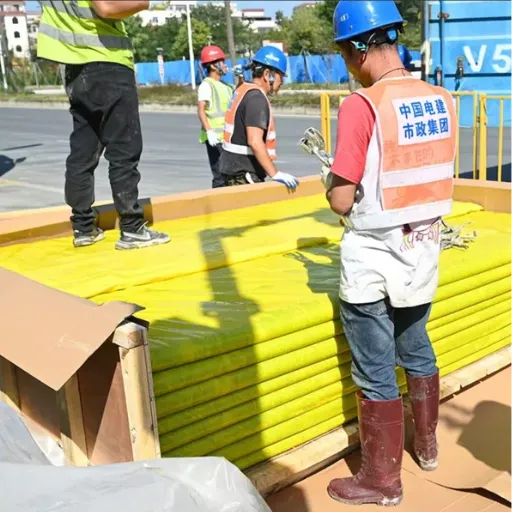
CIPP liners start as fabric tubes made from polyester felt or fiberglass. Resin impregnation systems saturate the tube under vacuum pressure. Coating and calibration systems finish the liner before packaging.
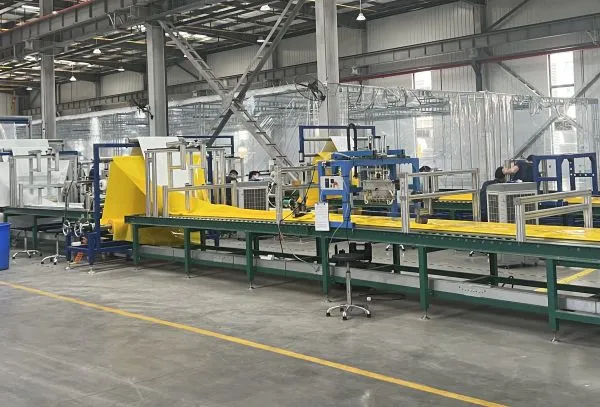
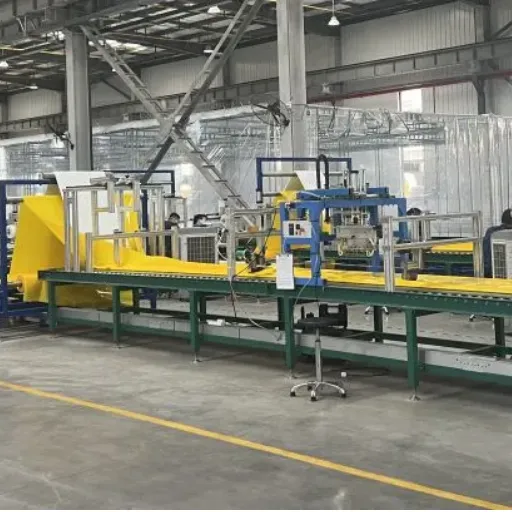
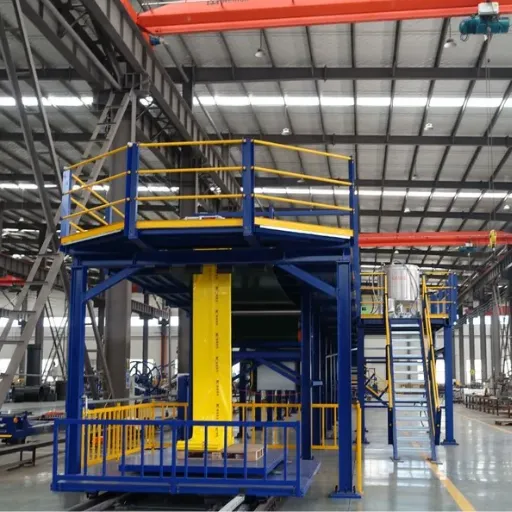
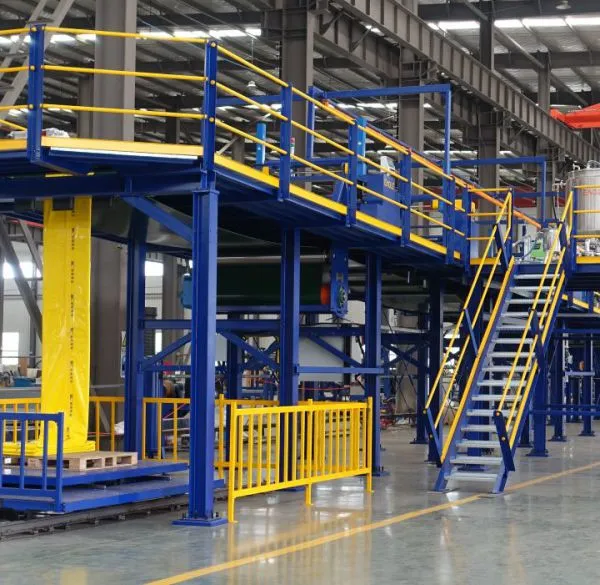
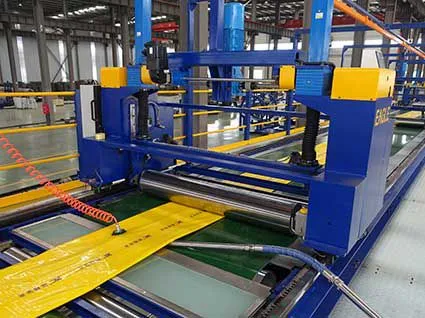
Qingdao Yongke Machinery manufactures both UV-CIPP liner hose manufacturing machines and inversion CIPP liner hose machines at our ISO-certified factory in Qingdao. These production lines enable manufacturers to supply the growing no-dig pipe repair market. Our facility is certified to ISO 9001, ISO 14001, and ISO 45001, and our machinery carries CE marking for international markets.
Installation Equipment
CIPP installation requires inversion drums, calibration hoses, curing systems, and CCTV inspection units. UV-CIPP crews use light trains with controlled irradiance. Pipe bursting crews use hydraulic or pneumatic bursting rigs.
Resins and Materials
Epoxy, polyester, and vinyl ester resins each offer different chemical resistance, strength, and curing behavior. Fiberglass provides higher strength than polyester felt for the same thickness. The material choice depends on the host pipe and service conditions.
Common Mistakes in CIPP Pipe Repair and Pipe Bursting
Even experienced crews make errors. These are the most common failures.
Incomplete Cleaning
Roots, grease, and sediment left in the pipe prevent liner bonding. The result is delamination, wrinkles, and leaks. Cleaning isn't a step to rush.
Wrong Liner Design
A liner that's too thin won't carry soil and traffic loads. A liner that's too thick wastes material and may reduce flow capacity. Design must follow ASTM F1216 or ISO 11296 calculations.
Poor Curing Control
Under-cured resin remains soft. Over-cured resin becomes brittle. UV systems must control light intensity and speed. Hot-water systems must maintain temperature throughout the cure cycle.
Ignoring Service Connections
Lateral connections to homes and businesses must be reopened after lining. Robotic cutters or pre-lining planning address this step. Missing it blocks customer service lines.
Inadequate Pre-Inspection
A collapsed pipe may not be suitable for CIPP. Without proper CCTV assessment, crews can discover obstructions mid-installation and lose a day of work.
FAQ: Trenchless Pipe Repair and Trenchless Sewer Repair
What is the most common trenchless pipe repair method?
CIPP pipe repair is the most common method worldwide. It works for a wide range of diameters and host pipe materials, and it creates a fully structural new pipe wall inside the old one.
How long does trenchless pipe repair last?
A properly designed and installed CIPP liner typically has a design life of 50 years. Many liners have performed longer in field studies. Pipe bursting and slip lining also produce long-lasting results when done correctly.
Is trenchless pipe repair cheaper than excavation?
Direct installation cost per meter may be similar or slightly higher, but total project cost is usually lower in urban or sensitive environments. That's because surface restoration and disruption costs are avoided. Trenchless sewer repair projects in city centers often show the strongest total savings.
Can trenchless repair fix a collapsed pipe?
Partial collapses may be rehabilitated with CIPP if the line can be reamed open. Fully collapsed pipes usually require pipe bursting or open-cut replacement. Without a continuous path, there's no way to insert a liner.
What pipe materials can be repaired with CIPP?
CIPP works on concrete, clay, cast iron, PVC, HDPE, and brick sewers. The key is proper cleaning and surface preparation so the liner bonds to the host pipe.
What is the difference between pipe relining and pipe bursting?
Pipe relining adds a new lining inside the existing pipe. Pipe bursting destroys the old pipe and pulls a new pipe into the same alignment. Relining preserves the host pipe. Bursting replaces it.
Does trenchless pipe repair reduce pipe diameter?
CIPP adds a thin wall inside the pipe and causes minimal diameter loss. Slip lining inserts a smaller carrier pipe and causes more significant reduction. Pipe bursting installs a new pipe at full diameter.
What certifications should a CIPP liner meet?
Common standards include ASTM F1216, ASTM F1743, EN ISO 11296, and EN ISO 11299. These standards define minimum structural properties, test methods, and installation practices.
Conclusion: Trenchless Pipe Repair Is the Future of Pipeline Rehabilitation
Trenchless pipe repair has moved from a specialty technique to a standard practice for municipal and industrial pipeline rehabilitation. CIPP pipe repair seals cracks and restores structure from the inside. Pipe bursting replaces severely damaged lines without long trenches. Slip lining and spray coating handle specific cases where full structural renewal isn't needed.
The choice between methods depends on pipe condition, diameter, access, budget, and project constraints. Done right, no-dig pipe repair cuts disruption, reduces total cost, and extends service life by decades. Therefore, trenchless sewer repair is now the default approach for many urban utilities.
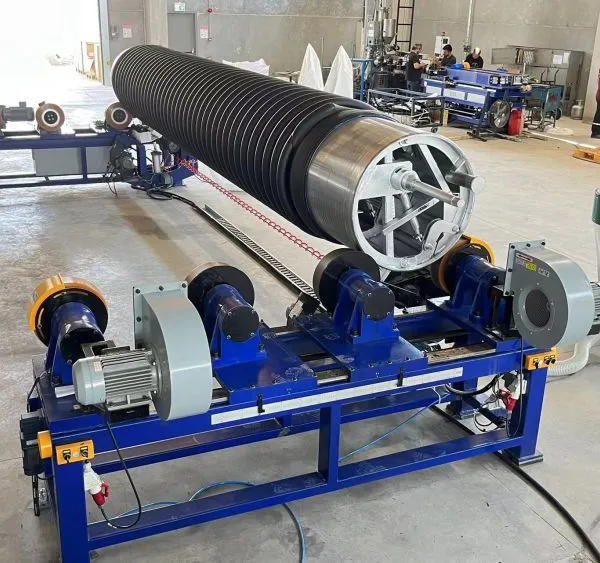
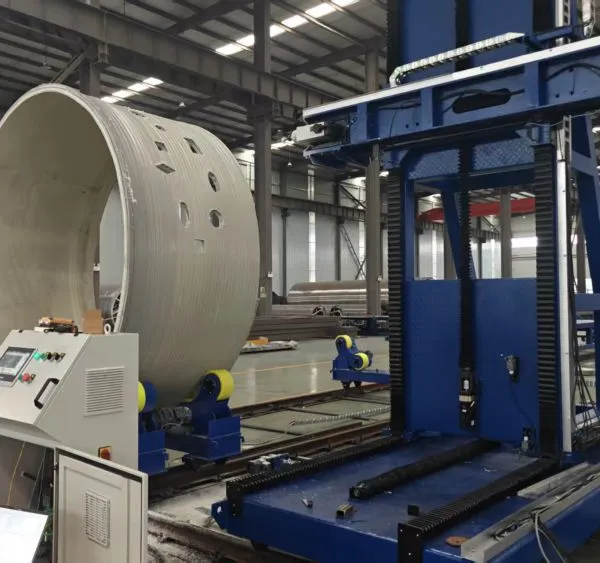
For manufacturers looking to serve this growing market, the equipment behind the liners matters. Qingdao Yongke Machinery builds UV-CIPP liner hose manufacturing machines and inversion CIPP liner hose machines at our ISO-certified factory in Qingdao, China. We also manufacture HDPE spiral profile pipe machines that produce the large-diameter pipe used in new installations and pipe bursting projects.
If you need CIPP liner manufacturing equipment or want to expand your pipe production capabilities, contact our engineering team for a detailed quotation and technical consultation.
Key points to remember:
Trenchless pipe repair avoids excavation and surface disruption.
CIPP, pipe bursting, slip lining, and spray lining each serve different conditions.
Proper inspection, cleaning, and design prevent field failures.
Standards like ASTM F1216 and ISO 11296 define quality and structural requirements.
Yongke Machinery supplies the production equipment behind CIPP liners and large-diameter HDPE pipe.
Our team can help you select the right manufacturing equipment for trenchless rehabilitation, sewer renewal, or large-diameter pipe production.
Recently Posted
-
Wastewater Infrastructure Design, Assessment, and Renewal
June 29, 2026In March 2023, a wastewater treatment plant serving 400,000 residents in Southern Europe suffered a cascade failure. A single inte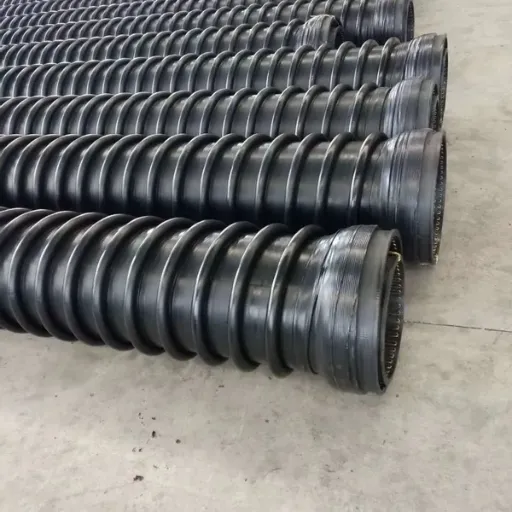 Read More
 -
Combined Sewer System Design, Operation, and Rehabilitation
June 29, 2026In August 2021, a single storm dropped 175mm of rain on a midwestern U.S. city in less than 36 hours. The city's aging combine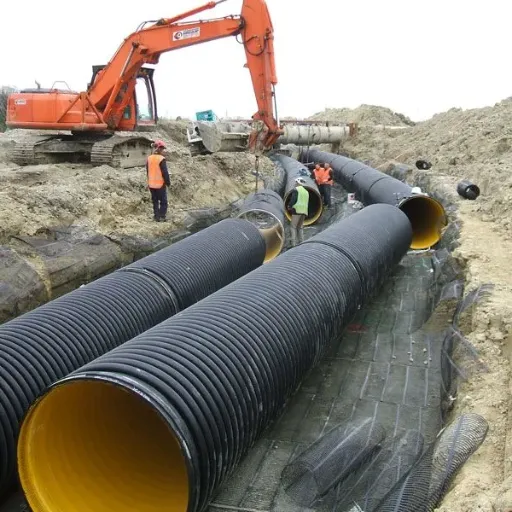 Read More
 -
Underground Drainage System Design: An Engineer's Guide to HDPE/PP Pipe Solutions
June 29, 2026A single storm in July 2023 dropped 180mm of rain on a mid-sized European city in 48 hours. The downtown drainage network, built m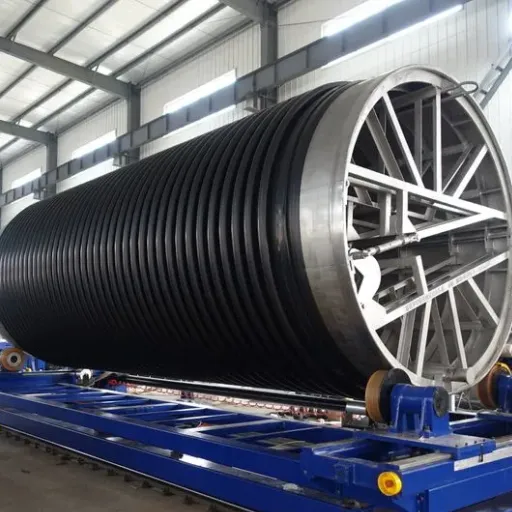 Read More
 -
Drainage Pipe Design: A Practical Guide for Municipal and Stormwater Systems
June 29, 2026In November 2023, a municipal engineer in Texas named Carlos Mendez reviewed plans for a new storm sewer along a commercial corrid Read More

Contact Us
Recommended Products
-
 CIPP Glass Fibre Liner MachineNegotiableMOQ: 1 Set
 -
HDPE Helically Wound Tank MachineUS$ 10MOQ: 1 Set
-
CIPP Glass Liner MachineNegotiableMOQ: 1 Set
-
CIPP Felt Liner Manufacturing MachineNegotiableMOQ: 1 Set
-
Large Diameter HDPE Sea Intake Outfall Structured Wall Pipe Making MachineNegotiableMOQ: 1 Set
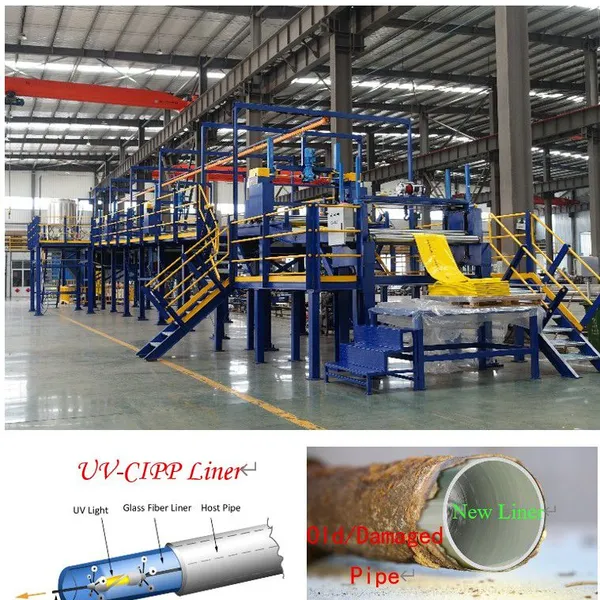
-
UV-CIPP Glass Fibre Liner Manufacturing MachineUS$ 1000 - 110000MOQ: 10 Meters
-
HDPE Pipe Extrusion Machine / PE Pipe Production Line With High OutputNegotiableMOQ: 1 Set
-
UV-CIPP Glass Fiber Liner Hose Production LineUS$ 1000 - 110000MOQ: 1 Set
-
HDPE Spiral Structure Wall Pipe MachineNegotiableMOQ: 1 Set
-
HDPE Spiral Pipe MachineNegotiableMOQ: 1 Set
-
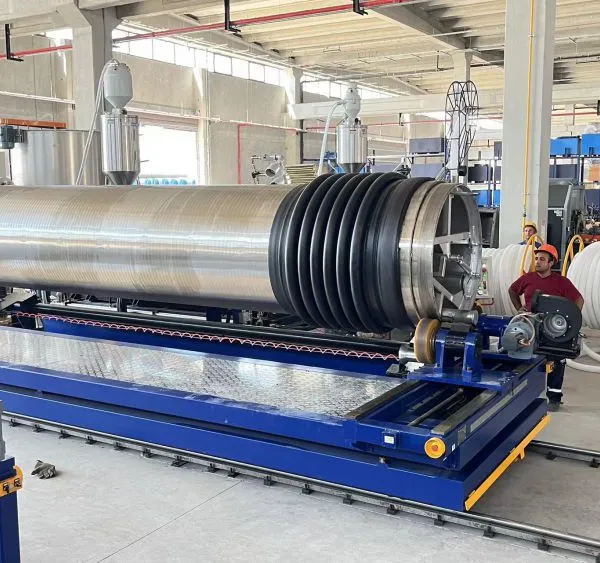
HDPE Spiral Tank MachineNegotiableMOQ: 1 Set
-
Krah Pipe MachineNegotiableMOQ: 1 Set
-
Plastic HDPE PVC PPR Pipe Extrusion Making Machine Extrusion LineNegotiableMOQ: 1 Set
-
PVC Pipe Extrusion Production Line for Electrical Conduit and Water Supply PipesNegotiableMOQ: 1 Set
-
Hot Sell Single Wall Corrugated Pipe Extrusion Line With Competitive PriceNegotiableMOQ: 1 Set
-
HDPE Krah Profild Pipe MachineUS$ 10000MOQ: 1 Set
-
Plastic Tank CNC Holes Boring MachineUS$ 10000MOQ: 1 Set
-
Double Wall Corrugated Pipe Extrusion LineNegotiableMOQ: 1 Set
-
Single Wall Corrugated Pipe Extrusion LineNegotiableMOQ: 1 Set
-
Inversion CIPP Liner Tube Manufacturing MachineNegotiableMOQ: 1 Set