
 Business License
Pipe Testing Standards: A Complete Guide for HDPE, PP, and CIPP Applications
Carlos Mendez, a municipal contractor in Colombia, still remembers the phone call from his site supervisor. A 300-meter run of DN1200mm HDPE spiral profile pipe had deformed after backfill on a stormwater project. The pipes carried the right material name and looked identical to samples from the supplier, but the batch arrived without complete pipe testing standards documentation. The repair cost nearly three times the original pipe price and delayed the project by six weeks.
You already know that pipe specifications on paper do not guarantee performance under soil load, traffic, or decades of service. What you need is a clear, practical understanding of which pipe testing standards apply to your project, what each test actually measures, and how to build quality control into production rather than discover failures after installation.
In this guide, you will learn the key international pipe testing standards for HDPE/PP spiral profile pipes and cured-in-place pipe (CIPP) liners, the critical tests that determine field performance, and how manufacturers integrate testing into daily production. You will also see how choosing the right production equipment makes compliance easier from the first extrusion run.
Why Pipe Testing Standards Matter for Infrastructure Projects
Pipe testing standards exist so that engineers, procurement managers, and contractors can compare products using the same language and acceptance criteria. Without them, a supplier's claim of "high stiffness" or "UV-resistant liner" means almost nothing because no two parties define the terms the same way.
Standards translate project requirements into repeatable laboratory or field tests. They define sample size, conditioning temperature, loading rate, and pass/fail limits. When a pipe batch meets ISO 9969 ring stiffness requirements or a CIPP liner satisfies ASTM F1216 flexural properties, you have documented evidence that the product will perform as designed.
The financial risk of skipping these tests is substantial. A failed sewer rehabilitation can require reopening streets, redirecting traffic, and paying penalties. A deformed stormwater pipe can create sinkholes or flooding liability. For pipe producers, inconsistent quality can destroy customer relationships and trigger warranty claims across multiple countries.
Engineering Note: Always request test reports that reference the exact standard edition and testing laboratory accreditation. A report that simply says "passed" without a standard number is not proof of compliance.
For municipal contractors and pipe manufacturers who want to reduce this risk, the first step is understanding which standard governs each application. Learn more about Yongke Machinery's ISO-certified manufacturing process and 16+ years of large-diameter pipe expertise.
The Main International Standards Organizations and Key Documents
Most pipe testing standards fall under three bodies: the International Organization for Standardization (ISO), ASTM International, and the European Committee for Standardization (CEN), which publishes EN standards. Regional projects may also reference national standards such as GB/T in China or DIN in Germany, but ISO, ASTM, and EN dominate international infrastructure work.
ISO Standards for Plastic Pipes
ISO 4427 specifies polyethylene (PE) pipes and fittings for water supply, including material classification and hydrostatic pressure testing.
ISO 9969 defines the ring stiffness test for thermoplastics pipes, a fundamental measurement for HDPE/PP spiral profile pipe machine output.
ISO 3127 covers resistance to external blows, commonly called impact testing.
ISO 11296 and ISO 11298 address Cured-in-Place Pipe (CIPP) renovation of drainage and sewer networks.
ASTM Standards Common in North and South America
ASTM D3035 covers PE plastic pipe and fittings based on outside diameter.
ASTM D2444 describes impact resistance testing for thermoplastic pipe and fittings.
ASTM F1216 is the primary North American standard for CIPP installation and liner material properties.
EN Standards Common in Europe and Many Export Markets
EN 13476 applies to structured-wall plastics piping systems for non-pressure underground drainage and sewerage, including PP and PE spiral profile pipes.
EN 12201 covers PE pipes and fittings for water supply.
EN 13566 governs CIPP lining systems for non-pressure drainage and sewerage networks.
These documents are not interchangeable. A project in Germany may require EN 13476 ring stiffness classes, while a project in Chile may reference ISO 9969 or ASTM D2412. Producers who export to multiple regions often test the same pipe against several standards to keep one stock compatible with multiple markets.
Mechanical and Physical Tests for HDPE/PP Spiral Profile Pipes
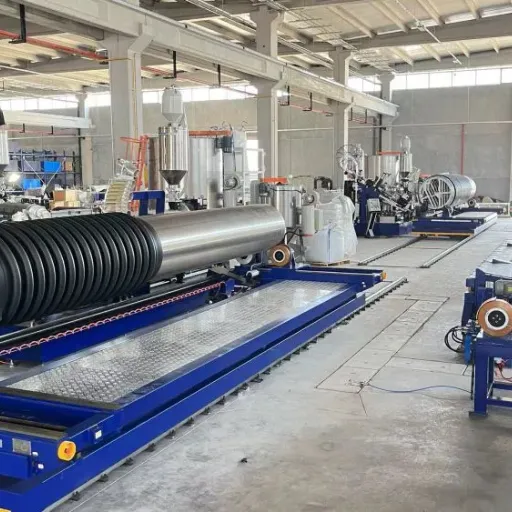
The performance of a large-diameter spiral profile pipe depends on more than wall thickness. The structural wall design, material grade, welding consistency, and production temperature all influence whether the pipe survives decades underground. Here are the pipe testing standards and tests that matter most for HDPE and PP spiral profile pipes.
Ring Stiffness
Ring stiffness measures a pipe's ability to resist deformation under external load. Testers place a pipe section between two parallel plates and measure the force required to deflect it by a defined percentage of its diameter. Results are expressed in kilonewtons per square meter (kN/m²) and grouped into classes such as SN4, SN8, SN16, and SN32.
Municipal drainage specifications often require SN8 or higher for trafficked areas. A pipe that meets the target ring stiffness class under laboratory conditions should maintain structural shape after backfill and compaction.
Impact Resistance
Impact tests simulate stones, tools, or accidental loads during handling and installation. A striker of defined mass and shape is dropped onto a conditioned pipe sample. The pass criterion is usually the absence of cracks or fractures at a specified temperature.
For cold climates, low-temperature impact performance is especially important. PP materials and specific HDPE grades behave differently at -10°C, so the selected resin must match both the standard and the installation environment.
Creep Ratio and Long-Term Behavior
Plastics creep under sustained load, meaning a pipe can slowly deform over years even if it passes a short-term ring stiffness test. Standards such as ISO 9967 or ASTM D2990 measure the ratio between initial and long-term deformation. A low creep ratio indicates that the pipe will retain its structural properties throughout its design life.
Melt Flow Index and Material Identification
The melt flow index (MFI) confirms that the resin matches the grade declared on the data sheet. Even small deviations in MFI can affect welding quality, extrusion output, and final mechanical properties. Producers should test incoming raw material lots and retain certificates of analysis from resin suppliers.
Dimensional and Visual Inspection
Every pipe should be checked for inside diameter, outside diameter, wall thickness, length, squareness of cut ends, and visual defects such as inclusions, voids, or weld inconsistencies. For spiral profile pipes, consistent profile overlap and weld integrity are critical because the structural wall is built up layer by layer.
A pipe producer in the United Arab Emirates, Nasser Al-Rashid, learned this after installing a new HDPE/PP spiral profile pipe machine. His first DN3000mm pipe passed visual inspection but failed the ring stiffness test because the profile welding temperature was set too low. After adjusting the welding station and adding inline sampling every four hours, his next batch passed third-party inspection on the first attempt. The lesson was clear: test during production, not only at delivery.
Leak Tightness and Hydrostatic Testing
Pressure pipes and some gravity lines require hydrostatic or air tests to confirm joint and wall integrity. ISO 4427 and EN 12201 include sustained pressure test protocols that expose the pipe to elevated internal pressure for defined periods. Any leakage, ballooning, or rupture indicates a material or weld defect.
Testing Requirements for CIPP Liner Hose
Cured-in-place pipe (CIPP) liners create a new pipe inside an existing host pipe without excavation. The liner hose must be manufactured with precise dimensions, resin content, and reinforcement so that it cures into a structurally sound, leak-free pipe. Pipe testing standards for CIPP focus on material properties and installation performance.
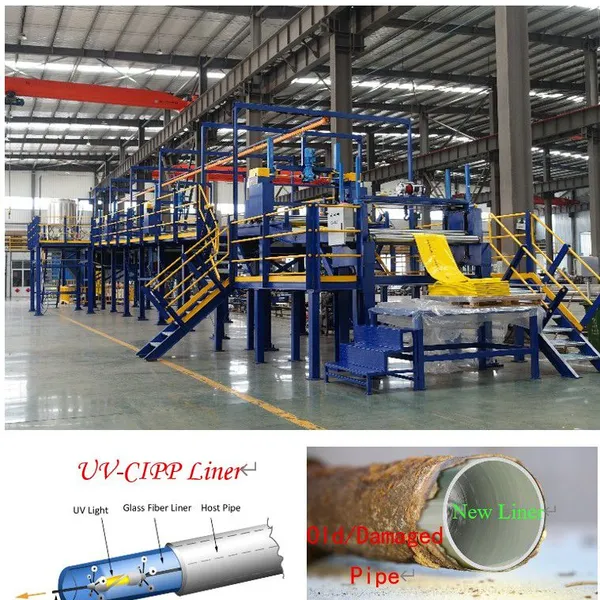
UV-CIPP Fiberglass Liner Testing
UV-curable liners use fiberglass reinforcement and photoinitiator resins that harden under controlled UV light. Key tests include:
Flexural modulus and tensile strength: ASTM F1216 and EN 13566 specify minimum flexural properties to confirm the cured liner can carry external loads.
Short-term bending test: Determines the liner's ability to bridge missing host-pipe sections and resist soil loads.
Wall thickness and resin content: Ensures the liner has enough structural material and that resin fully saturates the fiberglass.
UV curing validation: Confirms the liner receives the correct light dose and that curing is uniform along the entire length.
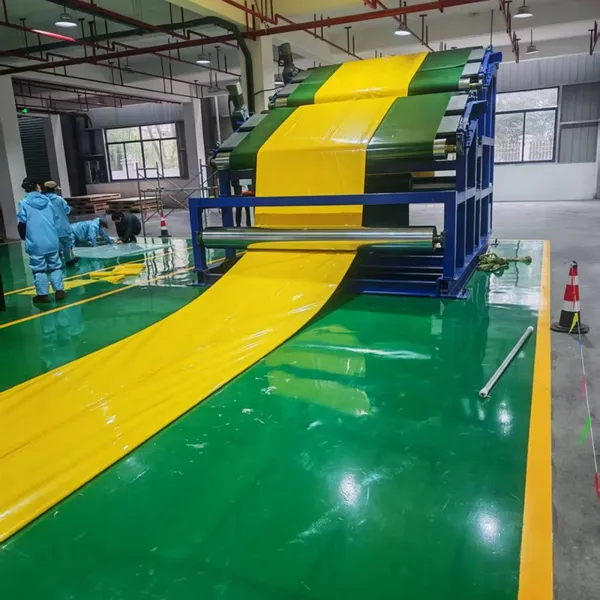
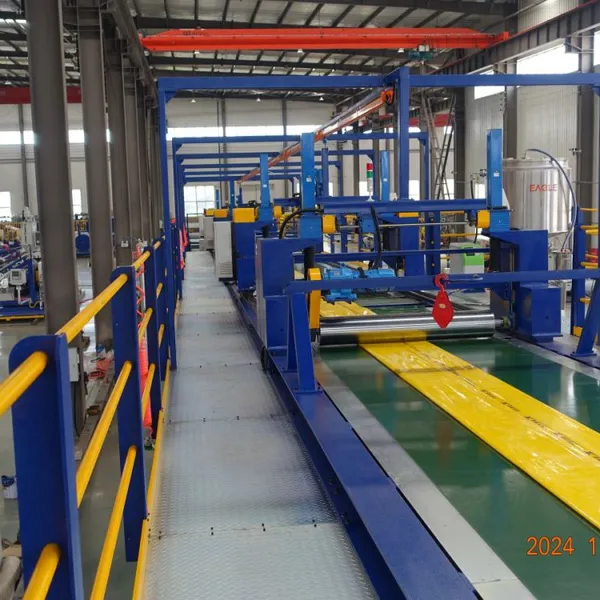
Manufacturers who produce their own liners with a UV-CIPP fiberglass liner hose machine can control these variables batch by batch instead of relying on external suppliers.
Inversion CIPP Liner Testing
Inversion CIPP liners are typically saturated with thermosetting resin and inserted using water or air pressure. They cure with hot water, steam, or ambient temperature depending on the resin system. Important tests include:
Tensile strength and elongation at break: Confirms the liner can withstand inversion pressure and hydrostatic loads.
Resin exotherm and cure profile: Verifies complete curing without overheating the host pipe.
Thickness uniformity: Ensures the liner meets the design thickness after inversion against the host pipe wall.
Leak tightness after curing: Demonstrates that the rehabilitated line is watertight.
Ingrid Bauer, a trenchless contractor near Hamburg, used to buy inversion liners from a trading company and occasionally received batches with uneven resin distribution. After adding an inversion CIPP liner hose machine to her operation, her team began testing resin content every production run. Project acceptance rates improved and her per-meter rehabilitation costs dropped because she no longer paid margins to a middleman.
Host Pipe Inspection and Compatibility
Before any CIPP installation, the host pipe should be inspected with CCTV to confirm diameter, structural condition, and the absence of collapses or large obstructions. Standards such as ISO 11295 help engineers classify renovation needs and select the appropriate liner design.
Quality Control Tests During Manufacturing
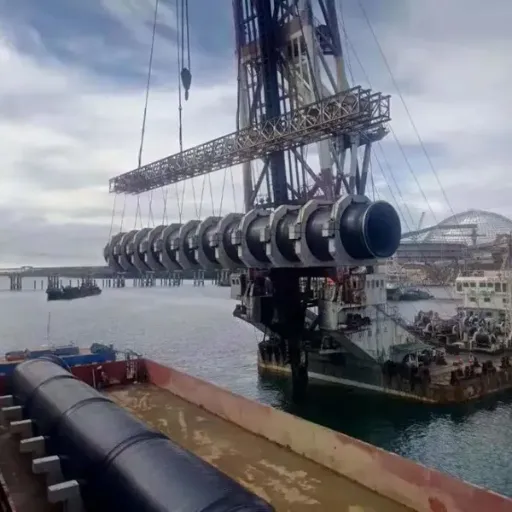
Testing should not be a final checkpoint at the shipping dock. It should be woven into the production process so that deviations are caught early, when they are still inexpensive to correct.
Incoming Raw Material Control
Verify resin grade, MFI, density, color masterbatch, and additive certificates before the material enters the extruder. Lock approved lots and reject any batch that does not match the material specification. This prevents an entire production run from being compromised by a single resin error.
In-Process Monitoring
During spiral pipe production, monitor extruder temperature, melt pressure, line speed, winding tension, profile dimensions, and welding parameters. Automated data logging through a PLC system makes it easier to correlate deviations with specific pipe sections.
For CIPP liner production, track resin viscosity, impregnation pressure, liner diameter, and reinforcement alignment. Inline thickness gauges or manual spot checks should occur at regular intervals.
Final Acceptance and Documentation
Before release, test samples from each production batch against the relevant pipe testing standards. Prepare a test report that includes:
Standard number and edition
Test date and laboratory
Sample identification and production batch
Test conditions such as temperature and conditioning time
Measured values and pass/fail conclusion
Traceability to raw material certificates
This documentation is often required by project inspectors and helps resolve disputes if field performance questions arise later.
How to Choose the Right Testing Protocol for Your Project
Selecting the correct protocol starts with the project specification, not with the supplier's default report. Ask these questions before ordering tests:
What is the application? Water supply, drainage, sewer, stormwater, and industrial effluent each reference different standards.
What is the pipe diameter range? Large-diameter pipes may require different sample conditioning or test fixtures than small pipes.
What loads will the pipe carry? Trafficked areas, deep burial, and seismic zones increase stiffness and impact requirements.
Which region regulates the project? Local authorities may mandate EN, ASTM, ISO, or national standards.
Who performs the tests? In-house labs, third-party accredited labs, or project inspectors each have different levels of credibility.
What is the acceptance frequency? Some contracts require tests per batch, per shift, or per delivery.
A well-written purchase order should reference the standard, the test frequency, the reporting format, and the consequences of failure. This removes ambiguity and protects both buyer and seller.
| Pipe Type | Common Standard | Key Test | Typical Acceptance Frequency |
|---|---|---|---|
| HDPE water supply pipe | ISO 4427 / EN 12201 | Hydrostatic pressure test | Per batch |
| HDPE/PP spiral profile drainage pipe | EN 13476 / ISO 9969 | Ring stiffness | Per production run |
| PE pressure pipe | ASTM D3035 | Dimension and burst test | Per batch |
| UV-CIPP liner | ASTM F1216 / EN 13566 | Flexural modulus | Per liner lot |
| Inversion CIPP liner | ISO 11296 / ASTM F1216 | Tensile strength and thickness | Per production run |
Common Mistakes in Pipe Testing and How to Avoid Them
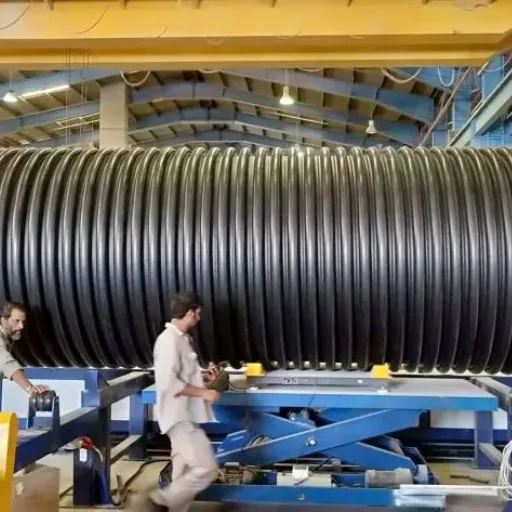
Even experienced teams make errors that invalidate test results or hide real problems. Avoid the following mistakes:
Testing only at delivery. Batching problems are easier and cheaper to fix during production. Schedule intermediate samples.
Ignoring sample conditioning. Many tests require samples to reach ambient or specified temperature before measurement. Testing cold pipes in a hot warehouse can produce misleading stiffness values.
Using the wrong standard. A spiral profile pipe tested to a solid-wall pipe standard may not provide useful data. Match the standard to the product family.
Accepting incomplete reports. Look for the standard number, test date, sample identification, and measured values, not just a pass stamp.
Forgetting traceability. A passing test on one batch does not prove anything about a different batch unless samples are clearly labeled and linked to production records.
If you are unsure which pipe testing standards apply to your target market, contact our engineering team. We review project specifications regularly and can recommend a testing protocol matched to your pipe diameter range and regional requirements.
How Yongke Machinery Supports Standards-Compliant Production
Producing pipe that meets international pipe testing standards requires more than a capable extruder. It requires stable process control, repeatable welding, accurate tooling, and a quality system that documents every critical parameter.
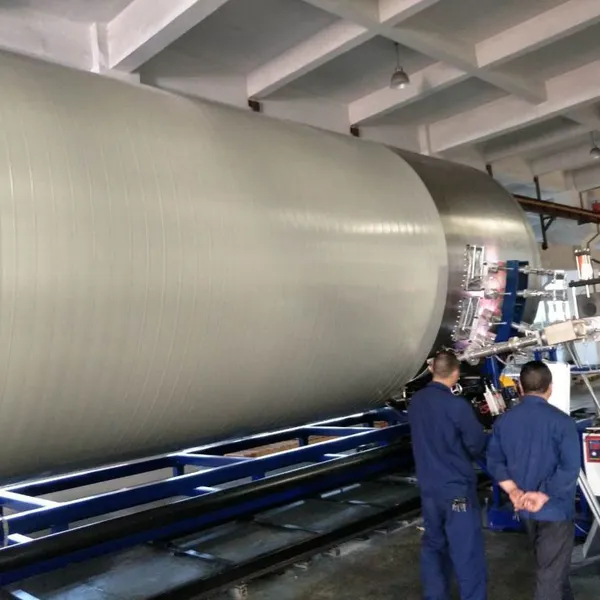
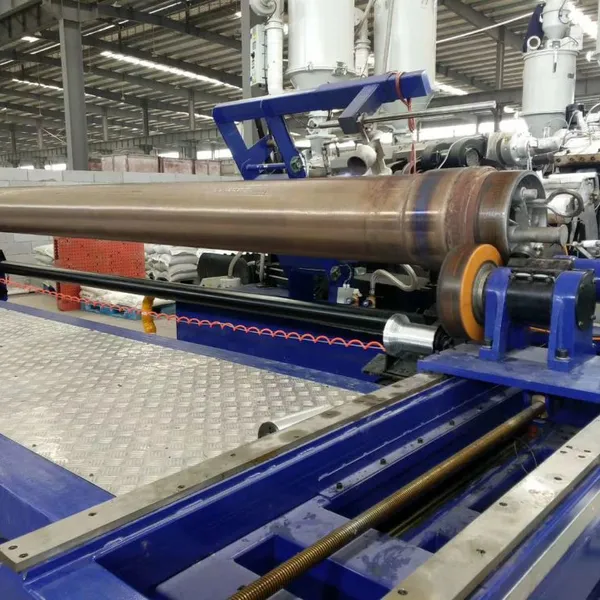
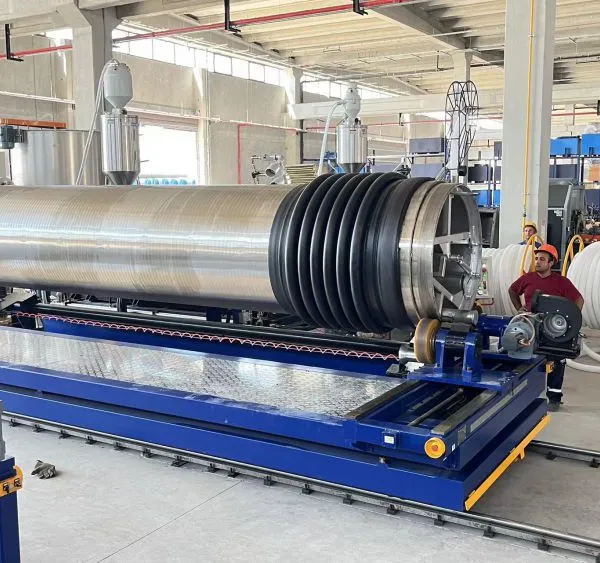
Yongke Machinery designs HDPE/PP spiral profile pipe machines to produce pipes from DN300mm to DN5000mm with consistent wall structure and profile overlap. The production line integrates extrusion, spiral winding, profile welding, and cutting under PLC-based control, which helps operators maintain the stable conditions that testing labs expect.
For trenchless rehabilitation contractors, Yongke supplies both UV-CIPP fiberglass liner hose machines and inversion CIPP liner hose machines. These lines support controlled resin impregnation, liner forming, and diameter accuracy so that finished liners meet the flexural, tensile, and thickness requirements of ASTM F1216, EN 13566, and ISO 11296.
Yongke's manufacturing facility operates under ISO 9001, ISO 14001, and ISO 45001 certifications. Every machine ships with technical documentation, electrical drawings, and operation manuals. Our after-sales support includes installation supervision, commissioning, operator training, and guidance on setting up quality control procedures aligned with your target standards.
If you are expanding into large-diameter pipe production or bringing CIPP liner manufacturing in-house, the right equipment partner reduces compliance risk from day one. Schedule a virtual factory tour to see how Yongke machines are assembled, tested, and prepared for export.
Conclusion
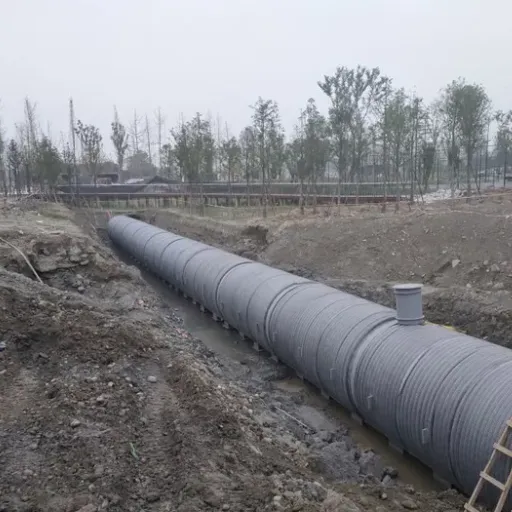
Pipe testing standards are not bureaucratic paperwork. They are the practical framework that separates a reliable infrastructure asset from an expensive liability. Whether you are producing DN300mm drainage pipe or installing UV-CIPP liners in a municipal sewer, the right tests give you and your customers confidence in the final result.
Key takeaways:
Match the standard to the product family and project region. ISO, ASTM, and EN each have a distinct role.
Ring stiffness, impact resistance, creep ratio, and dimensional accuracy are essential for HDPE/PP spiral profile pipes.
Flexural modulus, tensile strength, resin content, and curing validation are essential for CIPP liners.
Build testing into production rather than relying only on final acceptance reports.
Document traceability from raw material certificates through final test reports.
The best way to meet pipe testing standards consistently is to start with production equipment that makes consistency possible. Request a technical quotation for an HDPE/PP spiral profile pipe line, UV-CIPP liner hose machine, or inversion CIPP liner hose machine, and our engineering team will configure a solution aligned with your target standards and production goals.
Recently Posted
-
Qingdao Yongke Machinery: Full-Category Spiral Pipe Equipment from China's Qingdao
September 1, 2026Choosing a machinery supplier for large-diameter plastic pipe production is a long-term decision, because the line you install wil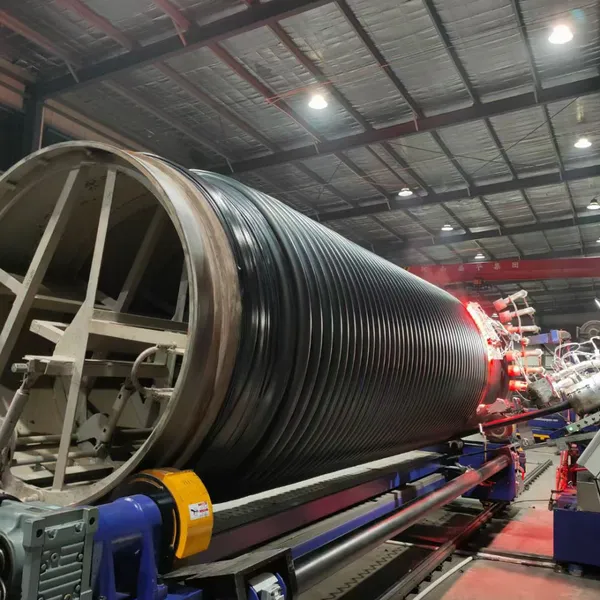 Read More
 -
Quality Control in Spiral Pipe Machine Manufacturing
August 31, 2026A buyer in South America some time ago received a winding line that looked complete on the surface but suffered repeated seam defe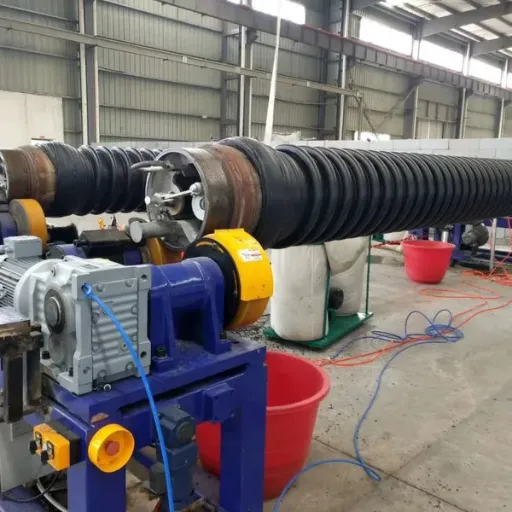 Read More
 -
Spiral Pipe for Sewage and Drainage Networks: Production Notes
August 28, 2026A municipal contractor in Eastern Europe some time ago took delivery of spiral-wound sewer pipe that looked flawless on the line.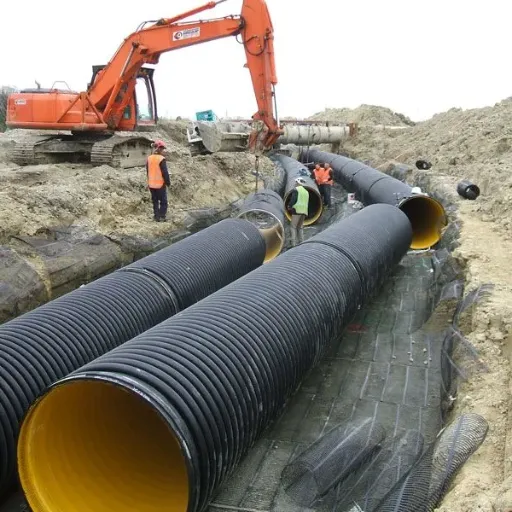 Read More
 -
DN300 to DN5000: Diameter Range and Machine Configuration
August 27, 2026A plant owner in Central Asia once asked for a line "up to DN5000" because a future tender mentioned large storage tanks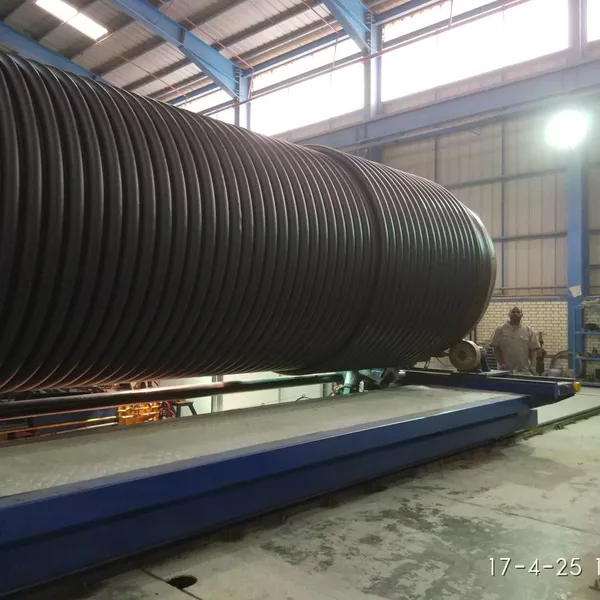 Read More

Contact Us
Recommended Products
-
 CIPP Glass Fibre Liner MachineNegotiableMOQ: 1 Set
 -
HDPE Helically Wound Tank MachineUS$ 10MOQ: 1 Set
-
CIPP Glass Liner MachineNegotiableMOQ: 1 Set
-
CIPP Felt Liner Manufacturing MachineNegotiableMOQ: 1 Set
-
Large Diameter HDPE Sea Intake Outfall Structured Wall Pipe Making MachineNegotiableMOQ: 1 Set
-
UV-CIPP Glass Fibre Liner Manufacturing MachineUS$ 1000 - 110000MOQ: 10 Meters
-
HDPE Pipe Extrusion Machine / PE Pipe Production Line With High OutputNegotiableMOQ: 1 Set
-
UV-CIPP Glass Fiber Liner Hose Production LineUS$ 1000 - 110000MOQ: 1 Set
-
HDPE Spiral Structure Wall Pipe MachineNegotiableMOQ: 1 Set
-
HDPE Spiral Pipe MachineNegotiableMOQ: 1 Set
-
HDPE Spiral Tank MachineNegotiableMOQ: 1 Set
-
Krah Pipe MachineNegotiableMOQ: 1 Set
-
Plastic HDPE PVC PPR Pipe Extrusion Making Machine Extrusion LineNegotiableMOQ: 1 Set
-
PVC Pipe Extrusion Production Line for Electrical Conduit and Water Supply PipesNegotiableMOQ: 1 Set
-
Hot Sell Single Wall Corrugated Pipe Extrusion Line With Competitive PriceNegotiableMOQ: 1 Set
-
HDPE Krah Profild Pipe MachineUS$ 10000MOQ: 1 Set
-
Plastic Tank CNC Holes Boring MachineUS$ 10000MOQ: 1 Set
-
Double Wall Corrugated Pipe Extrusion LineNegotiableMOQ: 1 Set
-
Single Wall Corrugated Pipe Extrusion LineNegotiableMOQ: 1 Set
-
Inversion CIPP Liner Tube Manufacturing MachineNegotiableMOQ: 1 Set