
 Business License
Plastic Pipe Manufacturing Process: From Resin to Ready Pipe
Plastic pipe manufacturing is the process of converting raw polymer resins into finished pipes through extrusion, forming, cooling, and finishing operations. The most common methods include single-screw extrusion for solid-wall and corrugated pipes, spiral winding for large-diameter structural wall pipes, and specialized wet-out processes for CIPP rehabilitation liners.
What separates a pipe producer that wins municipal contracts from one that struggles with quality complaints? Often, it is not the size of the facility but the precision of the manufacturing process. Small deviations in temperature, pressure, or cooling can create weak points that fail decades later under soil load and traffic.
At Qingdao Yongke Machinery, we have built extrusion and winding equipment for pipe manufacturers since 2010. Over the past sixteen years, our machines have produced HDPE, PP, and CIPP liner products for clients in more than thirty countries. This guide explains the plastic pipe manufacturing process step by step so you can evaluate equipment, control quality, and match production methods to your target market.
Key Takeaways
Plastic pipe manufacturing uses extrusion, spiral winding, or CIPP wet-out methods depending on pipe diameter and application.
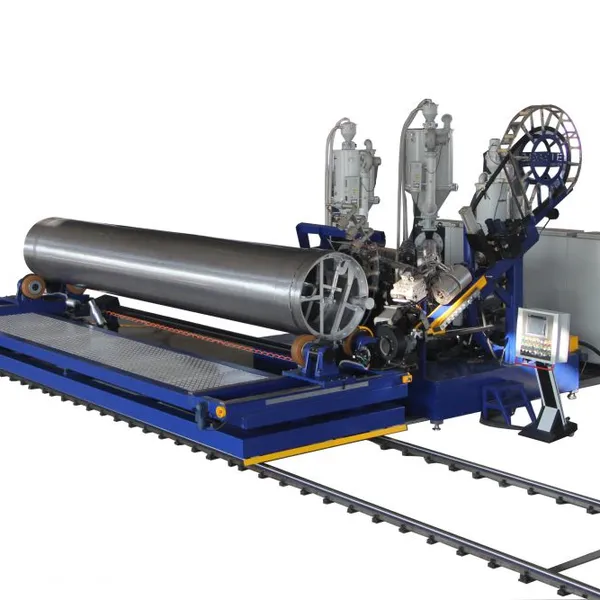
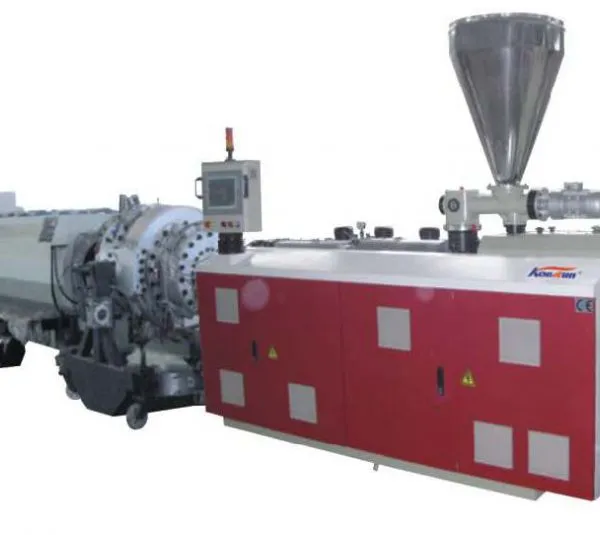
A complete extrusion line includes resin feeding, extruder, die head, calibration, cooling, haul-off, cutting, and stacking systems.
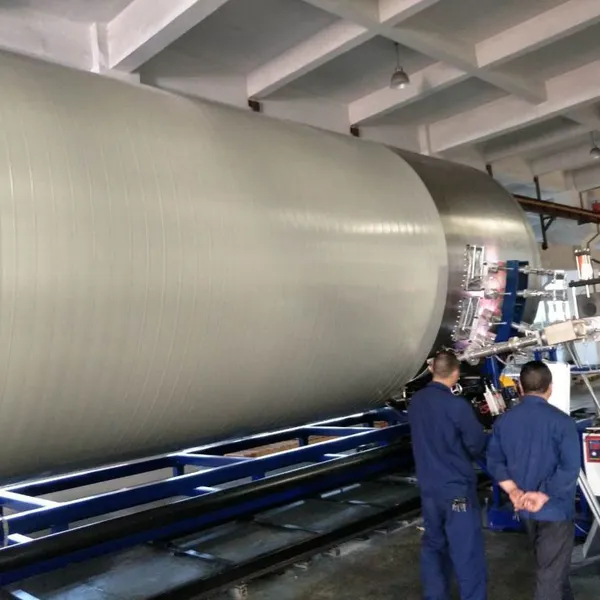
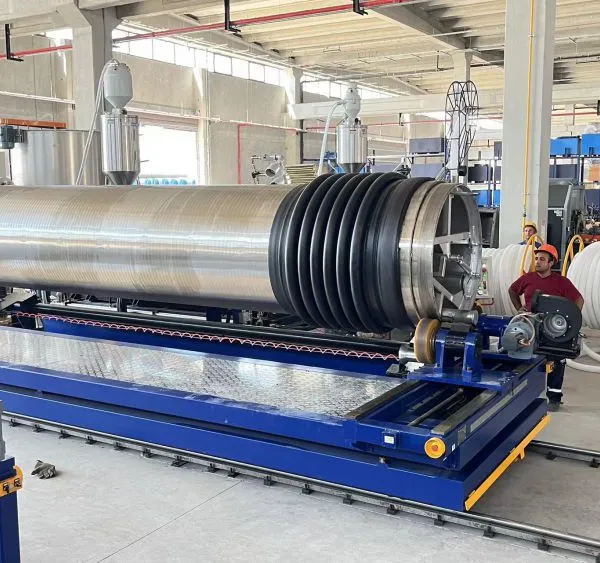
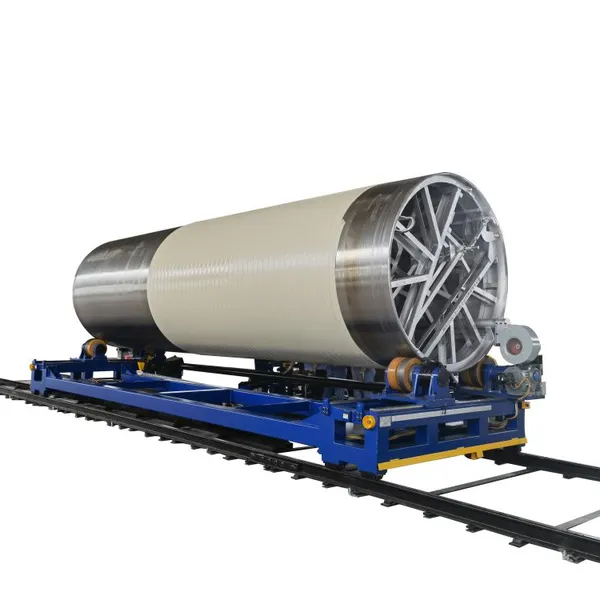
Spiral profile pipe production helically welds an extruded profile strip onto a mandrel to create structural wall pipes from DN300mm to DN5000mm.
Quality control checkpoints include melt temperature, wall thickness, ring stiffness, impact resistance, and dimensional tolerance.
The right equipment choice depends on material, diameter range, output target, and whether you serve new-pipe or rehabilitation markets.
Want to see how these manufacturing processes translate into production equipment? Schedule a video factory tour with our sales engineer.
What Is the Plastic Pipe Manufacturing Process?
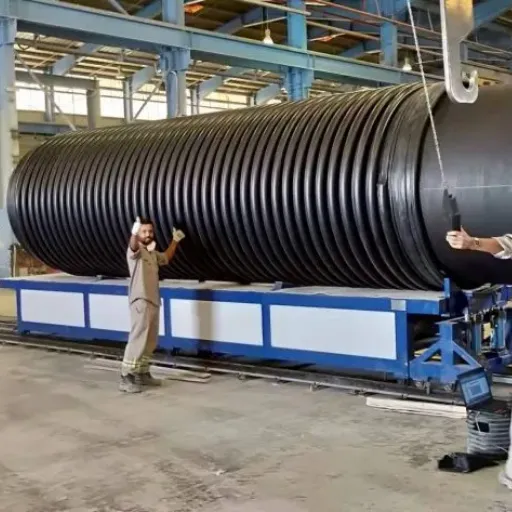
Plastic pipe manufacturing transforms polymer granules into continuous or sectional pipe products. Unlike metal or concrete pipes, plastic pipes rely on controlled melting, shaping, and cooling to achieve consistent mechanical properties and long service life.
The process generally follows this sequence:
Raw material preparation - Drying, blending, and additives such as UV stabilizers, carbon black, or recycled content
Melting and homogenization - Heating resin in an extruder until it reaches a uniform molten state
Shaping - Forcing melt through a die head or forming it around a mandrel
Calibration and cooling - Holding dimensions while the pipe solidifies
Pulling and cutting - Hauling the pipe at controlled speed and cutting to length
Testing and finishing - Inspecting quality, adding markings, and preparing for shipment
When Marcus expanded his small pipe shop in Lagos in 2022, he assumed all extrusion lines worked the same way. He bought a used machine that lacked vacuum calibration. Within six months, his DN200mm pipes showed ovality problems severe enough that contractors refused them.
Replacing the calibration system cost nearly as much as the original machine, and he lost three municipal contracts during the downtime. The experience taught him that the manufacturing process is only as reliable as its weakest subsystem.
Major Pipe Types and Manufacturing Methods
Different pipe designs require different production technologies:
Solid-wall pipes: Produced by direct extrusion through a circular die, common for water supply and gas distribution
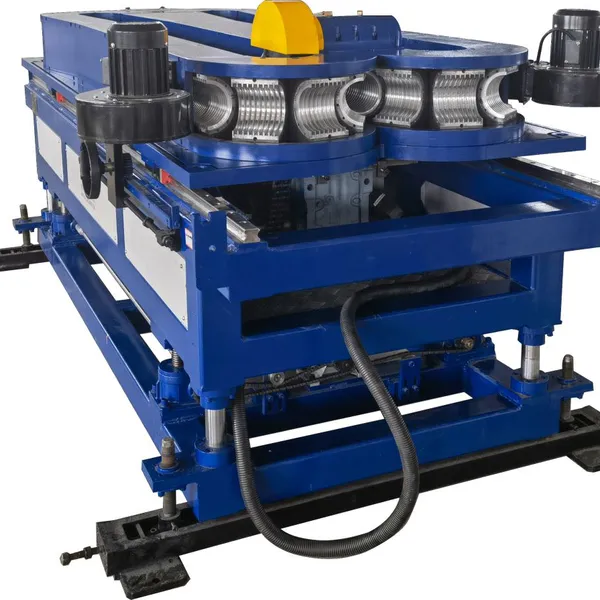
Corrugated pipes: Extruded through annular or spiral corrugation dies, common for drainage and cable protection
Spiral profile pipes: Produced by helically winding an extruded profile strip, common for large-diameter sewage and drainage
CIPP liners: Manufactured by impregnating felt or fiberglass tubes with resin for trenchless rehabilitation
Each method has distinct equipment requirements, output characteristics, and market applications. For smaller-diameter drainage applications, high-speed PP corrugated pipe extrusion lines offer an efficient production solution. Manufacturers often choose one primary technology and add complementary lines as their business grows.
The Plastic Pipe Extrusion Process
Extrusion is the foundation of most plastic pipe manufacturing. It produces continuous pipe by pushing molten polymer through a shaped die. Understanding each stage helps buyers evaluate whether a production line can meet their specifications.
Material Feeding and Drying
Polymer resin arrives as pellets or granules. Before extrusion, the material may require drying, especially for hygroscopic materials or recycled blends. Moisture in the resin causes bubbles, surface defects, and weak spots in the finished pipe.
Material handling systems include:
Hopper loaders that transfer resin from storage silos to the extruder
Dryers that reduce moisture content to acceptable levels
Blenders that mix virgin material with recycled content, masterbatch, or additives
Metal separators that protect the extruder screw and barrel from foreign objects
At Qingdao Yongke Machinery, our lines support co-extrusion configurations that process up to 80% recycled material in outer layers while keeping a virgin inner layer for structural integrity. This matters for producers bidding on sustainable infrastructure projects.
Melting in the Extruder
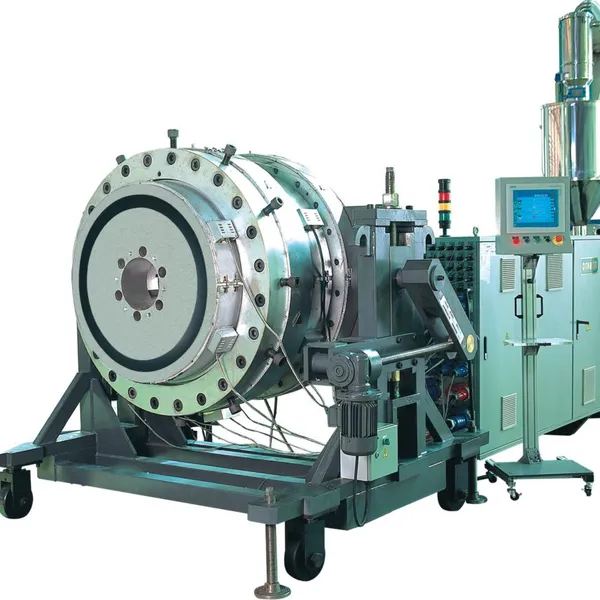
The single-screw extruder is the heart of the production line. As the screw rotates inside a heated barrel, it conveys, compresses, and melts the polymer. Key parameters include:
Screw diameter: Typically 45mm to 150mm depending on output requirements
Length-to-diameter ratio (L/D): Usually 25:1 to 33:1 for polyolefin pipe extrusion
Temperature zones: Barrel heaters raise resin gradually from feed zone to die zone
Screw speed: Controls output rate and must synchronize with downstream equipment
The melt must reach a uniform temperature without degradation. Overheating causes chain scission and reduced mechanical properties. Underheating creates unmelted particles and surface defects.
Die Head and Pipe Formation
The die head shapes molten polymer into a pipe. Different pipe types use different die designs:
Solid-wall dies: Simple annular gap that forms a uniform wall thickness
Corrugated dies: Form outer ribs while maintaining a smooth inner bore
Spiral mandrel dies: Distribute melt evenly around the circumference to avoid weld lines
Die gap adjustment controls wall thickness. Modern die heads include adjustable mandrels or flexible lips to compensate for material flow variations.
Calibration and Cooling
Immediately after exiting the die, the hot pipe enters a calibration system that holds it to the correct outer diameter. Common calibration methods include:
Vacuum calibration: External vacuum pulls the pipe against a sizing sleeve while cooling water circulates
Pressure calibration: Internal air pressure expands the pipe against an external sizing sleeve
Spray cooling: Water sprays cool the pipe after initial calibration
Cooling must be controlled carefully. Rapid cooling can create internal stresses and warping. Slow cooling reduces output and increases production costs. A well-designed cooling section balances quality with throughput.
Haul-Off, Cutting, and Stacking
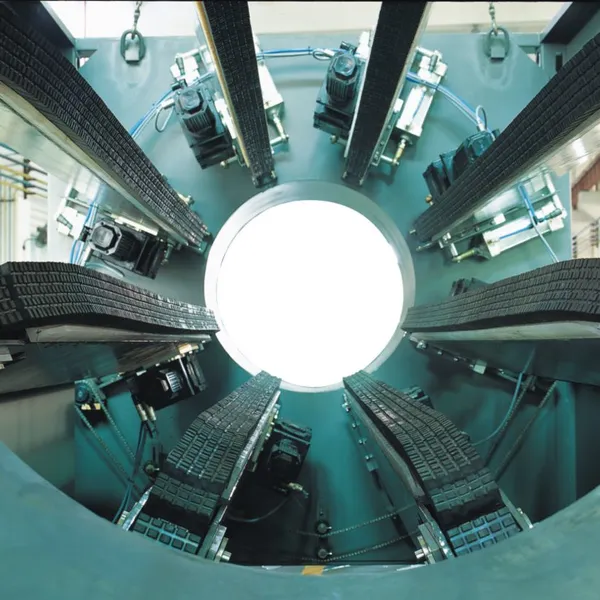
Once cooled, the pipe passes through a haul-off unit that pulls it at a constant speed synchronized with extruder output. Then a cutter severs the pipe to the required length. Common cutting methods include:
Flying cut-off saws that cut without stopping the line
Planetary cutters for large-diameter pipes
Guillotine cutters for smaller diameters
Finally, a stacker or coiler organizes finished pipes for inspection, marking, and shipment. Automated handling reduces labor costs and prevents surface damage.
The video below illustrates how a complete extrusion line transforms raw resin into finished pipe. Replace YONGKE_VIDEO_ID with the actual video ID before publishing.
Want to see how a complete extrusion line is configured for municipal pipe production? Explore our HDPE spiral profile pipe machine specifications.
Spiral Profile Pipe Manufacturing: How It Works
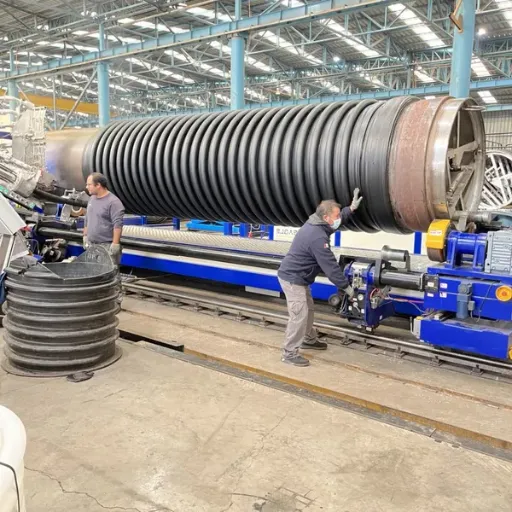
Spiral profile pipe manufacturing differs from standard extrusion because it builds the pipe wall by helically winding an extruded profile strip onto a rotating mandrel. This method enables production of very large diameters that would be impractical with direct extrusion.
Extruding the Profile Strip
The first stage produces a hollow profile strip with ribs and chambers. A single-screw extruder melts HDPE or PP resin and pushes it through a specialized spiral mandrel die. The profile strip then passes through vacuum calibration and cooling tanks to set its shape.
Profile design determines the final pipe's ring stiffness and material efficiency. Common profiles include:
Single-wall profiles with external ribs
Double-wall profiles with hollow chambers
Multi-layer profiles that use recycled material in outer layers
The extrusion output must precisely match the winding speed. Any mismatch creates gaps, overlaps, or wall thickness variations.
Winding Onto the Mandrel for Large Diameter Pipe Production
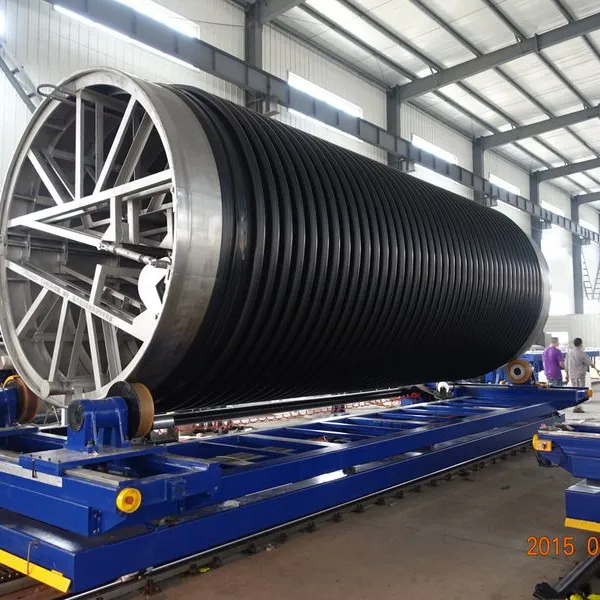
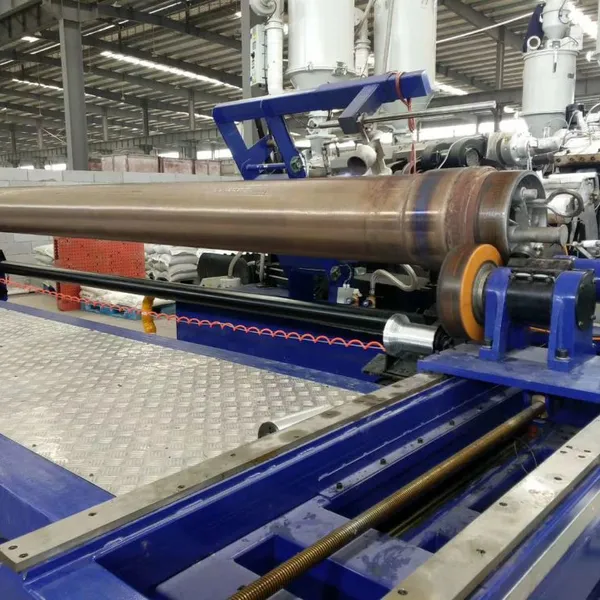
The cooled profile strip feeds onto a rotating mandrel at a controlled helical angle. Each turn overlaps the previous one, and a heating element fuses the overlapping edges. Critical parameters include:
Mandrel rotation speed: Determines production rate and pipe diameter
Winding angle: Typically 55 to 75 degrees depending on pipe size
Overlap width: Ensures adequate weld strength between turns
Weld temperature and pressure: Must melt the polymer enough for fusion without degradation
For large-diameter pipes, the mandrel diameter adjusts to produce different pipe sizes on the same machine. A DN5000mm pipe requires a much larger winding station than a DN300mm pipe.
When the team at a Southeast Asian contractor needed DN4000mm pipes for a coastal outfall project in 2024, their original supplier could not guarantee wall thickness uniformity at that diameter. They switched to a Yongke spiral profile pipe production line with our independently developed second heating system. The faster, more stable heating cycle reduced their production time per section while maintaining consistent profile geometry across the full pipe circumference.
Cutting and Finishing
After winding reaches the specified pipe length, a flying cut-off saw severs the pipe while winding continues on a fresh mandrel. The finished pipe is then ejected, inspected, and marked with diameter, pressure rating, batch number, and standards compliance.
Spiral profile pipes are particularly suitable for:
Municipal sewage and drainage systems
Stormwater management networks
Industrial effluent lines
Large-diameter culverts and outfalls
CIPP Liner Manufacturing Process
Cured-in-place pipe (CIPP) liner manufacturing serves the trenchless rehabilitation market rather than new pipe installation. The process creates flexible liners that installers insert into damaged host pipes and cure to form a structural new pipe wall.
Tube Fabrication
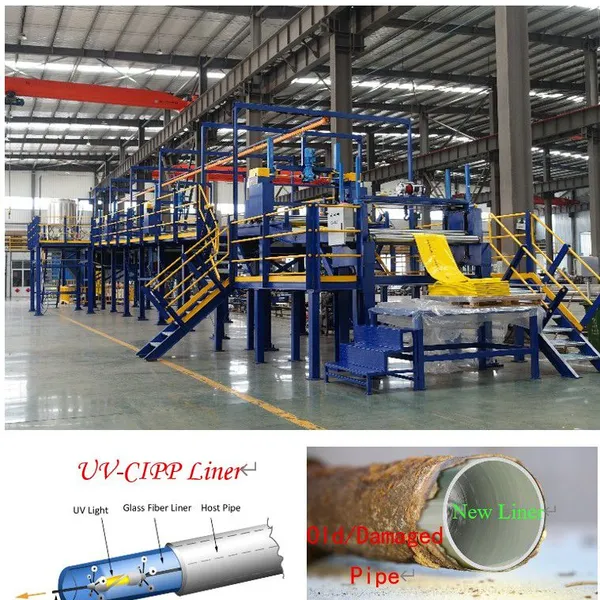
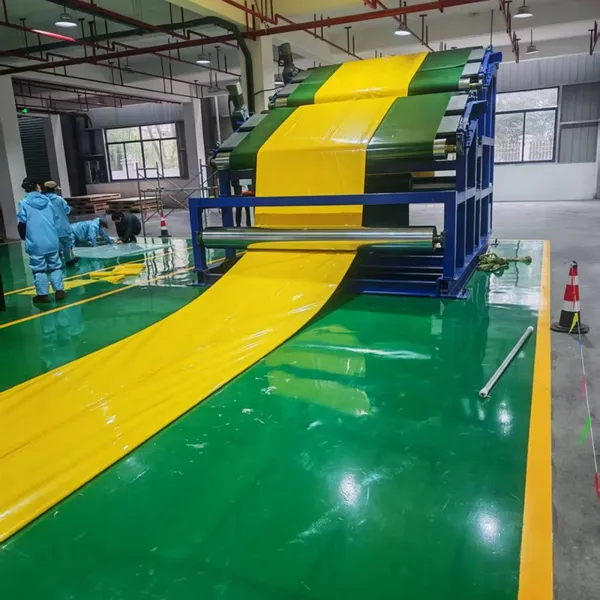
The liner begins as a tube made of polyester felt or fiberglass fabric. Manufacturing equipment sews or welds the material into the required diameter and length. For UV-CIPP liners, an inner transparent film allows ultraviolet light to penetrate during curing.
Resin Impregnation
The tube moves into a wet-out facility where technicians saturate it with thermosetting resin. Common resin systems include epoxy, polyester, and vinyl ester. Quality control focuses on:
Resin content: Typically 35-45% by weight
Thickness uniformity: Variation should not exceed 10% around the circumference
Air removal: Vacuum impregnation prevents voids that weaken the liner
Calibration and Packaging
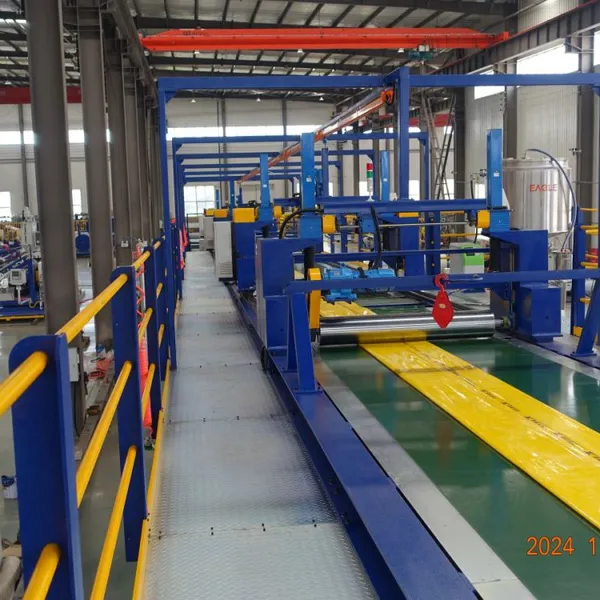
After impregnation, the liner passes over calibration mandrels to ensure consistent diameter and thickness. Automated winding or folding systems package the liner for transport and installation. UV-CIPP liners must be protected from light exposure to prevent premature curing.
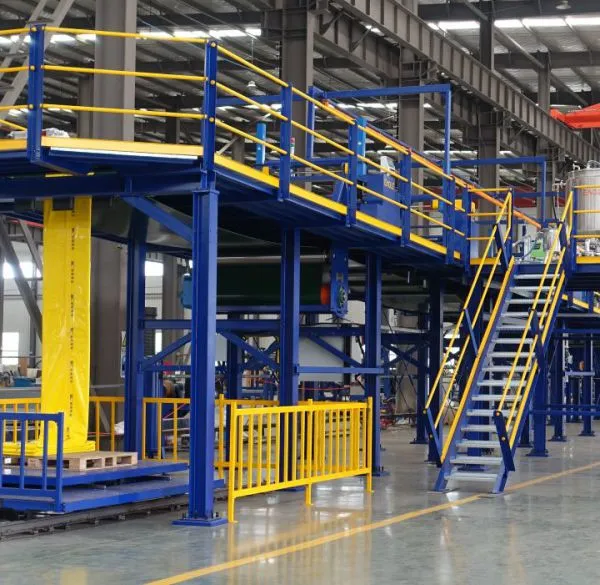
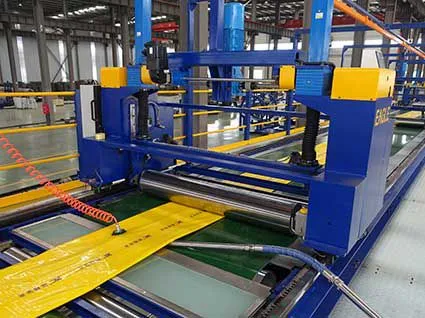
CIPP liner manufacturing offers pipe producers a way to enter the growing no-dig rehabilitation market. If you are considering this opportunity, learn more about our UV-CIPP liner hose manufacturing machine.
Quality Control in the Plastic Pipe Manufacturing Process
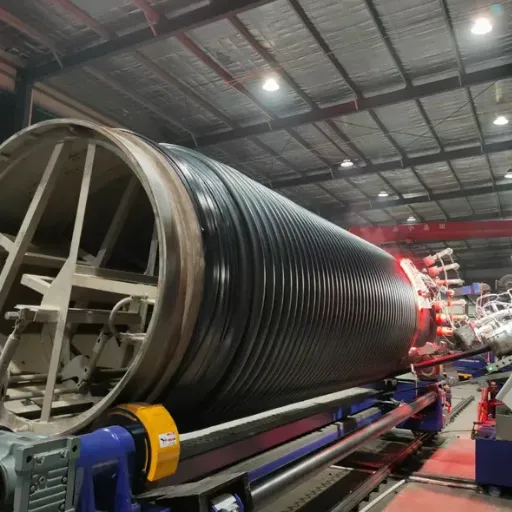
Quality control separates professional pipe producers from operators who rely on guesswork. Every stage of the manufacturing process needs measurable checkpoints.
In-Process Monitoring
Modern production lines use sensors and PLCs to monitor:
Melt temperature and pressure at the die head
Line speed across extruder, haul-off, and cutter
Pipe outer diameter and wall thickness using ultrasonic or laser gauges
Vacuum and cooling water temperature in calibration tanks
Profile dimensions in spiral winding stations
Real-time monitoring allows operators to correct deviations before they affect an entire production run.
Laboratory Testing
Finished pipes must pass standardized tests before shipment. For municipal applications, pipes should comply with relevant product standards such as EN 13476 and ASTM F894.
Ring stiffness: Measures resistance to external deformation per EN 1228 or ASTM D2412
Impact resistance: Evaluates brittleness and toughness at low temperatures
Hydrostatic pressure test: Confirms long-term internal pressure performance
Dimensional inspection: Verifies diameter, wall thickness, ovality, and length
Melt flow index: Confirms material consistency
For municipal applications, third-party inspection and certification are often required. Producers should maintain test records for every batch.
Common Defects and Causes
Understanding defects helps operators prevent them:
| Defect | Likely Cause | Prevention |
|---|---|---|
| Wall thickness variation | Uneven die gap or haul-off speed fluctuation | Calibrate die and synchronize drives |
| Surface roughness | Moisture or low melt temperature | Dry material, increase barrel temperature |
| Ovality | Insufficient vacuum calibration or uneven cooling | Adjust vacuum and cooling balance |
| Internal weld lines | Poor die design or low melt temperature | Use spiral mandrel die, optimize temperatures |
| Low ring stiffness | Incorrect profile design or cooling stress | Verify profile geometry and cooling rate |
When a pipe producer in the Middle East started seeing ring stiffness failures in 2023, their initial response was to increase material usage. After our engineer reviewed their line, the real problem was uneven cooling that locked residual stress into the profile. Adjusting the cooling section and recalibrating the die gap brought their SN8 pipes into specification while reducing material consumption by roughly 8%.
Common Materials Used in Plastic Pipe Manufacturing
Material selection affects everything from processing temperature to long-term performance. The most common materials for municipal and industrial pipes are HDPE and PP.
High-Density Polyethylene (HDPE)
HDPE offers excellent chemical resistance, flexibility, and toughness. Common grades include PE80 and PE100, where the number indicates the minimum required strength in megapascals. HDPE pipes are widely used for:
Water supply and distribution
Gas distribution networks
Sewage and drainage systems
Mining and industrial slurry lines
HDPE processes at lower temperatures than PP and provides good fusion welding characteristics for joints.
Polypropylene (PP)
PP provides higher stiffness and temperature resistance than HDPE. High-modulus polypropylene (PP-HM) enables thinner walls while maintaining ring stiffness. PP is common in:
Drainage and stormwater pipes
Industrial drainage with elevated temperatures
Double-wall corrugated pipes
Spiral profile pipes requiring high SN ratings
PP requires more precise temperature control during extrusion to avoid oxidation and degradation.
Recycled and Co-Extruded Materials
Sustainability pressures are increasing recycled content in pipe manufacturing. Co-extrusion allows producers to use recycled material in outer layers while protecting structural performance with a virgin inner layer. The exact percentage depends on local standards and application requirements.
Ready to configure a line for your material and diameter requirements? Contact Mr. Zhou Maozhen for a customized quotation.
Selecting the Right Pipe Manufacturing Equipment
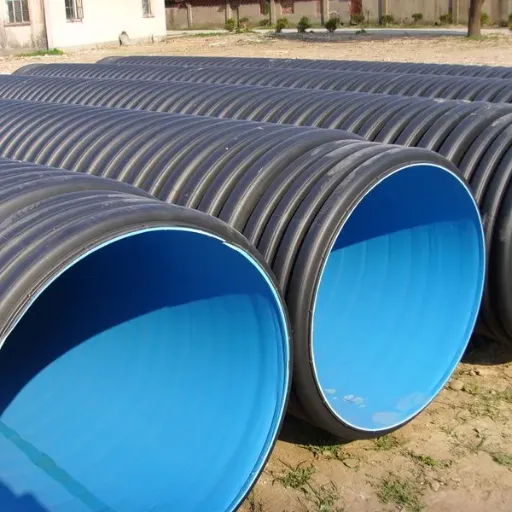
Choosing equipment requires matching production technology to market needs. Buyers should evaluate several factors before investing.
Diameter Range and Output Target
The required pipe diameter range determines machine size and configuration. Small-diameter solid-wall lines can produce thousands of meters per day, while large-diameter spiral lines prioritize versatility over speed. Estimate both typical and maximum diameter requirements before selecting equipment.
Material Strategy
Decide whether you will process HDPE, PP, or both. Material choice affects:
Extruder screw design and L/D ratio
Die head geometry and heating zones
Cooling section length
Downstream handling requirements
Some machines offer quick-change configurations for material flexibility.
Automation and Control Level
Modern pipe lines use PLC control with HMI touch screens. Features to evaluate include:
Recipe storage for different pipe specifications
Automatic diameter adjustment
Production data logging
Remote diagnostic capability
Alarm and safety interlocks
Higher automation reduces operator error and improves consistency, especially for producers running multiple shifts.
After-Sales Support
A pipe production line is a long-term investment. Evaluate the manufacturer's support capabilities:
Installation supervision and commissioning
Operator and maintenance training
Technical documentation and spare parts lists
Remote support availability
Warranty terms and spare parts dispatch speed
Plastic Pipe Manufacturing FAQ
What are the main steps in the plastic pipe manufacturing process?
The main steps are material preparation, extrusion melting, die forming, calibration and cooling, haul-off pulling, cutting to length, and quality testing. Spiral profile pipes add a winding stage, while CIPP liners add resin impregnation and packaging.
What is the difference between extrusion and spiral winding?
Extrusion pushes molten polymer through a die to form a continuous pipe. Spiral winding extrudes a profile strip and helically welds it onto a rotating mandrel to build large-diameter structural wall pipes.
What materials are used in plastic pipe manufacturing?
HDPE, PP, and polyolefin compounds are most common. Additives include UV stabilizers, carbon black, and recycled content blends. Material choice depends on application, standards, and local availability.
How is quality controlled during pipe production?
Quality control includes real-time monitoring of temperature, pressure, and dimensions plus laboratory testing of ring stiffness, impact resistance, pressure performance, and dimensional accuracy.
What diameter range can plastic pipe manufacturing equipment produce?
Standard extrusion lines cover small to medium diameters. Spiral profile pipe machines can produce pipes from DN300mm to DN5000mm for large-diameter infrastructure applications.
How much does a plastic pipe manufacturing line cost?
Costs vary widely based on diameter range, output capacity, automation level, and included services. Small corrugated lines may start below larger extrusion systems, while complete large-diameter spiral profile lines represent a larger investment. Contact the manufacturer for a detailed quotation based on your specifications.
Conclusion
The plastic pipe manufacturing process combines material science, mechanical engineering, and precise process control. Whether you produce solid-wall HDPE pipes, spiral profile sewage pipes, or CIPP rehabilitation liners, success depends on understanding each stage and selecting equipment that matches your market.
Key takeaways from this guide:
Extrusion is the core process for most plastic pipes, with spiral winding enabling the largest diameters.
Quality control must cover material preparation, in-process monitoring, and finished product testing.
Material selection between HDPE and PP depends on stiffness, temperature, and application requirements.
Equipment selection should consider diameter range, output, material strategy, automation, and after-sales support.
CIPP liner manufacturing offers a complementary path into the growing trenchless rehabilitation market.
At Qingdao Yongke Machinery, we engineer complete pipe production lines for manufacturers worldwide. From our HDPE/PP spiral profile pipe machines to our UV-CIPP liner manufacturing equipment, every system is built to produce consistent, standards-compliant products.
Recently Posted
-
Qingdao Yongke Machinery: Full-Category Spiral Pipe Equipment from China's Qingdao
September 1, 2026Choosing a machinery supplier for large-diameter plastic pipe production is a long-term decision, because the line you install wil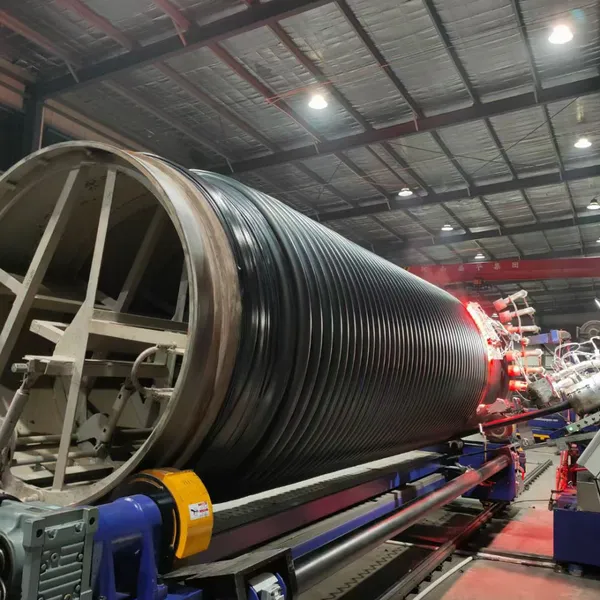 Read More
 -
Quality Control in Spiral Pipe Machine Manufacturing
August 31, 2026A buyer in South America some time ago received a winding line that looked complete on the surface but suffered repeated seam defe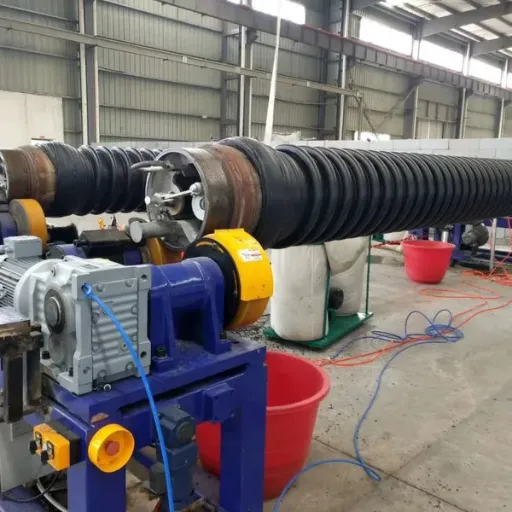 Read More
 -
Spiral Pipe for Sewage and Drainage Networks: Production Notes
August 28, 2026A municipal contractor in Eastern Europe some time ago took delivery of spiral-wound sewer pipe that looked flawless on the line.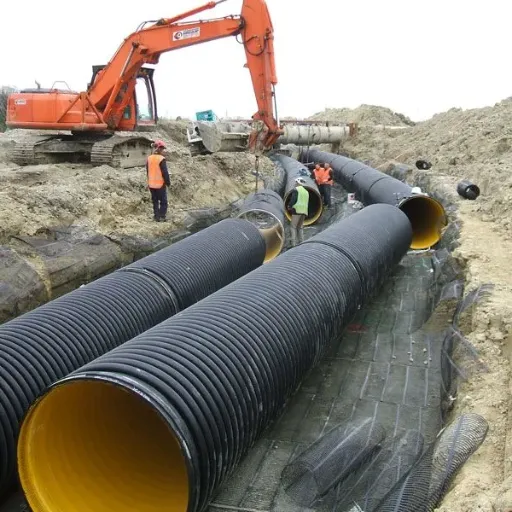 Read More
 -
DN300 to DN5000: Diameter Range and Machine Configuration
August 27, 2026A plant owner in Central Asia once asked for a line "up to DN5000" because a future tender mentioned large storage tanks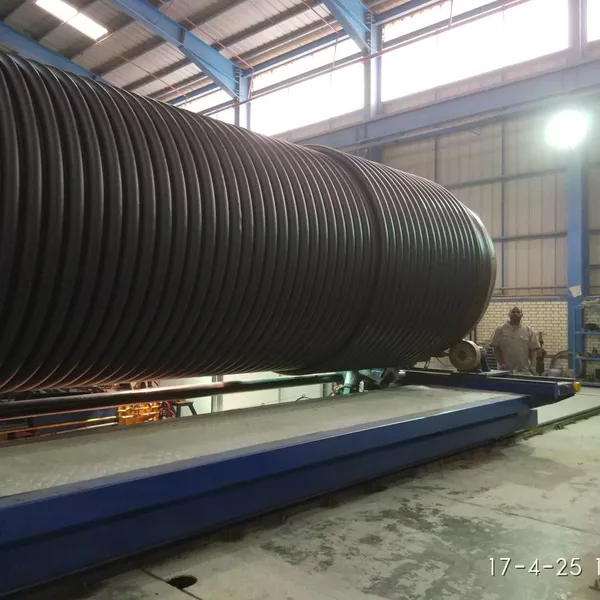 Read More

Contact Us
Recommended Products
-
 CIPP Glass Fibre Liner MachineNegotiableMOQ: 1 Set
 -
HDPE Helically Wound Tank MachineUS$ 10MOQ: 1 Set
-
CIPP Glass Liner MachineNegotiableMOQ: 1 Set
-
CIPP Felt Liner Manufacturing MachineNegotiableMOQ: 1 Set
-
Large Diameter HDPE Sea Intake Outfall Structured Wall Pipe Making MachineNegotiableMOQ: 1 Set
-
UV-CIPP Glass Fibre Liner Manufacturing MachineUS$ 1000 - 110000MOQ: 10 Meters
-
HDPE Pipe Extrusion Machine / PE Pipe Production Line With High OutputNegotiableMOQ: 1 Set
-
UV-CIPP Glass Fiber Liner Hose Production LineUS$ 1000 - 110000MOQ: 1 Set
-
HDPE Spiral Structure Wall Pipe MachineNegotiableMOQ: 1 Set
-
HDPE Spiral Pipe MachineNegotiableMOQ: 1 Set
-
HDPE Spiral Tank MachineNegotiableMOQ: 1 Set
-
Krah Pipe MachineNegotiableMOQ: 1 Set
-
Plastic HDPE PVC PPR Pipe Extrusion Making Machine Extrusion LineNegotiableMOQ: 1 Set
-
PVC Pipe Extrusion Production Line for Electrical Conduit and Water Supply PipesNegotiableMOQ: 1 Set
-
Hot Sell Single Wall Corrugated Pipe Extrusion Line With Competitive PriceNegotiableMOQ: 1 Set
-
HDPE Krah Profild Pipe MachineUS$ 10000MOQ: 1 Set
-
Plastic Tank CNC Holes Boring MachineUS$ 10000MOQ: 1 Set
-
Double Wall Corrugated Pipe Extrusion LineNegotiableMOQ: 1 Set
-
Single Wall Corrugated Pipe Extrusion LineNegotiableMOQ: 1 Set
-
Inversion CIPP Liner Tube Manufacturing MachineNegotiableMOQ: 1 Set