
 Business License
Plastic Pipe Extrusion Machine: A Complete Production Guide
A plastic pipe extrusion machine is a production system that melts thermoplastic resin and forces it through a shaped die to create continuous pipe. These machines turn raw polymer pellets into finished HDPE, PP, PVC, or PPR pipe for water supply, drainage, gas distribution, and industrial applications.
What if the machine you buy today determines whether your pipe business grows for the next decade? In 2019, Ahmed Hassan ran a small trading company in Cairo that imported finished HDPE pipe. Every price increase and shipping delay cut his margin, so he bought a turnkey HDPE pipe extrusion line from Yongke Machinery. Within 18 months, his monthly output reached 180 tons and his pipe cost dropped by roughly 30%.
That is the power of the right plastic pipe extrusion machine. Most buyers start by comparing prices, but the real decision is matching the extrusion system to your material, diameter range, output target, and local conditions. By the end of this guide, you will understand how a pipe extrusion line works, what specifications matter, and how to avoid the common mistakes that turn a promising investment into an expensive lesson. We will cover the pipe extrusion process, machine types, material behavior, selection criteria, and after-sales support.
Key Takeaways
A plastic pipe extrusion machine is an integrated production line that converts polymer pellets into continuous pipe through melting, shaping, cooling, and cutting.
Common configurations include solid-wall, corrugated, spiral profile, and multi-layer co-extrusion lines for HDPE, PP, PVC, and PPR materials.
Key specifications include screw diameter, L/D ratio, extruder power, die head design, calibration length, haul-off force, and control system.
Qingdao Yongke Machinery manufactures HDPE spiral profile pipe machines, PP corrugated pipe extrusion lines, and related equipment from DN300mm to DN5000mm.
What Is a Plastic Pipe Extrusion Machine?
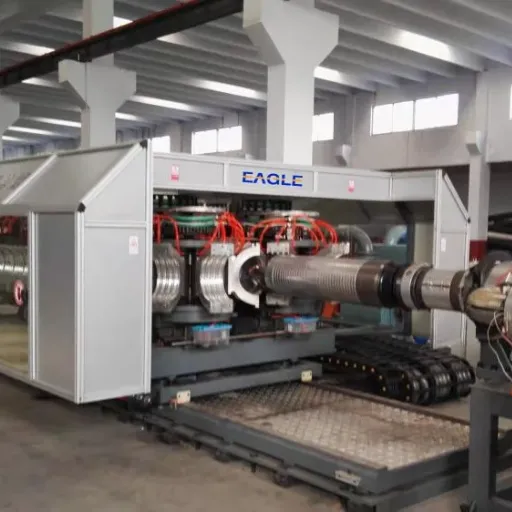
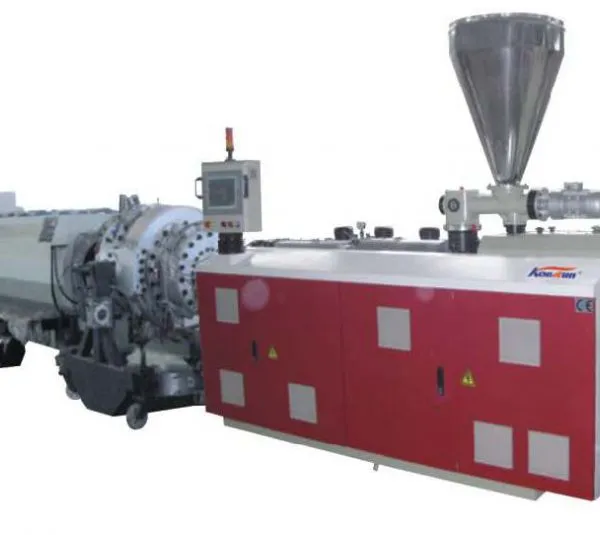
A plastic pipe extrusion machine isn't a single piece of equipment. It's a coordinated plastic pipe production line that transforms raw thermoplastic into pipe with a uniform wall, consistent diameter, and predictable mechanical properties. The term covers everything from a small laboratory extruder making DN20mm tubing to a large-diameter line producing DN4000mm structural wall pipe.
The core idea is simple. A motor-driven screw melts polymer pellets inside a heated barrel. The molten plastic flows through a pipe-shaped die. The hot pipe enters a calibration and cooling system that holds the dimensions while the material solidifies.
Finally, a haul-off unit pulls the pipe at a controlled speed, and a cutter slices it to length.
What separates an industrial pipe extrusion machine from a prototype is consistency. Municipal water and gas standards demand tight dimensional tolerances. Sewer and drainage applications require specific ring stiffness.
Pressure pipes must meet hydrostatic test requirements. Every component of the line must work together to hit these targets hour after hour.
If you manufacture pipe for infrastructure projects, your customers will ask for certifications and test reports. Qingdao Yongke Machinery builds pipe extrusion lines at our ISO 9001, ISO 14001, ISO 45001, and CE-certified facility in Qingdao, China. Contact our sales team to discuss the right plastic pipe extrusion machine for your target market.
How a Plastic Pipe Extrusion Machine Works
Understanding the pipe extrusion process helps buyers evaluate quotes and troubleshoot production issues. Each stage affects the final pipe quality.
Material Feeding and Drying
The process starts with polymer pellets or powder. HDPE and PP are hygroscopic to a limited degree, but drying is still important in humid climates. Some materials, such as PET or certain engineering polymers, require aggressive drying. The material feeds from a hopper into the extruder throat, often through a dosing unit that adds color masterbatch, UV stabilizer, or recycled content.
For co-extrusion, two or more extruders feed different material layers into a single die. The inner layer might be virgin HDPE for pressure rating, while the outer layer uses recycled material for cost savings.
Melting and Homogenizing in the Extruder
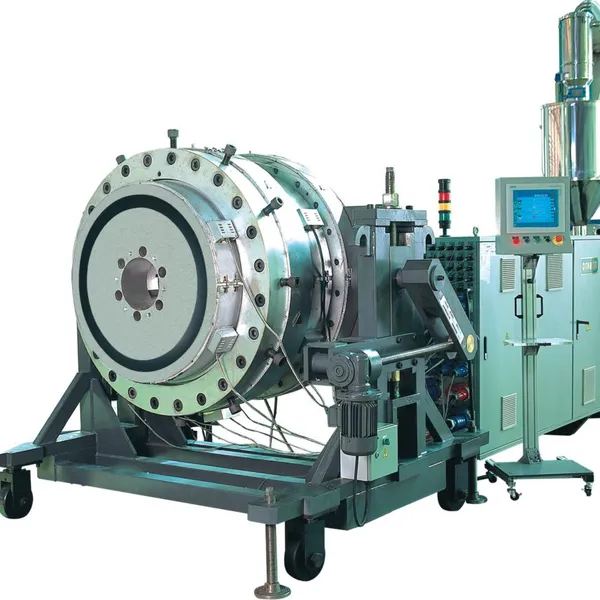
The single-screw extruder is the heart of most pipe extrusion lines. The screw rotates inside a heated barrel, conveying the pellets forward, compressing them, melting them, and mixing the melt. Key parameters include:
Screw diameter: Typically 45mm to 150mm for pipe lines, with larger diameters for bigger pipe and higher output
L/D ratio: The length-to-diameter ratio, usually 30:1 to 36:1, affects melting efficiency and output stability
Compression ratio: Determines how aggressively the screw compresses and melts the material
Barrel heating zones: Multiple temperature zones along the barrel allow gradual melting without degradation
Drive power: The motor must deliver enough torque for the target output and material viscosity
A well-designed screw for HDPE won't necessarily run PP or PVC efficiently. Material-specific screw geometry matters.
Shaping Through the Die Head
The die head forms the molten plastic into a pipe. For solid-wall pipe, a spider or spiral mandrel die distributes the melt around a central mandrel. Spiral mandrel dies are preferred for large diameters because they reduce weld lines and improve wall uniformity.
The die gap, mandrel position, and die temperature determine the pipe's outer diameter and wall thickness. Changing pipe size usually requires changing the die head or at least the die tooling.
Calibration and Cooling
After leaving the die, the hot pipe must be held to size while it cools. A vacuum calibration sleeve surrounds the pipe with a precisely controlled water jacket. Vacuum pulls the pipe against the sleeve. A water spray cooling tank then brings the pipe to handling temperature.
Cooling capacity is often the production bottleneck. Longer cooling tanks allow faster line speeds. For thick-wall pipe, cooling time is especially critical because residual heat can cause ovality or warping.
Haul-Off and Cutting
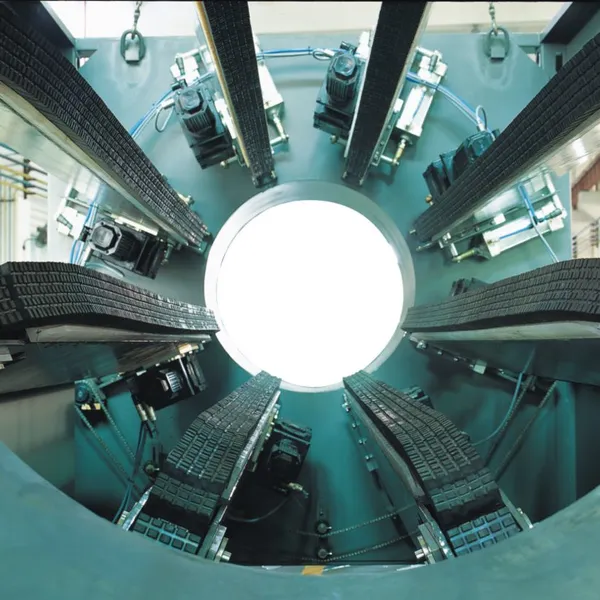
The haul-off unit pulls the pipe out of the cooling tank without crushing it. Belt haul-offs are common for smaller diameters. Caterpillar haul-offs with multiple tracks are used for larger pipe. The haul-off speed must synchronize exactly with extruder output to maintain wall thickness.
The cutter then slices the pipe to standard lengths. Planetary saws cut large-diameter pipe without stopping the line. Flying cut-off units are used for smaller diameters.
Types of Plastic Pipe Extrusion Lines
Not every pipe extrusion machine serves the same market. The right configuration depends on the pipe type, diameter, and application.
Solid-Wall Pipe Extrusion Line
Solid-wall lines produce single-layer pipe for water supply, gas distribution, and industrial pressure applications. HDPE solid-wall pipe is common for water and gas. PP-R solid-wall pipe is used for hot and cold water plumbing. These lines are relatively straightforward but require precise temperature and pressure control.
Corrugated Pipe Extrusion Line
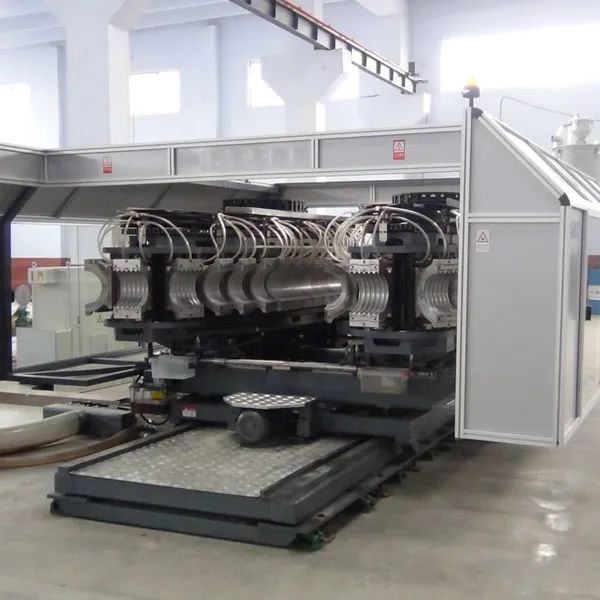
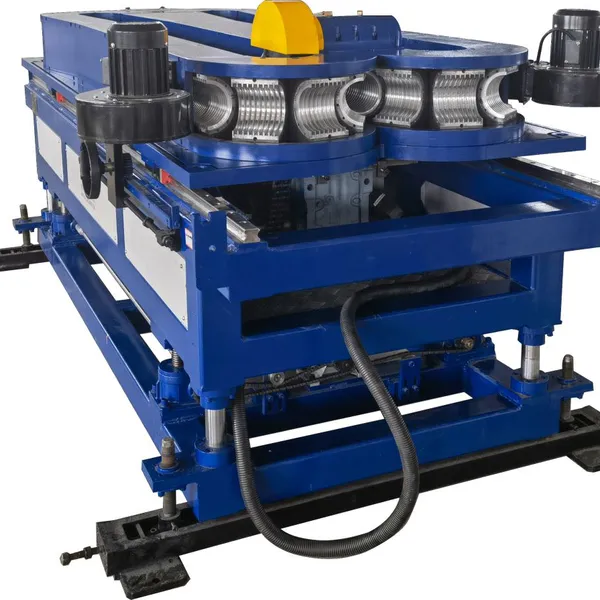
Corrugated pipe lines produce double-wall or single-wall corrugated pipe for drainage, sewage, and cable protection. PP double-wall corrugated pipe offers high ring stiffness with low weight. Yongke Machinery's high-speed PP corrugated pipe extrusion line produces corrugated inner tubes at speeds up to 15 meters per minute.
Spiral Profile Pipe Extrusion Line
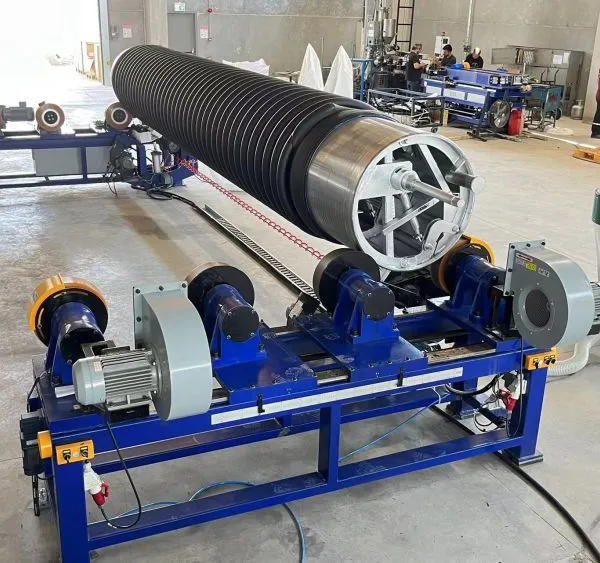
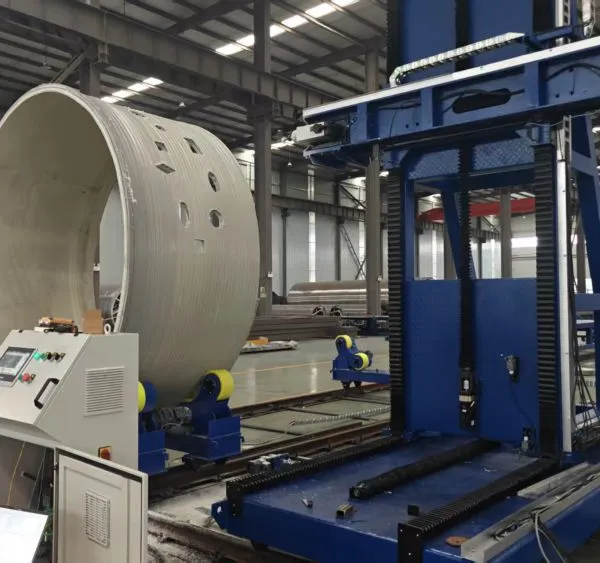
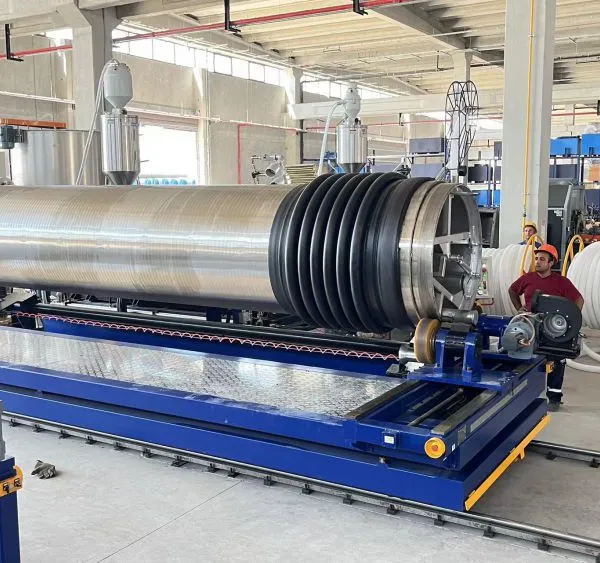
Spiral profile machines produce large-diameter structural wall pipe by helically winding an extruded profile strip. This technology covers diameters from DN300mm to DN5000mm that solid-wall extrusion can't reach economically. Yongke Machinery's HDPE spiral profile pipe machine serves municipal sewage, stormwater, and industrial drainage markets. For producers who also serve chemical containment and tank markets, Yongke Machinery offers an HDPE spiral tank machine built on the same spiral winding technology.
Multi-Layer and Co-Extrusion Lines
Multi-layer lines combine virgin and recycled materials or add functional layers such as oxygen barriers. Co-extrusion requires multiple extruders, a multi-channel die, and precise layer ratio control. These lines cost more but reduce material cost and meet sustainability requirements.
PVC and CPVC Pipe Extrusion Lines
PVC pipe extrusion uses twin-screw extruders because PVC powder requires different compounding and shear. CPVC adds chlorine for higher temperature resistance. These lines are common for potable water, drainage, and electrical conduit. Twin-screw technology differs significantly from single-screw HDPE or PP extrusion.
Material Behavior in a Plastic Pipe Extrusion Machine
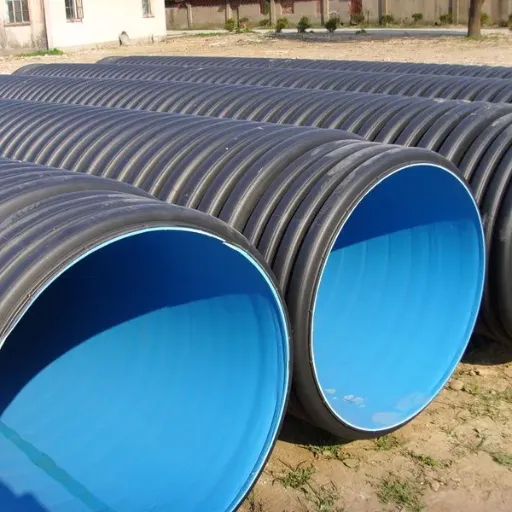
The polymer you process drives every machine decision. Each material has its own melt temperature, viscosity, shrinkage, and cooling behavior.
HDPE (High-Density Polyethylene)
HDPE is forgiving, tough, and widely used. An HDPE pipe extrusion machine is the standard choice for producing water, gas, and drainage pipe. PE80 and PE100 grades are common for pressure pipe. HDPE shrinks significantly as it cools, so calibration and cooling must be well controlled.
It is joined by butt fusion or electrofusion, which creates monolithic joints. For pressure rating and chemical resistance guidance, refer to ISO 4427 and the Plastics Pipe Institute.
PP (Polypropylene)
PP has higher stiffness and temperature resistance than HDPE. A PP pipe extrusion machine is a good choice for hot drainage, chemical effluent, and corrugated drainage pipe. PP crystallizes faster than HDPE, so cooling and haul-off parameters differ. High-modulus PP grades can achieve higher ring stiffness with thinner walls.
PVC (Polyvinyl Chloride)
PVC is economical and stiff but requires careful temperature control to avoid degradation. Twin-screw extruders compound PVC with stabilizers and lubricants during the extrusion process. PVC pressure pipe standards such as ASTM D1785 define dimension ratios and pressure classes.
PPR (Random Copolymer Polypropylene)
PPR pipe is used for hot and cold water plumbing. It requires higher extrusion temperatures than PP-HM drainage grades and different fusion fitting systems. PPR lines are popular in residential and commercial building markets.
Recycled and Blended Materials
Many pipe producers now use recycled HDPE or PP in non-pressure layers. Our co-extrusion systems can process blends with up to 80% recycled material in outer layers while keeping the structural layer virgin. This lowers material cost and supports circular-economy project requirements.
Key Specifications to Evaluate When Buying a Pipe Extrusion Machine
When you compare pipe extrusion machine quotes, look past the brochure photos. These specifications determine real-world performance.
| Specification | Typical Range | Why It Matters |
|---|---|---|
| Screw diameter | 45mm to 150mm+ | Larger screws produce more output and handle bigger pipe |
| L/D ratio | 30:1 to 36:1 | Longer screws melt and mix more efficiently |
| Extruder power | 30 kW to 250 kW+ | Must match output and material viscosity |
| Die head type | Spiral mandrel, spider, multi-layer | Affects wall uniformity and weld-line strength |
| Calibration length | 4m to 12m+ | Longer tanks allow higher line speeds |
| Haul-off force | 5 kN to 80 kN+ | Must pull large pipe without deformation |
| Cutter type | Planetary saw, flying knife | Depends on diameter and wall thickness |
| Control system | PLC with HMI | Enables recipe storage and parameter monitoring |
Output and Line Speed
Output is usually expressed in kilograms per hour or meters per minute. A DN110mm HDPE solid-wall line with a 90mm extruder might produce 250-350 kg/hour. A DN800mm spiral profile line with a 120mm extruder might produce 200-400 kg/hour depending on wall structure. Always ask for output figures for your specific pipe size, not just the maximum extruder capacity.
Diameter Range
A machine optimized for DN20-DN110mm plumbing pipe won't efficiently produce DN1200mm drainage pipe. Confirm that the extruder, die head, calibration sleeve, haul-off, and cutter can handle your full target range. Some lines allow quick tooling changes; others require separate die heads. For guidance on matching diameter to application, see our pipe diameter selection guide.
Automation and Control
Modern lines use PLC control with touchscreen HMI interfaces. Recipe storage, automatic diameter control, and production data logging reduce operator error. Remote diagnostic capability is valuable for international buyers who can't wait for an engineer to fly in.
Selecting the Right Plastic Pipe Extrusion Machine for Your Operation
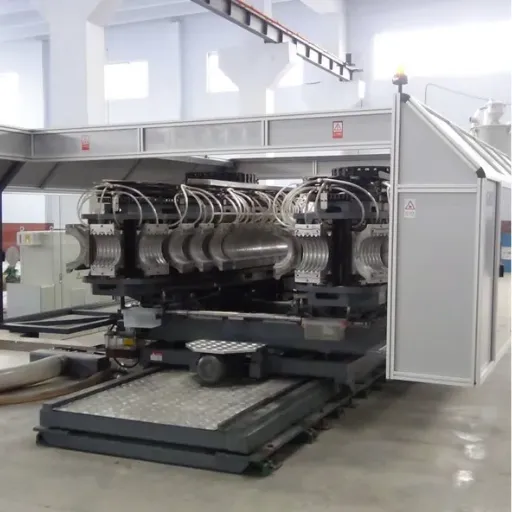
Choosing a pipe extrusion line is a capital decision that affects your cost structure for years. Follow a systematic process.
Define Your Product Portfolio
List the pipe types, diameters, and materials you plan to produce in the first three years. If you serve municipal sewer contracts, a spiral profile line is almost mandatory. If you focus on building plumbing, a PPR or PVC line makes more sense. A mixed portfolio may justify a multi-layer or multi-purpose line.
Match Output to Market Demand
Calculate your required annual tonnage and peak daily output. Oversizing the extruder wastes energy and capital. Undersizing leaves you unable to fulfill large contracts. Ask suppliers for output guarantees at your target pipe specification, not just maximum theoretical numbers.
Consider Material Flexibility
If you expect to process both HDPE and PP, specify a screw and die head designed for polyolefins. If you also want PVC, you likely need a separate twin-screw line. Few single-screw lines handle both polyolefins and PVC well.
Plan for Floor Space and Utilities
A complete pipe extrusion line can be 20 to 60 meters long including extruder, die head, calibration tank, cooling tank, haul-off, and cutter. Check ceiling height for crane access, power supply capacity, cooling water availability, and compressed air needs.
Budget Beyond the Machine
The machine price is only part of the total investment. Include dies and tooling, material handling systems, quality testing equipment, spare parts, installation, training, shipping, and import duties. A line that looks cheaper on the quote can become more expensive once these items are added.
In 2021, Maria Lopez ran a small pipe distribution business in Colombia. She wanted to add local production of PP corrugated drainage pipe. Maria compared two quotes.
One was 15% cheaper but lacked a vacuum forming system and used a generic screw. She chose the Yongke Machinery line because it included a high-speed PP corrugated pipe extrusion line with matched tooling and process training. Her line reached design output within two weeks of commissioning. Within a year, she had added three new municipal customers.
Installation, Training, and After-Sales Support
A pipe extrusion machine only creates value when it is installed correctly and operated well. Reputable suppliers provide:
Mechanical and electrical installation supervision: An experienced engineer checks alignment, leveling, and wiring
Process training: Operators learn extruder settings, die adjustment, calibration, and troubleshooting
Technical documentation: Manuals, electrical drawings, spare parts lists, and process parameters
Remote support: Video calls and messaging for fast diagnosis
Spare parts program: Quick dispatch of screws, barrels, heaters, and wear parts
At Qingdao Yongke Machinery, we supply full technical documentation and remote guidance with every line. Our equipment is built at our ISO-certified factory in Qingdao, China. On-site installation support can be arranged based on project scope and location. Our engineering team is available via WhatsApp at +86-13583232887 and email at machinery@eaglegroup.cn.
Common Mistakes to Avoid
Industrial pipe producers often run into the same problems when buying or operating extrusion equipment.
Buying Only on Price
The lowest quoted machine may use lighter frames, generic screws, or under-sized cooling systems. These compromises show up later as poor tolerances, frequent downtime, and short screw life.
Undersizing the Extruder
An extruder that is too small for your target output will run at maximum load continuously. That increases wear and reduces melt quality. Size for your typical production plus a reasonable growth margin.
Ignoring Die Head Design
A die head that works for one diameter may not work for another. Confirm that the supplier has experience with your target pipe dimensions and material. Ask for sample pipes or references.
Neglecting Cooling Capacity
Inadequate cooling causes ovality, warping, and slow line speeds. Tropical climates especially need larger cooling tanks and reliable chilled water.
Skipping Operator Training
Even a good machine produces scrap if operators don't understand temperature profiles, haul-off synchronization, and die adjustment. Invest in training from the supplier.
Overlooking Spare Parts
Screws, barrels, heaters, and contactors wear out. If spare parts take weeks to arrive, every breakdown becomes expensive. Choose a supplier with documented parts and responsive logistics.
FAQ: Plastic Pipe Extrusion Machines
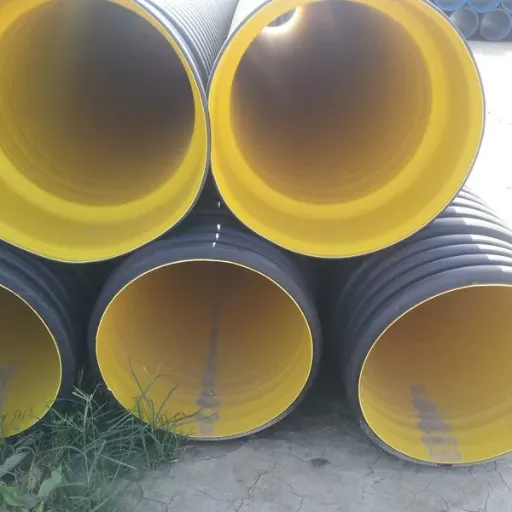
What is a plastic pipe extrusion machine?
A plastic pipe extrusion machine is a production line that melts thermoplastic resin and extrudes it through a shaped die to form continuous pipe. A typical line includes an extruder, die head, calibration and cooling systems, haul-off unit, and cutter.
What materials can a pipe extrusion machine process?
Common materials include HDPE, PP, PVC, CPVC, PPR, and various recycled or blended compounds. The screw design, barrel temperatures, and die head must match the material.
How much does a plastic pipe extrusion machine cost?
Prices range from roughly US$50,000 for a small single-screw line to over US$500,000 for a large-diameter spiral profile or multi-layer co-extrusion line. Total investment depends on diameter range, output, automation, and tooling.
What is the difference between a single-screw and twin-screw pipe extrusion machine?
Single-screw extruders are standard for HDPE, PP, and most polyolefin pipe. Twin-screw extruders are used for PVC and other materials that require compounding, higher shear, or powder feeding.
How do I choose the right extruder size?
Match extruder size to your target output in kg/hour, pipe diameter, and material viscosity. A supplier with experience in your application can calculate the required screw diameter, motor power, and die head size.
Can one pipe extrusion machine produce different pipe sizes?
Yes, within its design range. Producers change die tooling, calibration sleeves, and haul-off belts to switch sizes. Large changes, such as from DN110mm to DN800mm, usually require a different line.
Conclusion: Invest in the Right Plastic Pipe Extrusion Machine
A plastic pipe extrusion machine is the foundation of any pipe manufacturing business. The right line turns polymer pellets into consistent, certified pipe. The wrong line becomes a source of scrap, downtime, and missed contracts.
Start by defining your target pipe sizes, materials, and output. Then evaluate the extruder, die head, cooling capacity, and control system as an integrated system. Installation support, operator training, and spare parts availability matter as much as the machine itself.
For manufacturers looking to expand or enter production, Qingdao Yongke Machinery offers a range of extrusion equipment. Our HDPE spiral profile pipe machine handles DN300mm to DN5000mm for large-diameter drainage and containment. Our high-speed PP corrugated pipe extrusion line delivers the output needed for drainage and cable protection markets.
If you are planning a new pipe production line, contact our engineering team for a detailed quotation and technical consultation. We'll help you match the right plastic pipe extrusion machine to your material, diameter range, and production goals.
Key points to remember:
A pipe extrusion line is an integrated system, not a standalone extruder.
Material selection drives screw design, temperatures, and tooling.
Cooling capacity, haul-off force, and cutter type must match your pipe size.
Yongke Machinery builds ISO and CE-certified extrusion equipment for global pipe producers.
Recently Posted
-
Qingdao Yongke Machinery: Full-Category Spiral Pipe Equipment from China's Qingdao
September 1, 2026Choosing a machinery supplier for large-diameter plastic pipe production is a long-term decision, because the line you install wil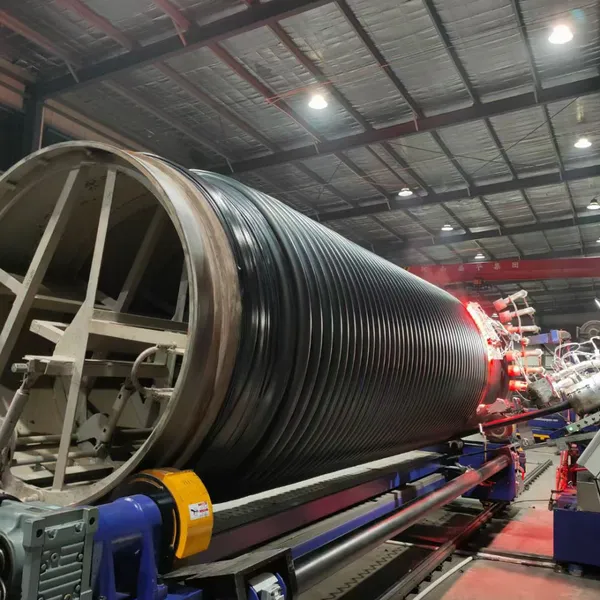 Read More
 -
Quality Control in Spiral Pipe Machine Manufacturing
August 31, 2026A buyer in South America some time ago received a winding line that looked complete on the surface but suffered repeated seam defe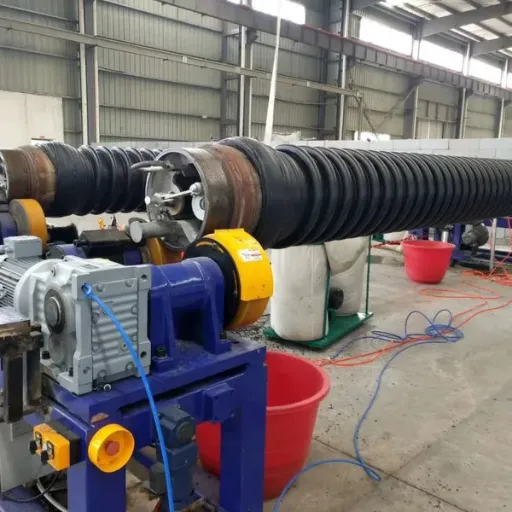 Read More
 -
Spiral Pipe for Sewage and Drainage Networks: Production Notes
August 28, 2026A municipal contractor in Eastern Europe some time ago took delivery of spiral-wound sewer pipe that looked flawless on the line.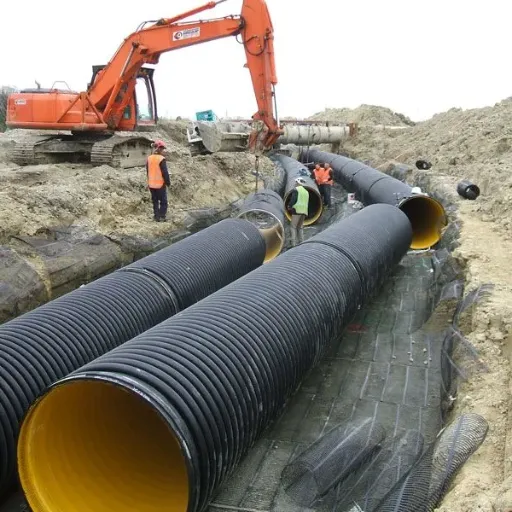 Read More
 -
DN300 to DN5000: Diameter Range and Machine Configuration
August 27, 2026A plant owner in Central Asia once asked for a line "up to DN5000" because a future tender mentioned large storage tanks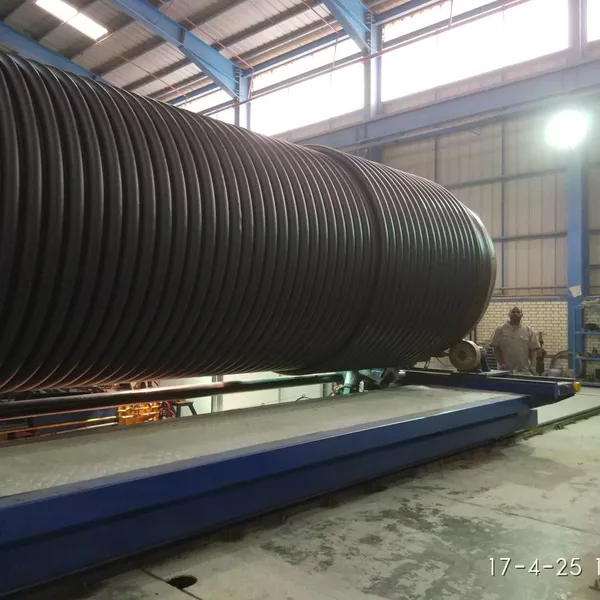 Read More

Contact Us
Recommended Products
-
 CIPP Glass Fibre Liner MachineNegotiableMOQ: 1 Set
 -
HDPE Helically Wound Tank MachineUS$ 10MOQ: 1 Set
-
CIPP Glass Liner MachineNegotiableMOQ: 1 Set
-
CIPP Felt Liner Manufacturing MachineNegotiableMOQ: 1 Set
-
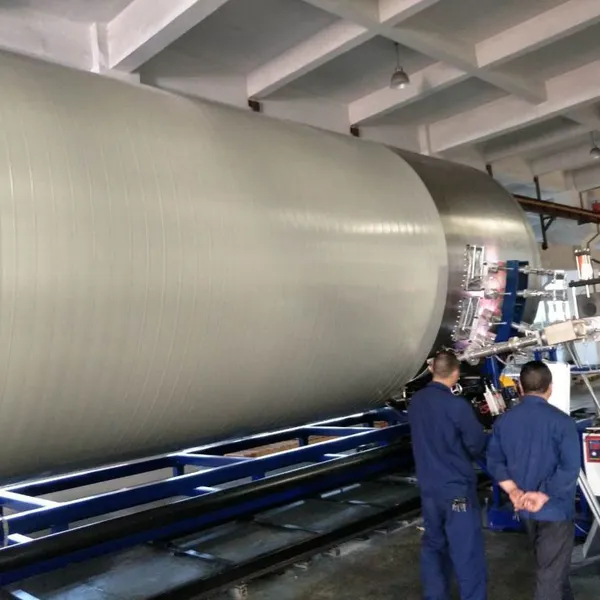
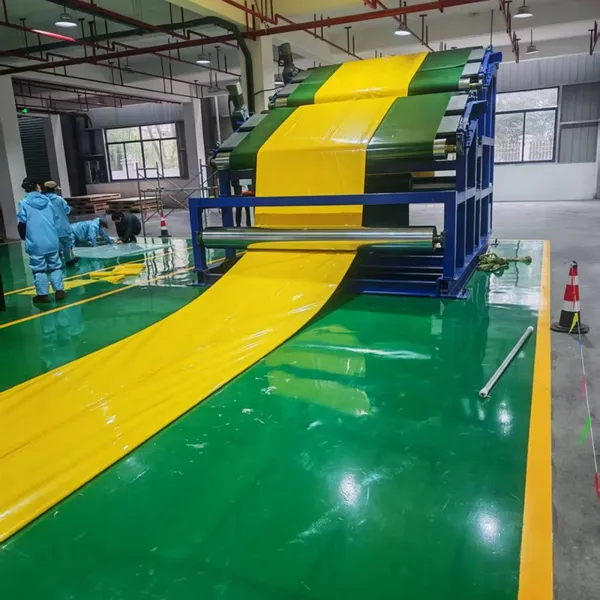
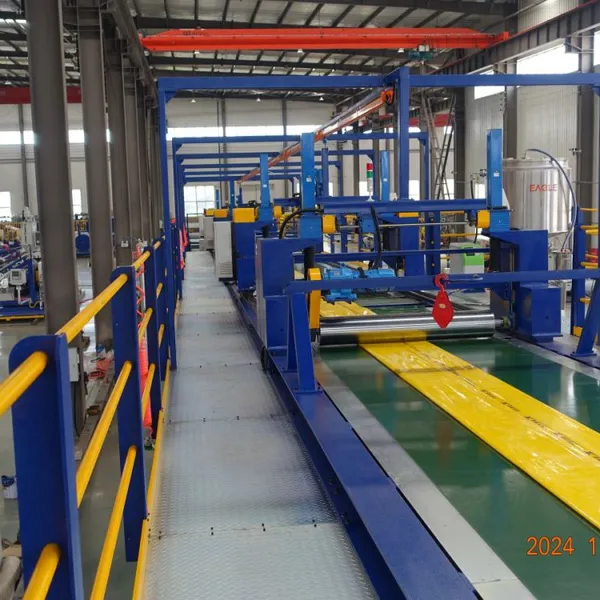
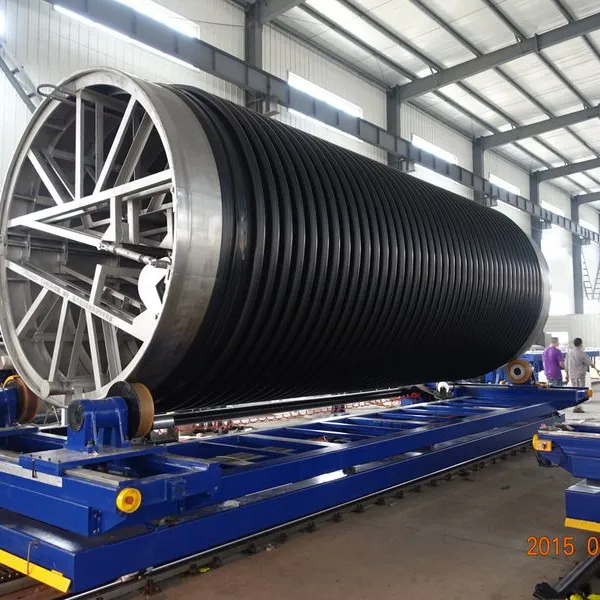
Large Diameter HDPE Sea Intake Outfall Structured Wall Pipe Making MachineNegotiableMOQ: 1 Set
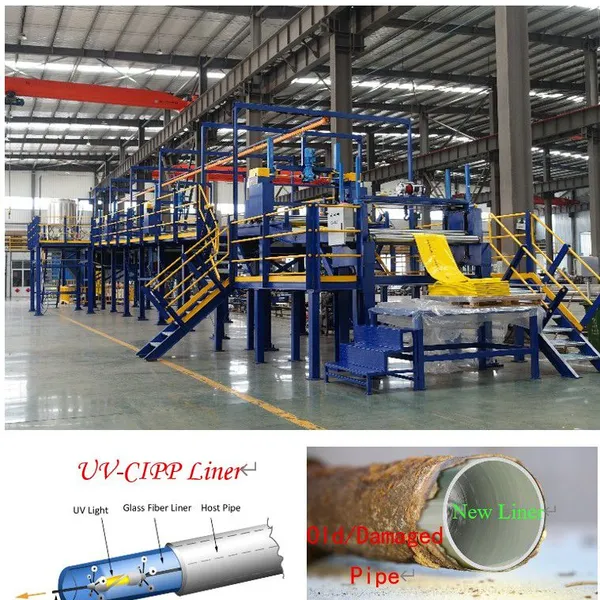
-
UV-CIPP Glass Fibre Liner Manufacturing MachineUS$ 1000 - 110000MOQ: 10 Meters
-
HDPE Pipe Extrusion Machine / PE Pipe Production Line With High OutputNegotiableMOQ: 1 Set
-
UV-CIPP Glass Fiber Liner Hose Production LineUS$ 1000 - 110000MOQ: 1 Set
-
HDPE Spiral Structure Wall Pipe MachineNegotiableMOQ: 1 Set
-
HDPE Spiral Pipe MachineNegotiableMOQ: 1 Set
-
HDPE Spiral Tank MachineNegotiableMOQ: 1 Set
-
Krah Pipe MachineNegotiableMOQ: 1 Set
-
Plastic HDPE PVC PPR Pipe Extrusion Making Machine Extrusion LineNegotiableMOQ: 1 Set
-
PVC Pipe Extrusion Production Line for Electrical Conduit and Water Supply PipesNegotiableMOQ: 1 Set
-
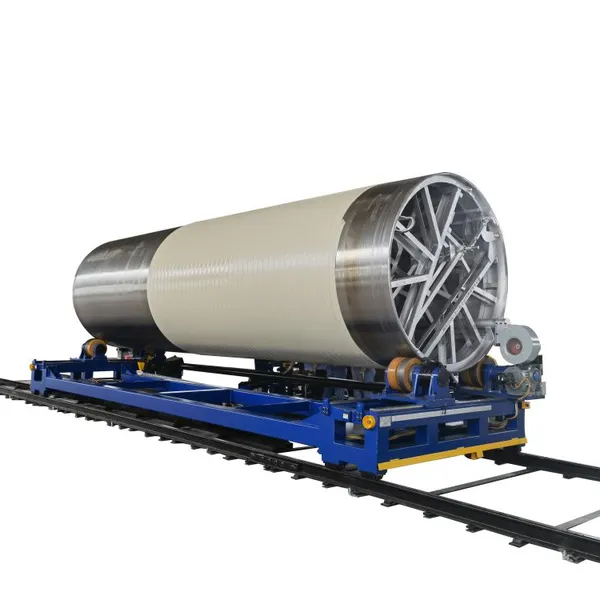
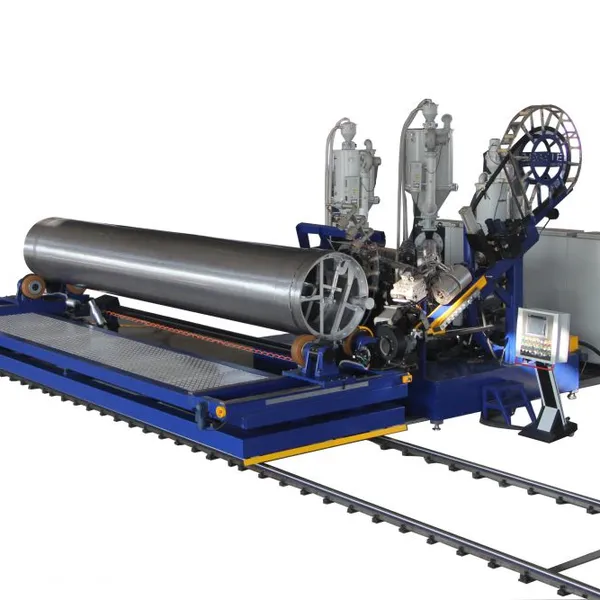
Hot Sell Single Wall Corrugated Pipe Extrusion Line With Competitive PriceNegotiableMOQ: 1 Set
-
HDPE Krah Profild Pipe MachineUS$ 10000MOQ: 1 Set
-
Plastic Tank CNC Holes Boring MachineUS$ 10000MOQ: 1 Set
-
Double Wall Corrugated Pipe Extrusion LineNegotiableMOQ: 1 Set
-
Single Wall Corrugated Pipe Extrusion LineNegotiableMOQ: 1 Set
-
Inversion CIPP Liner Tube Manufacturing MachineNegotiableMOQ: 1 Set